
Automated Laser Cutting for Data Center Equipment Production
How to choose automated laser cutting for data center racks, enclosures and frames: machine formats, edge quality, tolerances, marking and RFQ preparation.

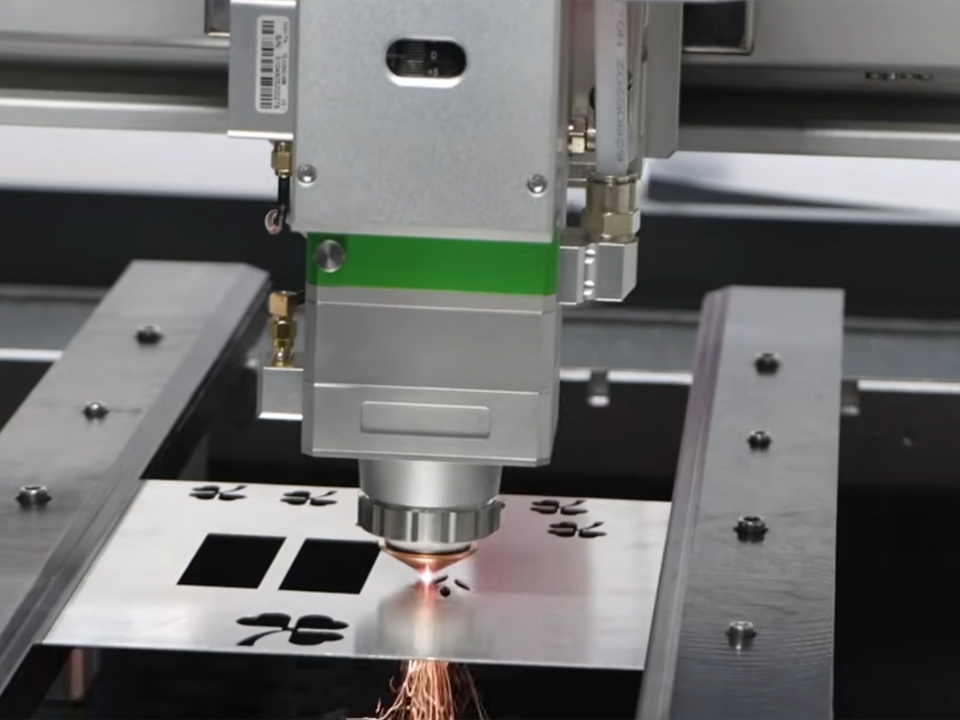
Much of what fills a data center starts as flat sheet or tube: rack frames, cabinet doors, server chassis, airflow panels, EMI shields and cable-support hardware. Automated laser cutting turns CAD files into those blanks without hard tooling. That matters when rack designs, perforation patterns and hole layouts change from one program to the next. For a buyer, the question is rarely whether a fiber laser can cut these parts. It is which sheet or tube configuration, assist gas, loading method and marking process will hold up across mixed batches, and what that does to cost per finished part. This guide covers where automation pays off, which specifications deserve scrutiny, and what to define before requesting a quote for machines or laser-cut parts.
Why Data Center Growth Changes Sheet Metal and Tube Demand
The International Energy Agency’s Energy and AI analysis projects that global data centre electricity consumption will more than double to around 945 TWh by 2030 in its Base Case. The IEA is describing electricity use, not metal fabrication. But more compute capacity generally means more halls to equip with racks, enclosures, containment and cabling structures, so fabricators serving this market should expect more volume and more design variants. That is an inference, not a measured forecast of fabrication demand.
The practical consequence is a high-mix production profile: many part numbers, moderate batch sizes, and frequent engineering changes. Laser cutting suits that profile because a program change replaces a tooling change. The trade-off is that you depend heavily on nesting software, material handling and edge quality, so those are the areas to evaluate.
Which Data Center Components Suit Automated Laser Cutting?
Fiber laser cutting suits flat and tubular components that need accurate profiles, cut-outs and perforations. Components that depend on forming, welding or surface treatment still need those downstream processes. The laser’s job is to deliver blanks that make them easier.
| Component family | Typical laser process | What to confirm first | Related equipment type |
|---|---|---|---|
| Cabinet panels, doors, covers, chassis blanks | Fiber sheet cutting | Sheet size, thickness range, material, perforation density, edge condition for finishing | High-power fiber cutter with exchange pallet |
| Frame members, cable-support structures, tube-based parts | Tube cutting | Outside diameter range, wall thickness, length, loading method, tail waste | Automatic-loading tube cutter |
| Small brackets, shims, nameplates, prototypes | Small-format fiber cutting | Bed size, maximum thickness, repeat accuracy | Compact fiber cutter |
| Serial numbers, QR and asset codes on metal | Fiber marking | Mark contrast and depth, coating, scanner readability | Portable or benchtop fiber marker |
| Plastic parts, labels, heat-sensitive surfaces | UV (355 nm) marking | Material compatibility, mark contrast, heat sensitivity | UV laser marker |
Sheet Cutting for Racks, Doors and Panels
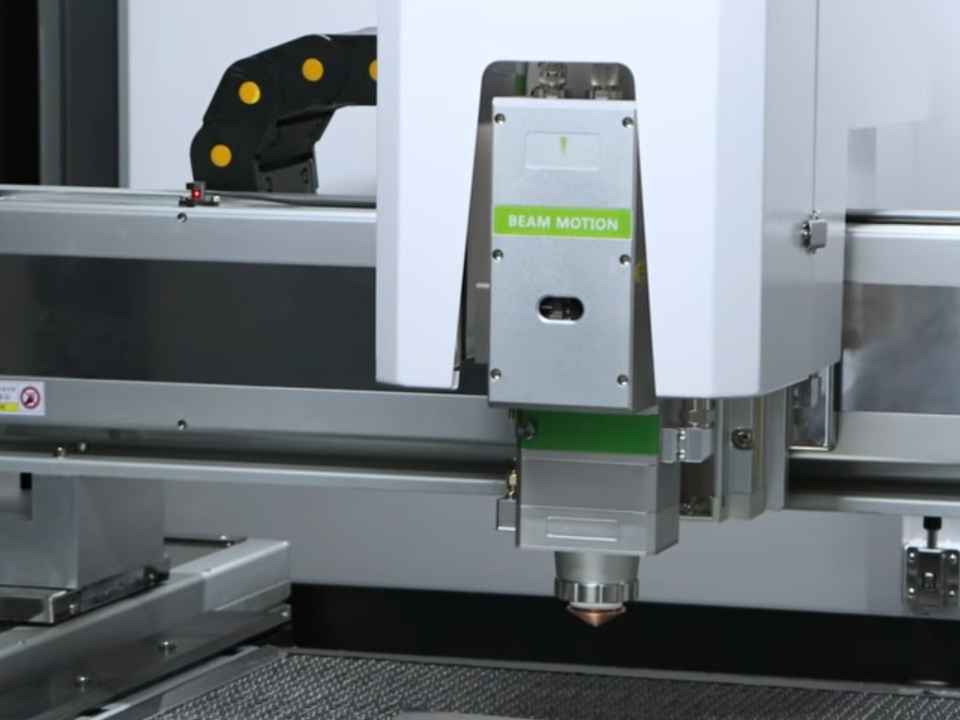
For sheet parts, the machine class matters more than the headline wattage. The 6000W–40KW high-power fiber laser metal cutting machine page describes a CNC fiber cutter with an exchange pallet and source options from 2000 W to 40,000 W. For the 6000 W configuration it lists cutting capacity of up to 25 mm carbon steel, 18 mm stainless steel, 16 mm aluminum, and 10 mm copper and brass. It also lists positioning accuracy of ≤±0.03 mm and repeatability of ≤±0.02 mm. These are supplier-stated figures. Ask for cut samples in your own material, thickness and gas before treating them as production capability.
An exchange pallet lets an operator unload and load one table while the other is cutting, which reduces idle laser time. It is the usual first step into automation, before investing in full load/unload towers.
Tube Cutting for Frames and Structural Members
If your designs use square, round or rectangular tube, such as support frames or internal structures, a tube cutter can replace saw, drill and notch operations with a single program. The automatic loading laser tube cutting machine page lists automatic feeding for diameters from φ10 to φ180 mm, with a 240 mm maximum for manual loading. It also describes three chucks, floating support to limit sagging on long tube, and a design intended to make zero-tail-material cutting easier. Check the maximum tube length, wall thickness and weight per metre against your actual frame designs, because feed-system limits often matter more than diameter.
Small-Format Cutting for Brackets and Prototypes
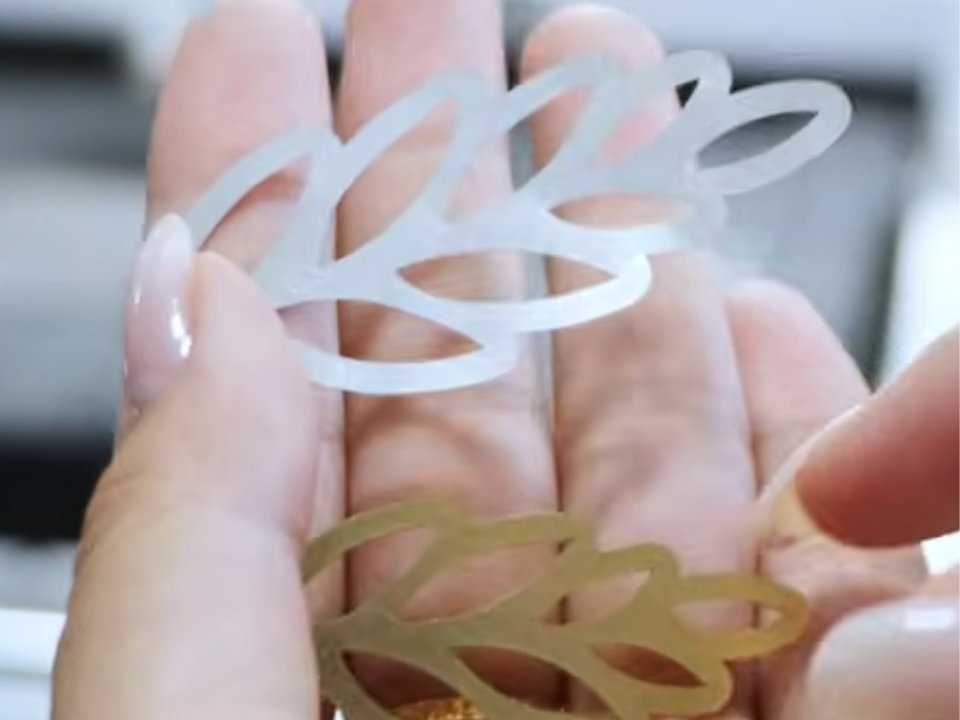
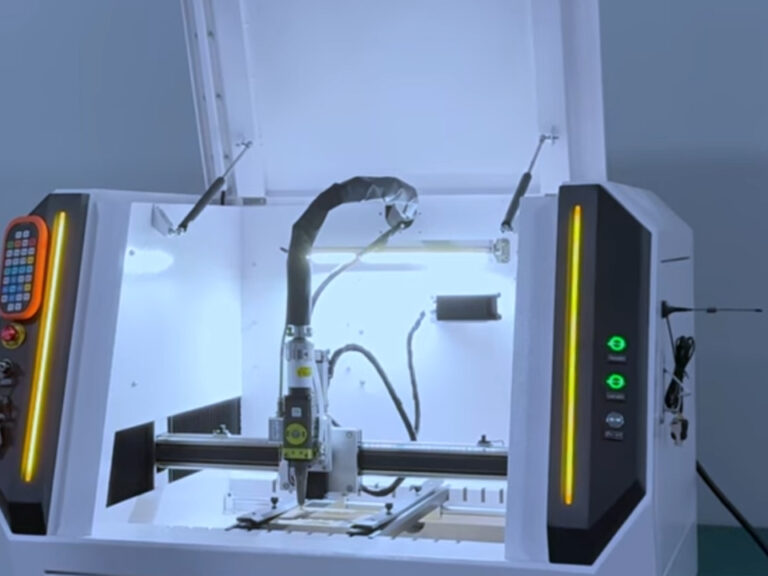
Not every part needs a full-size table. A compact machine such as the 5050 small fiber laser cutting machine, with a 500 × 500 mm cutting area, may suit prototype brackets, shims or small nameplates. That page is written mainly around jewelry and small-metal crafting. Confirm power, maximum thickness and material suitability for steel or aluminum before shortlisting it for production-grade electronics hardware.
What Decides Whether Automation Pays Off
Format and Material Handling
Match the machine bed to your standard sheet or tube stock. If your cabinet parts nest efficiently on a sheet size you cannot cut in one pass, you pay for remnant waste and extra handling. Questions to ask a supplier include:
- What is the maximum sheet size and weight?
- How long does a pallet change take?
- Can load/unload towers be retrofitted later?
- How are finished parts sorted?
Sorting is often the hidden labor cost on high-mix work.
Edge Quality and Assist Gas
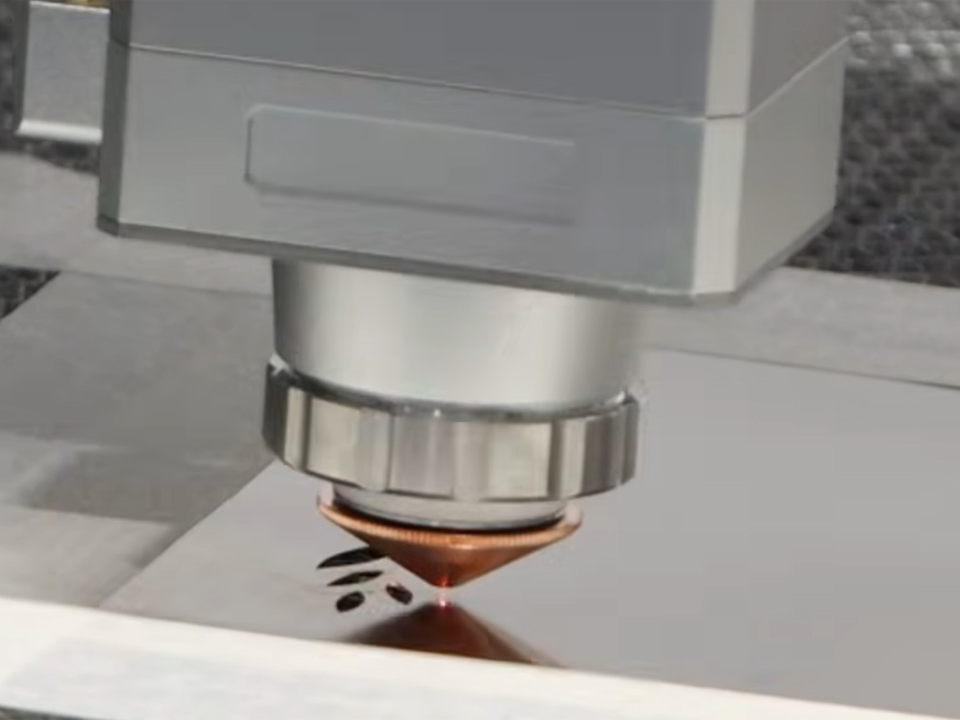
Edge condition affects what happens downstream, because most enclosures are painted or powder coated. Bystronic notes that nitrogen prevents the cut edge from oxidizing, and that powder coatings and paint often cannot adhere to oxidized metal edges. The same source cautions that nitrogen consumption rises dramatically on high-powered fiber lasers.
| Factor | Oxygen assist | Nitrogen assist |
|---|---|---|
| Edge on carbon steel | Oxide layer, darker edge | Oxide-free, bright edge |
| Downstream finishing | May need oxide removal before painting or welding | Generally suited to direct coating or welding |
| Operating cost driver | Lower gas consumption | High gas flow and pressure; supply method matters |
| Typical fit | Thicker carbon steel where cutting speed matters | Stainless steel, aluminum, and thin-to-medium coated parts |
The decision is a cost trade-off between gas expense and post-cut cleaning, not a quality ranking. Also confirm how your finishing supplier handles conductive or EMI-related coatings. If shielding continuity matters, agree edge condition and masking before production. Galvanized material also needs suitable fume extraction.
Accuracy: Machine Positioning vs. Part Tolerance
A positioning accuracy of ≤±0.03 mm describes how precisely the machine moves, not the tolerance of a finished rack panel. Part accuracy also depends on sheet flatness, heat input, forming springback and coating thickness. Define tolerances per feature on your drawing, and ask for a first-article inspection report instead of relying on the machine datasheet.
Rack interfaces make this concrete. A 19-inch rack uses a 482.6 mm panel width and 44.45 mm rack units under the EIA standard. The Open Rack V3 base specification supports either 48 mm OpenU spacing or 44.45 mm EIA-310 rack units. If one program uses both families, your CAD and nesting setup needs separate, version-controlled hole patterns. Always verify against the customer’s current specification revision.
Is a Higher-Wattage Laser Always the Better Investment?
No. Higher power usually raises cutting speed on thicker material, but the benefit depends on your thickness mix, gas supply and utilization. Bystronic reports that a new 20 kW fiber laser can increase cutting speeds by up to 50% over a 10 kW source in nitrogen cutting. That comparison applies to nitrogen cutting, where gas consumption rises sharply with power.
A buyer whose parts are mostly thin-gauge panels may find that motion system dynamics, nesting quality and handling time limit throughput more than laser power. A shop cutting thick structural plates may recover the extra cost quickly. The test is simple: run your own part mix through each machine option and compare cost per finished part, including gas, labor, scrap and downtime.
An illustrative example, not a customer case: a fabricator makes cabinet doors and frame rails and plans to add a second shift. A lower-wattage cutter with an exchange pallet and good nesting might add more capacity per dollar than a larger source with manual loading. The answer changes when thicker plate enters the mix.
Traceability Marking for Racks, Chassis and Components
Data center hardware often needs serial numbers, asset tags or QR codes for traceability. The marking method depends on the surface.
A handheld portable laser engraver is described as a compact tool that can mark metal and some non-metal materials such as plastic. It suits marking assembled cabinets or large parts that cannot be moved to a fixed station. Fixed markers give more repeatable focus, which matters for scannable codes.
For plastics and heat-sensitive materials, a UV laser marking machine uses a 355 nm wavelength. The supplier states it gives high-contrast marks with minimal heat effect on many plastics and reflective metals. Check readability on your actual coating, color and finish, and run scan tests with your barcode or QR reader. Contrast on a bare sample does not always carry over to a painted or anodized part.
Common Mistakes When Specifying Laser Cutting for Data Center Parts
- Buying on wattage alone. Power is one input among bed size, handling, gas supply, software and service.
- Treating the datasheet as part tolerance. Machine accuracy does not include flatness, forming or coating effects.
- Ignoring edge condition. Oxide edges can force an extra cleaning step before coating.
- Not planning for gas supply. Nitrogen cutting needs cylinders, bulk liquid or an on-site generator, each with different cost and logistics.
- Skipping sample cutting. Rated thickness is a maximum, not a guarantee of clean production quality.
- Overlooking spare parts and service. Lenses, nozzles and chillers wear, so check local support and consumable availability.
- Leaving out marking and traceability. Retrofitting a marking step later disrupts the line.
What Should Buyers Specify Before Requesting a Quote?
A precise request avoids mismatched quotations. Prepare:
- Part drawings and files. DXF or STEP files for representative parts, including the largest and thinnest.
- Material and thickness range. Carbon steel, galvanized, stainless or aluminum, with thickness for each.
- Sheet and tube stock. Standard sheet size, tube profiles, lengths and wall thickness.
- Volume and batch profile. Annual quantity, typical batch size, number of part numbers and change frequency.
- Tolerance and edge requirements. Which features are critical, and whether parts are painted, powder coated or welded.
- Gas and utilities. Available nitrogen or oxygen supply, electrical supply, cooling and floor space. The supplier pages list 380 V three-phase for the high-power cutter and 220 V single-phase or 380 V three-phase for the tube cutter.
- Automation level. Manual loading, exchange pallet, or load/unload towers.
- Marking and traceability. Code type, surface and scanner standard.
- Acceptance test. Ask for sample cutting on your files, with measured results, before payment terms are agreed.
- Service terms. Installation, training, spare parts, remote support and warranty scope.
Once those items are set, shortlist machines by category: flat-bed fiber cutters for panels and chassis, tube cutters for structural parts, and fixed or portable markers for traceability. Send the same package to every supplier so the quotations are comparable.
Frequently Asked Questions
What parts of a data center rack can be laser cut?
Laser cutting can produce panels, doors, covers, chassis blanks, perforated airflow sections, brackets and tube-based frame members. Forming, welding, coating and assembly are still separate steps, so the laser mainly delivers accurate profiles and cut-outs.
Is fiber laser cutting better than punching for server enclosures?
It depends on volume and features. Lasers handle complex profiles and frequent design changes without tooling, while punching can be faster for repetitive holes and forms. Many fabricators use both, so compare cost per part for your own geometry.
Should I choose nitrogen or oxygen assist gas?
Nitrogen produces an oxide-free edge, which suits stainless steel, aluminum and parts to be painted, but it uses more gas. Oxygen costs less to run on carbon steel but may require oxide removal before coating or welding.
How accurate does laser cutting need to be for rack equipment?
Accuracy depends on the interface. Mounting hole patterns and widths follow rack standards such as EIA-310 or Open Rack V3, so set tolerances per feature. Ask for first-article inspection results rather than machine positioning figures alone.
Do I need a tube laser cutter for data center equipment?
Only if your designs include tube or profile parts such as frames and supports. If your products are mostly sheet-metal enclosures, a flat-bed fiber cutter may be enough. Check tube diameter range, length and loading method before deciding.
How should I mark serial numbers on racks and chassis?
Use fiber marking for most bare or coated metal parts, and UV marking for plastics or heat-sensitive surfaces. Test code readability on the final finish, because contrast on bare samples may not carry over to painted parts.
What should I ask a laser machine supplier before ordering?
Ask for cut samples in your material and gas, a part-level inspection report, utilities requirements, spare-part availability, training and warranty terms. Also confirm whether supplier-stated thickness and accuracy figures apply to your configuration.


Hot Click
Contact Us
Application
©Copyright [bogonglaser.com]. BOGONG Laser Machine Supplier All Rights Reserved.