

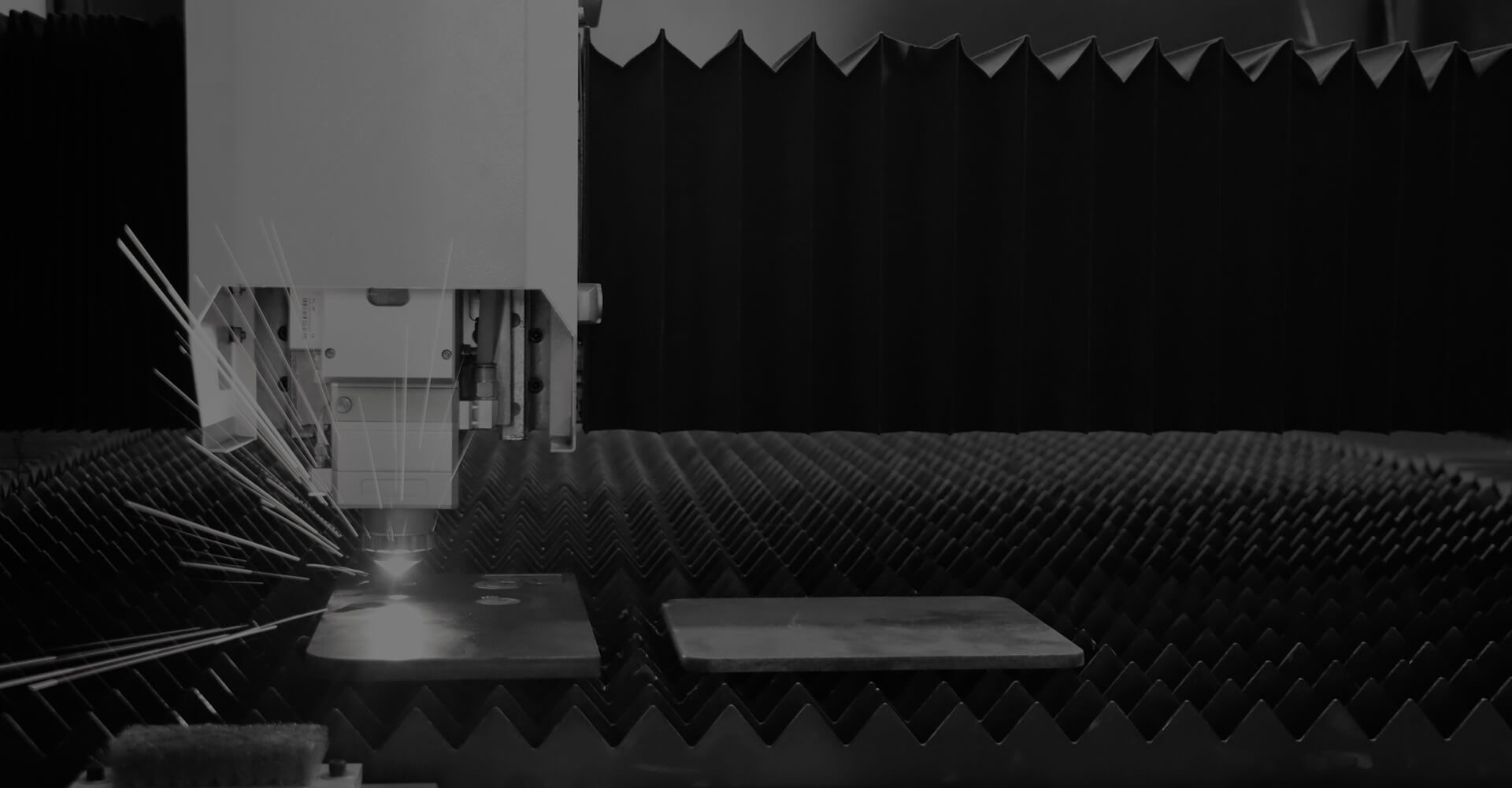
Category laser cutting machine for metal
Industrial Laser Metal Cutting Machines: A Complete Guide
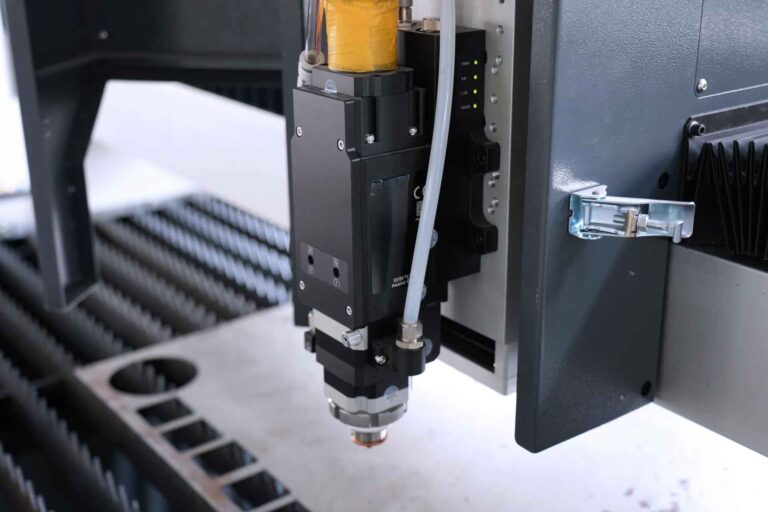
Buying a laser metal cutting device is not about chasing after the highest power level. It has to do with matching power, material mix, precision, automation, solution, gas approach, and genuine production quantity before the billing comes to be a really expensive lesson.
Industrial Advantages of Laser Metal Cutting Machines
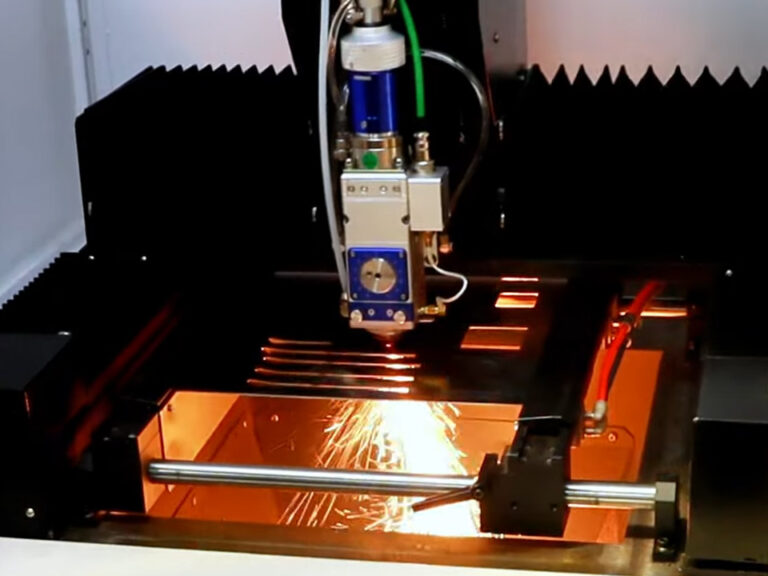
Laser metal cutting machines sell on speed and precision. That’s the easy part. The harder truth is that their real industrial value shows up in labor compression, digital repeatability, scrap visibility, and how well they plug into automation. This piece breaks down where they truly win, where they disappoint, and what skeptical buyers should check before signing anything.
How Laser Cutting Reduces Waste in Metal Processing
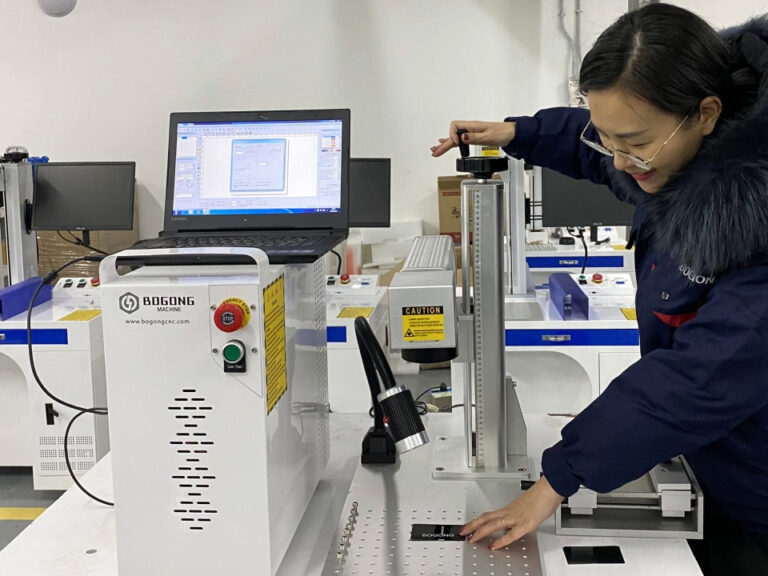
Laser cutting does reduce waste in metal processing, but not by magic. It does it through tighter nesting, narrower kerf widths, fewer tooling constraints, and better repeatability. The real savings show up when shops stop treating the laser as a fast knife and start running it as a data-driven yield system.
Metal Fabrication Efficiency With Fiber Laser Technology
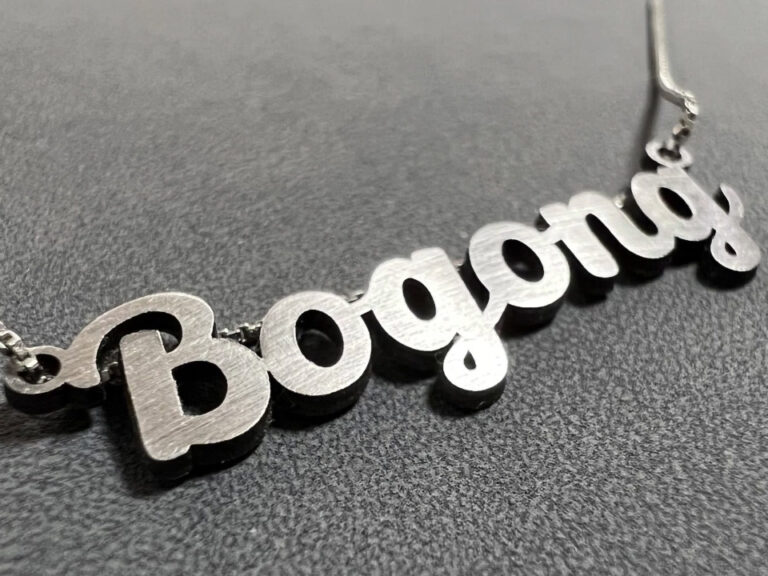
Fiber laser cutting is not magic. It is, however, one of the few factory investments that can tighten tolerances, reduce energy waste, and lift throughput at the same time—if the shop understands material thickness, assist gas costs, nesting discipline, and downstream bottlenecks.
What Thickness Can Fiber Laser Machines Cut in Production
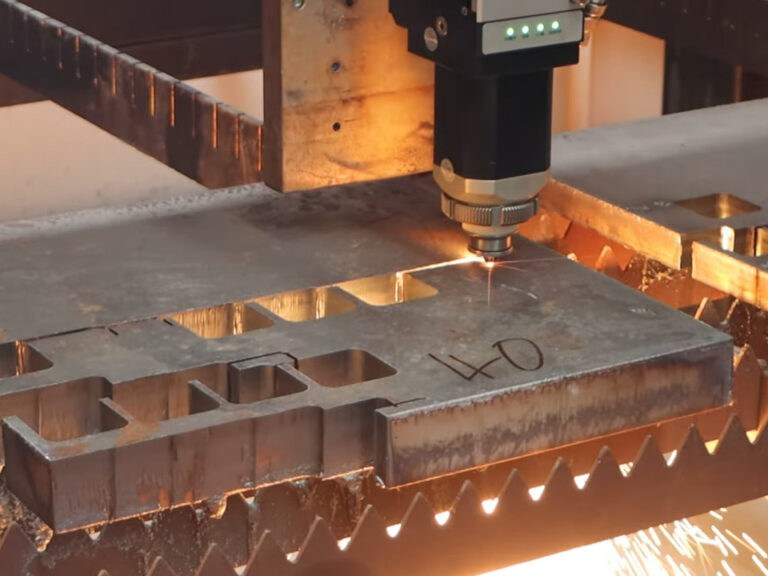
It depends. That sounds annoyingly vague, I know, but that’s still the only honest place to start, because the industry keeps selling one magic thickness number as if it tells the whole story, when in the real world that number…
Laser Cutting Parameters for Stainless Steel Fabrication
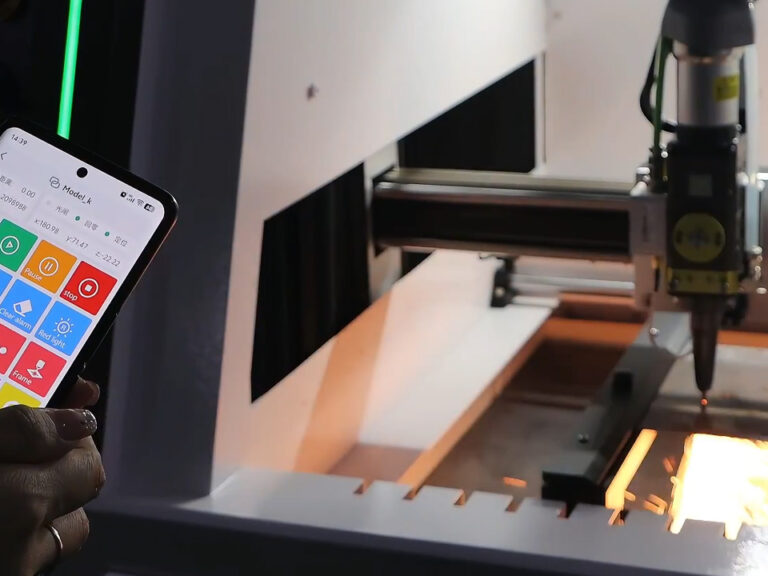
Most stainless steel laser cutting problems do not come from “bad machines.” They come from sloppy parameter windows, dirty nozzles, weak gas discipline, and shops chasing speed before they stabilize edge quality. This guide breaks down the stainless steel laser cutting parameters that matter, where people waste money, and how to think like a fabricator instead of a brochure writer.
Laser Cutting vs Water jet Cutting for Metal Manufacturing
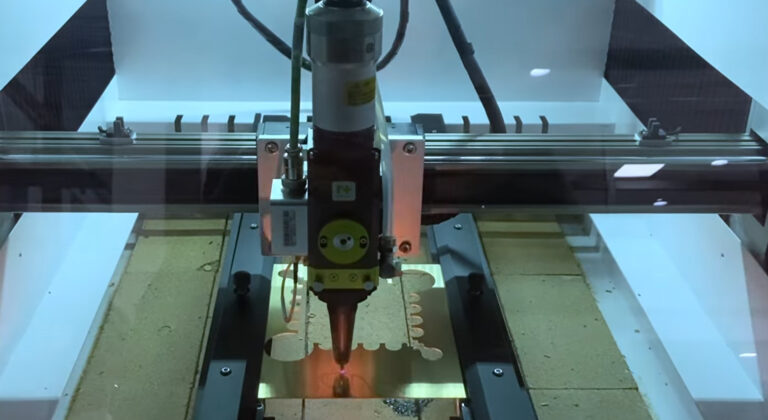
I’ve seen too many shops pretend laser and waterjet are interchangeable. They are not. One is usually the money printer. The other is the rescue tool when heat, thickness, or metallurgy starts fighting back. Here’s the blunt version.
Industrial Laser Cutting Machines for Sheet Metal Processing
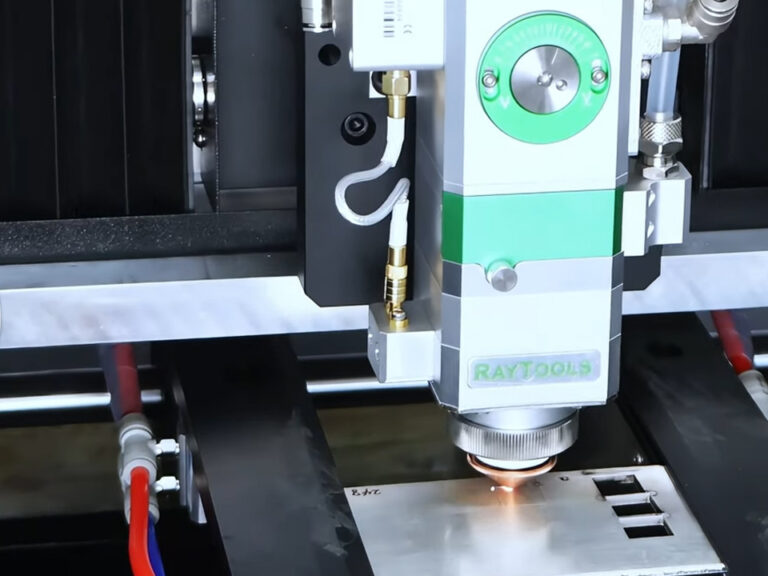
Most buyers shop by wattage first and regret it later. This guide breaks down what actually matters in a sheet metal laser cutting machine: material mix, assist gas cost, thickness range, automation, bevel readiness, operator risk, and downstream labor.
Cutting Aluminum With Fiber Laser: Challenges and Solutions
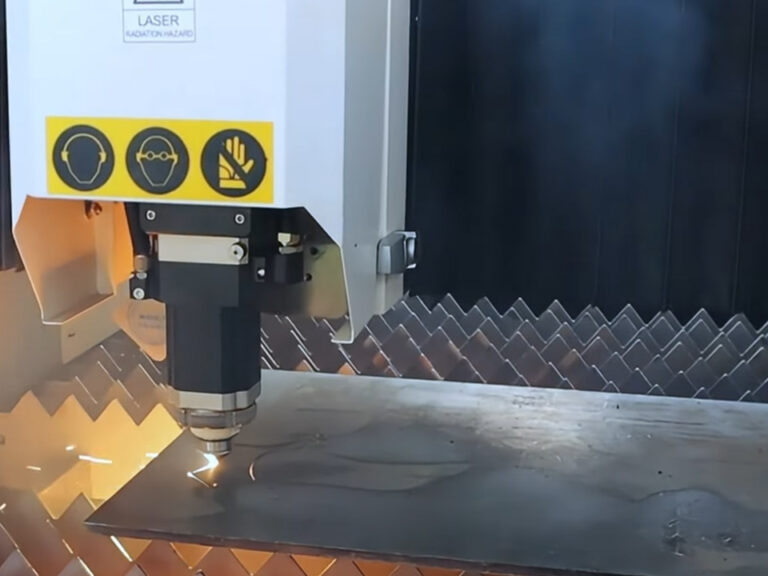
Aluminum punishes lazy laser setups. I’ve seen shops blame the metal when the real problem was nozzle condition, gas logic, focal position, or a machine bought on headline wattage alone. Here’s the hard truth about fiber laser cutting aluminum, with data, case-backed reasoning, and practical fixes.
What Industries Use Laser Metal Cutting Machines Most
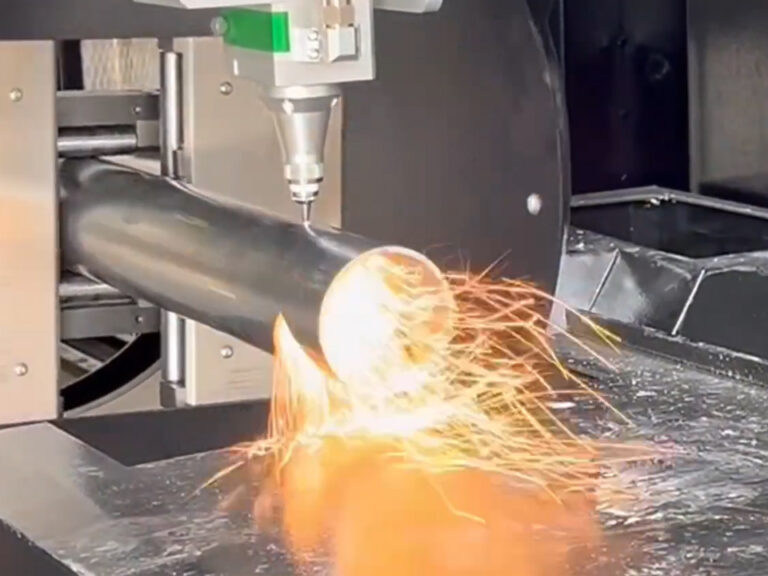
If you strip away the brochure language, the answer is simple: laser metal cutting machines follow volume, tolerance pressure, and margin. The industries that use them most are the ones that cut sheet and tube all day, hate rework, and cannot afford ugly edges or slow changeovers.

Hot Click
Contact Us
Application
©Copyright [bogonglaser.com]. BOGONG Laser Machine Supplier All Rights Reserved.