

Categoría: máquina de corte por láser para metal
Máquinas Industriales de Corte Láser de Metales: Una guía completa
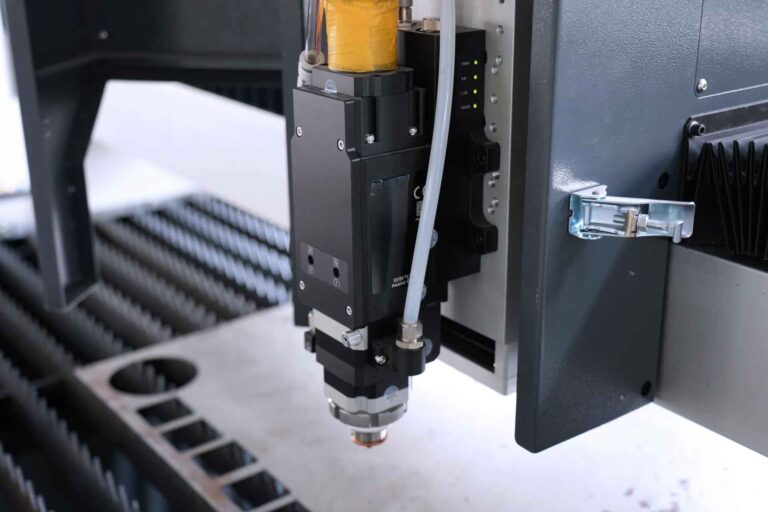
Comprar un dispositivo de corte de metal por láser no consiste en perseguir el nivel de potencia más alto. Tiene que ver con hacer coincidir la potencia, la mezcla de materiales, la precisión, la automatización, la solución, el enfoque de gas y la cantidad de producción genuina antes de que la facturación llegue a ser una lección realmente cara.
Ventajas industriales de las máquinas de corte por láser de metales
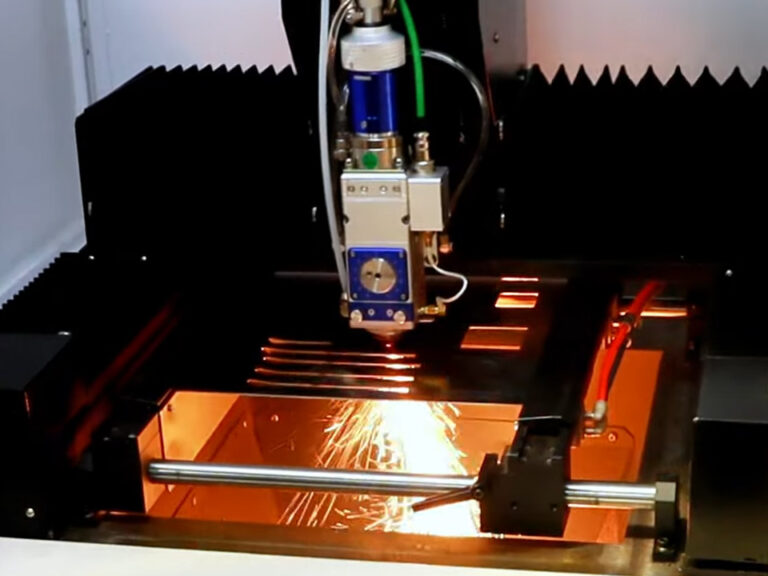
Las máquinas de corte de metal por láser se venden por su velocidad y precisión. Esa es la parte fácil. La verdad más difícil es que su valor industrial real se muestra en la compresión de mano de obra, la repetibilidad digital, la visibilidad de la chatarra y lo bien que se conectan a la automatización. En este artículo se analizan las ventajas reales, las desventajas y lo que los compradores escépticos deberían comprobar antes de firmar nada.
Cómo el corte por láser reduce los residuos en el procesamiento de metales
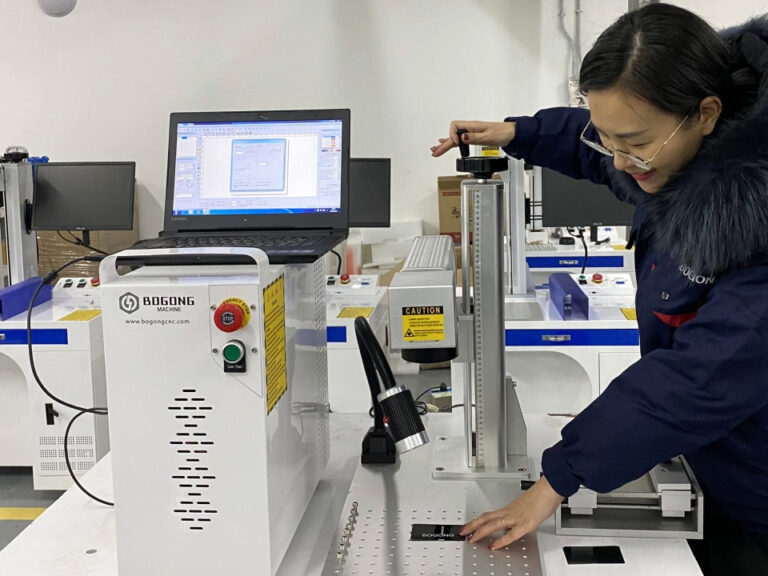
El corte por láser reduce los residuos en el procesamiento de metales, pero no por arte de magia. Lo consigue mediante un anidado más estricto, anchuras de corte más estrechas, menos restricciones de herramientas y una mejor repetibilidad. Los verdaderos ahorros aparecen cuando los talleres dejan de tratar el láser como una cuchilla rápida y empiezan a utilizarlo como un sistema de rendimiento basado en datos.
Eficacia de la fabricación de metal con tecnología láser de fibra óptica
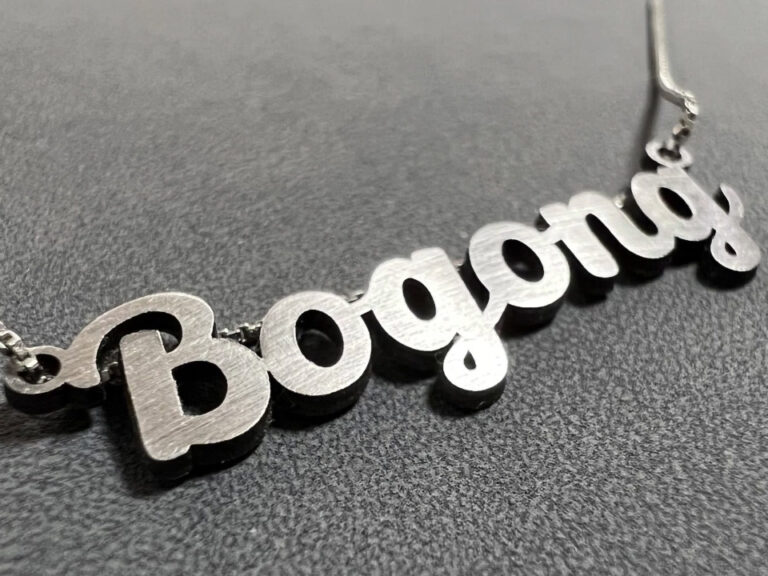
El corte por láser de fibra óptica no es mágico. Sin embargo, es una de las pocas inversiones de una fábrica que puede ajustar las tolerancias, reducir el derroche de energía y aumentar el rendimiento al mismo tiempo, siempre que el taller comprenda el grosor del material, los costes de gas auxiliar, la disciplina de anidado y los cuellos de botella posteriores.
¿Qué grosor pueden cortar las máquinas láser de fibra en la producción?
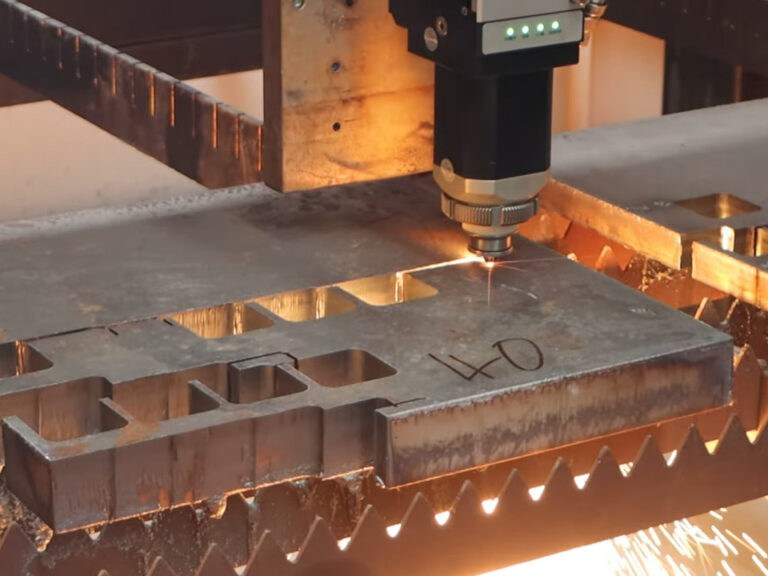
Depende. Suena demasiado vago, lo sé, pero sigue siendo el único punto de partida honesto, porque la industria sigue vendiendo un número mágico de grosor como si lo dijera todo, cuando en el mundo real ese número...
Parámetros de corte por láser para la fabricación de acero inoxidable
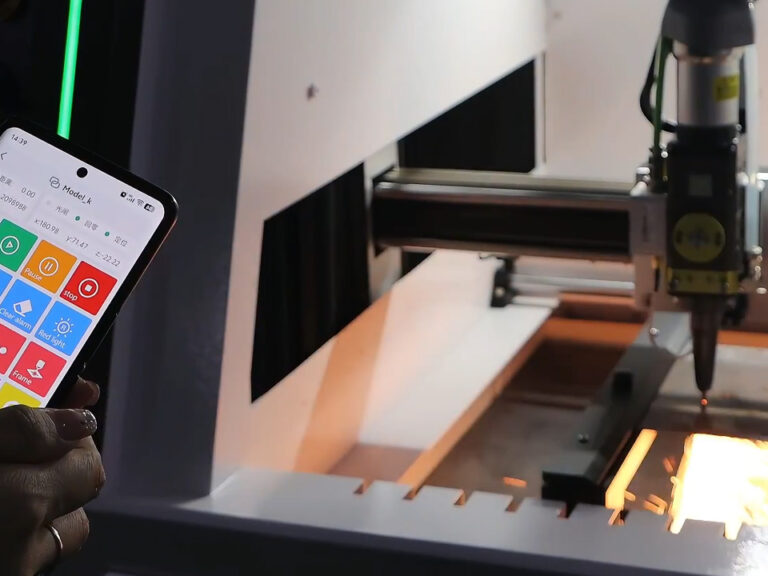
La mayoría de los problemas de corte por láser de acero inoxidable no provienen de “máquinas malas”. Provienen de ventanas de parámetros descuidadas, boquillas sucias, disciplina de gas débil y talleres que persiguen la velocidad antes de estabilizar la calidad del borde. Esta guía desglosa los parámetros de corte por láser de acero inoxidable que importan, dónde se malgasta el dinero y cómo pensar como un fabricante en lugar de como un escritor de folletos.
Corte por láser frente al corte por chorro de agua en la fabricación de metales
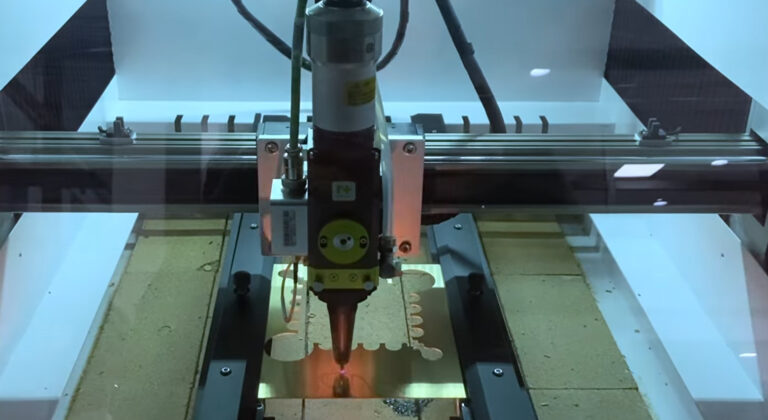
He visto demasiados talleres que pretenden que el láser y el chorro de agua son intercambiables. No lo son. Uno suele ser la impresora de dinero. El otro es la herramienta de rescate cuando el calor, el grosor o la metalurgia empiezan a defenderse. Esta es la versión sin rodeos.
Máquinas industriales de corte por láser para el procesamiento de chapa metálica
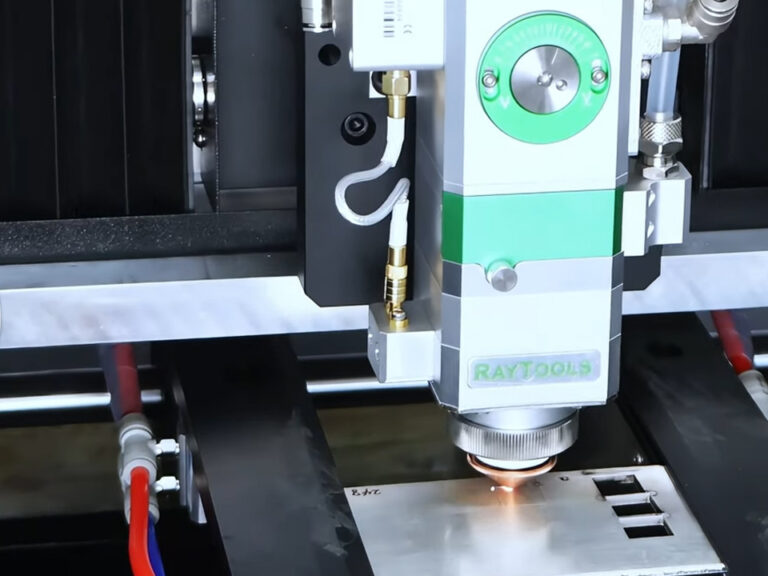
La mayoría de los compradores compran primero por potencia y luego se arrepienten. Esta guía desglosa lo que realmente importa en una máquina de corte por láser de chapa metálica: mezcla de materiales, coste del gas auxiliar, gama de espesores, automatización, preparación para biselado, riesgo para el operario y mano de obra posterior.
Corte de aluminio con láser de fibra óptica: Retos y soluciones
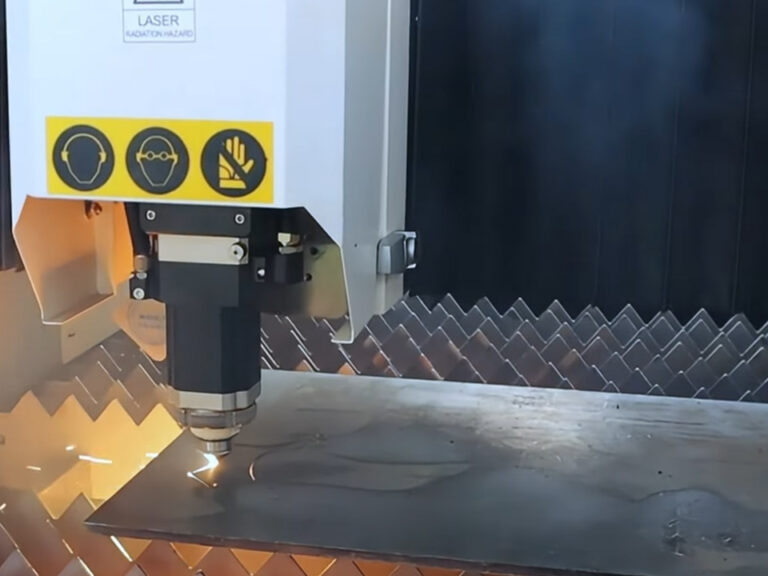
El aluminio castiga las configuraciones láser perezosas. He visto talleres que culpan al metal cuando el verdadero problema era el estado de la boquilla, la lógica del gas, la posición focal o una máquina comprada sólo por su potencia. Aquí está la dura verdad sobre el corte de aluminio con láser de fibra, con datos, razonamientos respaldados por casos y soluciones prácticas.
Qué industrias utilizan más las máquinas de corte por láser de metales
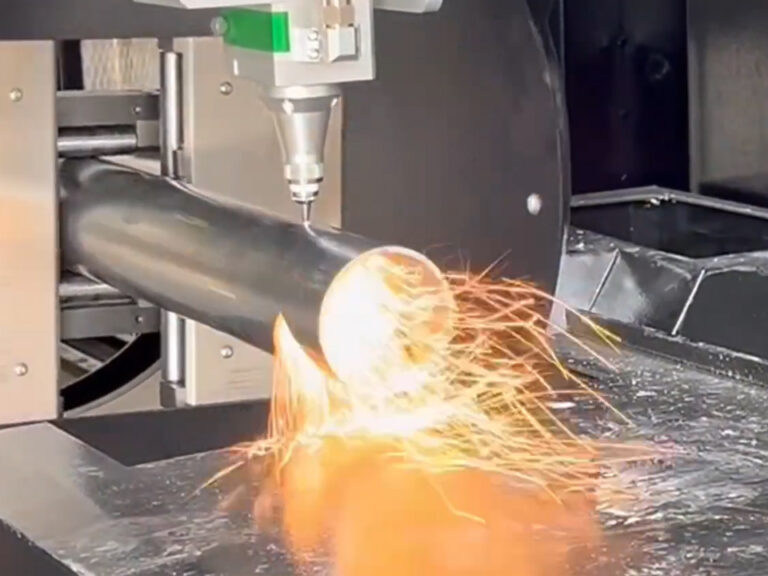
Si se quita el lenguaje de los folletos, la respuesta es sencilla: las máquinas de corte por láser de metales se rigen por el volumen, la presión de las tolerancias y el margen. Las industrias que más las utilizan son las que se pasan el día cortando chapas y tubos, odian las repeticiones y no pueden permitirse bordes feos ni cambios lentos.

Hot Click
Contacte con nosotros
Aplicación
©Copyright [bogonglaser.com]. BOGONG Laser Machine Supplier Todos los derechos reservados.