

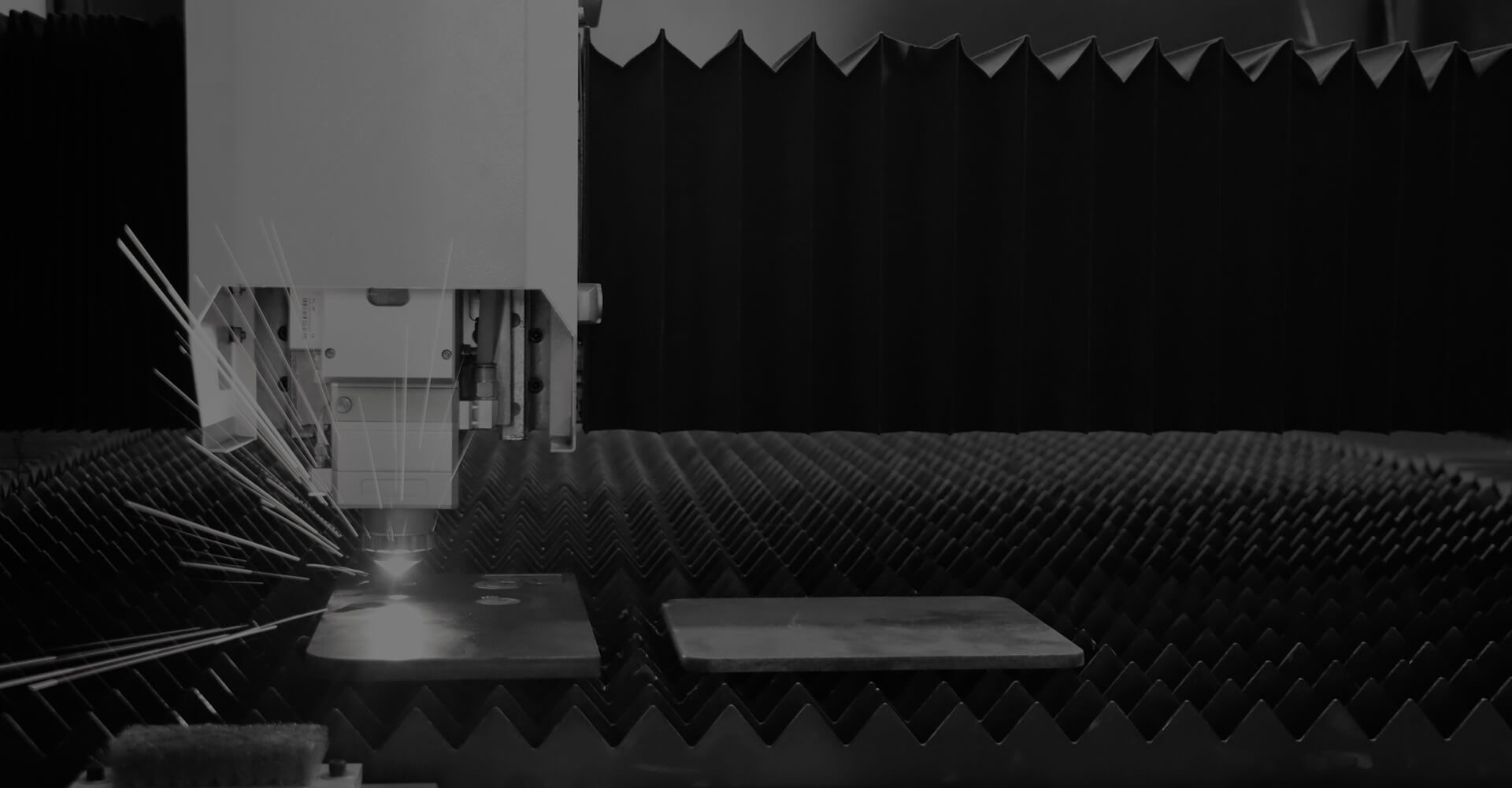
Categoria: macchina per il taglio laser del metallo
Macchine industriali per il taglio laser dei metalli: Una guida completa
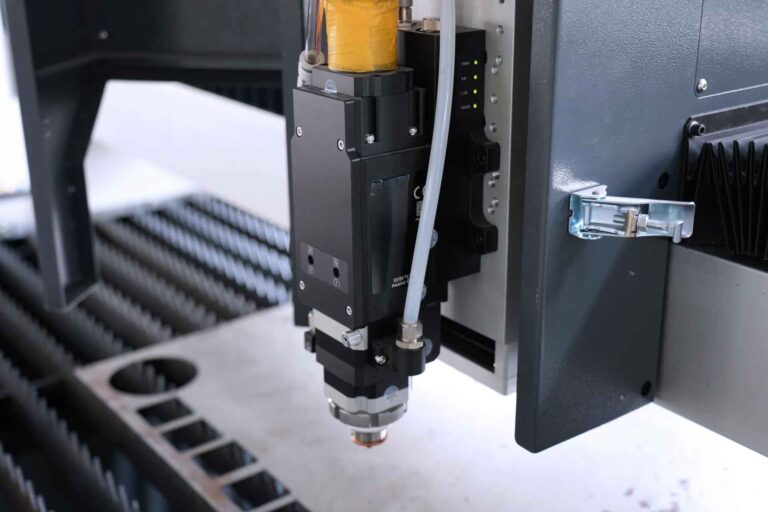
L'acquisto di un dispositivo per il taglio laser dei metalli non consiste nel rincorrere il livello di potenza più elevato. Si tratta di abbinare la potenza, la miscela di materiali, la precisione, l'automazione, la soluzione, l'approccio al gas e la quantità di produzione reale prima che la fatturazione diventi una lezione molto costosa.
Vantaggi industriali delle macchine per il taglio laser dei metalli
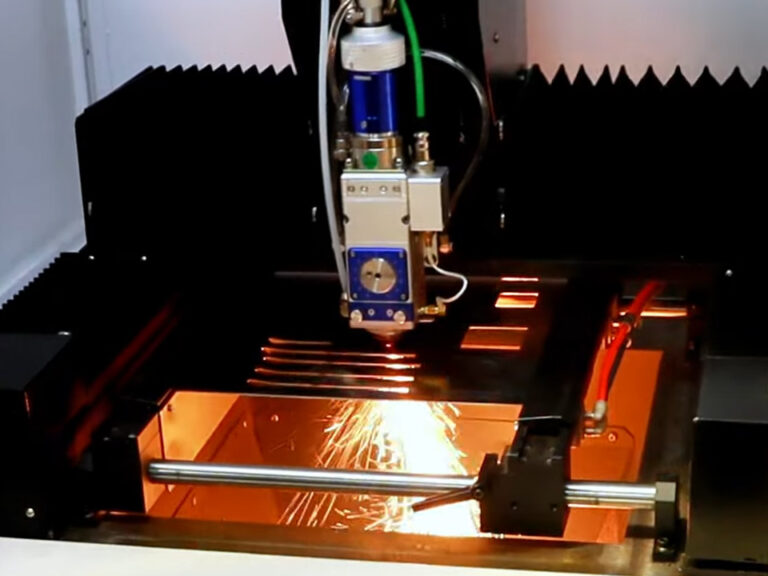
Le macchine per il taglio laser dei metalli si vendono per la velocità e la precisione. Questa è la parte più semplice. La verità più difficile è che il loro vero valore industriale si manifesta nella compressione della manodopera, nella ripetibilità digitale, nella visibilità degli scarti e nell'integrazione con l'automazione. Questo articolo spiega dove sono veramente vincenti, dove deludono e cosa dovrebbero verificare gli acquirenti scettici prima di firmare.
Come il taglio laser riduce gli scarti nella lavorazione dei metalli
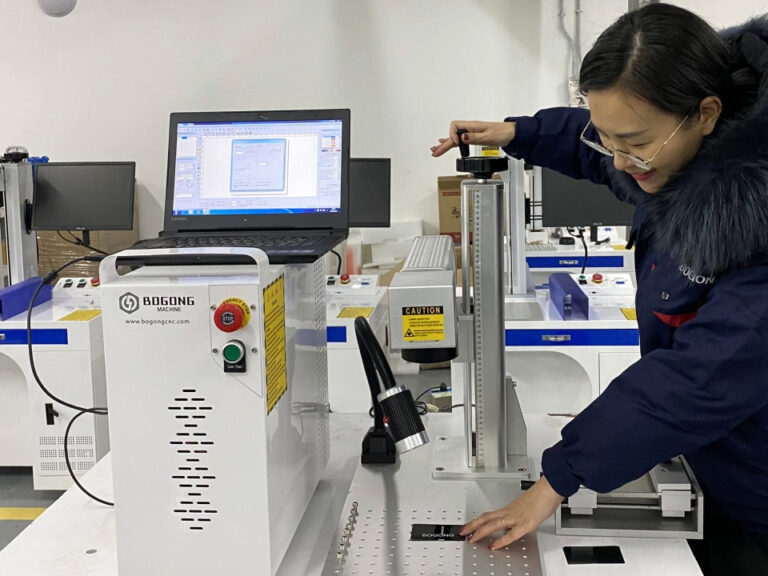
Il taglio laser riduce gli scarti nella lavorazione del metallo, ma non per magia. Lo fa attraverso un nesting più stretto, larghezze di taglio più ridotte, meno vincoli di utensileria e una migliore ripetibilità. I veri risparmi si manifestano quando le officine smettono di trattare il laser come un coltello veloce e iniziano a gestirlo come un sistema di produzione basato sui dati.
Efficienza di fabbricazione del metallo con la tecnologia laser a fibra
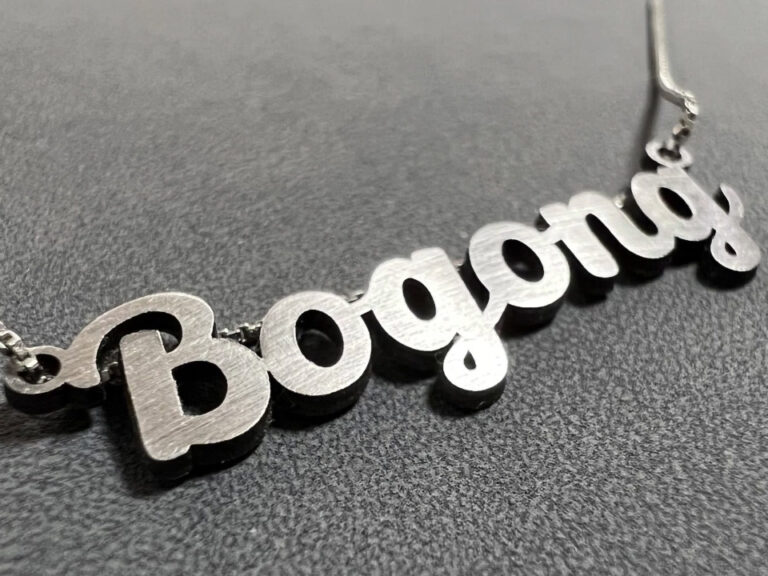
Il taglio laser in fibra non è una magia. Tuttavia, è uno dei pochi investimenti in fabbrica in grado di restringere le tolleranze, ridurre gli sprechi energetici e aumentare la produttività allo stesso tempo, se l'officina comprende lo spessore del materiale, i costi del gas di assistenza, la disciplina del nesting e i colli di bottiglia a valle.
Quale spessore possono tagliare le macchine laser a fibra nella produzione?
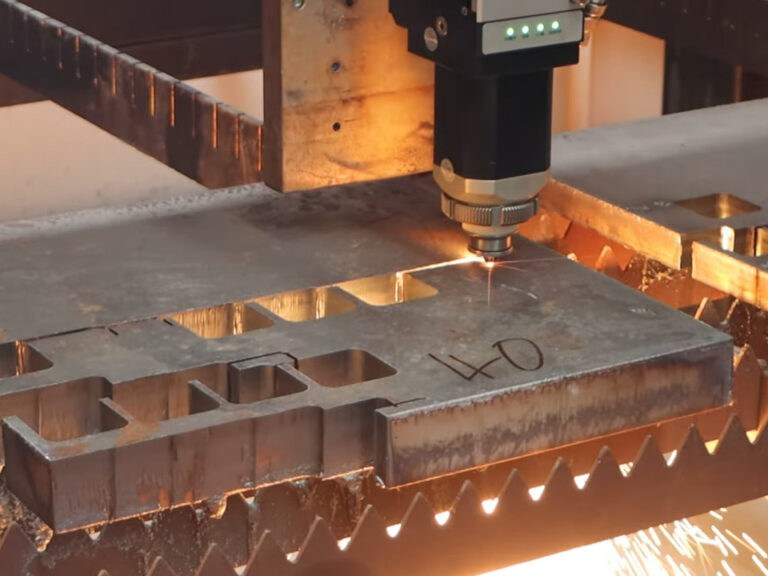
Dipende. Sembra fastidiosamente vago, lo so, ma è comunque l'unico punto di partenza onesto, perché l'industria continua a vendere un numero di spessore magico come se raccontasse tutta la storia, quando nel mondo reale quel numero...
Parametri di taglio laser per la lavorazione dell'acciaio inossidabile
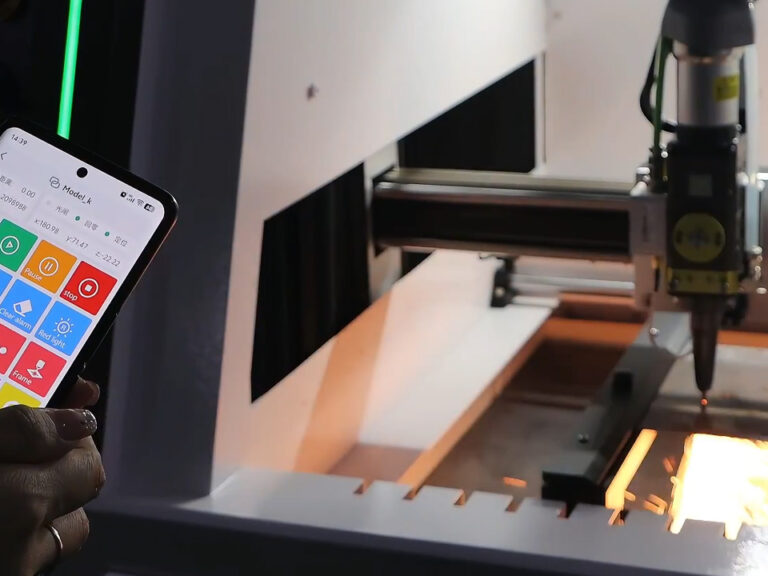
La maggior parte dei problemi di taglio laser dell'acciaio inossidabile non deriva da “macchine difettose”. Sono dovuti a finestre di parametri approssimative, ugelli sporchi, disciplina del gas debole e negozi che inseguono la velocità prima di stabilizzare la qualità dei bordi. Questa guida spiega quali sono i parametri di taglio laser dell'acciaio inossidabile che contano, dove si sprecano i soldi e come pensare come un fabbricante invece che come uno scrittore di brochure.
Taglio laser e taglio a getto d'acqua per la produzione di metalli
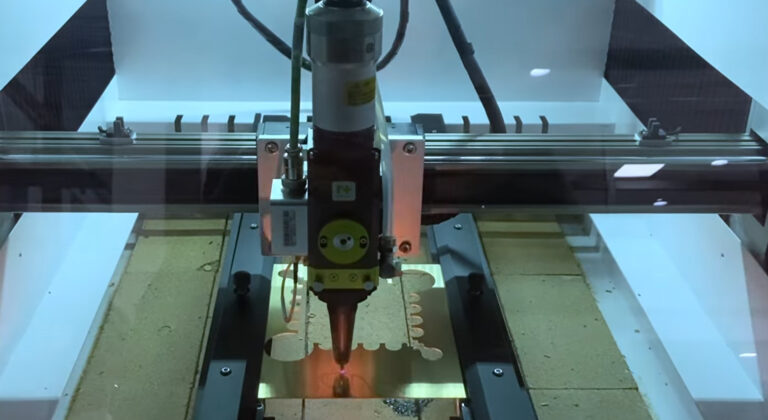
Ho visto troppe officine fingere che il laser e il getto d'acqua siano intercambiabili. Non lo sono. Di solito uno dei due è la stampante dei soldi. L'altro è lo strumento di salvataggio quando il calore, lo spessore o la metallurgia iniziano a opporsi. Ecco la versione spicciola.
Macchine da taglio laser industriali per la lavorazione della lamiera
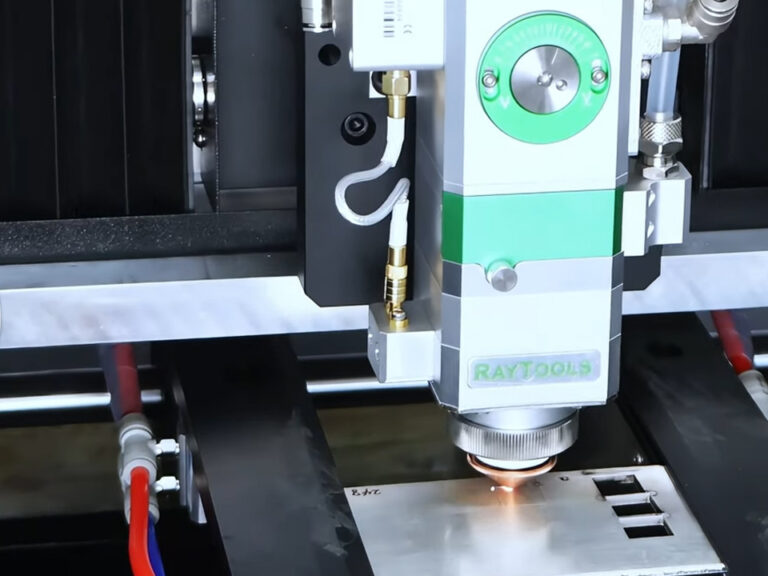
La maggior parte degli acquirenti acquista prima in base al wattaggio e poi se ne pente. Questa guida analizza ciò che conta davvero in una macchina per il taglio laser della lamiera: mix di materiali, costo del gas di assistenza, gamma di spessori, automazione, predisposizione allo smusso, rischio per l'operatore e manodopera a valle.
Taglio dell'alluminio con il laser a fibra: Sfide e soluzioni
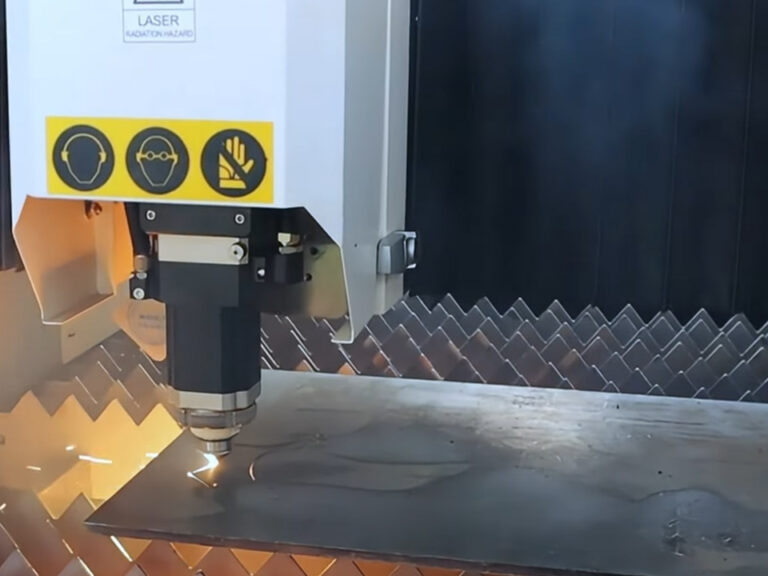
L'alluminio punisce le configurazioni laser pigre. Ho visto negozi dare la colpa al metallo quando il vero problema era la condizione dell'ugello, la logica del gas, la posizione della focale o una macchina acquistata solo in base al wattaggio della testata. Ecco la dura verità sul taglio laser in fibra dell'alluminio, con dati, ragionamenti fondati su casi concreti e soluzioni pratiche.
Quali industrie utilizzano maggiormente le macchine per il taglio laser dei metalli
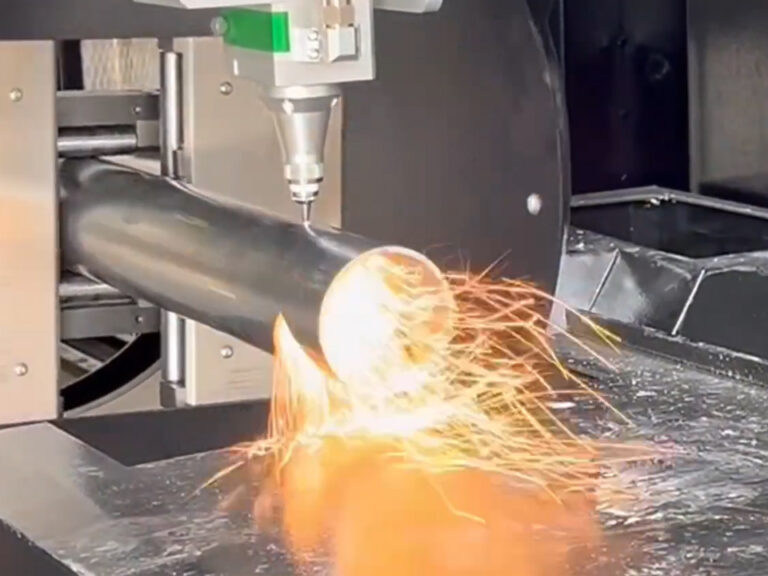
Se si elimina il linguaggio delle brochure, la risposta è semplice: le macchine per il taglio laser dei metalli seguono il volume, la pressione della tolleranza e il margine. Le industrie che le utilizzano maggiormente sono quelle che tagliano lamiere e tubi tutto il giorno, che odiano le rilavorazioni e che non possono permettersi bordi brutti o cambi lenti.

Click a caldo
Contatto
Applicazione
©Copyright [bogonglaser.com]. BOGONG Laser Machine Supplier Tutti i diritti riservati.