
Industrial Laser Metal Cutting Machines: A Complete Guide
Buying a laser metal cutting device is not about chasing after the highest power level. It has to do with matching power, material mix, precision, automation, solution, gas approach, and genuine production quantity before the billing comes to be a really expensive lesson.

The Uncomfortable Fact Regarding Purchasing a Laser Steel Reducing Machine
Steel tells lies.
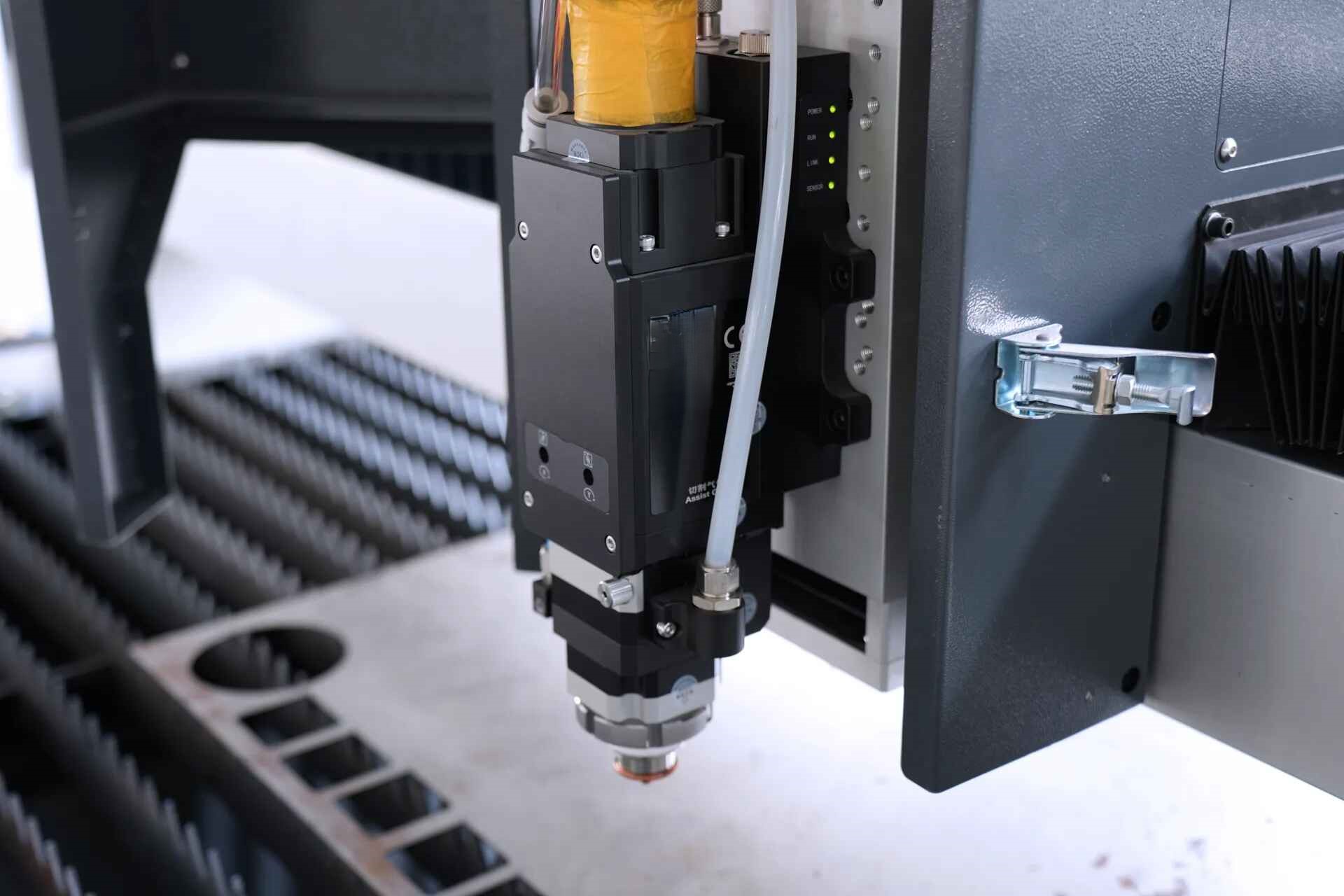
A laser metal reducing maker can look completely easy from the outside– cabinet, bed, gantry, reducing head, chiller, control panel– but the genuine purchase decision hides in beam of light high quality, assist-gas business economics, servo stability, sheet handling, software application nesting, spare-part accessibility, and whether the seller recognizes production as opposed to only sales brochures.
So why do so lots of factories still purchase by electrical power alone?
I’ll state the peaceful component first: the highest-power machine is not constantly the best commercial laser reducing maker. In some cases it is simply the most costly means to uncover that your operators, air compressor, electrical supply, fume extraction, nozzle inventory, and CAD/CAM process were never ever all set for 12kW, 20kW, or 40kW cutting.
The case for laser is still solid. Reuters’ report on the Paris 2024 Olympic lantern manufacturing process is a neat public instance: 6 lots of steel were shaped right into 0.7 mm plates, then laser-cut, bonded, and assembled right into 2,000 torches by Man Degrenne in Normandy. That is not a “little store trial.” That is visible, deadline-driven metalwork where repeatability issues.
And still, the machine is just half the story.
Fiber Won the Metal Fight– But Not by Magic
For many contemporary steel stores, a fiber laser reducing maker for metal is the default solution due to the fact that it is quick, electrically efficient, portable in light beam delivery, and harsh on thin-to-medium stainless-steel, carbon steel, galvanized sheet, light weight aluminum, brass, and copper when the configuration is right.
Yet fiber did not win because words “fiber” sounds contemporary. It won because the 1070 nm fiber wavelength pairs well with steels, the light beam path is cleaner than old CO two mirror systems, and the upkeep account is easier for manufacturing facilities that can not manage a senior optics professional babysitting positioning weekly.
On Bogong Laser’s very own product side, the fiber laser cutting maker for metal category reveals the reality of the marketplace: devices range from entry-level sheet systems to high-power configurations, with power options reaching from 1,500 W to 60,000 W and rates explained from around $15,000 to $300,000 or even more relying on setup.
That spread is not aesthetic. It transforms whatever.
A 1.5 kW to 3kW CNC laser steel reducing equipment can be a money-maker for thin stainless panels, signs, cupboards, small brackets, a/c parts, and prototyping. A 6kW to 12kW system starts to make sense when throughput, thicker carbon steel, nitrogen cutting, and manufacturing nesting come to be daily habits. A 20kW-plus system? That is not a trophy. That is a factory ecological community.
The Three Variables Buyers Ignore
Power gets attention. Gas obtains the expense.
Nitrogen, oxygen, and pressed air act in a different way. Nitrogen gives cleaner oxide-free sides on stainless-steel and light weight aluminum but can hammer operating price. Oxygen cuts carbon steel with an exothermic help, yet side oxidation can come to be a downstream welding or coating concern. Pressed air is economical, rapid in some thin-sheet jobs, and frequently undervalued, but just when air quality, stress, filtering, and edge assumptions are realistic.
After that comes the cutting head. A cheap head with unsteady autofocus, unclean safety lenses, weak crash security, or inadequate nozzle centering can spoil the revenue margin much faster than a somewhat reduced laser resource rating.
And software application? I have actually seen purchasers suggest for weeks regarding 6kW versus 12kW while disregarding nesting yield. That is backwards. If your software application wastes 3% even more sheet each day, your “cheap device” is eating cash quietly.
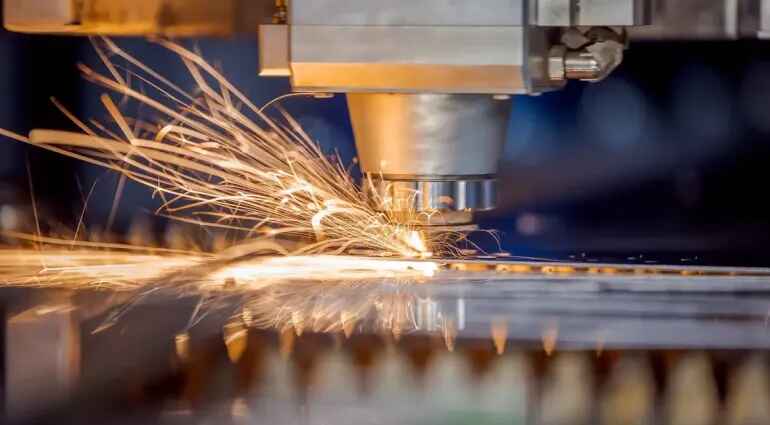
Table of Contents
What the Information Says: Security, Accuracy, and Real Production Danger
Industrial buyers like to speak about rate. Insurance companies and plant managers discuss injuries.
OSHA launched 2024 work environment injury and disease data from 370,000 Form 300A reports, plus partial information from greater than 732,000 Type 300 and 301 records, with its 2024 office injury and ailment information launch. That matters for laser cutting due to the fact that automated cutting does not get rid of threat; it relocates risk right into material handling, fumes, packing tables, high-pressure gas, electric systems, eye direct exposure, and maintenance routines.
The Bureau of Labor Stats likewise reveals why steel stores should deal with maker choice as a security choice, not just a performance decision. In the 2024 BLS injury-rate table, sheet steel job manufacturing taped a total recordable situation rate of 3.3 per 100 full-time employees, while factory tape-recorded 2.7. Those numbers are not laser-specific, yet they are the operating atmosphere where sheet handling, sharp edges, moving gantries, fumes, forklifts, and upkeep mistakes live.
My point of view is candid: a manufacturing facility that acquires a high-power metal laser cutter machine without budgeting for extraction, training, safeguarding, gas storage, material flow, and preventive maintenance is not being bold. It is wagering.
A 2024 Kaunas College of Technology research listing verifies one more uncomfortable manufacturing truth: the research study “Impact of fiber-laser parameters on reducing accuracy of slim and thick S355JR structural steel plates” focused on laser power, reducing rate, and auxiliary gas pressure for 4 mm and 6 mm S355JR steel. Translation for customers: also regular architectural steel can penalize careless parameter control.
Equipment Kinds: Open Up Bed, Enclosed, Exchange Table, Tube, and Combination Equipments
The equipment frame tells you what the seller thinks your store is.
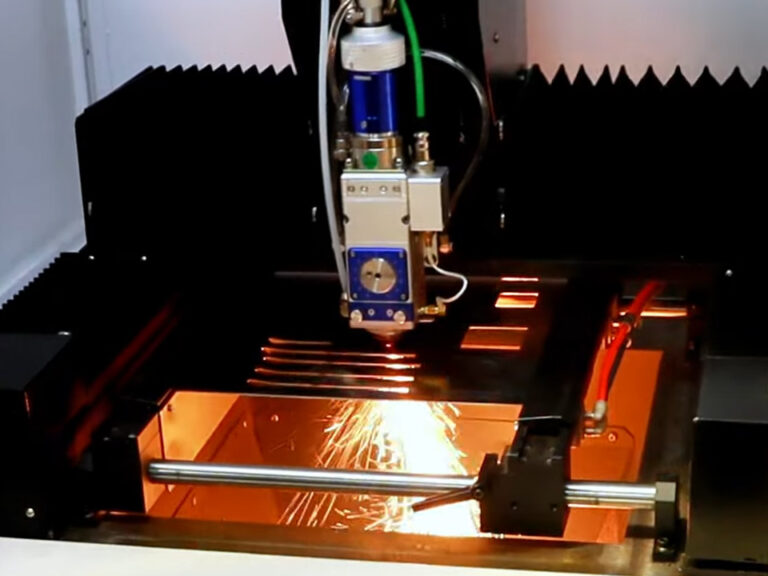
An open-bed sheet steel laser reducing equipment is less costly, easier to accessibility, and typically great for task shops cutting mild steel, stainless, and light weight aluminum in combined sets. But once you reduced reflective steels, run greater wattage, use nitrogen at range, or location unskilled personnel near the device, room starts looking much less like a deluxe and more like good sense.
A completely enclosed commercial laser cutting machine normally gives far better fume control, much safer light beam administration, and cleaner process control. The trade-off is cost, impact, and accessibility.
Exchange tables matter when the laser is active sufficient that packing time comes to be theft. If the maker cuts for six minutes and drivers spend eight minutes dumping skeletons, arranging parts, and loading the following sheet, the laser source is not the traffic jam. Your workflow is.
Tube cutting is a various pet. A plate and tube fiber laser cutting maker makes good sense when the very same manufacturing facility cuts sheets and tubes, specifically rounded, square, rectangle-shaped, oblong, and custom accounts from 20 mm to 200 mm diameter. Bogong’s listed combination equipment defines 1500W to 10000W fiber source options, 1070 nm CW fiber laser, ≤ ± 0.03 mm placing accuracy, and ≤ ± 0.02 mm repeatability.
That is useful. However right here is the catch: combo machines are not immediately far better than devoted devices. If your tube work comes to be hefty, a dedicated tube laser with proper chucking, assistance rollers, seam discovery, and dumping automation may elude a combo system.
The Purchasing Matrix: Match Power to Metal, Not Ego
Below is the table I would certainly make use of prior to authorizing a purchase order. Not after. Prior to.
| Production Required | Normal Power Band | Best-Fit Device Kind | Help Gas Strategy | Difficult Truth |
|---|---|---|---|---|
| Thin stainless, closets, signs, light brackets | 1.5 kW– 3kW | Open up or encased fiber sheet cutter | Nitrogen or tidy pressed air | Rate works, but nesting return may save even more cash than additional watts. |
| General sheet metal fabrication | 3kW– 6kW | CNC fiber laser reducing maker with steady servo drive | Nitrogen, oxygen, air depending upon material | This is the wonderful place for several factories, not the “novice” zone. |
| Medium-thick carbon steel and batch manufacturing | 6kW– 12kW | Enclosed device with exchange table | Oxygen for carbon steel, nitrogen for clean sides | If loading/unloading is slow, the additional power sits still. |
| Hefty plate, high-volume commercial job | 12kW– 40kW+ | High-rigidity confined industrial laser reducing machine | High-flow nitrogen/oxygen framework | The gas system, refrigerator, removal, and power supply have to be engineered as one unit. |
| Tube plus sheet production | 1.5 kW– 10kW+ | Plate/tube combo or committed tube laser | Material-specific gas dish | Combo conserves floor room; dedicated tube makers win when tube quantity dominates. |
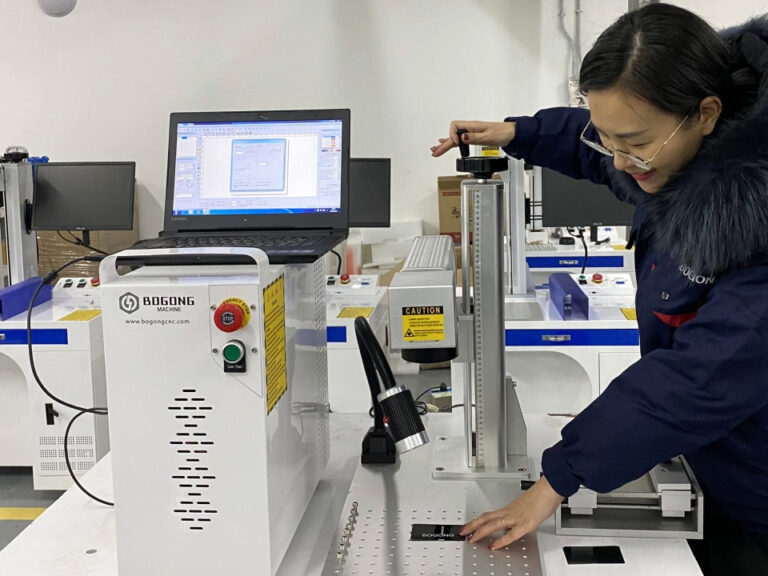
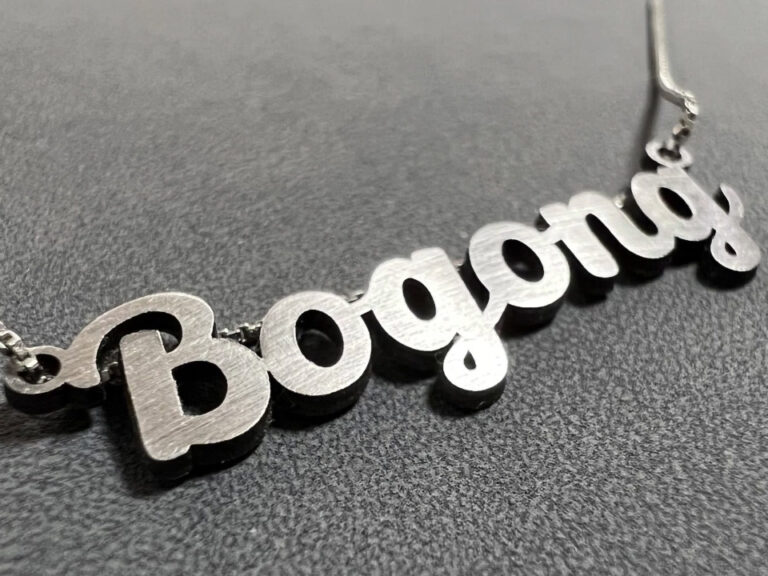
| Precious jewelry, models, small precision parts | 50W– 1500W depending on usage | Portable steel laser cutter | Usually air or low-flow securing gas | Little is not amateur; little can be profitable when accuracy defeats throughput. |
For small accuracy components, a compact metal laser cutter for little parts can be a lot more sensible than a large production bed. Bogong’s 300 × 200 mm tiny fiber cutter page placements it for stainless steel, gold, silver, aluminum alloy, copper, titanium alloy, carbon steel, and other alloy steels, with a small footprint and 2-year restricted service warranty.
Little table. Genuine earnings.
How to Select a Laser Steel Cutting Device Without Obtaining Played
Many buyers ask, “The amount of millimeters can it reduce?”
That is the wrong very first concern.
Ask what it can cut continuously, within resistance, over a complete change, with your drivers, your drawings, your gas supply, your voltage stability, your maintenance self-control, and your downstream finishing requirements.
A vendor can reveal an ideal 20 mm carbon steel sample. Fine. I intend to see 300 parts nested from a blended DXF set, with pierce timing, edge uniformity, micro-joints, dross behavior, fume extraction, and the driver transforming nozzles under normal manufacturing pressure.
Usage This Pre-Purchase List
Prior to selecting a laser cutting equipment for steel, validate these items:
- Product mix: carbon steel, stainless steel, aluminum, brass, copper, galvanized sheet, titanium, electrical steel
- Density array: daily thickness, not fantasy maximum density
- Bed size: 3015, 4020, 6020, 6025, or custom
- Laser source: Raycus, MAX, IPG, or various other supplier-level choices
- Trimming head: autofocus, anti-collision, lens security, nozzle focusing
- CNC controller: CypCut, FSCUT, Siemens, Beckhoff, or comparable
- Servo and drive system: closed-loop stability, acceleration, reaction control
- Air conditioning: water refrigerator ability and neighborhood ambient temperature resistance
- Gas: nitrogen, oxygen, air compressor, stress, purity, filtration
- Extraction: fume collection agency sizing, air duct style, filter substitute price
- Software: nesting, remnant monitoring, common-line cutting, lead-in control
- Solution: service warranty, remote diagnostics, spare parts, specialist feedback time
- Training: driver, designer, upkeep, security police officer
Bogong’s CNC fiber laser cutting machines web page lists typical power options such as 1000W, 1500W, 2000W, 3000W, and 6000W and describes applications in sheet metal fabrication, auto parts, closets, stainless items, lighting fixtures, hardware devices, and advertising and marketing indications. That is the ideal application spread for buyers that are still mapping their workload.
Sheet Steel Laser Reducing: Where the Revenue Generally Hides
The cash is not just in cutting faster. It is in touching the part less.
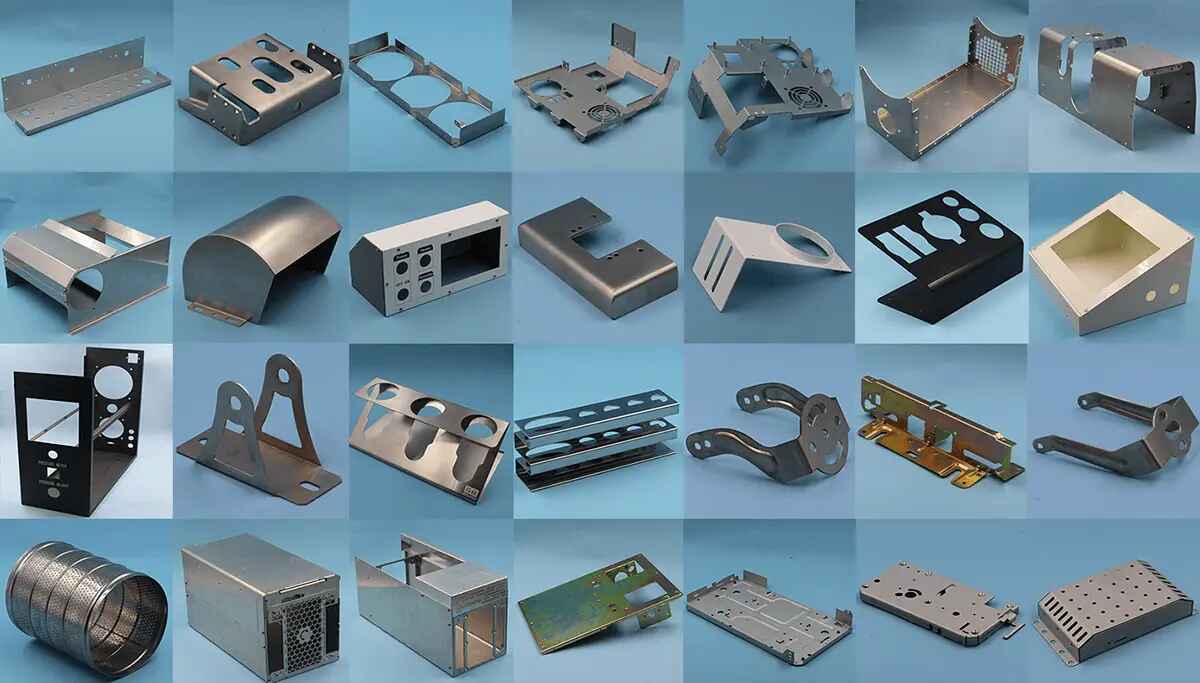
An excellent sheet metal laser cutting equipment decreases device modifications, punching restrictions, burr grinding, fixture price, and guidebook format. For stainless panels, elevator components, closets, home appliance shells, electrical enclosures, braces, chassis, and ornamental metalwork, the value is often in clean sides and fast transition.
Bogong’s laser cutting equipment for sheet metal web page frames sheet metal laser reducing around clean edges, very little burrs, lowered warping, and applications in automobile production, aerospace, electronics, and building and construction. That is the proper positioning, yet I would certainly sharpen it even more: sheet steel purchasers ought to care much less concerning display room samples and even more about first-pass return.
First-pass yield determines whether the device is a manufacturing asset or a daily disagreement.
If 100 embedded stainless components come off the bed and 14 demand rework, the cutting rate number on the sales brochure ends up being pointless. Your driver is currently a grinder. Your routine is now fiction.
Fiber vs CO ₂ vs Plasma vs Waterjet: The Honest Comparison
Fiber laser controls many metal-cutting applications, yet it does not get rid of every contending process.
CARBON MONOXIDE two still has an area in non-metal cutting and some heritage process. Plasma is still hard, cheap per inch in thicker moderate steel, and forgiving in heavy construction where side high quality is less requiring. Waterjet cuts without heat-affected areas and handles thick combined products, but speed and unpleasant expense can attack.
Here is the tidy variation:
| Refine | Finest Use | Strength | Weak point |
|---|---|---|---|
| Fiber laser | Sheet metal, stainless, carbon steel, light weight aluminum, brass, copper | Rapid, specific, low kerf, automation-friendly | Reflective material handling and gas expense need control |
| CO two laser | Acrylic, timber, plastics, older mixed-use shops | Great non-metal convenience | Much more optics upkeep, weak steel economics versus fiber |
| Plasma | Thick moderate steel, hefty manufacture | Reduced entrance rate, quickly rough reducing | Bigger kerf, even more warmth, even more cleaning |
| Waterjet | Thick plate, compounds, no HAZ components | No thermal distortion | Slower, unpleasant cost, messier procedure |
| Punch press | Repeated openings and kinds in sheet steel | Extremely quick for repeat patterns | Tooling price and geometry limitations |
A buyer requesting the “best industrial laser cutting device” is normally asking the incorrect point. Best for what? 1 mm stainless cooking area panels? 12 mm carbon steel braces? 6 mm S355JR architectural steel? 3 mm light weight aluminum electric closets? Round tube furnishings frames? The answer changes.
The Cost Issue: CapEx Is Loud, OpEx Is Tricky
The purchase price screams. Running cost whispers.
A laser metal reducing machine budget plan must consist of the equipment, shipping, customs, installation, training, voltage transformer if needed, air compressor, nitrogen generator or cylinder supply, oxygen line, chiller, fume extractor, spare lenses, nozzles, ceramic rings, safety home windows, slats, software, yearly service, and downtime threat.
Theoretically, a lower-cost device success. In the factory, poor support loses.
I have a difficult regulation when assessing suppliers: if they can not describe consumables, gas intake, controller reasoning, maintenance intervals, and criterion recovery after an accident, they are not selling a machine. They are selling hope.
For customers still comparing setups, Bogong’s write-up on the finest fiber laser cutting devices for sheet steel manufacture is a helpful inner support web page due to the fact that it discusses power bands, cut thickness, light beam high quality, nesting, automatic switching, anticipating maintenance, and relative models.
Red Flags I Would Certainly Not Disregard
Some sales web pages are as well tidy. That troubles me.
Be careful when a supplier guarantees optimum thickness without stating material, gas, side high quality, rate, duty cycle, and pierce limitations. “Can reduce 30 mm” may imply “can hardly cut 30 mm when, gradually, with hideous edges, under suitable conditions.”
Look for these red flags:
- No real reducing videos for your product and thickness
- No consumable checklist
- No controller brand disclosure
- No chiller requirements
- No fume removal suggestion
- No setup illustration
- No gas-pressure need
- No training strategy
- No warranty terms in writing
- No spare-part distribution timeline
- No resistance case tied to examine problems
And my least fave: the vendor that states, “Do not fret.”
I worry skillfully.
Frequently asked questions
What is an industrial laser steel reducing device?
A commercial laser steel reducing maker is a CNC-controlled system that uses a concentrated laser beam of light, normally fiber at concerning 1070 nm, with help gas such as N TWO, O TWO, or compressed air to cut steel sheets, plates, tubes, and accounts with high speed and repeatable accuracy. In manufacturing, it replaces or sustains plasma cutting, punching, sawing, and mechanical machining for several steel, stainless-steel, aluminum, brass, and copper components.
How do I pick a laser metal reducing machine?
To choose a laser steel cutting device, specify your daily material type, thickness array, called for tolerance, batch dimension, bed dimension, gas method, automation degree, service assumptions, and overall operating cost prior to comparing wattage, since power alone does not assure lucrative cutting or stable production. For a lot of sheet metal stores, the functional shortlist starts with 3kW, 6kW, or 12kW fiber systems, then narrows by work.
Is a fiber laser cutting device much better than a CO ₂ laser for steel?
A fiber laser reducing device is generally far better than a CO ₂ laser for steel due to the fact that its wavelength, beam of light distribution, electrical efficiency, and reduced optical-maintenance concern fit stainless steel, carbon steel, galvanized sheet, aluminum, brass, and copper fabrication better in contemporary production settings. CO ₂ still makes good sense for acrylic, timber, leather, and some combined non-metal tasks, yet steel customers normally move toward fiber.
Just how much does a laser metal cutting device cost?
A laser steel reducing device can cost from approximately $15,000 for entry-level or portable fiber systems to $300,000 or even more for high-power commercial configurations with big beds, exchange tables, units, automation, premium laser resources, advanced cutting heads, chillers, and fume-control systems. The genuine budget must also include gas supply, setup, training, consumables, software program, maintenance, and spare components.
What products can a CNC laser steel reducing maker cut?
A CNC laser steel cutting device can reduce common commercial metals consisting of carbon steel, stainless-steel, light steel, galvanized sheet, electrical steel, light weight aluminum, light weight aluminum alloy, brass, copper, titanium, iron, gold, silver, and numerous alloy steels when the laser power, help gas, optics, and cutting specifications are properly matched. Reflective metals need unique treatment because poor arrangement can create instability or devices damage.
What is the best commercial laser cutting maker for sheet steel construction?
The best industrial laser cutting equipment for sheet steel manufacture is the one that matches your real manufacturing mix: usually a fiber laser with appropriate power, steady CNC control, reliable autofocus reducing head, adequate bed dimension, appropriate removal, reliable nesting software, and regional or remote service support. For lots of factories, a 3kW– 6kW confined fiber laser with exchange table defeats a large machine that rests underused.
Your Next Steps
Do deny a laser metal cutting device from a pamphlet.
Send your real DXF data, product checklist, density array, target resistance, expected regular monthly sheet quantity, and gas schedule to the distributor before you ask for the final quote. Then require test cuts on your actual products: 304 stainless steel, Q235 carbon steel, 6061 light weight aluminum, brass, copper, or whatever your manufacturing facility actually makes use of.
If you are contrasting industrial fiber systems, start with Bogong Laser’s fiber laser reducing maker for steel, inspect the sheet metal laser reducing maker application page, and assess the plate and tube fiber laser reducing machine if your store handles both level sheet and accounts.
After that request a cut sample.
Not a pretty sample. Your sample.


Hot Click
Contact Us
Application
©Copyright [bogonglaser.com]. BOGONG Laser Machine Supplier All Rights Reserved.