
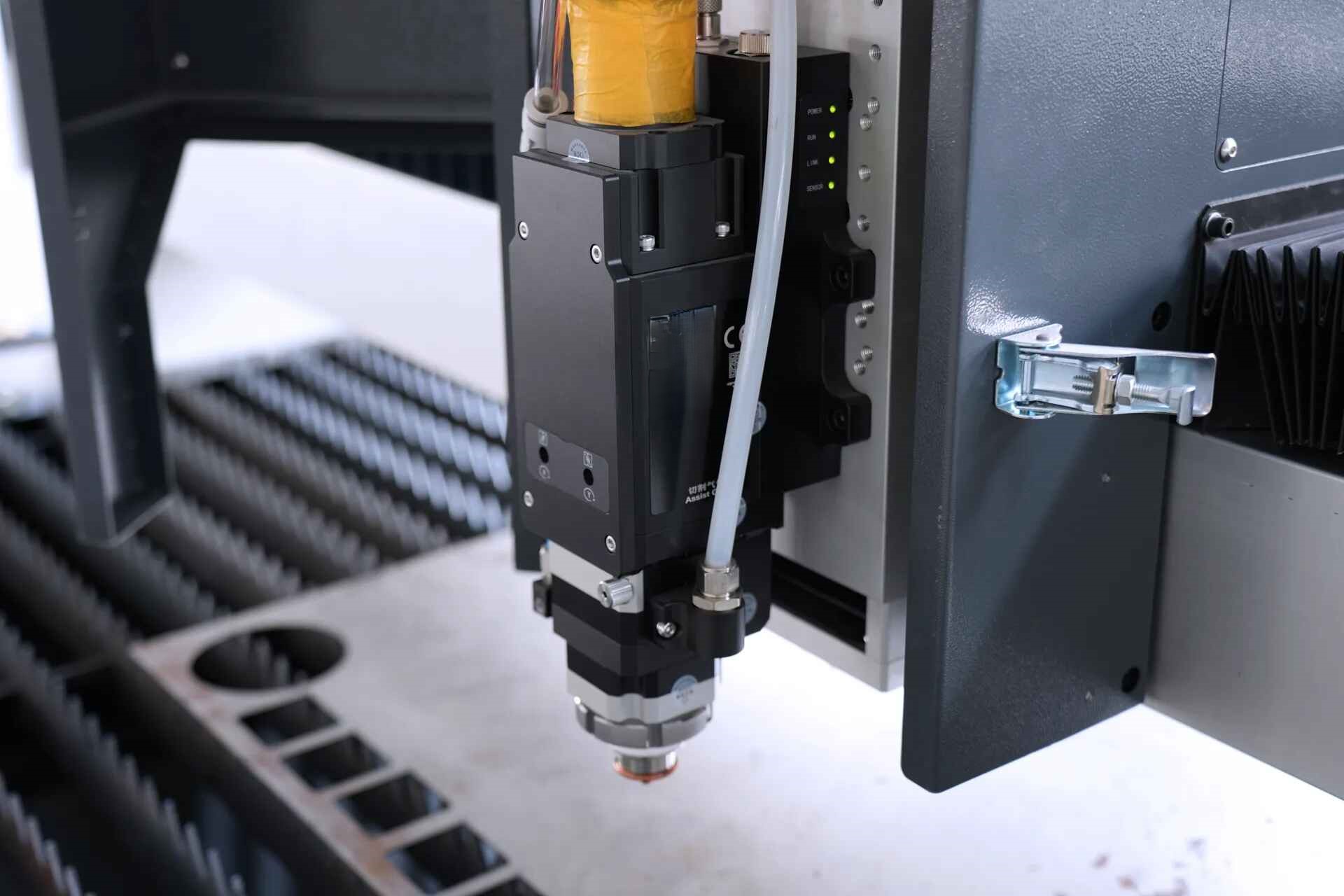
Industrielle Laser-Metallschneidemaschinen: Ein vollständiger Leitfaden
Beim Kauf eines Laserschneidgeräts geht es nicht darum, der höchsten Leistungsstufe hinterherzujagen. Es geht darum, Leistung, Materialmix, Präzision, Automatisierung, Lösung, Gasansatz und echte Produktionsmenge aufeinander abzustimmen, bevor die Rechnung zu einer wirklich teuren Lektion wird.

Die unbequeme Tatsache beim Kauf einer Laser-Stahlreduziermaschine
Steel erzählt Lügen.
Eine Laserschneidmaschine mag von außen betrachtet ganz einfach aussehen – Gehäuse, Arbeitstisch, Portal, Schneidkopf, Kühler, Bedienfeld –, doch die eigentliche Kaufentscheidung hängt von der Strahlqualität, der Wirtschaftlichkeit des Schutzgases, der Servostabilität, der Blechhandhabung, der Software für das Nesting, der Verfügbarkeit von Ersatzteilen sowie der Frage, ob der Anbieter die Produktion versteht und nicht nur Verkaufsbroschüren vorlegt.
Warum beziehen dann immer noch so viele Fabriken ihren Strom ausschließlich aus dem Netz?
Zunächst einmal möchte ich den positiven Aspekt ansprechen: Die Maschine mit der höchsten Leistung ist nicht immer die beste kommerzielle Laserschneidanlage. In manchen Fällen ist es einfach nur die teuerste Art, festzustellen, dass Ihre Bediener, Ihr Luftkompressor, Ihre Stromversorgung, Ihre Abgasabsaugung, Ihr Düsenbestand und Ihr CAD/CAM-Prozess niemals für das Schneiden mit 12 kW, 20 kW oder 40 kW ausgelegt waren.
Die Argumente für den Laser sind nach wie vor stichhaltig. Der Bericht von Reuters über die Herstellungsprozess der Laternen für die Olympischen Spiele 2024 in Paris Ein gutes Beispiel dafür: Sechs Stahlchargen wurden zu 0,7-mm-Blechen geformt, anschließend lasergeschnitten, verklebt und von Man Degrenne in der Normandie zu 2.000 Brennern zusammengebaut. Das ist kein “kleiner Testlauf in der Werkstatt”. Das ist sichtbare, terminorientierte Metallbearbeitung, bei der es auf Wiederholgenauigkeit ankommt.
Und dennoch ist die Maschine nur die halbe Geschichte.
Glasfaser hat den Kampf gegen Metall gewonnen – aber nicht durch Zauberei
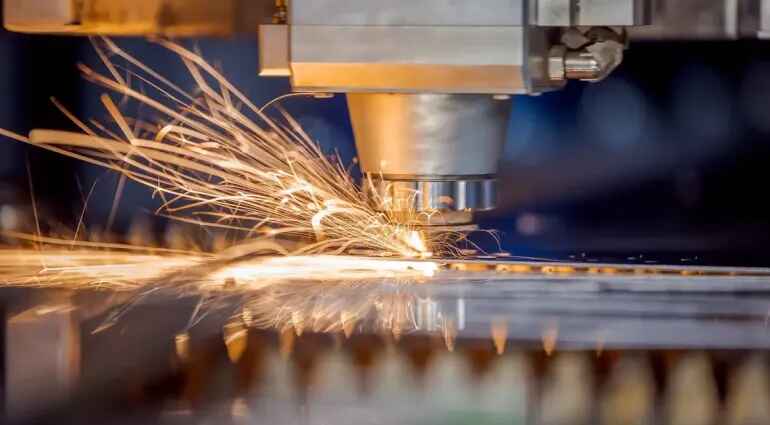
Für viele moderne Stahlhandelsunternehmen ist ein Faserlaser-Schneidgerät für Metall die Standardlösung, da es schnell und energieeffizient ist, über eine flexible Strahlführung verfügt und bei richtiger Konfiguration auch dünne bis mittelstarke Bleche aus Edelstahl, Kohlenstoffstahl, verzinktem Blech, Leichtaluminium, Messing und Kupfer problemlos schneiden kann.
Doch “Fiber” hat sich nicht deshalb durchgesetzt, weil das Wort „Fiber“ modern klingt. Es hat sich durchgesetzt, weil die Wellenlänge der Faser von 1070 nm gut mit Stahl harmoniert, der Lichtstrahlengang sauberer ist als bei alten CO₂-Spiegelsystemen und der Wartungsaufwand für Produktionsstätten geringer ist, die es sich nicht leisten können, einen erfahrenen Optikspezialisten zu beschäftigen, der sich wöchentlich um die Ausrichtung kümmert.
Was die eigenen Produkte von Bogong Laser betrifft, so ist die Hersteller von Faserlaserschneidemaschinen für Metall Diese Kategorie spiegelt die Realität des Marktes wider: Die Geräte reichen von Einsteigermodellen bis hin zu Hochleistungskonfigurationen, wobei die Leistungsoptionen von 1.500 W bis 60.000 W reichen und die Preise je nach Konfiguration zwischen etwa $15.000 und $300.000 oder sogar noch höher liegen.
Diese Ausbreitung ist nicht ästhetisch. Sie verändert einfach alles.
Eine CNC-Laserschneidanlage mit einer Leistung von 1,5 kW bis 3 kW kann sich bei der Bearbeitung von dünnen Edelstahlblechen, Schildern, Schränken, kleinen Halterungen, Klimaanlagenkomponenten und im Prototypenbau als echte Geldquelle erweisen. Ein System mit 6 kW bis 12 kW macht Sinn, wenn Durchsatz, dickeres Kohlenstoffstahlblech, Stickstoffschneiden und Nesting zur täglichen Routine werden. Ein System mit mehr als 20 kW? Das ist kein Prestigeobjekt. Das ist eine ökologische Fabrikgemeinschaft.
Die drei Variablen, die Einkäufer ignorieren
Strom sorgt für Aufmerksamkeit. Gas verursacht die Kosten.
Stickstoff, Sauerstoff und Druckluft wirken unterschiedlich. Stickstoff sorgt bei Edelstahl und Leichtbau-Aluminium für sauberere, oxidfreie Schnittkanten, kann jedoch die Betriebskosten in die Höhe treiben. Sauerstoff schneidet Kohlenstoffstahl mit exothermer Unterstützung, doch die Oxidation der Schnittkanten kann zu Problemen beim anschließenden Schweißen oder Beschichten führen. Druckluft ist kostengünstig, bei einigen Arbeiten mit dünnen Blechen schnell und wird häufig unterschätzt – allerdings nur, wenn die Anforderungen an Luftqualität, Druck, Filterung und Kantenbeschaffenheit realistisch sind.
Danach kommt der Schneidkopf. Ein billiger Kopf mit unzuverlässigem Autofokus, verschmutzten Schutzlinsen, schwacher Crash-Sicherheit oder unzureichender Düsenzentrierung kann die Gewinnspanne viel schneller schmälern als eine etwas geringere Nennleistung der Laserquelle.
Und die Software? Ich habe tatsächlich schon erlebt, dass Einkäufer wochenlang über 6 kW versus 12 kW diskutiert haben, dabei aber die Verschachtelungsausbeute außer Acht gelassen haben. Das ist verkehrt herum. Wenn Ihre Software jeden Tag 3% mehr Bleche verschwendet, verschlingt Ihr “günstiges Gerät” still und leise Geld.
Inhaltsübersicht
Was die Informationen aussagen: Sicherheit, Genauigkeit und reale Gefahren für die Produktion
Einkäufer aus der Industrie sprechen gerne über Preise. Versicherungsgesellschaften und Werksleiter diskutieren über Arbeitsunfälle.
Die OSHA hat Daten zu Arbeitsunfällen und Berufskrankheiten für das Jahr 2024 veröffentlicht, die auf 370.000 Formular-300A-Meldungen sowie auf Teilinformationen aus mehr als 732.000 Datensätzen der Typen 300 und 301 basieren, und zwar im Rahmen ihrer Veröffentlichung von Informationen zu Arbeitsunfällen und Erkrankungen am Arbeitsplatz 2024. Dies ist beim Laserschneiden von Bedeutung, da durch das automatisierte Schneiden die Gefahren nicht beseitigt werden, sondern sich auf die Materialhandhabung, Abgase, Verpackungstische, Hochdruckgas, elektrische Anlagen, die Belastung der Augen und Wartungsarbeiten verlagern.
Das Bureau of Labor Statistics (BLS) verdeutlicht ebenfalls, warum Stahlhändler die Wahl des Herstellers als Sicherheitsentscheidung und nicht nur als Leistungsentscheidung betrachten sollten. In der BLS-Tabelle zur Unfallrate für das Jahr 2024, Auftragsfertigung aus Stahlblech verzeichnete eine Gesamtunfallquote von 3,3 pro 100 Vollzeitbeschäftigte, während in der Fertigung 2,7 verzeichnet wurden. Diese Zahlen beziehen sich nicht speziell auf den Laserbereich, spiegeln jedoch das Arbeitsumfeld wider, in dem der Umgang mit Blechen, scharfe Kanten, sich bewegende Portalkräne, Dämpfe, Gabelstapler und Wartungsfehler eine Rolle spielen.
Meine Sichtweise ist ganz offen: Ein Produktionsbetrieb, der eine leistungsstarke Metalllaserschneidemaschine anschafft, ohne Mittel für Absaugung, Schulung, Sicherheitsvorkehrungen, Gaslagerung, Materialfluss und vorbeugende Wartung einzuplanen, handelt nicht mutig. Er geht ein Risiko ein.
Eine Forschungsliste der Technischen Hochschule Kaunas aus dem Jahr 2024 bestätigt eine weitere unangenehme Tatsache aus der Fertigung: Die Studie “Einfluss von Faserlaserparametern auf die Verringerung der Genauigkeit bei dünnen und dicken S355JR-Baustahlblechen” konzentrierte sich auf die Laserleistung, die Abscheidungsrate und den Druck des Schutzgases bei 4 mm und 6 mm dickem S355JR-Stahl. Für Kunden bedeutet dies: Auch bei gewöhnlichem Baustahl kann eine nachlässige Parametersteuerung zu Einbußen führen.
Ausstattungsarten: Offenes Bett, geschlossenes Bett, Wechseltisch, Rohr und Kombinationsgeräte
Anhand der Einrichtung lässt sich erkennen, wie der Verkäufer Ihr Geschäft einschätzt.
Eine Laserschneidanlage mit offenem Bett aus Stahlblech ist kostengünstiger, leichter zugänglich und eignet sich in der Regel hervorragend für Werkstätten, die Baustahl, Edelstahl und Aluminium in gemischten Chargen schneiden. Sobald man jedoch reflektierende Stähle schneidet, mit höherer Leistung arbeitet, Stickstoff im Arbeitsbereich einsetzt oder ungeschultes Personal in der Nähe der Anlage einsetzt, erscheint der Raum weniger als Luxus, sondern vielmehr als Frage des gesunden Menschenverstands.
Eine vollständig gekapselte gewerbliche Laserschneidmaschine bietet in der Regel eine weitaus bessere Rauchgasabsaugung, eine wesentlich sicherere Lichtstrahlführung und eine sauberere Prozesssteuerung. Der Nachteil liegt in den Kosten, der Platzbedarf und der Zugänglichkeit.
Wechselzeiten spielen dann eine Rolle, wenn der Laser so lange im Einsatz ist, dass die Rüstzeit zum Engpass wird. Wenn die Maschine sechs Minuten lang schneidet und die Bediener acht Minuten damit verbringen, die Schnittteile zu entnehmen, die Teile zu sortieren und das nächste Blech einzulegen, ist nicht die Laserquelle der Engpass. Sondern Ihr Arbeitsablauf.
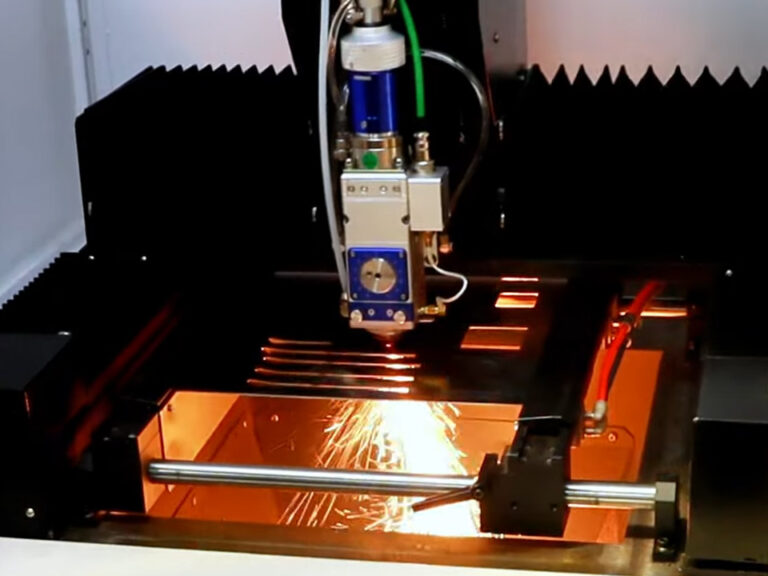
Das Schneiden von Rohren ist eine ganz eigene Sache. A Hersteller von Faserlaserschneidemaschinen für Bleche und Rohre Das ist durchaus sinnvoll, wenn in derselben Produktionsstätte Bleche und Rohre zugeschnitten werden, insbesondere runde, quadratische, rechteckige, längliche und kundenspezifische Profile mit Durchmessern von 20 mm bis 200 mm. Die von Bogong aufgeführten Kombinationsanlagen bieten Faserlaser-Optionen von 1.500 W bis 10.000 W, einen 1.070-nm-CW-Faserlaser, eine Positioniergenauigkeit von ≤ ± 0,03 mm und eine Wiederholgenauigkeit von ≤ ± 0,02 mm.
Das ist nützlich. Allerdings gibt es hier einen Haken: Kombimaschinen sind nicht automatisch besser als Spezialgeräte. Wenn Ihre Rohrbearbeitung sehr aufwendig wird, kann ein spezieller Rohrlaser mit geeigneter Spannvorrichtung, Stützrollen, Nahterkennung und automatischer Entnahme einem Kombisystem überlegen sein.
Die Beschaffungsmatrix: Leistung an Metall anpassen, nicht an das Ego
Nachstehend finden Sie die Tabelle, die ich auf jeden Fall vor der Genehmigung einer Bestellung heranziehen würde. Nicht danach. Sondern vorher.
| Erforderliche Produktion | Normaler Leistungsbereich | Am besten geeignete Gerätetyp | Hilf mit bei der Gasstrategie | Die bittere Wahrheit |
|---|---|---|---|---|
| Dünnes Edelstahlblech, Schränke, Schilder, Leuchtenhalterungen | 1,5 kW – 3 kW | Schneider für offene oder ummantelte Glasfaserplatten | Stickstoff oder gereinigte Druckluft | Die Tarifregelung funktioniert, aber durch die Kaskadierung von Rückvergütungen lässt sich möglicherweise noch mehr Geld einsparen als durch zusätzliche Watt. |
| Allgemeine Blechbearbeitung | 3 kW – 6 kW | CNC-Faserlaser-Schneidemaschine mit stabilem Servoantrieb | Stickstoff, Sauerstoff, Luft – je nach Material | Dies ist der ideale Standort für mehrere Fabriken, nicht die “Einsteiger”-Zone. |
| Mitteldicker Kohlenstoffstahl und Serienfertigung | 6 kW – 12 kW | Gekapseltes Gerät mit Austauschplatte | Sauerstoff für Kohlenstoffstahl, Stickstoff für saubere Oberflächen | Wenn das Be- und Entladen nur langsam vorangeht, bleibt die zusätzliche Leistung ungenutzt. |
| Schwere Platte, großvolumiger gewerblicher Auftrag | 12 kW – 40 kW+ | Hochsteife, gekapselte industrielle Laserschneidmaschine | Hochdurchfluss-Stickstoff-/Sauerstoff-Gerüst | Die Gasversorgung, der Kühlschrank, die Abluftanlage und die Stromversorgung müssen als eine Einheit konzipiert werden. |
| Herstellung von Rohren und Blechen | 1,5 kW – 10 kW+ | Kombination aus Blech und Rohr oder reiner Rohrlaser | Materialspezifische Gasschale | Die Kombilösung spart Platz; spezialisierte Rohrhersteller haben die Nase vorn, wenn die Rohrmenge im Vordergrund steht. |
| Edelsteinschmuck, Modelle, kleine Präzisionsteile | 50 W – 1.500 W, je nach Verwendung | Tragbarer Stahl-Laserschneider | In der Regel Luft oder ein Gas mit geringem Durchfluss | „Klein“ ist nicht gleichbedeutend mit „amateurhaft“; „klein“ kann rentabel sein, wenn Genauigkeit Vorrang vor Durchsatz hat. |
Bei Bauteilen mit geringen Genauigkeitsanforderungen gilt: a Kompakter Metall-Laserschneider für Kleinteile kann wesentlich sinnvoller sein als eine große Produktionsplattform. Der winzige Faserschneider von Bogong mit einer Schnittfläche von 300 × 200 mm eignet sich für Edelstahl, Gold, Silber, Aluminiumlegierungen, Kupfer, Titanlegierungen, Kohlenstoffstahl und andere legierte Stähle – bei geringem Platzbedarf und einer 2-jährigen eingeschränkten Garantie.
Kleiner Tisch. Echte Einnahmen.
Wie man eine Laserschneidanlage für Stahl auswählt, ohne sich über den Tisch ziehen zu lassen
Viele Käufer fragen: “Um wie viele Millimeter lässt sich der Umfang reduzieren?”
Das ist gleich zu Beginn der falsche Ansatz.
Fragen Sie, was die Maschine unter Last kontinuierlich über einen gesamten Arbeitsbereich hinweg schneiden kann – unter Berücksichtigung Ihrer Antriebe, Ihrer Zeichnungen, Ihrer Gasversorgung, Ihrer Spannungsstabilität, Ihrer Wartungskontrollen und Ihrer Anforderungen an die nachgelagerte Weiterverarbeitung.
Ein Anbieter kann mir ein ideales 20-mm-Probestück aus Kohlenstoffstahl vorlegen. Gut. Ich möchte jedoch 300 Teile sehen, die aus einem gemischten DXF-Datensatz verschachtelt wurden, und zwar unter Berücksichtigung des Durchstoßzeitpunkts, der Kantengleichmäßigkeit, der Mikrofugen, des Schlackeverhaltens, der Rauchabsaugung und der vom Treiber gesteuerten Düsen unter normalem Fertigungsdruck.
Verwendung dieser Vorkaufsliste
Bevor Sie sich für eine Laserschneidanlage für Stahl entscheiden, sollten Sie folgende Punkte prüfen:
- Produktpalette: Kohlenstoffstahl, Edelstahl, Aluminium, Messing, Kupfer, verzinktes Blech, Titan, Elektrostahl
- Dichte-Array: tägliche Dicke, keine fiktive maximale Dichte
- Bettgröße: 3015, 4020, 6020, 6025 oder nach Maß
- Laserquelle: Raycus, MAX, IPG oder verschiedene andere Optionen auf Anbieterebene
- Schneidkopf: Autofokus, Kollisionsschutz, Objektivschutz, Düsenfokussierung
- CNC-Steuerung: CypCut, FSCUT, Siemens, Beckhoff oder vergleichbare Systeme
- Servo- und Antriebssystem: Stabilität im geschlossenen Regelkreis, Beschleunigung, Reaktionssteuerung
- Klimaanlage: Kühlleistung des Wasserkühlers und Beständigkeit gegenüber der Umgebungstemperatur in der Umgebung
- Gas: Stickstoff, Sauerstoff, Luftkompressor, Belastung, Reinheit, Filtration
- Absaugung: Dimensionierung der Absauganlage, Art der Luftkanäle, Kosten für den Filterwechsel
- Software: Verschachtelung, Reststücküberwachung, Schnitt entlang gemeinsamer Linien, Einlaufsteuerung
- Lösung: Servicegarantie, Ferndiagnose, Ersatzteile, Reaktionszeit der Fachkräfte
- Ausbildung: Fahrer, Konstrukteur, Instandhalter, Sicherheitsbeamter
Bogong's CNC-Faserlaserschneidmaschinen Die Webseite listet typische Leistungsoptionen wie 1000 W, 1500 W, 2000 W, 3000 W und 6000 W auf und beschreibt Anwendungsbereiche in der Blechbearbeitung, bei Autoteilen, Schränken, Edelstahlartikeln, Beleuchtungskörpern, Hardware-Geräten sowie bei Werbe- und Marketingbeschilderungen. Das ist das ideale Anwendungsspektrum für Käufer, die ihre Arbeitslast noch planen.
Laser-Reduzierung von Stahlblechen: Wo sich die Einnahmen in der Regel verstecken
Der Gewinn liegt nicht nur darin, schneller zu schneiden, sondern auch darin, das Werkstück weniger zu berühren.
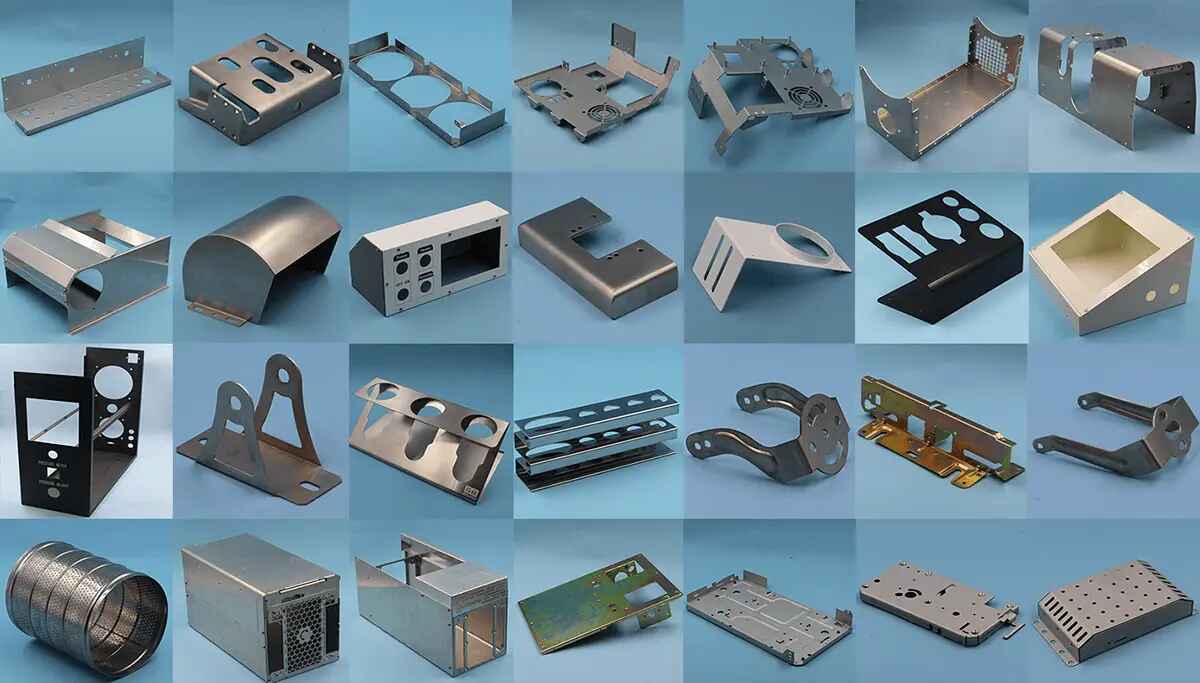
Eine hochwertige Laserschneidanlage für Bleche reduziert den Anpassungsaufwand, Stanzbeschränkungen, das Entgraten, die Kosten für Spannvorrichtungen und den Aufwand für die Erstellung von Arbeitsanleitungen. Bei Edelstahlplatten, Aufzugskomponenten, Schränken, Gehäusen für Haushaltsgeräte, Schaltschränken, Verstrebungen, Fahrgestellen und Zierelementen aus Metall liegt der Mehrwert oft in sauberen Schnittkanten und schnellen Umrüstzeiten.
Bogong's Laserschneidanlagen für Bleche Webseite: Laserschneiden von Blechen mit sauberen Kanten, sehr geringen Graten, geringerer Verformung sowie Anwendungen in der Automobilproduktion, der Luft- und Raumfahrt, der Elektronik sowie im Bauwesen. Das ist die richtige Sichtweise, doch ich würde sie noch weiter präzisieren: Käufer von Stahlblechen sollten sich weniger um Ausstellungsmuster und mehr um die Rücklaufquote beim ersten Durchlauf kümmern.
Die Erstdurchlaufausbeute entscheidet darüber, ob das Bauteil ein Produktionserfolg oder ein tägliches Problem ist.
Wenn 100 eingebettete Edelstahlkomponenten vom Bett fallen und 14 davon eine Nachbearbeitung erfordern, ist die in der Verkaufsbroschüre angegebene Schnittgeschwindigkeit letztlich bedeutungslos. Ihr Antrieb ist derzeit eine Schleifmaschine. Ihre Routine ist nun reine Fiktion.
Faser vs. CO ₂ vs. Plasma vs. Wasserstrahl: Der ehrliche Vergleich
Der Faserlaser dominiert zwar viele Anwendungen im Bereich der Metallbearbeitung, verdrängt jedoch nicht jedes konkurrierende Verfahren.
Kohlenmonoxid-2 findet nach wie vor Anwendung beim Schneiden von Nichtmetallen und bei einigen traditionellen Verfahren. Das Plasmaschneiden ist nach wie vor robust, pro Zoll kostengünstig bei dickeren Stahlsorten mittlerer Stärke und unempfindlich im Schwerbau, wo hohe Qualitätsanforderungen weniger im Vordergrund stehen. Das Wasserstrahlschneiden erzeugt keine Wärmeeinflusszonen und eignet sich für dicke Verbundwerkstoffe, allerdings können die Geschwindigkeit und die hohen Kosten ein Problem darstellen.
Hier ist die übersichtliche Variante:
| Verfeinern | Optimale Verwendung | Stärke | Schwachstelle |
|---|---|---|---|
| Faserlaser | Blech, Edelstahl, Kohlenstoffstahl, Leichtbau-Aluminium, Messing, Kupfer | Schnell, präzise, geringe Schnittbreite, automatisierungsfreundlich | Der Materialumschlag und die Gaskosten müssen sorgfältig kontrolliert werden |
| CO₂-Laser | Acryl, Holz, Kunststoffe, ältere Geschäfte mit gemischter Nutzung | Großartiger Komfort ohne Metall | Deutlich höherer Wartungsaufwand für die Optik, schlechte Wirtschaftlichkeit von Stahl im Vergleich zu Glasfaser |
| Plasma | Mittelstarker Stahl, solide Verarbeitung | Reduzierte Einlaufgeschwindigkeit, schnelle Grobbearbeitung | Größere Schnittfuge, noch mehr Wärme, noch mehr Reinigungsleistung |
| Wasserstrahl | Dicke Platte, Verbundwerkstoffe, keine HAZ-Komponenten | Keine thermische Verformung | Langsamer, mit höheren Kosten verbunden, umständlicherer Ablauf |
| Stanzpresse | Wiederkehrende Ausschnitte und Formen in Stahlblech | Extrem schnell bei sich wiederholenden Mustern | Werkzeugkosten und geometrische Einschränkungen |
Ein Käufer, der nach der “besten industriellen Laserschneidanlage” fragt, stellt in der Regel die falsche Frage. Am besten für was? 1 mm dicke Edelstahlplatten für den Küchenbereich? 12 mm dicke Verstrebungen aus Kohlenstoffstahl? 6 mm dicker S355JR-Baustahl? 3 mm dicke Aluminiumschränke für die Elektrotechnik? Möbelgestelle aus Rundrohren? Die Antwort hängt davon ab.
Die Kostenfrage: CapEx ist laut, OpEx ist knifflig
Der Kaufpreis schreit geradezu. Die laufenden Kosten flüstern.
Ein Kostenplan für eine Laser-Metallschneidemaschine muss folgende Posten umfassen: die Maschine selbst, Versandkosten, Zollgebühren, Installation, Schulung, gegebenenfalls einen Spannungswandler, einen Luftkompressor, einen Stickstoffgenerator oder die Versorgung mit Stickstoffflaschen, eine Sauerstoffleitung, einen Kühler, eine Abgasabsaugung, Ersatzlinsen, Düsen, Keramikringe, Sicherheitsfenster, Lamellen, Software, jährliche Wartung sowie das Risiko von Betriebsausfällen.
Theoretisch ist ein kostengünstigeres Gerät ein Erfolg. In der Praxis führt mangelnder Support zum Scheitern.
Ich habe eine strenge Regel bei der Bewertung von Lieferanten: Wenn sie Verbrauchsmaterialien, den Gasverbrauch, die Funktionsweise der Steuerung, Wartungsintervalle und die Wiederherstellung der Betriebsbereitschaft nach einem Störfall nicht beschreiben können, verkaufen sie keine Maschine. Sie verkaufen Hoffnung.
Für Kunden, die noch verschiedene Konfigurationen vergleichen, ist Bogongs Bericht über die Hochwertigste Faserlaserschneidanlagen für die Stahlblechfertigung ist eine hilfreiche Informationsseite, da sie Themen wie Leistungsbereiche, Schnittstärke, Lichtstrahlqualität, Verschachtelung, automatische Umschaltung, vorausschauende Wartung und verwandte Modelle behandelt.
Rote Flaggen, die ich auf keinen Fall ignorieren würde
Manche Verkaufsseiten sind viel zu übersichtlich. Das stört mich.
Seien Sie vorsichtig, wenn ein Anbieter eine optimale Schnitttiefe garantiert, ohne Angaben zu Material, Gas, Seitenqualität, Durchflussrate, Einschaltdauer und Durchstanzgrenzen zu machen. “Kann 30 mm schneiden” kann bedeuten: “Kann 30 mm kaum schneiden – wenn überhaupt, dann nur langsam, mit unschönen Schnittkanten und unter geeigneten Bedingungen.”
Achten Sie auf folgende Warnsignale:
- Es gibt keine Videos, in denen die Abmessungen und die Dicke Ihres Produkts tatsächlich reduziert werden
- Checkliste für keine Verbrauchsmaterialien
- Keine Angabe der Controller-Marke
- Keine Anforderungen an Kühlanlagen
- Kein Vorschlag zur Rauchabsaugung
- Keine Abbildung zur Einrichtung
- Kein Gasdruck erforderlich
- Keine Trainingsstrategie
- Keine schriftlichen Gewährleistungsbedingungen
- Kein Zeitplan für den Ersatzteilvertrieb
- Kein Fall von Widerstand, der mit der Untersuchung von Problemen in Verbindung steht
Und was mir am wenigsten gefällt: der Anbieter, der sagt: “Mach dir keine Sorgen.”
Ich mache mir gekonnt Sorgen.
Häufig gestellte Fragen
Was ist ein industrielles Laser-Stahlreduziergerät?
Eine industrielle Laserschneidanlage für Stahl ist ein CNC-gesteuertes System, das einen gebündelten Laserstrahl – in der Regel einen Faserlaser mit einer Wellenlänge von etwa 1070 nm – in Verbindung mit einem Schutzgas wie N₂, O₂ oder Druckluft einsetzt, um Stahlbleche, Platten, Rohre und Profile mit hoher Geschwindigkeit und wiederholbarer Genauigkeit zu schneiden. In der Fertigung ersetzt oder ergänzt es das Plasmaschneiden, Stanzen, Sägen und die mechanische Bearbeitung verschiedener Bauteile aus Stahl, Edelstahl, Aluminium, Messing und Kupfer.
Wie wähle ich eine Laser-Metallbearbeitungsmaschine aus?
Um ein Laserschneidgerät für Stahl auszuwählen, sollten Sie vor dem Vergleich der Leistung zunächst die täglich zu bearbeitenden Materialarten, den Dickenbereich, die geforderten Toleranzen, die Losgröße, die Tischabmessungen, das Gasverfahren, den Automatisierungsgrad, die Betriebsanforderungen und die Gesamtbetriebskosten festlegen, da die Leistung allein noch keine Garantie für rentables Schneiden oder eine stabile Produktion darstellt. Für viele Blechbearbeitungsbetriebe beginnt die Auswahl an geeigneten Systemen mit 3-kW-, 6-kW- oder 12-kW-Fasersystemen und wird dann je nach Arbeitsaufkommen eingegrenzt.
Ist ein Faserlaserschneidgerät viel besser als ein CO ₂-Laser für Stahl?
Eine Faserlaser-Schneidanlage ist für Stahl im Allgemeinen weitaus besser geeignet als ein CO₂-Laser, da ihre Wellenlänge, ihre Strahlverteilung, ihr elektrischer Wirkungsgrad und der geringere Wartungsaufwand im optischen Bereich besser zur Bearbeitung von Edelstahl, Kohlenstoffstahl, verzinktem Blech, Aluminium, Messing und Kupfer in modernen Produktionsumgebungen passen. Der CO₂-Laser ist nach wie vor eine sinnvolle Wahl für Acryl, Holz, Leder und bestimmte kombinierte nichtmetallische Anwendungen, doch Stahlverarbeiter tendieren in der Regel zunehmend zur Faserlasertechnik.
Wie viel kostet ein Laserschneidgerät für Metall?
Eine Laserschneidanlage kann zwischen etwa $15.000 für Einsteiger- oder tragbare Fasersysteme und $300.000 oder sogar mehr für kommerzielle Hochleistungskonfigurationen mit großen Schneidetischen, Wechseltischen, Modulen, Automatisierung, hochwertigen Laserquellen, fortschrittlichen Schneidköpfen, Kühlaggregate und Abgasreinigungssysteme. Das tatsächliche Budget muss außerdem die Gasversorgung, die Installation, Schulungen, Verbrauchsmaterialien, Software, Wartung und Ersatzteile berücksichtigen.
Welche Werkstoffe kann eine CNC-Laserschneidmaschine für Stahl schneiden?
Eine CNC-Laserschneidanlage für Stahl kann gängige handelsübliche Metalle wie Kohlenstoffstahl, Edelstahl, Leichtstahl, verzinktes Blech, Elektrostahl, Leichtaluminium, Leichtaluminiumlegierungen, Messing, Kupfer, Titan, Eisen, Gold, Silber und zahlreiche legierte Stähle schneiden, sofern die Laserleistung, das Hilfsgas, die Optik und die Schnittparameter richtig aufeinander abgestimmt sind. Reflektierende Metalle erfordern eine besondere Behandlung, da eine unsachgemäße Einstellung zu Instabilität oder Schäden am Gerät führen kann.
Welcher ist der beste kommerzielle Laserschneidautomat für den Stahlblechbau?
Die beste industrielle Laserschneidanlage für die Stahlblechfertigung ist diejenige, die genau zu Ihrem tatsächlichen Fertigungsmix passt: in der Regel ein Faserlaser mit entsprechender Leistung, einer stabilen CNC-Steuerung, einem zuverlässigen Autofokus-Schneidkopf, ausreichenden Tischabmessungen, einer angemessenen Abtragsleistung, einer zuverlässigen Verschachtelungssoftware sowie regionalem oder ferngesteuertem Kundendienst. Für viele Betriebe ist ein kompakter Faserlaser mit 3 kW bis 6 kW und Wechseltisch einer großen Maschine vorzuziehen, die nur ungenutzt herumsteht.
Ihre nächsten Schritte
Bitte lehne ein Laser-Metallschneidegerät aus einer Broschüre ab.
Senden Sie dem Händler Ihre tatsächlichen DXF-Daten, die Produktcheckliste, das Dichte-Array, den Zielwiderstand, die voraussichtliche monatliche Blechmenge und den Gasplan, bevor Sie das endgültige Angebot anfordern. Fordern Sie anschließend Testschnitte an Ihren tatsächlichen Werkstoffen an: Edelstahl 304, Kohlenstoffstahl Q235, Leichtbau-Aluminium 6061, Messing, Kupfer oder was auch immer in Ihrem Werk tatsächlich verarbeitet wird.
Wenn Sie industrielle Fasersysteme miteinander vergleichen möchten, beginnen Sie mit den Lösungen von Bogong Laser Faserlaser-Schneidemaschine für Stahl, überprüfen Sie die Laserschneidemaschine für Bleche Bewerbungsseite und bewerten Sie die Faserlaser-Schneidemaschine für Bleche und Rohre falls Ihr Geschäft sowohl Bestandslisten als auch Buchhaltung abwickelt.
Fordern Sie anschließend ein Schnittmuster an.
Kein schönes Beispiel. Dein Beispiel.


Heißer Klick
Kontakt
Anmeldung
©Copyright [bogonglaser.com]. BOGONG Laser Maschine Lieferant Alle Rechte vorbehalten.