
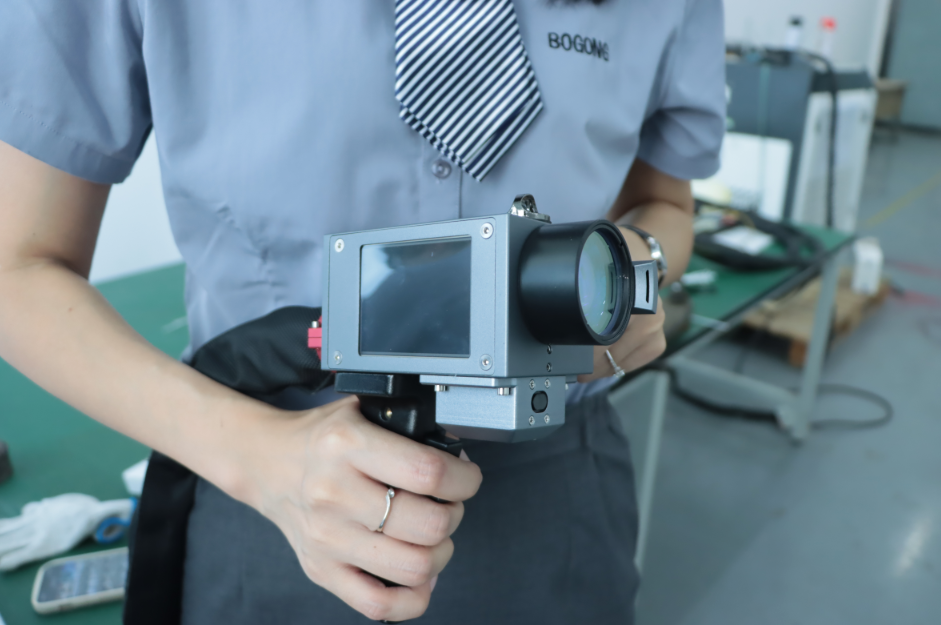
Laser Cleaning Machine Benefits: Precision & Eco-Friendly Solutions
Discover the advantages of using a laser cleaning machine for eco-friendly, precise, and non-destructive surface preparation. Learn about laser rust removal and find the top fiber laser cleaning machine manufacturers in China

Advantages of Using Laser Cleaning Machines
For years, surface cleaning in industrial work has depended on methods that are slow, messy, and often unsafe. Sandblasting creates a huge amount of waste. Chemical stripping exposes workers to harmful solvents. Grinding by hand takes a lot of time and can easily damage the surface.
Now there’s a better way. Laser cleaning is changing how companies handle surface preparation, maintenance, and restoration. It uses a powerful laser beam to remove rust, paint, grease, and other contaminants. The process is non-contact, accurate, and much cleaner than traditional methods.
If you’re looking to improve maintenance, make surface treatment safer, or restore heavily corroded parts, laser cleaning is worth a closer look. In this guide, we’ll explain how it works, what makes it different, where it’s used, and what you should know before adding it to your workflow.
Now there’s a better way. Laser cleaning is changing how companies handle surface preparation, maintenance, and restoration. It uses a powerful laser beam to remove rust, paint, grease, and other contaminants. The process is non-contact, accurate, and much cleaner than traditional methods.
If you’re looking to improve maintenance, make surface treatment safer, or restore heavily corroded parts, laser cleaning is worth a closer look. In this guide, we’ll explain how it works, what makes it different, where it’s used, and what you should know before adding it to your workflow.
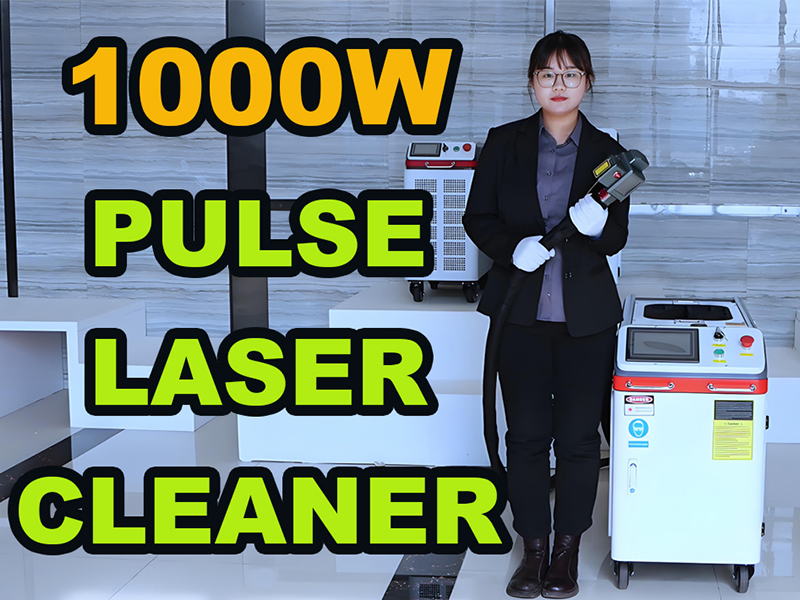
The Science of Light: Understanding Laser Ablation
Before looking at the benefits, it helps to understand why laser cleaning works so well.
The key is a process called laser ablation. It may sound complex, but the idea is actually simple.
A laser cleaning machine sends a powerful beam of light onto the surface. Rust, paint, oil, and other contaminants absorb this energy much more easily than the metal underneath. Most fiber laser cleaning systems use a wavelength of around 1064 nm, which works especially well for these materials.
As soon as the laser hits the contamination, the material absorbs a large amount of energy in a tiny fraction of a second. It heats up almost instantly and turns into vapor or plasma. This process removes the contamination from the surface without the need for chemicals or abrasive materials.
The best part is that the base metal stays protected. Rust and paint need much less energy to be removed than steel or aluminum. Once the contamination is gone, the clean metal reflects most of the laser energy instead of absorbing it. That keeps heat buildup to a minimum and helps prevent damage to the surface.
This is why laser cleaning can remove unwanted material with such high precision. It protects the strength, finish, and properties of the metal while delivering consistent cleaning results. you can see what is laser cleaning first from below bogong youtube link:
The key is a process called laser ablation. It may sound complex, but the idea is actually simple.
A laser cleaning machine sends a powerful beam of light onto the surface. Rust, paint, oil, and other contaminants absorb this energy much more easily than the metal underneath. Most fiber laser cleaning systems use a wavelength of around 1064 nm, which works especially well for these materials.
As soon as the laser hits the contamination, the material absorbs a large amount of energy in a tiny fraction of a second. It heats up almost instantly and turns into vapor or plasma. This process removes the contamination from the surface without the need for chemicals or abrasive materials.
The best part is that the base metal stays protected. Rust and paint need much less energy to be removed than steel or aluminum. Once the contamination is gone, the clean metal reflects most of the laser energy instead of absorbing it. That keeps heat buildup to a minimum and helps prevent damage to the surface.
This is why laser cleaning can remove unwanted material with such high precision. It protects the strength, finish, and properties of the metal while delivering consistent cleaning results. you can see what is laser cleaning first from below bogong youtube link:
Core Advantages of Laser Cleaning Machines
More and more industries are moving away from traditional cleaning methods and switching to laser technology. The reason is pretty straightforward.
It’s safer, cleaner, and often more cost-effective in the long run. On top of that, it also reduces environmental impact.
Here’s a closer look at why this shift is happening.
It’s safer, cleaner, and often more cost-effective in the long run. On top of that, it also reduces environmental impact.
Here’s a closer look at why this shift is happening.
1. Zero Chemical Waste and Enhanced Safety
For a long time, stripping thick industrial coatings meant using harsh chemicals like methylene chloride. These chemicals are dangerous. Workers need heavy protective gear, and the workspace has to be tightly controlled with strong ventilation.
Now things have changed. With laser technology, industrial paint stripping can be done without chemicals at all.
The laser simply vaporizes the paint layer. It turns it into fine particles and vapor. A built-in fume extraction system then captures everything right at the source.
There’s no need to buy, store, or dispose of toxic chemicals anymore. It makes the whole process much safer and easier to manage on the shop floor.
Now things have changed. With laser technology, industrial paint stripping can be done without chemicals at all.
The laser simply vaporizes the paint layer. It turns it into fine particles and vapor. A built-in fume extraction system then captures everything right at the source.
There’s no need to buy, store, or dispose of toxic chemicals anymore. It makes the whole process much safer and easier to manage on the shop floor.
2. Unmatched Precision and Non-Destructive Cleaning
Unlike sandblasting or grinding, laser cleaning doesn’t physically wear down the surface. It doesn’t scrape or grind anything away. That makes a big difference in precision work.
In manufacturing, even a small error can matter. Laser systems can be finely adjusted to remove layers only a few microns thick. That level of control is hard to achieve with traditional methods.
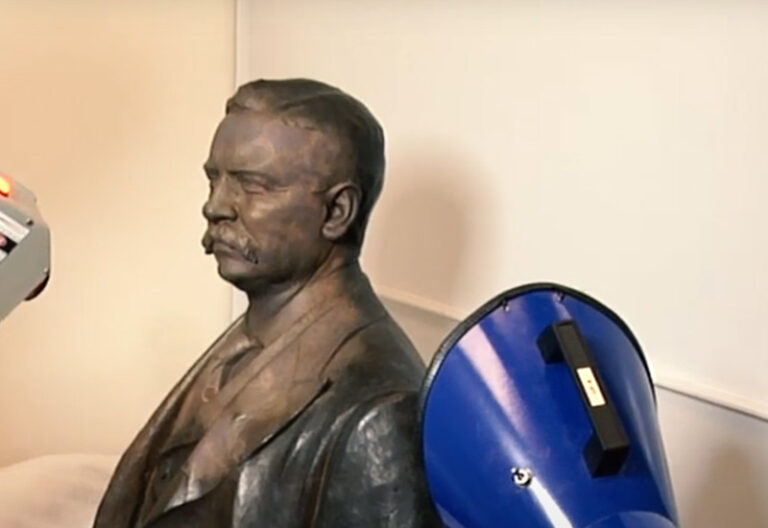
It’s also a big advantage in restoration work. Conservators use low-power lasers to clean delicate historical objects. Things like ancient stone statues, old coins, and metal artifacts covered in soot or oxidation.
The goal is simple: remove dirt and buildup without touching the original surface. The laser can do that. It preserves fine details, carvings, and the natural patina that would otherwise be lost with abrasive cleaning.
In manufacturing, even a small error can matter. Laser systems can be finely adjusted to remove layers only a few microns thick. That level of control is hard to achieve with traditional methods.
It’s also a big advantage in restoration work. Conservators use low-power lasers to clean delicate historical objects. Things like ancient stone statues, old coins, and metal artifacts covered in soot or oxidation.
The goal is simple: remove dirt and buildup without touching the original surface. The laser can do that. It preserves fine details, carvings, and the natural patina that would otherwise be lost with abrasive cleaning.
3. Favorable Long-Term Economics
Laser cleaning systems do come with a higher upfront cost. That part is true. But over time, the numbers usually tell a different story.
Once it’s in use, the running cost is very low. There’s no need to keep buying abrasive media. No chemical supply. No disposal costs either. And cleanup work drops a lot as well.
Most of what you’re left with is just electricity to run the machine. In many cases, that’s only a few dollars a day.
When you add it all up over a few years, the savings start to stack up. Labor goes down. Consumables disappear. Waste handling costs shrink. Over a 5-year period, many companies find the system pays for itself more than once.
Once it’s in use, the running cost is very low. There’s no need to keep buying abrasive media. No chemical supply. No disposal costs either. And cleanup work drops a lot as well.
Most of what you’re left with is just electricity to run the machine. In many cases, that’s only a few dollars a day.
When you add it all up over a few years, the savings start to stack up. Labor goes down. Consumables disappear. Waste handling costs shrink. Over a 5-year period, many companies find the system pays for itself more than once.
4. A Greener Approach to Maintenance
As industries around the world move toward more sustainable operations, the environmental benefits of laser cleaning are becoming harder to ignore.
Traditional methods create a lot of waste. Sandblasting is a good example. You might remove just a small amount of rust, but you end up with large volumes of contaminated sand that has to be treated as hazardous waste.
Laser cleaning is different. It doesn’t use consumables in the same way, and it doesn’t produce secondary waste. What gets removed is basically vaporized at the source.
With fewer materials used and no toxic runoff, companies can reduce their environmental impact quite a bit. It also makes it easier to meet standards like ISO 14001 and other environmental compliance requirements.
Traditional methods create a lot of waste. Sandblasting is a good example. You might remove just a small amount of rust, but you end up with large volumes of contaminated sand that has to be treated as hazardous waste.
Laser cleaning is different. It doesn’t use consumables in the same way, and it doesn’t produce secondary waste. What gets removed is basically vaporized at the source.
With fewer materials used and no toxic runoff, companies can reduce their environmental impact quite a bit. It also makes it easier to meet standards like ISO 14001 and other environmental compliance requirements.
Laser Cleaning vs. Traditional Methods
If you really want to understand the value of laser cleaning, you have to compare it with what it’s replacing.
Dry Ice Blasting vs Laser Cleaning
Dry ice blasting uses CO₂ pellets fired at high speed to freeze and break off dirt and coatings. It’s non-abrasive, and it doesn’t use sand or chemicals. So in that sense, it’s similar to laser cleaning.
But the downsides show up fast.
Dry ice has to be supplied constantly. It’s expensive, and it doesn’t store well. You also need a strong air compressor to run the system, which eats a lot of power and makes a lot of noise.
Laser cleaning is much simpler. Just plug it into a standard power source. No consumables. No logistics headache. It’s quieter too, and often easier to move around.
Dry ice works well on soft materials like plastics or rubber. But when it comes to rust, oxide layers, or thick coatings on metal, lasers usually do a better job.
But the downsides show up fast.
Dry ice has to be supplied constantly. It’s expensive, and it doesn’t store well. You also need a strong air compressor to run the system, which eats a lot of power and makes a lot of noise.
Laser cleaning is much simpler. Just plug it into a standard power source. No consumables. No logistics headache. It’s quieter too, and often easier to move around.
Dry ice works well on soft materials like plastics or rubber. But when it comes to rust, oxide layers, or thick coatings on metal, lasers usually do a better job.
Sandblasting vs Laser Cleaning
Sandblasting is powerful, but it’s messy. Very messy.
You need containment setups, heavy PPE, and a long cleanup process afterward. The dust is also a health concern, especially silica exposure.
It also changes the surface. It can leave micro-pits, which is not ideal for precision parts.
Laser cleaning doesn’t do that. It doesn’t touch the surface physically. So the original surface profile stays intact. That matters a lot in high-precision manufacturing.
You need containment setups, heavy PPE, and a long cleanup process afterward. The dust is also a health concern, especially silica exposure.
It also changes the surface. It can leave micro-pits, which is not ideal for precision parts.
Laser cleaning doesn’t do that. It doesn’t touch the surface physically. So the original surface profile stays intact. That matters a lot in high-precision manufacturing.
Where Laser Cleaning Is Used
Laser cleaning isn’t just for one industry. It shows up almost everywhere now.
Automotive and Heavy Industry
In car manufacturing, surfaces need to be perfectly clean before welding or painting. Even a thin layer of oil can cause defects.
Laser systems can remove grease, cutting fluids, and protective oils in seconds. Sometimes operators use handheld lasers to clean joints right before robotic welding. The result is cleaner welds and fewer defects.
For maintenance work, it’s also used on ships, construction equipment, and steel structures. It helps remove rust without shutting down nearby operations. below video was from one of customers which use BOGONG 300w pulse laser cleaner:
Aerospace and Aviation
Aerospace is even more strict.
You can’t risk damaging thin aluminum panels or composite materials. Chemical stripping can also cause hidden corrosion issues.
That’s why many teams now use portable laser systems for paint removal. They can target specific areas like rivets or landing gear and remove layers one by one.
It’s precise, and it avoids damage to the underlying material.
You can’t risk damaging thin aluminum panels or composite materials. Chemical stripping can also cause hidden corrosion issues.
That’s why many teams now use portable laser systems for paint removal. They can target specific areas like rivets or landing gear and remove layers one by one.
It’s precise, and it avoids damage to the underlying material.
Electronics and Micro Parts
On the other end of the scale, you have electronics.
Circuit boards, connectors, and semiconductor parts are extremely sensitive. Traditional cleaning methods are too harsh.
Low-power lasers can remove oxidation from metal contacts without overheating the component. That helps improve conductivity and reduces failure rates in high-end devices.
Circuit boards, connectors, and semiconductor parts are extremely sensitive. Traditional cleaning methods are too harsh.
Low-power lasers can remove oxidation from metal contacts without overheating the component. That helps improve conductivity and reduces failure rates in high-end devices.
Choosing the Right Laser System
Not all laser cleaners are the same. Power level and laser type matter a lot.
Laser Power Levels
Low power (50–100W)
Good for restoration work, light rust, and delicate parts.
Medium power (200–500W)
Common in factories. Good balance for paint removal and general cleaning.
High power (1000–3000W)
Used in heavy industry like shipyards and infrastructure. Fast, strong, and built for large-scale rust removal. below are video which show pulse laser cleaner 200W 300W 500W 1000W.
Laser Power Levels
Low power (50–100W)
Good for restoration work, light rust, and delicate parts.
Medium power (200–500W)
Common in factories. Good balance for paint removal and general cleaning.
High power (1000–3000W)
Used in heavy industry like shipyards and infrastructure. Fast, strong, and built for large-scale rust removal. below are video which show pulse laser cleaner 200W 300W 500W 1000W.
2000w Pulse laser cleaner show:
Pulsed vs Continuous Wave
Pulsed lasers fire in short bursts. They cool between pulses. That makes them safer for delicate work. They’re often used in aerospace, molds, and precision cleaning.
Continuous wave (CW) lasers run constantly. They clean faster and are usually cheaper. But they generate more heat, so they’re better for thick steel and heavy rust.
Continuous wave (CW) lasers run constantly. They clean faster and are usually cheaper. But they generate more heat, so they’re better for thick steel and heavy rust.
What to Look for in the Market
The market has grown fast. European and American systems tend to be high-end and customizable. Asian manufacturers are often more cost-friendly.
If you’re comparing options, don’t just look at price. Check the laser source brand, after-sales support, and spare parts availability. Brands like IPG, Raycus, JPT, and MAX are commonly used in the industry.
If you’re comparing options, don’t just look at price. Check the laser source brand, after-sales support, and spare parts availability. Brands like IPG, Raycus, JPT, and MAX are commonly used in the industry.
Safety and Maintenance
Laser cleaning is safer than chemical or abrasive methods, but it’s still serious equipment.
These are Class 4 lasers. That means the beam can cause instant eye damage or burns.
Operators need proper laser safety glasses, and the work area should be controlled to avoid stray reflections.
Fume extraction is also important. Even though you’re not using chemicals, vaporized metal particles can still be harmful.
On the maintenance side, the system itself is fairly simple. Fiber lasers don’t have many moving parts and can last a long time.
The key thing is the protective lens. It takes the hit from dust and debris. If it gets dirty or damaged, it can fail fast and cause expensive repairs.
So it needs regular cleaning and inspection.
These are Class 4 lasers. That means the beam can cause instant eye damage or burns.
Operators need proper laser safety glasses, and the work area should be controlled to avoid stray reflections.
Fume extraction is also important. Even though you’re not using chemicals, vaporized metal particles can still be harmful.
On the maintenance side, the system itself is fairly simple. Fiber lasers don’t have many moving parts and can last a long time.
The key thing is the protective lens. It takes the hit from dust and debris. If it gets dirty or damaged, it can fail fast and cause expensive repairs.
So it needs regular cleaning and inspection.
Getting Started laser cleaning machine
Before buying a system, it helps to test it first. Many suppliers can run sample cleaning videos on your actual parts.
Also check your factory power supply. High-power systems may need 3-phase electricity.
Training matters too. Operators need time to learn the right working distance and handling technique.
And finally, calculate real ROI. Don’t just look at purchase cost. Include labor, consumables, waste disposal, and downtime.
Also check your factory power supply. High-power systems may need 3-phase electricity.
Training matters too. Operators need time to learn the right working distance and handling technique.
And finally, calculate real ROI. Don’t just look at purchase cost. Include labor, consumables, waste disposal, and downtime.
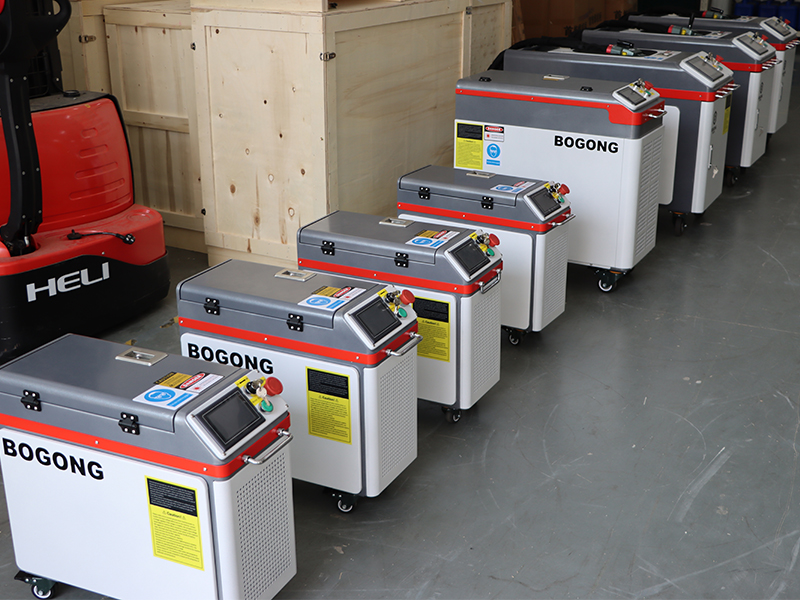
Laser cleaning fits into where industry is heading: cleaner, safer, and more precise processes.
It removes chemicals, reduces waste, and gives far more control than traditional methods.
It’s not just a new tool. In many cases, it’s replacing entire workflows that haven’t changed for decades.
It removes chemicals, reduces waste, and gives far more control than traditional methods.
It’s not just a new tool. In many cases, it’s replacing entire workflows that haven’t changed for decades.
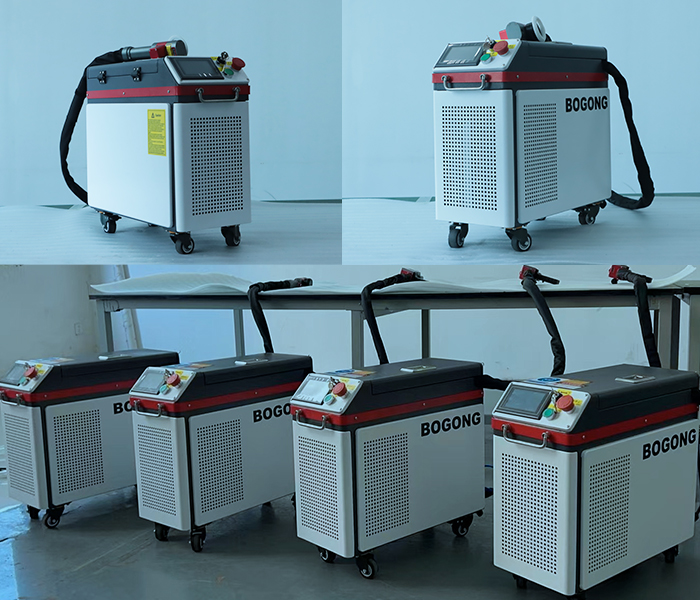
BOGONG LASER CLEANING MACHINE

1000W Pulse Laser Cleaning Machine

300W Pulse Laser Cleaning Machine

500W Pulse Laser Cleaning Machine
500W Pulse Laser Cleaning Machine – Water Cooling

Backpack Laser Cleaning machine
Best 200W Pulse Laser Cleaning Machine

CW Laser Cleaning Machine

Pulse Laser Cleaning Machine with Raycus Max JPT Laser

Trolley Case type Laser Cleaning Machine

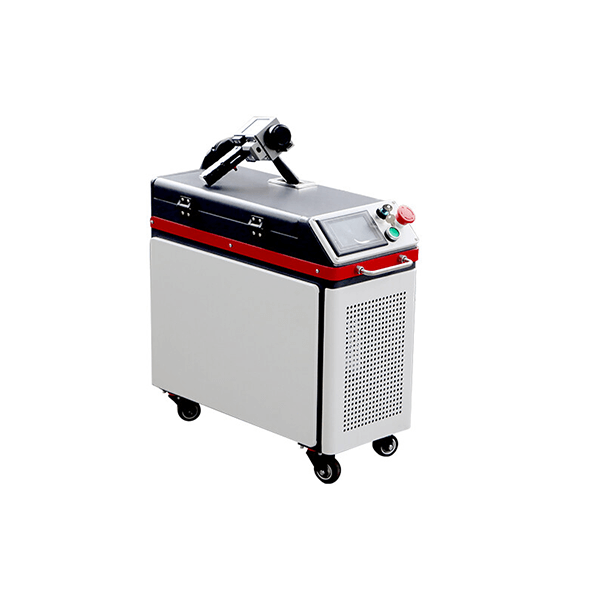
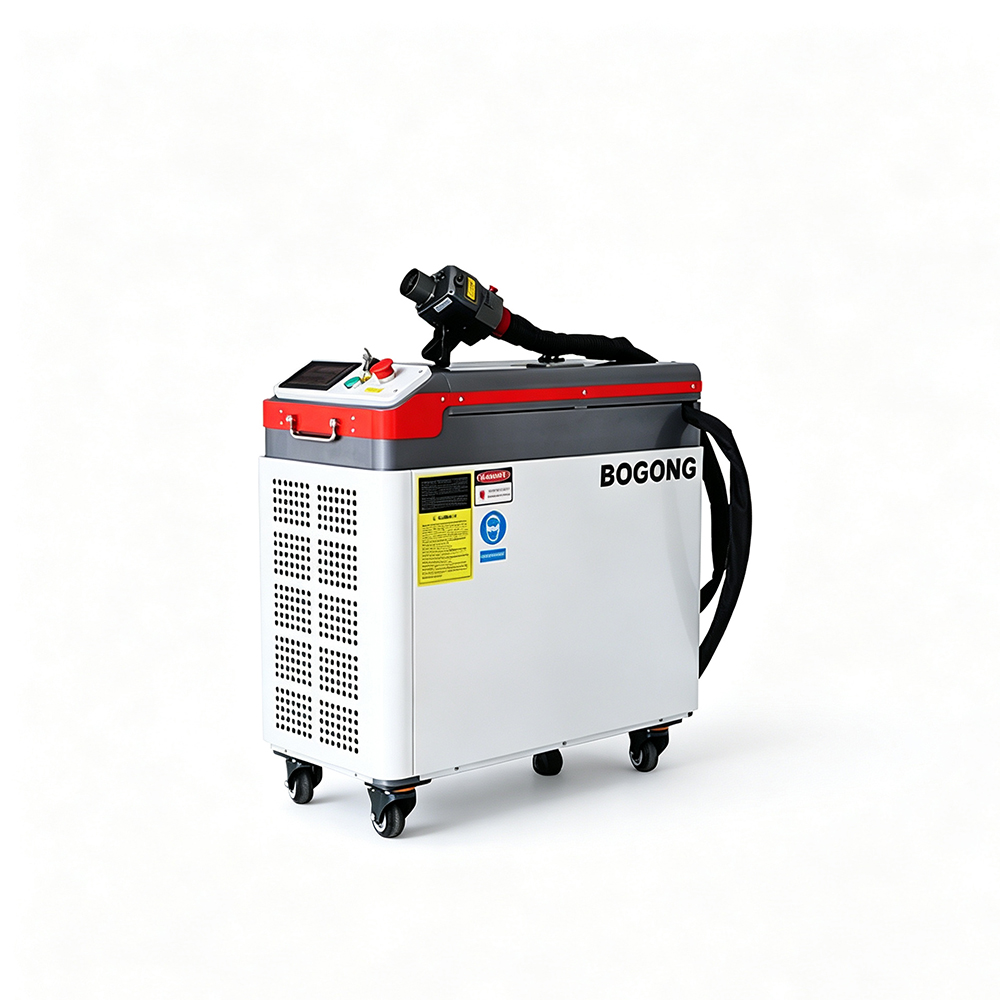
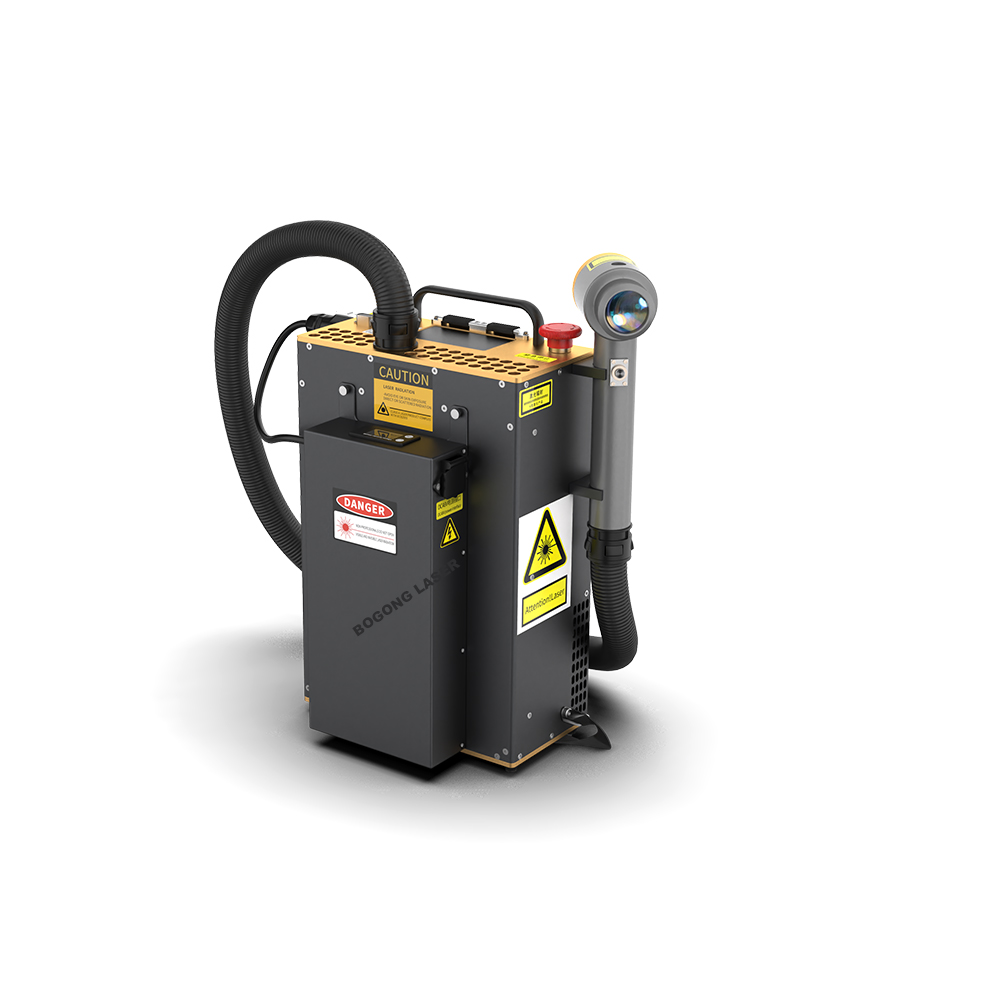
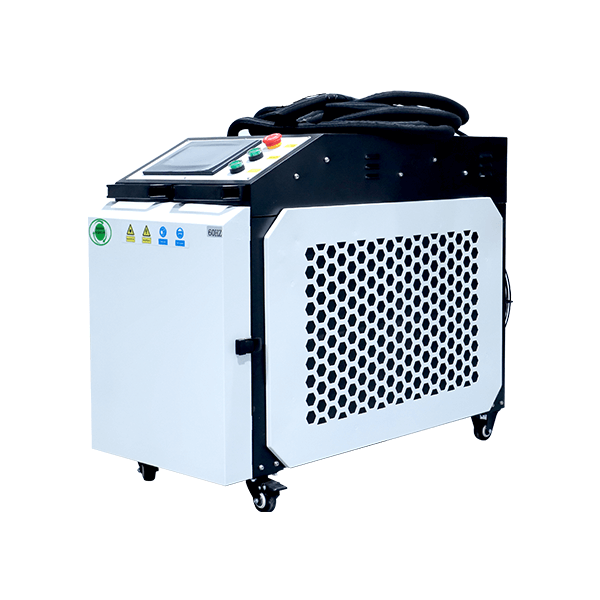


BOGONG LASER show
Thanks to high precision, eco-friendly performance and low costs, the laser cleaning machine replaces traditional methods, becoming the ideal efficient solution for modern industrial surface cleaning tasks.
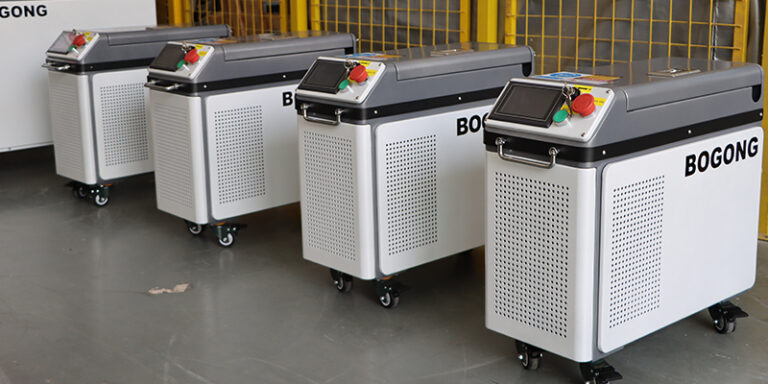


Hot Click
Contact Us
Application
©Copyright [bogonglaser.com]. BOGONG Laser Machine Supplier All Rights Reserved.