
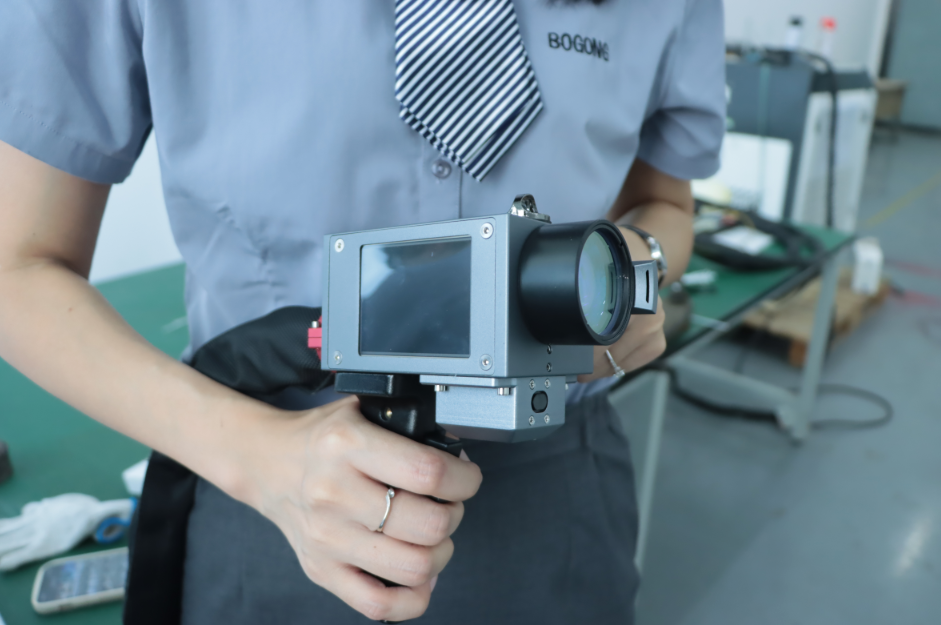
Avantajele mașinilor de curățare cu laser: precizie și soluții ecologice
Descoperiți avantajele utilizării unui aparat de curățare cu laser pentru o pregătire a suprafețelor ecologică, precisă și nedistructivă. Aflați mai multe despre îndepărtarea ruginii cu laser și descoperiți cei mai buni producători de aparate de curățare cu laser cu fibră din China

Avantajele utilizării mașinilor de curățare cu laser
De ani de zile, curățarea suprafețelor în mediul industrial s-a bazat pe metode lente, murdare și adesea nesigure. Sablarea generează o cantitate uriașă de deșeuri. Decaparea chimică expune lucrătorii la solvenți nocivi. Șlefuirea manuală durează mult și poate deteriora cu ușurință suprafața.
Acum există o soluție mai bună. Curățarea cu laser schimbă modul în care companiile abordează pregătirea suprafețelor, întreținerea și restaurarea. Aceasta utilizează un fascicul laser puternic pentru a îndepărta rugina, vopseaua, grăsimea și alți contaminanți. Procesul este fără contact, precis și mult mai curat decât metodele tradiționale.
Dacă doriți să îmbunătățiți operațiunile de întreținere, să faceți tratarea suprafețelor mai sigură sau să refaceți piesele puternic corodate, curățarea cu laser merită o analiză mai atentă. În acest ghid, vă vom explica cum funcționează, ce o diferențiază, unde este utilizată și ce trebuie să știți înainte de a o integra în fluxul dumneavoastră de lucru.
Acum există o soluție mai bună. Curățarea cu laser schimbă modul în care companiile abordează pregătirea suprafețelor, întreținerea și restaurarea. Aceasta utilizează un fascicul laser puternic pentru a îndepărta rugina, vopseaua, grăsimea și alți contaminanți. Procesul este fără contact, precis și mult mai curat decât metodele tradiționale.
Dacă doriți să îmbunătățiți operațiunile de întreținere, să faceți tratarea suprafețelor mai sigură sau să refaceți piesele puternic corodate, curățarea cu laser merită o analiză mai atentă. În acest ghid, vă vom explica cum funcționează, ce o diferențiază, unde este utilizată și ce trebuie să știți înainte de a o integra în fluxul dumneavoastră de lucru.
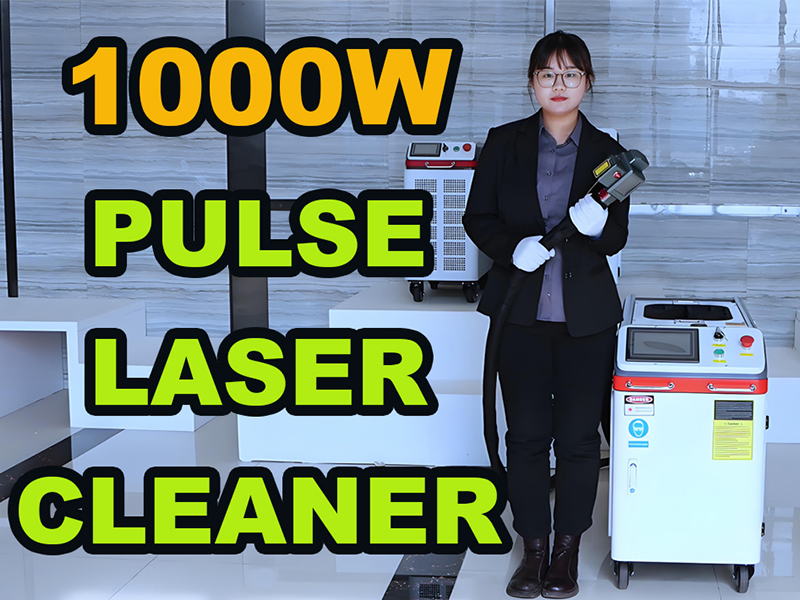
Știința luminii: Înțelegerea ablației cu laser
Înainte de a analiza avantajele, este util să înțelegem de ce curățarea cu laser dă rezultate atât de bune.
Cheia o reprezintă un proces numit ablație cu laser. Poate părea complex, dar ideea este, de fapt, simplă.
Un aparat de curățare cu laser emite un fascicul puternic de lumină asupra suprafeței. Rugina, vopseaua, uleiul și alți contaminanți absorb această energie mult mai ușor decât metalul de dedesubt. Majoritatea sistemelor de curățare cu laser cu fibră utilizează o lungime de undă de aproximativ 1064 nm, care se dovedește deosebit de eficientă pentru aceste materiale.
Imediat ce raza laser lovește impuritatea, materialul absoarbe o cantitate mare de energie într-o fracțiune infimă de secundă. Se încălzește aproape instantaneu și se transformă în vapori sau plasmă. Acest proces îndepărtează impuritatea de pe suprafață fără a fi nevoie de substanțe chimice sau materiale abrazive.
Cel mai bun lucru este că metalul de bază rămâne protejat. Îndepărtarea ruginii și a vopselei necesită mult mai puțină energie decât în cazul oțelului sau al aluminiului. Odată ce contaminarea a fost eliminată, metalul curat reflectă cea mai mare parte a energiei laserului, în loc să o absoarbă. Acest lucru reduce la minimum acumularea de căldură și contribuie la prevenirea deteriorării suprafeței.
De aceea, curățarea cu laser poate îndepărta materialul nedorit cu o precizie atât de mare. Aceasta păstrează rezistența, finisajul și proprietățile metalului, oferind în același timp rezultate constante de curățare. Puteți vedea mai întâi ce înseamnă curățarea cu laser accesând linkul de mai jos de pe YouTube:
Cheia o reprezintă un proces numit ablație cu laser. Poate părea complex, dar ideea este, de fapt, simplă.
Un aparat de curățare cu laser emite un fascicul puternic de lumină asupra suprafeței. Rugina, vopseaua, uleiul și alți contaminanți absorb această energie mult mai ușor decât metalul de dedesubt. Majoritatea sistemelor de curățare cu laser cu fibră utilizează o lungime de undă de aproximativ 1064 nm, care se dovedește deosebit de eficientă pentru aceste materiale.
Imediat ce raza laser lovește impuritatea, materialul absoarbe o cantitate mare de energie într-o fracțiune infimă de secundă. Se încălzește aproape instantaneu și se transformă în vapori sau plasmă. Acest proces îndepărtează impuritatea de pe suprafață fără a fi nevoie de substanțe chimice sau materiale abrazive.
Cel mai bun lucru este că metalul de bază rămâne protejat. Îndepărtarea ruginii și a vopselei necesită mult mai puțină energie decât în cazul oțelului sau al aluminiului. Odată ce contaminarea a fost eliminată, metalul curat reflectă cea mai mare parte a energiei laserului, în loc să o absoarbă. Acest lucru reduce la minimum acumularea de căldură și contribuie la prevenirea deteriorării suprafeței.
De aceea, curățarea cu laser poate îndepărta materialul nedorit cu o precizie atât de mare. Aceasta păstrează rezistența, finisajul și proprietățile metalului, oferind în același timp rezultate constante de curățare. Puteți vedea mai întâi ce înseamnă curățarea cu laser accesând linkul de mai jos de pe YouTube:
Avantajele principale ale mașinilor de curățat cu laser
Din ce în ce mai multe industrii renunță la metodele tradiționale de curățare și trec la tehnologia laser. Motivul este destul de simplu.
Este mai sigur, mai curat și, adesea, mai rentabil pe termen lung. În plus, reduce și impactul asupra mediului.
Iată o analiză mai detaliată a motivelor pentru care are loc această schimbare.
Este mai sigur, mai curat și, adesea, mai rentabil pe termen lung. În plus, reduce și impactul asupra mediului.
Iată o analiză mai detaliată a motivelor pentru care are loc această schimbare.
1. Zero deșeuri chimice și siguranță sporită
Multă vreme, îndepărtarea straturilor groase de acoperire industrială a presupus utilizarea unor substanțe chimice agresive, precum clorura de metilen. Aceste substanțe chimice sunt periculoase. Muncitorii au nevoie de echipament de protecție greu, iar spațiul de lucru trebuie să fie strict controlat și dotat cu un sistem de ventilație puternic.
Acum lucrurile s-au schimbat. Datorită tehnologiei cu laser, decaparea industrială a vopselei se poate realiza fără a se folosi deloc substanțe chimice.
Laserul vaporizează pur și simplu stratul de vopsea. Îl transformă în particule fine și vapori. Un sistem integrat de extracție a fumului captează apoi totul chiar la sursă.
Nu mai este nevoie să cumpărați, să depozitați sau să eliminați substanțe chimice toxice. Acest lucru face ca întregul proces să fie mult mai sigur și mai ușor de gestionat în atelier.
Acum lucrurile s-au schimbat. Datorită tehnologiei cu laser, decaparea industrială a vopselei se poate realiza fără a se folosi deloc substanțe chimice.
Laserul vaporizează pur și simplu stratul de vopsea. Îl transformă în particule fine și vapori. Un sistem integrat de extracție a fumului captează apoi totul chiar la sursă.
Nu mai este nevoie să cumpărați, să depozitați sau să eliminați substanțe chimice toxice. Acest lucru face ca întregul proces să fie mult mai sigur și mai ușor de gestionat în atelier.
2. Precizie de neegalat și curățare nedistructivă
Spre deosebire de sablare sau șlefuire, curățarea cu laser nu uzează fizic suprafața. Nu răzuiește și nu șlefuiește nimic. Acest lucru face o mare diferență în lucrările de precizie.
În domeniul producției, chiar și o eroare minoră poate avea consecințe importante. Sistemele cu laser pot fi reglate cu precizie pentru a îndepărta straturi cu o grosime de doar câțiva microni. Un astfel de nivel de control este greu de atins cu metodele tradiționale.
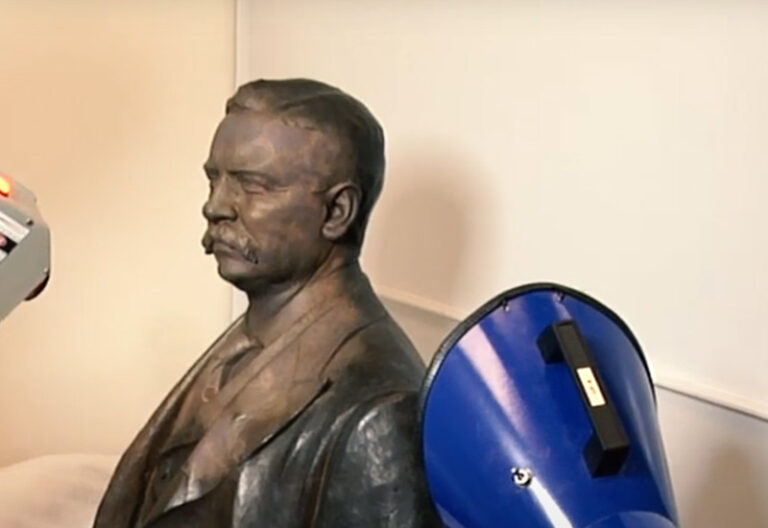
De asemenea, reprezintă un mare avantaj în lucrările de restaurare. Restauratorii folosesc lasere de mică putere pentru a curăța obiecte istorice delicate, precum statui antice din piatră, monede vechi și artefacte metalice acoperite de funingine sau oxid.
Obiectivul este simplu: îndepărtarea murdăriei și a depunerilor fără a afecta suprafața originală. Laserul poate face acest lucru. El păstrează detaliile fine, sculpturile și patina naturală care, altfel, s-ar pierde în urma unei curățări abrazive.
În domeniul producției, chiar și o eroare minoră poate avea consecințe importante. Sistemele cu laser pot fi reglate cu precizie pentru a îndepărta straturi cu o grosime de doar câțiva microni. Un astfel de nivel de control este greu de atins cu metodele tradiționale.
De asemenea, reprezintă un mare avantaj în lucrările de restaurare. Restauratorii folosesc lasere de mică putere pentru a curăța obiecte istorice delicate, precum statui antice din piatră, monede vechi și artefacte metalice acoperite de funingine sau oxid.
Obiectivul este simplu: îndepărtarea murdăriei și a depunerilor fără a afecta suprafața originală. Laserul poate face acest lucru. El păstrează detaliile fine, sculpturile și patina naturală care, altfel, s-ar pierde în urma unei curățări abrazive.
3. Condiții economice favorabile pe termen lung
Sistemele de curățare cu laser implică într-adevăr un cost inițial mai ridicat. Asta este adevărat. Dar, pe termen lung, cifrele arată de obicei o altă realitate.
Odată pus în funcțiune, costul de exploatare este foarte redus. Nu mai este nevoie să cumpărați în mod constant materiale abrazive. Nu mai sunt necesare produse chimice. Nici costurile de eliminare a deșeurilor nu mai există. Și efortul de curățare se reduce, de asemenea, considerabil.
Cea mai mare parte a cheltuielilor se reduce la costul energiei electrice necesare pentru funcționarea mașinii. În multe cazuri, aceasta înseamnă doar câțiva dolari pe zi.
Când se fac calculele pe o perioadă de câțiva ani, economiile încep să se acumuleze. Costurile cu forța de muncă scad. Consumabilele nu mai sunt necesare. Costurile legate de gestionarea deșeurilor se reduc. Pe o perioadă de 5 ani, multe companii constată că sistemul își amortizează costul de mai multe ori.
Odată pus în funcțiune, costul de exploatare este foarte redus. Nu mai este nevoie să cumpărați în mod constant materiale abrazive. Nu mai sunt necesare produse chimice. Nici costurile de eliminare a deșeurilor nu mai există. Și efortul de curățare se reduce, de asemenea, considerabil.
Cea mai mare parte a cheltuielilor se reduce la costul energiei electrice necesare pentru funcționarea mașinii. În multe cazuri, aceasta înseamnă doar câțiva dolari pe zi.
Când se fac calculele pe o perioadă de câțiva ani, economiile încep să se acumuleze. Costurile cu forța de muncă scad. Consumabilele nu mai sunt necesare. Costurile legate de gestionarea deșeurilor se reduc. Pe o perioadă de 5 ani, multe companii constată că sistemul își amortizează costul de mai multe ori.
4. O abordare mai ecologică a întreținerii
Pe măsură ce industriile din întreaga lume se îndreaptă spre operațiuni mai durabile, avantajele ecologice ale curățării cu laser devin din ce în ce mai greu de ignorat.
Metodele tradiționale generează o cantitate mare de deșeuri. Sablarea este un bun exemplu. Poți îndepărta doar o cantitate mică de rugină, dar te trezești cu volume mari de nisip contaminat, care trebuie tratat ca deșeu periculos.
Curățarea cu laser este diferită. Nu utilizează consumabile în același mod și nu produce deșeuri secundare. Ceea ce se îndepărtează este, practic, vaporizat chiar la sursă.
Prin utilizarea unei cantități mai mici de materiale și fără scurgeri toxice, companiile își pot reduce considerabil impactul asupra mediului. De asemenea, acest lucru facilitează respectarea standardelor precum ISO 14001 și a altor cerințe de conformitate în materie de mediu.
Metodele tradiționale generează o cantitate mare de deșeuri. Sablarea este un bun exemplu. Poți îndepărta doar o cantitate mică de rugină, dar te trezești cu volume mari de nisip contaminat, care trebuie tratat ca deșeu periculos.
Curățarea cu laser este diferită. Nu utilizează consumabile în același mod și nu produce deșeuri secundare. Ceea ce se îndepărtează este, practic, vaporizat chiar la sursă.
Prin utilizarea unei cantități mai mici de materiale și fără scurgeri toxice, companiile își pot reduce considerabil impactul asupra mediului. De asemenea, acest lucru facilitează respectarea standardelor precum ISO 14001 și a altor cerințe de conformitate în materie de mediu.
Curățarea cu laser vs. metodele tradiționale
Dacă vrei cu adevărat să înțelegi valoarea curățării cu laser, trebuie să o compari cu metoda pe care o înlocuiește.
Curățarea cu gheață carbonică vs. curățarea cu laser
Curățarea cu gheață carbonică utilizează pelete de CO₂ proiectate cu viteză mare pentru a îngheța și a desprinde murdăria și depunerile. Este o metodă neabrazivă, care nu implică utilizarea nisipului sau a substanțelor chimice. În acest sens, este similară cu curățarea cu laser.
Dar dezavantajele se fac simțite repede.
Gheața carbonică trebuie alimentată în mod constant. Este scumpă și nu se păstrează bine. De asemenea, este nevoie de un compresor de aer puternic pentru a pune în funcțiune sistemul, care consumă multă energie și face mult zgomot.
Curățarea cu laser este mult mai simplă. Trebuie doar să îl conectați la o sursă de alimentare standard. Fără consumabile. Fără bătăi de cap legate de logistică. În plus, este mai silențios și, de multe ori, mai ușor de mutat.
Gheața carbonică dă rezultate bune în cazul materialelor moi, precum plasticul sau cauciucul. Însă, când vine vorba de rugină, straturi de oxid sau acoperiri groase de pe metal, laserele sunt, de obicei, mai eficiente.
Dar dezavantajele se fac simțite repede.
Gheața carbonică trebuie alimentată în mod constant. Este scumpă și nu se păstrează bine. De asemenea, este nevoie de un compresor de aer puternic pentru a pune în funcțiune sistemul, care consumă multă energie și face mult zgomot.
Curățarea cu laser este mult mai simplă. Trebuie doar să îl conectați la o sursă de alimentare standard. Fără consumabile. Fără bătăi de cap legate de logistică. În plus, este mai silențios și, de multe ori, mai ușor de mutat.
Gheața carbonică dă rezultate bune în cazul materialelor moi, precum plasticul sau cauciucul. Însă, când vine vorba de rugină, straturi de oxid sau acoperiri groase de pe metal, laserele sunt, de obicei, mai eficiente.
Sablare vs. curățare cu laser
Sablarea este o metodă eficientă, dar este murdară. Foarte murdară.
Sunt necesare sisteme de izolare, echipamente de protecție individuală (EPI) de tip greu și un proces îndelungat de curățare după finalizarea lucrărilor. Praful reprezintă, de asemenea, un risc pentru sănătate, în special expunerea la silice.
De asemenea, modifică suprafața. Poate lăsa micro-adâncituri, ceea ce nu este ideal pentru piesele de precizie.
Curățarea cu laser nu face asta. Nu atinge fizic suprafața. Așadar, profilul inițial al suprafeței rămâne intact. Acest lucru contează foarte mult în producția de înaltă precizie.
Sunt necesare sisteme de izolare, echipamente de protecție individuală (EPI) de tip greu și un proces îndelungat de curățare după finalizarea lucrărilor. Praful reprezintă, de asemenea, un risc pentru sănătate, în special expunerea la silice.
De asemenea, modifică suprafața. Poate lăsa micro-adâncituri, ceea ce nu este ideal pentru piesele de precizie.
Curățarea cu laser nu face asta. Nu atinge fizic suprafața. Așadar, profilul inițial al suprafeței rămâne intact. Acest lucru contează foarte mult în producția de înaltă precizie.
În ce domenii se utilizează curățarea cu laser
Curățarea cu laser nu este destinată doar unui singur sector industrial. În prezent, se folosește aproape peste tot.
Industria auto și industria grea
În industria auto, suprafețele trebuie să fie perfect curate înainte de sudare sau vopsire. Chiar și un strat subțire de ulei poate provoca defecte.
Sistemele cu laser pot îndepărta grăsimea, lichidele de tăiere și uleiurile de protecție în câteva secunde. Uneori, operatorii folosesc lasere portabile pentru a curăța îmbinările chiar înainte de sudarea robotizată. Rezultatul este o sudură mai curată și mai puține defecte.
În cadrul lucrărilor de întreținere, acesta este utilizat și pe nave, utilaje de construcții și structuri metalice. Ajută la îndepărtarea ruginii fără a întrerupe activitățile din zonă. Videoclipul de mai jos a fost realizat de unul dintre clienții noștri care utilizează aparatul de curățare cu laser pulsat BOGONG de 300 W:
Industria aerospațială și aviația
În sectorul aerospațial, cerințele sunt și mai stricte.
Nu trebuie să riscați să deteriorați panourile subțiri din aluminiu sau materialele compozite. Decaparea chimică poate provoca, de asemenea, probleme ascunse de coroziune.
De aceea, multe echipe folosesc acum sisteme laser portabile pentru îndepărtarea vopselei. Acestea pot viza zone specifice, precum niturile sau trenul de aterizare, și pot îndepărta straturile unul câte unul.
Este precis și nu provoacă deteriorarea materialului de bază.
Nu trebuie să riscați să deteriorați panourile subțiri din aluminiu sau materialele compozite. Decaparea chimică poate provoca, de asemenea, probleme ascunse de coroziune.
De aceea, multe echipe folosesc acum sisteme laser portabile pentru îndepărtarea vopselei. Acestea pot viza zone specifice, precum niturile sau trenul de aterizare, și pot îndepărta straturile unul câte unul.
Este precis și nu provoacă deteriorarea materialului de bază.
Componente electronice și microcomponente
La celălalt capăt al scalei se află produsele electronice.
Plăcile de circuit, conectorii și componentele semiconductoare sunt extrem de sensibile. Metodele tradiționale de curățare sunt prea agresive.
Laserele cu putere redusă pot îndepărta oxidul de pe contactele metalice fără a supraîncălzi componenta. Acest lucru contribuie la îmbunătățirea conductivității și la reducerea ratei de defectare a dispozitivelor de ultimă generație.
Plăcile de circuit, conectorii și componentele semiconductoare sunt extrem de sensibile. Metodele tradiționale de curățare sunt prea agresive.
Laserele cu putere redusă pot îndepărta oxidul de pe contactele metalice fără a supraîncălzi componenta. Acest lucru contribuie la îmbunătățirea conductivității și la reducerea ratei de defectare a dispozitivelor de ultimă generație.
Alegerea sistemului laser potrivit
Nu toate aparatele de curățare cu laser sunt la fel. Nivelul de putere și tipul laserului contează foarte mult.
Nivelurile de putere ale laserului
Putere redusă (50–100 W)
Ideal pentru lucrări de restaurare, rugină ușoară și piese delicate.
Putere medie (200–500 W)
Frecvent utilizat în fabrici. Oferă un echilibru bun între îndepărtarea vopselei și curățarea generală.
Putere mare (1000–3000 W)
Se utilizează în industria grea, cum ar fi șantierele navale și sectorul infrastructurii. Rapid, puternic și conceput pentru îndepărtarea ruginii la scară largă. Mai jos găsiți videoclipuri care prezintă aparatele de curățare cu laser pulsat de 200 W, 300 W, 500 W și 1000 W.
Nivelurile de putere ale laserului
Putere redusă (50–100 W)
Ideal pentru lucrări de restaurare, rugină ușoară și piese delicate.
Putere medie (200–500 W)
Frecvent utilizat în fabrici. Oferă un echilibru bun între îndepărtarea vopselei și curățarea generală.
Putere mare (1000–3000 W)
Se utilizează în industria grea, cum ar fi șantierele navale și sectorul infrastructurii. Rapid, puternic și conceput pentru îndepărtarea ruginii la scară largă. Mai jos găsiți videoclipuri care prezintă aparatele de curățare cu laser pulsat de 200 W, 300 W, 500 W și 1000 W.
Prezentare a aparatului de curățare cu laser pulsat de 2000 W:
Undă pulsată vs undă continuă
Laserele pulsate emit raze în rafale scurte. Între impulsuri, acestea se răcesc. Acest lucru le face mai sigure pentru lucrări delicate. Sunt adesea utilizate în industria aerospațială, la fabricarea matrițelor și pentru curățarea de precizie.
Laserele cu undă continuă (CW) funcționează neîntrerupt. Curăță mai repede și sunt, de obicei, mai ieftine. Însă generează mai multă căldură, așa că sunt mai potrivite pentru oțelul gros și rugina persistentă.
Laserele cu undă continuă (CW) funcționează neîntrerupt. Curăță mai repede și sunt, de obicei, mai ieftine. Însă generează mai multă căldură, așa că sunt mai potrivite pentru oțelul gros și rugina persistentă.
Ce să cauți pe piață
Piața a cunoscut o creștere rapidă. Sistemele europene și americane sunt, de obicei, de înaltă calitate și personalizabile. Producătorii asiatici oferă adesea prețuri mai accesibile.
Dacă comparați diferite opțiuni, nu vă limitați doar la preț. Verificați marca sursei laser, serviciile de asistență post-vânzare și disponibilitatea pieselor de schimb. Mărci precum IPG, Raycus, JPT și MAX sunt utilizate frecvent în acest sector.
Dacă comparați diferite opțiuni, nu vă limitați doar la preț. Verificați marca sursei laser, serviciile de asistență post-vânzare și disponibilitatea pieselor de schimb. Mărci precum IPG, Raycus, JPT și MAX sunt utilizate frecvent în acest sector.
Siguranță și întreținere
Curățarea cu laser este mai sigură decât metodele chimice sau abrazive, dar rămâne totuși un echipament complex.
Acestea sunt lasere de clasa 4. Asta înseamnă că fasciculul poate provoca leziuni oculare imediate sau arsuri.
Operatorii trebuie să poarte ochelari de protecție adecvați împotriva razelor laser, iar zona de lucru trebuie controlată pentru a evita reflexiile parazite.
Extracția fumului este, de asemenea, importantă. Chiar dacă nu folosiți substanțe chimice, particulele metalice vaporizate pot fi totuși nocive.
În ceea ce privește întreținerea, sistemul în sine este destul de simplu. Laserele cu fibră optică nu au multe piese mobile și pot avea o durată de viață îndelungată.
Elementul esențial este lentila de protecție. Aceasta absoarbe impactul prafului și al resturilor. Dacă se murdărește sau se deteriorează, se poate defecta rapid și poate genera reparații costisitoare.
Prin urmare, este necesar să fie curățat și verificat periodic.
Acestea sunt lasere de clasa 4. Asta înseamnă că fasciculul poate provoca leziuni oculare imediate sau arsuri.
Operatorii trebuie să poarte ochelari de protecție adecvați împotriva razelor laser, iar zona de lucru trebuie controlată pentru a evita reflexiile parazite.
Extracția fumului este, de asemenea, importantă. Chiar dacă nu folosiți substanțe chimice, particulele metalice vaporizate pot fi totuși nocive.
În ceea ce privește întreținerea, sistemul în sine este destul de simplu. Laserele cu fibră optică nu au multe piese mobile și pot avea o durată de viață îndelungată.
Elementul esențial este lentila de protecție. Aceasta absoarbe impactul prafului și al resturilor. Dacă se murdărește sau se deteriorează, se poate defecta rapid și poate genera reparații costisitoare.
Prin urmare, este necesar să fie curățat și verificat periodic.
Ghid de inițiere pentru mașina de curățare cu laser
Înainte de a achiziționa un sistem, este util să îl testați mai întâi. Mulți furnizori pot rula videoclipuri demonstrative de curățare folosind piesele dvs. reale.
Verificați, de asemenea, sursa de alimentare din fabrică. Sistemele de mare putere pot necesita curent trifazic.
Și instruirea este importantă. Operatorii au nevoie de timp pentru a învăța distanța corectă de lucru și tehnica de manevrare.
Și, în final, calculați rentabilitatea reală a investiției (ROI). Nu vă limitați doar la costul de achiziție. Luați în calcul și costurile cu forța de muncă, consumabilele, eliminarea deșeurilor și perioadele de nefuncționare.
Verificați, de asemenea, sursa de alimentare din fabrică. Sistemele de mare putere pot necesita curent trifazic.
Și instruirea este importantă. Operatorii au nevoie de timp pentru a învăța distanța corectă de lucru și tehnica de manevrare.
Și, în final, calculați rentabilitatea reală a investiției (ROI). Nu vă limitați doar la costul de achiziție. Luați în calcul și costurile cu forța de muncă, consumabilele, eliminarea deșeurilor și perioadele de nefuncționare.
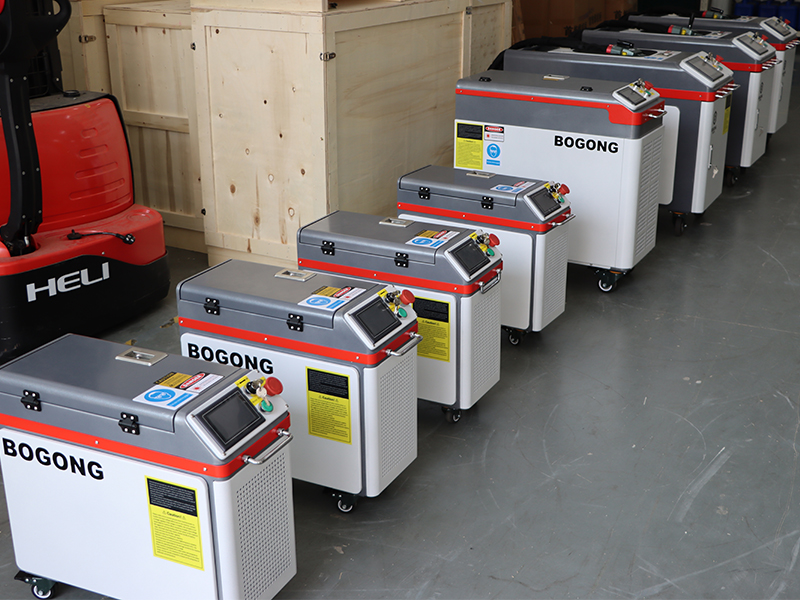
Curățarea cu laser se înscrie în tendințele actuale ale industriei: procese mai curate, mai sigure și mai precise.
Elimină substanțele chimice, reduce cantitatea de deșeuri și oferă un control mult mai mare decât metodele tradiționale.
Nu este doar un instrument nou. În multe cazuri, acesta înlocuiește fluxuri de lucru întregi care nu s-au schimbat de zeci de ani.
Elimină substanțele chimice, reduce cantitatea de deșeuri și oferă un control mult mai mare decât metodele tradiționale.
Nu este doar un instrument nou. În multe cazuri, acesta înlocuiește fluxuri de lucru întregi care nu s-au schimbat de zeci de ani.
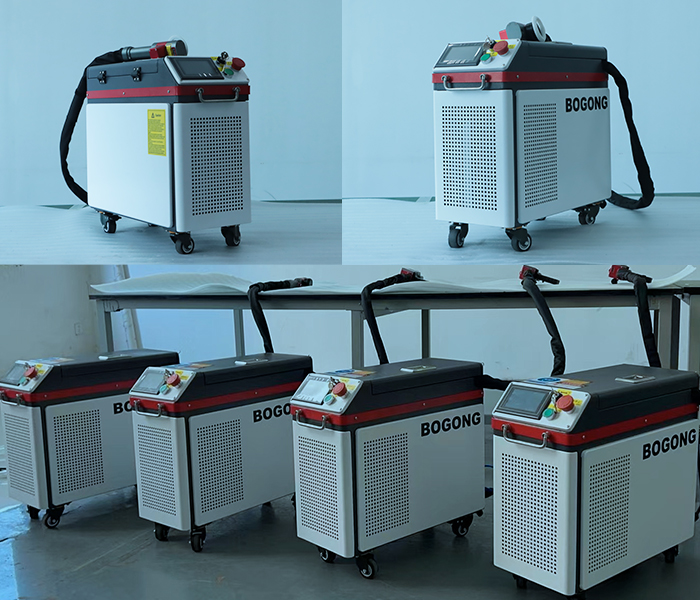
MAȘINĂ DE CURĂȚARE CU LASER BOGONG

Mașină de curățat cu laser cu puls 1000W

300W Pulse Laser Mașină de curățare

Mașină de curățat cu laser cu puls 500W
Aparat de curățare cu laser pulsat de 500 W – răcire cu apă

Aparat de curățare cu laser portabil
Cel mai bun 200W Pulse Laser Mașină de curățare

Mașină de curățare cu laser CW

Mașină de curățat cu laser cu puls cu laser Raycus Max JPT

Mașină de curățat cu laser de tip Trolley Case

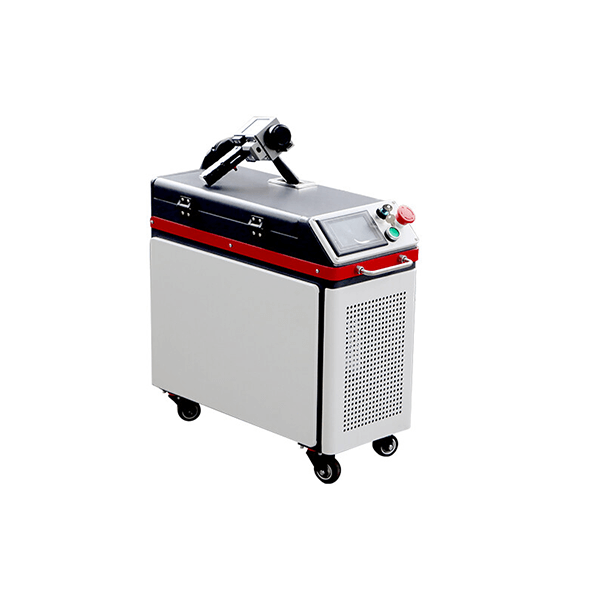
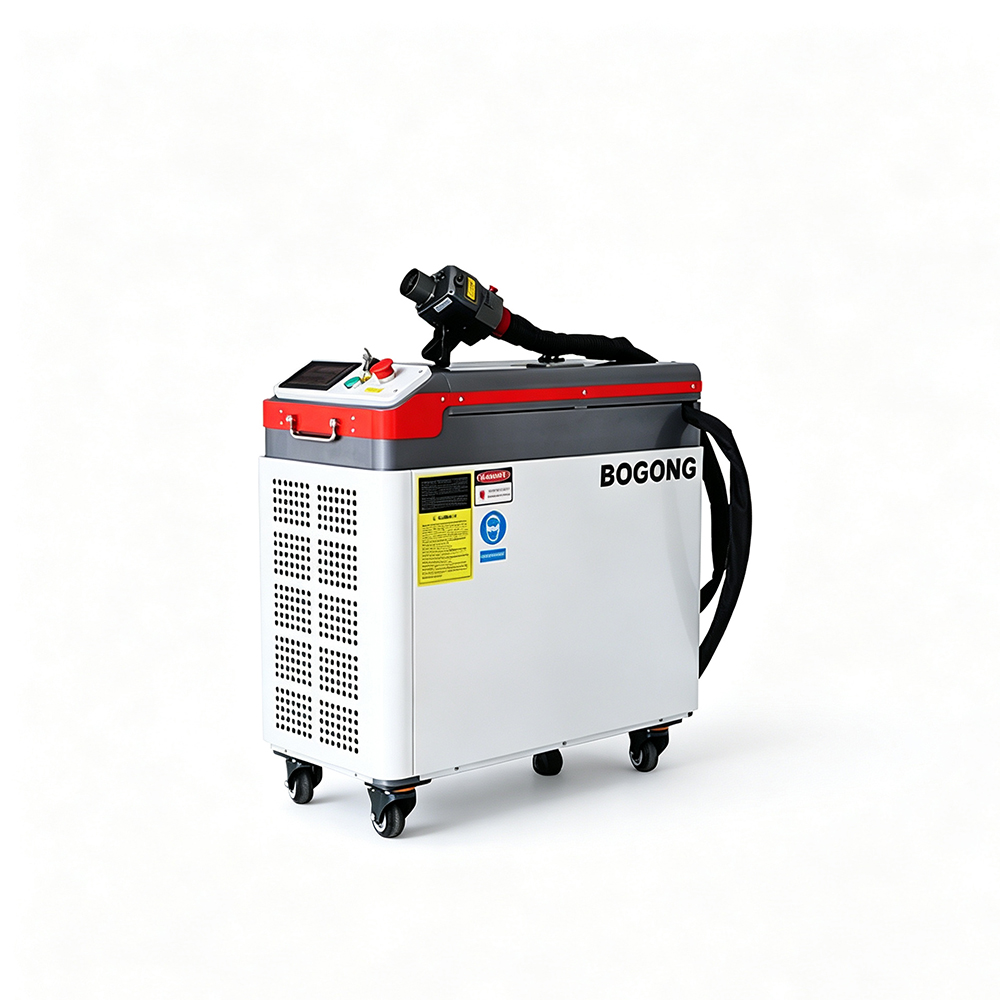
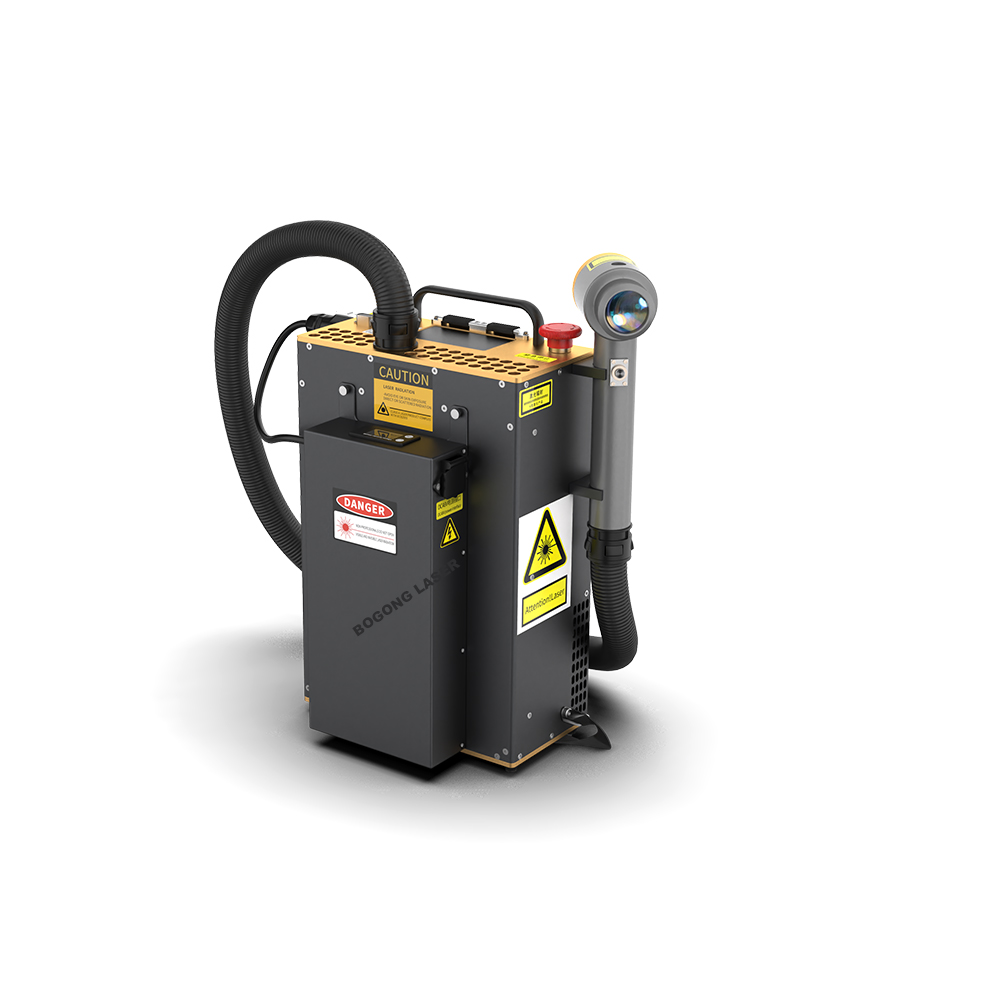
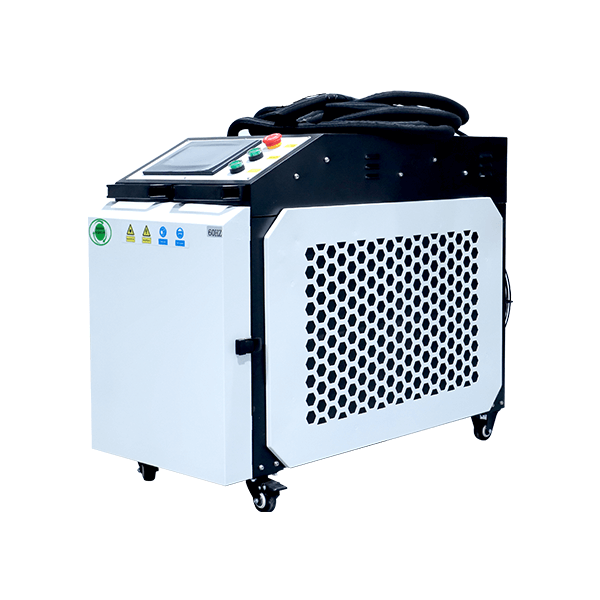


Spectacolul BOGONG LASER
Datorită preciziei ridicate, performanțelor ecologice și costurilor reduse, mașina de curățare cu laser înlocuiește metodele tradiționale, devenind soluția ideală și eficientă pentru operațiunile moderne de curățare industrială a suprafețelor.
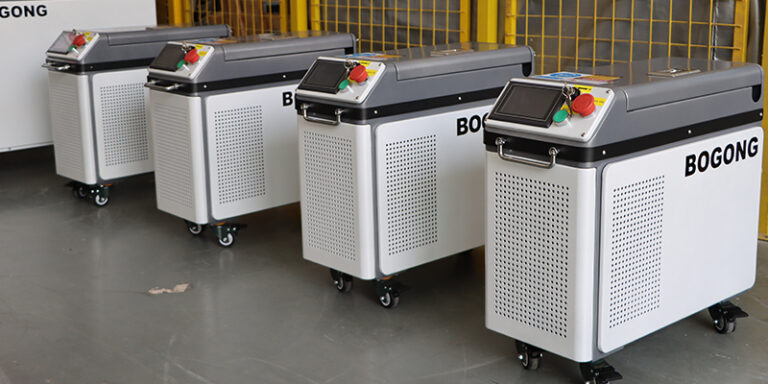


Click fierbinte
Contactați-ne
Aplicație
©Copyright [bogonglaser.com]. BOGONG Laser Machine Supplier Toate drepturile rezervate.