
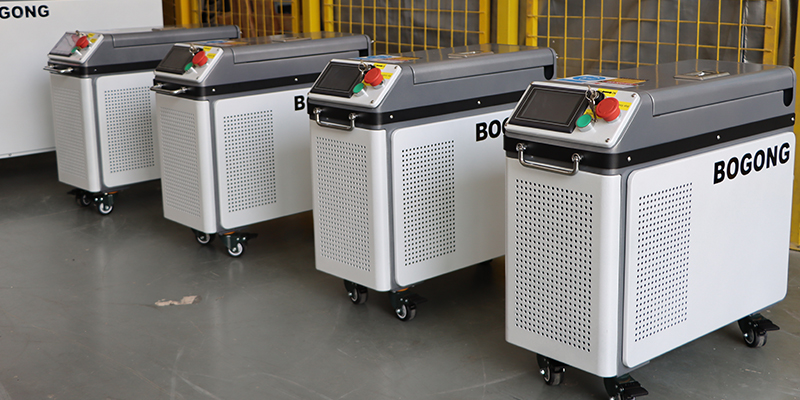
What are the main types of laser cleaning machines and their uses
Discover the main types of laser cleaning machines and their uses. Learn how these innovative tools tackle rust, coatings, and various contaminants in industrial settings, optimizing efficiency and precision.

Choose the right laser cleaning solution for your work
Modern surface preparation does not have to rely on grinding wheels, abrasive blasting, chemical stripping, or hours of manual labor. Laser cleaning machines offer a precise, non-contact way to remove rust, paint, oxides, grease, coatings, carbon buildup, and surface contaminants from metal and selected industrial materials.
Whether you need compact equipment for workshop repair, a high-power unit for heavy-duty laser rust removal, or an automated system for production-line cleaning, the right machine can help you improve cleaning quality, reduce consumable costs, and create a safer, more efficient workflow.
Our laser cleaning solutions are designed for manufacturers, fabricators, maintenance teams, restoration specialists, and industrial service providers who need reliable performance across a wide range of laser cleaning applications.
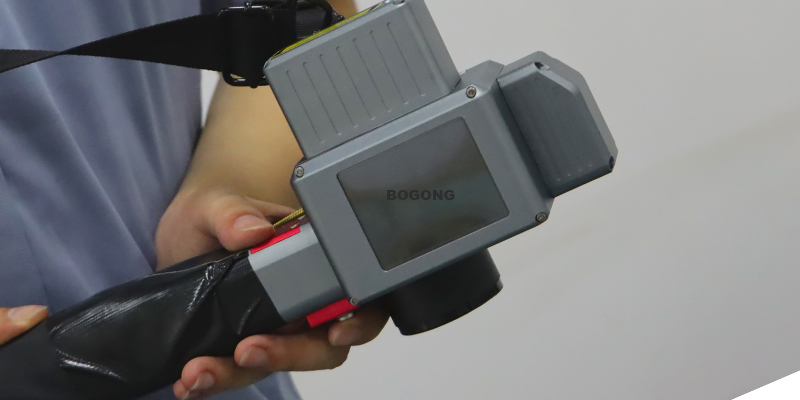
Built for industrial cleaning without contact damage
Laser cleaning works by directing controlled laser energy onto a surface. Contaminants absorb the energy, heat rapidly, and separate from the base material. With the correct settings, the process removes unwanted layers while minimizing impact on the substrate.
That makes laser cleaning especially useful when you need to clean valuable parts, welded assemblies, molds, machinery, tooling, structural steel, vehicle components, or delicate surfaces where aggressive mechanical cleaning may cause unnecessary wear.
Key advantages include:
- No abrasive media to buy, store, collect, or dispose of
- No harsh chemical stripping process
- Reduced secondary waste compared with blasting or chemical cleaning
- Precise cleaning control for targeted areas
- Lower risk of damaging the base material when correctly configured
- Repeatable results for production and maintenance tasks
- Flexible use across repair shops, factories, shipyards, automotive facilities, and fabrication environments
Main types of laser cleaning machines
Not all laser cleaners are designed for the same job. The best choice depends on the contamination type, surface material, required cleaning speed, power level, portability needs, and whether the process will be manual or automated.
Below are the most common types of laser cleaning machines and how they are typically used.
Pulsed laser cleaning machines
Pulsed laser cleaners deliver laser energy in short, high-peak-power pulses. This allows controlled cleaning with minimal heat buildup, making them a strong choice for precision cleaning and applications where surface protection is important.
Best for
- Fine rust and oxide removal
- Mold cleaning
- Tooling maintenance
- Weld discoloration removal
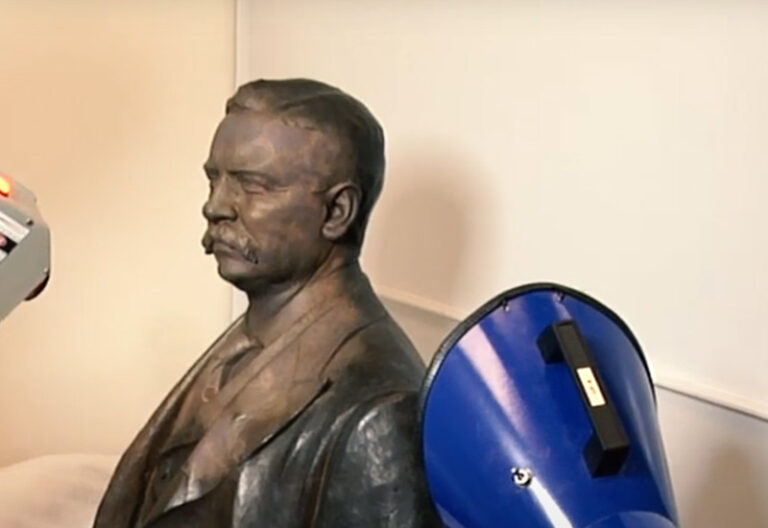
- Cultural heritage and restoration work
- Delicate metal surfaces
- Electronics-related cleaning tasks where appropriate
- Precision manufacturing components
- Pre-weld and post-weld surface preparation
Why choose pulsed laser cleaning
Pulsed systems are often selected when the priority is accuracy rather than maximum removal speed. Because energy is delivered in pulses, operators can tune the cleaning effect more precisely for thin contamination layers, detailed surfaces, or components that require careful handling.
Common benefits include:
- Greater control over cleaning intensity
- Lower heat input compared with many high-power continuous systems
- Better suitability for delicate or high-value parts
- Clean, uniform finish on many metal surfaces
- Effective removal of light rust, oxidation, residues, and thin coatings
Typical users
Pulsed laser cleaning machines are popular with mold manufacturers, aerospace suppliers, automotive component makers, precision fabrication shops, restoration teams, and maintenance departments that need reliable cleaning without excessive abrasion.
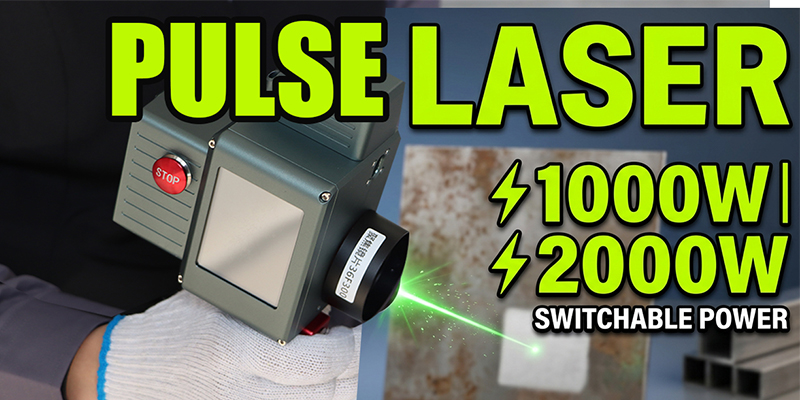
Pulse laser cleaner have different laser power
*50w 100w 200w pulse laser cleaner
*300w pulse laser cleaner
*500w pulse laser cleaner
*1000w pulse laser cleaner
*2000w pulse laser cleaner
*3000w pulse laser cleaner
Continuous wave laser cleaning machines
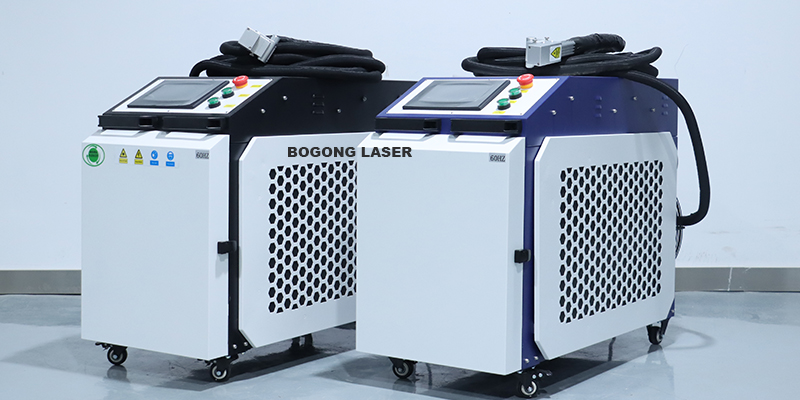
Continuous wave, or CW, laser cleaning machines produce a continuous laser beam rather than short pulses. These systems are often used for faster cleaning over larger areas, especially where the surface can tolerate higher heat input and the removal task is more aggressive.
Best for
- Heavy rust removal
- Thick paint stripping
- Large steel structures
- Shipbuilding and marine maintenance
- Rail and heavy equipment repair
- Industrial fabrication
- Surface preparation before coating
- High-throughput cleaning jobs
Why choose continuous wave cleaning
Continuous laser cleaning machine also namd CW laser cleaning machine, CW Laser cleaner are often preferred when speed and productivity are the main goals. They can be effective for large components and demanding industrial cleaning where surface sensitivity is less of a concern than fast contaminant removal.
Common benefits include:
- Faster cleaning on large surfaces
- Strong performance for thick rust and coatings
- Suitable for heavy-duty maintenance
- Efficient for industrial steel, machinery, and large fabricated parts
- Good fit for pre-painting and recoating preparation
Typical users
Continuous wave laser cleaners are commonly used by shipyards, steel fabricators, heavy machinery service providers, construction equipment repair shops, and industrial maintenance teams handling large metal assets.
CW laser cleaner with different laser power
1000w cw laser cleaner
2000w cw laser cleaner
3000w cw laser cleaner
6000w cw laser cleaner
Different between pulse laser cleaner and cw laser cleaner
Handheld laser cleaning machines
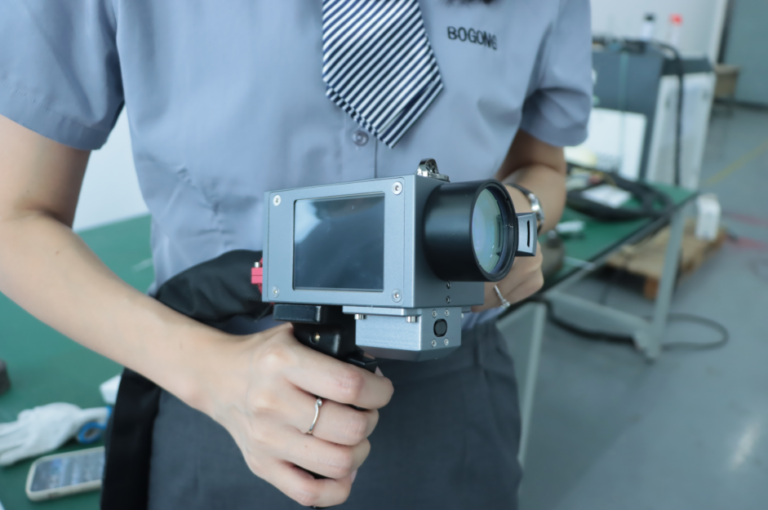
Handheld laser cleaning machines are designed for flexible manual operation. The operator uses a cleaning head to direct the laser onto the work area, making this type of system ideal for parts with irregular shapes, on-site cleaning, or mixed repair tasks.
Best for
- Workshop rust removal
- Vehicle frame and body cleaning
- Weld cleaning
- Spot cleaning on machinery
- Maintenance and repair operations
- Removing paint or oil from localized areas
- Cleaning corners, edges, seams, and hard-to-reach surfaces
Why choose a handheld system
A handheld laser cleaner gives teams the flexibility to clean parts where they sit, rather than moving every component into a dedicated cleaning enclosure. It is also useful when the work changes from day to day and the operator needs adaptable equipment.
Common benefits include:
- Flexible operation across different part sizes
- Easy positioning for complex surfaces
- Suitable for maintenance and repair environments
- Less physical effort than grinding or manual scraping
- Useful for both small parts and large assemblies
- Fast setup for many common cleaning jobs
Typical users
Handheld laser cleaning machines are widely used by repair shops, fabrication teams, automotive restorers, farm equipment repair providers, mobile service technicians, welding shops, and general industrial maintenance crews.
Portable laser cleaning machines
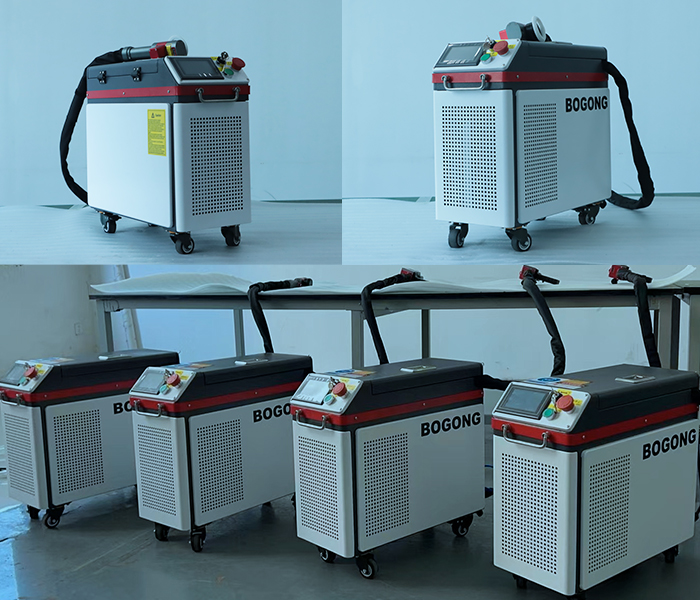
Portable systems are built for mobility. They may include wheels, compact cabinet designs, integrated cooling, or transport-ready frames. While handheld machines focus on the cleaning head, portable machines focus on the full system’s ability to move around a facility or job site.
below is the most popular portable laser cleaner with pulse laser 300W
Best for
- Field service work
- On-site maintenance
- Large equipment that cannot be moved easily
- Construction and infrastructure repair
- Plant maintenance
- Marine and offshore cleaning support
- Multi-location industrial service teams
Why choose portable laser cleaning
When the part is too large, too heavy, or too costly to transport, a portable laser cleaning machine can bring the cleaning process to the asset. This is valuable for cranes, storage tanks, steel beams, pipelines, production equipment, vehicles, and installed machinery.
Common benefits include:
- Easier movement between work areas
- Reduced need to disassemble large equipment
- Good fit for maintenance teams covering multiple departments
- Supports on-site cleaning and repair
- Helps reduce downtime by cleaning components in place when suitable
Typical users
Portable systems are often selected by industrial contractors, plant maintenance departments, shipyards, energy facilities, infrastructure service companies, and large equipment repair businesses.
Enclosed laser cleaning machines
Enclosed laser cleaning machines place the cleaning process inside a guarded cabinet or workstation. These systems are designed for controlled environments where safety, consistency, fume management, and repeatability are high priorities.
Best for
- Small to medium parts
- Batch cleaning
- Production-line support
- Precision components
- Medical or electronics-related industrial parts where appropriate
- Quality-controlled manufacturing
- Operator-safe cleaning stations
Why choose an enclosed system
An enclosed machine can help simplify laser safety management and improve process consistency. Parts are loaded into the workstation, and cleaning is performed inside a controlled area. Depending on the configuration, the system may include viewing windows, extraction, fixtures, rotary devices, or programmable motion.
Common benefits include:
- Controlled cleaning environment
- Improved repeatability
- Easier integration with fixtures and part holders
- Strong fit for small-part production
- Reduced exposure risk when used with proper safety systems
- Cleaner workflow for manufacturing cells
Typical users
Enclosed laser cleaners are commonly used by component manufacturers, mold shops, electronics suppliers, automotive parts producers, toolrooms, and factories that need repeatable cleaning results for defined parts.
Robotic and automated laser cleaning systems
Robotic laser cleaning systems integrate the laser source with motion control, robotic arms, conveyors, positioning stages, or custom automation. These systems are built for repeatable, high-volume cleaning with minimal manual variation.
Best for
- High-volume production
- Automotive manufacturing
- Battery production preparation tasks where suitable
- Weld line cleaning
- Pre-bonding or pre-coating surface preparation
- Consistent treatment of complex geometries
- Large-scale industrial cleaning cells
Why choose automation
Automated laser cleaning is ideal when the same part or process is repeated many times. Instead of relying on manual movement, the machine follows a programmed path. This improves consistency, reduces operator fatigue, and can support predictable cycle times.
Common benefits include:
- Repeatable cleaning quality
- Reduced dependence on manual technique
- Integration with production lines
- Better process documentation when configured with controls
- Scalable output for manufacturing
- Suitable for complex or multi-step workflows
Typical users
Robotic laser cleaning systems are used by automotive plants, aerospace manufacturers, battery and energy technology suppliers, appliance manufacturers, metal component producers, and any operation where repeatable surface preparation is critical.
Trolley suitcase laser cleaning machine
This trolley pulsed laser cleaner stands out for great mobility and precise cleaning.
It has a built-in pull rod and silent rolling wheels. You can pull it to any workshop or outdoor job site easily. No heavy lifting required.
Pulsed laser delivers cold cleaning. It strips rust, paint, oil and oxide layers without scratching or warping base materials. No chemical solvents or abrasive sandpaper needed. It’s eco-friendly and cuts extra costs.
The handheld laser gun is lightweight. Touch screen lets you adjust power quickly for different cleaning demands. Air cooling design removes bulky water tanks, making the whole unit compact.
Backpack laser cleaning machines
Some laser cleaning systems are designed for maximum portability, including backpack-style or ultra-compact units. These machines are typically used for lighter cleaning tasks and mobile operations where access and transport matter more than maximum power.
Best for
- Light rust removal
- Maintenance inspections
- Outdoor repair work
- Small restoration jobs
- Cleaning in confined spaces
- Mobile service calls
- Equipment touch-up cleaning
Why choose an backpack laser cleaning system
These machines are designed for teams that need to move quickly and clean smaller areas without transporting a larger system. They are useful when the job requires access to stairs, elevated platforms, field locations, or crowded work areas.
Common benefits include:
- Highly mobile design
- Simple transport between locations
- Useful for spot cleaning and light-duty work
- Lower space requirements
- Good fit for service teams and maintenance technicians
Typical users
Backpack and compact systems are often used by field technicians, facility maintenance teams, restoration professionals, and service contractors who prioritize portability.
Fiber laser cleaning machines
Most modern industrial laser cleaning machines use fiber laser technology because it is efficient, reliable, and well suited for metal surface cleaning. Fiber laser systems can be configured as pulsed, continuous wave, handheld, enclosed, or automated machines.
Best for
- Metal rust removal
- Paint and coating removal
- Weld cleaning
- Oxide removal
- Industrial surface preparation
- Mold and tool maintenance
- Production cleaning workflows
Why choose fiber laser technology
Fiber lasers are widely used because they offer stable beam quality, efficient energy use, and long service life when properly maintained. They are a strong match for many industrial environments where uptime and repeatability matter.
Common benefits include:
- Reliable operation for industrial cleaning
- Suitable for many metal surfaces
- Compatible with manual or automated systems
- Efficient energy delivery
- Low consumable requirements compared with abrasive processes
Key laser cleaning applications
Laser cleaning is used in a wide range of industries because it can solve many surface preparation problems with one flexible process. The right machine can often replace or reduce grinding, sanding, blasting, wire brushing, and chemical cleaning.
Laser rust removal
Laser rust removal is one of the most common reasons companies invest in laser cleaning equipment. Rust can weaken components, interfere with welding or coating, reduce product quality, and make parts look unprofessional.
Laser cleaning can remove rust from:
- Steel plates
- Fabricated structures
- Automotive parts
- Machinery components
- Tools and dies
- Pipes and flanges
- Weldments
- Heavy equipment
- Metal frames and brackets
Benefits for rust removal
- Cleans targeted areas without abrasive media
- Helps prepare metal for welding, painting, or coating
- Reduces manual scraping and grinding labor
- Works well on complex shapes and corners with the right cleaning head
- Helps preserve dimensions compared with aggressive mechanical removal
- Can improve consistency across repeated cleaning tasks
For light rust, a pulsed or lower-power system may be suitable. For heavy corrosion or large surfaces, a higher-power continuous wave or industrial system may be a better fit.
Paint and coating removal
Laser cleaning machines can remove paint, primer, powder coating, and selected surface coatings from metal parts. This is useful for repair, refurbishment, rework, and coating preparation.
Common uses include:
- Removing paint from steel structures
- Stripping coatings from automotive parts
- Cleaning weld areas before repair
- Removing old coating before recoating
- Preparing localized areas without stripping the entire part
- Removing markings or residues from production components
Benefits for coating removal
- Precise removal from selected zones
- Reduced need for chemical stripping
- Less cleanup than sandblasting in many workflows
- Suitable for parts with complex geometry
- Can support repeatable cleaning paths in automated systems
The best configuration depends on coating thickness, coating chemistry, surface material, required finish, and production speed.
Weld cleaning and pre-weld preparation
Clean surfaces are essential for reliable welding. Oil, rust, paint, oxide, and other contaminants can affect weld quality and create extra rework. Laser cleaning can be used before welding to prepare the joint area and after welding to improve appearance or remove discoloration.
Common uses include:
- Cleaning weld seams before joining
- Removing oxide after welding
- Preparing stainless steel, carbon steel, or aluminum parts where suitable
- Cleaning fixtures and jigs
- Removing spatter residue from localized areas
Benefits for welding operations
- Helps improve surface cleanliness before welding
- Reduces manual grinding and brushing
- Supports consistent weld preparation
- Can clean narrow zones without affecting nearby surfaces
- Useful for production and repair environments
Mold cleaning
Molds can accumulate residue from rubber, plastic, release agents, carbon, and production byproducts. Traditional mold cleaning methods can be time-consuming and may wear mold details over time. Pulsed laser cleaning is often used where precision and surface protection are important.
Common mold cleaning uses include:
- Tire molds
- Plastic injection molds
- Rubber molds
- Die-casting tooling
- Textured mold surfaces
- Precision cavities and vents
Benefits for mold maintenance
- Non-contact cleaning process
- Helps preserve fine mold details when correctly set
- Reduces disassembly requirements in some workflows
- Minimizes abrasive wear
- Supports more consistent maintenance schedules
- Can reduce downtime compared with manual cleaning in suitable applications
Industrial equipment maintenance
Factories, repair facilities, and service contractors use laser cleaning machines to maintain equipment that becomes dirty, rusty, oily, or coated during normal operation.
Common uses include:
- Cleaning machine frames
- Removing rust from repair parts
- Preparing surfaces for repainting
- Cleaning bearings, shafts, housings, and brackets where appropriate
- Removing carbon deposits from selected metal components
- Cleaning fixtures, clamps, and workholding tools
Benefits for maintenance teams
- Faster cleaning for many localized tasks
- Less reliance on consumable abrasives
- Flexible operation across different equipment types
- Improved work area cleanliness compared with some traditional methods
- Useful for both preventive maintenance and emergency repair
Automotive and transportation cleaning
Laser cleaning is valuable in automotive manufacturing, vehicle repair, restoration, rail maintenance, and transportation equipment service.
Common uses include:
- Removing rust from chassis parts
- Cleaning brake, suspension, or drivetrain components where suitable
- Preparing surfaces before welding or bonding
- Removing paint from localized areas
- Cleaning battery trays, frames, and brackets where appropriate
- Restoring classic vehicle parts
- Cleaning rail components and maintenance parts
Benefits for automotive work
- Precise cleaning on irregular surfaces
- Reduced abrasive media cleanup
- Helps preserve part geometry
- Good fit for restoration and repair workflows
- Can support automation in production environments
Shipbuilding, marine, and offshore work
Marine environments expose steel to moisture, salt, coatings, and corrosion. Laser cleaning can support maintenance and refurbishment tasks where portability and strong rust removal performance are needed.
Common uses include:
- Cleaning ship components
- Removing rust from steel plates and structural areas
- Preparing surfaces for coating repair
- Cleaning marine equipment and fittings
- Supporting maintenance on offshore assets where suitable
Benefits for marine applications
- Useful for localized rust and coating removal
- Reduces abrasive cleanup in selected work areas
- Portable systems can be moved around large assets
- Supports repair and maintenance schedules
- Can help prepare surfaces before protective coating work
Aerospace and precision manufacturing
Aerospace and precision manufacturing environments often need controlled cleaning with tight process requirements. Pulsed and automated laser cleaning systems may be used for specific approved tasks where repeatability and substrate protection are essential.
Common uses include:
- Oxide removal
- Coating preparation
- Tooling and fixture cleaning
- Bonding preparation where process-qualified
- Precision part cleaning
Benefits for precision industries
- Controlled energy delivery
- Repeatable cleaning paths with automation
- Reduced mechanical abrasion
- Selective cleaning for defined zones
- Compatible with documented process control when properly integrated
Restoration and conservation work
Laser cleaning can be used in restoration because it can remove unwanted surface layers with high control. This may include rust, blackening, paint, residues, or environmental deposits on selected materials.
Common uses include:
- Metal artifact cleaning
- Architectural metal restoration
- Stone or masonry cleaning where appropriate equipment and settings are used
- Decorative metalwork
- Historical equipment restoration
Benefits for restoration
- Highly selective cleaning
- Reduced mechanical contact
- Useful for detailed surfaces
- Adjustable intensity for sensitive work
- Good fit for specialists who need precision
How to choose the best laser cleaning machine
Choosing the right machine starts with your application. A system that is excellent for light oxide removal may not be ideal for thick industrial paint. A portable machine may be perfect for maintenance but less efficient than automation for high-volume production.
Use the following factors to narrow your options.
1. Contaminant type
Identify what you need to remove most often:
- Light rust
- Heavy corrosion
- Paint
- Powder coating
- Oil and grease residues
- Oxides
- Carbon buildup
- Rubber or plastic residue
- Weld discoloration
- Scale or production residue
Different contaminants absorb laser energy differently, so the best power level and laser type can vary.
2. Base material
Laser cleaning is commonly used on metals, but every substrate should be evaluated before production use. Common materials include:
- Carbon steel
- Stainless steel
- Aluminum
- Copper alloys
- Tool steel
- Cast iron
- Selected coated metals
Material thickness, reflectivity, thermal sensitivity, and surface finish requirements all affect machine selection.
3. Cleaning area and speed
A small mold cavity and a large steel plate require very different cleaning strategies. Consider:
- Average part size
- Total area cleaned per shift
- Required cycle time
- Whether cleaning is full-surface or localized
- Whether the part can be moved to the machine
- Whether the machine must move to the part
For large surface areas, higher-power systems may improve productivity. For precision cleaning, pulsed systems may provide better control.
4. Manual or automated operation
Manual systems are flexible and easy to deploy. Automated systems are better for repeatability and high-volume cleaning.
Choose manual operation if you need:
- Flexible job-shop cleaning
- Repair and maintenance work
- On-site service
- Mixed part sizes
- Lower initial complexity
Choose automation if you need:
- Repeatable cleaning paths
- High-volume production
- Consistent cycle times
- Integration with conveyors or robots
- Process monitoring and documentation
5. Portability requirements
If cleaning will happen in multiple areas, portability matters. Consider:
- Machine weight and size
- Wheelbase or transport frame
- Power supply requirements
- Cooling system type
- Cable length
- Worksite conditions
- Access to elevated or confined areas
Portable laser cleaning machines are ideal for large assets, plant maintenance, and field service.
6. Safety and extraction needs
Laser cleaning requires proper safety planning. Depending on the machine and application, you may need:
- Laser safety eyewear matched to the laser wavelength
- Controlled access to the cleaning area
- Beam containment or shielding
- Fume extraction and filtration
- Operator training
- Warning signs and interlocks
- Fire safety procedures
Enclosed systems may simplify some safety requirements, while handheld and open-area systems require carefully managed work zones.
Recommended machine configurations by use case
For general workshop rust removal
A handheld fiber laser cleaning machine is often a practical choice. It gives operators flexibility for frames, brackets, tools, repair parts, and welded assemblies.
Recommended features:
- Handheld cleaning head
- Adjustable scanning width
- Multiple cleaning modes
- Integrated cooling
- Simple parameter controls
- Fume extraction compatibility
- Portable frame or wheeled cabinet
For heavy industrial rust and coating removal
A higher-power continuous wave or industrial-grade system may be better suited for fast cleaning over larger areas.
Recommended features:
- High average power
- Durable cleaning head
- Long-duty-cycle design
- Strong cooling capacity
- Rugged cabinet
- Wide cleaning path options
- Safety interlock compatibility
For molds and precision components
A pulsed laser cleaning machine is often preferred because it offers fine control and lower heat input.
Recommended features:
- Pulsed laser source
- Adjustable pulse parameters
- Fine spot control
- Stable beam quality
- Optional enclosure
- Fixture compatibility
- Recipe storage for repeat jobs
For production-line cleaning
An automated or robotic system is usually the strongest option when the same cleaning task repeats at scale.
Recommended features:
- Robot or motion platform integration
- Programmable cleaning paths
- Process recipes
- Safety enclosure or cell guarding
- Fume extraction
- Part fixtures
- Optional monitoring features
For on-site service work
A portable or compact handheld system is ideal when the work happens at customer sites, in the field, or across multiple facility zones.
Recommended features:
- Compact cabinet or transport-ready frame
- Simple setup
- Flexible cable length
- Stable cooling system
- Rugged components
- Easy parameter adjustment
- Compatible safety kit
Product features that improve performance
A laser cleaning machine is more than the laser source. The full system design affects usability, productivity, safety, and cleaning quality.
Look for features such as:
- Adjustable power settings for different contamination levels
- Multiple cleaning patterns for flat surfaces, edges, and irregular shapes
- User-friendly control interface
- Preset cleaning recipes for repeat applications
- Lightweight ergonomic cleaning head
- Stable cooling system for consistent operation
- Emergency stop and safety interlock support
- Long fiber cable options for large workpieces
- Fume extraction compatibility
- Durable industrial cabinet
- Optional automation interface
- Training and process support
Benefits of investing in laser cleaning machines
Laser cleaning equipment can provide long-term operational benefits beyond the cleaning result itself. For many companies, the value comes from improving productivity, reducing consumables, and creating a cleaner, more controllable surface preparation process.
Lower consumable costs
Traditional blasting requires media. Grinding requires discs and wheels. Chemical stripping requires chemical products and disposal processes. Laser cleaning typically reduces or eliminates many of those consumables.
Cleaner working environment
Laser cleaning can reduce the dust, grit, and residue associated with abrasive blasting. Fume extraction is still important, but the overall workflow can be cleaner and easier to manage in many applications.
Improved precision
The operator can target specific areas without treating the whole part. This is especially valuable for weld zones, repair areas, serial numbers, machined surfaces, fixtures, and high-value components.
Less mechanical wear
Because the process is non-contact, there is no brush, blasting media, or abrasive tool pressing against the part. This can help preserve dimensions and surface details when the system is correctly configured.
Faster changeover
Laser cleaning machines can often switch between tasks by adjusting parameters rather than changing media, chemicals, or tooling. This is useful for mixed production and repair environments.
Better repeatability
With stored settings, fixtures, and automation, laser cleaning can deliver consistent results across repeated parts. This helps reduce variation and supports quality control.
Important specifications to compare
When evaluating laser cleaning machines, review the complete specification package rather than focusing only on power.
Key specifications include:
- Laser type: pulsed fiber, continuous wave fiber, or other configuration
- Output power range
- Pulse energy and pulse frequency for pulsed systems
- Beam quality and spot size
- Cleaning width or scan range
- Cooling method
- Power supply requirements
- Cable length
- Cleaning head weight
- Supported cleaning patterns
- Control interface
- Machine dimensions and weight
- Duty cycle expectations
- Safety features
- Enclosure or guarding options
- Extraction compatibility
- Automation interface options
The right specification depends on your part, contaminant, required finish, and production goals.
Pricing and return on investment
Laser cleaning machine pricing varies based on power, laser type, cooling system, enclosure design, automation level, safety package, and customization requirements. A compact handheld system for light cleaning will typically cost less than a high-power robotic cleaning cell.
Because every application is different, the most accurate pricing comes from matching your cleaning requirement to the correct configuration.
Factors that affect price include:
- Laser power level
- Pulsed or continuous wave source
- Handheld, enclosed, portable, or automated design
- Cooling capacity
- Cleaning head type
- Cable length and accessories
- Fume extraction requirements
- Safety enclosure or shielding
- Robotic or motion control integration
- Training, installation, and support needs
What to consider when calculating ROI
A laser cleaner can often pay for itself by reducing labor, consumables, downtime, rework, and outsourcing costs.
Consider the value of:
- Fewer abrasive discs, blasting media, or chemicals
- Reduced cleanup time
- Faster preparation before welding or coating
- Less part damage from aggressive cleaning
- Improved production consistency
- Lower rework rates
- More in-house cleaning capability
- Reduced downtime for maintenance tasks
For the best estimate, compare your current cleaning cost per part or per hour with the expected cleaning speed, labor requirement, and consumable savings of the laser system.
What is included with a typical laser cleaning system
Configurations vary, but a complete system may include:
- Laser cleaning machine body
- Laser source
- Cleaning head
- Fiber cable
- Control system
- Cooling system
- Power cable and basic accessories
- Safety eyewear matched to the system
- Nozzle or lens accessories depending on configuration
- Operating manual
- Parameter guidance
- Optional fume extraction
- Optional enclosure or shielding
- Optional training and installation support
Always confirm the exact package before ordering, especially if your application requires extraction, automation, or site-specific safety equipment.
Why buy from a specialist supplier
Laser cleaning is highly application-dependent. The best supplier should do more than ship a machine. They should help you choose the right technology, test your cleaning requirement where possible, and support your team after installation.
A qualified supplier can help with:
- Application review
- Machine selection
- Cleaning parameter recommendations
- Sample testing or process evaluation
- Safety planning guidance
- Operator training
- Consumables and spare parts planning
- Maintenance support
- Automation options
- Long-term technical service
This is especially important for demanding laser cleaning applications such as mold cleaning, heavy coating removal, precision manufacturing, or production-line integration.
Safety considerations before operation
Laser cleaning machines are industrial tools and must be operated with proper safety controls. The correct safety approach depends on the system power, wavelength, work environment, and cleaning material.
Before operation, plan for:
- Laser safety eyewear
- Controlled work area access
- Warning signage
- Beam path awareness
- Fire risk assessment
- Fume and particulate extraction
- Material compatibility review
- Operator training
- Safe parameter setup
- Maintenance procedures
For open handheld cleaning, work area control is especially important. For enclosed systems, confirm that the enclosure, viewing window, interlocks, and extraction are appropriate for the laser and application.
Frequently asked questions
What are laser cleaning machines used for?
Laser cleaning machines are used to remove rust, paint, oxides, coatings, oil residue, carbon buildup, weld discoloration, and other contaminants from surfaces. Common uses include industrial maintenance, welding preparation, mold cleaning, automotive restoration, shipbuilding, metal fabrication, and production-line surface preparation.
What is the best laser cleaning machine for rust removal?
The best choice depends on rust thickness, surface size, material, and required cleaning speed. For light to moderate rust and precision work, a pulsed laser cleaner may be suitable. For heavy rust on large steel surfaces, a higher-power continuous wave or industrial handheld system may be a better option.
Can laser cleaning remove paint?
Yes, laser cleaning can remove many paints and coatings from metal surfaces. The right configuration depends on coating thickness, coating type, base material, and whether you need selective removal or full-surface stripping.
Does laser cleaning damage the base metal?
When properly configured, laser cleaning can remove surface contamination while minimizing damage to the base material. However, incorrect settings, excessive heat input, or unsuitable material conditions can affect the surface. Application testing is recommended before full production use.
Is laser cleaning better than sandblasting?
Laser cleaning and sandblasting serve similar surface preparation goals but work differently. Laser cleaning uses focused energy and does not require abrasive media. Sandblasting can be effective for large-area roughening but creates media waste and may be less selective. The better option depends on your cleaning goal, finish requirement, budget, and production environment.
Is laser cleaning suitable for aluminum?
Laser cleaning can be used on aluminum in suitable applications, but aluminum’s reflectivity and thermal behavior require correct machine selection and parameter control. Testing is recommended to confirm cleaning quality and surface condition.
Can one machine handle multiple applications?
Yes, many laser cleaning machines can handle several tasks by adjusting power, scan pattern, speed, and focus. However, a system optimized for delicate mold cleaning may not be the best choice for fast heavy rust removal, and a high-power system may not be ideal for sensitive precision parts.
How much maintenance does a laser cleaning machine need?
Maintenance requirements vary by model and working environment. Common tasks may include lens inspection, protective window replacement, cooling system checks, dust management, cable inspection, and general system cleaning. Following the manufacturer’s maintenance schedule helps protect performance and service life.
Can laser cleaning be automated?
Yes. Laser cleaning can be integrated with robots, gantry systems, rotary fixtures, conveyors, and custom production cells. Automation is recommended when parts are repetitive, quality requirements are strict, or production volume is high.
Get a laser cleaning solution matched to your application
The right laser cleaning machine depends on your material, contaminant, cleaning area, speed requirement, safety setup, and budget. From handheld systems for flexible laser rust removal to automated equipment for high-volume laser cleaning applications, our team can help you choose a configuration that fits your workflow.
Share your cleaning challenge, part photos, material details, and production goals. We will help you compare suitable laser cleaning machines, review the best system type, and prepare a quote based on your actual application.
Request a consultation today and find the laser cleaning machine that helps you clean faster, reduce consumables, and improve surface preparation quality.


Hot Click
Contact Us
Application
©Copyright [bogonglaser.com]. BOGONG Laser Machine Supplier All Rights Reserved.