
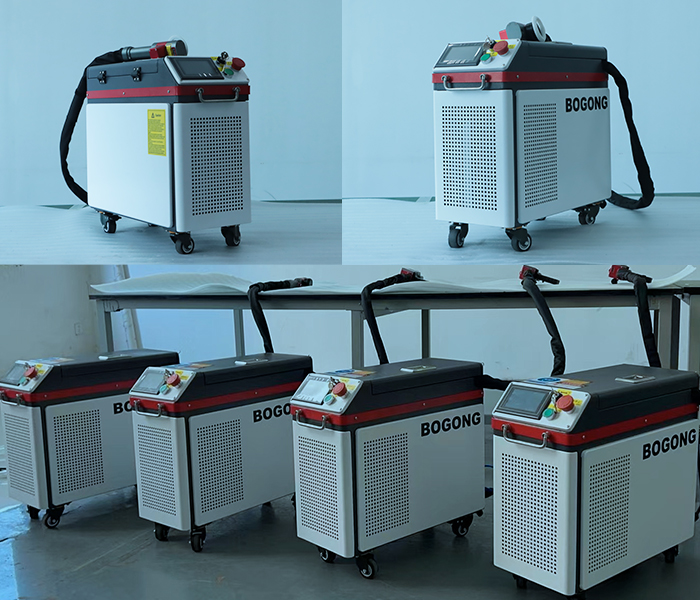
Top Portable Laser Cleaning Machine Suppliers in China

The industrial cleaning landscape is undergoing a massive transformation. Gone are the days when harsh chemicals, intensive manual scraping, and messy abrasive blasting were the only options for surface preparation. Today, fiber laser technology has emerged as the ultimate solution for removing rust, paint, oil, and oxides.
If you are looking to upgrade your surface treatment processes, you are likely navigating a sea of technical specs and pricing models. From finding a reliable portable laser cleaning machine supplier in China to understanding the nuanced differences between power levels, making an informed purchasing decision requires a deep dive into the technology and its economics.
In this comprehensive guide, we will break down everything you need to know about laser cleaning costs, supplier options, and how to maximize your return on investment.
If you are looking to upgrade your surface treatment processes, you are likely navigating a sea of technical specs and pricing models. From finding a reliable portable laser cleaning machine supplier in China to understanding the nuanced differences between power levels, making an informed purchasing decision requires a deep dive into the technology and its economics.
In this comprehensive guide, we will break down everything you need to know about laser cleaning costs, supplier options, and how to maximize your return on investment.
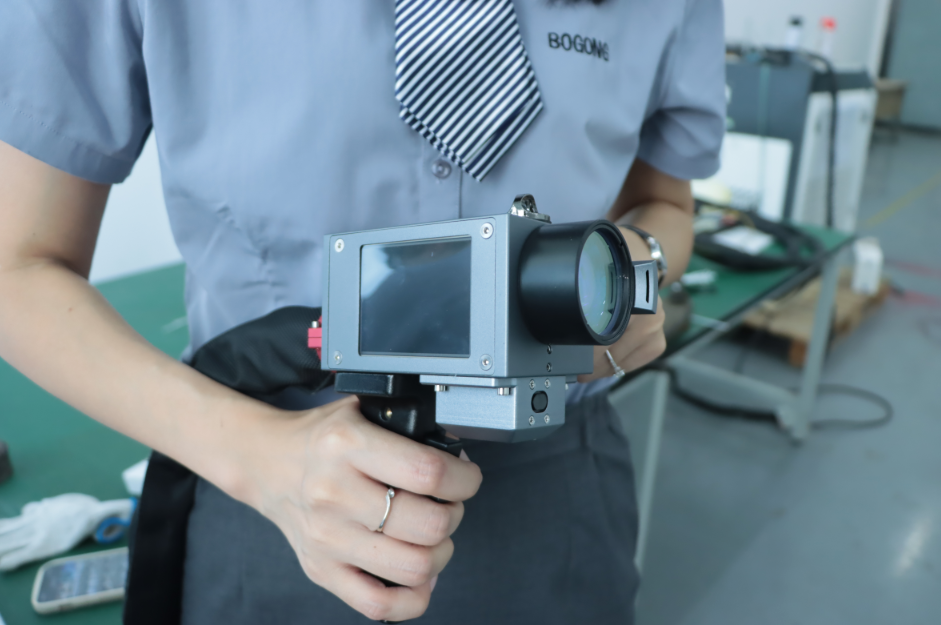
The Core Question: How Much Does a Portable Fiber Laser Cleaner Cost?
When facility managers and business owners first discover this technology, their immediate question is almost always: how much does a portable fiber laser cleaner cost?
The truth is, there is no single answer. A comprehensive laser cleaning machine pricelist can range anywhere from $4,000 for a basic, low-power continuous wave (CW) system to well over $40,000 for a high-end, high-power pulsed laser setup.
To make sense of these numbers, you must understand the primary factors affecting the price of handheld laser cleaners:
Laser Source Type: Continuous Wave (CW) vs. Pulsed.
Power Output: Ranging from 50W to 3000W+.
Cooling System: Air-cooled vs. Water-cooled.
Control Systems: The brand and capability of the internal software.
Brand of the Laser Generator: JPT, Raycus, MAX, IPG
Powering Up: 2000W vs. 3000W Systems
Power is directly correlated with speed and price. A standard 2000w handheld laser rust remover cost typically hovers between $6,000 and $10,000, depending on the brand of the laser source and the quality of the chiller. This power level is the sweet spot for most heavy-duty rust removal and shipyard maintenance.
However, many industrial buyers often ask: is a 3000w laser cleaner worth the price? At 3000 watts, prices generally start around $9,000 to $14,000. If your daily operations involve thick marine scale, heavy industrial coatings, or high-volume throughput where time is money, the 3000W system pays for itself rapidly. Choosing fiber laser power based on cleaning speed is the best metric—if a 3000W machine cuts your labor time in half compared to a 1500W unit, the higher initial capital is justified.
The truth is, there is no single answer. A comprehensive laser cleaning machine pricelist can range anywhere from $4,000 for a basic, low-power continuous wave (CW) system to well over $40,000 for a high-end, high-power pulsed laser setup.
To make sense of these numbers, you must understand the primary factors affecting the price of handheld laser cleaners:
Laser Source Type: Continuous Wave (CW) vs. Pulsed.
Power Output: Ranging from 50W to 3000W+.
Cooling System: Air-cooled vs. Water-cooled.
Control Systems: The brand and capability of the internal software.
Brand of the Laser Generator: JPT, Raycus, MAX, IPG
Powering Up: 2000W vs. 3000W Systems
Power is directly correlated with speed and price. A standard 2000w handheld laser rust remover cost typically hovers between $6,000 and $10,000, depending on the brand of the laser source and the quality of the chiller. This power level is the sweet spot for most heavy-duty rust removal and shipyard maintenance.
However, many industrial buyers often ask: is a 3000w laser cleaner worth the price? At 3000 watts, prices generally start around $9,000 to $14,000. If your daily operations involve thick marine scale, heavy industrial coatings, or high-volume throughput where time is money, the 3000W system pays for itself rapidly. Choosing fiber laser power based on cleaning speed is the best metric—if a 3000W machine cuts your labor time in half compared to a 1500W unit, the higher initial capital is justified.

Comparing Technologies: Pulsed vs. Continuous Wave
A critical step in your industrial metal surface preparation cost analysis is choosing between Pulsed and Continuous Wave (CW) lasers.
Continuous Wave (CW) Lasers: These are the heavy lifters. They emit a constant beam of energy and are exceptionally fast at removing thick rust and paint from robust steel structures. However, they generate significant heat, which can warp thin metals or damage delicate substrates. Because the technology is simpler, CW machines are highly cost-effective.
Pulsed Lasers: These machines release energy in rapid, high-intensity bursts. They clean without heating the underlying material, making them perfect for delicate jobs. When comparing pulsed and continuous laser cleaning prices, pulsed machines are significantly more expensive. A 100W or 200W pulsed laser can easily cost as much as a 2000W CW laser.
This distinction is vital for niche applications. For instance, the wood cleaning laser machine price (which requires a gentle, low-power pulsed laser to avoid burning the timber) will look very different from a shipyard’s CW rust remover. Similarly, if you are investing in a dedicated laser parts cleaning machine for aerospace components or injection molds, a pulsed system is absolutely mandatory to preserve the precise tolerances of the parts.
Continuous Wave (CW) Lasers: These are the heavy lifters. They emit a constant beam of energy and are exceptionally fast at removing thick rust and paint from robust steel structures. However, they generate significant heat, which can warp thin metals or damage delicate substrates. Because the technology is simpler, CW machines are highly cost-effective.
Pulsed Lasers: These machines release energy in rapid, high-intensity bursts. They clean without heating the underlying material, making them perfect for delicate jobs. When comparing pulsed and continuous laser cleaning prices, pulsed machines are significantly more expensive. A 100W or 200W pulsed laser can easily cost as much as a 2000W CW laser.
This distinction is vital for niche applications. For instance, the wood cleaning laser machine price (which requires a gentle, low-power pulsed laser to avoid burning the timber) will look very different from a shipyard’s CW rust remover. Similarly, if you are investing in a dedicated laser parts cleaning machine for aerospace components or injection molds, a pulsed system is absolutely mandatory to preserve the precise tolerances of the parts.
Analyzing the Financials: ROI and Operating Expenses
Sticker shock is common when pricing out machine laser cleaning equipment. However, looking solely at the purchase price ignores the massive operational savings. Calculating return on investment for laser cleaning systems requires a holistic view of your current expenses.
Let’s look at the operating expenses of fiber laser cleaning vs sandblasting:
Consumables: Sandblasting requires a continuous supply of abrasive media (garnet, glass beads, sand). Laser cleaning requires zero media. It runs entirely on electricity.
Cleanup and Disposal: Abrasive blasting creates a hazardous mess that requires containment, cleanup, and specialized disposal, especially if removing toxic lead paint. Laser cleaners vaporize the coating, leaving almost no residue, and a simple fume extractor handles the exhaust.
Labor: Laser cleaning is significantly faster to set up and tear down.
While the initial investment for automated laser paint stripping or handheld rust removal is higher than buying a sandblaster, the cost-per-hour to operate a laser is pennies on the dollar. Most high-volume fabrication shops see a full ROI within 8 to 12 months simply from the elimination of media and cleanup costs.
Let’s look at the operating expenses of fiber laser cleaning vs sandblasting:
Consumables: Sandblasting requires a continuous supply of abrasive media (garnet, glass beads, sand). Laser cleaning requires zero media. It runs entirely on electricity.
Cleanup and Disposal: Abrasive blasting creates a hazardous mess that requires containment, cleanup, and specialized disposal, especially if removing toxic lead paint. Laser cleaners vaporize the coating, leaving almost no residue, and a simple fume extractor handles the exhaust.
Labor: Laser cleaning is significantly faster to set up and tear down.
While the initial investment for automated laser paint stripping or handheld rust removal is higher than buying a sandblaster, the cost-per-hour to operate a laser is pennies on the dollar. Most high-volume fabrication shops see a full ROI within 8 to 12 months simply from the elimination of media and cleanup costs.
Long-Term Maintenance and Import ConsiderationsLong-Term Maintenance and Import Considerations
One of the greatest appeals of fiber laser technology is its reliability. However, buyers should still factor in long-term upkeep.
The maintenance costs for air cooled fiber laser machines (typically found in lower-power pulsed systems or 1000W-1500W CW models) are incredibly low. You only need to occasionally replace the protective lens on the cleaning gun, which costs just a few dollars. Water-cooled systems require distilled water changes and occasional chiller maintenance, but are still vastly cheaper to maintain than traditional machinery.
Furthermore, the laser source lifespan and replacement costs are highly favorable. Top-tier fiber laser sources (like IPG, Raycus, or MAX) are rated for up to 100,000 hours of use. Even running the machine 8 hours a day, 5 days a week, the source will theoretically last for decades.
Sourcing and Shipping Logistics
Because the manufacturing hub for this technology is overseas, many buyers opt to purchase directly from a portable laser cleaning machine supplier in China to secure factory-direct pricing. While this is highly economical, you must be aware of the hidden costs of importing laser cleaning equipment.
When budgeting, do not just look at the machine’s price tag. You must calculate the laser cleaning machine shipping costs to North America (or your respective region). Here is what to watch out for:
Freight Charges: Ocean freight is cheaper but takes 30-45 days. Air freight is fast but can add thousands to the bill.
Customs Duties and Tariffs: Depending on your country, industrial lasers may be subject to import tariffs (such as Section 301 tariffs in the US).
Brokerage Fees: You will need a customs broker to clear the machinery at the port.
Final Mile Delivery: Transporting a heavy crate from the local port to your facility requires a truck with a liftgate.
Always ask your supplier for a “DDP” (Delivered Duty Paid) quote if you want a true door-to-door cost without any surprise port fees.
The maintenance costs for air cooled fiber laser machines (typically found in lower-power pulsed systems or 1000W-1500W CW models) are incredibly low. You only need to occasionally replace the protective lens on the cleaning gun, which costs just a few dollars. Water-cooled systems require distilled water changes and occasional chiller maintenance, but are still vastly cheaper to maintain than traditional machinery.
Furthermore, the laser source lifespan and replacement costs are highly favorable. Top-tier fiber laser sources (like IPG, Raycus, or MAX) are rated for up to 100,000 hours of use. Even running the machine 8 hours a day, 5 days a week, the source will theoretically last for decades.
Sourcing and Shipping Logistics
Because the manufacturing hub for this technology is overseas, many buyers opt to purchase directly from a portable laser cleaning machine supplier in China to secure factory-direct pricing. While this is highly economical, you must be aware of the hidden costs of importing laser cleaning equipment.
When budgeting, do not just look at the machine’s price tag. You must calculate the laser cleaning machine shipping costs to North America (or your respective region). Here is what to watch out for:
Freight Charges: Ocean freight is cheaper but takes 30-45 days. Air freight is fast but can add thousands to the bill.
Customs Duties and Tariffs: Depending on your country, industrial lasers may be subject to import tariffs (such as Section 301 tariffs in the US).
Brokerage Fees: You will need a customs broker to clear the machinery at the port.
Final Mile Delivery: Transporting a heavy crate from the local port to your facility requires a truck with a liftgate.
Always ask your supplier for a “DDP” (Delivered Duty Paid) quote if you want a true door-to-door cost without any surprise port fees.
Finding the Best Budget Fiber Laser Cleaner for Small Shops
Not every buyer is a massive industrial shipyard or a tier-one automotive supplier. If you run a small auto restoration shop, a custom fabrication garage, or a local maintenance business, you need practicality.
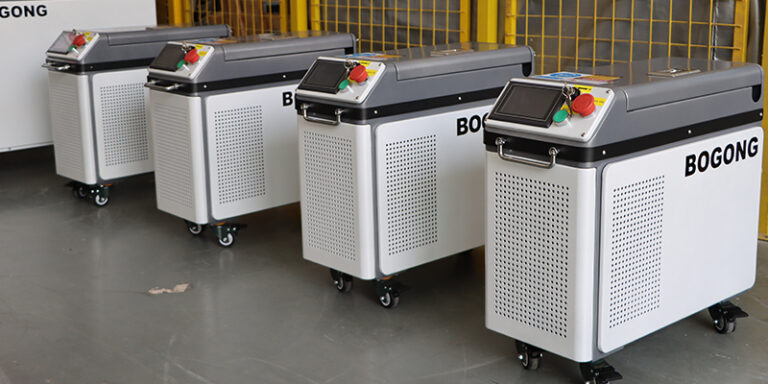
The best budget fiber laser cleaner for small shops is typically a 1000W to 1500W continuous wave (CW) machine. These units are compact enough to be rolled around a small shop floor, often run on standard 220V single-phase power, and are incredibly adept at removing surface rust, stripping old car paint, and prepping metal for welding.
When shopping on a budget:
Look for multi-functionality: A 3-in-1 machine that cleans, welds, and cuts (often utilizing the aforementioned SUP control system) gives a small shop incredible versatility for the price of a single unit.
Opt for established mid-tier brands: You don’t always need the premium IPG laser source. Brands like Raycus and MAX provide fantastic reliability at a much lower price point.
Prioritize local support: Even if buying from an overseas supplier, check if they have a local service center or a strong reputation for remote video support.
The best budget fiber laser cleaner for small shops is typically a 1000W to 1500W continuous wave (CW) machine. These units are compact enough to be rolled around a small shop floor, often run on standard 220V single-phase power, and are incredibly adept at removing surface rust, stripping old car paint, and prepping metal for welding.
When shopping on a budget:
Look for multi-functionality: A 3-in-1 machine that cleans, welds, and cuts (often utilizing the aforementioned SUP control system) gives a small shop incredible versatility for the price of a single unit.
Opt for established mid-tier brands: You don’t always need the premium IPG laser source. Brands like Raycus and MAX provide fantastic reliability at a much lower price point.
Prioritize local support: Even if buying from an overseas supplier, check if they have a local service center or a strong reputation for remote video support.
Conclusion: Making the Right Investment
Transitioning to laser cleaning is a strategic move that upgrades your operational efficiency, safety, and environmental compliance. By understanding the nuances of the sup fiber laser cleaning machine price and exploring a comprehensive laser cleaning machine pricelist, you can align your budget with your actual production needs.
Whether you are weighing a 2000w handheld laser rust remover cost against a 3000w powerhouse, or deciding between an expensive pulsed machine for delicate parts and a rugged CW machine for heavy steel, the key is matching the technology to your specific application. Factor in your shipping, potential import duties, and minimal maintenance requirements, and you will quickly see why so many industries are leaving traditional sandblasting behind.
Take the time to evaluate a reputable portable laser cleaning machine supplier in China, ask the right questions about control systems and laser sources, and invest in a tool that will revolutionize your surface preparation process for decades to come.
Whether you are weighing a 2000w handheld laser rust remover cost against a 3000w powerhouse, or deciding between an expensive pulsed machine for delicate parts and a rugged CW machine for heavy steel, the key is matching the technology to your specific application. Factor in your shipping, potential import duties, and minimal maintenance requirements, and you will quickly see why so many industries are leaving traditional sandblasting behind.
Take the time to evaluate a reputable portable laser cleaning machine supplier in China, ask the right questions about control systems and laser sources, and invest in a tool that will revolutionize your surface preparation process for decades to come.


Hot Click
Contact Us
Application
©Copyright [bogonglaser.com]. BOGONG Laser Machine Supplier All Rights Reserved.