
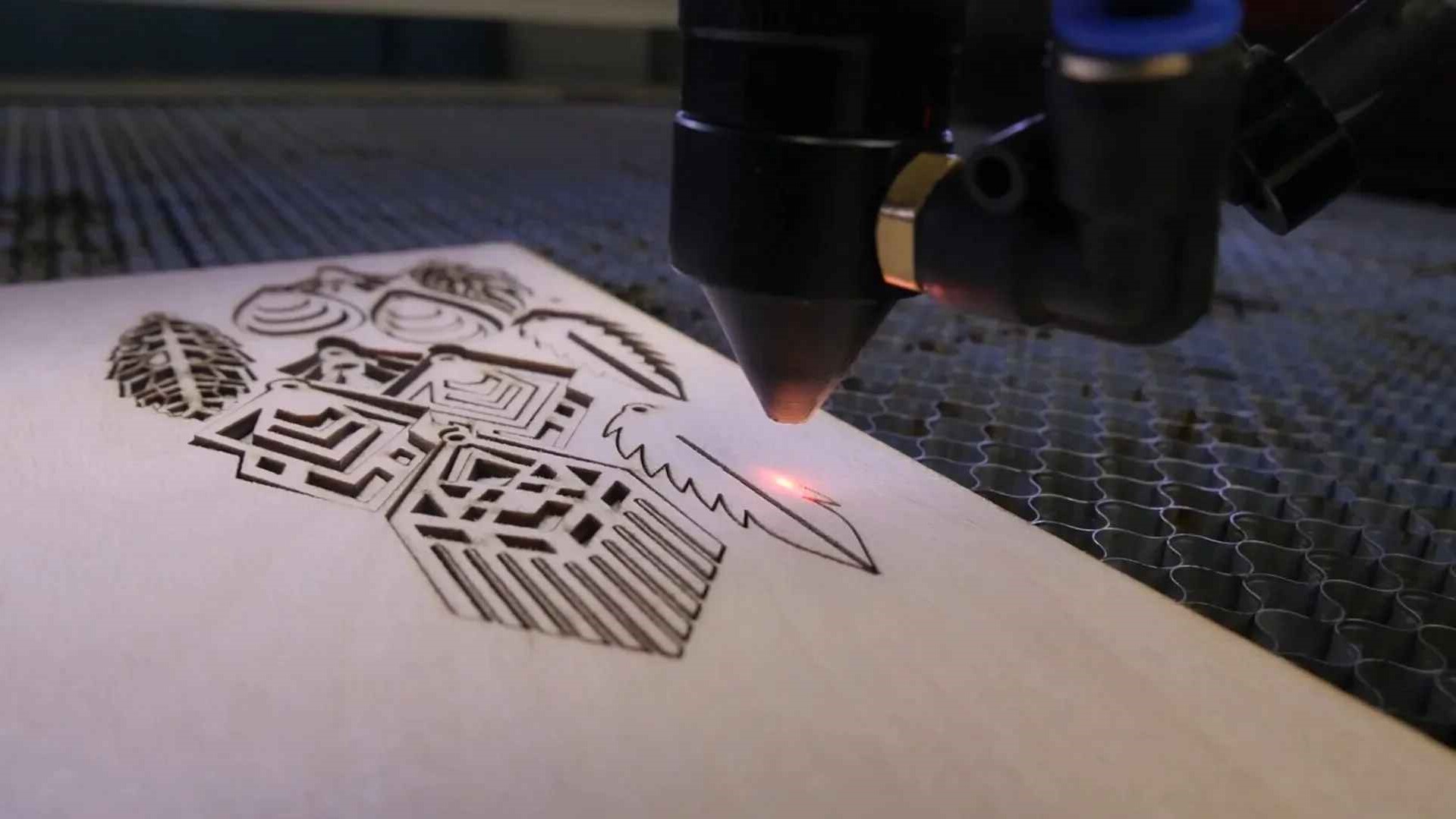
Advantages of Laser Cutting Machines in Woodworking
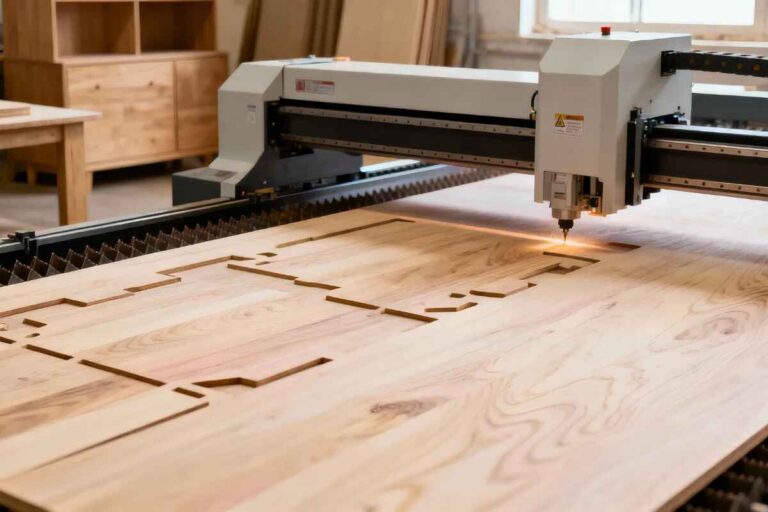
A Laser Cutting Device for Wood is not magic. It is managed heat, CNC discipline, material testing, exhaust planning, and production math. Here is the candid shop-floor situation for why laser cutting has actually come to be a significant woodworking process, not just a craft-table uniqueness.

Woodworking has a love issue. We like hand tools, heavy actors iron, sawdust on the flooring, and the fantasy that “genuine craft” need to involve blade stress, jigs, clamps, and a pile of rejected parts. I respect that. I additionally assume it blinds a lot of shops to make money.
A Laser Reducing Maker for Wood is not a substitute for every saw, router, pin, chisel, or bored old artisan who knows when plywood is existing to him. It is a production tool for slim sheet goods, complicated patterns, engraving, small-batch personalization, packaging, inlays, signs, architectural versions, attractive panels, craft kits, and furnishings components where repeatability matters more than nostalgia.
Heat leaves fingerprints. When a laser cutter for wood is tuned appropriately, the same warm that burns the edge can also create a narrow kerf, sharp internal corners, repeatable geometry, and surface area inscription that would take a router, V-bit, stencil, and hand-finishing pile much longer to perform. So why are stores still judging makers by wattage alone?
Due to the fact that power level is very easy. Refine control is not.
The Real Benefit: No Blade Pressure, No Bit Distance, No Mechanical Dramatization
The very first advantage of laser cutting machines in woodworking is completely simple: the tool does not touch the timber.
That modifications every little thing.
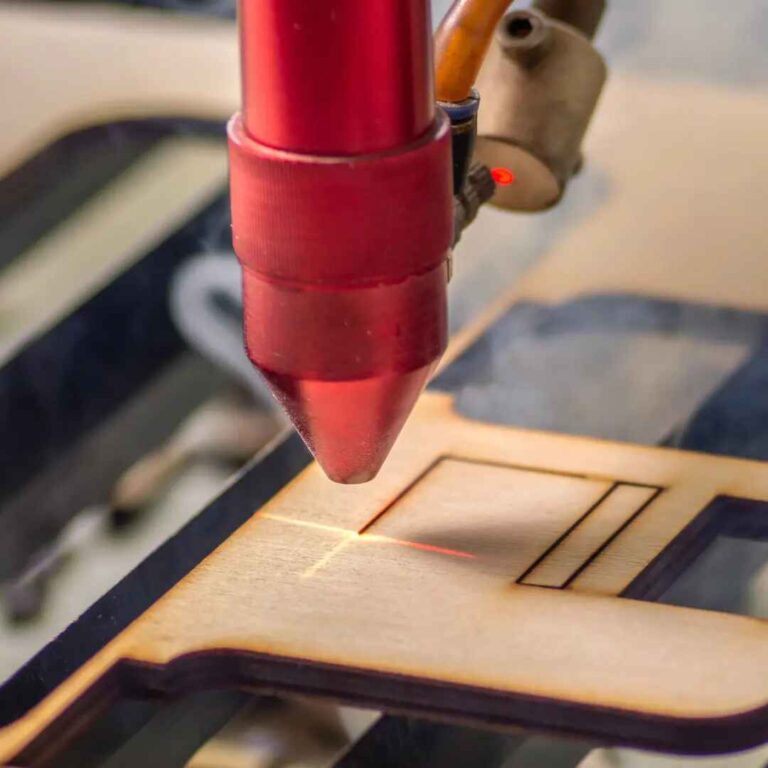
A saw blade presses. A router little bit draws, babbles, deflects, heats, dulls, and rounds inside corners. A knife wants grain collaboration. A laser light beam, typically a CO2 beam of light around 10.6 µm, eliminates product along a set path without pushing the sheet laterally. On slim birch plywood, basswood, MDF, veneer, paperboard, and lots of ornamental timber laminates, that non-contact cut is the whole tale.
I have seen shops spend even more energy battling hold-down than solving style. Vacuum tables, tabs, spoilboards, compression little bits, sacrificial layers, device wear logs– all helpful, all expensive in time. A well-matched laser reducing equipment for timber cuts fragile inner geometry without turning a fragile component into scrap before it leaves the table.
The payoff shows up in small details:
| Woodworking Requirement | CNC Router/ Saw Fact | CO2 Laser Reducing Fact |
|---|---|---|
| Sharp inner corners | Restricted by bit size or blade accessibility | Very little kerf; great corners are simpler |
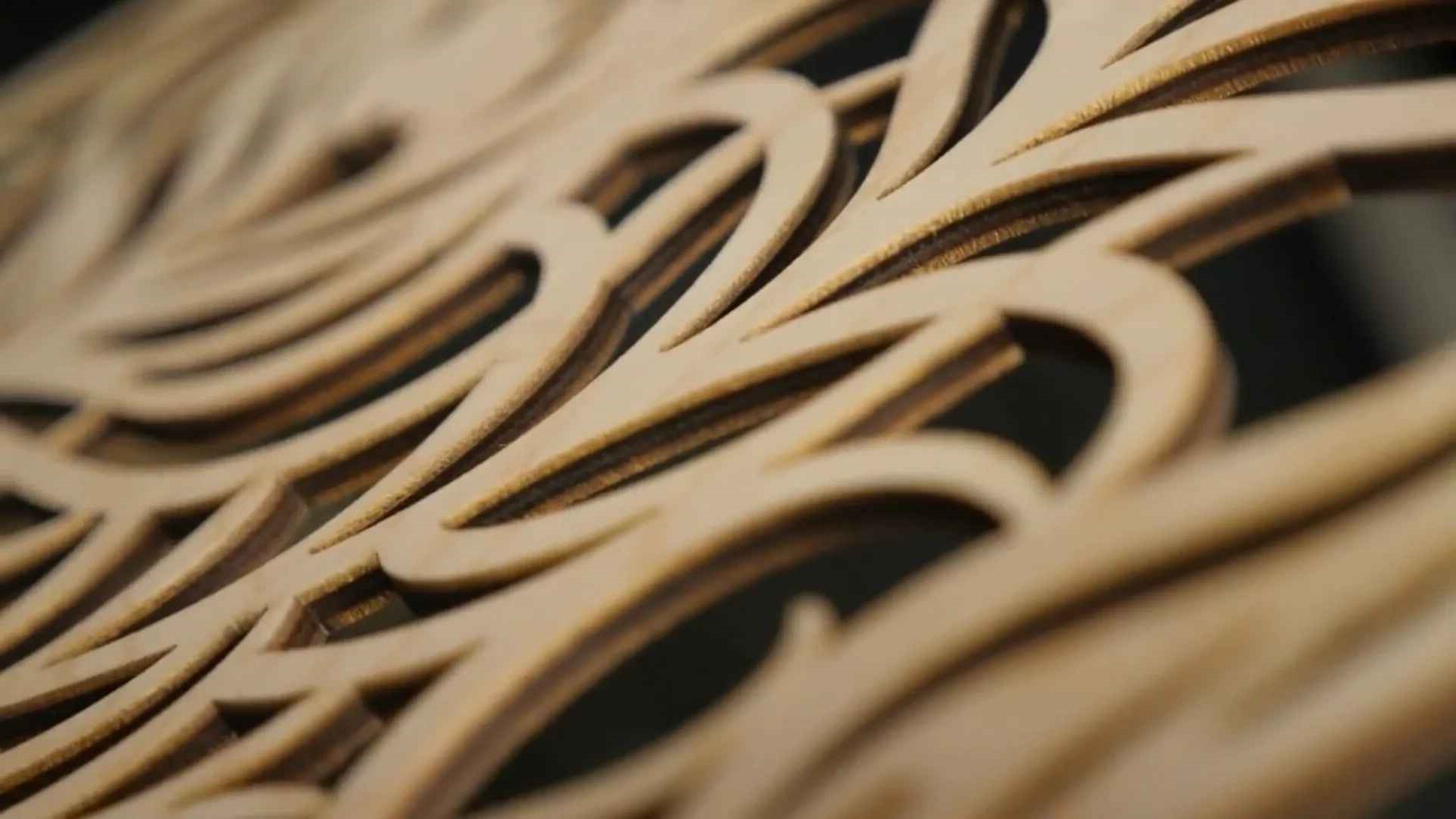
| Thin bridges and lace-like patterns | Resonance and damage threat | Non-contact reducing secures delicate forms |
| Customized message and logos | Extra tooling or etching pass | Reducing, scoring, and engraving in one operations |
| Little set production | Setup time can consume margin | Digital data modifications are quickly |
| Tool use | Little bits and blades weaken | Optics require cleansing; no cutting side dulls |
| Edge surface | Mechanical edge, usually cleaner on thick hardwood | Heat-darkened edge; good or negative depending on product |
This is where the advantages of laser cutting in woodworking quit being abstract. If the job is a 3 mm birch plywood invite box, a split wall surface map, a furniture inlay, an item display, or a 200-piece craft package with tiny slots, the laser is not “nice to have.” It is typically the grown-up option.
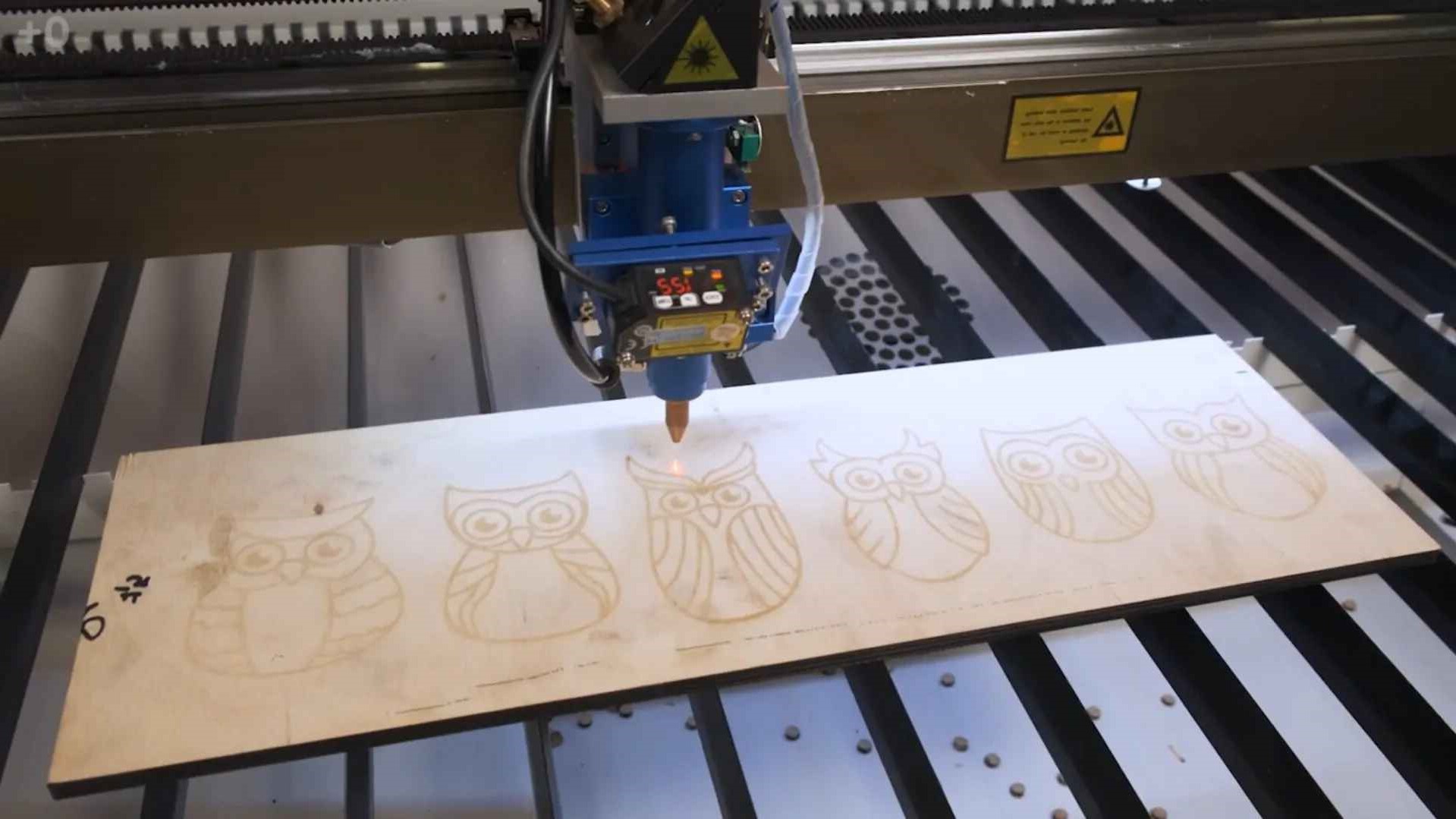
Table of Contents
Carbon Dioxide Laser Cutting: The Part Sales Brochures Typically Clean Up Too Much
A carbon dioxide laser cutter for woodworking jobs due to the fact that wood takes in that infrared power well. The light beam warms cellulose, lignin, dampness, resin, and adhesive until the cut path chars, evaporates, and divides. Bogong’s very own guide on how CO2 laser cutting devices procedure wood products obtains the core physics right: this is regulated thermal damage, not fairy dust.
That phrase matters. Managed thermal damage.
A tidy laser-cut edge is still a burned edge. Often that is gorgeous. Sometimes it is undesirable. I would rather say that out loud than sell a fantasy. The difference between a costs laser-cut wooden item and a great smoky brownish dissatisfaction is not just laser power. It is the whole stack: lens problem, focal height, air assist, exhaust circulation, bed monotony, wood dampness, glue chemistry, vector order, feed speed, pulse behavior, and operator judgment.
For several stores, a Carbon Dioxide Laser Cutting Maker makes even more feeling than a diode device as soon as manufacturing comes to be major. Diode lasers can engrave and reduce thin product, yet CO2 systems usually lug the more powerful commercial disagreement for non-metal materials such as timber, acrylic, paper, leather, and certain plastics. The factor is not brand name mystique. It is wavelength, light beam shipment, unit, exhaust, bed dimension, and task cycle.
The united state Demographics Bureau’s 2023 Annual Organization Survey classifies customized production devices as consisting of CNC machinery, web cam systems, manufacturing cells, and materials-working lasers in automated manufacturing processes. That governmental language seems dry, but it claims the peaceful component: lasers are not leisure activity accessories any longer; they are part of the very same automation family as CNC makers and manufacturing cells, as received the Census Bureau’s manufacturing technology meanings.
The Manufacturing Mathematics: Where the Maker Actually Pays for Itself
Below is my out of favor sight: the very best laser cutting device for woodworking is not one of the most effective machine you can afford. It is the machine that makes your worst repeat job boring.
Uninteresting is money.
If a store cuts 50 personalized name plaques per week, the advantage is not just speed up. It is documents reuse, predictable registration, fewer fixtures, reduced tooling supply, and easier customization. If a furniture studio cuts ornamental displays, the benefit is not only information. It is repeatability throughout panels. If a packaging provider cuts wooden inserts, the benefit is not only tidy geometry. It is fast layout modification when the client transforms a bottle diameter by 1.5 mm on Friday mid-day.
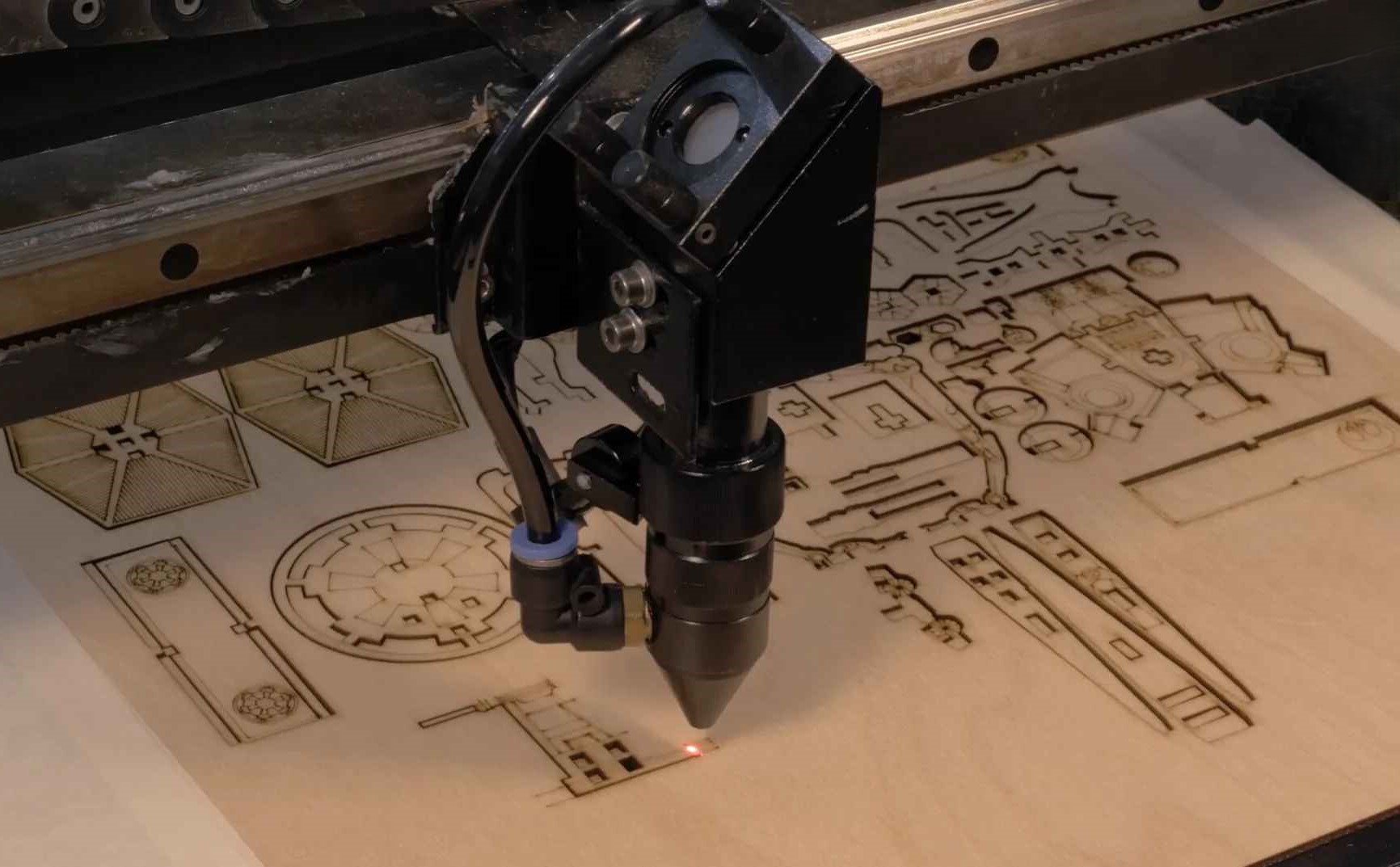
The CNC laser cutting machine for wood is toughest when design variant is high and worldly density is modest. It can turn a DXF, SVG, AI, or CAD-derived vector file into a repeatable toolpath without waiting on a personalized die or building a complex router fixture. That is why laser cutting is so usual in signage, design production, retail screens, building panels, craft manufacturing, and individualized gifts.
Reuters reported in 2024 that China reached 470 commercial robotics per 10,000 employees, greater than increase its 2019 robotic density, while Germany stood at 429 per 10,000 staff members in the very same comparison, according to IFR information cited by Reuters’ industrial automation report. No, that is not a woodworking figure. However it is the bigger manufacturing signal: repeatable digital manufacturing is moving from “advanced manufacturing facility” talk right into regular competitive stress.
Little stores feel it first in rates. Clients desire personalized geometry at commodity speed. They desire one-off names, logos, dates, QR codes, layered patterns, and mixed engraving/cutting runs without paying for old-school configuration pain. A timber laser etching machine provides a shop a second earnings layer on top of cutting: branding, serialization, appearance, shielding, decorative loads, and customization.
That is the margin hiding in simple view.
Laser Reducing vs CNC Routing in Woodworking
People enjoy fake wars: laser versus router, old versus new, hand versus device. I do not buy it. A wise woodworking shop utilizes the process that fits the component.
A router is better for thick hardwood, deep pockets, joinery, rounded edges, structural ports, and clean non-burned mechanical sides. A laser is much better for thin sheets, great detail, inscription, sharp interior geometry, fast personalization, and breakable shapes. The wrong solution is pretending one equipment wins almost everywhere.
For complex flat patterns, reviewed Bogong’s interior overview on how laser reducing creates complicated timber designs. The useful takeaway is not “laser great, router poor.” The helpful takeaway is that geometry has consequences.
| Use Situation | Laser Cutter for Wood | CNC Router | My Shop-Floor Decision |
|---|---|---|---|
| 3 mm birch plywood ornaments | Exceptional | Excessive for great detail | Laser wins |
| 18 mm hardwood joinery | Weak fit | Strong fit | Router wins |
| MDF signs with engraved logo | Solid | Great, but slower for fine engraving | Laser often wins |
| Cupboard pockets and joint recesses | Poor fit | Strong | Router wins |
| Attractive privacy screens | Strong for thin panels | Strong for thicker panels | Depend upon thickness |
| Individualized wood product packaging | Superb | Slower setup | Laser wins |
| Structural furnishings components | Minimal by burn and deepness | Strong | Router wins |
The laser cutting options for wooden craft manufacturing angle is especially important for sellers doing Etsy-style sets, marketing products, regional wedding celebration goods, version kits, school jobs, branded product packaging, and seasonal decoration. Those customers do not need a device that can in theory reduce the thickest board in the county. They need a workflow that endures Monday early morning order changes.
Material Facts: Birch, MDF, Basswood, Glue, Dampness, and HCHO
Wood is inconsistent. That is not an issue; it is biology.
Birch plywood can cut magnificently, after that betray you with glue pockets. MDF etches equally, then punishes weak exhaust with brownish haze and smell. Basswood is friendly and soft, but excessive power transforms it into a great smoky marshmallow. Oak can engrave with character, yet its thickness variation makes cutting less foreseeable. Veneer wants reduced force and tidy handling. Resinous yearn? I would check it twice before guaranteeing anything.
Laser reducing timber is really laser cutting a compound of cellulose, hemicellulose, lignin, extractives, dampness, and sticky systems. In crafted sheet goods, you might also be dealing with urea-formaldehyde resin, phenol-formaldehyde material, pMDI binders, fillers, dyes, and surface area coverings. The chemical formula customers acknowledge is HCHO, formaldehyde, and it deserves regard.
The EPA claims composite timber items such as wood plywood, MDF, and particleboard offered or imported into the united state after March 22, 2019 have to be identified TSCA Title VI compliant, as discussed in the company’s Formaldehyde Discharge Standards for Composite Timber Products. That rule is about discharges from products, not approval to laser-cut any type of mystery board. Those are different concerns.
Difficult reality: if your vendor can not inform you what adhesive, coating, or laminate remains in the sheet, do not suffice blindly. PVC is the obvious bad guy due to the fact that chlorine chemistry can create destructive and toxic results. But “wood-looking” boards can hide coverings, films, fire retardants, unidentified binders, and imported adhesive systems that do not belong under a laser beam.
The Safety And Security Bill No One Includes In the Quote
The greatest depend on affordable laser ownership is that the equipment price is the maker price.
It is not.
You require exhaust, purification where appropriate, fire treatments, lens upkeep, operator training, material exclusion policies, ventilation checks, and a reasonable prepare for smoke. A radiant ember inside a honeycomb bed does not care how pretty your brand logo design looks.
OSHA’s 2023 wood dirt chemical information provides an OSHA PEL-TWA of 15 mg/m three for total dirt and 5 mg/m five for respirable dirt, while NIOSH details a REL-TWA of 1 mg/m TWO, with carcinogenic classifications also kept in mind in OSHA’s wood dust chemical information. NIOSH additionally advises that table saw timber dirt exposure has actually been related to eye and skin irritation, allergic reaction, lowered lung function, bronchial asthma, and nasal cancer in its wood dust control assistance.
A laser does not develop the exact same dirt account as a table saw. It produces smoke, char bits, fumes, and condensable deposit. That does not make it safer by default. It makes it different. And different dangers still require design controls.
I would rather see a shop acquire a somewhat smaller sized device with proper exhaust than a larger one airing vent smoke with a depressing window follower. That is not conventional. That is fundamental survival.
What Customers Must Need Prior To Picking a Machine
When somebody asks me how to select the ideal laser reducing machine for woodworking, I request the documents, the material, and the resistance. Not the dream. The file.
Show me the thinnest bridge, the smallest inner slot, the longest continuous cut, the inmost inscription, the most awful plywood batch, and the edge criterion the customer will certainly deny. After that we can speak about 40W, 60W, 80W, 100W, 130W, bed dimension, Ruida-style controllers, cam alignment, autofocus, pass-through tables, chillers, exhaust volume, air help pressure, and lens options.
NIST’s September 2024 roadmap on cyberphysical systems in machining says that machining technology sustains virtually every private sector and item household, and it identifies the maker device market as connected to regarding $70 billion in annual capital investment with straight and indirect resources above $2 trillion, according to the NIST 2024 machining roadmap. That might appear far from a woodworking store, yet it is not. The very same stress is relocating downward: information, repeatability, automation, maker capacity, and evidence before acquisition.
So request proof.
Request sample cuts on your actual product. Request for engraving images under typical light, not charm lights. Ask how the equipment handles MDF smoke. Ask what happens when the lens is unclean. Ask whether the vendor can clarify kerf compensation, focus testing, vector order, air aid, and exhaust. Ask whether the software application operations sustains the documents your designers currently utilize.
And afterwards ask the concern salespeople hate: what work should this device refrain from doing?
Frequently asked questions
What are the major benefits of laser reducing makers in woodworking?
Laser reducing devices in woodworking supply non-contact cutting, narrow kerf control, sharp internal geometry, quick digital configuration, repeatable manufacturing, and incorporated engraving, making them particularly valuable for thin plywood, MDF, veneer, craft items, packaging, signs, inlays, decorative panels, and customized wood elements. The toughest benefit is not raw rate alone; it is repeatable intricacy with less fixtures and no cutting-tool wear.
A store can relocate from one style to one more by modifying the documents as opposed to reconstructing jigs. That matters when consumers want names, logo designs, batch codes, dates, patterns, and small-order variation.
Just how does laser reducing work in woodworking?
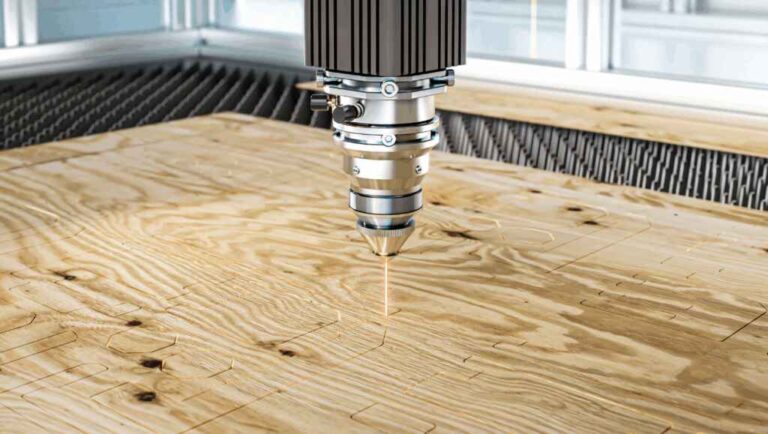
Laser reducing works in woodworking by concentrating a high-energy beam, typically a carbon dioxide laser at regarding 10.6 µm, onto timber so the product warms, chars, vaporizes, and separates along a CNC-controlled vector path while air aid and tire get rid of smoke and particles. The machine follows digital geometry as opposed to a physical blade path.
That is why a carbon dioxide laser cutter for woodworking can cut delicate patterns, inscribed branding, racked up fold lines, and detailed internal shapes without pressing on the work surface.
Is a carbon dioxide laser cutter far better than a CNC router for wood?
A carbon dioxide laser cutter is much better than a CNC router for slim sheet wood, fine attractive patterns, engraving, sharp interior corners, quick customization, and delicate components, while a CNC router is better for thick wood, deep pockets, joinery, structural elements, and tidy mechanical edges. The far better machine depends upon the work geometry and product density.
I would certainly not utilize a laser to replace every router operation. I would certainly utilize it to get rid of the jobs where transmitting wastes labor, breaks tiny details, or takes also lengthy to establish.
What wood is best for laser cutting and engraving?
The very best timber for laser cutting and engraving is flat, completely dry, low-resin, consistent in thickness, and made with foreseeable glue systems; usual choices consist of basswood, laser-grade birch plywood, poplar plywood, chosen veneers, and top quality MDF when exhaust and completing are effectively taken care of. Product high quality matters more than the name printed on the sheet.
Two sheets labeled “birch plywood” can act in different ways because of glue pockets, wetness, veneer top quality, storage problems, and core building and construction. Evaluate every set prior to selling completed parts.
What should customers examine before choosing the best laser reducing device for woodworking?
Customers need to examine real sample-cut performance, bed dimension, CO2 laser power, controller quality, exhaust capacity, air aid, cooling down system, lens options, software program compatibility, inscribing high quality, kerf control, vendor assistance, product safety and security support, and whether the equipment can refine their hardest actual data. A display room trial is not nearly enough.
Send the supplier your actual DXF, SVG, or CAD-derived vector documents and the exact wood you intend to procedure. The device must verify itself on your manufacturing problem, not on a perfect sample selected by the vendor.
Your Next Steps: Test the Timber, Test the Data, After That Purchase
Do not buy a woodworking laser because the sales brochure says “high accuracy.” Need proof.
Send your hardest design file, your real birch plywood or MDF, your target thickness, your smallest slot, your inscription requirement, your anticipated daily result, and your appropriate edge criterion. Then request a cut sample, a smoke-management explanation, and a straight response on what the equipment need to not reduce.
That is exactly how specialists acquire a Laser Reducing Device for Wood: not by fantasy, not by power level prayer, and not by the least expensive quote. Purchase the process that makes your most annoying repeat job foreseeable.


Hot Click
Contact Us
Application
©Copyright [bogonglaser.com]. BOGONG Laser Machine Supplier All Rights Reserved.