
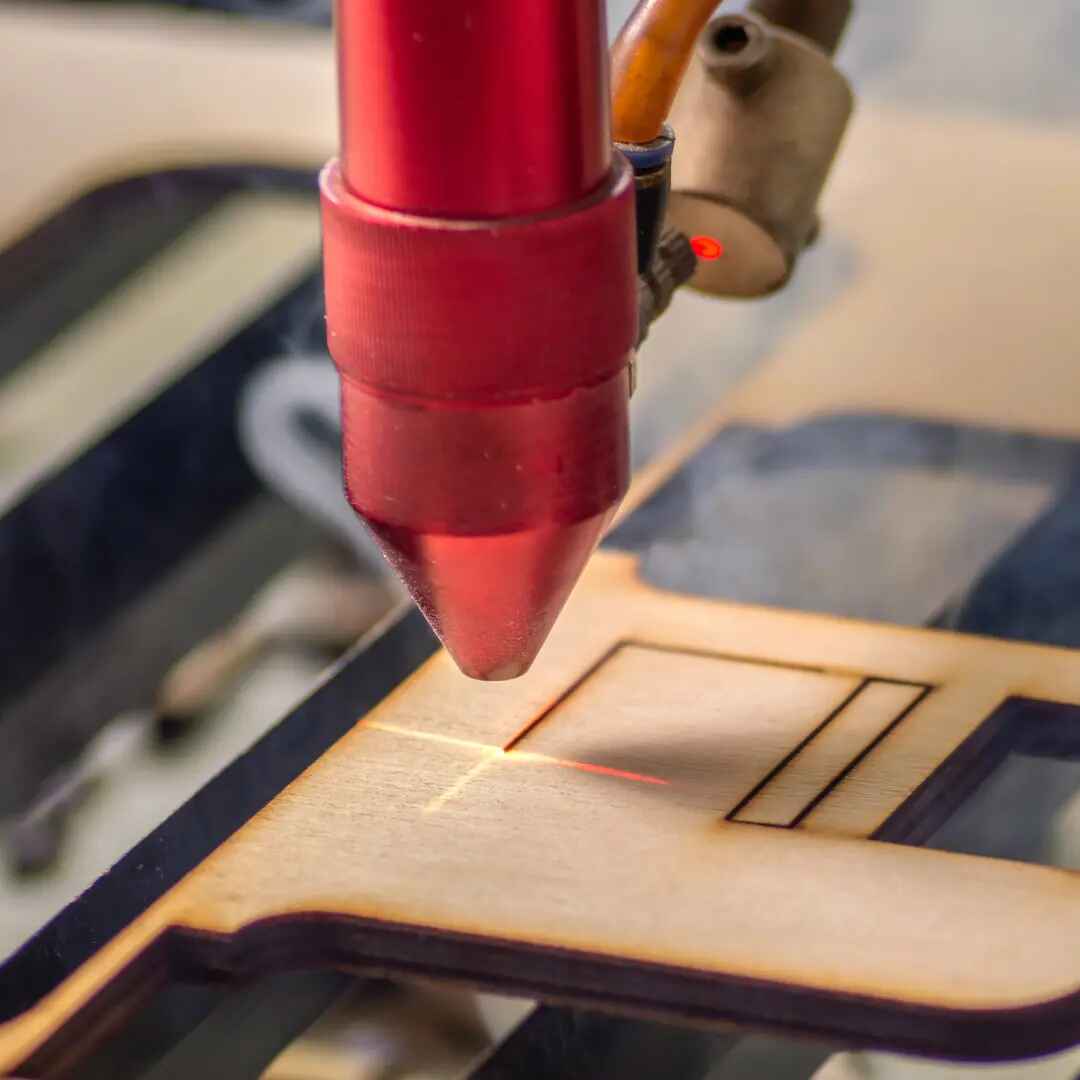
Laser Cutting Applications in Wooden Packaging Manufacturing
Laser cutting wood product packaging is not nearly cleaner sides. It is about much shorter changeovers, far better traceability, less passes away, tighter nesting, and less justifications when a crate, insert, sleeve, or laser reduced wooden box falls short in export logistics.

Timber Laser Cutting Is Not Decoration. It Is Process Control.
Timber laser reducing gets oversold by individuals that have actually never ever swept char dust out of an exhaust duct.
Margins reveal whatever.
I have watched wood product packaging shops get a CO2 laser since the demonstration example looked excellent, then discover six months later on that their real fight was not beam power in all; it was plywood adhesive quality, smoke discharge, fixture repeatability, operator technique, and whether the purchasing team recognized that “same thickness” does not mean “same material habits.”
So why does the modern technology still matter?
Due to the fact that wood product packaging manufacturing is moving away from brute-force cutting and towards digital control. Customized pet crates, export-ready pallet collars, electronic devices inserts, wine-box dividings, foam-and-wood crossbreed packaging, top quality gift boxes, and short-run commercial security sets do not act like old commodity pallets. They transform too often. The customer desires a brand-new home window, a new logo, a smaller sized insert, a QR mark, a cleaner slot, a lighter panel, a batch of 80 today and 1,200 next month.
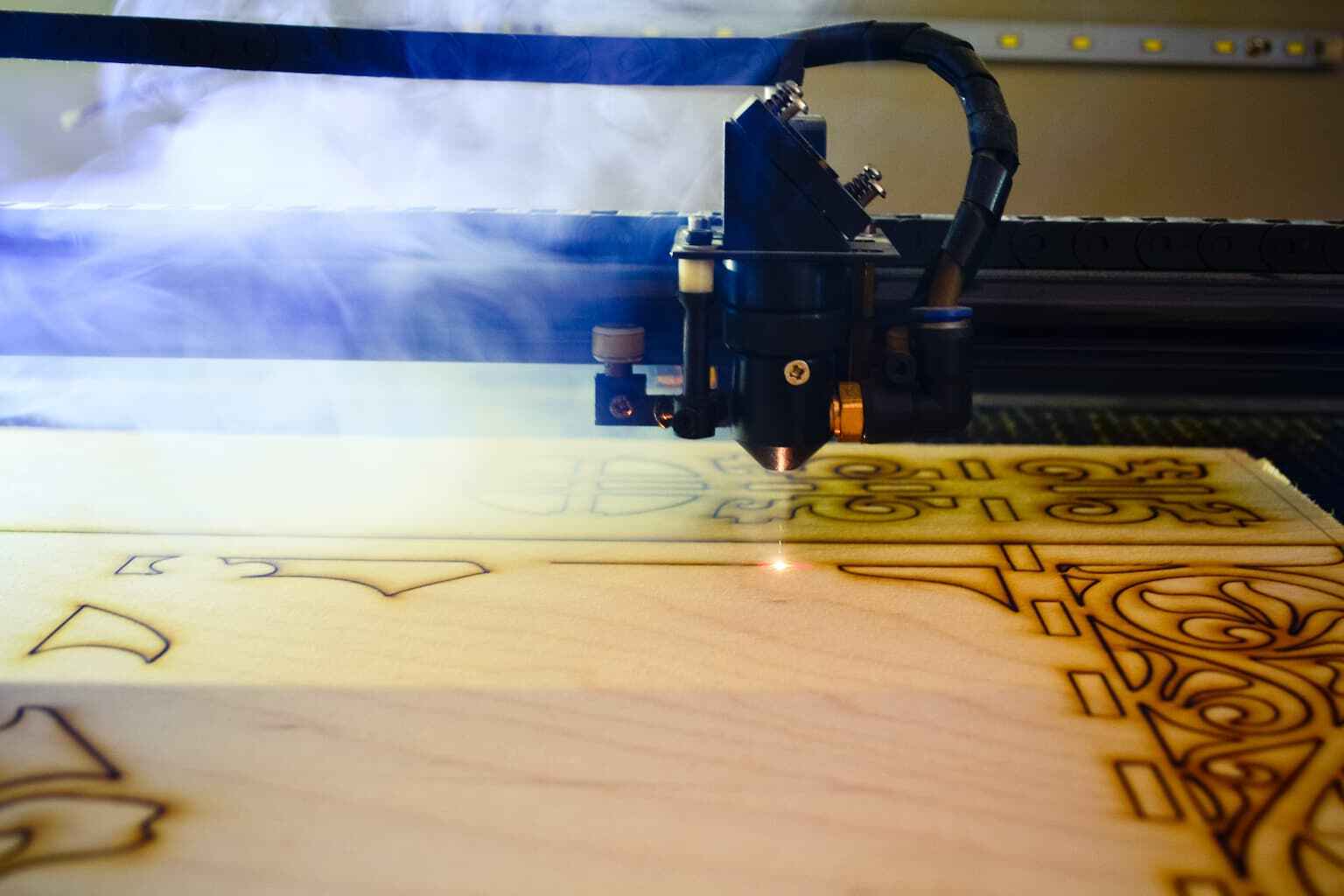
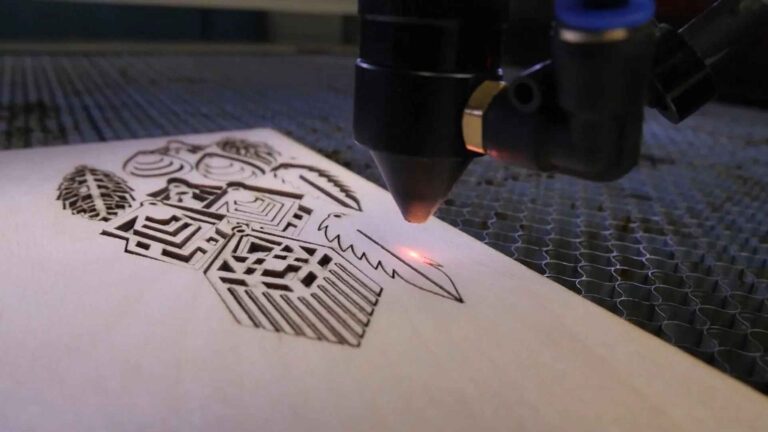
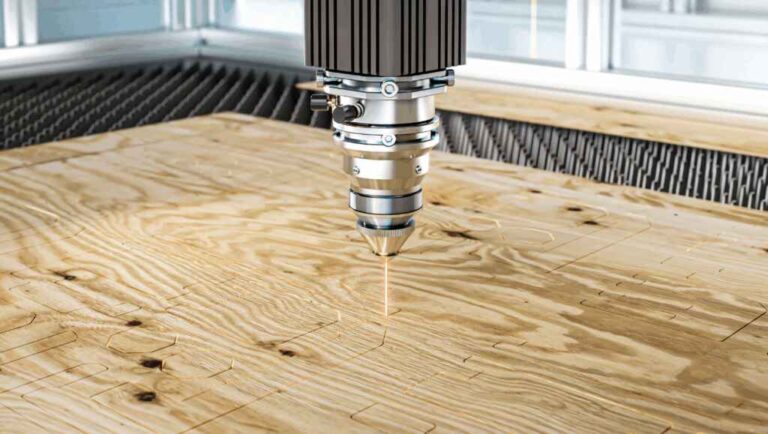
That is where carbon dioxide laser reducing for timber materials earns its location. A concentrated 10.6 µm light beam cuts, scores, etches, and marks without a blade touching the sheet. In practical terms, the maker transforms a DXF or AI vector documents right into a repeatable thermal cut course. No die storage. No used router bit. No smashed veneer from clamping pressure. However yes, there is heat. There is smoke. There is a brown edge if the procedure slouches.
I will say the unpopular part: timber laser cutting is not instantly “clean.” It is controlled damages. Excellent factories regulate it; negative manufacturing facilities perfume it with advertising and marketing language.
Where Laser Reducing Wood Packaging Actually Pays
The strongest usage situation is not the most significant crate. It is the product packaging part with high detail, constant design adjustment, and painful tooling expense.
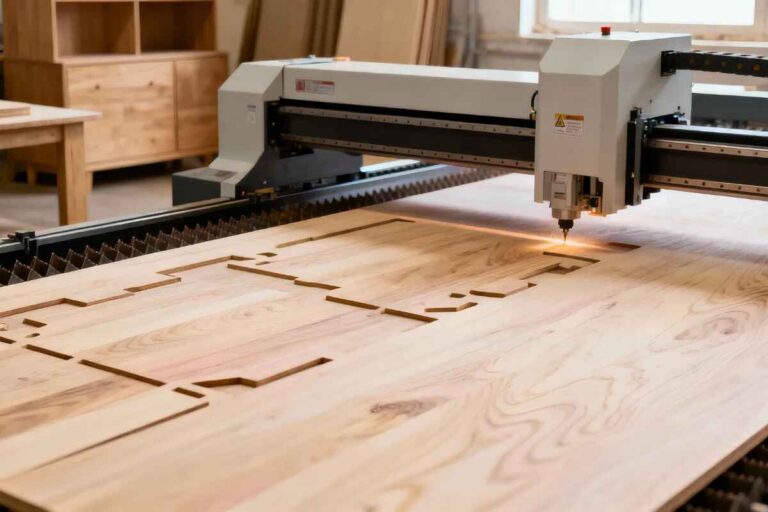
In wood crate manufacturing, traditional saws and CNC routers still belong. I would certainly not utilize a carbon dioxide laser as my very first device for thick 18– 25 mm structural skids, deep pockets, or heavy wood obstructs that need mechanical toughness greater than detail. However, for 2– 9 mm plywood panels, MDF separators, top quality lids, slot-fit divider panels, ventilation patterns, securing tabs, barcode plates, serial tags, and retail-grade laser cut wooden boxes, the business economics change fast.
A laser cutting equipment for timber fits best when the maker requires thin-sheet accuracy, reduced mechanical stress and anxiety, and fast data switching. That matters in product packaging due to the fact that product packaging is hardly ever simply product packaging any longer. It is protection, identification, conformity, branding, and sometimes the client’s very first physical impact of the item.
The 2024 circularity study from UCL ought to make product packaging supervisors uncomfortable. The research notes that pallets transportation over 80% of international profession and reports a 58.60% waste-to-weight proportion for wooden pallets in the evaluated pallet lifecycle, a ruthless number for anyone pretending wood logistics has no material-efficiency trouble. Read the UCL 2024 pallet circular economy study and afterwards stroll your very own factory floor. Count offcuts. Matter declined panels. Count returned dog crates with broken tabs.
That is the genuine disagreement for laser cutting plywood packaging: not romance, not futurism, not the adorable odor of shed birch. It is nesting thickness, part repeatability, and fewer dead devices remaining on a shelf.
Practical Applications in Wooden Product Packaging Lines
Wood laser cutting appears in product packaging manufacturing in a number of high-value jobs:
Custom divider panel grids for electronic devices, tools, glass wares, cosmetics, medical devices, and accuracy components.
Interlacing plywood product packaging that replaces glue-heavy or nail-heavy assembly.
Laser cut wood boxes for premium retail, tea, red wine, precious jewelry, specialized tools, and celebratory items.
Export recognition plates with etched SKU, lot number, QR code, distributor code, and dealing with marks.
Air vent openings and stress-relief patterns in plywood panels used for breathable product packaging.
Prototype-to-production runs where the same electronic data moves from sample approval to set cutting.
Top quality lids and sleeves where laser inscription changes stickers that peel, wrinkle, or stop working under humidity.
And of course, several of these tasks can be done by CNC router. Some can be done by die cutting. However when a customer changes the port spacing at 4:40 p.m., the laser operator edits a file. The die store sends a brand-new quote.
Carbon Dioxide Laser Reducing for Wood Packaging: The Equipment Does Not Conserve a Bad Operations
A carbon dioxide laser reducing equipment is typically the appropriate class of equipment for plywood, MDF, basswood, bamboo, paper-faced board, veneer, natural leather, acrylic, and numerous non-metal product packaging products. Fiber lasers dominate metal. Carbon dioxide dominates lots of natural and polymer products since the wavelength is absorbed well by wood-based substrates.
But wattage praise is a catch.
I have seen purchasers ask, “Should we buy 100W, 130W, or 180W?” prior to they can address fundamental production concerns: What plywood grade? What dampness variety? What glue chemistry? What sheet dimension? What kerf allowance? How much smoke per change? Exactly how typically will optics be cleansed? Who owns the cut collection? That authorizes the sample prior to mass cutting?
That silence costs cash.
For industrial timber packaging, the equipment specification should adhere to the part household. A manufacturing facility reducing thin decorative box panels may care more about spot top quality, etching consistency, and side color. A crate-insert manufacturer may care more about bed dimension, set nesting, fume removal, conveyor handling, and repeatable slot resistance. A provider making export product packaging may appreciate noting traceability and process paperwork as much as cut rate.
The laser reducing equipment application web page on Bogong’s website is useful here due to the fact that it structures laser crossing timber, paper, acrylic, plastic, leather, and steels. Product packaging factories typically collaborate with blended products. The best configuration is rarely a solitary enchanting equipment behind-the-scenes; it is a process that comprehends which process owns which product.
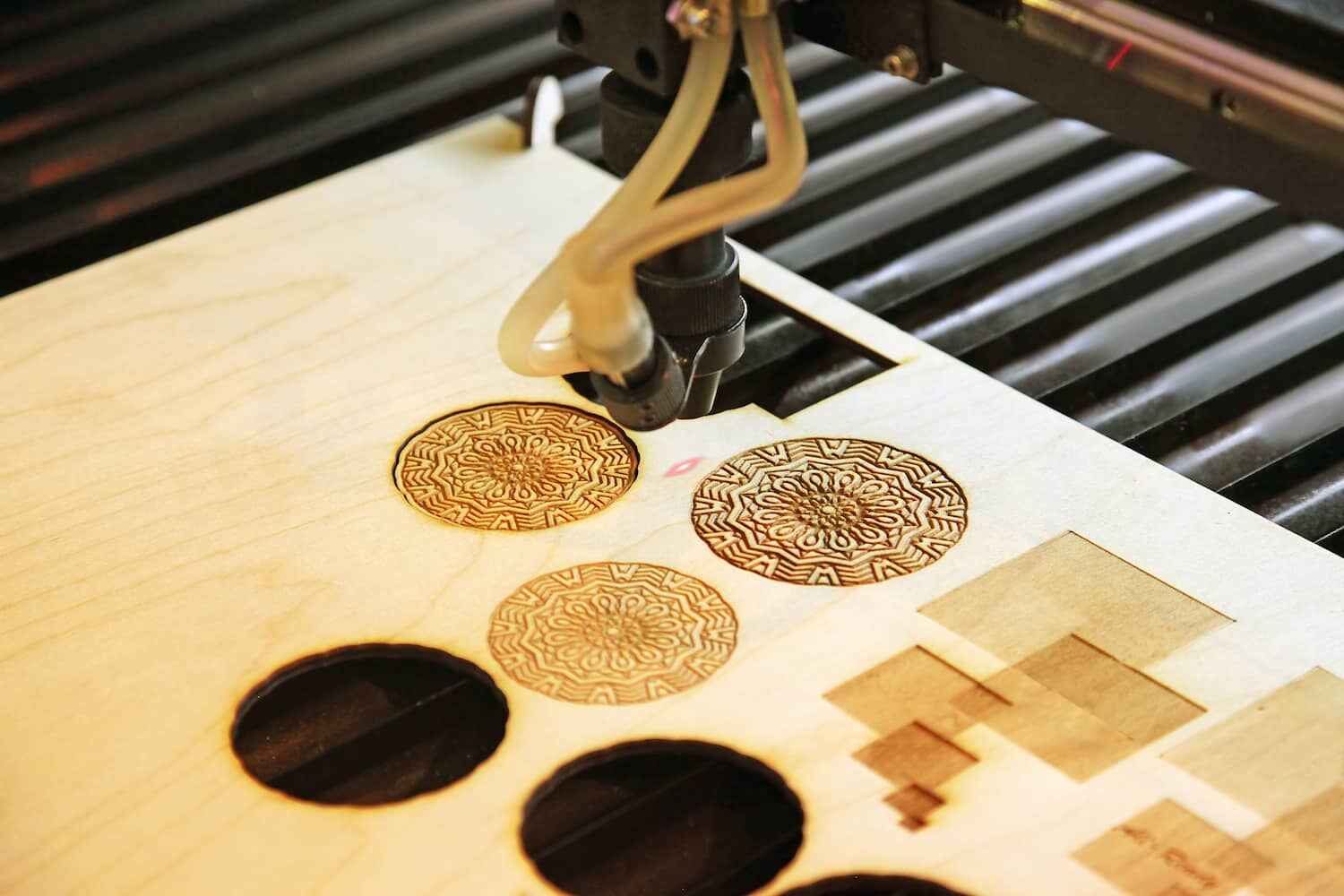
Table of Contents
The Conformity Issue Nobody Wants to Go Over: ISPM 15
Laser cutting does not excluded wood packaging from law.
For export product packaging, the large legal structure is ISPM 15. The United State Division of Farming’s APHIS mentions that managed wood packaging material made use of to support, secure, or lug cargo into the United States have to be dealt with and certified under ISPM 15. That indicates warm treatment, accepted airing out, marking, and documents still matter. Check out the USDA APHIS timber product packaging product guidance prior to thinking a laser mark is a compliance mark.
This is where some factories get sloppy. They engrave a lovely logo design, a QR code, even a taking care of sign, then deal with compliance like an afterthought. That is in reverse. In 2024, CBP and APHIS pressed a timber packaging product checklist for shippers, and logistics advisories alerted that noncompliant WPM can cause delays, inspections, charges, or denial. The CBP wood product packaging product checklist is not attractive reading. It is the sort of paper that saves a delivery from resting at port while everyone argues over that forgot the mark.
Difficult fact: laser engraving can support traceability, however it is not legal therapy.
Use the laser to inscribe batch IDs, vendor numbers, setting up marks, crate positioning icons, and inner QC codes. Use the phytosanitary program to manage ISPM 15. Do not puzzle the two. Custom-mades police officers will not care that your logo design is crisp if the therapy mark is wrong.
Data Table: Laser Reducing vs Router vs Pass Away Cutting in Wooden Packaging
| Manufacturing Method | Finest Fit in Wooden Product Packaging | Transition Fact | Common Weak Point | My Shop-Floor Point of view |
|---|---|---|---|---|
| CO2 laser reducing | Thin plywood panels, MDF inserts, laser cut wooden boxes, branded covers, dividers, models, short-run custom packaging | Really fast; transform the data, verify focus, run the next layout | Smoke, char, glue-line incongruity, optics contamination | Best for intricacy and variation changes, but just if exhaust and product control are significant |
| CNC transmitting | Thick panels, structural crate parts, joinery, wood blocks, deep pockets, enhanced skids | Moderate; tool choice, clamping, fixturing, and bit wear issue | Tear-out, tool wear, mechanical anxiety, slower fine-detail reducing | Much better than laser when strength and density issue more than detail |
| Mechanical die cutting | Repeated high-volume flat components, paperboard, slim veneer laminates, simple packaging forms | Slow-moving and tool-dependent; passes away have to be made, saved, installed, repaired | Tooling expense, design-change pain, minimal micro-detail | Exceptional for stable automation, excruciating for unstable SKUs |
| Hands-on saw-and-drill workflow | Easy cages, harsh barring, one-off fixings, low-detail product packaging | Versatile yet labor-heavy | Human variation, inadequate repeatability, restricted traceability | Still helpful, however it does not range easily for contemporary customized product packaging |
Laser Reducing Plywood Packaging: The Material Decides the Profit
Cheap plywood lies.
The top veneer looks tidy, the sheet determines 6 mm, the provider swears it is “great for laser,” and afterwards the beam strikes an adhesive pocket, a mineral touch, a space, or a resin-heavy internal layer. The edge turns black. The tab weakens. The port tolerance wanders. The operator reduces to make up, and suddenly the quote is rubbish.
For laser cutting plywood packaging, the best materials are not always the most beautiful. They are the most foreseeable. Laser-grade birch plywood, basswood plywood, poplar plywood, bamboo panels, and picked MDF can work well when dampness, adhesive, density, and monotony are regulated. Arbitrary building and construction plywood is where manufacturing schedules go to die.
I such as laser-grade birch for costs boxes and precision divider panels. I such as basswood for light-duty product packaging and prototypes. I deal with MDF thoroughly because the side top quality can be good, but the fume load and material can penalize a weak exhaust system. And I obtain questionable when a vendor can not tell me what adhesive is in the panel.
The wood laser processing overview makes the right factor: reducing quality depends on light beam emphasis, speed, power, timber thickness, glue chemistry, and ventilation. That sentence must be taped to the purchasing department’s door.
The Waste Tale: Why Precision Is a Financial Argument, Not a Green Motto
Wood packaging people like stating timber is sustainable. Fine. However eco-friendly does not imply free, and recyclable does not imply reliable.
The EPA states pallets account for over 90% of complete timber product packaging, and its timber material-specific data reveals 18.1 million tons of timber in U.S. community strong waste in 2018, with 12.2 million tons landfilled. See the EPA wood material-specific data. That is older government data, yes, yet it is still valuable since it reveals the range of the wood-waste trouble.
NC State’s BioResources paper on the united state wooden pallet market reports that united state wooden pallet manufacturing reached 1.18 billion systems in 2021, up 40% from 2016, including 919 million brand-new pallets and 280 million fixed or remanufactured pallets. The very same research study says 80% of items offered in the united state go to some point moved on pallets. Check out the NC State BioResources pallet market research study and after that describe why product packaging designers still treat pallet and dog crate style as a low-status job.
They need to not.
A tiny enhancement in nesting can matter. A smarter tab style can minimize damage. A laser-scored fold line can change a different operation. A QR-engraved batch code can reduce confusion in returns. A cut course that conserves 4% sheet waste across 50,000 panels is not “good.” It is cash.
This is where laser die reducing in product packaging printing connects with wood packaging reasoning. The very same concept uses: electronic reducing victories when transitions, micro-features, and versioned styles become much more expensive than raw device speed.
Design Regulations I Would Implement Prior To Production
Stop Designing Pretty Components That Can not Make It Through Delivering
A laser can cut little bridges, lace-like patterns, sharp internal corners, and absurdly slim tabs. That does not imply your crate must utilize them.
Packaging is physical violence in slow motion. Forklifts hit. Containers sweat. Pallets bend. Operators drag boxes by the wrong side. Air freight shakes whatever. Sea products adds humidity. Warehouse employees stack what need to not be piled.
So style for misuse.
For laser cut wooden boxes, utilize generous tab roots, stay clear of breakable internal corners, test cover stress after moisture direct exposure, and maintain inscribing far from load-bearing sides if the wood is slim. For commercial wood packaging, examination the constructed bundle, not the panel. An ideal flat cut is useless if the put together pet crate racks under load.
Deal with Kerf as a Layout Variable
Kerf is not an afterthought. It is the product eliminated by the laser beam, and it transforms with focus, product, power, speed, air help, and lens condition. In plywood packaging, kerf can determine whether a press-fit divider panel really feels costs or breaks down in the consumer’s hand.
I prefer examination discount coupons before manufacturing. Cut a slot ladder. Action it. Fit the actual breeding component. Videotape the file compensation. Do not let operators “feel it out” for 1,000 parts unless you delight in rework.
Do Not Quote Without Finishing Time
Laser-cut timber often needs cleaning, fining sand, sealing, smell control, or edge-color authorization. If a sales team estimates only reducing time, the margin is phony.
This is specifically real for present product packaging and consumer-facing wooden boxes. A slightly smoky edge may serve for industrial separators and absolutely inappropriate for luxury tea product packaging. Exact same maker. Different client. Different standard.
The Best Use Instances for Laser Cut Wooden Boxes and Product Packaging Inserts
Laser reduced wooden boxes are best when the product packaging itself carries brand name worth. Believe wine, spirits, cosmetics, fashion jewelry, costs electronic devices, specialized tools, social products, awards, and limited-run collector things. Here, the laser is not simply cutting structure; it is inscribing identity.
For commercial packaging, the worth is different. It is speed and repeatability. A producer can produce custom plywood inserts for sensors, machined components, spare elements, tools, and fragile assemblies without waiting on steel-rule passes away or intricate router components. The cut documents becomes part of the manufacturing expertise.
In one shop I observed, the quiet win was not the customer-facing box. It was the interior divider panel system. Before laser cutting, drivers set up separators by hand, cut mistakes, and blamed “wood variation.” After laser cutting, the exact same divider panel geometry was nested, cut, identified, and constructed with less disagreements. Not magic. Better control.
That is the whole tale.
Purchasing Suggestions: What I Would Certainly Ask Before Picking an Equipment
Before buying a CO2 laser for wood product packaging, I would certainly request test cuts on the precise plywood, MDF, veneer, or bamboo panels used in manufacturing. Not the vendor’s example board. Your board.
I would also request for:
The actual cutting rate at acceptable edge shade.
The kerf variety throughout three sheets from different batches.
The exhaust and filtration prepare for resin-heavy materials.
The bed dimension needed for your standard packaging panels.
The etching rate for logos, serial codes, and QR marks.
The maintenance schedule for lenses, mirrors, belts, rails, and filters.
The software process from CAD documents to nesting to driver authorization.
And I would certainly ask one nasty inquiry: “What takes place when the plywood distributor changes glue?”
The majority of sales conversations obtain silent there.
FAQs
What is timber laser reducing in packaging manufacturing?
Wood laser cutting in packaging production is a CNC-controlled thermal cutting technique that utilizes a concentrated CO2 laser beam, generally 10.6 µm, to reduce, score, etch, or mark plywood, MDF, veneer, bamboo, and other wood-based product packaging components without physical device stress. It is used for divider grids, personalized pet crates, branded lids, box panels, inserts, slots, air flow holes, and traceability marks.
The advantage is versatility. A product packaging manufacturing facility can relocate from prototype to batch production with the same electronic documents, then change slot dimension, logo placement, or insert geometry without ordering a new die. The danger is that smoke, resin, glue, and dampness can spoil edge high quality if the process is not managed.
Is CO2 laser cutting better than CNC transmitting for wood product packaging?
Carbon dioxide laser cutting is better than CNC transmitting for thin, thorough, low-force wood packaging parts, while CNC transmitting is much better for thick supply, deep joinery, architectural pockets, and hefty hardwood machining where side-wall stamina issues greater than fine-detail rate on every batch. The best selection depends upon product density, resistance, cut geometry, batch size, and finishing demands.
My sight is simple: utilize the laser for detail, speed of modification, engraving, and slim plywood. Use the router for toughness, deepness, and hefty material removal. The factory that understands both usually beats the manufacturing facility that turns one machine into a religion.
Can laser reducing plywood packaging fulfill ISPM 15 export requirements?
Laser cutting plywood product packaging can sustain an ISPM 15-compliant process only when the underlying wood product packaging product is treated, noted, and documented under the suitable phytosanitary program; the laser reduced itself does not replace heat treatment, fumigation, or main noting responsibilities for export cargo. ISPM 15 conformity is a governing process, not an ornamental inscription job.
Laser etching can help with traceability by including set codes, vendor IDs, QR codes, and handling marks. Yet the official treatment mark have to comply with the pertinent national plant defense and customs demands. If the delivery crosses boundaries, compliance needs to be designed before the product packaging is reduced.
What timber is best for laser cut wood boxes?
The best timber for laser cut wood boxes and packaging inserts is typically laser-grade birch plywood, basswood, or low-resin poplar plywood, because these products cut naturally, hold information, withstand excessive flare-ups, and stay clear of the glue-line surprises that mess up side quality on inexpensive mixed-core panels. MDF can work, but fumes and resin load should be managed.
Do deny timber by density alone. Request for material consistency, adhesive type, dampness range, sheet monotony, and set repeatability. A beautiful veneer over a bad core is still a bad laser material.
What are the most costly mistakes in laser cutting wooden packaging?
The most pricey errors in laser cutting wood product packaging are getting by power level alone, ignoring fume removal, making use of filthy plywood, skipping component style, pricing estimate no finishing time, and thinking a clean model will certainly behave the very same throughout 500 repeated cuts on real production sheets. A lot of failures are workflow failures using a machine-cost camouflage.
The repair is boring however reliable: examination actual product, record criteria, action kerf, keep optics, control exhaust, qualify providers, and quote completing honestly. Packaging manufacturing facilities do not shed cash because the light beam is mysterious. They lose money because no one wished to measure the unsightly variables.
Your Following Steps: Examine the Actual Crate, Not the Sales Sample
If you manufacture wooden packaging, do not begin with a pamphlet comparison. Beginning with your actual item.
Send out the distributor your actual DXF files, plywood samples, MDF examples, target tolerances, regular monthly volume, etching requirements, ISPM 15 export context, and ending up standards. Request for a cut examination on your material, not a showroom panel. Then evaluate the components like a consumer, a customizeds police officer, and a forklift chauffeur would evaluate them.
If your product packaging mix consists of slim plywood panels, laser reduced wood boxes, well-known covers, divider grids, QR-coded inserts, or short-run custom cage parts, examine a carbon dioxide laser workflow seriously. Begin with Bogong’s CO2 laser cutting equipment alternatives, compare them against your genuine wooden product packaging procedure, and request for sample cuts prior to you acquire.
Bring your worst data.
The appealing one proves absolutely nothing.


Hot Click
Contact Us
Application
©Copyright [bogonglaser.com]. BOGONG Laser Machine Supplier All Rights Reserved.