

Category Laser Cutting Machine for Application Blog
How Laser Cutting Creates Complex Wood Designs
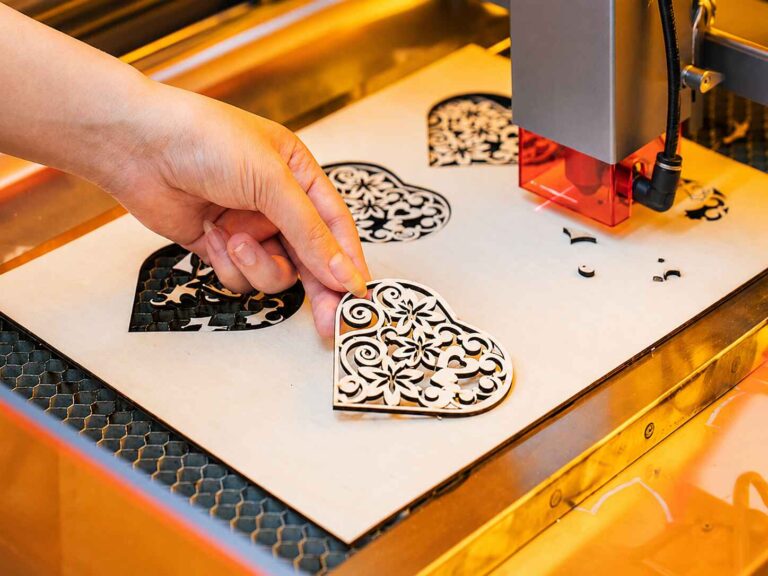
An obdurate check out how laser cutting wood in fact produces intricate wood designs, why carbon dioxide laser systems dominate slim plywood and MDF work, and where stores shed cash when they think the sales brochure more than the product.
Laser Cutting Solutions for Web Server Shelf Components
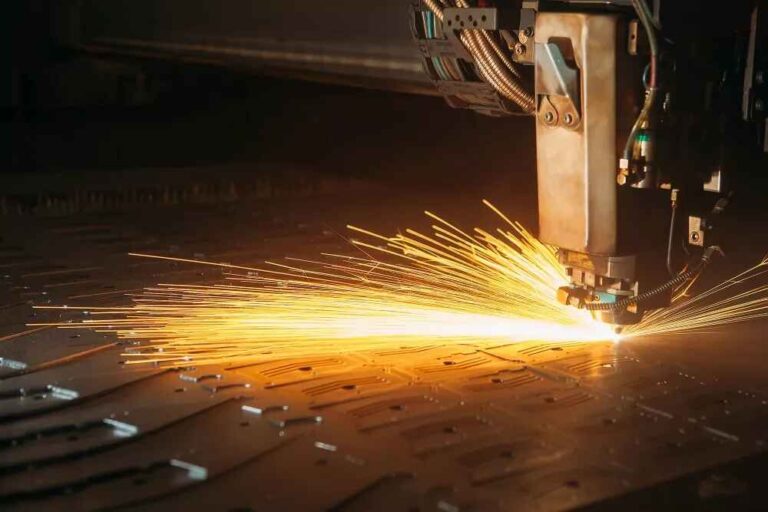
Server shelf elements are no longer easy folded up metal parts. AI-density shelfs, airflow limitations, basing courses, and revision-heavy production make precision laser cutting solutions a significant production decision, not a quote-line asset.
Precision Sheet Metal Cutting for Data Center Infrastructure
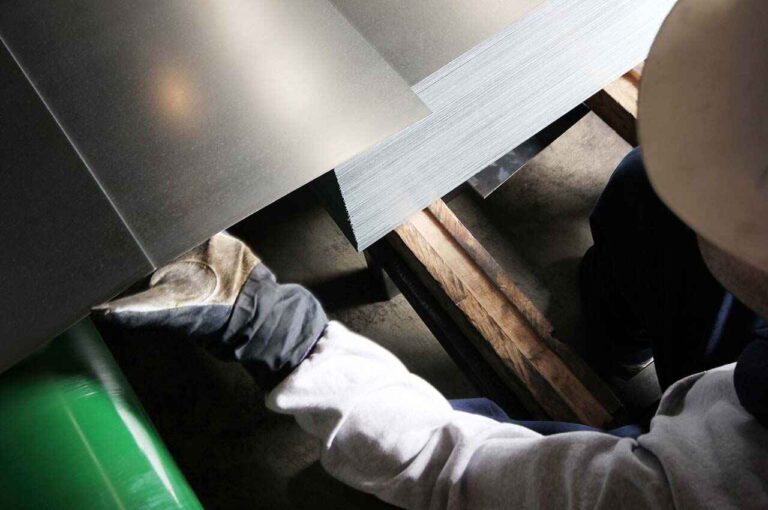
Data center infrastructure is forcing sheet metal fabricators to work faster, tighter, and cleaner. This article explains what buyers should demand from precision sheet metal cutting suppliers before AI-era rack programs expose bad tolerances, burrs, heat distortion, and rework.
Wood Panel Cutting With CO2 Laser Technology
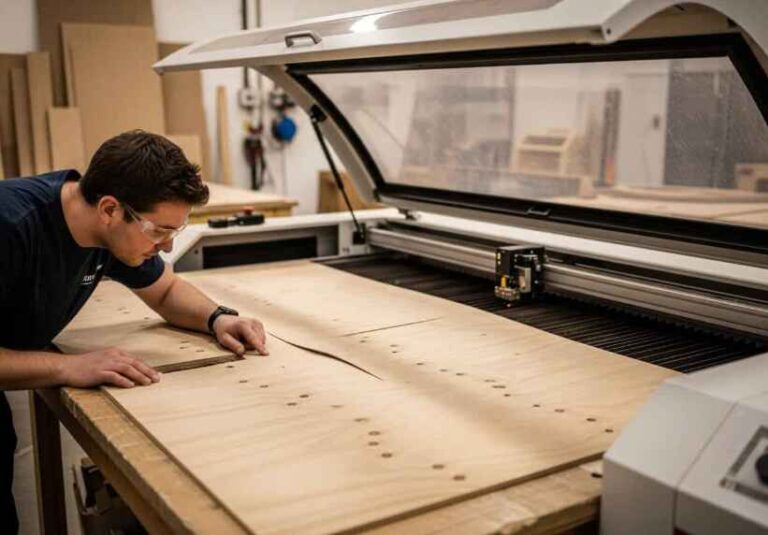
CO2 laser cutting wood looks clean from a distance. Up close, it is controlled thermal damage, smoke management, glue chemistry, airflow, beam quality, and operator discipline. This article explains what actually matters when cutting wood panels with CO2 laser technology.
How Laser Cutting Produces Polished Acrylic Edges
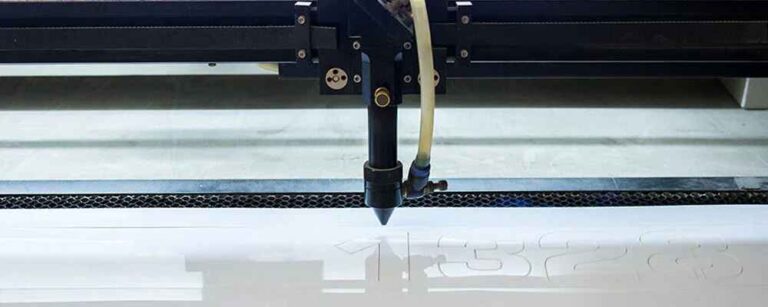
Laser cutting acrylic does not “slice” plastic. It locally melts and vaporizes PMMA, then lets the edge reflow into a glossy surface. That polished finish depends on wavelength, sheet chemistry, focus, air assist, exhaust, speed, wattage, and operator discipline.
How Fiber Laser Cutting Improves Rack Enclosure Production
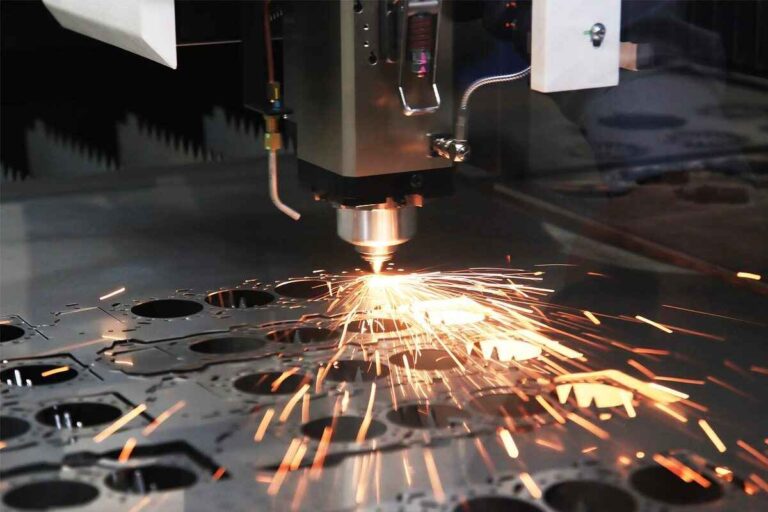
Rack enclosure production is no longer a sleepy sheet-metal job. This article explains why fiber laser cutting, when paired with disciplined CAD/CAM, nesting, assist gas control, bending logic, and inspection, can make rack panels, doors, rails, brackets, vents, and cabinet parts faster, cleaner, and less vulnerable to expensive revision churn.
Laser Cutting Acrylic for Signage Manufacturing
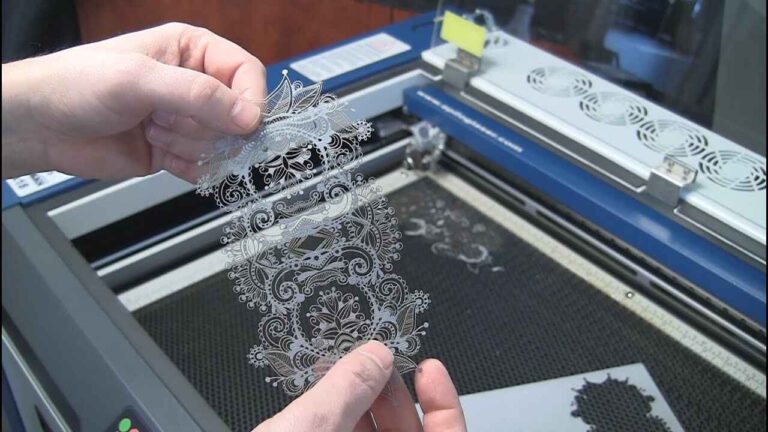
Acrylic laser cutting can produce glossy, precise, high-margin signage parts, but only when the shop treats PMMA as chemistry, not decoration. This guide breaks down acrylic sheets, CO2 lasers, fumes, tolerances, production costs, and buyer mistakes with real data and practical manufacturing judgment.
Laser Cutting Machines for Data Center Rack Manufacturing
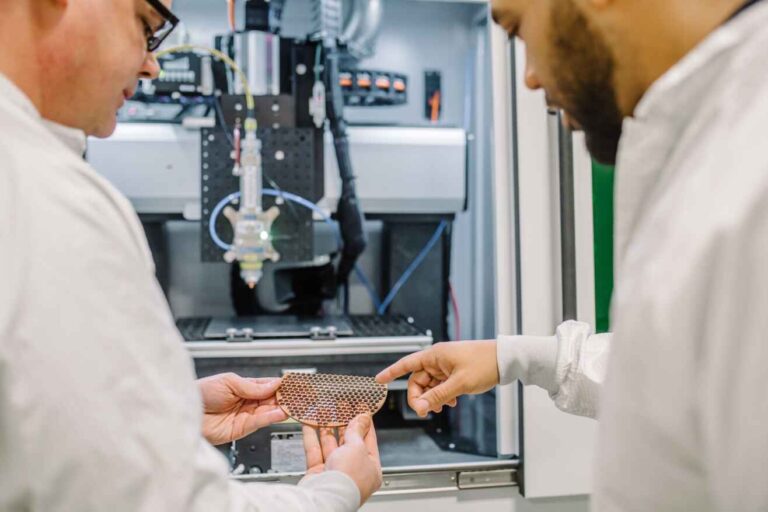
Data center rack manufacturing is no longer a sleepy sheet metal job. AI racks, liquid cooling, 72-GPU server systems, tighter airflow windows, and faster build cycles are forcing rack factories to treat laser cutting machines as production-control assets, not just metal cutters.
Best Laser Settings for Cutting Acrylic Without Burning
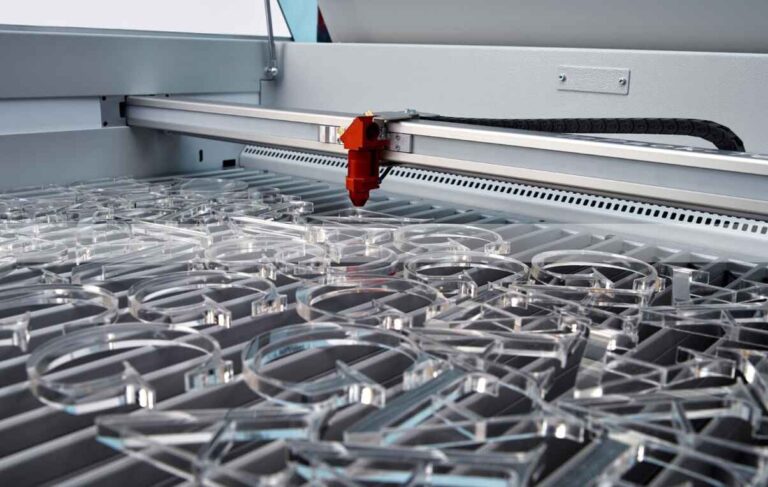
Acrylic does not burn because the universe hates you. It burns because your heat input, smoke removal, focus position, masking, and sheet chemistry are fighting each other. Here is the hard, testable way to tune laser cutting acrylic settings without guessing.
How CO2 Laser Cutting Machines Cut Acrylic Sheets
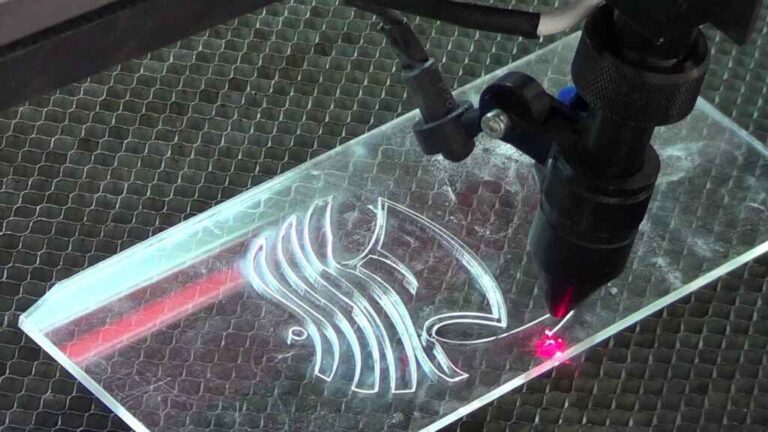
A blunt, shop-floor explanation of how CO2 laser cutting machines cut acrylic sheets, what settings matter, why PMMA behaves so well under a CO2 beam, and where operators get safety, fumes, focus, and acrylic sheet selection wrong.

Hot Click
Contact Us
Application
©Copyright [bogonglaser.com]. BOGONG Laser Machine Supplier All Rights Reserved.