
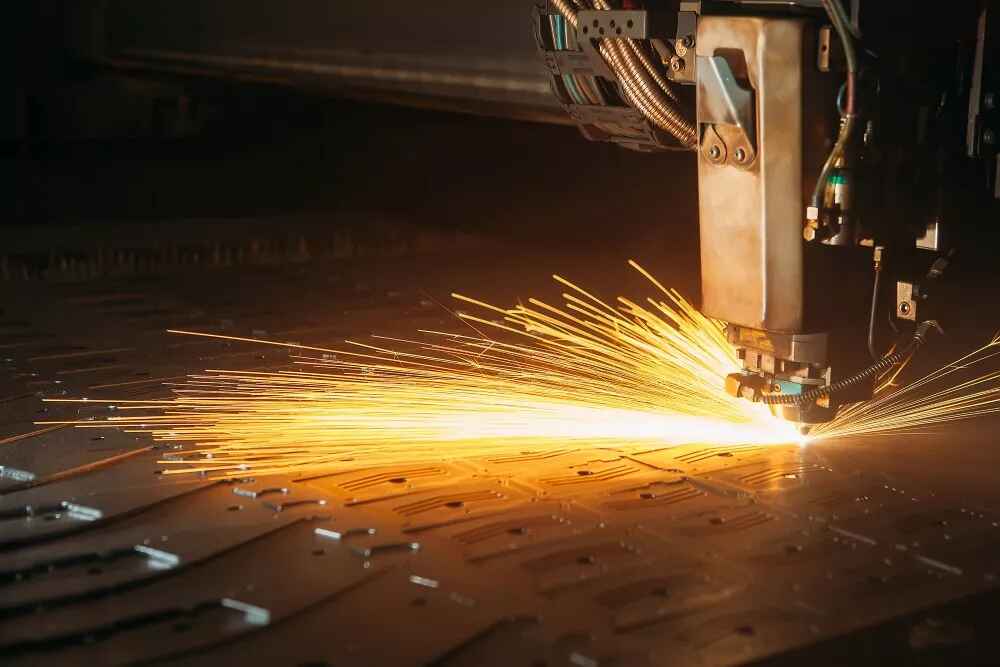
Laser Cutting Solutions for Web Server Shelf Components
Server shelf elements are no longer easy folded up metal parts. AI-density shelfs, airflow limitations, basing courses, and revision-heavy production make precision laser cutting solutions a significant production decision, not a quote-line asset.

Web Server Shelf Metalwork Is Not “Simply Enclosure Job” Anymore
Beginning with physics.
When a server rack producer requests for laser cutting services, they are not truly purchasing sliced up steel; they are getting hole-position repeatability, air flow self-control, grounding reliability, bend-cell peace of mind, and the right to alter the layout after design understands the initial illustration was too optimistic.
Why pretend otherwise?
I have actually seen purchase teams treat customized web server shelf components like furnishings brackets. That is just how they obtain shed. A 42U rack, a 48U cupboard, a PDU brace, a cable-management arm, a perforated airflow door, and a busbar guard all look boring till one slot drifts 0.4 mm, one bend line battles the rail, or one burr develops into a grounding problem. After that everyone all of a sudden remembers that “straightforward” sheet steel fabrication for server shelfs is bring thermal, electrical, and setting up danger.
The demand signal is not subtle. The U.S. Division of Energy claimed in December 2024 that information facilities consumed concerning 4.4% of total U.S. electricity in 2023 and can get to about 6.7% to 12% by 2028; Reuters reported the exact same DOE-backed research study as data-center power use potentially nearly tripling by 2028. That does not just imply more servers. It means extra thick closets, faster rack revisions, more cooling equipment, tighter air movement courses, and a lot more pressure on metal construction ability. Review the DOE 2024 information center power demand launch and the Reuters record on united state data-center power usage almost tripling by 2028 if you desire the macro factor rack steel is obtaining much less flexible.
Internationally, the stress is equally as blunt. The International Energy Agency estimated information facilities made use of regarding 415 TWh of electrical power in 2024, around 1.5% of worldwide electrical power intake, and predicted that figure might climb to concerning 945 TWh by 2030 in its base instance. Translation: web server rack manufacturing is being dragged into an energy-density race whether traditional closet stores like it or otherwise.
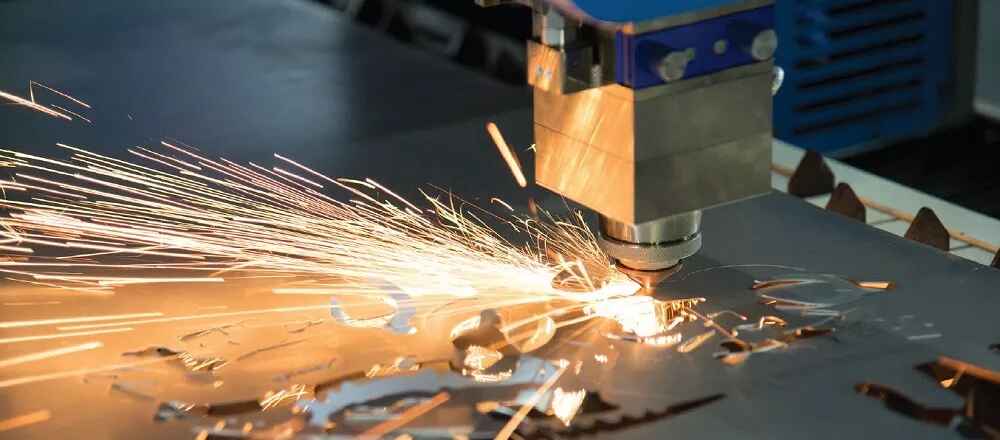
Table of Contents
Where Laser Reducing Services Really Earn Their Margin
Below is the hard reality: the most effective laser cutting option for steel rack parts is seldom the shop with the prettiest sample photo. It is the store that can duplicate the unsightly geometry on Tuesday afternoon after the material lot modifications, the nozzle has wear, and manufacturing desires the components yesterday.
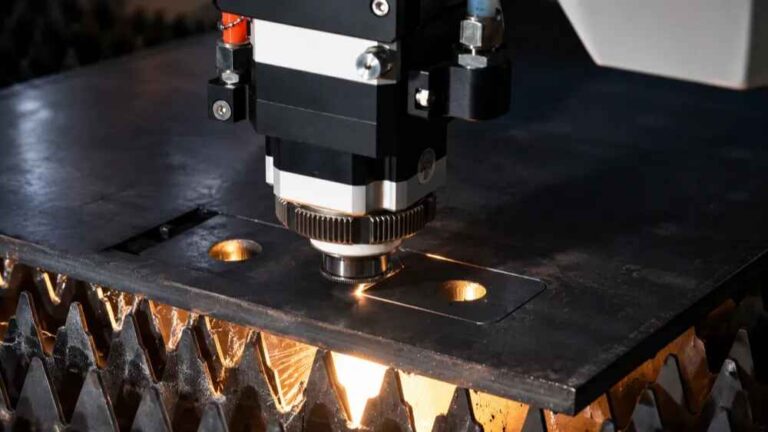
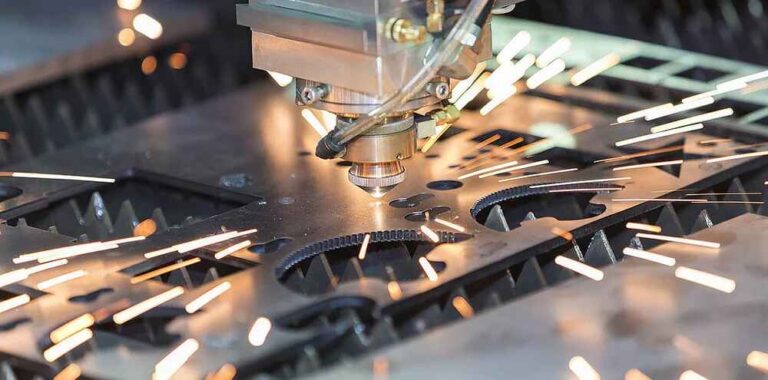
Laser cutting for server rack components makes its place since rack job contains combined SKUs: placing rails, side panels, blanking panels, air flow doors, roof covering plates, grounding tabs, corner braces, cord pass-through plates, fan-wall frames, liquid-cooling assistance equipment, and revised prototypes that sales assured before engineering froze the drawing. A strike press can still make sense for secure high-volume patterns, once revisions, dense slots, reduced tooling tolerance for hold-up, and mixed component households enter the job, fiber laser reducing begins looking less like “premium processing” and much more like survival.
For a deeper application fit, Bogong’s own overview to laser reducing makers for data facility shelf manufacturing makes the right factor: shelf production includes carbon steel, stainless steel, galvanized steel, aluminum panels, perforated doors, installing rails, side covers, cable-management parts, and frequently transforming sheet-metal SKUs. That is the actual manufacturing facility picture, not sales brochure fantasy.
But I would not quit at cutting rate. Never. Cut speed is only one line in the autopsy.
The more useful concern is this: just how to laser cut web server rack components without pushing the issue downstream? That implies matching product, assist gas, nesting, side condition, bend sequence, assessment, and traceability. Nitrogen, N ₂, normally provides cleaner stainless and aluminum edges when oxidation is an issue. Oxygen, O TWO, can help carbon steel speed and edge habits in the appropriate process home window. Compressed air may lower price on some work, but it can punish you later on if oxidation, burr, or end up quality ends up being a paint or grounding issue.
The Rack Element Failure Chain Nobody Places In the Quote
The majority of negative shelf components do not fail noisally at the laser.
They fail later, which is worse. The empty looks penalty. The bend looks appropriate. The powder layer conceals the tiny sins. After that the rack setting up group discovers the rail stack-up is off, the door air movement pattern whistles, cage nuts combat the placing openings, the basing tab has coating contamination, or a liquid-cooling bracket needs hand filing before it fits. That is not a reducing issue anymore. It is an expense issue with a cutting beginning.
I have a solid point of view right here: “custom-made” is usually made use of as camouflage for weak process control. Real accuracy laser reducing solutions need to be able to explain exactly how they manage:
Hole Placement and Slot Repeatability
Web server rack parts live and pass away by duplicated attributes. A 19-inch placing pattern, obround cable slot, follower cutout, PEM bolt hole, or rail interface can not wander even if the sheet was a little bowed. If the distributor can not discuss positional checks, set inspection, and component reasoning, they are marketing confidence instead of evidence.
Side Top Quality and Burr Technique
Low burr is not aesthetic. It affects taking care of security, covering quality, grounding contact, air flow disturbance, and assembly time. I have viewed “inexpensive” reducing turn pricey due to the fact that every bracket required touch-up prior to developing.
Warm Input and Sheet Distortion
Slim SGCC, SECC, SPCC, SUS304, and AL5052-H32 behave in a different way under warm. The illustration does not care. The product does. Thick vent selections can place warm right into the exact same area consistently, and negative sequencing can twist a panel that looked flat in CAD.
Bend-Cell Compatibility
Laser cutting and press brake work are married, whether departments admit it or not. Slot-to-bend distance, relief geometry, grain instructions, bend reduction, kerf compensation, and coating allowance should be taken into consideration before cutting. A tidy flat blank can still end up being a bad rack component.
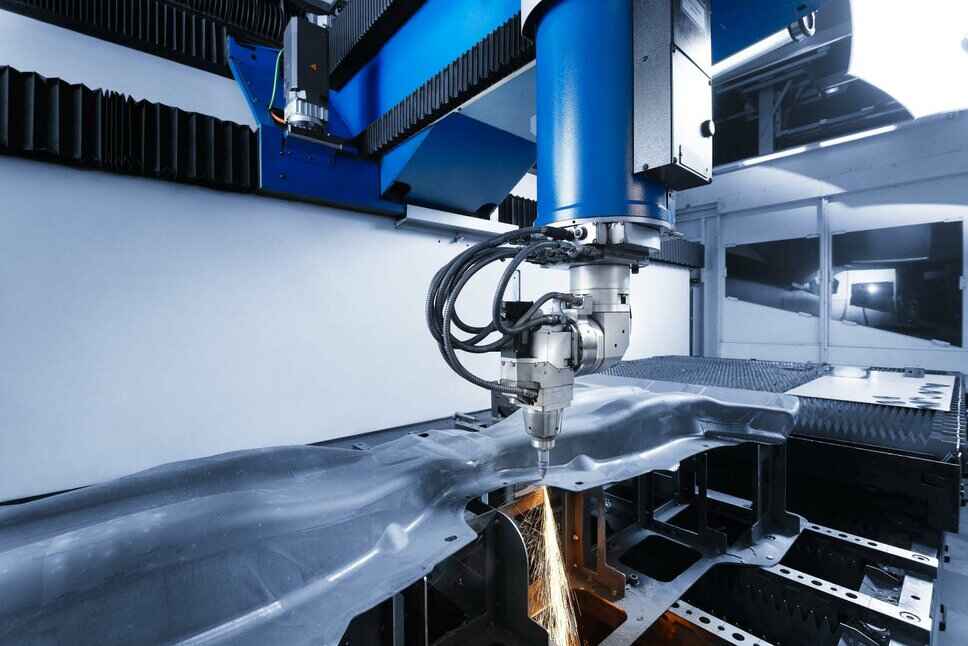
For web server chassis geometry, Bogong’s write-up on accuracy server chassis cutting works since it frameworks the chassis as thermal, electric, and architectural equipment instead of an attractive covering. That is the appropriate psychological model for information facility rack elements.
Data, Not Vibes: What Recent Research Says Regarding Shelf Geometry
A 2024 open-access paper in Case Studies in Thermal Design used a 2U shelf web server, specifically the R261-3C0 web server, to study warm transfer enhancement with CFD in Ansys Fluent and the Taguchi technique. The maximized setup produced a 10 ° C decline in overall web server temperature and a 17.11% decline in thermal variant. That is not “steel is steel.” That is geometry, air flow, and thermal performance talking back.
This matters because information facility rack elements are currently part of the cooling system. Perforated doors, fan plates, blanking panels, side covers, frustrates, cable television channels, and chassis apertures decide whether air moves as made or escapes with careless spaces. A shelf is a pressure-management tool wearing a steel costume.
NIST’s engineering statistics manual is additionally worth bringing into the shop-floor discussion. Its section on procedure and item monitoring presents approaches for surveillance and regulating procedures and signaling when corrective activities are needed. In ordinary manufacturing English: do not wait until bad parts are loaded to find your process relocated. Check out NIST’s process or product tracking and control resource.
The Practical Contrast: Punching, Laser Cutting, and Combo Handling
For stable telecommunications cupboards or old rack designs, punching can still win on device economics. I am not religious regarding lasers. I am religious about fit.
However, for modern-day server rack production, especially AI-adjacent shelfs, liquid-cooling hardware, short-run modifications, and blended information center shelf parts, laser reducing services usually offer more freedom with less tooling drag. And when the shop additionally deals with tube supports or framework participants, a plate-and-tube operations can reduce the handoff mistakes that quietly damage timetables. Bogong’s all-in-one fiber laser metal cutting machine for tube and sheet fits that mixed-part reasoning.
| Manufacturing Path | Finest Fit | Weak Point | What I Would Ask Prior To Purchasing |
|---|---|---|---|
| CNC boxing | Steady, high-volume hole patterns; mature rack styles | Tooling cost, slower modification response, limitations on intricate accounts | Exactly how quick can you change air vent geometry without new tooling? |
| Fiber laser cutting | Blended SKUs, revised panels, braces, doors, rails, air flow parts | Refine control still matters; bad nesting and gas control can destroy components | Can you reveal batch repeatability, burr limitations, and inspection records? |
| Plate-and-tube laser reducing | Rack structures, support tubes, sheet panels in one manufacturing family members | Calls for more powerful programs and taking care of self-control | Just how do you manage datum transfer between sheet and tube components? |
| Outsourced low-cost cutting | Straightforward blanks with low setting up threat | Covert rework, weak traceability, slow engineering responses | That has the issue when the bend cell discovers it? |
What to Specify Before Ordering Customized Web Server Rack Components
Do not send a DXF and hope.
That is procurement cinema. A serious RFQ for laser cutting for web server rack parts need to define product quality, density, finish, grain instructions where relevant, finishing allocation, burr limit, monotony assumption, information system, examination approach, alteration control, product packaging approach, and whether the provider is in charge of downstream developing or only flat cutting.
I would certainly include these details in the RFQ:
Material and Density
Call out SPCC, SECC, SGCC, SUS304, SUS316 where needed, AL5052-H32 or AL6061 where aluminum habits matters, and exact density: 0.8 mm, 1.0 mm, 1.2 mm, 1.5 mm, 2.0 mm, 3.0 mm. Do not let the supplier hunch.
Practical Attributes
Determine mounting openings, basing tabs, air movement slots, EMI-sensitive user interfaces, fan apertures, pivot openings, lock zones, and bend-critical slots. Every function is not equal.
Complete and Edge Condition
Powder covering, zinc finish, passivation, conductive grounding areas, and revealed solution edges all alter exactly how the cut side need to be judged. “Deburr if needed” is not a quality strategy.
Traceability
For higher-value web server hardware, I like component marking. A laser-cut part with a QR code or serial mark has a memory. That assists in alteration control, area service, and set examination. For that operations, an inner procedure link to a 30W fiber laser marking machine makes sense next to reducing and creating, specifically for metal serialization.
Device Capability
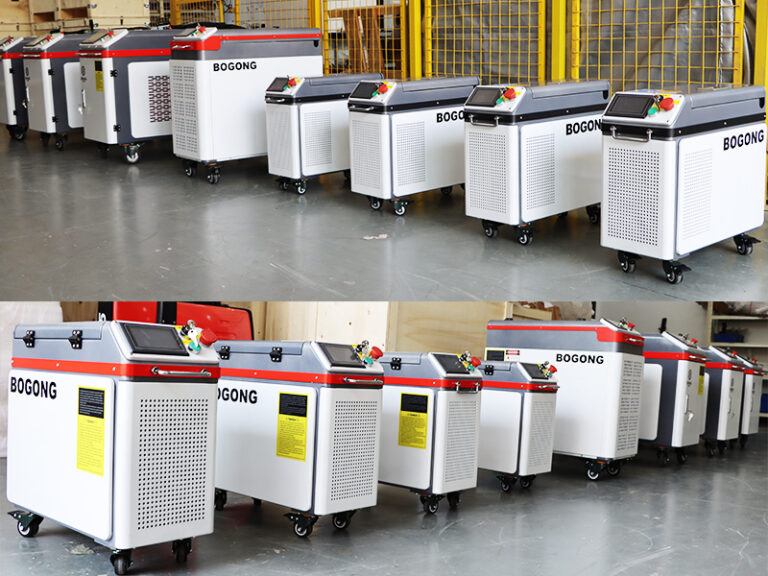
Bogong’s fiber laser reducing maker web page notes the BGC3015 with 1000W, 1500W, 2000W, 3000W, and 6000W options, plus placing precision of ≤ ± 0.03 mm and repeatability of ≤ ± 0.02 mm. Those are eye-catching numbers, yet I still want production proof: very same material, very same density, same feature density, same batch size, exact same evaluation approach. Specs are a start, not a judgment.
The Customer’s Filter for Precision Laser Cutting Services
I would utilize a brutal filter.
Not since distributors are all deceitful. Lots of are not. But the shelf organization punishes unclear language. If a supplier says “high precision,” ask how they measure it. If they state “quick shipment,” ask what occurs after an engineering change. If they say “no burr,” ask which product, which thickness, which assist gas, and after how many meters of nozzle wear.
The very best distributor for sheet steel construction for server racks should answer like a process designer, not a salesperson.
Ask these concerns:
What is your regular kerf compensation approach for thick vent areas?
How do you avoid distortion across huge perforated rack doors?
Can you hold opening setting across 500 panels, not just 5 samples?
What burr elevation is acceptable before second finishing?
How do you take care of basing locations after powder layer?
Can you support modification A, B, C, and D without mixing parts?
What assessment report will I get with the shipment?
That last question matters. Documents is not beauty. It is defense.
For viewers contrasting shelf and framework methods, Bogong’s write-up on why laser cutting is ideal for server shelf and framework manufacturing is a natural follow-up because it describes where laser cutting saves the task, not merely the part cost.
FAQs
What are laser reducing solutions for web server shelf parts?
Laser reducing solutions for server shelf parts are commercial sheet metal reducing services that use a CNC-controlled laser light beam to generate panels, rails, braces, doors, trays, vents, covers, and chassis parts with accurate profiles, repeatable openings, clean sides, and fast alteration capability for information facility rack manufacturing. The solution is important due to the fact that rack components frequently combine structure, air movement, grounding, and assembly placement in one sheet steel part.
Why is laser cutting much better for custom server rack parts than punching?
Laser cutting is usually much better for personalized server rack components due to the fact that it gets rid of the need for specialized strike tooling, handles modified opening patterns and complex air flow ports promptly, and supports mixed sheet steel SKUs without long configuration delays. Punching can still be economical for stable high-volume parts, yet laser cutting normally wins when shelf develops adjustment frequently or attribute geometry is complex.
How to laser cut web server shelf elements without triggering setting up issues?
To laser cut server shelf components without triggering assembly troubles, the supplier has to manage material flatness, kerf settlement, help gas, nesting order, warm input, burr elevation, bend relief, information referrals, and examination records prior to parts transfer to forming, covering, or final shelf setting up. The greatest shops deal with laser cutting as one action in a regulated fabrication chain, not an isolated reducing occasion.
What materials are common in sheet steel manufacture for web server racks?
Common products in sheet metal construction for web server racks include cold-rolled steel, galvanized steel, stainless steel, light weight aluminum sheet, zinc-coated sheet, and often copper or brass for electrical shielding or busbar-related elements. Exact options rely on stamina, basing actions, rust resistance, weight, layer requirements, thermal direct exposure, and whether the part is structural, cosmetic, or electrically useful.
What is the best laser reducing remedy for steel shelf parts?
The best laser cutting solution for steel rack parts is a regulated fiber laser cutting workflow that matches product quality, thickness, function density, aid gas, burr control, evaluation, creating sequence, and modification administration to the real rack design. The machine issues, yet the procedure matters more because server shelf parts fail via collected little mistakes.
Your Next Step: Stop Buying Shelf Components Like Product Metal
Do not ask only, “What is the rate per part?”
Request example components from the worst geometry. Request for assessment information. Ask just how the supplier manages dense air vent areas, basing tabs, powder-coated sides, tube-and-sheet assemblies, and alteration control. Send out the supplier a real drawing, not a streamlined one. After that enjoy what they ask back.
If you are building or sourcing data center rack elements, start with a significant evaluation of your cut documents, material stack, tolerance threats, and setting up failing history. After that get in touch with Bogong Laser with the Bogong Laser contact web page with your rack panel, bracket, rail, framework, or plate-and-tube demands and request a process-based suggestion– not just a device quote.


Hot Click
Contact Us
Application
©Copyright [bogonglaser.com]. BOGONG Laser Machine Supplier All Rights Reserved.