

Category Laser Cutting Machine for Application Blog
Automated Laser Cutting Lines for Server Hardware Production
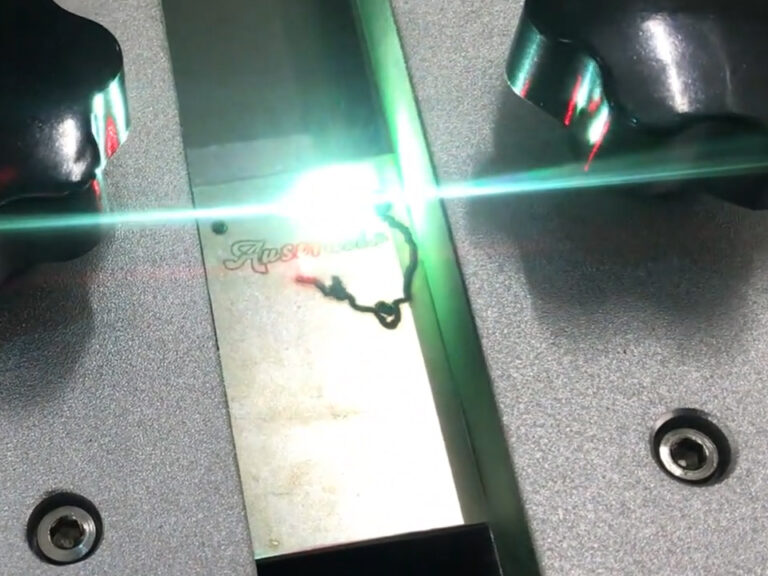
AI server demand is not just lifting server brands. It is rewriting sheet metal economics. This article breaks down how automated laser cutting lines change throughput, scrap, traceability, cooling-feature complexity, and capex decisions for server hardware production.
How Manufacturers Improve Server Chassis Accuracy With Laser Cutting
Server chassis accuracy is not won by buying a bigger laser. It is won in the boring places: focus calibration, gas control, sheet stability, nesting logic, hole strategy, and inspection discipline. Here’s where the real gains come from, and where too many factories still fool themselves.
Laser Cutting Thin Sheet Metal for Server Enclosures
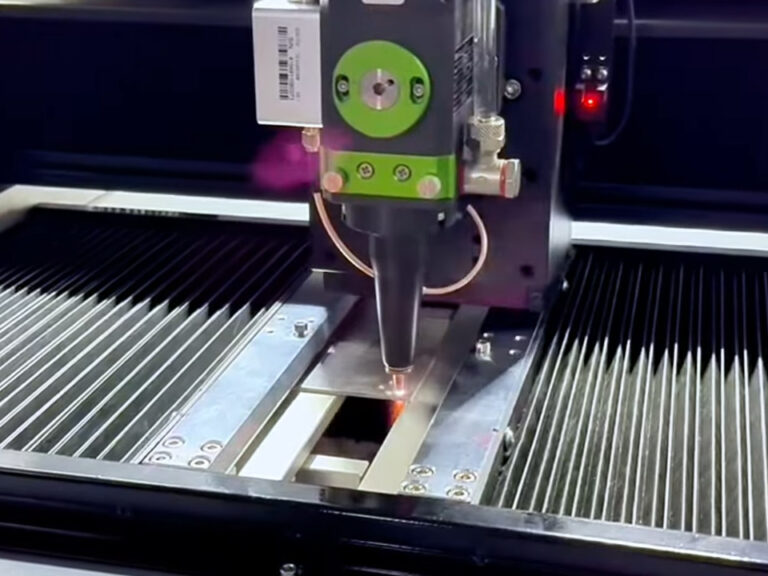
Thin sheet metal laser cutting for server enclosures looks simple on paper. It isn’t. This piece breaks down the ugly tradeoffs between speed, edge quality, warp control, material choice, and secondary operations, with current data tied to the AI server boom.
Why Laser Cutting Is Ideal for Server Rack and Chassis Production
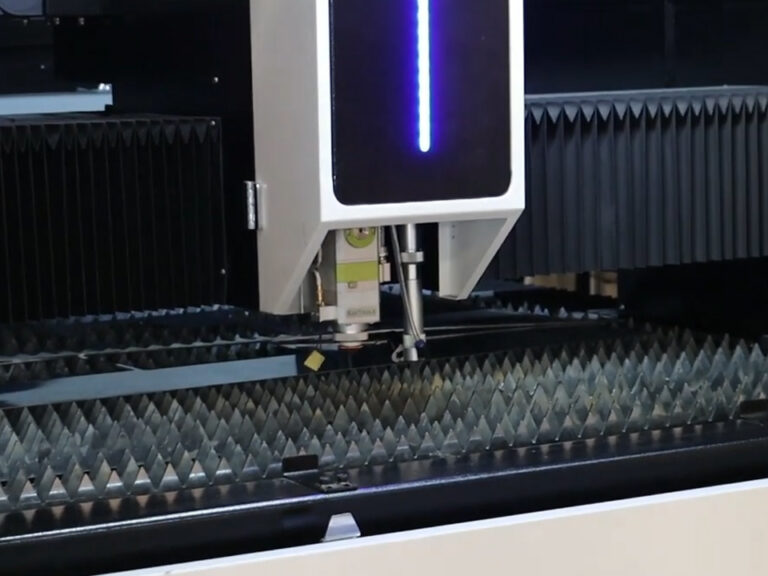
Laser cutting is not “better” because it sounds modern. It wins in server rack and chassis production because the business is now ruled by iteration speed, vent geometry, thermal constraints, and shorter product cycles. When rack density rises and AI-server demand jumps, fabricators that still think like 2016 stamping shops start losing time first, then margin, then the job.
Best Laser Cutting Solutions for Data Center Hardware Manufacturing
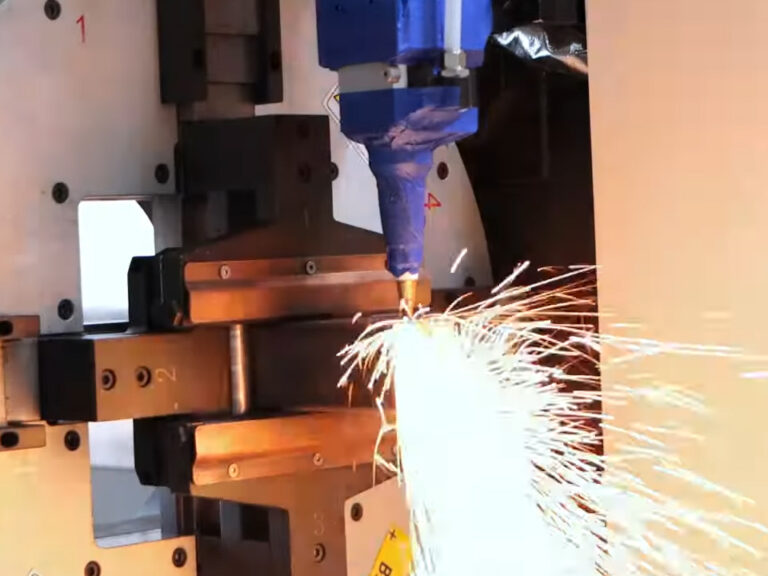
Data center hardware manufacturing is no longer a sleepy enclosure business. AI server demand, rising rack density, and brutal throughput pressure are forcing manufacturers to treat laser cutting as a process discipline, not a machine purchase. I think too many buyers still shop by wattage alone. That is a mistake.
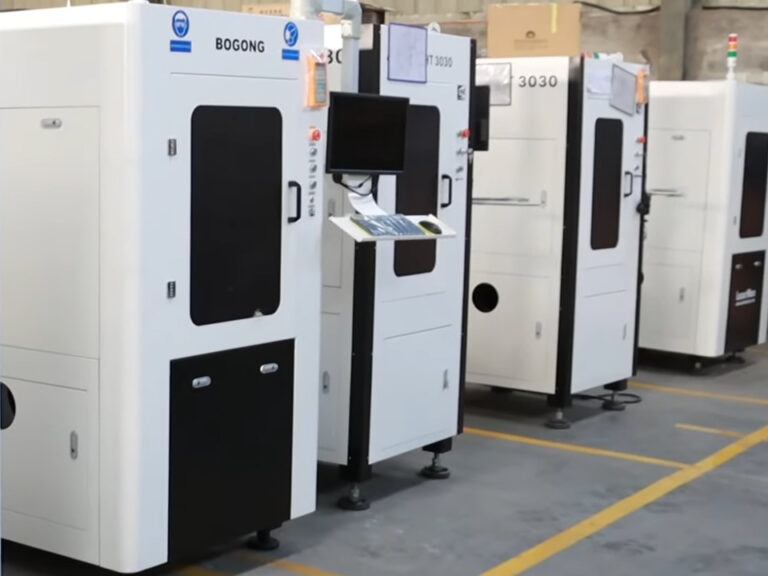
How Fiber Laser Cutting Machines Produce Precision Server Chassis
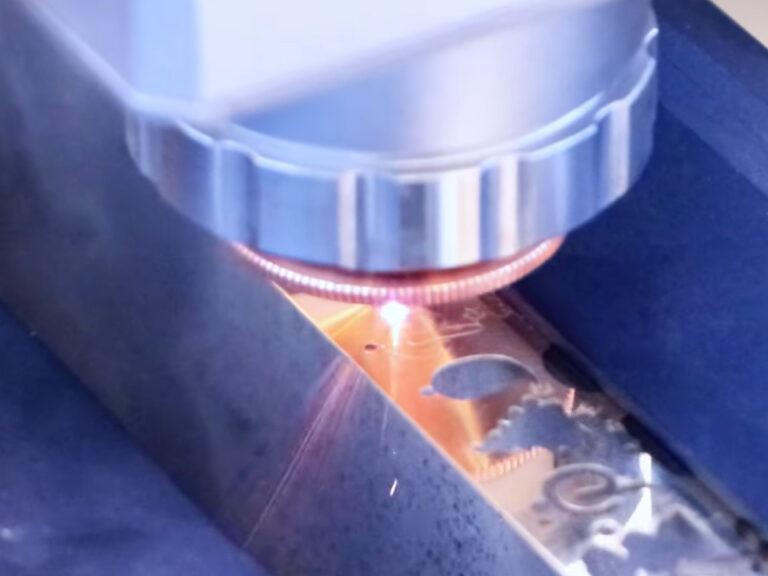
Most server chassis failures do not begin at final assembly. They begin earlier, in warped blanks, lazy nesting, bad assist-gas settings, sloppy burr control, and vent patterns that look fine in CAD but sabotage airflow in the rack. This piece explains what separates real precision server chassis cutting from brochure talk.
Industrial Advantages of Laser Metal Cutting Machines
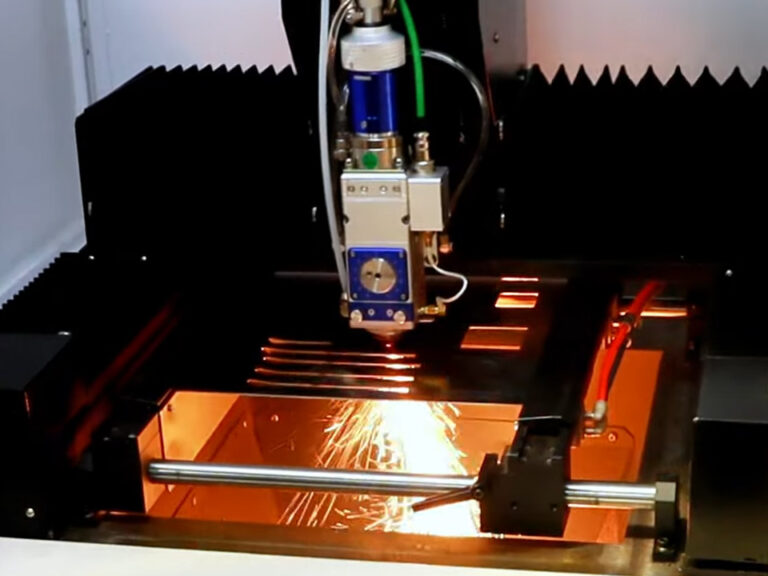
Laser metal cutting machines sell on speed and precision. That’s the easy part. The harder truth is that their real industrial value shows up in labor compression, digital repeatability, scrap visibility, and how well they plug into automation. This piece breaks down where they truly win, where they disappoint, and what skeptical buyers should check before signing anything.
How Laser Cutting Reduces Waste in Metal Processing
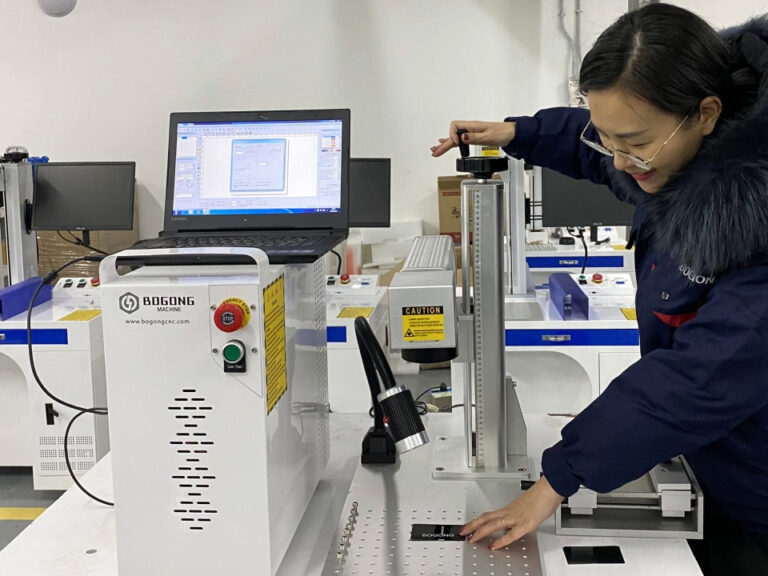
Laser cutting does reduce waste in metal processing, but not by magic. It does it through tighter nesting, narrower kerf widths, fewer tooling constraints, and better repeatability. The real savings show up when shops stop treating the laser as a fast knife and start running it as a data-driven yield system.
Metal Fabrication Efficiency With Fiber Laser Technology
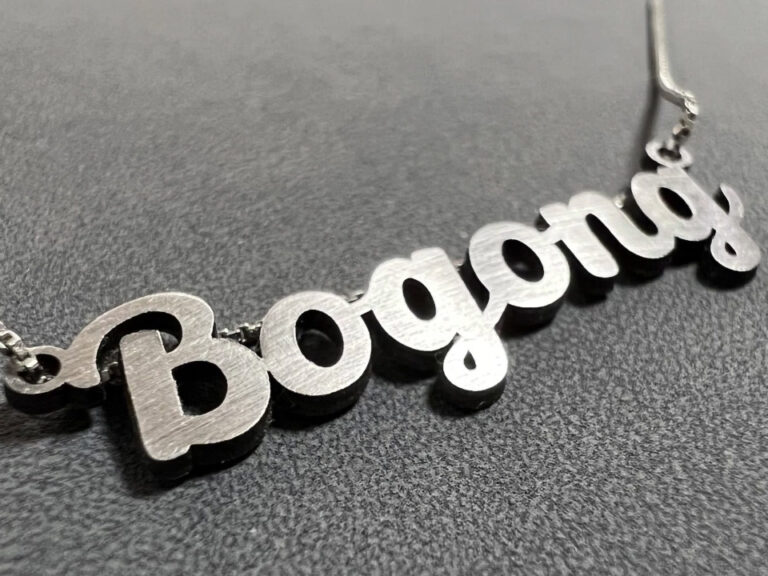
Fiber laser cutting is not magic. It is, however, one of the few factory investments that can tighten tolerances, reduce energy waste, and lift throughput at the same time—if the shop understands material thickness, assist gas costs, nesting discipline, and downstream bottlenecks.
What Thickness Can Fiber Laser Machines Cut in Production
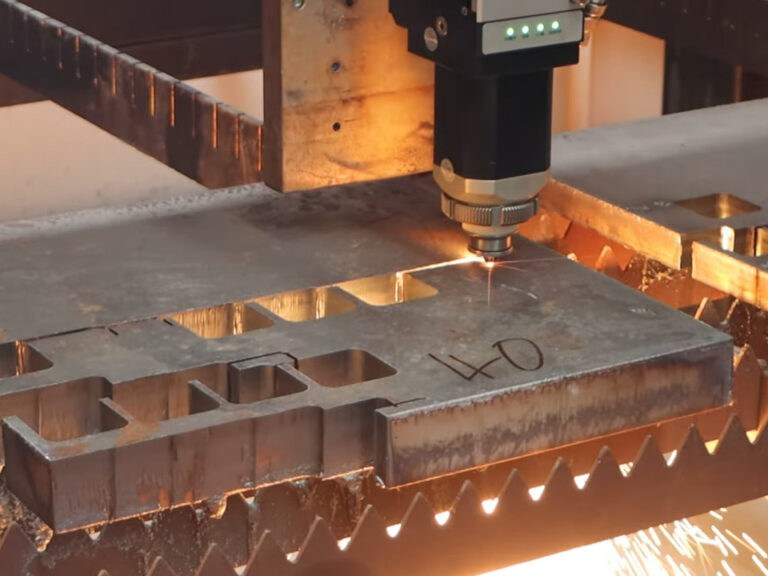
It depends. That sounds annoyingly vague, I know, but that’s still the only honest place to start, because the industry keeps selling one magic thickness number as if it tells the whole story, when in the real world that number…

Hot Click
Contact Us
Application
©Copyright [bogonglaser.com]. BOGONG Laser Machine Supplier All Rights Reserved.