
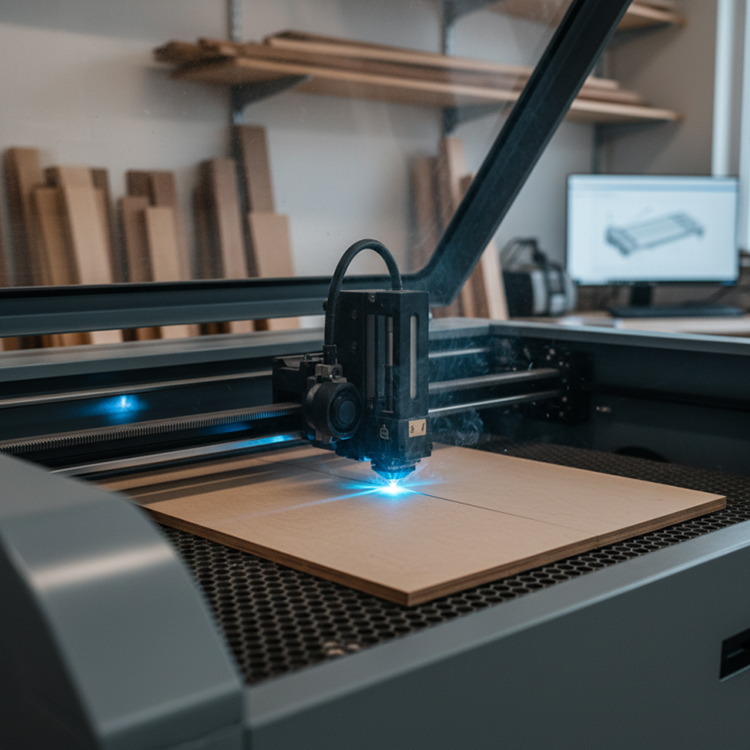
Best Timber Kind for Carbon Dioxide Laser Reducing Makers
Not every "laser wood" deserves to be near a CO2 laser cutter. This overview ranks the best timber kinds for CO2 laser reducing makers, clarifies why basswood and birch plywood dominate, why MDF laser cutting can quietly penalize your exhaust system, and how experts select material before chasing electrical power.

The Dirty Fact Regarding “Laser-Safe Timber”
Wood tells fact.
If a sheet warps, smokes like an economical barbecue, conceals glue pockets, throws black material onto the lens, or reduces flawlessly for the first 300 mm and then instantly develops into a brown crater, the trouble is generally not the laser tube, not the operator, and not the software program– it is the product pretending to be much better than it is.
So what is the very best timber for laser cutting?
My solution is candid: the most effective timber for carbon dioxide laser cutting is low-resin, dry, uniform-density wood with foreseeable adhesive chemistry, which typically implies laser-grade birch plywood for structural components, basswood for clean craft reducing and etching, and accredited MDF just when side smoothness matters more than fumes and purification cost.
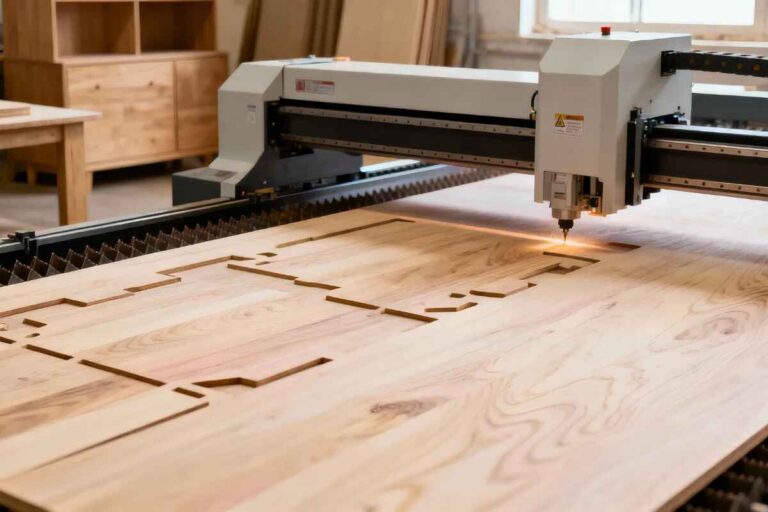
A carbon dioxide laser is not a saw. It is controlled thermal devastation. The 10.6 µm light beam heats up cellulose, lignin, glue, dampness, and extractives until the cut line evaporates, chars, or fractures. That is why a proper CO2 laser cutting device should be evaluated along with worldly quality, air assist, focus stability, exhaust layout, and genuine example screening– not simply electrical power.
The wood market likes clean material names. Birch. Basswood. MDF. Plywood. Beech. Poplar. However in laser cutting, those tags are just the cover tale. The real tale is density variation, dampness portion, material material, veneer gaps, glue formulation, panel accreditation, and whether the supplier recognizes the difference in between “craft plywood” and “laser plywood.”
According to the USDA Wood Handbook, wood is a design material with broad variant in physical buildings, dampness actions, mechanical residential or commercial properties, adhesives, wood-based composites, drying out, finishing, and fire behavior– not a single predictable asset. That matters in laser job since every variation ends up being warm variant inside the kerf.
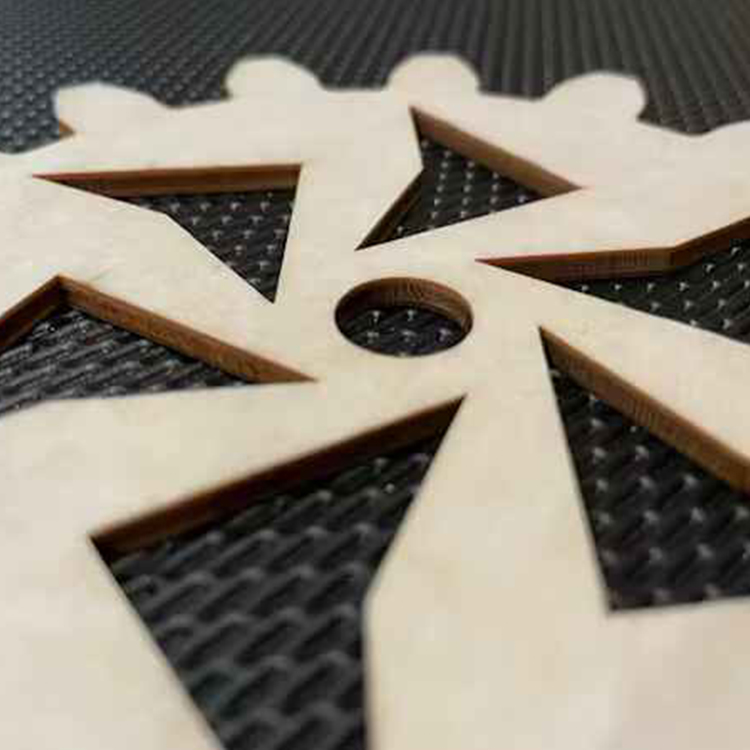
Table of Contents
Ideal Wood for Laser Cutting: My Shortlist, Ranked Like a Customer Would Certainly Ranking It
If I were purchasing material for repeatable CO2 laser cutter wood production, I would not ask, “Can this wood cut?” Practically whatever organic can be melted by an effective adequate CO2 beam. The better inquiry is: Can this wood cut easily, repeatedly, securely, and successfully?
Right here is the functional ranking.
| Wood Type | Best Usage | Regular Carbon Dioxide Laser Behavior | Edge High quality | Fume/ Resin Danger | My Decision |
|---|---|---|---|---|---|
| Basswood | Crafts, models, accessories, etching panels | Cuts quickly due to the fact that it is light and soft | Pale to brown, normally tidy | Reduced to moderate | Best beginner-friendly solid wood |
| Baltic birch/ laser birch plywood | Signs, boxes, components, prototypes, structural craft parts | Solid, stable, repeatable if laser-grade | Tool brownish, crisp if glue is best | Modest as a result of glue layers | Best plywood for laser reducing |
| Poplar plywood | Spending plan signs, product packaging mockups, light-weight components | Cuts easier than thick birch yet can vary | Brown, occasionally blurry | Modest | Good if distributor high quality is steady |
| Alder | Premium inscription, plaques, top quality products | Inscribes wonderfully, cuts reasonably | Cozy brown, attractive | Low to modest | Best for engraving-led products |
| Maple | Long lasting tags, costs panels, detailed engraving | Thick; demands slower rate or greater power | Darker side, sharper information | Moderate | Great however much less forgiving |
| Cherry | Attractive inscription, premium gifts | Attractive comparison, even more shade change | Rich dark edge | Moderate | Excellent aesthetically, slower to reduce |
| MDF | Jigs, layouts, smooth-edge components, low-cost production | Cuts continually but smokes heavily | Uniform dark edge | High as a result of binder and great particulates | Useful, but never ever casual |
| Exterior plywood | Nearly never ever | Glue lines fight the light beam | Unclean, inconsistent | High | Stay clear of unless examined hard |
| Oily/resinous woods | Uncommon specialty use | Can flare, char, and tarnish optics | Unstable | High | Normally a bad wager |
Basswood for Laser Reducing: The Honest Beginner Wood
Basswood is the timber I would hand to a new CO2 laser driver that needs early success without damaging self-confidence. It is light, relatively soft, generally fade, and often tends to inscribe with understandable comparison instead of significant burn marks.
That sounds basic. It is not.
The reason basswood for laser cutting works so well is its mix of reduced thickness, fine structure, and low material dramatization. In a 60W– 100W carbon dioxide laser cutter, slim basswood sheets in the 1.5 mm to 6 mm array can generally be dialed in with much less smoke staining than several woods. It is superb for building versions, ornaments, craft sets, college tasks, packaging models, and lightweight decorative panels.
However basswood has a problem: it is not strong. If your consumer anticipates snap-fit box joints, load-bearing tabs, or parts that survive delivery misuse, basswood can really feel also soft. I have no persistence for suppliers that sell basswood as an universal solution. It is not. It is a clean-cutting material, not an architectural miracle.
Use basswood when visual cleanliness, low reducing resistance, and easy inscription issue more than tightness.
Birch Plywood: The Production Preferred With a Bad Supplier Problem
Laser reducing plywood is where amateurs and specialists split.
The amateur asks, “Is this birch?” The specialist asks, “Is it laser-grade birch plywood, what glue is used, are there gaps, what is the core varieties, what is the moisture material, and can I see the conformity label?”
Birch plywood is often the very best wood for laser cutting when the job requires monotony, stamina, and dimensional stability. A great sheet offers you consistent kerf width, trustworthy tab toughness, and much less snapping than soft craft woods. For boxes, trays, signage, components, present stands, packaging prototypes, and setting up jigs, birch plywood gains its popularity.
Yet plywood exists.
The outer face can look excellent while the core conceals patches, mineral streaks, adhesive pockets, and spaces. Those problems end up being abrupt flame marks, insufficient cuts, broader kerfs, and black scars. If one area cuts at 18 mm/s and another refuses at 12 mm/s, do not blame the machine initially. Condemn the sheet.
For repeat jobs, make use of accredited, laser-grade birch plywood. If you are sourcing panels for an assembly line, pair the product test with a machine appointment from a wood-focused provider such as Bogong’s laser cutting machine for wood page, because the material-machine match is where throughput is won or lost.
Poplar Plywood: Cheap, Rapid, and Sometimes Treacherous
Poplar plywood is the low-pressure relative of birch plywood. It is lighter, often less complicated to reduce, and more affordable in numerous markets. For packaging mockups, temporary display screens, institution tasks, lightweight signs, and short-life decorative products, poplar can be the right relocation.
The issue is consistency. Poplar plywood top quality swings hard by mill, adhesive type, veneer grade, and storage problem. One batch behaves perfectly. The next batch has soft pockets, deformed sheets, and smoky adhesive lines.
I like poplar plywood when the buyer regulates the supplier. I dislike it when the purchaser is grabbing arbitrary sheets from a storehouse and wishing the laser will forgive them. Lasers do not forgive. They document your sourcing mistakes in brownish lines.
Alder, Maple, and Cherry: Better for Inscription Than Fast Cutting
If your real product is a costs engraved surface, not a low-cost cut profile, alder should have interest. It etches with cozy comparison, approves detail, and often tends to look expensive without requiring aggressive post-processing. For plaques, wooden gift boxes, branded product packaging, and ornamental panels, the ideal laser inscribing equipment for wood can turn alder right into a high-margin material.
Maple is harder and denser. It provides crisp detail, however it penalizes careless setups. You may require slower feed prices, more air assist, and much more cleansing. Cherry is similar in that it can look attractive, particularly after finishing, yet it dims promptly and can reveal shed halos.
Right here is the difficult reality: hardwoods are often sold as premium, but costs does not mean simple. In laser cutting, density is a bill. The maker pays it in slower speed, darker side, and more warm build-up.
MDF Laser Reducing: Useful Material, Dirty Service
MDF laser cutting is not wicked. It is simply not innocent.
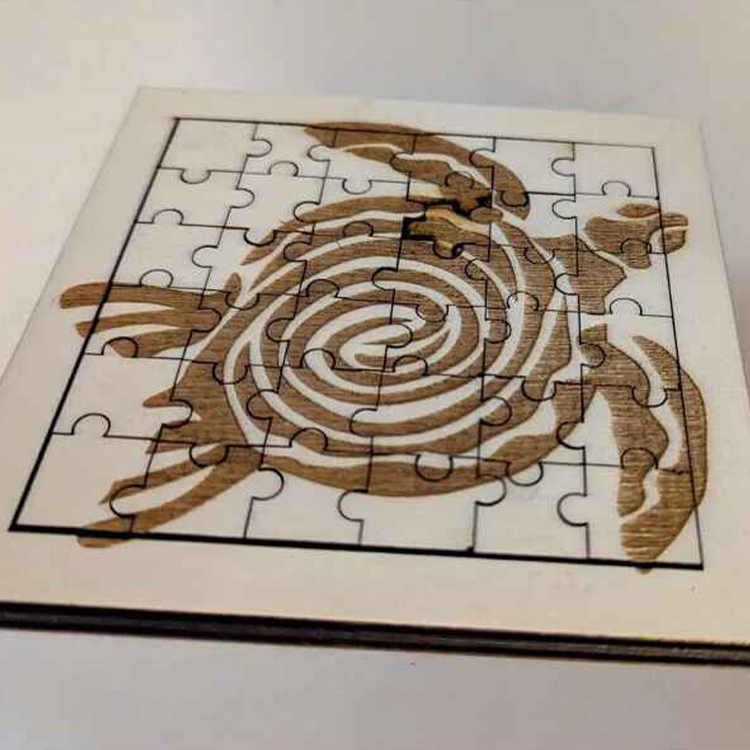
Medium-density fiberboard cuts with an uniform side because it is engineered to be uniform. That makes it appealing for templates, jigs, repainted parts, challenges, models, and inexpensive attractive products. MDF does not have knots. It does not have grain instructions similarly strong timber does. It behaves predictably under the beam.
And then the fumes get here.
MDF is timber fiber plus material binder. When you laser it, you are not just heating wood. You are warming a composite panel. The U.S. EPA’s Formaldehyde Emission Requirements for Composite Timber Products cover wood plywood, MDF, particleboard, and ended up goods containing those items; after March 22, 2019, controlled composite wood items manufactured or imported right into the U.S. must be identified TSCA Title VI certified.
That does not indicate “safe to inhale when lasered.” It implies the panel satisfies formaldehyde emissions guidelines under specified governing problems. Different question. Various risk.
A 2023 study in Electronic Letters on Science and Design evaluated birch plywood, beech wood, MDF, and chipboard under a 150W carbon dioxide laser for 5 minutes each and monitored gases with MQ135 air-quality sensing and IoT logging; the researchers were not researching advertising and marketing copy, they were tracking what happens when common wood materials are actually cut.
So of course, MDF cuts. But if your store runs MDF all the time without major removal, purification, lens upkeep, and driver technique, you are not “optimizing production.” You are developing an upkeep and exposure issue.
Glue, Wetness, and Smoke: The Three Silent Saboteurs
The best timber for carbon dioxide laser cutting is seldom selected by species alone. It is picked by what the species brings right into the light beam path.
Glue Lines Make A Decision Whether Plywood Behaves
The most effective plywood for laser cutting usages predictable, laser-friendly adhesive. The worst plywood makes use of secret glue that behaves like asphalt under heat.
If you get plywood for laser job, request paperwork. TSCA Title VI. Carbohydrate Phase 2. NAF. ULEF. Vendor set information. Moisture array. Core species. If the seller shrugs, walk away.
The The Golden State Air Resources Board’s January 2024 contrast of carbohydrate ATCM and United State EPA TSCA Title VI demands demonstrates how securely composite timber conformity is connected to hardwood plywood, particleboard, MDF, labeling, third-party accreditation, and recordkeeping. Simply put, the glue-and-panel documents is not ornamental bureaucracy; it becomes part of liable sourcing.
Wetness Transforms Tidy Cuts Into Charred Arrangements
Wet wood swipes energy. The laser invests power boiling moisture as opposed to cutting fiber cleanly. The outcome is larger kerf, residue, inconsistent penetration, and more side staining.
For useful carbon dioxide laser cutter wood job, I favor material saved level in a regulated atmosphere, not sheets drew from a wet corner. Even an excellent maker can not make wet plywood behave like completely dry plywood.
Material Is the Flare-Up Tax
Oily and resinous woods can flare, smoke heavily, and leave residue on optics. Pine can be alluring due to the fact that it is economical and offered, yet material pockets are irritating under a CO2 beam of light. Cedar, some exotic woods, and oily exotics can smell remarkable and cut unexpectedly.
Do not think romantically exotic timber. The laser does not respect the tale. It cares about chemistry.
What the Safety Information Says, and Why It Ought To Change Your Buying
I am doubtful of any type of timber laser cutting guide that talks only regarding edge color and overlooks the air.
OSHA’s woodworking health and wellness support lists nuisance dirt limitations of 15 mg/m two complete dirt and 5 mg/m ³ respirable fraction as 8-hour time-weighted standards, while NIOSH recommends 1 mg/m four complete dirt; OSHA additionally notes that wood types such as oak, mahogany, beech, walnut, birch, elm, and ash have been reported to cause nasal cancer cells in woodworkers when exposures are high.
Laser cutting is not sanding, however it still produces airborne impurities, smoke, particulates, and deposits. If your store smells like burnt glue for hours, your exhaust style belongs to the post currently.
NC State University of Style’s 2024 laser cutter setups page listings energetic Manager carbon dioxide laser systems including an EMPLOYER LS-2440 at 155W and a MANAGER LS-1630 at 105W, which serves due to the fact that it shows genuine institutional shops still believe in regards to machine design, power level, location, and material-specific setups– not vague “one-click” myths.
The industry’s awkward lesson: specialist laser cutting is an air flow business with a reducing head connected.
The Driver’s Matrix: Suit the Timber to the Task
Use this matrix before asking for rate and power.
| Application | Best Wood Kind | Why It Works | Avoid |
|---|---|---|---|
| Architectural versions | Basswood, poplar plywood | Easy reducing, reduced weight, light side | Dense hardwood, outside plywood |
| Laser-cut boxes | Birch plywood | Toughness, flatness, tab sturdiness | Cheap void-filled plywood |
| Repainted indicators | MDF, poplar plywood | Smooth surface area, low material price | Oily woods |
| Premium engraved gifts | Alder, cherry, maple | Strong visual contrast, high perceived value | MDF if the side is subjected |
| Manufacturing layouts | MDF | Consistent density and predictable cut course | Distorted plywood |
| Jewelry cards/ ornaments | Basswood, slim birch plywood | Fine detail, clean geometry | Resinous ache |
| Furniture inlays | Maple, cherry, birch plywood | Information and security | Soft basswood for wear surface areas |
| Combined acrylic and wood jobs | Birch plywood plus acrylic | Good signs mix | Unidentified plastics |
If your service cuts both wood and acrylic, maintain separate material profiles and cleaning up regimens. Acrylic vapor residue and timber smoke do not age optics kindly. Bogong’s laser cutting device for acrylic web page is a helpful buddy for stores that change between acrylic signs and laser reducing plywood, due to the fact that the job might occur on comparable carbon dioxide tools yet the product actions is extremely various.
Equipment Power: Quit Worshipping Power Level
A lot more watts do not automatically mean far better timber cutting.
A 180W carbon dioxide tube can cut thicker material, but it can also overburn slim basswood, broaden the kerf, and minimize fine engraving control if the optics and motion settings are careless. A clean 80W or 100W system with stable emphasis, proper lens option, appropriate air help, and great exhaust might outperform a badly tuned high-power device on 3 mm birch plywood.
For the majority of timber types for laser cutting:
| Material Thickness | Practical Carbon Dioxide Power Range | Notes |
|---|---|---|
| 1.5– 3 mm basswood | 40W– 80W | Quick cutting, easy inscription |
| 3– 6 mm birch plywood | 60W– 120W | Provider top quality matters greater than individuals confess |
| 6– 10 mm plywood | 100W– 150W | Needs strong air assist and slower rate |
| 3– 6 mm MDF | 60W– 120W | Exhaust and purification end up being serious |
| 10 mm+ MDF or plywood | 130W– 180W+ | Test for char, flame, and insufficient glue-line cuts |
If you are choosing an equipment for repeat wood manufacturing, do not buy from a brochure. Ask for examination cuts in your real material. For wood craft shops, Bogong’s write-up on ideal laser etching makers for wood crafts is relevant because inscribing high quality and reducing high quality are related, however not similar.
My Practical Wood Option Guidelines
Rule 1: Purchase For Repeatability, Not Love
A beautiful hardwood sample is worthless if the following set acts in different ways. For manufacturing, tiring consistency beats exciting grain.
Rule 2: Ask What Is Inside the Plywood
The surface area veneer is the sales pitch. The core is the agreement. Spaces, patches, and glue lines decide whether the laser reducing plywood job makes money.
Rule 3: Deal With MDF as a Process, Not a Product
MDF laser cutting calls for exhaust ability, filter planning, lens cleansing, and compliance thinking. If you can not handle those, pick basswood or licensed plywood.
Rule 4: Examination Every New Batch
Same supplier. Exact same label. Same density. Still test it.
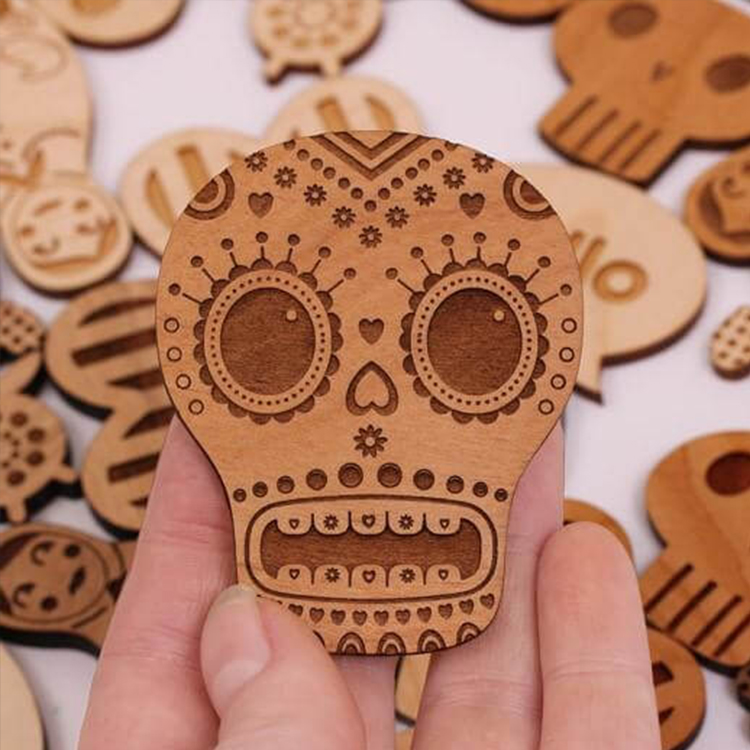
A 100 mm square, a fine-detail engraving block, a little text sample, and a tight interior corner will tell you more than a sales sheet.
Rule 5: Never Ever Disregard Smell
If the product scents chemical, sweet, sour, plasticky, or uncommonly sharp under the beam of light, quit and determine it. Do not maintain reducing since the order is urgent. Urgency is exactly how workshops make silly choices.
FAQs
What timber is best for laser cutting?
The best timber for laser cutting is completely dry, low-resin, uniform-density product that cuts easily without excessive smoke, concealed glue-line failure, or unstable charring. In functional carbon dioxide laser work, basswood is best for very easy craft cutting, laser-grade birch plywood is best for solid parts, and licensed MDF serves for smooth layouts when exhaust is effectively taken care of.
Basswood provides newbies clean outcomes. Birch plywood offers manufacturing stores toughness and monotony. MDF gives regular geometry but develops much more smoke and maintenance job. If the work is structural, choose birch plywood. If it is decorative and light-weight, select basswood. If it will certainly be repainted, MDF may be acceptable.
What is the most effective timber for carbon dioxide laser cutting makers?
The very best timber for CO2 laser cutting devices is generally laser-grade birch plywood for long lasting parts and basswood for clean, light-duty cutting and inscription. These materials take in the carbon dioxide laser wavelength well, behave more predictably than resinous woods, and can generate clean edges when wetness, glue, focus, rate, and air aid are managed.
For industrial work, I would begin with 3 mm or 6 mm birch plywood from a recorded provider. For craft job, I would begin with basswood sheets. For repainted parts, I would examine MDF only after inspecting air flow and panel accreditation.
Is MDF risk-free for laser cutting?
MDF can be laser cut, however it ought to only be dealt with as safe when the panel structure is understood, the material is certified with pertinent formaldehyde guidelines, and the equipment has strong exhaust and purification. MDF has timber fiber and material binder, so MDF laser cutting generates much heavier smoke, odor, residue, and maintenance needs than a lot of solid woods.
The inexpensive answer is “yes, MDF cuts.” The professional response is “yes, however control the air.” Use TSCA Title VI or similar licensed panels where appropriate, clean optics typically, and do not run MDF in a poorly ventilated hobby room.
Is plywood helpful for laser cutting?
Plywood is good for laser cutting when it is laser-grade, flat, dry, low-void, and made with foreseeable glue layers. The most effective plywood for laser cutting is generally birch plywood due to the fact that it balances stamina, dimensional stability, smooth faces, and repeatable reducing far better than lots of less expensive panels.
Negative plywood is worse than negative strong wood since the flaw is hidden inside the sheet. If your cut suddenly falls short in one area, adhesive pockets or core voids are most likely suspects. Constantly check the batch before production.
Why does laser-cut wood turn black?
Laser-cut timber turns black because the carbon dioxide laser heats cellulose, lignin, extractives, and adhesive until they char along the cut edge. Darkening rises when the beam relocates also slowly, focus is bad, air aid is weak, wetness is high, resin content is high, or the wood has glue layers that absorb heat unevenly.
Some browning is typical. Hefty black crust is not. Enhance emphasis, rise air aid, minimize power, increase speed, mask the surface, or button product. If all settings stop working, the timber is most likely the problem.
Can a CO2 laser reduced hardwood?
A CO2 laser can cut many hardwoods, however hardwood is slower, darker, and less forgiving than basswood or laser-grade plywood. Thick woods such as maple, cherry, walnut, and beech need careful power and rate adjusting since they take in a lot more warm, char a lot more conveniently, and might need more powerful air aid.
Wood often radiates in inscribing as opposed to cutting. For exceptional engraved products, alder, cherry, and maple can look outstanding. For quick nested manufacturing, birch plywood generally wins.
Just how thick can a CO2 laser cut timber?
A CO2 laser can typically cut wood from about 1.5 mm to 10 mm in regular store usage, while higher-power systems might cut thicker panels after screening. Real capability relies on laser wattage, lens focal size, beam high quality, air help, timber thickness, wetness, glue type, and whether edge darkness serves.
Do not buy a machine based just on optimum thickness claims. Ask for example cuts in your real basswood, MDF, birch plywood, or hardwood. Thick cutting is not only concerning infiltration; it has to do with side top quality and fire control.
Your Next Action: Test the Wood Before You Trust the Wood
If you desire the most effective timber for laser cutting, quit requesting an universal types and begin constructing a material approval procedure: purchase recorded sheets, run repeatable test patterns, record speed and power, check edge color, inspect smoke load, clean the lens, and contrast the next batch prior to manufacturing.
For severe carbon dioxide laser cutter timber work, send your genuine material checklist– basswood, birch plywood, MDF, acrylic, natural leather, paper, or blended substrates– to Bogong Laser and request machine guidance through the Bogong Laser contact page. A good provider must aid you examine the product, not just offer you wattage.


Hot Click
Contact Us
Application
©Copyright [bogonglaser.com]. BOGONG Laser Machine Supplier All Rights Reserved.