
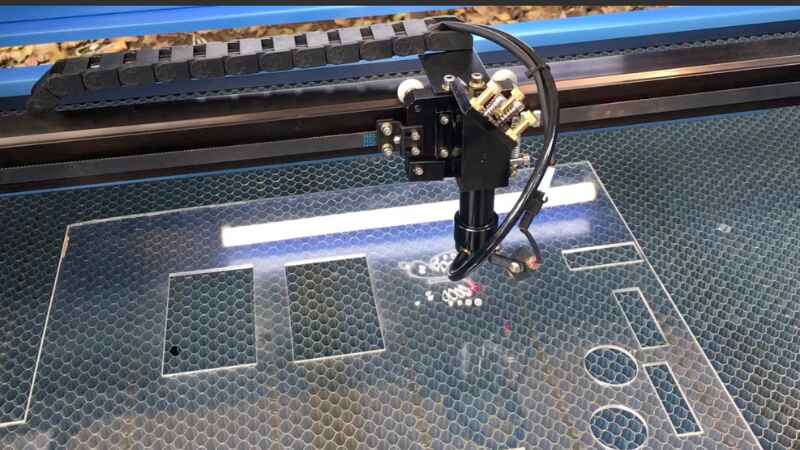
Industrial Polymer Processing With Laser Cutting Machines
A hard, shop-floor consider commercial acrylic laser cutting: CO2 laser habits, PMMA chemistry, fume proof, production settings, equipment choice, and the unpleasant blunders buyers maintain making.

The Acrylic Laser Cutting Equipment Is Not a Magic Box
Smoke tells reality.
When I review industrial acrylic laser reducing cases, the first thing I mistrust is the perfect edge photo, due to the fact that a glossy sample tells me nearly nothing regarding exhaust style, tube security, driver technique, carbon purification, sheet chemistry, or whether the store can duplicate that side on Friday mid-day after 600 embedded components.
So what are we actually buying: a cutter, or a regulated thermal failing system?
An Acrylic Laser Cutting Maker is a CNC-controlled tool that uses concentrated heat to procedure PMMA, commonly offered as acrylic, plexiglass, Perspex, or polymethyl methacrylate. The great variations create a narrow kerf, a clear side, and repeatable geometry. The negative variations develop dissolved edges, brownish smoke spots, distorted sheet, upset operators, and one really pricey lesson: polymer is chemistry prior to it is design.
For acrylic work, I would certainly begin the technical purchaser journey with a purpose-built acrylic laser cutting maker as opposed to making believe every “laser cutter” is equal. Bogong’s very own acrylic application web page frameworks the process properly: concentrated laser energy evaporates acrylic along the set course and stays clear of the chips and splits usual in mechanical cutting. That is the respectful version. The manufacturing facility variation is less pretty: PMMA decomposes, expels vapor, and either leaves an exceptional edge or punishes the purchase weak procedure control.
Right here is the hard reality: most customers over-spec power level and under-spec extraction. I have seen quote sheets obsess over 100 W versus 150 W while dealing with purification, air movement, bed flatness, lens condition, coolant stability, and concealing practice like accessories. They are not devices. They are the difference between a production cell and a smoky plaything.
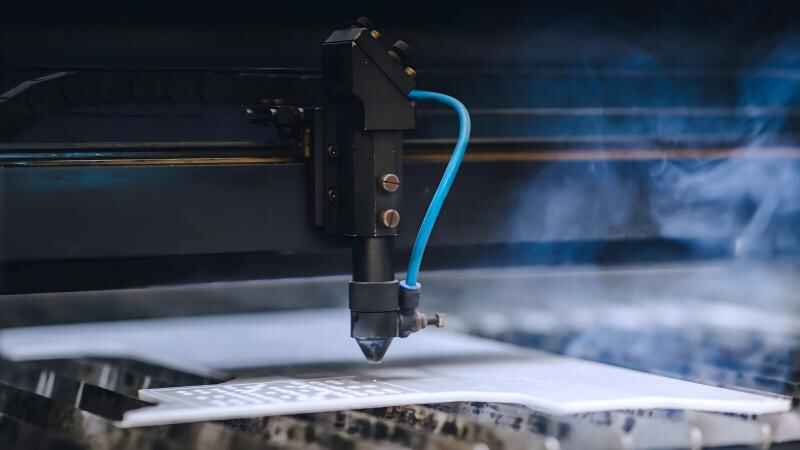
Table of Contents
Why Carbon Dioxide Wins in PMMA Laser Reducing
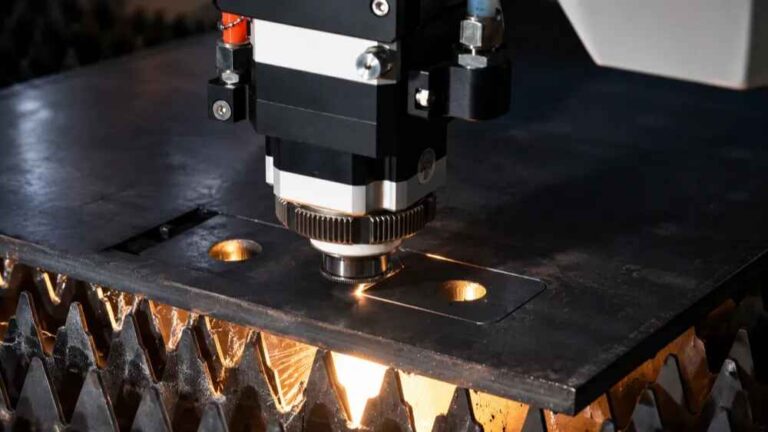
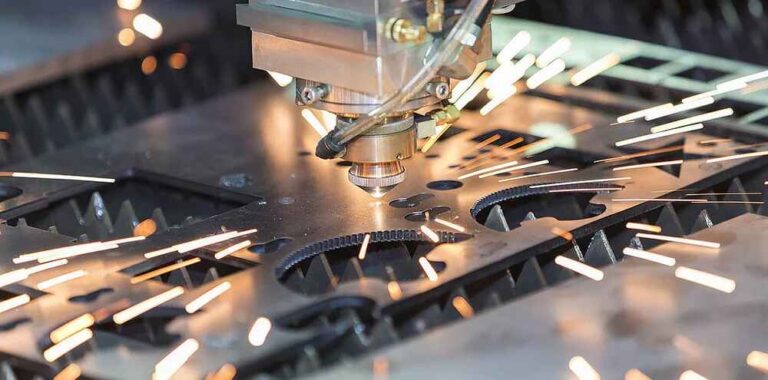
Polymer suches as CO2 energy. That is why a carbon dioxide laser cutting equipment is typically the best tool for transparent acrylic, thin wood, natural leather, paper, and many non-metal materials. A common carbon dioxide laser runs around 10.6 μm, a far-infrared wavelength that PMMA absorbs well enough to warm, soften, thaw, and vaporize in a regulated line.
This is likewise why a “fiber versus carbon dioxide” debate can obtain silly fast. Fiber lasers are superb for stainless steel, carbon steel, brass, aluminum, and reflective metal work when configured properly. However a clear acrylic sheet is not light steel. A plexiglass laser cutting machine for production signage, show stands, retail components, guards, honors, and light-guide parts is normally a carbon dioxide platform, not a metal-cutting fiber system wearing the wrong outfit.
Bogong’s overview on how CO2 laser cutting devices reduced acrylic sheets obtains abnormally blunt concerning the process: the beam of light is not a knife; it is a warmth occasion dragged through PMMA by activity control. I concur with that framework. As soon as a customer comprehends that, the discussion changes from “The number of watts?” to “What side quality, thickness range, removal design, cycle time, and deny price do we require?”
Cast Acrylic vs Extruded Acrylic: The Quiet Battle
Cast acrylic frequently provides cleaner engraving contrast and a more pleasing optical edge. Extruded polymer can be cheaper and extra dimensionally consistent in density, but it may thaw in different ways and reveal more side anxiety under the very same settings. Both can be cut. Neither forgives sloppy tuning.
And indeed, PMMA is not simply a brand. It is a polymer constructed from methyl methacrylate monomer systems; methyl methacrylate has the formula C5H8O2, a molecular weight around 100.1, and an acrid, fruity odor when existing as a vapor, according to the NIOSH Pocket Overview for methyl methacrylate. That odor is not “simply acrylic smell.” It is a procedure signal.
The Fume Issue Nobody Desires in the Sales Brochure
Laser cutting acrylic is not the exact same risk account as reducing PVC, which ought to be kept away from carbon dioxide laser reducing for obvious deterioration and toxic gas factors. However acrylic is not harmless. Any individual telling you or else is offering convenience, not manufacturing fact.
The OSHA Chemical Database for methyl methacrylate listings an OSHA permissible exposure limitation of **100 ppm/ 410 mg/m ³ as an 8-hour TWA, while likewise showing a lower ACGIH TLV-TWA of *50 ppm*. That does not suggest a store must go for “simply under the restriction.” It suggests the store needs extraction, dimension, and maintenance documents before monitoring starts extoling throughput. **
A 2024 paper, Respirable Particles and Gas Contaminants Emissions from a Desktop Computer Laser Cutter and Engraver, reported that laser cutting and inscription can produce respirable particulates, sub-half-micron bits, VOCs, and carbon monoxide gas depending upon product and setups; it also mentioned that air flow control decreased respirable particle exhausts and totally eliminated gaseous impurities in its tested setup. I would certainly not extend that right into “all vents resolve whatever.” However it does support a functional policy: no major acrylic sheet laser cutting cell needs to run without crafted airflow.
The legal-administrative world is currently dealing with laser acrylic handling as an emissions concern. In a Maine Division of Environmental management air-license order for POLYVANTIS Sanford, the center needed to include approximated exhausts from its laser reducing procedure when showing VOC and HAP compliance, sample mixed martial arts focus in carbon bed exhaust monthly, and change the carbon bed within 3 months if mixed martial arts went beyond 0.5 ppm. That is not a hobby blog point of view. That is an authorization condition in black and white from a state ecological company.
Machine Selection: Carbon Dioxide Laser, Router, Knife, or Hopeful Believing?
Industrial acrylic handling is a margin game. A router can be exceptional for thick plastic plate, edge preparation before bonding, or when the shop already owns the tooling and dust collection. A carbon dioxide laser cutter for acrylic success when geometry is complicated, the side needs to look ended up, and the job rewards quick file-to-part operations.
But right here is where buyers exist to themselves: they compare maker sticker price, not procedure cost. They neglect fining sand labor, turn down prices, fixture time, tool wear, driver training, odor grievances, and fire-risk habits on dense nests.
| Processing Method | Best Usage Situation | Edge Quality | Concealed Cost | My Viewpoint |
|---|---|---|---|---|
| CO2 Acrylic Laser Cutting Equipment | Signs, display screens, honors, guards, ornamental panels, complex PMMA forms | High, frequently shiny | Fume removal, lens treatment, masking practice, fire watch | Finest default for noticeable acrylic components |
| CNC Router | Thick acrylic, structural plastic components, bound assemblies | Great after polishing | Tool wear, chips, securing, fining sand, sound | Solid for thick plate, less sophisticated for great display screen work |
| Blade Cutting | Thin movies and adaptable plastics | Clean on ideal slim materials | Restricted density and geometry | Not a commercial acrylic sheet remedy |
| Fiber Laser | Metals, some marked plastics with additives | Poor suitable for clear acrylic cutting | Wrong wavelength for the job | Do deny it for clear PMMA cutting |
For purchasers comparing categories, Bogong’s more comprehensive laser reducing equipment applications page is useful since acrylic is only one branch of the decision tree. A factory that cuts acrylic letters today may reduce wood inserts, paper layouts, leather examples, plastic panels, and sheet metal braces tomorrow. One equipment rarely does every one of those well. Be questionable when the sales pitch states or else.
Industrial Acrylic Laser Cutting Setups: Beginning With Proof, Not Folklore
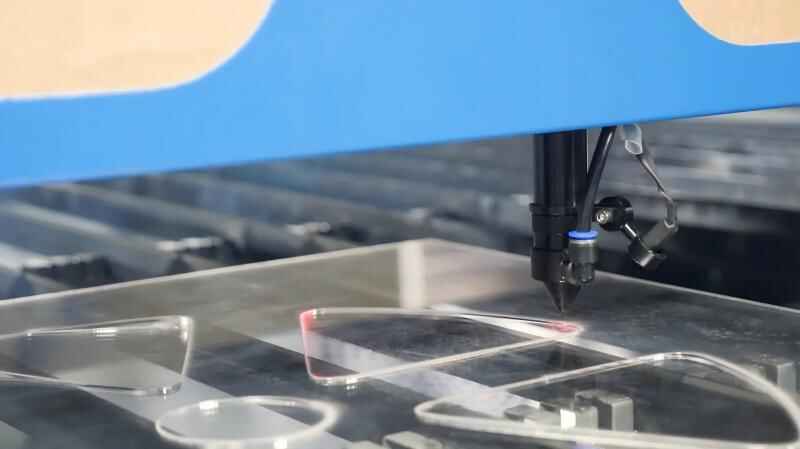
There is no global setting for laser reducing acrylic. I dislike viral setup graphes since they are typically separated from lens focal size, tube age, real optical power, sheet brand, cast versus extruded product, coolant temperature, exhaust toughness, nozzle height, masking movie, and component geometry.
Still, production teams need starting factors. Utilize these as test-grid motivates, not sacred regulation:
| Acrylic Thickness | Common Carbon Dioxide Power Course | Refine Predisposition | What to Watch |
|---|---|---|---|
| 2– 3 mm | 60– 100 W | Faster rate, lower warm input | Edge haze, corner flare, masking deposit |
| 4– 6 mm | 100– 150 W | Modest rate, strong exhaust | Fire marks, liquified re-weld, broad kerf |
| 8– 10 mm | 130– 180 W+ | Slower speed, outstanding beam placement | Taper, bottom-edge soot, warmth distortion |
| 12 mm+ | 150 W+ or multi-pass approach | Test prior to quoting | Fire habits, side stress, long cycle time |
The much better process is not attractive: reduce a grid, label every sample, picture the side, step kerf, bend-test scrap if the component will be worried, and keep the winning specifications in a common production sheet. After that repeat after lens cleaning, tube substitute, sheet vendor adjustments, and seasonal humidity swings.
For process adjusting, I would certainly send out operators to Bogong’s overview on the ideal laser settings for cutting acrylic without burning before allowing them “turn up power and slow it down.” That practice creates scorched trenches, not professional edges.
The Marketplace Is Growing, However the Easy Money Is Gone
Polymer demand has real industrial weight. The 2024 Size and Influence Record from the Plastics Sector Association reported 1,005,100 U.S. plastics market jobs and $519.1 billion in shipments for 2023. That issues since acrylic laser reducing does not exist in a craft bubble; it rests inside signs, screens, building and construction, construction, plastics distribution, retail fixtures, medical guards, lighting covers, automotive interiors, and electronics accessories.
The PMMA market is likewise still expanding. A 2024 MarketsandMarkets report forecasted global PMMA market size from USD 5.1 billion in 2024 to USD 6.1 billion by 2029, with applications in signs and display screens, construction, auto, illumination, electronics, and medical care. That development sounds comfortable till regulation gets in the area.
In August 2024, Reuters reported that the United States would certainly sustain a global target to minimize plastic manufacturing and develop a checklist of unsafe chemicals to terminate prior to final treaty talks in South Korea. That does not indicate acrylic goes away. It implies cpus will encounter extra stress to show product control, exhausts discipline, traceability, and waste administration. A shop with recorded removal and tidy PMMA sourcing will look much more expert than one with a great smoky exhaust tube aimed at the alley.
This is why I like the expression commercial acrylic laser cutting more than “laser acrylic art.” It requires the purchaser to consider throughput, conformity, maintenance, repeatability, and customer audits. If you desire a device for Etsy accessories, penalty. If you want a machine for commercial acrylic panels, retail components, safety and security guards, or set production, imitate a maker.
What the Best Laser Cutter for Polymer In Fact Appears Like
The ideal laser cutter for acrylic is not immediately the highest-watt equipment on the quote sheet. It is the machine that holds emphasis, clears smoke, controls warm, sustains your sheet dimension, matches your manufacturing volume, and gives your driver a repeatable path from file to complete component.
For me, a significant CO2 laser cutter for acrylic needs:
- Confined cutting area with functioning interlocks
- Correct exhaust path, not attractive air flow
- Secure water air conditioning for the CO2 tube
- Bed size matched to usual sheet layouts, not dream projects
- Reputable motion control for small radii and embedded letters
- Easy lens and mirror gain access to
- Air assist that controls fire without frosting the side
- Software program workflow that does not waste driver time
- Distributor support that can go over PMMA, not simply equipment power level
Bogong’s page on acrylic and plastic laser cutting devices fits normally for visitors comparing PMMA, plastic panels, signs parts, and manufacturing ROI. I would utilize it as a mid-funnel page: not just “what is acrylic cutting,” yet “which device class makes good sense for a factory that desires less denies.”
Just How to Cut Polymer With a Laser Equipment Without Looking Amateur
The sensible approach is uninteresting due to the fact that excellent manufacturing is boring.
Initially, verify the material. PMMA, not PVC. Cast or extruded. Density. Safety movie. Vendor set. Then examine the maker: clean lens, lined up mirrors, secure coolant, level bed, functioning exhaust, correct focal height, risk-free air aid, no secret residue from yesterday’s work.
Then test. Not once. Not with the customer’s last sheet. Use a grid: power, rate, focus countered, and air aid strength. Cut little squares, holes, sharp corners, and real geometry from the work documents. An ideal straight-line example can still stop working on tiny serifs, limited message, or heat-heavy nests.
My out of favor opinion: if the operator can not clarify why the side altered, the shop is not prepared for repeatable acrylic manufacturing. It might still cut components. It is not yet regulating the procedure.
Frequently asked questions
What is an Acrylic Laser Reducing Equipment?
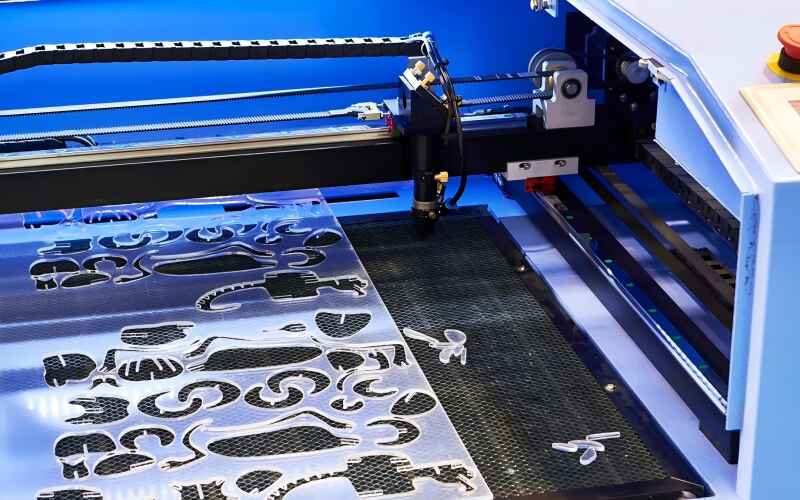
An Acrylic Laser Cutting Equipment is a CNC-controlled carbon dioxide laser system that utilizes a concentrated 10.6 μm infrared light beam to warmth, thaw, vaporize, and separate PMMA sheet or cast polymer while exhaust, air assist, concentrate position, and movement control identify edge clearness, kerf width, smoke actions, and repeatability. In industrial usage, it is judged by clean edges, reduced denies, risk-free fume handling, and steady manufacturing output.
Is a CO2 laser cutter better than a fiber laser for polymer?
A carbon dioxide laser cutter is generally better for transparent acrylic than a fiber laser because PMMA soaks up far-infrared carbon dioxide power properly, while common fiber wavelengths are created for metals and can travel through or behave unexpectedly on clear plastics unless special absorbers or coatings are introduced. For acrylic signs, present panels, honors, and guards, CO2 stays the sensible default.
Exactly how to cut acrylic with a laser maker?
To reduce acrylic with a laser machine, beginning by verifying the sheet is PMMA, after that examination power, rate, focus, lens, air assist, covering up, and exhaust on scrap product prior to committing manufacturing parts, since a clean acrylic edge is generated by well balanced heat input, not raw power level. Tape-record the final settings and re-test after product or equipment modifications.
Is laser reducing acrylic toxic?
Laser cutting acrylic produces fumes controlled by methyl methacrylate and various other thermal disintegration items, plus great bits, so the operation ought to be treated as a regulated industrial procedure with enclosed cutting, energetic removal, filtering maintenance, driver training, and documented direct exposure checks as opposed to a safe craft-room scent. Acrylic is practical, yet it still needs disciplined air flow.
What is the very best laser cutter for polymer?
The most effective laser cutter for acrylic is an appropriately confined CO2 system matched to sheet thickness, bed size, manufacturing volume, cooling capacity, exhaust style, lens selection, software process, and support high quality, due to the fact that extra-large electrical power without stable movement and fume control still produces unclean edges and unsafe job routines. Buy the procedure, not simply the laser tube.
Can acrylic sheet laser reducing leave polished sides?
Polymer sheet laser reducing can leave polished-looking edges when the CO2 light beam, focus, traveling speed, air aid, sheet type, and exhaust are tuned so the PMMA thaws and evaporates easily without extreme fire, residue, re-weld, or warm distortion. The shiny side is manual; it is the incentive for stable procedure control.
Final Ideas: Spec the Cell, Not the Sales brochure
Industrial acrylic processing rewards customers who ask unsightly inquiries early.
What product precisely are we cutting? What density array? What monthly quantity? What edge top quality serves? What extraction system takes care of mixed martial arts vapor and bits? That cleans up the lens? That tapes setups? Who denies bad parts before the customer does?
Start with the right equipment group, after that prove the process by yourself acrylic sheets. Review Bogong’s carbon dioxide laser cutting equipment choices, contrast them versus your real PMMA density and manufacturing quantity, and after that contact Bogong Laser with your illustrations, sheet size, target side top quality, and expected month-to-month outcome. Ask for a suggestion based upon cutting evidence, not pamphlet positive outlook.


Hot Click
Contact Us
Application
©Copyright [bogonglaser.com]. BOGONG Laser Machine Supplier All Rights Reserved.