
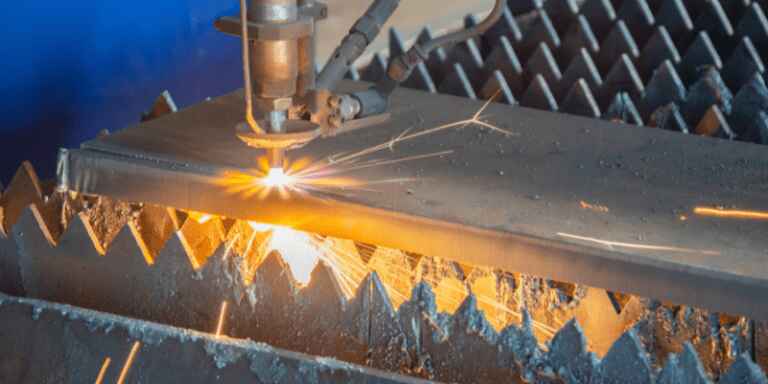
How to Choose the Right Fiber Laser Cutting Machine
Picking a fiber laser reducing device is not concerning purchasing the biggest wattage you can fund. It is about matching the machine to metal thickness, component geometry, everyday throughput, nitrogen and oxygen expenses, CNC operations, service assistance, and the dull mathematics that makes a decision whether the equipment generates income or ends up being expensive floor decoration.

The Expensive Blunder No One Admits at Trade Convention
Power can lie.
I’ve seen the same buying error repeated in quote types, spec sheets, and factory-planning meetings: a buyer chases 12kW, 20kW, or 40kW because the number seems like progression, while the genuine bottleneck is nesting software application, dirty compressed air, weak packing operations, slow-moving pricing estimate, or an operator that still treats stainless-steel and light weight aluminum like the same animal. What good is 20kW if your shop sheds half the day in between tasks?
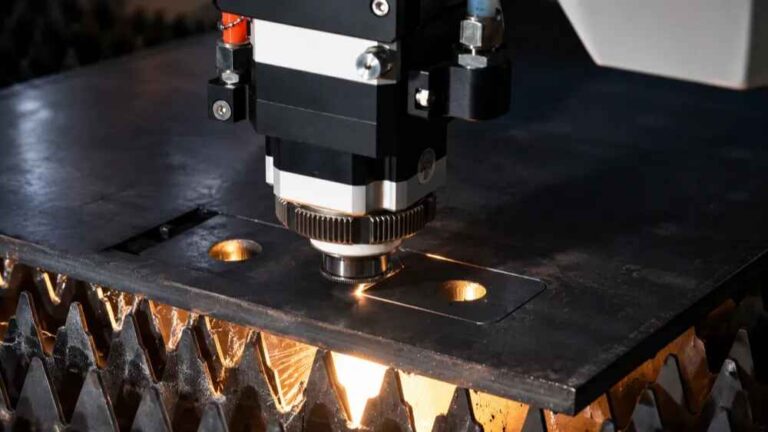
That is the hard reality about fiber laser cutting. A fiber laser cutting equipment is not a prize. It is a metal-cutting system made of beam of light quality, CNC movement, bed dimension, help gas, cooling, exhaust, software, fixtures, solution support, and the extremely unglamorous discipline of keeping manufacturing moving.
The market is not flexible today. Reuters reported in February 2024 that North American companies purchased 31,159 robots in 2023, down 30% from the year prior to, due to the fact that greater rates of interest made customers more cautious about automation investments; that pullback struck automotive-related fields and even metals producing. That issues due to the fact that the very same capex logic relates to CNC fiber laser cutting: the maker has to justify itself in throughput, labor financial savings, scrap decrease, and repeatability, not pamphlet wattage.
And yet global automation keeps moving. The International Federation of Robotics’ World Robotics 2024 record tape-recorded 4,281,585 industrial robotics operating in factories worldwide in 2023, up 10%, with yearly installments over half a million units for the 3rd straight year. The takeaway is not “get automation thoughtlessly.” It is sharper than that: purchase automation that fits your production math.
For a practical starting point, I would certainly send out a severe buyer initially to Bogong Laser’s fiber laser reducing maker group web page, because it frames the maker as a CNC-controlled metal-cutting system making use of a near-1064 nm beam of light, CAD/CAM courses, and power varieties from 1,500 W to 60,000 W instead of pretending every buyer needs the exact same setup.
Begin With the Metal, Not the Maker
Most negative laser purchases begin with the incorrect concern.
The wrong inquiry is: “How many watts should I purchase?”
The better concern is: “What materials, densities, batch dimensions, resistances, and side needs will punish me weekly?”
If your job is primarily 1– 6 mm stainless-steel sheet, the choice tree is various from a shop cutting 20 mm carbon steel plate. If your components are electric cupboards, elevator panels, HVAC covers, switchgear doors, farming brackets, kitchen area devices, or vehicle spaces, you are buying a repeatability engine. If your company is tube structures, guardrails, gym equipment, barrier systems, furnishings frames, or exhaust settings up, you might require tube-cutting capacity greater than raw sheet speed.
Bogong’s own commercial fiber laser cutting applications short article makes the exact same point from the application side: fiber laser cutting earns its keep where part intricacy increases, revision regularity is high, and tooling adjustments end up being a tax on every design update. That is specifically why electric cabinets, control units, sheet metal parts, and custom construction tasks are such all-natural fits.
Here is my candid filter:
| Getting Aspect | What It Actually Means | Bad Purchase Signal | Much better Choice |
|---|---|---|---|
| Material mix | Carbon steel, stainless-steel, aluminum, brass, copper, titanium | Sales estimate ignores reflective steels like light weight aluminum and copper | Ask for sample cuts on your real product quality |
| Density variety | 1 mm sheet is not 25 mm plate | Buyer dimensions maker around unusual thick jobs | Dimension around 80% of day-to-day work, outsource uncommon extremes |
| Bed dimension | Identifies sheet usage and process | You acquire as well little, then waste labor reloading | Suit typical sheet dimensions and nesting habits |
| Power | Controls speed and density clearance | Purchaser deals with power level as the entire equipment | Equilibrium electrical power with movement system, gas, air conditioning, and service |
| Help gas | N TWO, O ₂, compressed air, blended gas | Gas price disregarded throughout ROI mathematics | Compute gas per hour, not just equipment cost |
| Automation | Packing, discharging, pallet exchange, tube handling | Driver ends up being the traffic jam | Automate where labor and transition actually harmed |
| Service | Parts, training, remote support, warranty | Most inexpensive quote wins | Pick uptime over bargain drama |
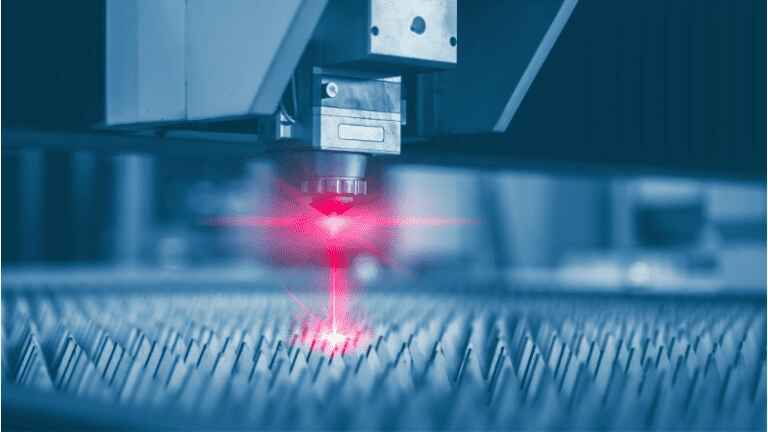
Table of Contents
The Electrical power Catch: 1,500 W, 3,000 W, 6,000 W, 12,000 W, 40,000 W
A 1,500 W equipment can be a wise buy. A 40,000 W device can be a silly one. I know that seems disrespectful, yet it is true.
Fiber laser cutting technology scales hard with power, yet the financial gain is not straight. A 6kW system might be superb for several sheet metal laser reducing procedures. A 12kW or 20kW device begins making good sense when the shop has enough plate work, sufficient filling ability, adequate gas supply, and enough downstream flexing or welding ability to absorb the result. A 40kW machine without material flow resembles a race engine bolted to a shopping cart.
Bogong’s high-power 6000W– 40KW fiber laser steel cutting device web page gives valuable buyer-grade information: power options from 2,000 W to 40,000 W, a 380V three-phase demand, placing accuracy provided at ≤ ± 0.03 mm, repeatability at ≤ ± 0.02 mm, and claimed cutting ability for a 6,000 W arrangement including carbon steel as much as 25 mm, stainless steel up to 18 mm, aluminum up to 16 mm, and copper or brass approximately 10 mm. Those numbers are precisely the type of details a purchaser ought to demand prior to signing.
However do not read ability tables like scripture. They are typically generated under tidy problems: fresh optics, appropriate nozzle, secure gas pressure, proper emphasis, educated operator, great product, and pleasant geometry. In a real manufacturing facility, mill scale, sheet flatness, oil deposit, moisture, negative nesting, worn slats, or rushed setup can turn a perfect graph into a problem ticket.
So I would certainly ask the supplier for three things prior to relying on the electrical power case:
- Cut examples on your product, not a refined trial discount coupon.
- A video clip revealing pierce high quality, edge quality, and slag actions.
- Consumable, gas, chiller, lens, nozzle, and upkeep expense assumptions.
This is where a customer can also use Bogong’s sheet steel laser cutting page as an internal referral, due to the fact that it divides sheet steel reducing from generic laser cutting and highlights the actual outcomes purchasers respect: clean edges, low burr, very little bending, and use cases throughout vehicle, aerospace, electronics, and building.
CNC Control, Software Program, and the Dull Things That Determines Profit
The CNC system matters greater than many new purchasers intend to admit.
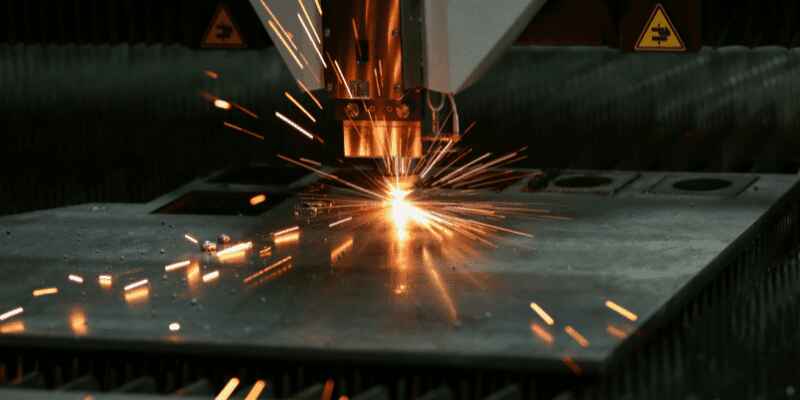
A fiber laser cutting maker is not simply a beam of light. It is a controlled motion system. CAD/CAM import, nesting effectiveness, lead-in approach, kerf settlement, micro-joints, auto-focus, elevation noticing, pierce reasoning, edge control, and barcode process all make a decision whether the operator runs parts or babysits errors.
The typical novice blunder is to contrast device frames and laser sources while overlooking the workflow in between the workplace and the cutting bed. That is backwards. In laser cutting in manufacturing, the quote-to-part chain is the maker. A shop with excellent nesting and bad power level may beat a store with high electrical power and turmoil.
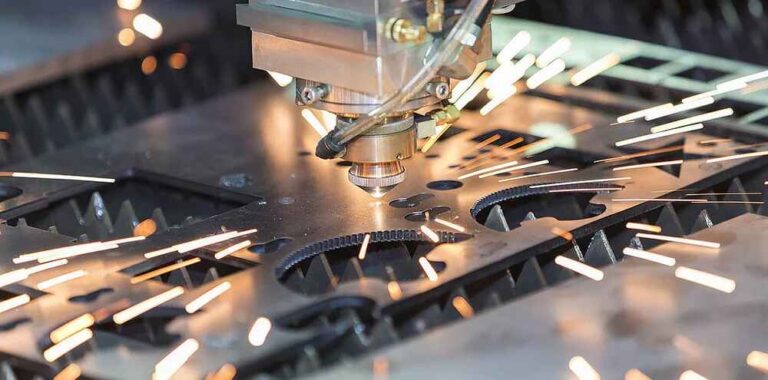
Bogong’s how fiber laser reducing works write-up defines the core process plainly: a focused beam of light near 1064 nm is transmitted via fiber optics, concentrated with the reducing head, then integrated with CNC activity and aid gas to thaw, shed, or expel material from the kerf. That sentence is simple, however the effects are not. Every weak spot in that chain shows up as bad side quality, rework, downtime, or scrap.
For CNC fiber laser cutting, I would look hard at these factors prior to rate:
Controller and File Workflow
Can the machine deal with DXF, DWG, nesting output, common CAD/CAM post-processors, work libraries, and product databases without hideous hands-on edits? If your operator invests 10 minutes fixing every documents, the maker is already slower than the quote recommends.
Activity System and Accuracy
Ask about shelf, pinion, straight overviews, servo brand, acceleration, placing accuracy, repeatability, and how accuracy is confirmed after shipping and installation. A maker that declares ± 0.03 mm on paper still requires calibration in your facility.
Reducing Head and Auto-Focus
Auto-focus is not a deluxe for mixed manufacturing. It is a way to decrease setup errors when changing from 2 mm stainless to 10 mm carbon steel or from nitrogen to oxygen cutting.
Exhaust, Slag, and Slats
Nobody suches as discussing smoke and slats. That is why bad stores smell like scorched cash. Laser cutting in making produces fumes, dust, and thermal debris, and these need to be regulated with appropriate extraction and cleansing technique.
OSHA’s laser security guidance advises that Class IV laser light beam rooms and concentrated Course IIIB terminations can develop fire risks when room products face irradiance above **10 W/cm ², and it particularly flags flammability and hazardous fume release as issues to consider. That is not marketing duplicate; that is a security warning purchasers ought to deal with as a purchase need.
Flat Sheet, Tube, Plate, or Combination: Select the Machine Around Earnings
I dislike “universal machine” sales pitches. They appear practical, and comfort is where customers quit assuming.
A flatbed fiber laser cutting machine is normally the best beginning factor for sheet metal laser cutting, closets, panels, brackets, signage, stainless kitchen equipment, elevator components, and general fabrication. A tube laser cutter is a different animal. A plate-and-tube combo system seems effective, however it just makes good sense when both work are genuine, repeatable, and set up well enough that changeover does not eat the advantage.
Bogong’s laser cutting maker application guide provides a beneficial material split: CARBON MONOXIDE ₂ laser reducing machines are framed for non-metal materials like acrylic, natural leather, paper, and wood, while fiber laser cutting machines are placed for stainless steel, light weight aluminum, and steel plates. That difference matters because buyers still ask one machine to do every little thing, then act shocked when it not does anything especially well.
Use this decision table before you request a quote:
| Manufacturing Required | Much Better Device Type | Typical Power Direction | Customer Warning |
|---|---|---|---|
| Slim stainless panels, electric closets, covers | Flatbed CNC fiber laser reducing maker | 1,500 W– 6,000 W | Do not overbuy power if loading is manual |
| General job-shop sheet metal | Flatbed with pallet exchange | 3,000 W– 12,000 W | Software program and quoting speed matter as high as power level |
| Thick carbon steel plate | High-power fiber laser reducing machine | 12,000 W– 40,000 W | Verify O ₂ cutting high quality, pierce time, slag, and gas expense |
| Round, square, rectangle-shaped tube | Devoted tube laser | 1,500 W– 6,000 W | Chuck accuracy and packing issue greater than brochure speed |
| Blended plate and tube work | Plate-and-tube combo | 3,000 W– 12,000 W | Combo only functions if organizing is disciplined |
| Bevels, grooves, weld preparation | Bevel fiber laser cutter | Normally mid-to-high power | Validate angle precision and downstream fit-up |
For customers contrasting item courses, I would normally point from this article to Bogong’s laser plate and tube combination fiber laser cutting machine when the workload includes both profiles and sheets, and to the bevel fiber laser reducing device when the buyer appreciates groove cutting, chamfering, weld prep work, or lowering secondary edge work.
The ROI Math: Equipment Cost Is Just the Cover Fee
Sticker price is the very easy number. It is likewise the number probably to deceive you.
Bogong’s primary fiber laser page states entry-level sheet metal fiber laser cutting equipments can start around $15,000, while high-power versions can get to $300,000 or more; it additionally points out tube fiber laser systems in the $45,000 to $110,000 range with power choices such as 1,500 W, 2,000 W, 3,000 W, 4,000 W, and 6,000 W. I would certainly treat those as preparing varieties, not final quotes, because delivery, enclosure, source brand name, automation, chiller, dirt collection, training, taxes, and installment can shift the actual number fast.
The much deeper question is repayment.
If a maker saves two drivers, cuts contracting out hold-ups, minimizes grinding, enhances quote action time, and allows the shop win rush jobs, it might repay quick. If it rests still since the sales group can not feed it work, the ROI ends up being movie theater.
Reuters reported in July 2024 that U.S. factory orders all of a sudden fell 0.5% in May, while business costs on equipment looked weak than initially estimated; the short article also noted stress from higher rates of interest and softening goods demand. That is the atmosphere many customers were operating in: even more need for productivity, however less tolerance for careless capital spending.
So calculate with awful sincerity:
Daily billable cutting hours.
Average component value.
Scrap percentage.
Gas price per hour.
Electrical power and chiller lots.
Operator cost.
Upkeep and optics.
Downtime threat.
Financing price.
Flooring room.
If those numbers are unclear, you are not choosing a fiber laser reducing machine. You are gambling with a forklift.
Safety, Training, and Service: The Parts Customers Act Are Secondary
A Class 4 laser is not a toy with a fancy cover.
A major fiber laser cutting machine needs unit integrity, interlocks, fume removal, fire preparation, driver training, lens cleaning procedure, chiller maintenance, assist-gas discipline, and emergency situation reaction routines. I prefer to buy a somewhat less effective maker with strong service than a monster equipment from a distributor that vanishes after installment.
Right here is the solution list I would utilize:
| Solution Question | Why It Issues | Minimum Acceptable Response |
|---|---|---|
| That installs the equipment? | Bad progressing ruins accuracy | Named technician or experienced neighborhood partner |
| What is the guarantee? | Downtime eliminates ROI | Created guarantee with covered parts noted |
| How fast are extra parts shipped? | Lenses, nozzles, sensors, and ceramics are consumables | Equipped parts, not “we will ask factory” |
| Is remote support consisted of? | CNC and software application problems frequently require rapid medical diagnosis | Live support with screen/video troubleshooting |
| Are cut parameters provided? | New operators need a starting database | Product library for carbon steel, stainless, aluminum, brass |
| Is training hands-on? | Handbooks do not replace technique | Driver training on real parts |
| What occurs after year 2? | Makers outlive service warranties | Paid service strategy or clear parts path |
Bogong’s high-power version page details a 2-year limited guarantee, life time cost-free technological support, online and offline payment choices, and 20 sets each month awaiting sale in stock. Those are the kinds of claims I would certainly confirm in writing before purchase, particularly for worldwide customers dealing with shipping, custom-mades, installment scheduling, and after-sales response time.
My Opinionated Acquiring Regulation
Acquire the maker your manufacturing can maintain active.
Not the greatest. Not the most inexpensive. Not the one with the loudest sales person. Buy the fiber laser cutting maker that matches your metal mix, your ordinary thickness, your pricing estimate design, your operator skill, your flooring format, your gas supply, your service resistance, and your following 24 months of actual need.
For a small store, that might indicate a small CNC fiber laser cutting system with simple software application and manageable gas expense. For a sheet steel producer, it might suggest a pallet-exchange maker that keeps the light beam reducing while the driver dumps parts. For a hefty plate store, it might imply 12kW, 20kW, or 40kW with severe assist-gas preparation and downstream ability. For a manufacturing facility making frameworks or structures, it may indicate tube reducing before any flatbed upgrade.
And for any person still asking only “the amount of watts,” I would stop the quote procedure and return to the components.
FAQs
How does fiber laser cutting job?
Fiber laser reducing jobs by creating a high-energy light beam near 1064– 1070 nm, transmitting it with fiber optics, focusing it right into a little cutting spot, and utilizing CNC movement plus assist gas such as N TWO, O ₂, or pressed air to melt, burn, or expel metal from the kerf. The result is fast, specific metal cutting with tidy geometry when the equipment, gas, material, and driver setups are properly matched.
In ordinary terms, the laser supplies warmth, the CNC system controls motion, and the aid gas gets rid of the cut. The better those 3 systems interact, the far better the side top quality.
What dimension fiber laser cutting maker do I require?
The best fiber laser reducing equipment size is the tiniest bed, power, automation plan, and gas setup that can process your real material mix, day-to-day volume, tolerance band, and future tasks without compeling drivers into sluggish rework, hazardous workarounds, or pricey idle ability. A lot of purchasers need to size around their persisting work, not one unusual thick-plate task.
For sheet metal, start with your typical sheet dimension and ordinary density. For tubes, begin with diameter variety, size, chuck precision, and packing technique. For plate, begin with thickness, pierce top quality, oxygen/nitrogen technique, and downstream flexing or welding capacity.
Is a 6kW fiber laser reducing machine enough?
A 6kW fiber laser reducing maker is commonly adequate for significant sheet steel laser reducing when the shop primarily processes stainless-steel, carbon steel, light weight aluminum, and thinner production plate, however it might be underpowered for heavy plate job or extra-large if the purchaser primarily cuts light-gauge material. The response depends upon density circulation, gas budget, and daily throughput.
I would certainly request sample cuts on 3 mm, 6 mm, 10 mm, and 16 mm products before deciding. Do not buy from a graph alone.
What is the distinction in between carbon monoxide two and fiber laser cutting?
CO ₂ laser cutting is normally more powerful for many non-metal products, while fiber laser cutting is normally the much better commercial option for metals due to the fact that its shorter wavelength, fiber delivery system, high electrical efficiency, and CNC combination suit stainless-steel, carbon steel, aluminum, brass, copper, and precision steel cutting. Material choice need to drive the decision.
If you reduced acrylic, timber, paper, leather, or signs substratums, CO ₂ still belongs. If you cut steel for production, manufacture, cabinets, brackets, panels, tubes, or vehicle parts, fiber is worthy of the initial appearance.
What should I check before buying a CNC fiber laser reducing maker?
Before acquiring a CNC fiber laser reducing equipment, check material examples, power, bed dimension, controller workflow, nesting software, assist-gas usage, refrigerator capacity, enclosure safety, fume extraction, spare-part availability, setup assistance, driver training, service warranty terms, and written reducing criteria for your exact metals. A low-cost quote without these information is not a bargain.
I would likewise ask the supplier to reveal rejected components, not just perfect components. A vendor that can clarify failure modes normally recognizes the equipment much better than one that just sends refined trial video clips.
Is fiber laser cutting helpful for manufacturing?
Fiber laser cutting is good for manufacturing when part geometry changes frequently, tolerances issue, tooling expense hurts, edge quality influences downstream welding or flexing, and the store requires quick CNC-controlled production throughout sheet steel, tubes, profiles, stainless-steel, carbon steel, light weight aluminum, brass, or copper. It is much less valuable when job volume is also low to warrant possession.
The greatest industrial fiber laser reducing applications are typically where speed, tidy geometry, reduced tooling reliance, and digital process create measurable worth.
Your Next Action: Buy With Examples, Not Hope
Do pass by a fiber laser reducing equipment from wattage alone.
Send your actual illustrations, real materials, target tolerances, everyday set expectations, and gas availability to the supplier. Request cut samples. Request video clips. Request for criterion sheets. Ask what takes place when the lens gets filthy, the nozzle collisions, the driver modifications material, or the chiller alarms at 4:30 p.m. on a Friday.
Then compare the responses.
If you are examining flatbed, tube, high-power, or sheet steel laser cutting options, beginning by assessing Bogong Laser’s fiber laser cutting maker range, after that match it versus your very own production list rather than chasing after the largest number on the quote. That is exactly how a device ends up being profit, not decor.


Hot Click
Contact Us
Application
©Copyright [bogonglaser.com]. BOGONG Laser Machine Supplier All Rights Reserved.