
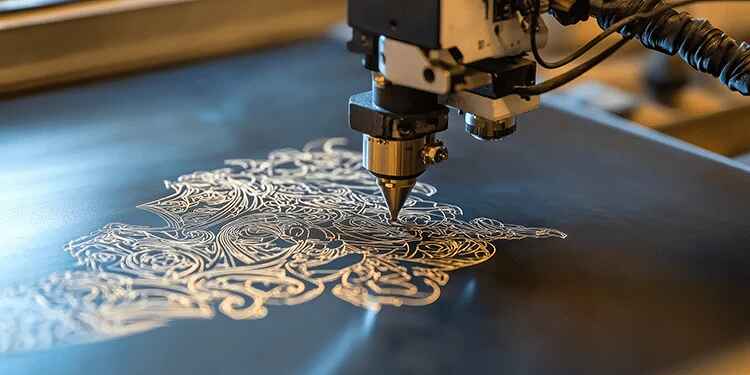
Laser Reducing Solutions for Present and Marketing Products
A blunt, shop-floor design guide to laser reducing for displays, advertising indicators, signage, acrylic display screen components, and POS present laser cutting-- covering products, devices, safety and security, costs, and what buyers need to examine before getting.

The Side Sells Prior To the Logo design Does
Sides subject scams.
When a display shop sells Laser Reducing Solutions as if the beam alone creates costs work, I obtain dubious, due to the fact that the genuine end result comes from wavelength selection, sheet chemistry, fixturing, airflow, feed speed, lens condition, and whether the driver has wrecked sufficient acrylic to regard PMMA.
Why should a purchaser spend for a logo that looks pricey just from two meters away?
Laser reducing for displays is not simply “making forms.” It is production control. A retail display screen, acrylic indication, illuminated logo, shelf talker, sample stand, honors panel, or POS component has to look tidy under LED light, survive handling, line up with printed graphics, and repeat throughout sets without the second run resembling a counterfeit variation of the initial.
The hard reality: numerous advertising products stop working because the provider treats display manufacture like craft work as opposed to commercial procedure job. Pretty renderings conceal broad kerfs. Affordable price hide bad exhaust. Rapid delivery hides melted edges. And nobody wants to discuss the odor till the workshop smells like charred cash.
For acrylic-heavy jobs, I would push buyers toward a purpose-built carbon dioxide laser cutting device since acrylic soaks up the 10.6 µm CO2 wavelength much better than it manages typical fiber laser wavelengths. For combined plastic tasks, Bogong’s laser reducing maker for plastic is a far better inner recommendation point because display job usually leaps in between PMMA, PET DOG, ABS, PVC, and polycarbonate.
Why Advertising And Marketing Products Punish Weak Manufacture
Marketing screens are ruthless due to the fact that they are judged in public. A device guard can conceal in a manufacturing facility. A bracket can live behind a panel. A retail sign can not.
Laser cutting for advertising and marketing indicators needs to stabilize 5 stress at once: aesthetic edge high quality, dimensional repeatability, set rate, product compatibility, and post-processing effort. Miss one, and the margin vanishes.
Acrylic is the apparent hero material. PMMA, or poly(methyl methacrylate), is clear, rigid, glossy, and visually flexible when reduced properly. Yet it is not magic plastic. The NIST Chemistry WebBook checklists PMMA’s monomer formula as C5H8O2 with a monomer molecular weight of 100.1158, which is a beneficial suggestion that acrylic laser reducing for screens is chemistry under warmth, not simply “light touching plastic.”
This is where a serious manufacturing conversation begins. Cast acrylic and squeezed out acrylic do not behave the very same. Slim pet dog movies are not the like 8 mm PMMA panels. Repainted steel letters do not belong in the exact same procedure container as cardboard counter screens. PVC should make a qualified operator quit right away due to the fact that chlorine-containing materials can produce corrosive and unsafe results.
So indeed, laser cutting for signs can look easy in a video. The genuine job is knowing when not to cut.
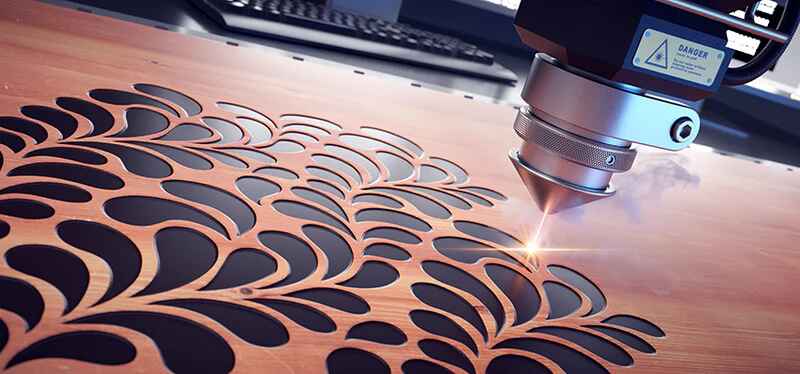
Table of Contents
The Device Choice: CO2, Fiber, or an Extremely Costly Mistake
The biggest mistake I see in laser buying logic is electrical power prayer. Buyers ask, “The number of watts?” before asking what material, what side, what tolerance, what volume, what smoke lots, what component, and what finishing step comes after the cut.
That is backwards.
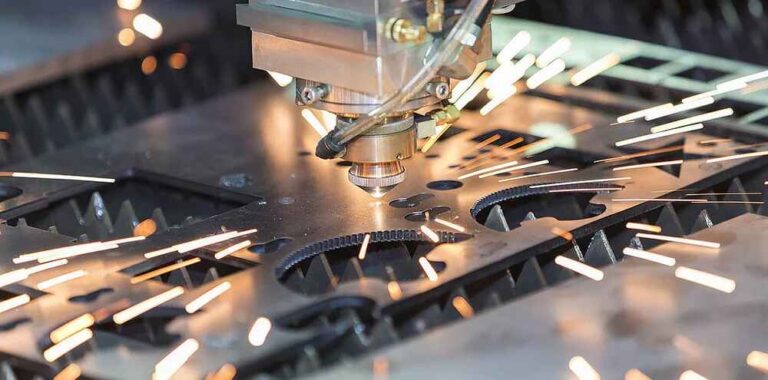
For acrylic letters, clear display screen windows, brightened signs, menu boards, and branded POS screen laser cutting, carbon dioxide is typically the first major option. Bogong’s overview on just how CO2 laser reducing makers reduced acrylic sheets matters below due to the fact that acrylic edges are not only reduce; they are thermally shaped, polished, and in some cases destroyed in the exact same pass.
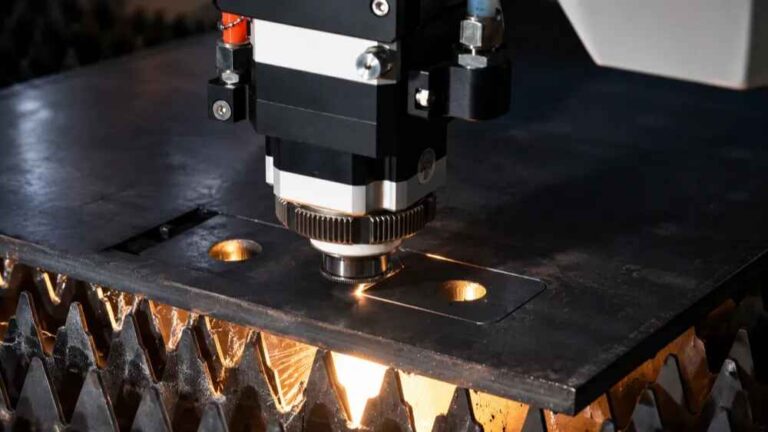
For metal sign frames, stainless-steel logo design backplates, light weight aluminum letters, bracketry, and present equipment, fiber laser cutting makes more sense. Yet fiber is not the universal answer. A 1064 nm fiber laser can be great on steel and unsatisfactory on transparent acrylic. Anybody marketing one equipment as the response to every display and marketing item is marketing ease, not process truth.
| Show or Advertising Item | Much Better Laser Route | Usual Product | What Normally Fails | What I Would Evaluate First |
|---|---|---|---|---|
| Polymer logo letters | CO2 laser reducing | Cast PMMA, 3– 10 mm | Thawed corners, cloudy edges, flame marks | Side gloss under LED light |
| POS display laser reducing | CO2 laser cutting | Acrylic, PET DOG, timber, paperboard | Loosened slots, weak tabs, soot transfer | Tab fit after assembly |
| Marketing signs with steel backplates | Fiber laser cutting | Stainless-steel, carbon steel, aluminum | Burr, heat tint, bad layer adhesion | Cut side before painting |
| Lightbox panels | CO2 laser cutting | Polymer, diffuser sheet | Warp, smoke staining, noticeable stress | Flatness and optical clearness |
| Retail component models | Carbon dioxide or mixed operations | MDF, acrylic, cardboard | Char, weak joints, inconsistent kerf | Repeatability across 10 collections |
| Outdoor signage hardware | Fiber laser cutting | Light weight aluminum, galvanized sheet, stainless steel | Distortion, oxidation, covering failing | Final part after ending up |
The table is not concept. It is quoting self-control. Match the laser to the product and the business version prior to you go after cycle time.
The 2024 Data Aim Nobody in Little Display Shops Wants to Go Over
Automation is not a deluxe fad. It is funding habits.
The U.S. Demographics Bureau reported in April 2024 that U.S. capital expenditures for robot tools completed $12.96 billion in 2022, representing 1.1% of complete equipment expenses; production, retail profession, and building with each other stood for 88.3% of robot tools investing. That matters due to the fact that display screen and advertising and marketing items sit precisely between production and retail need.
Tiny stores commonly claim they are completing only on creativity. I do deny it. They are completing on repeatability, pricing estimate rate, waste control, fixture reasoning, and distribution self-confidence.
An indication store that by hand battles every set will certainly shed to a shop that develops electronic design templates, runs product tests, documents settings, regulates air flow, and uses CNC laser cutting as a repeatable manufacturing cell. A retail brand name does not care that your driver “has a feeling for it.” The brand cares whether 300 acrylic shelf displays look the same under shop lights.
This is why laser reducing machine application pages matter when intending an equipment purchase. They compel the customer to quit believing in equipment groups and start thinking in work households: acrylic signage, wood panels, plastic screens, sheet metal components, engraving, marking, and mixed-material advertising components.
The Safety Area That Must Remain In Every Sales Satisfying
Smoke informs truth.
If a laser reducing supplier talks about rate, elegance, and profit however stays clear of ventilation, driver protection, and material limitations, I would deal with that as an indication, due to the fact that display screen and advertising and marketing products commonly entail plastics, adhesives, coverings, inks, films, laminates, and composite boards that act in different ways under warm.
What could possibly go wrong when unknown plastic fulfills a high-energy beam?
Quite a whole lot. A 2024 NIOSH-indexed research, Respirable Particles and Gas Contaminants Emissions from a Desktop Laser Cutter and Engraver, assessed cardboard, timber, plastic, and glass at 10 A, 15 A, and 20 A while evaluating exhaust ventilation. It located that product, existing, and air flow strongly affected discharge concentrations, and it recommended air flow control since it reduced respirable fragment discharges and got rid of aeriform impurities.
That should finish the lazy argument that “little lasers are safe.” They are not harmless. They are manageable when crafted appropriately.
Policy additionally matters. OSHA discusses that ANSI Z136 laser safety criteria are volunteer agreement criteria, not OSHA policies, yet they still supply worker-protection advice with identified market method in laser settings. The OSHA laser risks standards page is worth reading prior to any person lets a junior driver run acrylic sheets for eight hours with weak removal.
For U.S.-bound laser items, the FDA states that makers of laser items have to abide by appropriate radiation safety and security performance criteria under Title 21 CFR, consisting of Components 1010 and 1040, and the eCFR text for 21 CFR 1040.10 laser products applies to laser products produced or put together after August 1, 1976.
My point of view is blunt: ventilation is not a device. It belongs to the maker.
Exactly How to Utilize Laser Reducing for Present and Marketing Products Without Making Junk
Beginning with the finished object, not the device sales brochure.
For laser cutting for display screens, I would build the operations like this: define the watching distance, choose the product, examination the cut side, check assembly tolerances, verify graphics alignment, file setups, after that quote manufacturing. That order sounds slow. It is quicker than remaking 500 screen components due to the fact that the slot size was guessed.
Step 1: Separate Aesthetic Parts From Architectural Components
Polymer face panels, logo letters, diffuser plates, and attractive inserts are visual components. They require tidy sides and reduced smoke discoloration. Braces, base plates, structures, and inner supports are architectural components. They need stamina, fit, and occasionally coating readiness.
Do not process both with the exact same frame of mind.
Step 2: Deal With Acrylic Like a Material, Not a Shade
Polymer laser reducing for screens works ideal when the sheet kind, thickness, masking, emphasis, rate, power, and air help are dealt with as variables. Cast PMMA usually provides far better engraving contrast and cleaner aesthetic sides than extruded acrylic, however the only honest answer is an examination grid on the actual sheet batch.
The sheet exists less than the distributor.
Action 3: Prototype the Setting Up, Not Just the Cut Data
POS display screen laser cutting stops working when the components reduced perfectly however construct badly. Tabs are also tight. Slots are as well loosened. Printed graphics miss out on the edge. Glue fogs the surface area. A kitchen counter screen must be tested as a things, not as a DXF screenshot.
Step 4: Construct a Repeatable Settings Library
An expert shop ought to keep tested settings for 2 mm, 3 mm, 5 mm, 8 mm, and 10 mm acrylic; typical paperboard supplies; plywood grades; family pet sheets; and covered metals. Not since setups are global. They are not. However an evaluated interior baseline defeats operator folklore.
For training-heavy groups, the laser device video tutorials page is an all-natural interior support link due to the fact that repeatable manufacturing depends on driver habits, not just equipment.
Where Laser Reducing Solutions In Fact Generate Income
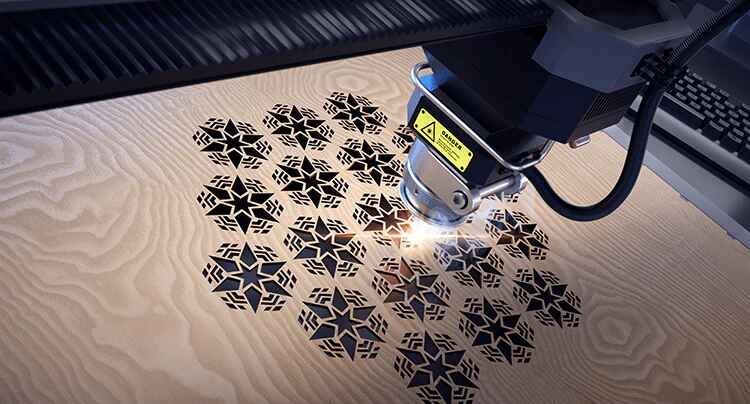
Laser cutting services make money when they decrease hand labor, decrease tooling hold-up, decrease minimal order friction, and make short-run customization economically rational.
For display screen and advertising items, the most effective profit areas are typically:
- Acrylic brand letters and brightened sign encounters
- Kitchen counter POS display screen laser reducing
- Event and event signage
- Retail shelf systems and product risers
- QR code plates, nameplates, and advertising tags
- Example boards and product example shows
- Metal logo plates and ornamental fascia
- Fast-turn prototypes before injection molding or pass away reducing
But I would beware with the “laser does whatever” sales pitch. For extremely high-volume paperboard packaging, die cutting might win. For thick acrylic blocks, CNC transmitting might be cleaner. For published adaptable movies, knife cutting may be more secure. The best laser reducing method admits its restrictions.
That sincerity markets better to major purchasers.
A Purchaser’s Checklist Before Buying Advertising And Marketing Display Components
Ask hideous inquiries early.
A supplier who can address them smoothly is probably much safer than a provider who only sends out glossy video clips.
| Customer Question | Why It Issues | Excellent Answer Sounds Like |
|---|---|---|
| What product grade will you cut? | PMMA, ANIMAL, PVC, ABS, MDF, and light weight aluminum act differently | “We check the exact sheet batch prior to production.” |
| What laser kind will you utilize? | CO2 and fiber offer different materials | “carbon dioxide for acrylic; fiber for metal components.” |
| How do you control smoke and residue? | Edge top quality and safety depend on exhaust | “We define exhaust, purification, and air aid by material.” |
| Can you hold repeatable slot fit? | POS displays fall short at setting up | “We run assembly tests before set cutting.” |
| What is the minimum noticeable side high quality? | Indicators are judged under light | “We examine side gloss, whitening, and fire marks.” |
| Do you have actual client proof? | Sales web pages can fake self-confidence | “Here are similar jobs and feedback.” |
This is where Bogong’s customer comments video clips can sustain customer trust fund inside the post. Not as decoration. As evidence that the conversation moves past directory claims.
FAQs
What are laser cutting services for display screen and marketing items?
Laser reducing solutions for display and advertising and marketing items are CNC-controlled production systems and process that cut, engrave, mark, or account acrylic, FAMILY PET, cardboard, wood, aluminum composite, and sheet metal right into indications, POS screens, lightbox components, logos, letters, stencils, fixtures, and branded retail components. They are made use of when brands need tidy edges, repeatable shapes, fast prototyping, and short-run customization without paying for tough tooling.
Is CO2 laser cutting much better than fiber laser reducing for acrylic signage?
CO2 laser cutting is normally much better than fiber laser reducing for acrylic signs because PMMA absorbs the 10.6 µm carbon dioxide wavelength well, allowing cleaner cutting, smoother sides, and better aesthetic ending up on transparent or colored acrylic sheets. Fiber lasers are usually more powerful for steels such as stainless-steel, carbon steel, and aluminum indication equipment.
What products are best for laser reducing for screens?
The most effective materials for laser reducing for display screens are cast acrylic, picked pet dog sheets, paperboard, plywood, MDF, coated metals, stainless steel, and light weight aluminum, relying on whether the component is visual, structural, momentary, or outdoor-facing. PVC needs to generally be stayed clear of since chlorine-containing products can create harmful and destructive results during thermal cutting.
How to use laser reducing for screen and advertising and marketing products?
Usage laser reducing for display screen and advertising and marketing products by starting with the last screen function, choosing the right material, matching carbon dioxide or fiber laser modern technology to that material, screening edge quality, inspecting setting up fit, recording settings, and afterwards scaling manufacturing. This process avoids attractive models from turning into pricey batch failings.
Is acrylic laser reducing risk-free for display production?
Polymer laser cutting can be secure for screen production when the shop uses proper exhaust air flow, appropriate product identification, fire control, operator training, laser-rated security where required, and recorded machine settings. The risk enhances when unknown plastics, inadequate air flow, unclean lenses, excessive power, or weak guidance are treated as typical manufacturing faster ways.
Why does POS display laser reducing need prototyping prior to automation?
POS screen laser reducing needs prototyping before mass production because display screen components have to fit, stand, carry product weight, line up with published graphics, and endure managing after the laser cut is finished. A tidy individual part does not assure a stable retail display screen, especially when tabs, slots, adhesives, and lights engage.
Your Following Action: Check the Show Prior To You Count On the Quote
Do not buy laser reducing solutions from a pamphlet sentence. Send out the genuine product, the genuine documents, the genuine thickness, the genuine tolerance target, and the real watching problem.
After that ask for a sample.
If you are intending acrylic indications, POS display screen laser cutting, laser cutting for signs, or blended display and advertising and marketing products, beginning by matching the job to the ideal laser operations, after that test the edge, the fit, the smoke control, and the repeatability before devoting to batch production.


Hot Click
Contact Us
Application
©Copyright [bogonglaser.com]. BOGONG Laser Machine Supplier All Rights Reserved.