
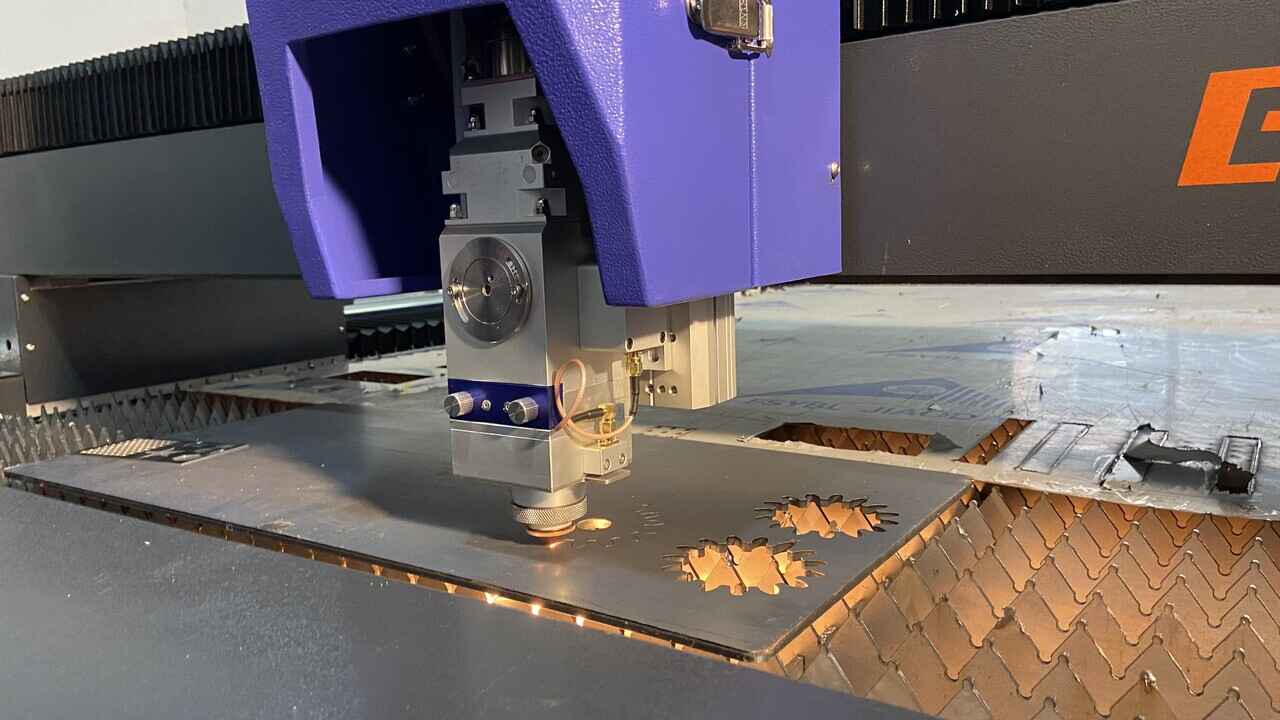
How to Choose the Right Fiber Laser Cutting Equipment
Acquiring a fiber laser cutter is not regarding going after the highest power score. It is about matching material, density, nesting software, automation, gas price, solution support, and real manufacturing traffic jams to the maker you can really keep running.

The Dirty Trick: Most Purchasers Begin With the Wrong Number
Rate exists.
I have actually seen procurement teams walk right into a fiber laser reducing device purchase with one number shed right into their head– 6kW, 12kW, 20kW, in some cases 40kW– while no one in the space can discuss the genuine everyday mix of 1.5 mm stainless-steel, 3mm galvanized sheet, 6mm carbon steel, light weight aluminum panels, copper busbar blanks, or powder-coated enclosure parts that really foot the bill.
So what exactly are they getting?
A wattage badge. A sales pamphlet. A manufacturing migraine with a touchscreen.
The best fiber laser cutting maker is not the most powerful machine you can finance; it is the maker that transforms your real cut checklist right into predictable throughput, tidy edges, stable nesting yield, manageable gas consumption, and adequate uptime to make your laser cutting solutions profitable after operators, nitrogen, maintenance, refrigerators, filters, software application, and scrap are counted.
That last part matters more than suppliers confess. According to the U.S. Census Bureau, American businesses invested $12.96 billion on robot equipment in 2022, and production alone represented 56.2% of that robotic-equipment costs, which informs us something unpleasant: major manufacturers are denying automation as decor; they are buying it because labor, repeatability, and throughput have actually ended up being board-level troubles. The Demographics launch on robotic equipment capital expenditures makes that pattern difficult to disregard.
And fiber lasers rest ideal inside that decision.
If your shop creates server rack frameworks, steel enclosures, power circulation closets, HVAC panels, telecommunications brackets, or information facility tools production parts, the inquiry is not “What is the best fiber laser cutting machine?” The much better inquiry is: “Which reducing system eliminates my most pricey bottleneck without developing 3 brand-new ones?”
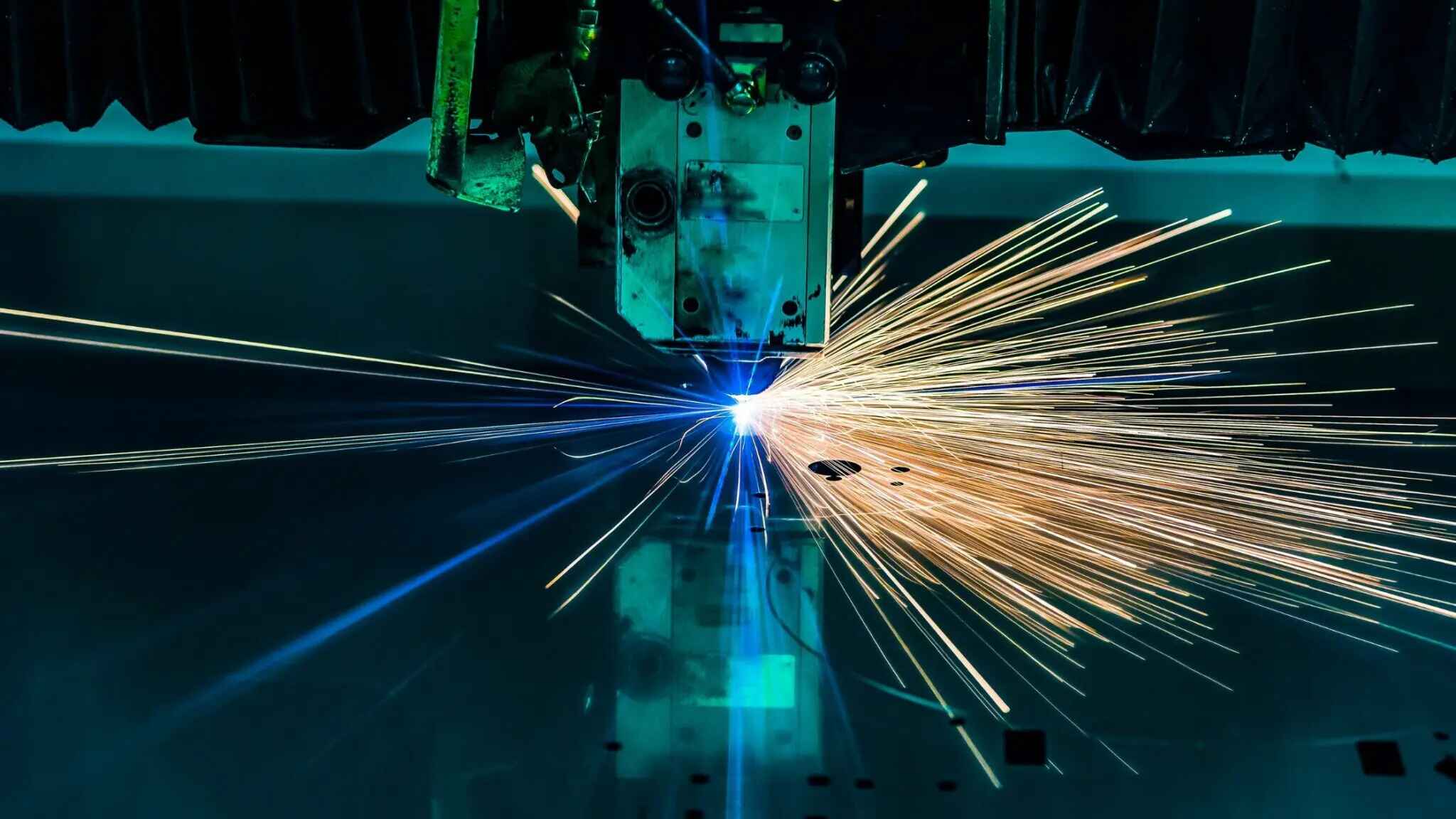
Table of Contents
Start With the Parts, Not the Maker
I recognize this appears obvious. It is not.
I have seen customers ask for a high-power fiber laser since a competitor got one. After that their operators invest the majority of the week reducing slim moderate steel, stainless panels, and aluminum covers where velocity, packing rate, nesting performance, and pierce stability issue more than raw power.
For an expert purchaser, the initial worksheet should consist of these dull information:
| Manufacturing Variable | What to Determine Prior To Getting | Why It Issues |
|---|---|---|
| Material mix | Carbon steel, stainless steel, light weight aluminum, brass, copper, galvanized sheet | Reflectivity, gas selection, edge quality, and laser resource setups change by material |
| Thickness range | Day-to-day typical density, not rare maximum density | A 20mm periodic task must not determine the entire financial investment |
| Part geometry | Openings, slots, vents, micro-tabs, bend-relief cuts, great contours | Little functions expose weak movement control and inadequate light beam high quality |
| Set dimension | Prototype, short-run, or automation | Automation repays faster when loading/unloading repeats all day |
| Downstream process | Flexing, welding, powder finish, setting up | Burrs and heat-affected zones develop hidden labor after cutting |
| Area and utilities | Impact, power, compressed air, nitrogen, oxygen, ventilation | The affordable machine becomes pricey when installment is disregarded |
| Solution support | Spare parts, training, remote diagnosis, service warranty terms | Downtime is the real rate of interest on the machine |
For metal unit production and server rack production, the hidden bad guy is not constantly reducing rate. It is rework. A shelf upright with hideous slots, a closet panel with heat distortion, or a copper grounding component with inconsistent sides can create more loss downstream than a sluggish cut ever would certainly.
That is why I would first map your production to a tried and tested fiber laser cutting equipment group, then compare actual usage situations through sheet metal laser reducing machine applications prior to requesting a quotation.
Power Ratings: Beneficial, Abused, and Frequently Misunderstood
A 1,500 W device is not a toy. A 6,000 W maker is not automatically industrial knowledge. A 20,000 W system can be brilliant– or financially foolish– relying on your product mix.
Below is the tough reality: power just solves the problem it is designed to fix. If your job is primarily 1mm– 6mm stainless steel, light weight aluminum panels, moderate steel braces, and ventilation-heavy cupboard doors, you might obtain a lot more from automated loading, much better nesting software, steady autofocus, and driver training than from jumping two power courses.
Bogong Laser’s own fiber laser classification defines devices ranging from 1,500 W to 60,000 W, with cutting speeds noted approximately 120m/min and metal cutting thickness cases extending from 1mm to 200mm relying on product and arrangement. That range is broad sufficient to tempt bad decisions, so treat it as a capability map, not a shopping shortcut.
Practical Power Matching
| Typical Application | Usual Material | Sensible Power Array | Purchaser’s Danger |
|---|---|---|---|
| Thin electric panels | 1– 3mm stainless, galvanized sheet, aluminum | 1.5 kW– 3kW | Overbuying power while overlooking nesting and packing |
| Server shelf and cabinet components | 2– 8mm carbon steel, stainless steel, aluminum | 3kW– 6kW | Taking too lightly uptime, gas usage, and component handling |
| Hefty tools structures | 8– 20mm carbon steel | 6kW– 12kW+ | Purchasing power without checking pierce top quality and side taper |
| Thick plate fabrication | 20mm+ carbon steel or stainless steel | 12kW– 40kW+ | Power, chiller, optics, consumables, and gas price spiral promptly |
| Copper and brass parts | Cu, brass, reflective alloys | Depends greatly on source and settings | Reflective-material cutting can penalize affordable optics and bad support |
For information center devices manufacturing, most components are not battleship plate. We are speaking steel units, installing plates, cable-management parts, busbar-related components, structural brackets, perforated panels, and rack equipment. Yes, some thicker structural components exist. But the majority of the financial battle takes place in repeatability, tidy openings, burr control, and throughput per change.
Automation Is Not a High-end Feature Any Longer
Automated laser cutting used to seem like a costs add-on. Now, for major production, I consider it a dividing line.
The National Academies’ 2024 report Options for a National Plan for Smart Production treats clever production as a nationwide competitiveness concern, not a factory-floor hobby. NIST says the exact same trouble in plainer terms: advanced computing and communication innovations can improve making efficiency, however using them without understanding factory-specific requirements can damage safety and security, performance, quality, and expense. That is precisely what takes place when a store buys “automation” without making the process around it.
Automation is not one thing. It is a pile.
You might need automatic loading and dumping. You may need exchange tables. You might require barcode-driven task routing. You may require MES integration. You might need remote diagnostics. Or possibly you simply need a steady CNC controller, clean webcam workflow, and disciplined drivers.
Yet buying a fiber laser without planning automation is like getting a race engine and forgetting the transmission.
For production environments that need branding, real estate style modifications, device interface adaptation, or distributor-ready configuration, OEM/ODM laser machine customization services be worthy of early review, not late-stage panic. Customization affects training, extra components, documentation, product packaging, and service contracts– the unglamorous points that decide whether a device maintains earning.
Accuracy Laser Cutting Services Need More Than Pretty Samples
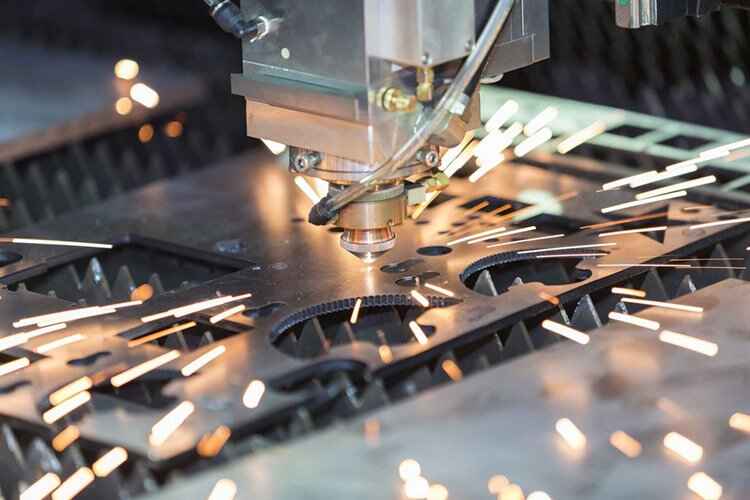
Every vendor has a stunning example wall surface. I suspect sample walls.
Samples are generally reduced gradually, on tidy product, under perfect gas stress, with a specialist standing close by. Genuine manufacturing is uglier. Sheets vary. Operators rush. Nitrogen stress changes. Lenses age. Nozzles accident. CAD files get here messy. Burrs appear at 4:45 p.m.. So when assessing a fiber laser cutting maker, ask for test cuts that imitate your actual jobs:
Request These Test Problems
- Your actual DXF/DWG documents, not the vendor’s demonstration pattern.
- Your product quality, not “comparable” steel from the display room.
- Your tiniest opening size and tightest port size.
- Your expected batch dimension.
- Your target tolerance and edge-quality requirement.
- Your gas method: air, N ₂, O TWO, or mixed gases.
- Your downstream procedure: bending, welding, covering, setting up.
This is specifically important for CNC laser reducing for data facility devices. Server shelf components and metal rooms look simple up until you inspect opening positioning, panel flatness, grounding features, cable ports, louvers, and repeated intermediaries throughout hundreds or hundreds of units.
A maker that reduces one tidy enclosure panel is intriguing. A device that cuts the very same part cleanly for 2 changes, with steady edge top quality and foreseeable palatable use, deserves focusing on.
For broader product and sector matching, Bogong’s laser reducing machine application overview is a helpful interior route because it separates CO two laser cutting, fiber laser cutting, and ultra-short-pulse cutting by product type and use instance.
The Safety Discussion No One Desires in the Sales Satisfying
Fiber lasers are not desktop gadgets with commercial paint.
They are high-energy systems with unnoticeable radiation risk, high voltage, assist gases, fumes, relocating gantries, sharp sheet metal, and in some cases very informal safety society. OSHA’s laser threat web page mentions that laser hazards are attended to generally industry criteria and highlights PPE and eye/face protection requirements under 29 CFR 1910. The OSHA laser hazards standards web page is not marketing duplicate; it is the standard you ought to check out prior to signing off on installment.
Right here is my unpopular point of view: if the vendor can not describe enclosure category, interlocks, fume extraction, training, eyewear, emergency quit design, and maintenance lockout assumptions in regular language, they ought to not be your vendor.
Not due to the fact that regulators are scary. Because hurt drivers, burned optics, smoke-filled stores, and undocumented treatments are expensive.
What the 2024 Robotics Figures Inform Us Regarding Laser Acquiring
The 2024 World Robotics executive recap from the International Federation of Robotics reported that industrial robot installations in the steel and machinery market got to 76,831 devices in 2023, up 16% to a new optimal, while average robot density in producing reached 162 robots per 10,000 workers. The same report areas steel and machinery behind automotive and electrical/electronics as a significant automation client section. That matters since steel fabrication is no longer the slow-moving, hands-on corner of the factory. It is being automated aggressively.
What does that mean for laser reducing services?
It implies quoting economical is a catch. The stores that win are not merely reducing metal. They are incorporating CAD/CAM, nesting, manufacturing scheduling, automated material handling, inspection, flexing, welding, coating, and delivery reliability.
And the incorrect fiber laser makes assimilation harder.
If your customer is a data facility tools producer, they do not care that your maker has a glossy touchscreen. They care whether you can deliver rack rails, cupboard doors, trays, enclosure spaces, panels, and braces with stable lead times.
Machine Choice Checklist: My No-Nonsense Buying Structure
I would certainly deny a fiber laser reducing equipment till these inquiries are addressed in writing.
1. What are the leading 20 parts by profits?
Not by pride. Revenue.
Draw the last six months of jobs. Kind by earnings, repeat regularity, material, density, and rework rate. If the equipment is not enhanced for those jobs, you are purchasing for dream manufacturing.
2. What is the real traffic jam?
Maybe cutting is slow. Perhaps filling is sluggish. Possibly shows is sluggish. Perhaps the press brake is the bottleneck. Maybe operators invest too much time drinking parts out of skeletons.
A faster laser can make a downstream bottleneck worse.
3. What tolerance do consumers actually implement?
Do deny aerospace-level ability for signage work. Do deny hobby-level stability for electric closet manufacturing. For accuracy laser cutting services, resistances are not decors; they are industrial guarantees.
4. What gas price can business endure?
Nitrogen offers cleaner stainless and light weight aluminum edges. Oxygen can boost carbon steel reducing performance but changes oxidation and downstream covering habits. Pressed air might lower cost for some applications yet calls for mindful quality assurance.
Your aid gas strategy belongs in the ROI model.
5. What occurs when the device quits?
Ask for neighborhood support, remote diagnosis, stocked consumables, laser source service warranty terms, controller support, refrigerator service, and driver training. An affordable device with a two-week parts hold-up is not affordable.
6. What software program controls the actual workflow?
Look past cutting. Ask about CAD import, nesting return, remnant management, work queues, crash evasion, barcode workflow, and reporting. Software quietly makes a decision whether your device acts like a manufacturing cell or an extremely pricey island.
For customers comparing designs by material thickness, speed, and useful sheet-metal production use, Bogong’s guide to the finest fiber laser reducing makers for sheet metal construction is a contextual follow-up because it goes over power, rate, light beam high quality, and cut-thickness matching.
The Buying Matrix I ‘d Use Prior To Signing a Purchase Order
| Choice Area | Low-Risk Selection | Red Flag | My Take |
|---|---|---|---|
| Laser power | Matched to day-to-day material and density | Chosen because “bigger is far better” | Power should adhere to job mix, not ego |
| Automation | Exchange table, loader, or process automation where quantity sustains it | Hand-operated handling in a high-volume shop | Labor waste eliminates ROI silently |
| Controller | Acquainted interface, stable support, clear diagnostics | Unidentified controller with weak paperwork | Operators needs to not need heroics |
| Trimming head | Autofocus, crash security, very easy consumables | Cheap head with slow-moving solution gain access to | Cutting heads are uptime elements |
| Software program | Strong nesting, CAD/CAM compatibility, residue tracking | Hands-on nesting and untidy data conversion | Software application manages material yield |
| Safety and security | Enclosure, interlocks, fume removal, PPE plan | “Operators will take care” | Hope is not a safety and security system |
| Supplier support | Training, extra parts, remote solution, guarantee clearness | Obscure pledges after down payment | Solution is part of the maker |
Where Fiber Laser Defeats Outsourced Laser Reducing Services– And Where It Does Not
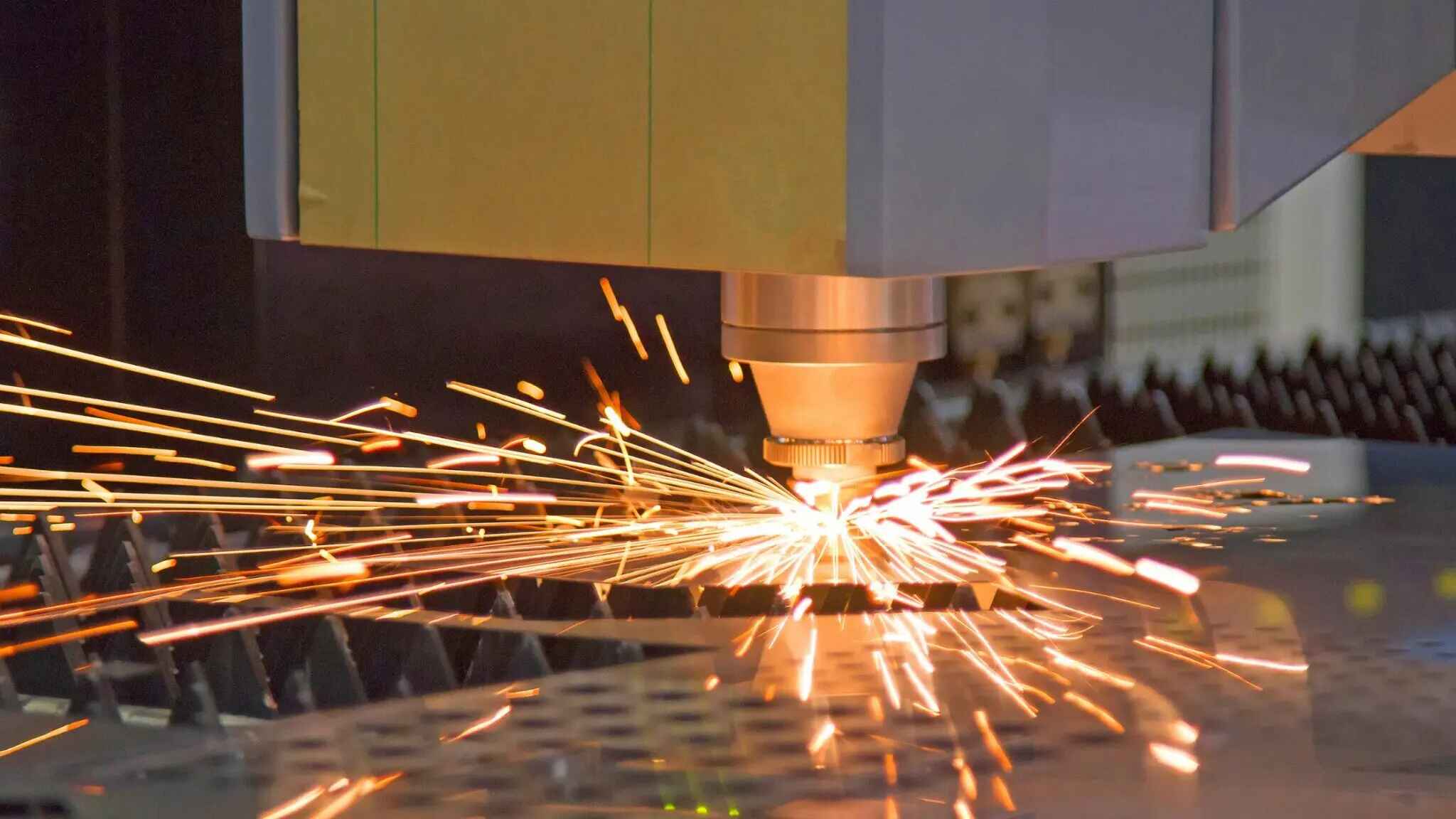
Here is the uncomfortable component for several manufacturing facility owners: acquiring a maker is not always smarter than outsourcing laser reducing services.
If your need is uneven, products differ wildly, tolerances are common, and you do not have qualified drivers, outsourcing can be sensible. You avoid capital expenditure, maintenance, gas systems, extra parts, flooring room, and training. That is not weakness. That is mathematics.
But when manufacturing becomes repeatable– very same enclosure panels, very same web server shelf parts, same placing brackets, very same metal cabinet geometries– internal fiber laser ability can secure preparation and margin.
The oblique point generally appears when three conditions overlap:
- You have repeatable sheet steel or tube parts.
- Your outsourcing preparation harm delivery dedications.
- Your monthly cutting spend could sustain maker financing, labor, gas, and maintenance.
When those three are true, I start taking ownership seriously.
FAQs
What is a fiber laser cutting maker?
A fiber laser cutting device is a CNC-controlled steel reducing system that makes use of a focused fiber-generated laser light beam, typically around 1064nm, to reduce sheet metal, tubes, plates, and profiles with high speed, tight kerf size, and repeatable precision throughout products such as carbon steel, stainless-steel, aluminum, brass, and copper.
In sensible terms, it transforms CAD/CAM files right into cut paths. The maker incorporates a laser resource, CNC controller, reducing head, movement system, chiller, aid gas, and software program to generate parts for steel manufacture, electric units, web server racks, auto elements, equipment panels, and accuracy laser cutting solutions.
Just how do I pick the appropriate fiber laser cutting equipment power?
The best fiber laser reducing equipment power is the power level range that efficiently reduces your most usual product type, density, and set size without compeling you to overpay for rare tasks, extreme gas consumption, oversized utilities, or maintenance prices that your production quantity can not recover.
For many sheet metal stores, 1.5 kW– 3kW fits thin-gauge manufacturing, 3kW– 6kW fits common cabinet and shelf components, and 6kW+ makes more feeling when thick plate or high-volume reducing validates the added expense. Constantly test your own data and products before devoting.
Is automated laser reducing worth it for information facility devices manufacturing?
Automated laser cutting deserves it for data facility tools production when the factory consistently generates server rack components, room panels, cable-management braces, cupboard doors, installing plates, and structural steel parts where rate, uniformity, nesting yield, and lead-time control directly affect distribution efficiency.
The biggest benefit is not just much faster reducing. It is fewer manual touches. Automated loading, exchange tables, CNC laser reducing operations, and better nesting can minimize waiting time in between sheets and enhance repeatability across high-volume room and shelf production.
What materials can a fiber laser cutting maker cut?
A fiber laser reducing maker can reduce usual commercial metals consisting of carbon steel, stainless-steel, galvanized steel, aluminum, brass, copper, titanium, electrical steel, and some reflective alloys, but the specific cutting high quality depends upon laser power, beam top quality, aid gas, optics, product thickness, and equipment setups.
Reflective metals such as copper and brass require even more careful arrangement than mild steel. Stainless-steel commonly gains from nitrogen for tidy sides, while carbon steel may utilize oxygen relying on density, rate, and downstream finishing requirements.
Should I buy a fiber laser cutter or usage laser reducing services?
You need to get a fiber laser cutter when your reducing need is repeatable, high-volume, time-sensitive, and pricey sufficient to warrant tools, drivers, gas, upkeep, floor room, software program, and solution support; otherwise, expert laser cutting solutions may remain the cleaner monetary option.
Contracting out works well for low-volume, uneven, or model work. Possession comes to be attractive when lead times, confidentiality, part repeating, and monthly cutting costs make exterior providers a restraint as opposed to an ease.
What is the largest mistake when acquiring a fiber laser cutting maker?
The biggest error when purchasing a fiber laser reducing maker is choosing by optimum power level rather than real production business economics, including product mix, thickness distribution, component geometry, assist gas expense, automation requirements, driver ability, software process, security, solution support, and downstream rework.
A device that looks effective theoretically can still shed cash if it develops traffic jams after reducing. The very best laser reducing services for information facility equipment and sheet metal fabrication are picked around uptime, repeatability, and complete price per ended up part.
Your Following Actions
Do not request a quote yet.
First, construct a component list from your last six months of production: product, density, set dimension, tolerance, revamp, delivery stress, and outsourcing price. After that send out genuine data to the vendor and require a practical reducing test, not a display room efficiency.
If your job includes metal enclosures, web server shelf parts, cupboard panels, braces, or data center devices manufacturing, start by matching your workload to Bogong Laser’s fiber laser reducing device options, evaluation pertinent sheet steel laser reducing applications, and demand technical assistance prior to dedicating funding.
The ideal maker will not simply reduce quicker. It will certainly make your production calmer, your quotes sharper, and your laser cutting services harder for rivals to damage.


Hot Click
Contact Us
Application
©Copyright [bogonglaser.com]. BOGONG Laser Machine Supplier All Rights Reserved.