
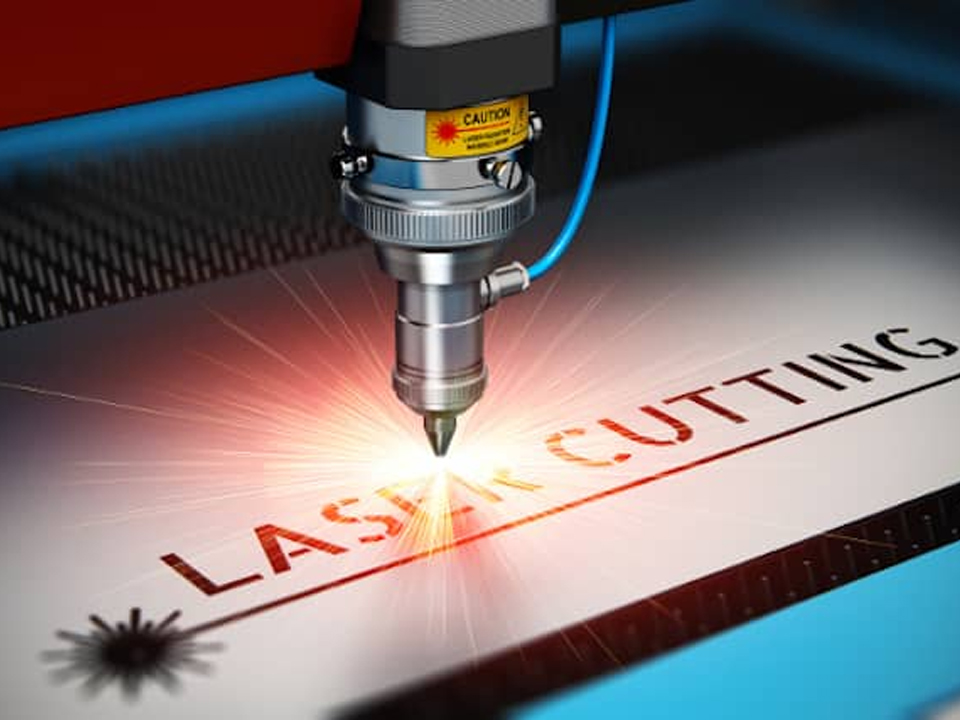
Best Materials for Laser Metal Cutting Machines
Which metals suit a laser metal cutting machine? Compare steel, stainless, aluminum, brass, copper and coated sheet, and learn what to verify before you buy.

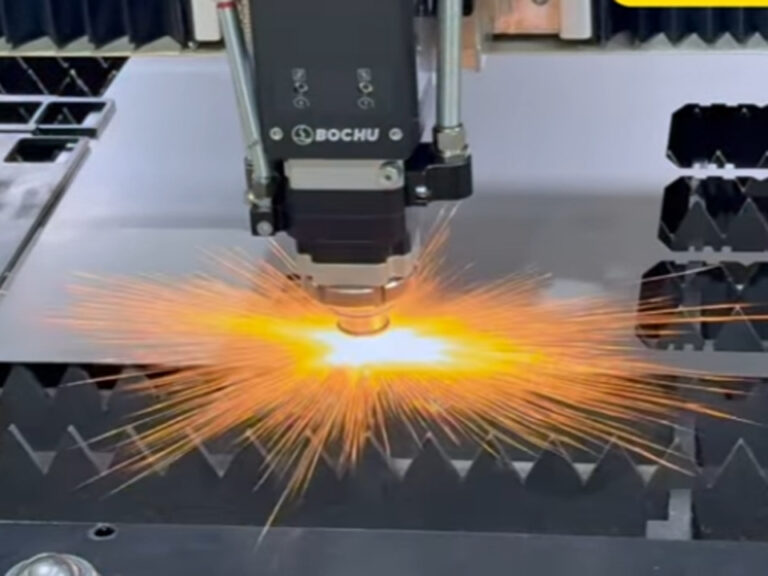
The best material for a laser metal cutting machine depends less on the metal itself than on how well the metal, thickness, assist gas, and laser power fit together. Carbon steel and stainless steel are the most forgiving. Aluminum, copper, and brass can be cut with a fiber laser, but they reflect more energy and usually need more power headroom per millimeter than steel. Galvanized, painted, or oily sheet adds fume and edge-quality questions that a simple “can it cut this metal?” check never answers. This guide compares the main metals buyers cut, explains why headline thickness ratings can mislead, and lists what to confirm with a supplier before you commit to a machine or a quote.
Which Metals Are Best Suited to Laser Cutting?
Mild (carbon) steel, stainless steel, and aluminum alloys are the metals most commonly processed on sheet-metal fiber lasers, and carbon steel is the easiest to cut at any given power level. Brass and copper are workable but demand more from the machine. Titanium and precious metals are usually specialist work.
In practice, “best” means three different things depending on the buyer:
- Easiest to cut well: carbon steel and stainless steel, where process windows are wide and edge quality is predictable.
- Most commercially common: carbon steel, stainless steel, and aluminum for enclosures, brackets, cabinets, signage, and machine parts.
- Most sensitive to machine specification: aluminum, brass, copper, and coated sheet, where power, optics protection, gas supply, and extraction have a larger effect on results.
A general-purpose fiber laser cutting machine such as the BGC3015 format on BOGONG’s site is listed for steel, stainless steel, galvanized steel, aluminum, titanium alloys, copper, and brass, with source options from 1000W to 6000W. Treat a list like that as a starting point. It confirms that the material family is in scope. It does not tell you the thickness and edge quality you will get on your own material.
Fiber Laser or CO2: Which Technology Fits Your Metal?
For cutting metal, a fiber laser is usually the better fit. Fiber lasers operate at roughly 1,060 nm, while CO2 lasers operate at about 10,600 nm. The laser manufacturer Selmach explains that the shorter wavelength is absorbed better by metals. That is why fiber is favored for mild steel, stainless steel, and reflective metals such as copper, brass, and aluminum. The same source reports that CO2 systems are more versatile on non-metals such as wood, leather, plastics, and cloth. It is a manufacturer’s view, but it matches how the market has split in practice.
That split should shape your purchasing decision:
- If more than half of your work is steel, stainless, aluminum, or brass sheet, specify a fiber source.
- If your orders include acrylic, wood, leather, or paper alongside light metal marking, a CO2 laser engraver and cutter may serve the non-metal side. BOGONG’s CO2 range is listed at 60W–180W with a 10.6 µm tube, which is a different class of machine from a kilowatt-level metal cutter.
- Do not buy a CO2 system for bare metal production on the assumption that “laser is laser.”
Metal-by-Metal Comparison for Buyers
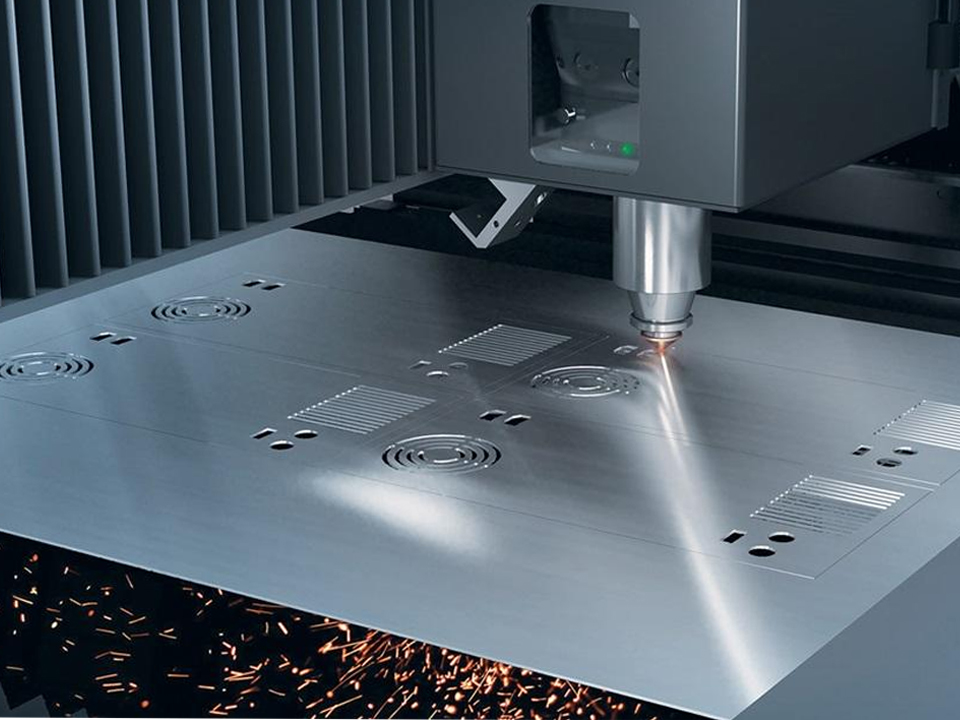
The table below is qualitative. It describes tendencies and verification points, not guaranteed thicknesses. Actual limits depend on laser power, cutting head, beam quality, gas pressure, and material condition.
| Material | Relative cutting difficulty | Typical assist gas approach | Main risk | What to verify with the supplier |
|---|---|---|---|---|
| Carbon steel | Lowest | Oxygen for thicker plate and speed; nitrogen or air for cleaner edges on thin sheet | Oxide edge can interfere with later painting or welding; heavy mill scale affects cut consistency | Cut samples at your thickness; gas supply and pressure rating |
| Stainless steel (e.g., 304, 316) | Low to moderate | Nitrogen for bright, oxide-free edges; oxygen is faster but leaves an oxidized edge | High nitrogen consumption on thick sections raises cost per part | Gas consumption per hour; edge appearance on samples |
| Aluminum alloys (e.g., 5052, 6061) | Moderate to high | Nitrogen or compressed air, depending on thickness and finish needs | Reflectivity, high thermal conductivity, dross on thicker sections | Sample cuts at your thickness; reflection protection in the optics |
| Brass | High | Nitrogen or air, per supplier parameters | Reflection and unstable cutting if power margin is thin | Power needed for your thickness, not the steel rating |
| Copper | Highest of the common metals | Nitrogen or oxygen depending on process; parameters vary widely | Very high reflectivity; narrow process window | Whether the source has back-reflection protection; proven samples |
| Galvanized or coated steel | Moderate | Same as base metal, but extraction and edge protection matter | Zinc and coating fumes; damaged coating on the cut edge | Extraction capacity; whether edge corrosion resistance is acceptable |
| Titanium alloys | Moderate to high | Inert-gas approaches are common to limit oxidation; confirm with supplier | Surface oxidation and contamination in regulated industries | Specification requirements for the cut edge; qualified process data |
Carbon Steel and Stainless Steel
These two make up the core of most job shops’ work. The key choice is the edge. Oxygen cutting on carbon steel works like a torch with a laser as the ignition source. A general reference on laser cutting describes this reactive cutting as mostly used on carbon steel above about 1 mm, with relatively little laser power needed even for thick plate. The trade-off is an oxidized edge. If the part will be powder coated or welded to a tight standard, ask whether the edge needs cleaning or whether nitrogen or air cutting is a better route.
For stainless steel, the corresponding trade-off is gas cost versus edge finish. Nitrogen cutting gives a cleaner edge but consumes more gas, so the cost per part depends on thickness and your gas supply arrangement.
Aluminum, Brass, and Copper
These are the metals where a spec sheet can mislead. They are bright and thermally conductive, so more of the beam is reflected or conducted away from the cut zone than with steel. Fiber wavelengths handle this better than CO2, but you still need a power margin. You also need a cutting head and optical path designed to tolerate reflected energy. Selmach notes that when CO2 lasers cut aluminum, a large portion of the beam can reflect back into optical components, which shortens consumable life and raises maintenance cost.
A specific illustration: BOGONG’s 6000W-40KW high power fiber laser metal cutting machine page lists different maximum thicknesses for the same 6000W machine, depending on the metal.
| Material (6000W machine, as listed by BOGONG) | Stated maximum thickness |
|---|---|
| Carbon steel | 25 mm |
| Stainless steel | 18 mm |
| Aluminum | 16 mm |
| Copper and brass | 10 mm |
These are the manufacturer’s stated figures, not independently tested. They show the pattern buyers should expect from any supplier: the same laser source delivers noticeably less thickness on reflective metals than on carbon steel. Copper and brass are listed at less than half the carbon-steel figure.
Galvanized, Coated, and Precious Metals
Galvanized sheet is common in ducting, cabinets, and structural components. The laser handles it, but the zinc layer vaporizes in the cut zone and creates fume that your extraction system must handle. The edge also loses its zinc coating, which matters for outdoor corrosion performance.
At the small end, a compact machine such as the 5050 small fiber laser cutting machine (500 × 500 mm working area, 1000W–3000W options on its product page) is positioned for jewelry and small parts in gold, silver, copper, and stainless steel. Format and power both limit what it suits. It is a different purchase from a production plate cutter.
Why Maximum Thickness Ratings Can Mislead Buyers
A thicker maximum rating does not mean a better machine for your material. It means the machine can sever that thickness under favorable conditions, which is not the same as producing production-quality parts at that thickness.
Conventional buying logic says: pick the highest wattage you can afford and it will handle everything. That is only partly right. Three conditions qualify it:
- Thickness range. If most of your work is thin sheet, extra kilowatts mainly add capital cost, power draw, and gas consumption. Higher power does improve speed on thin sheet, but the gain per dollar tends to flatten.
- Material mix. A power level sized around carbon steel can be undersized for copper or brass at the same thickness, as the 6000W figures above show.
- Edge requirements. Surface roughness on laser-cut steel rises with sheet thickness and falls with higher laser power and cutting speed, according to the same laser cutting reference. Cutting at the machine’s upper limit usually means slower, rougher, and more dross-prone parts.
The practical approach is to ask for two numbers for each material: the maximum severance thickness and the recommended thickness for production-quality cutting. If a supplier gives only one, request sample cuts on your own material.
A hypothetical example, for illustration only: a fabricator quoting 8 mm brass components selects a machine on its carbon-steel rating, then finds that cutting speed and edge quality on brass need far more power than expected. Specifying by material and thickness from the start would have avoided it.
For heavy plate, the same reference says most industrial lasers could not match plasma above about 10 mm, while machines at 6,000 W and above were approaching plasma’s thick-material capability at a much higher capital cost. That summary is dated, and the 25 mm carbon-steel figure listed above for a 6000W machine shows how far capability has moved. The comparison still holds: if thick plate is your main work, compare laser against plasma on total cost, not only cut quality.
Material Form Matters: Sheet, Plate, and Tube
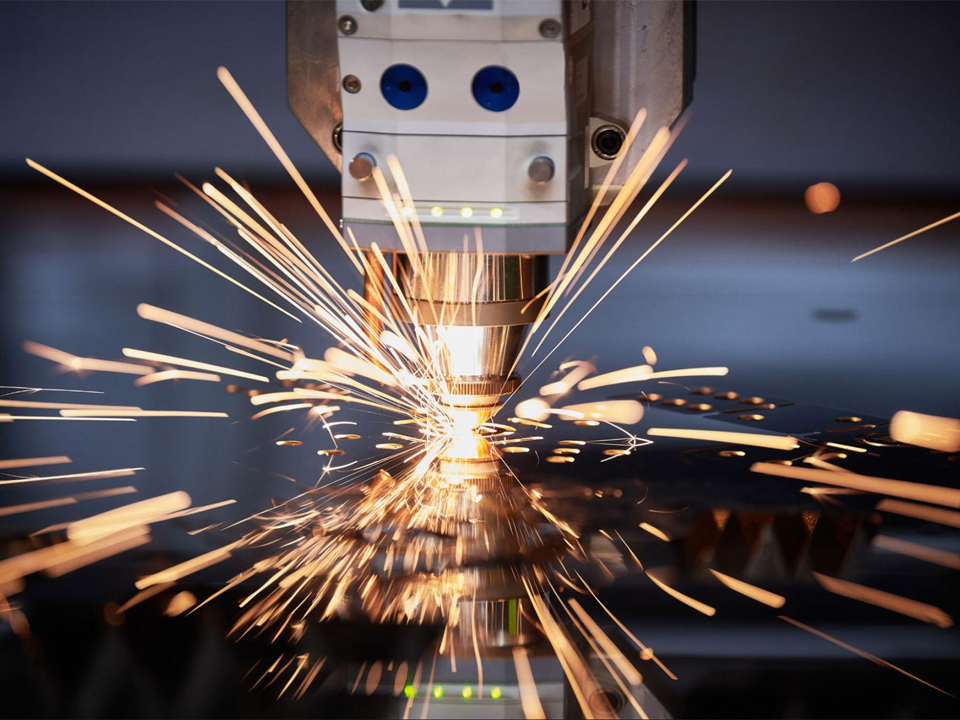
The same alloy behaves differently as flat sheet, thick plate, or tube, and each form points to a different machine configuration.
- Flat sheet and plate: Choose a sheet format that matches your standard stock. The fiber cutting machine page above lists a 1500 × 3000 mm cutting size for the BGC3015, and the 6000W–40kW page mentions an exchange pallet for automated loading. Pallet changers matter when you cut many small batches.
- Plate for welding: If parts go straight to weld preparation, a bevel fiber laser cutting machine can cut V, X, and Y edge profiles in one operation, with bevel angles up to 45° per the product page. This can reduce a separate chamfering step. It applies to flat plate, so confirm the maximum bevel thickness for your material. Shops that also weld in-house may compare this with a floor-type laser welding machine. That page could not be inspected for this article, so review its specifications separately.
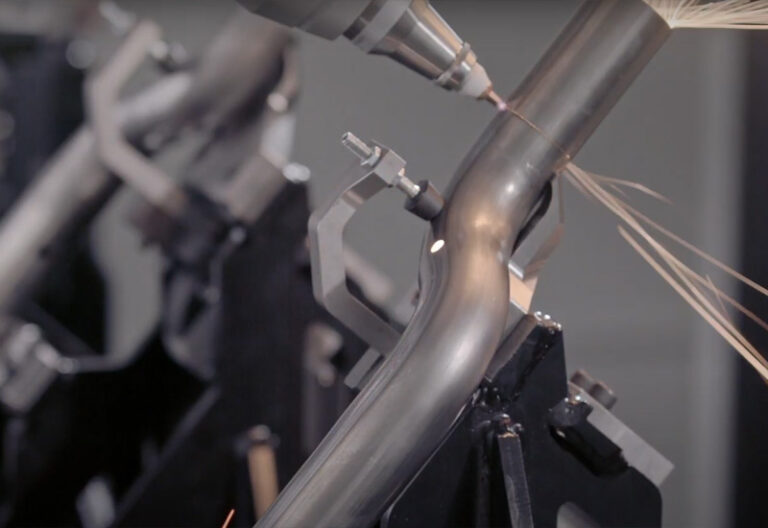
- Tube and pipe: Tube and pipe in stainless, carbon, and galvanized steel is a different process. An automatic loading laser tube cutting machine is listed for diameters from φ10 to φ180 with automatic feeding, and up to 240 mm with manual loading. Wall thickness, tube straightness, and profile shape affect cut quality, so supply drawings early.
If you are comparing categories rather than materials, BOGONG’s best metal cutting laser machine page gives a general overview of its metal-cutting lasers.
Safety and Fume Considerations for Reflective and Coated Metals
Material choice changes the safety plan, not just the cut quality. Two points matter for buyers.
First, industrial lasers are Class 4 devices. OSHA’s laser hazard recognition guidance lists Class 4 as an immediate skin and eye hazard from the direct or reflected beam, and also a possible fire hazard. Reflective metals make the reflected-beam concern more relevant. Confirm that the machine has appropriate enclosure or guarding and that operators receive training.
Second, fume composition depends on the material and its surface. OSHA’s list of chemicals associated with welding, cutting, and brazing states that the metals present depend on the material being worked. It also says coatings or degreasing residues can create additional decomposition products. The list covers welding, cutting, and brazing in general rather than laser cutting specifically, but the principle applies. Zinc on galvanized sheet, residues on oily sheet, and paint or film on coated stock all change what your extraction system has to handle. Review the safety data sheet for each material and size the extraction and filtration accordingly.
How to Match Material to Machine
Use this sequence to narrow your options:
- List every material and thickness you expect to cut over the next two to three years, and mark the core range and the occasional exceptions.
- Size the laser for the hardest regular material, such as brass or aluminum, not for the easiest.
- Decide the edge standard. Painted, welded, visible, or structural parts each tolerate different edge conditions, which affects gas choice.
- Choose the format: sheet size, tube, bevel capability, loading automation.
- Confirm utilities: gas supply, electrical phase and voltage, chiller capacity, and fume extraction.
- Request sample cuts on your actual stock, not generic demonstration material.
What Should Buyers Specify Before Requesting a Quote?
An accurate quote depends on details that a general inquiry usually omits. Prepare these before contacting any supplier:
- Materials and grades: For example, 304 versus 316 stainless, or 5052 versus 6061 aluminum, since alloys and tempers behave differently.
- Thickness range: The typical range and the maximum, kept separate.
- Surface condition: Mill scale, oil, protective film, galvanizing, paint, or powder coat.
- Part sizes and sheet format: Largest part, standard sheet size, and tube dimensions if relevant.
- Edge requirements: Oxide-free, weld-ready, bevelled, or cosmetic.
- Volume and shift pattern: Daily output and whether automation or pallet changing is justified.
- Site conditions: Voltage and phase (BOGONG’s fiber cutter page lists both 220V single-phase and 380V three-phase options), gas supply, and ventilation.
- Evidence you want in return: Cut samples on your material, stated maximum and recommended thickness, warranty terms, and spare-part and service arrangements.
Frequently Asked Questions
What metals can a fiber laser cutting machine cut?
Fiber lasers commonly cut carbon steel, stainless steel, galvanized steel, aluminum alloys, brass, and copper, and some also cut titanium alloys. Achievable thickness varies by metal and power, with reflective metals generally cutting thinner than steel at the same wattage.
Is aluminum or copper harder to laser cut than steel?
Yes, generally. Aluminum and copper reflect more laser energy and conduct heat away from the cut, which narrows the process window. Fiber lasers handle them far better than CO2, but you usually need more power and reflection-tolerant optics than for steel of the same thickness.
Can a CO2 laser cut metal?
Some CO2 systems cut steel and aluminum, but the 10.6 µm wavelength is absorbed less efficiently by metals, and manufacturers such as Selmach say copper and brass are beyond CO2 lasers. Fiber is the usual choice for metal; CO2 suits wood, acrylic, and leather.
Which assist gas is best for stainless steel?
Nitrogen is typically chosen when you need a bright, oxide-free edge. Oxygen cuts faster but leaves an oxidized edge. The right choice depends on thickness, finish requirements, and gas cost, so compare sample parts.
Is it safe to laser cut galvanized steel?
It is commonly done, but the zinc coating creates fume. Use effective extraction and filtration, review the material’s safety data sheet, and follow local occupational exposure rules. Ask the supplier what extraction capacity your machine setup needs.
How do I choose the right laser power for my material?
Start with your hardest regular material and thickness, then add margin. Compare the supplier’s recommended production thickness for that metal, not only the maximum rating, and ask for cut samples on your own stock before ordering.



Hot Click
Contact Us
Application
©Copyright [bogonglaser.com]. BOGONG Laser Machine Supplier All Rights Reserved.