-
Shunhua Road, Jinan City, Shandong

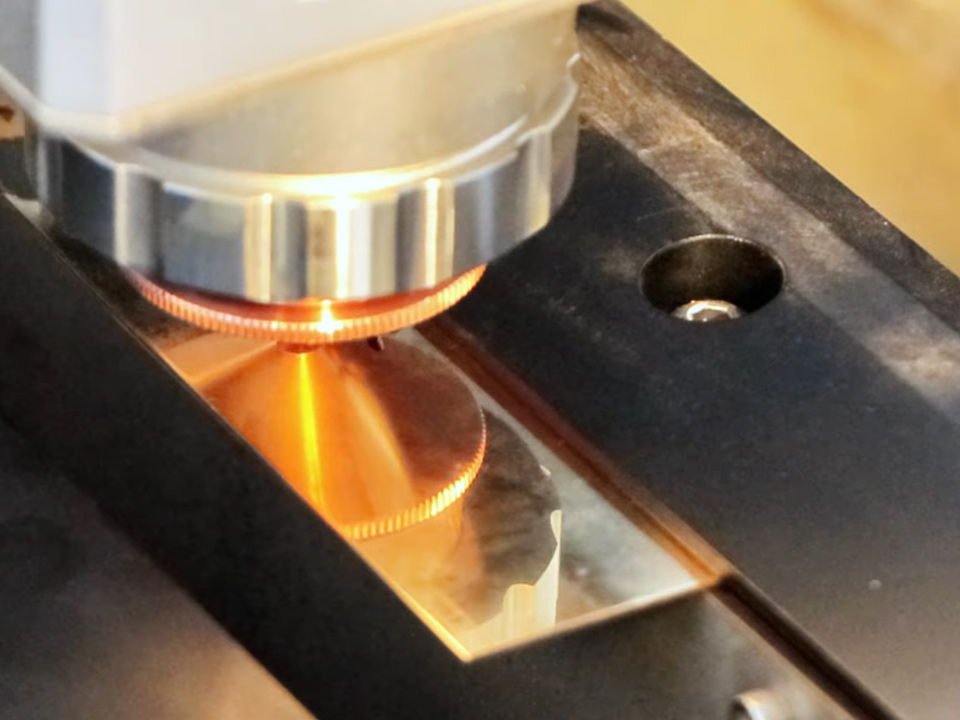
How to Choose the Right Laser Machine for Metal Cutting
Choosing the right laser cutting machine for metal is less about brochure wattage and more about thickness range, material mix, uptime risk, fumes, operator skill, and cost per finished part. I’ll break down what actually matters, where buyers get misled, and how to avoid buying the wrong machine.

Most buyers start wrong
They chase watts.
I’ve watched buyers walk into this decision like they’re shopping for bragging rights, latching onto 6 kW, 12 kW, even 20 kW numbers because big wattage looks decisive on a quote sheet, while the stuff that actually wrecks or protects margin—assist gas burn, nesting logic, nozzle life, scrap rates, servo behavior, chiller stability, and operator habits—gets shoved to the side like background noise. Bad move.
And I frankly believe that’s why so many shops overspend.
A laser cutting machine for metal isn’t some showroom toy. It’s a production mule. And if the mule limps, the whole shop limps with it. Recent U.S. business data backed up that caution too. Reuters reported in August 2024 that orders for core capital goods unexpectedly fell in July, which tells me buyers were already getting more suspicious, more selective, and less willing to throw money at shiny equipment that didn’t pencil out.
So what’s the first real question?
Not “What’s the best laser cutting machine for metal?” That’s brochure language. Ask this instead: what jobs will this thing cut, day in and day out, in what thicknesses, with what tolerance, on what margin, under what uptime pressure? Ask that, and half the bad options die on the spot.
The hard truth about machine type
For most shops, fiber wins.
That’s the blunt version. If you’re cutting carbon steel, stainless, aluminum, brass, or copper sheet, a fiber laser cutting machine for metal is usually the sensible place to start because it fits modern sheet-metal production, runs faster in a lot of real shop scenarios, and generally makes more sense than older CO2 cutting setups when you’re chasing throughput and cleaner economics at the same time. Usually.
But here’s the ugly truth: “fiber” by itself means almost nothing. A bad fiber platform with sloppy beam delivery, weak gas control, cheap motion hardware, and miserable after-sales support can bleed money faster than an older system that’s been properly maintained and dialed in by people who actually know what they’re doing. That’s not theory. Research published in 2024 on fiber-laser cutting accuracy found that power, cutting speed, and gas pressure materially affected quality outcomes on 4 mm and 6 mm steel; another 2024 open-access study on laser cutting parameters found cutting speed, focal position, assist gas type, and gas pressure significantly influenced cut quality. That tracks with what any decent shop foreman would tell you: process control beats brochure fluff every time.
And this is where sales reps get slippery, fast.
They’ll pitch speed. I’d rather see repeatability, kerf consistency, pierce quality, and how the machine behaves when the sheet isn’t perfect—because in the real world the sheet is often not perfect.
Now, if your work leans toward marking rather than cutting, that’s a different lane entirely. Something like the mini cabinet laser marking machine or the 3D UV laser marking machine may fit another workflow. Useful machines. Wrong job, though, if your actual target is metal-cutting throughput.
Match the machine to the metal, not your ego
Here’s my rule.
Buy for the work you already have—not the fantasy jobs you hope show up six months later because you bought a monster machine and now feel pressure to feed it.
I’ve seen shops do this. They cut mostly 1 mm to 6 mm stainless and mild steel, then go shopping like they’re opening a defense plant. Why? Ego, mostly. Or fear. But a shop living in that thickness band often needs a balanced machine with stable motion control, decent edge quality, lower operating drama, and service that doesn’t disappear after the deposit clears. Not a high-power beast that spends most of its life loafing around while the owner tells himself he’s “future-proofed.” He hasn’t. He’s just raised his cost floor.
And energy isn’t some side issue anymore. Not in 2026. Oversizing has consequences—electrical load, maintenance exposure, more expensive consumables, higher buy-in, sometimes more operator dependency too. Meanwhile, U.S. industrial policy keeps pushing the efficiency angle harder. The Department of Energy announced $38 million in 2024 for cross-sector industrial technology projects, and EPA materials make it pretty clear that industrial emissions look even worse once electricity use gets counted in full. So yes, efficiency has stopped being a “green” talking point. It’s a money problem now.
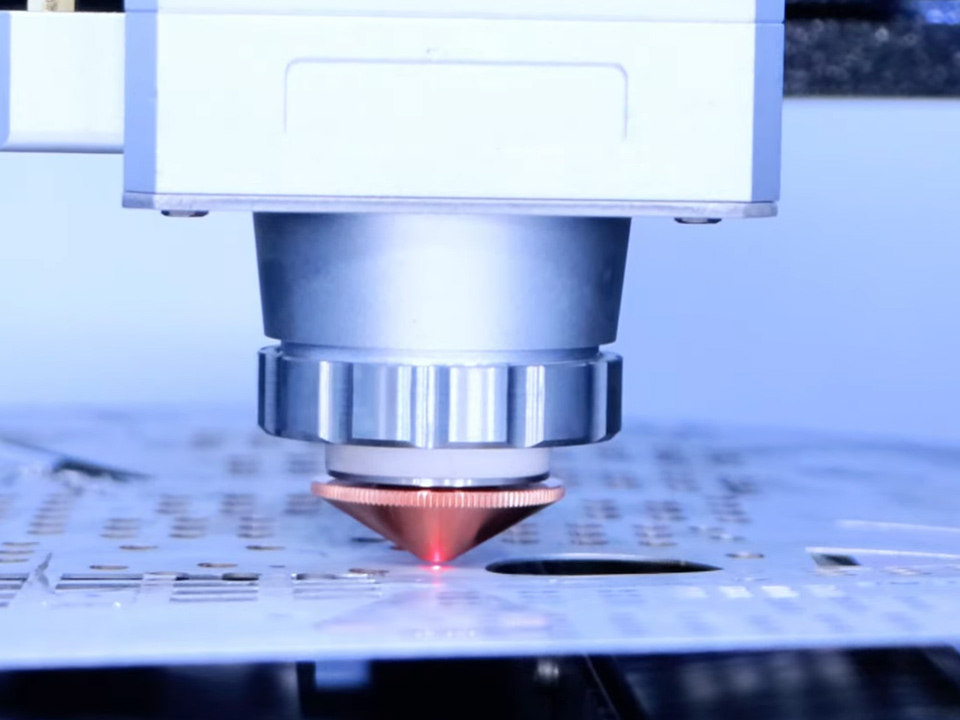
A practical buying frame
Use this before you sit through another sales demo.
| Your real situation | Better machine direction | Why |
|---|---|---|
| Thin sheet, high volume, 1–6 mm carbon steel/stainless | Mid-power fiber laser | Best balance of speed, operating cost, and manageable complexity |
| Mixed metals, reflective materials, frequent job changes | Fiber laser with strong software and gas controls | Material flexibility matters more than headline wattage |
| Thick plate work, fewer jobs, high-value parts | Higher-power industrial laser cutter for metal | Throughput on thicker sections may justify the cost |
| Fine detail, jewelry, small metal components | Compact precision fiber system | Better for detail, lower footprint, tighter part handling |
| Rusted, painted, or dirty feedstock upstream | Add cleaning workflow before cutting | Surface prep can improve consistency and reduce headaches |
And yes, job mix matters more than people admit.
If your business includes smaller, high-detail parts, fiber laser engraving cutting machine for metal jewelry is a far more relevant internal comparison than some oversized sheet metal laser cutting machine built for full-size production beds. Different battlefield. Different weapon.
Power is not the first spec that matters
Power matters. Order matters more.
When buyers ask about laser cutting machine power for metal, they usually want a magic number. They want someone to say 3 kW, 6 kW, 12 kW—done, decision made. But that’s not how this works in a real fab shop, where material mix, edge requirement, throughput target, assist gas cost, and shift pattern matter more than what looks impressive in a PDF. A 3 kW machine that nails your bread-and-butter jobs with low scrap and predictable gas use can quietly outperform a 12 kW setup that sits idle, burns overhead, and spits out inconsistent edges on the work you actually invoice. That happens. More than vendors would like to admit.
And demo cuts? Please.
Vendor demos are theater. Carefully staged theater. They use ideal stock, ideal parameters, ideal gases, fresh consumables, cherry-picked geometries, and usually the one operator in the building who knows exactly how to flatter the machine. Your shop won’t look like that. It’ll have warped sheets, rush jobs, half-baked drawings, late change orders, grimy stock, tired operators, and someone asking why the edge on part 437 looks different from part 12. That’s the real exam.
The ugly cost nobody likes to discuss
Fumes. Dust. Compliance.
Metal cutting isn’t just about speed and edge quality. It’s also about what ends up in the air—and what ends up on your liability sheet if you ignore it. OSHA states that welding, cutting, and brazing operations can expose workers to metal fumes, ultraviolet radiation, burns, eye damage, electrical shock, and other hazards. OSHA also notes that fumes from cutting processes may contain hazardous substances, including carbon monoxide and metals such as chromium, nickel, lead, cadmium, and manganese depending on the material and process. That’s not optional reading. That’s the bill coming due if your extraction setup is an afterthought.
I’ve seen buyers obsess over machine price, then cheap out on the support ecosystem. Big mistake.
Because the real purchase isn’t just the cutting head and the bed frame. It’s the whole cell: extraction, filtration, gas train, chiller, software stack, consumables, floor prep, training, service response, and how quickly you can get back online when a component throws a fit. That’s the machine. All of it.
And if your incoming material is rusty, painted, oxidized, or just filthy, don’t act surprised when cut quality wanders. In that case, something like the pulse laser cleaning machine can make more sense upstream than endlessly tweaking parameters downstream and pretending the problem is the nozzle.
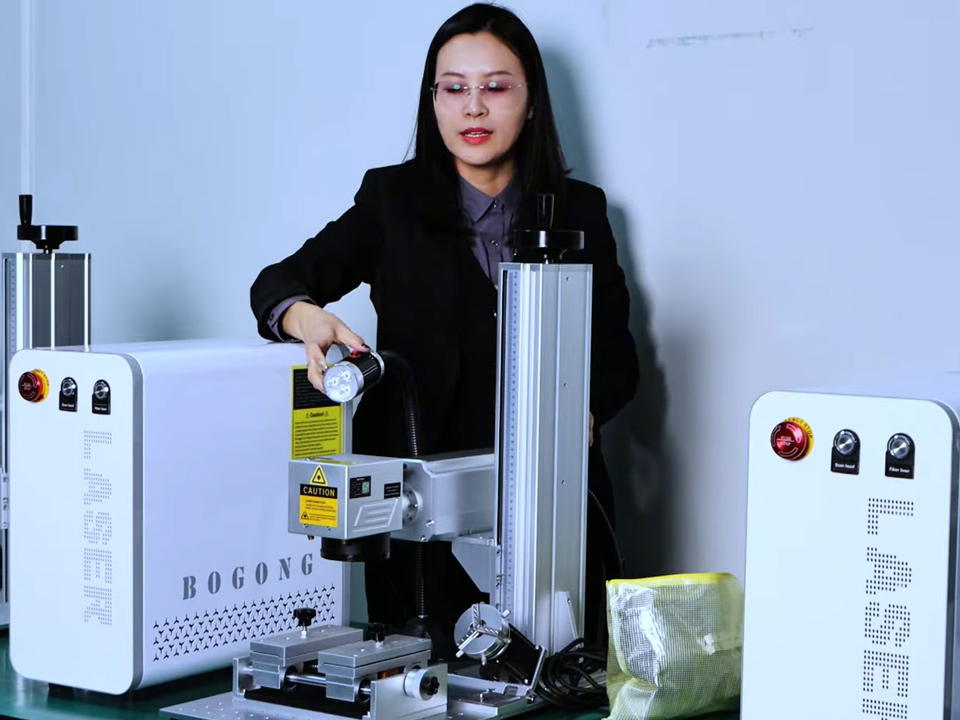
Software decides more than most shops admit
Nesting is margin.
That sounds dramatic, but it isn’t. A metal laser cutter with weak nesting software, clumsy remnant handling, ugly lead-ins, poor path optimization, or a controller that slows down your programmer will eat profit so quietly that management often blames labor, material cost, or “market pressure” instead. I frankly believe this is one of the most common self-inflicted wounds in the industry.
Because hardware gets the attention. Software does the sneaky damage.
Bad software means more scrap skeleton, more setup friction, slower handoff from quote to production, more operator workarounds, more headaches on urgent jobs, and more “mystery” inefficiency that somehow never shows up in the sales pitch. And in a cautious capex environment, that matters even more. Reuters’ 2024 reporting on softer U.S. equipment spending and continued manufacturing weakness reflected exactly the kind of environment where buyers stop forgiving tools that look okay in a demo but don’t move the needle on real throughput and consistency.
And if your workflow also needs traceability—serials, IDs, part marking, branding—then 50W split fiber laser engraving machine can complement a cutting setup well. Not the same job, obviously. But very much the same production logic.
What I would inspect before signing a PO
Cut samples from your own material
Never trust catalog cuts alone.
Send your actual stock. Same alloy. Same thickness. Same finish. Same protective film, if you use it. Then ask for more than one pretty part. Ask for repeat cuts. Ask for edge photos. Ask about burr, taper, pierce splash, corner behavior, heat tint, and part-to-part consistency. A machine that shines on one hero sample can still stumble in batch reality.
Service response in writing
Don’t settle for “we have global support.”
That phrase means nothing. Ask for service terms in writing—response windows, spare-parts availability, remote diagnostics, local technician coverage, and who pays when something expensive fails earlier than it should. If the answers get vague, that’s your answer.
Full operating-cost model
Sticker price is bait.
You need numbers for assist gas, power consumption, nozzle wear, lens replacement, filter changes, preventive maintenance, software fees, and training. Otherwise you’re not evaluating a machine. You’re just reacting to a quote.
Controller and software workflow
Get your programmer involved early.
Always. A machine that looks “easy” to a sales rep can still be a workflow nuisance once your actual team has to nest, process, revise, and push jobs through it every single day.
My opinion on “best” machines
There is no universal best.
And honestly, I’m suspicious of anyone who says there is.
There’s best-for-thin-sheet throughput. Best-for-mixed metals. Best-for-service access. Best-for-tight floorspace. Best-for-low-energy overhead. Best-for-a-shop-with-weak operator depth. Those are real categories. “Best overall” is usually just lazy marketing wrapped in confidence.
The right industrial laser cutter for metal is the one that turns your routine work into repeatable margin without turning the shop into a hostage situation every time something needs service.
And sometimes the smartest comparison is looking at what the machine is not supposed to do. For example, the CO2 laser marking machine has value in other production contexts, sure, but it’s not the primary answer for modern metal sheet cutting decisions. People mix these categories up more often than they should.
FAQs
What is the best laser cutting machine for metal?
The best laser cutting machine for metal is the machine whose power range, beam quality, assist-gas setup, software, duty cycle, and service support match your real material mix and daily production volume, not the machine with the most impressive brochure specs. For most shops cutting steel, stainless, aluminum, brass, or copper sheet, a fiber laser is usually the strongest starting point because it handles common metal-cutting workloads efficiently and fits modern production better than older general-purpose alternatives.
How do I choose a laser cutting machine?
Choosing a laser cutting machine means matching machine capability to your actual parts, thickness range, material type, tolerance, shift schedule, operating budget, and service needs before you compare price tags. I’d start with five things: your top 20 parts by volume, your most common thickness band, your true uptime target, your extraction and gas setup, and your programmer’s workflow. If those five are fuzzy, you’re not ready to buy. That’s the hard truth.
What laser power is best for metal cutting?
The best laser power for metal cutting is the lowest power level that consistently cuts your main materials and thicknesses at the edge quality, speed, and operating cost your business can support. In practice, thinner, faster-turn sheet work often benefits from mid-power systems, while thicker plate jobs may justify higher-power machines. But power alone does not decide cut quality. Research in 2024 showed that speed, gas pressure, focal position, and assist-gas selection all strongly affect cutting performance.
Your Next Steps
Don’t buy on adrenaline.
Take your top production parts, group them by metal and thickness, ask every vendor to cut the same sample set, compare not only speed but burr, taper, gas use, and repeatability, and force the service terms into writing. That’s how you choose the right laser machine for metal cutting like an operator—not like someone getting hypnotized by wattage and glossy slides.
That’s the move.


Hot Click
Contact Us
Application
©Copyright [bogonglaser.com]. BOGONG Laser Machine Supplier All Rights Reserved.