-
Shunhua Road, Jinan City, Shandong

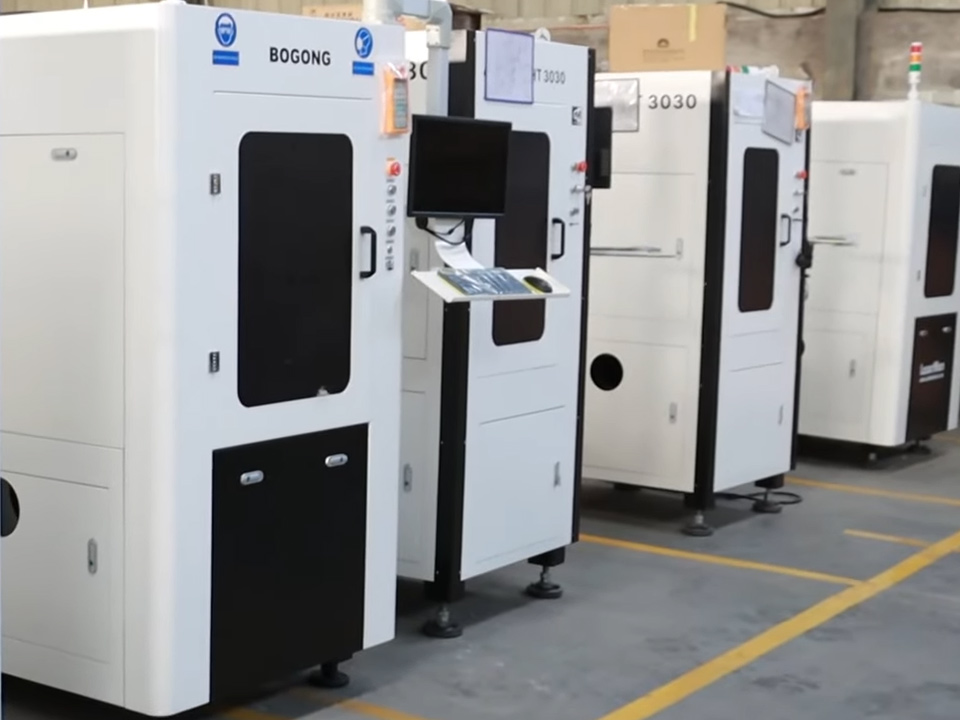
How Manufacturers Improve Server Chassis Accuracy With Laser Cutting
Server chassis accuracy is not won by buying a bigger laser. It is won in the boring places: focus calibration, gas control, sheet stability, nesting logic, hole strategy, and inspection discipline. Here’s where the real gains come from, and where too many factories still fool themselves.

The ugly truth nobody puts in the machine brochure
I’ve seen this movie before: a factory buys a faster machine, the sales team starts talking like all tolerance problems are over, and then, three weeks later, the assembly guys are still cursing over misaligned slots, ugly vent fields, PEM issues, and panels that technically “passed” inspection but still fight the build during final fit-up.
It happens. A lot.
And here’s the ugly truth—I frankly believe most server chassis accuracy problems are not born in one big dramatic mistake. They come from small, boring, cumulative screwups. Bad focus. Lazy gas control. Hot nests. Sheet variation. Wrong pierce logic. Weak inspection. Nothing sexy. Everything expensive.
So when people ask me how manufacturers improve server chassis laser cutting results, I don’t start with wattage. I start with discipline.
The direct answer is simple: manufacturers improve server chassis laser cutting accuracy by treating the process like a chain, not a machine. Beam focus, cut speed, nitrogen pressure, sheet flatness, thermal load, nesting order, hole strategy, and downstream inspection all have to behave. If one goes sideways, the whole chassis starts lying to you.
And the pressure is getting worse, not lighter. Reuters’ January 2024 reporting on Super Micro’s forecast jump showed the company lifting quarterly sales guidance to $3.6 billion to $3.65 billion, up from $2.7 billion to $2.9 billion, driven by AI server demand. That kind of jump changes shop-floor behavior fast—more rush jobs, more schedule compression, more temptation to run “good enough” parameters because the line is backed up and nobody wants to be the bottleneck.
That’s when bad habits spread.
And there’s a bigger backdrop to this. Reuters’ DOE-backed data-center power report noted that U.S. data-center power demand more than doubled from 2017 to 2023 and could reach 6.7% to 12% of total U.S. electricity use by 2028. Read that again and think like a fabricator. More data centers means more server cabinets, more enclosures, more chassis, more thermal hardware, more volume, tighter lead times, and way less patience for mechanical drift that shows up at final assembly.
That’s the business reality. Not the brochure version.
Where precision laser cutting for server chassis is actually won
Focus first, ego later
Small things matter.
A lot of shops don’t want to hear that. They’d rather brag about machine size, brand, power source, cutting speed charts, all that. But from my experience, precision laser cutting for server chassis usually lives or dies in setup hygiene. Not in the headline spec.
A 2024 paper in Metals—Effect of Fiber-Laser Parameters on Cutting Accuracy—looked at how laser power, speed, and assist gas pressure changed surface roughness, cut taper, and dimensional accuracy in steel cutting. That matters here because server chassis parts fail for exactly those reasons, even when people pretend they don’t. Taper shows up later. Burrs show up later. Edge instability shows up later. The part may look fine at a glance, then go ugly when it hits bending, insertion, coating, or final screw-up.
That’s the trap.
I’ve watched shops lose days because the nozzle wasn’t centered quite right after maintenance—just a little off—and nobody caught it until slot quality started drifting across a run. Not catastrophic. Worse than catastrophic. Expensive and easy to miss.
Nitrogen isn’t background noise
Let me say this plainly: gas control is not a side character in server enclosure laser cutting. It’s one of the lead actors.
When nitrogen purity or pressure wobbles, you start seeing the usual junk—oxide, dross, rough edges, inconsistent kerf behavior. Then deburring goes up. Then variability goes up. Then somebody blames the brake operator. Wrong target.
And if the panel is headed for coating or tight mechanical assembly, that sloppy edge can cost you twice. Maybe three times.
Heat has a memory
Here’s something outsiders usually miss. A nest is not just geometry. It’s a heat story.
Dense vent arrays, long cut paths, repeated pierces, tight feature packing—those things load heat into the sheet in ways that absolutely affect sheet metal laser cutting for enclosures. You can’t just slam everything into one dense layout, chase utilization numbers, and act surprised when the panel starts behaving differently near the end of the cut cycle.
Bad nesting lies.
The shops that get server chassis laser cutting accuracy right do these boring things well
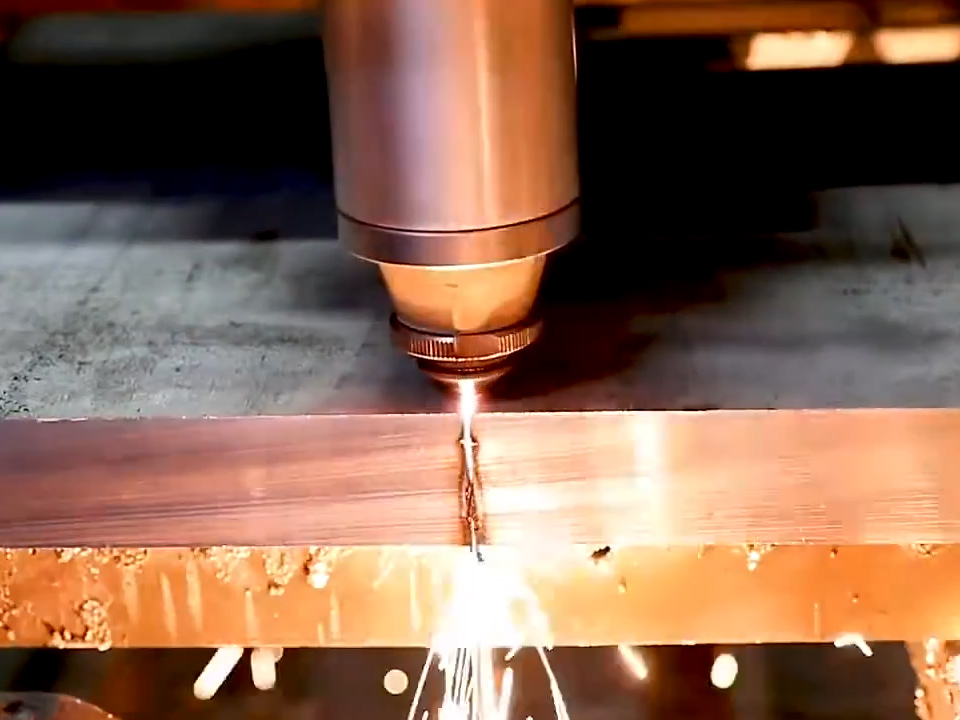
They stop using one recipe for everything
This should be obvious. Somehow it still isn’t.
Server chassis work isn’t one part. It’s a family of recurring features—fan holes, PSU openings, cable-routing slots, motherboard zones, flange tabs, vent fields, rail brackets, drive cage patterns. Serious manufacturers don’t throw one “universal” cut recipe at all of that and call it process control. They build parameter libraries by material, thickness, feature density, cosmetic requirement, and downstream risk.
That’s how grown-up shops work.
And yes, equipment matters. But only when the supplier can explain why it matters. A manufacturer who understands when an all-in-one fiber laser metal cutting machine for sheet and tube makes sense, when a dedicated fiber laser cutting machine is the cleaner choice, and when a bevel fiber laser cutting machine for groove cutting and chamfering belongs in the conversation is usually a supplier who thinks in process windows, not sales slogans.
That difference matters.
They separate cosmetic edges from functional edges
Not every cut feature deserves the same treatment. I don’t know why this still surprises people.
Outer visible chassis skins, internal brackets, bend-adjacent features, grounding points, rail interfaces, weld-prep edges—they don’t all carry the same risk. Good shops know that. Bad shops talk about “high quality” in a vague, foggy way and hope nobody asks which feature matters most.
But the real question is always this: what fails first in assembly?
That’s where settings should be tuned.
They inspect what actually causes pain downstream
I’ve got very little patience for inspection plans that measure easy dimensions because they look tidy on a report while ignoring the hole pattern that actually decides whether the chassis goes together.
Real server chassis laser cutting accuracy is not a vanity number. It lives in datum chains, hole-center position, slot width, bend-offset relationships, tab consistency, edge cleanliness, and how the cut part behaves after forming. If QA says “pass” but the line says “this thing fights us every time,” then the inspection plan is weak. Period.
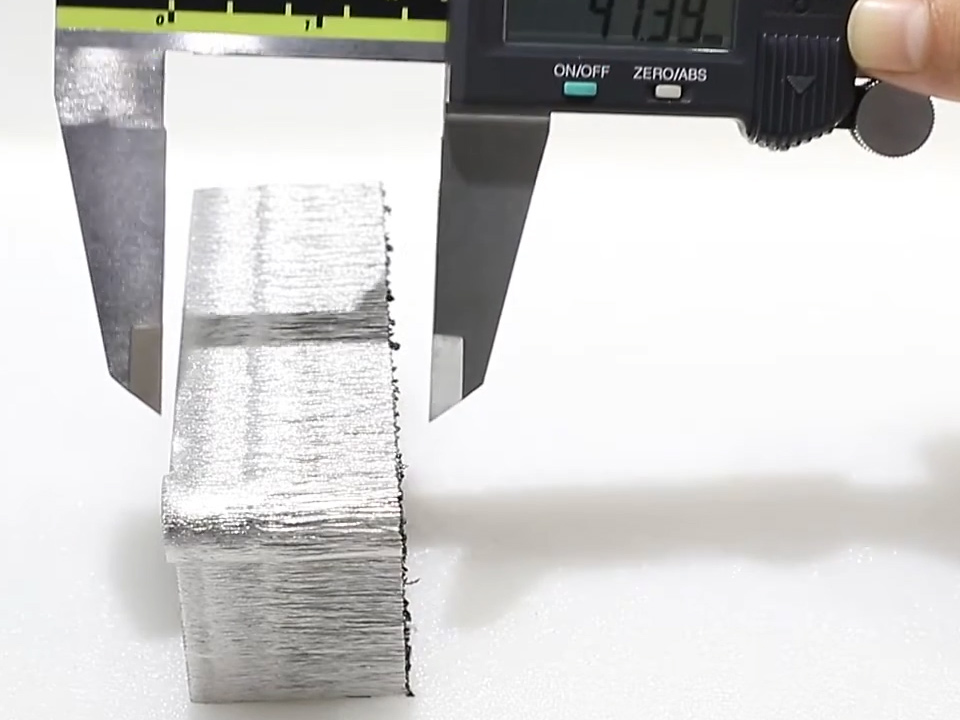
What really changes results in sheet metal laser cutting for enclosures
| Process factor | What it affects | What goes wrong when it slips | What disciplined manufacturers do |
|---|---|---|---|
| Focus position | Kerf geometry, taper, edge consistency | Slot drift, hole distortion, unstable edge finish | Lock calibration routines by material and thickness |
| Cutting speed | Heat input, burr formation, dimensional control | Dross, oversize or undersize features, rough edges | Build recipe windows by feature type, not one-speed-for-all |
| Assist gas pressure and purity | Oxidation, dross, edge cleanliness | Extra deburring, coating defects, variable cut quality | Monitor supply stability and validate gas settings per job |
| Nesting and cut sequence | Thermal load, flatness, repeatability | Local warping, feature inconsistency in dense panels | Use heat-aware sequencing for vent fields and dense chassis layouts |
| Sheet flatness and material variation | Consistent focal distance and cut stability | Local tolerance drift, uneven cut edges | Check incoming material and reject unstable stock early |
| Inspection strategy | Assembly fit and functional accuracy | “Passes QA, fails assembly” syndrome | Measure datum-critical features tied to actual chassis assembly |
That table looks simple. The damage behind each row isn’t.
Because once one variable drifts, another one usually starts compensating for it, then someone adjusts speed, then someone changes gas settings mid-run, then production says the parts are “still acceptable,” and before long you’ve got a whole batch of chassis panels that aren’t dead wrong but also aren’t trustworthy. That gray zone kills margins.
Why fiber usually wins for server enclosure laser cutting, but not for the reason people say
Let me be blunt.
For modern server chassis manufacturing, fiber is usually the practical answer. Faster throughput on thin-gauge sheet, cleaner fit for reflective metals, easier automation flow, lower maintenance burden than older CO2 setups in many real production cases—that’s the basic story. But I think the market says it too cleanly. Fiber doesn’t win because it’s fashionable. It wins because it matches the production logic of enclosure work better.
Usually.
If you’re cutting thin steel or aluminum panels, a solid fiber laser cutting machine is typically the center of gravity. If you’ve got jobs that need more edge prep logic or angle-sensitive geometry, then bevel fiber laser cutting for groove and chamfer work deserves attention. And if a supplier starts pitching a CO2 laser engraver cutter for core server chassis production without a very specific reason, I’d ask them to slow down and explain themselves.
Because this isn’t a nostalgia contest. It’s a tolerance business.
And the scale is moving fast. Reuters on Lenovo’s 2024 AI server manufacturing plan reported that Lenovo planned annual production of 50,000 AI rack servers and 2,400 GPU servers in India. Those numbers matter. They tell you where this market is headed: more localized production, more enclosure volume, more mechanical repeatability pressure, more need for process consistency that survives real throughput—not just sample-part theater.
That’s where suppliers get exposed.
The features that punish weak process control first
Vent fields
People underestimate vent fields all the time. Bad move.
A big perforation zone looks easy on a drawing. On the machine, it’s a heat-management test. Dense repeated features can expose shaky parameter control very quickly—especially when the shop is trying to chase speed, reduce idle motion, and keep the sheet from moving around too much during long runs.
That’s where the chassis starts talking back.
Mounting holes and slot chains
This is where weak shops get humbled. One hole may be within tolerance. Great. But server hardware doesn’t care about a single lucky measurement. It cares about the chain. Hole-to-hole position. Slot consistency. Alignment after bending. Screw start. Rail fit. Standoff location.
That’s the real battlefield.
Bend-adjacent details
Here’s the ugly bit. A feature can look fine flat and still betray you later.
Hole-to-bend distance, relief geometry, tab width, edge condition near fold lines—those details are where “laser accuracy” and “system accuracy” collide. And from my experience, buyers often blame the wrong operation because the failure only becomes visible after forming.
But the seed was planted earlier.
FAQs
What is server chassis laser cutting accuracy?
Server chassis laser cutting accuracy is the degree to which laser-cut chassis parts match required dimensions, hole positions, edge quality, and fit conditions across repeated production runs, especially at datum-critical features that affect bending, hardware insertion, airflow panel alignment, and final assembly inside rack-mounted server systems.
Put more simply, it means the part still fits where it’s supposed to fit—not just once, not just on the first-off sample, but across a real production run where heat, material variation, and operator decisions all start trying to pull the process off center.
How do manufacturers improve server chassis accuracy with laser cutting?
Manufacturers improve server chassis accuracy with laser cutting by controlling focus position, assist gas pressure, cut speed, nesting sequence, material flatness, pierce logic, and in-process inspection as one stable process window rather than relying on machine power alone to deliver repeatable precision.
That’s the clean answer. The messier answer is that most gains come from fixing boring habits: better cut libraries, tighter gas discipline, smarter sequencing, better checks on incoming sheet, and inspection points tied to actual chassis assembly instead of easy-looking report dimensions.
What is the best laser cutting method for server chassis manufacturing?
The best laser cutting method for server chassis manufacturing is usually fiber laser cutting on thin to medium-gauge sheet metal, paired with validated process recipes, thermal-aware nesting, and downstream inspection tied to assembly-critical features rather than cosmetic dimensions alone.
I’d still add one caveat—“best” depends on the supplier’s process maturity. A good shop with controlled fiber parameters beats a flashy shop with sloppy habits every single day of the week.
Your next steps
If you’re buying server chassis fabrication, don’t stop at machine specs. That’s amateur-hour stuff.
Ask the supplier how they control cut parameters by feature type. Ask what they measure before bending and after bending. Ask how they handle vent fields differently from slot-heavy bracket zones. Ask what happens when sheet flatness changes lot to lot. Ask how they validate datum-critical hole chains. Ask which defects they see most often in production—and how they catch them before assembly does.
That conversation will tell you more than the machine brochure ever will.
And if you’re building content around this page, the strongest internal path is still the same: a deeper look at fiber laser cutting machines for enclosure production, a practical page on sheet-and-tube all-in-one fiber laser systems, and a more technical explainer on bevel laser cutting for groove and chamfer accuracy.
That’s the smarter next move. Not because it sounds nice. Because buyers with real budgets usually keep reading only when the writing sounds like it came from someone who’s actually seen production go wrong.


Hot Click
Contact Us
Application
©Copyright [bogonglaser.com]. BOGONG Laser Machine Supplier All Rights Reserved.