
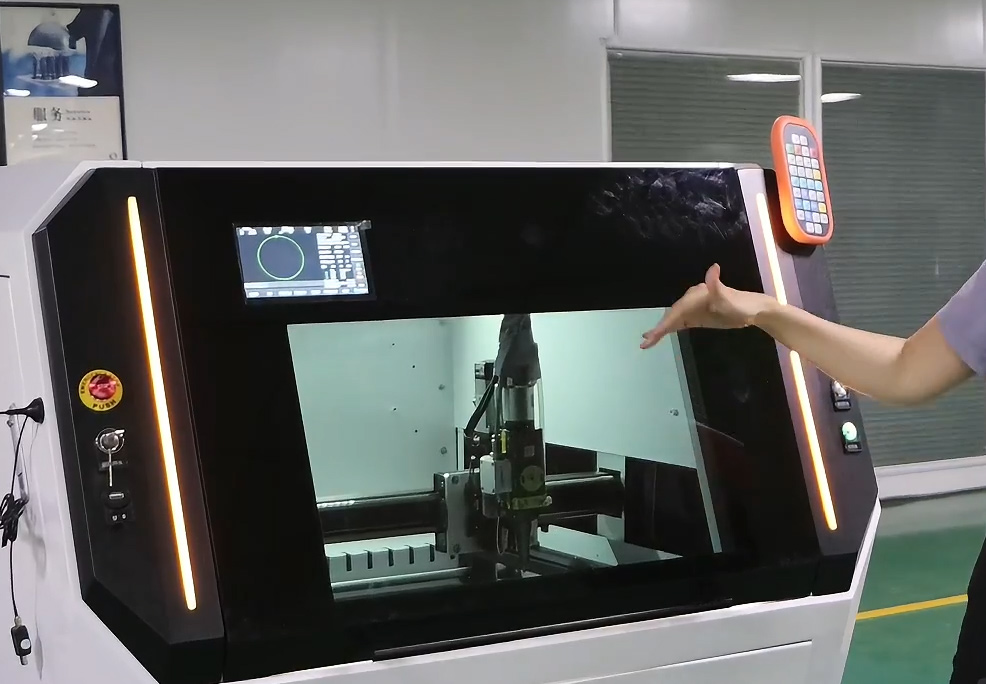
Решения по лазерной резке для производителей фитнес-оборудования Производство
Снаружи производство фитнес-оборудования выглядит просто: режем сталь, свариваем рамы, покрываем детали, отправляем станки. Внутри фабрики все гораздо сложнее. Ошибки при подгонке труб, заусенцы, сварочные искажения, дефекты порошкового покрытия и медленная обработка в пресс-формах незаметно съедают прибыль.

То, что никто не видит: некачественный крой превращается в некачественный тренажер
Однажды я наблюдал, как заводская бригада целых двадцать минут спорила по поводу сварной рамы, которая была “почти в порядке”. С расстояния двух метров труба выглядела нормально. Однако при ближайшем рассмотрении выемка имела неровные края, отверстия под болты не совпадали с зажимным приспособлением, а сварщик уже приступил к той тихой заводской импровизации, о которой все делают вид, что её не существует.
Смирись с этим. Иди дальше.
Вот такая неприглядная правда в сфере производства тренажёров. Основание беговой дорожки, стойка для приседаний, рама тренажера для жима, кронштейн кабельного тренажера или опора велотренажера выходят из строя не из-за одной огромной ошибки, допущенной одним человеком. Обычно дело доходит до плачевного результата из-за накопления пяти мелких ошибок: отклонение при резке труб, заусенцы, слишком большой допуск на отверстия, поспешная работа с зажимными приспособлениями и зазоры в сварных швах, требующие слишком большого количества присадочного материала.
И потом бренд удивляется, почему устройство производит впечатление дешевого.
Лазерная резка для фитнес-оборудования имеет большое значение, поскольку тренажеры — это не просто “покрашенная сталь”. Это несущая сталь с видимыми соединениями, повторяющимися схемами отверстий, требованиями безопасности, поверхностями с порошковым покрытием и клиентами, которые, возможно, не разбираются в технологиях изготовления, но точно знают, когда тренажер гремит, наклоняется, скрипит или выглядит так, будто его привезли из подпольной сварочной мастерской.
Вот моё прямое мнение: если начало неверно, то и вся остальная часть пути уже обречена на провал.
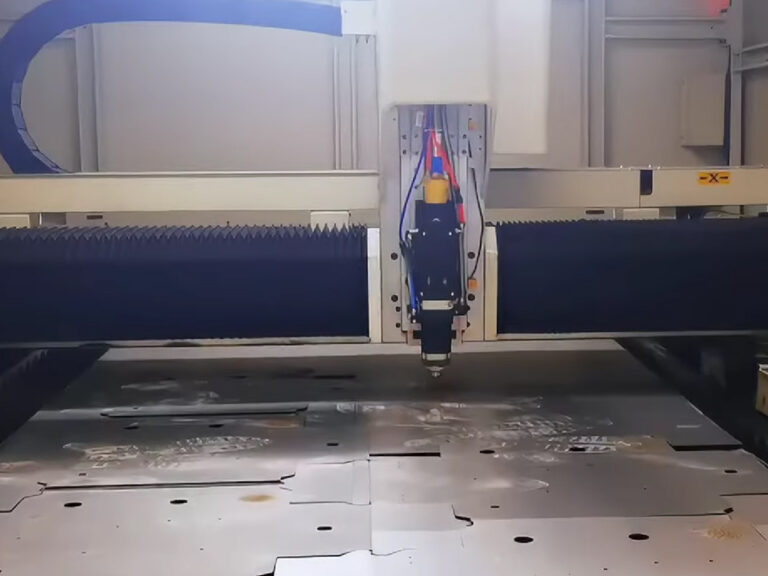
Именно поэтому предприятия, которые не ограничиваются простыми операциями по распиловке, штамповке и ручному сверлению, переходят на такие системы, как высокомощные волоконные лазерные станки для резки металла. Не потому, что слово «лазер» звучит современно. А потому, что некачественная геометрия обходится дорого.
Почему фитнес-оборудование — это категория, которая обманчиво сложна
Люди, не связанные с этой отраслью, считают, что тренажеры — это простая вещь. Тяжелая труба. Толстая пластина. Несколько болтов. Возможно, красивое черное порошковое покрытие.
Не совсем.
Рама тренажера для силовых тренировок может состоять из труб из мягкой стали Q235, отделки из нержавеющей стали, монтажных пластин, вырезанных лазером, гнутых защитных ограждений, кронштейнов для шкивов, отверстий для селекторных штифтов, регулировочных рельсов с пазами и декоративных кожухов, которые должны выглядеть безупречно под освещением выставочного зала. Если одна партия кронштейнов имеет отклонение в 1 мм, сборка замедляется. Если расположение отверстий на одной из стоек смещается, это приводит к жалобам на плохую посадку аксессуаров. Если выемка в трубе выполнена неаккуратно, за это расплачивается сварщики.
Это работает. Обычно.
Однако “обычно” — это не производственная система, и когда завод отгружает 300, 800 или 2 000 единиц продукции, небольшое отклонение от допусков становится вполне реальной статьёй затрат, скрытой в трудозатратах, тележках для переделки, задержках с порошковым покрытием и тех неловких сообщениях покупателю о “незначительной корректировке графика”.”
Именно здесь находит своё применение волоконно-лазерная резка для производства фитнес-оборудования. Она позволяет заменить сложный комплекс повторяющихся ручных операций — пиление, сверление, штамповку, разметку, прорезание пазов, обрезку — и перенести большую их часть в цифровой файл резки.
Это не магия. Это контроль.
Лазерная резка труб: где часто скрываются деньги
Но давайте поговорим о трубах, ведь именно на них многие заводы по производству фитнес-оборудования теряют время.
Лазерная резка труб для тренажёров — это не просто укорачивание труб. С этим справится любая более-менее приличная пила. Настоящая ценность заключается в том, чтобы прорезать отверстия, пазы, соединения типа «рыбий рот», скосы, крепежные элементы и ориентировочные метки ещё до того, как труба поступит на сварочную станцию.
Хорошим примером может служить стойка для приседаний коммерческого назначения. Десятки отверстий. Одинаковый шаг. Одинаковое расстояние. Одинаковая линия. Если оператор вручную сверлит или пробивает эти отверстия без должного контроля, каждая последующая деталь становится предметом спора. J-образные держатели могут казаться неплотно закрепленными. Предохранительные рычаги могут не скользить плавно. Заказчик, возможно, не будет жаловаться, используя техническую терминологию, но он почувствует неаккуратность исполнения.
Я искренне считаю, что именно в области обработки сигналов многие “дешёвые” тренажёры в первую очередь показывают свои слабые стороны.
Завод, использующий автоматическая загрузка лазерная машина для резки труб позволяет обрабатывать круглые, квадратные и прямоугольные трубы, а также стандартные конструкционные профили, значительно сокращая объем ручной разметки. Это не означает, что квалифицированные работники станут ненужными. Просто их навыки будут задействованы на более ранних этапах — в области САПР, программирования, оптимизации размещения деталей, проектирования приспособлений и контроля качества.
И да, это сложнее, чем просто купить машину и сфотографироваться рядом с ней для брошюры.
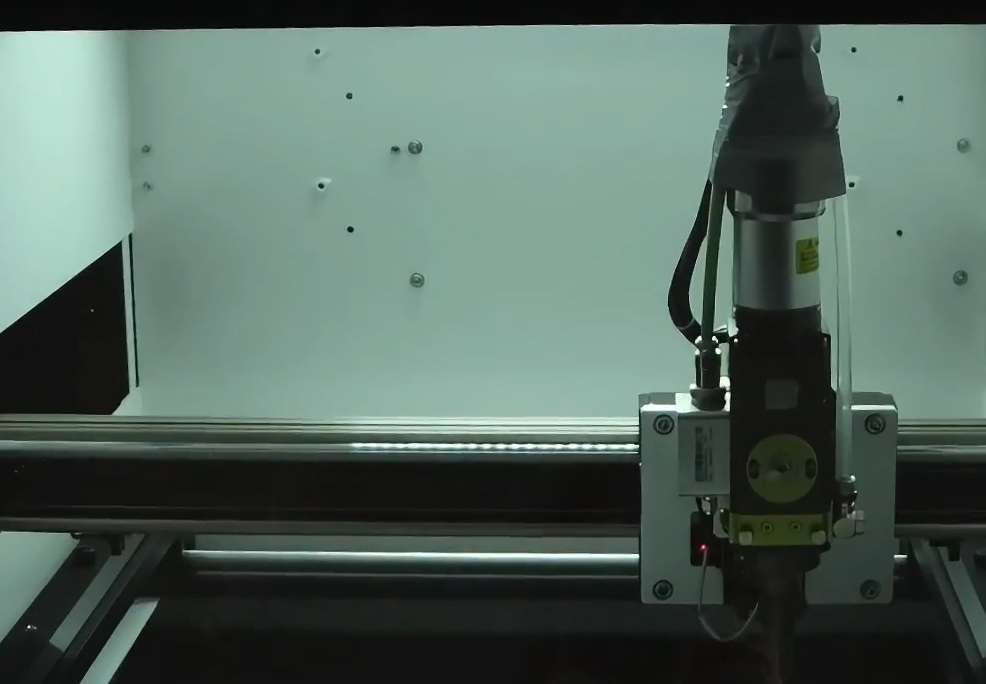
Лазерная резка листового металла для изготовления крышек, защитных кожухов, кронштейнов и мелких неприглядных деталей
Однако тренажеры — это не только трубки.
Откройте беговую дорожку, эллиптический тренажер, силовую станцию, гребной тренажер, тренажер с перекрестными тросами или реабилитационный тренажер — и вы увидите множество деталей из листового металла, которые незаметно выполняют свою работу: опорные пластины двигателя, кожухи ремней, крышки блоков весов, кронштейны датчиков, таблички с логотипами, крепежные выступы, корпуса контроллеров и боковые панели, края которых должны быть гладкими, поскольку пользователь может к ним прикасаться.
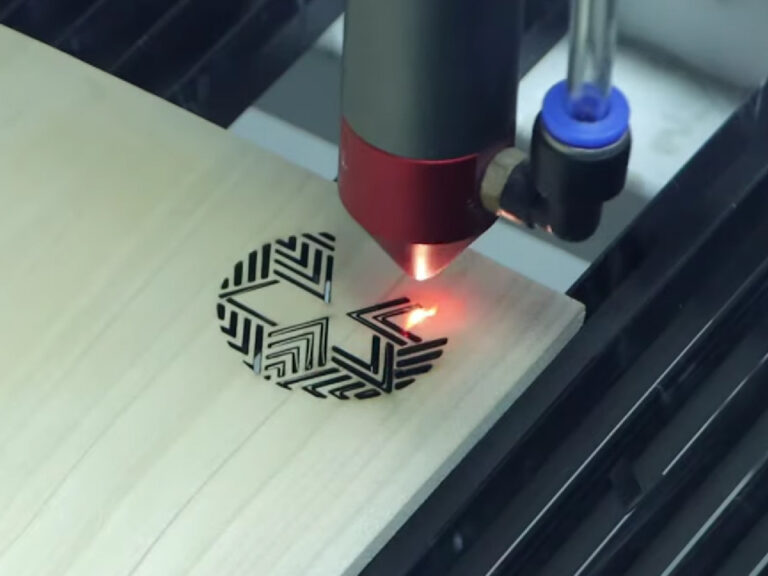
Здесь на помощь приходит лазерная резка листового металла для тренажеров, поскольку для этих деталей часто требуются точные отверстия, прорези, изгибы и повторяющиеся профили, при этом не нужно заранее вкладываться в дорогостоящее оборудование. Это особенно важно на этапе разработки продукта, когда инженерная команда после первого тестового образца постоянно вносит изменения в прокладку кабелей, расположение болтов, угол наклона дисплея или форму кожухов.
Раздражает? Очень.
Но такова уж реальность производства. Чертежи меняются. Заказчики передумывают. Менеджер по продукту видит прототип и вдруг решает, что кронштейн консоли должен быть на 12 мм выше. При использовании традиционных инструментов все начинают стонать. При лазерной резке сначала изменяется файл.
Для небольших панелей, кронштейнов, прототипов и мелких деталей, выпускаемых небольшими партиями, небольшой станок для лазерной резки может оказаться более целесообразным, чем загружать все заказы на один большой производственный станок. Не каждому заводу нужна гигантская система для изготовления каждой детали. Иногда разумнее разделить работу над прототипами и серийное производство, чтобы инженеры не прерывали работу основной линии.
Реальные производственные проблемы, стоящие за переходом на лазерные технологии
Переход к лазерной резке с ЧПУ при производстве тренажеров не происходит на пустом месте. На рынке труда наблюдается дефицит кадров. Квалифицированных сварщиков, операторов станков и специалистов по техническому обслуживанию заменить не так просто. Кроме того, на заводы оказывается давление с требованием быстрее выводить продукцию на рынок, сохраняя при этом разумную себестоимость единицы продукции.
В прогнозе “Deloitte” по производственному сектору на 2024 год отмечается, что производители сталкиваются с экономической неопределённостью, нехваткой квалифицированной рабочей силы, проблемами в цепочках поставок и давлением со стороны необходимости внедрения инноваций в продукцию. Это не абстрактные разговоры в кабинетах руководства. На заводе по производству тренажеров это проявляется в виде задержек с поставкой образцов, нестабильных сроков выполнения заказов, уставших операторов и чрезмерной зависимости от «единственного человека, который знает, как настроить это приспособление».”
Цифры по рынку труда выглядят ещё более впечатляющими. По данным Института производства и компании Deloitte, в период с 2024 по 2033 год производственному сектору США может потребоваться до 3,8 млн новых сотрудников (с учётом чистой приращения), при этом около 1,9 млн вакансий рискуют остаться незаполненными, если не будет устранен дефицит квалифицированных кадров. Для владельца завода это означает, что автоматизация — не просто модный лозунг. Это залог выживания.
Тема безопасности также заслуживает более откровенного обсуждения. В сводном отчете OSHA за 2023 год о производственных травмах и заболеваниях указано 1 538 299 случаев травм и заболеваний по данным, представленным предприятиями, а также 18 506 116 дней временной нетрудоспособности. Резка, шлифование, сверление, подъем грузов, удаление заусенцев и перемещение деталей — все эти операции входят в общую картину производственных рисков.
Устраняет ли лазерная линия риск полностью? Нет. Любой, кто так утверждает, слишком настойчиво пытается что-то продать.
Однако сокращение объема ручного сверления, многократной шлифовки, черновой резки и неудобной погрузки-разгрузки материалов может изменить профиль риска при правильном планировании линии. Последнее предложение имеет большое значение. Правильное планирование.
Лазерная резка против традиционных методов обработки
На заводах дискуссия принимает эмоциональный оборот. Старшие мастера доверяют пилам, штампам, дрелям и приспособлениям, потому что эти инструменты годами приносили прибыль. Молодые инженеры же хотят работать с цифровыми файлами, внедрять технологические процессы с ЧПУ и сократить количество моментов, когда приходится “настраивать вручную”.
У обеих сторон есть свои аргументы. Но только одна из них позволяет обеспечить плавную масштабируемость, когда ассортимент продукции становится сложнее.
| Производственный фактор | Традиционная резка, сверление, штамповка | Лазерная резка волоконным лазером для производства тренажеров |
|---|---|---|
| Точность отверстий в трубах | В значительной степени зависит от оборудования и операторов | Управление осуществляется непосредственно на основе цифровых файлов для резки |
| Время настройки | Более высокая сложность при выполнении повторяющихся ручных операций и работе с использованием форм | Низкий уровень при стабильном рабочем процессе CAD/CAM |
| Согласованность частей | Большие различия между партиями | Более высокая воспроизводимость результатов в ходе производственных партий |
| Скорость прототипа | Медленно, когда требуются инструменты или приспособления | Сокращение сроков от разработки до получения прототипа |
| Подготовка сварного шва | Еще больше пробелов, заусенцев и ручной коррекции | Более ровные соприкасающиеся кромки и лучшая посадка деталей |
| Видимая поверхность | Дальнейшая шлифовка и обработка кромок | Более чистое качество кромок перед нанесением покрытия |
| Лучший вариант использования | Простые детали, низкие требования к точности, предприятия с небольшими инвестициями | Производство трубчатых рам, листовых панелей, кронштейнов и разнообразного фитнес-оборудования |
| Скрытая стоимость | Трудозатраты, доработка, брак, задержка сборки | Навыки программирования, инвестиции в оборудование, дисциплина в области технического обслуживания |
Вот в чём загвоздка: лучшая лазерная машина для резки металла не всегда означает, что он самый мощный. Я видел, как покупатели попадают под гипноз, глядя на показатели мощности. 6 кВт, 12 кВт, 20 кВт, 40 кВт — эти цифры вызывают чувство уверенности, потому что кажутся объективными.
Но неправильно эксплуатируемый станок мощностью 40 кВт — это всего лишь дорогой способ быстрее изготавливать детали ненадёжного качества.
Стоимость газа, состояние сопла, защита линз, эффективность раскроя, подготовка операторов, скорость резки, ровность материала, точность зажимного устройства, соблюдение требований программного обеспечения — именно эти, казалось бы, скучные детали определяют, станет ли станок источником прибыли или просто украшением выставочного зала.
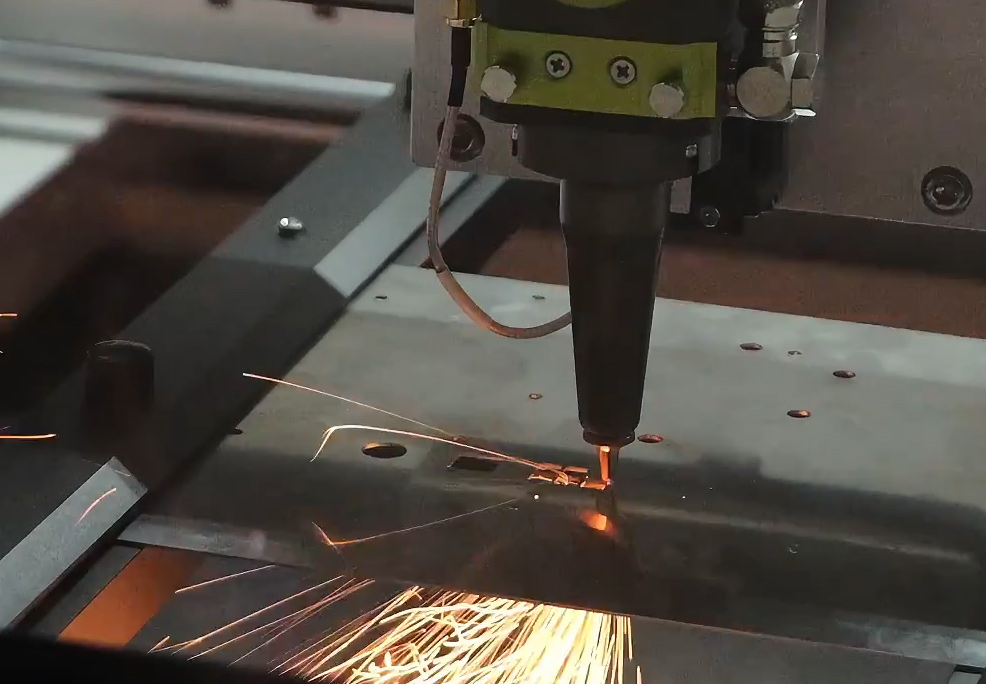
В ошибках резки виновата сварка
Тем не менее, вину за это часто возлагают на бедного сварщика.
Рама получается искривленной. Шов выглядит неровным. Поверхность требует дополнительной шлифовки. Сборочная бригада жалуется, что отверстия не совпадают. Руководство указывает на сварку. Возможно, сварка здесь и играет свою роль, конечно. Но, судя по моему опыту, многие из этих “дефектов сварки” берут своё начало ещё на станции резки.
Неправильная организация работы приводит к неверным решениям.
Если профиль трубы не прилегает ровно к сопрягаемой детали, сварщику приходится затрачивать больше тепла, присадочного материала и времени. Больше тепла — больше деформации. Больше присадочного материала — больше шлифовки. Больше шлифовки — больше риска для внешнего вида перед нанесением порошкового покрытия. А после нанесения порошкового покрытия каждая неровность становится ещё более заметной.
Сочетание точных деталей, вырезанных с помощью лазера, с напольная машина лазерной сварки позволяет сделать выбранные сборки более аккуратными, особенно в тех случаях, когда важны повторяемость и видимость швов. При этом по-прежнему необходим контроль технологического процесса. Никто не может обойтись без учета металлургических характеристик, приспособлений для крепления деталей или квалификации оператора.
Но когда детали поступают на сварку с более чистыми кромками и более точной геометрией, сварщику не приходится больше вытворять фокусы.
В каких областях лазерная резка позволяет быстрее всего повысить эффективность производства тренажеров
То, как лазерная резка способствует улучшению производства тренажеров, зависит от того, где именно находится «узкое место» на заводе. Если «узким местом» является прорезание отверстий в трубах, поможет лазерная резка труб. Если — изготовление листовых кожухов и кронштейнов, поможет лазерная резка листового металла. Если — доработка прототипа, поможет цифровая резка. Если же проблема в некачественных чертежах, то, к сожалению, лазер вам не поможет.
Тем не менее, есть и некоторые быстрые успехи.
Производителю, выпускающему силовые стойки, тренажеры Смита, скамьи и тренажеры с выбором веса, обычно выгодна лазерная резка труб, поскольку схемы расположения отверстий и соединения труб постоянно повторяются. Производителю, выпускающему беговые дорожки, велотренажеры, гребные тренажеры или эллиптические тренажеры, может быть более выгодна лазерная резка листового металла и изготовление кронштейнов. Заводу, выпускающему разнообразное оборудование для коммерческих фитнес-центров, могут понадобиться обе технологии, но не сразу.
Начинайте с малого. Думайте глубже.
Худшая покупка — это та, которую совершают ради того, чтобы произвести впечатление на гостей, а не для устранения проблем в производстве. Мне все равно, насколько блестяще выглядит станок под заводским освещением. Если он не сокращает объем доработок, не ускоряет изготовление образцов, не улучшает сборку и не снижает нагрузку на персонал, то это не стратегия.
Как выбрать подходящую машину, не поддавшись на рекламные уловки
Итак, какой лазерный резак лучше всего подойдет производителям фитнес-оборудования?
Честный ответ: всё зависит от вашего ассортимента деталей, а не от вашего самолюбия.
Предприятиям, специализирующимся на производстве труб, следует тщательно изучить ассортимент патронов, возможности автоматической загрузки, объем отходов, максимальную длину труб, поддерживаемые профили, потребности в косой резке, а также способность программного обеспечения обрабатывать реальную геометрию спортивного оборудования так, чтобы программисты не стали ненавидеть свою работу.
Предприятиям, специализирующимся на обработке листового металла, следует уделять внимание таким факторам, как размер рабочей платформы, мощность лазера, стратегия резки с использованием азота или кислорода, диапазон толщин, программное обеспечение для раскроя, система удаления дыма, доступ для технического обслуживания, а также соотношение частоты резки мягкой стали, нержавеющей стали и алюминия.
Предприятиям, где широко используются прототипы, не следует игнорировать компактные системы. Небольшая лазерная ячейка может стать «тихим монстром» для инженерных команд, которые постоянно тестируют кронштейны, крышки, выступы, пластины и вспомогательные детали перед запуском в серийное производство. Это позволяет проводить эксперименты вне рамок основного производственного графика.
А в сфере брендинга, оформления выставочных залов или создания престижных витрин лазерная гравировка занимает особое место. А 3D-лазерный гравер для гравировки на кристаллах Конечно, это не тот станок, на котором вырезается рама стойки для приседаний. Но лазерная гравировка может использоваться для изготовления трофеев, витринных блоков, брендированных рекламных материалов или высококачественных визуальных элементов, связанных с линейкой фитнес-оборудования.
Различные виды работ. Различные инструменты.
Вопросы, которые я бы задал, прежде чем тратить деньги
Я бы не стал начинать с цитаты. Я бы начал с этого беспорядка.
В каком месте конвейер замедляется? Какие детали чаще всего подвергаются доработке? Какие отверстия вызывают претензии при сборке? Какие соединения труб заставляют сварщиков тихо ругаться? Какие крышки выглядят неаккуратно после нанесения покрытия? Какая деталь требует участия того единственного опытного работника, которого никто не может заменить?
Тогда я бы выбрал подходящую машину, исходя из этих ответов.
| Вопрос | Почему это важно |
|---|---|
| Большинство деталей изготовлены из труб, листов или представляют собой комбинацию этих материалов? | Определяет, целесообразно ли инвестировать в трубный лазер, листовой лазер или в обе эти технологии |
| Какие материалы преобладают в производстве? | Для мягкой стали, нержавеющей стали, алюминия и металлов с покрытием требуются разные настройки |
| Какой диапазон толщины считается стандартным? | Выбор мощности зависит от повседневной работы, а не от редких случаев обработки материалов максимальной толщины |
| Какая операция вызывает наибольшую задержку? | Настоящим «узким местом» могут оказаться резка, сверление, сварка, шлифование, нанесение покрытий или сборка |
| Сколько раз вносится в дизайн каждого продукта? | Лазерная резка особенно ценен в тех случаях, когда прототипы часто меняются |
| Готово ли предприятие к внедрению технологий CAD/CAM? | Неэффективный контроль над файлами сводит на нет все преимущества цифровой резки |
Вот горькая правда: некоторые заводы пока не готовы к лазерной резке.
Не потому, что они слишком малы. А потому, что их документация в беспорядке, чертежи неполные, операторы недостаточно обучены, а руководство считает, что техническое обслуживание — это то, чем занимаются только после того, как станок начинает «кричать». Система лазерной резки вознаграждает дисциплинированные предприятия. А небрежные — она разоблачает.
Вопросы и ответы
Что такое лазерная резка в производстве тренажеров?
Лазерная резка для производства тренажерного оборудования — это цифровой процесс обработки металла, при котором с помощью сфокусированного лазерного луча выполняется резка стальных труб, листовых панелей, кронштейнов, пластин, а также прорезание отверстий, пазов и изготовление компонентов каркасов, используемых в тренажерах, силовых тренажерах, кардиотренажерах и спортивных аксессуарах.
Говоря простым языком производственников, это означает меньше отверстий, пробитых вручную, меньше неаккуратных разрезов на трубах и меньше времени, затрачиваемого на исправление деталей, которые должны были быть правильными с самого начала. Это особенно полезно при изготовлении стоек для приседаний, скамеек, тренажеров с тросами, каркасов беговых дорожек, рам велотренажеров, защитных ограждений для стопок весов и регулировочных кронштейнов.
Почему при производстве тренажеров используется лазерная резка на волоконном лазере?
Лазерная резка на волоконном лазере применяется в производстве фитнес-оборудования, поскольку позволяет обрабатывать мягкую сталь, нержавеющую сталь, алюминий и другие распространенные металлы с высокой скоростью, повторяемой точностью и более чистым качеством кромок как для несущих, так и для декоративных деталей фитнес-тренажеров.
Это имеет значение, когда на заводе требуются повторяющиеся схемы расположения отверстий, чистые профили труб, быстрая смена прототипов и стабильное серийное производство. Дело не только в более быстрой резке. Речь идет о том, чтобы упростить этапы сварки, шлифования, нанесения покрытий и сборки.
Является ли лазерная резка труб более подходящим методом для производства тренажерного оборудования, чем лазерная резка листового металла?
Лазерная резка труб лучше подходит для изделий, в конструкции которых преобладают каркасы из круглых, квадратных или прямоугольных труб, тогда как лазерная резка листового металла лучше подходит для плоских листов, крышек, защитных кожухов, кронштейнов, обтекателей, панелей и монтажных элементов, используемых в тренажерах.
Для изготовления рамы силовой стойки или тренажера обычно лучше всего подходит трубная лазерная резка. А для изготовления кожуха беговой дорожки, опорной пластины двигателя, кронштейна дисплея или защитного кожуха блока грузов — листовая лазерная резка. Многим производителям коммерческого фитнес-оборудования в конечном итоге требуются обе технологии, но первые инвестиции следует направлять на устранение реального «узкого места» на производстве.
Ваш следующий шаг: перестаньте гадать и проверьте детали
Прежде чем выбрать какое-либо оборудование, выберите десять реальных деталей из вашего текущего ассортимента фитнес-оборудования: одну трубчатую раму, один кронштейн, одну защитную накладку, одну дисковую грузу, одно сварное соединение, один бракованный образец, одну деталь, сборка которой занимает много времени, одну деталь с проблемами при нанесении порошкового покрытия, одну деталь, выпускаемую большими партиями, и одну деталь, которую ваши операторы не любят.
Эта куча раскроет всю правду.
Если вас беспокоят отверстия в трубах, обратите внимание на лазерную резку труб. Если проблема в листовых панелях и кронштейнах, рассмотрите возможность резки листового металла с помощью волоконного лазера. Если проблема заключается в задержке с получением образцов, наладьте более быстрый процесс создания прототипов. Если проблема связана с доработкой сварных швов, проверьте геометрию реза, прежде чем снова обвинять сварщика.
Сообщите компании Bogong Laser размеры ваших труб, габариты листов, марки стали, диапазон толщин, объемы производства, чертежи деталей и фотографии существующих узких мест. Затем запросите решение по лазерной резке, разработанное с учетом вашего реального производственного процесса по изготовлению тренажеров, а не на основе рекламной брошюры.


Горячий клик
Свяжитесь с нами
Приложение
©Copyright [bogonglaser.com]. Поставщик лазерного оборудования BOGONG Все права защищены.