
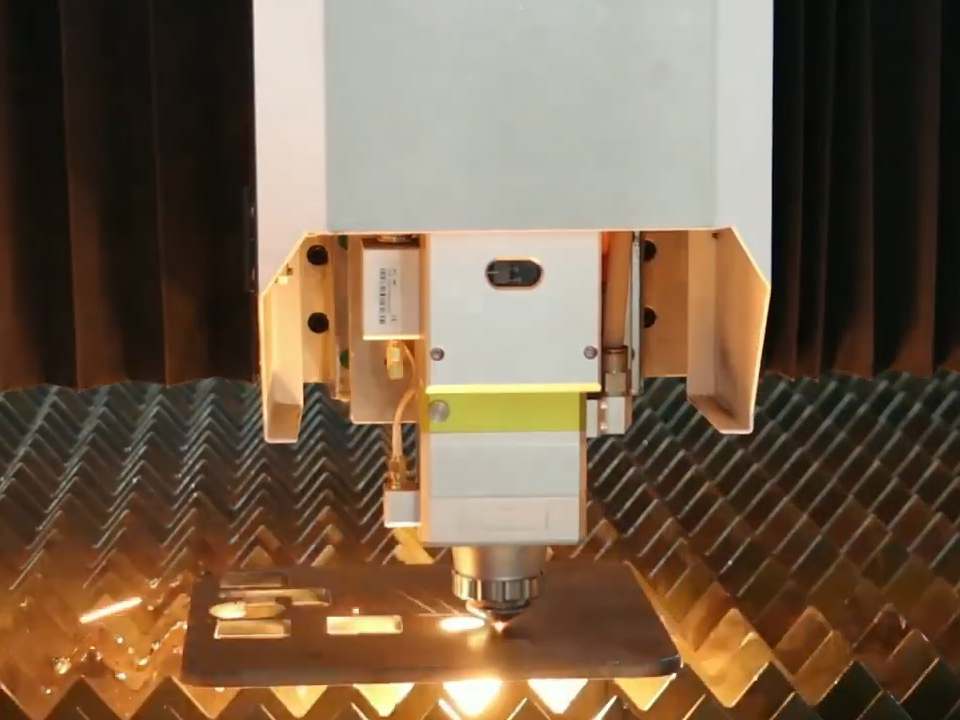
Промышленные станки лазерной резки для оборудования центров обработки данных
Производство центров обработки данных становится все более уродливым, жестким и менее щадящим. Плотность стоек ИИ, жидкостное охлаждение и сложность корпусов меняют требования к станку лазерной резки листового металла. Это руководство покупателя, которое я хотел бы, чтобы больше команд прочитали перед подписанием контракта.

Покупателя гипнотизируют мощность, максимальная скорость и глянцевая демонстрационная нарезка. Затем начинается производство вентилируемых дверей для серверных стоек, тонкой кожи, проходов для кабелей, заземляющих выступов, отверстий для PEM и косметических поверхностей, которые абсолютно уничтожат вас после порошкового покрытия, если качество резки будет хоть немного небрежным. Затем начинаются оправдания. Лазер был “быстрым”. Конечно. И что?
Вот уродливая правда: рынок становится все злее, в то время как многие логики закупок остаются ленивыми. В 2024 году объем строительства центров обработки данных в Северной Америке достиг рекордных 3,9 гигаватт, что на 70% больше, чем в прошлом году, в то время как вакантные площади упали до 2,8%, по данным Reuters на основе данных CBRE за 2024 год. Такое сокращение предложения не облегчает производство. Он делает ошибки более дорогими. Быстро.
Рынок стал жестче, а не дружелюбнее
Стойки AI изменили краткое описание производства
Но люди по-прежнему говорят, что вешалка - это вешалка.
Это не так. Теперь уже нет. Многие виды корпусной работы, которые раньше были достаточно щадящими, теперь превратились в нервотрепку - больше перфорации, жесткая логика воздушных потоков, более жесткие тепловые ограничения, больше давления на точность размеров, более тщательный контроль после нанесения покрытия, больше огорчений, если что-то выходит за рамки спецификации даже на небольшую величину. И да, это напрямую связано с инфраструктурой искусственного интеллекта. В отчете Reuters за декабрь 2024 года, посвященном Schneider Electric и Nvidia, говорится, что серверы нового поколения для ИИ могут достигать 132 киловатта на стойку, что подталкивает операторов центров обработки данных к использованию жидкостного охлаждения и более широкому пересмотру архитектуры систем поддержки. Это не просто история с питанием и охлаждением. Это история листового металла. Это история геометрии корпусов. Это история “лучше не деформировать эту панель”. Прочитайте отчет Reuters о стойках мощностью 132 кВт. Затем еще раз взгляните на свою текущую стратегию сокращения.
Потому что именно здесь магазины попадают впросак.
Они скажут: “Мы весь день режем сталь”. Прекрасно. Но резать обычную сталь и резать компоненты корпусов центров обработки данных с постоянством производственного уровня - это не одно и то же. Первое - это возможности цеха. Другое - производственная дисциплина.
И макропоказатели тоже растут. В декабре 2024 года Министерство энергетики США заявило, что центры обработки данных используют около 4,4% от общего объема электроэнергии в США в 2023 году, вверх от 58 ТВтч в 2014 году до 176 ТВтч в 2023 году, и может вырасти до 6.7% - 12% электроэнергии в США к 2028 году. Это важно. Это означает увеличение количества зданий, увеличение потребности в корпусах, увеличение теплового давления и снижение терпимости к посредственному производству.
Почему старые спецификации лгут
Откровенно говоря, я считаю, что спецификации - это наполовину исповедь, наполовину магический трюк.
Они говорят вам достаточно, чтобы звучать обнадеживающе - мощность, ускорение, ход, может быть, какое-то число точности со звездочкой, плавающей где-то за экраном, - но они никогда не говорят вам то, что вы действительно хотите знать, а именно: как машина ведет себя, когда вы подаете ей тяжелые панели из тонкого CRS, или нержавеющие кожи, которые должны оставаться презентабельными, или длинные поверхности корпуса, которые будут наказаны тепловым искажением, как только они попадут на гибочные и лакировочные работы. Что это? Удобно размытая.
И именно в этой нечеткой части исчезает маржа.
Потому что проблема не в том, может ли станок резать. Большинство из них могут. Проблема в том, сможет ли ваш станок для лазерной резки листового металла поддерживать стабильность деталей на протяжении всей цепочки - резки, сортировки, гибки, вставки фурнитуры, нанесения покрытия, сборки - и не превратит ли ваш цех в ферму по переработке. Именно с этого вопроса должны начинать покупатели. Большинство из них этого не делают.
Что отличает полезную машину от дорогой головной боли
Критерии покупки, которые имеют значение при производстве реальных серверных стоек
Три вещи имеют значение.
Повторяемость размеров, контроль тепла на тонком листе, и Рабочий процесс, подходящий для производства корпусов. Не театр брошюр. Не “наш луч умнее”. Реальные вещи. Такие, о которых ваш менеджер по этажам клянется в 8:20 утра, когда якобы тонкая панель не выравнивается с отформованной фурнитурой, потому что последовательность резки изменила геометрию настолько, что все стало раздражать.
По моему опыту, мастерские, изготавливающие детали для оборудования центров обработки данных, обжигаются весьма предсказуемым образом. Качество отверстий снижается. Края пазов становятся уродливыми. Вентиляционные поля вытягиваются. На готовых поверхностях обнаруживается окисление или небольшие несоответствия, которые никто не заметил в сыром виде. Потом все удивляются, хотя предупреждающие знаки были видны еще во время отбора образцов.
Вот практическая часть.
| Фактор покупки | Как выглядит добро | Как выглядит плохо | Почему это важно для производства оборудования для центров обработки данных |
|---|---|---|---|
| Стабильность тонколистовой стали | Низкая деформация на вентилируемых панелях | Нагрев кромки, перемещение панели, переделка | Дверцы стоек и обшивка шкафов не прощают деформаций |
| Консистенция отверстий и пазов | Точная подгонка крепежа и узлов | Вторичное бурение, очистка щелей | Трудозатраты на сборку быстро возрастают, когда нарушается технология монтажа |
| Качество среза при помощи азота | Чистые края с меньшим окислением | Грязные края и дополнительная отделка | Косметические детали и детали с покрытием подвергаются слабой резке быстро |
| Программное обеспечение и логика вложения | Эффективная компоновка с большим количеством вентиляторов и возможность отслеживания | Хорошая демонстрационная нарезка, плохой производственный поток | Пропускная способность гибнет в узких местах программирования |
| Приспособление для автоматизации | Реальное значение нагрузки/разгрузки при вашем размере партии | Театр автоматизации со слабой загрузкой | Окупаемость инвестиций зависит от сочетания, а не от гламура брошюры |
| Ответ службы | Быстрая поддержка, запасные части, обучение | Длительные простои и перекладывание вины | Остановленная линия уничтожает обещания о доставке |
Волокно побеждает, но не автоматически
Да, в большинстве этих приложений оптоволокно - правильный выбор. Но это не значит, что каждый станок для лазерной резки на основе оптоволокна автоматически подходит для производства серверных стоек. Именно в этом случае люди слишком упрощают разговор. Они слышат слово “оптоволокно” и полагают, что все остальное решится само собой. Это не так.
Плохой матч - это все равно плохой матч.
Важно то, как подача луча, управление движением, вспомогательный газ, программное обеспечение для раскроя и привычки оператора ведут себя вместе на ваших деталях, с вашими допусками, в вашем реальном производственном ритме. Если вы в основном обрабатываете сталь, нержавейку и алюминий толщиной от 0,8 до 3,0 мм с плотным рисунком перфорации, видимыми торцами, элементами кабельной разводки и критическими для сборки полями отверстий, цель - не сырая агрессивность. Это контролируемая повторяемость. Скука? Может быть. Прибыльно? Обычно.
И я скажу нечто немодное: Я видел, как магазины перерасходовали средства на мощности, которые им были не нужны, потому что это впечатляюще звучало в зале заседаний, и при этом недоинвестировали в контроль процессов, дисциплину программирования и валидацию на уровне пола - то, что на самом деле обеспечивает чистоту работы в корпусах. Это не стратегия. Это покупка по самолюбию.
Безопасность - не побочное явление
И нет, безопасность - это не какой-то административный пункт, который вы вставляете в RFQ и забываете.
Если поставщик начинает расплывчато рассказывать о защите, обучении оператора, контроле опасности, обработке паров или целостности корпуса, я быстро перестаю прислушиваться к его заявлениям о производительности. Это не драматизм. Я замечаю закономерность. Предприятия, которые небрежно относятся к безопасности, часто небрежно относятся и к технологической документации - и это отражается на всем остальном. Ресурсы OSHA по лазерной опасности не скрывают этого.
Спецификация машины, которая действительно соответствует производству корпусов
Не для всех частей центра обработки данных нужен один и тот же профиль машины
И все же покупатели продолжают объединять все детали в одну мутную категорию под названием “листовой металл”.”
Этот короткий путь приводит к неправильным решениям. Дверь стойки с огромной вентиляционной картой - не то же самое животное, что внутренний монтажный кронштейн. Кабельный лоток - это не то же самое, что обшивка шкафа. Панель поддержки жидкостного охлаждения имеет свои маленькие способы превратиться в головную боль. Разные части по-разному влияют на процесс. Очевидно? Да. Часто игнорируются? Тоже да.
Если вы используете в основном внешнюю обшивку и двери, сохранение плоскостности имеет огромное значение. Если вы в основном используете кронштейны и внутренние элементы конструкции, расположение отверстий и совместимость изгибов могут быть важнее, чем косметика краев на уровне шоу-рума. Если вы гонитесь за программами для корпусов, управляемых искусственным интеллектом, ожидайте, что спецификации будут дрейфовать, потому что инфраструктурная сторона тоже дрейфует. Отчеты Reuters за 2024 год о росте строительства и более высокой плотности стоек наглядно демонстрируют это, нравится это покупателям или нет. Статья Reuters о данных CBRE за 2024 год - это не совсем лазерная статья, но она точно говорит вам, почему ваши предположения о фабриках нуждаются в обновлении.
Это и есть связь.
Практичный модельный ряд для скептически настроенных покупателей
Я не доверяю универсальным советам по машинам. И никогда не доверял.
Тем не менее, если вы выполняете типичные корпусные работы - тонкие и средние листы, много повторяющихся деталей, видимые поверхности, особенности воздушного потока, приличная пропускная способность - "сладкая точка" часто находится в хорошо настроенной волоконной платформе, а не в самой громкой или тяжелой машине, которую кто-то может продемонстрировать в торговом зале. Больше - не значит автоматически лучше. Она просто больше.
И именно на этом я бы сильно настаивал на встречах с поставщиками. Не на сексуальных вещах. А на раздражающих вещах. Максимальная стабильная пропускная способность оцинковки толщиной 1,0 мм. Состояние кромки на нержавеющей стали с вентиляционными отверстиями. Использование азота, когда важна отделка. Трение при переключении. Восстановление после неудачных гнезд. Согласованность работы от смены к смене. Зависимость от оператора. Насколько уродливым становится процесс при незначительном изменении партии материала? Эти вопросы позволяют определить, как машина поведет себя в реальных условиях.
Только не в демо-мире.
Кроме того, резка - это еще не все. Если вы серьезно относитесь к программам создания корпусов, то прослеживаемость, идентификация деталей и маркировка металла после резки обычно проявляются раньше, чем ожидалось. Именно поэтому на страницах Bogong рабочие процессы лазерной маркировки листового металла, 3D гравировка волоконным лазером для металлических деталей, и 30W волоконный лазер маркировки машины приложений подходят для этой дискуссии лучше, чем люди думают. Магазины, которые думают обо всей цепочке, обычно делают лучший выбор оборудования заранее.
Где большинство моделей окупаемости инвестиций ошибаются
Фальшивая математика “быстрее - значит лучше”
Короткое предложение. Плохая математика.
Я уже сбился со счета, сколько ROI-дек притворяются, что экономия времени появляется на этапе обрезки и затем просто скользит вниз по течению нетронутым, как будто остальная часть фабрики - это мультфильм без трения. Так не бывает. Если ваш промышленный станок лазерной резки производит детали, которые требуют дополнительной очистки, искажаются на вентиляционных шаблонах, создают проблемы с подгонкой на тормозе или обнаруживают уродства кромок после нанесения покрытия, значит, вы не сэкономили время - вы переместили затраты в более уродливые, медленные и дорогие части рабочего процесса. И эти затраты хорошо скрываются. На некоторое время.
А потом - нет.
Именно поэтому я немного закатываю глаза, когда кто-то говорит, что машина “быстрая”, не рассказывая, что произошло потом в процессе. Быстро для чего? Срез по купону? Идеальное гнездо на легком материале? Разовый образец, когда рядом стоит старший специалист по применению? Отлично. А теперь запустите его в течение рабочей недели с усталыми операторами, смешанными партиями материала и реальными сроками. Совсем другое дело.
И помните о рыночном контексте. Строительство растет. Плотность стоек растет. Растет потребность в электроэнергии. Терпимость к опозданиям или некрасивой работе над корпусами снижается. Отчеты Reuters и DOE не просто заставляют рынок казаться большим, они заставляют его казаться неумолимым - и это, честно говоря, та часть, на которую покупателям следует обратить внимание.
Реальный стек затрат
Итак, вот что я бы смоделировал.
Не только время цикла и капитальные затраты. Это закупки на уровне детского сада. Я бы смоделировал лом. Переделки. Очистка краев. Проблемы с подгонкой фурнитуры. Брак покрытий. Расход газа. Отклонения в работе оператора. Задержки в обслуживании. Время программирования для геометрии с большим количеством вентиляторов. Время простоя после отклонения процесса. Все те некрасивые вещи, которые покупатели предпочитают опускать, потому что они делают электронную таблицу менее привлекательной.
Это настоящий стек:
- лома и переделки на вентпанелях
- вторичное удаление заусенцев и время на очистку
- Нарушения подгонки при сгибании и сборке
- брак при порошковом покрытии из-за плохого состояния среза
- обучение операторов и последовательность смен
- потребление газа в зависимости от материала и цели отделки
- Время простоя, связанное с реагированием сервисной службы и наличием запчастей
Все это не очень гламурно.
Все это стоит дорого.
А если ваш рабочий процесс включает в себя тонкую маркировку, серийный идентификатор, брендирование или отслеживание деталей - а в программах для корпусов это часто происходит, - то система Bogong's 3D УФ лазерная маркировочная машина страница а второй Ресурс волоконно-оптического лазерного гравера 3D стоит обратить внимание. Не потому, что резка и разметка - это одно и то же, а потому, что магазины, в которых эти вопросы обсуждаются на ранних этапах, как правило, делают меньше глупых предположений в дальнейшем.
О чем бы я спросил любого поставщика, прежде чем подписывать контракт
Неудобные вопросы
Но именно здесь покупатели обычно становятся вежливыми, в то время как им следовало бы быть любопытными.
Попросите предоставить вам реальные детали корпуса. Не тщеславные образцы. Не типовые звезды и круги на блестящей нержавейке. Спросите о вентилируемых дверцах стоек, обшивке шкафов, наборах кронштейнов, панелях для прокладки кабелей - деталях, которые действительно демонстрируют слабые места процесса. Поинтересуйтесь, как они расположили элементы для контроля тепла. Спросите, были ли заявленные показатели скорости основаны на азоте или кислороде, легком материале или вашем материале, чистом листе или смешанной партии. Спросите, как машина ведет себя на длинных, тонких панелях, которые любят блуждать. Спросите, что произойдет через восемь часов, а не через восемь минут.
Тогда спросите что-нибудь получше.
Попросите рассказать вам историю неудач. Я серьезно. Настоящий поставщик может рассказать вам, где что-то пошло не так - натяжение панелей, маркировка планок, головная боль со светоотражающими материалами, ошибки в стратегии гнездования, компромиссы с микрошвами, компромиссы с ассистирующим газом, сюрпризы после покрытия - все, что угодно. Слабый поставщик дает вам прилагательные. Хороший поставщик дает вам рубцовую ткань.
Так вы узнаете.
Вопросы и ответы
Какой станок для лазерной резки лучше всего подходит для изготовления листового металла в центрах обработки данных?
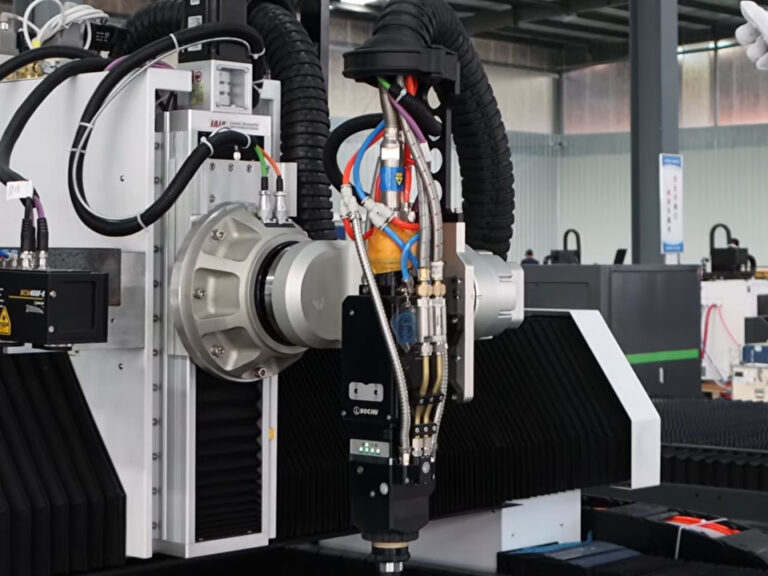
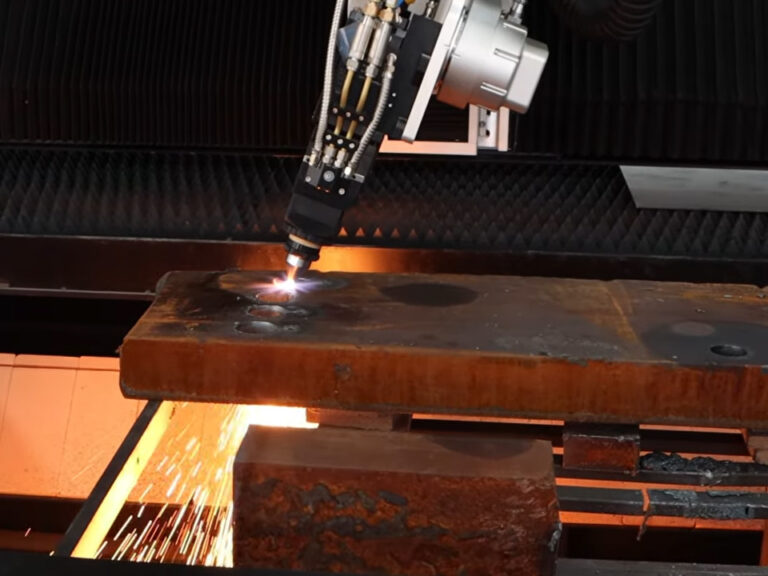
Лучшим станком для лазерной резки листового металла в ЦОД обычно является оптоволоконная промышленная система, оптимизированная для тонкой и средней стали, нержавеющей стали и алюминия, с сильным управлением движением, чистым вспомогательным газом, стабильным качеством резки на вентилируемых панелях и программным обеспечением, поддерживающим производство в корпусах, а не обычную работу в мастерской.
Честно говоря, я бы перевел это в более простой стандарт: выбирайте машину, которая обеспечивает тишину в нижестоящих отделах. Если гибка, покрытие и сборка перестают жаловаться, то вы, вероятно, сделали удачную покупку.
Как выбрать промышленный станок лазерной резки для производства корпусов?
Выбор промышленного станка лазерной резки для производства корпусов означает соответствие станка реальному составу материалов, геометрии деталей, плотности вентиляционных отверстий, косметическим требованиям, технологическому процессу формовки, стоимости газа, уровню квалификации оператора и допустимому времени простоя, а затем подтверждение этих предположений с помощью реальных образцов деталей и производственных испытаний, а не брошюрных показателей.
Не позволяйте поставщику направлять вас в сторону легких демонстрационных деталей. Возьмите с собой раздражающие детали - те, которые обычно становятся причиной брака, ругани и неловких встреч.
На что следует обратить внимание покупателям при выборе лазерной резки для корпусов центров обработки данных?
Покупатели должны следить за искажением панелей, окислением краев, плохим качеством отверстий, несоответствующими результатами вентполя, слабой интеграцией программного обеспечения, нереалистичными обещаниями автоматизации и неглубокими ответами по безопасности, потому что эти проблемы обычно всплывают после продажи, когда машина уже стоит на полу, а производственная команда застряла с ней.
Вот уродливая правда: проблемы обычно не заявляют о себе в смете. Они проявляются позже - в процессе подгонки, отделки, задержек и переделок.
Ваш следующий шаг
Если вы покупаете промышленный станок для лазерной резки оборудования для центров обработки данных, не начинайте с легенд о брендах и не заканчивайте завистью к мощности.
Начните со своих худших сторон.
Панель, которая любит деформироваться. Вентилируемая дверца, открывающая проблемы с теплоотдачей. Комплект кронштейнов, который должен подойти с первого раза без молитвенного круга вокруг сборочного стола. Лицевая сторона корпуса, которая выглядит приемлемо в необработанном виде, а после нанесения покрытия выглядит ужасно. Эти детали расскажут вам больше за одно честное испытание, чем месяц полированных презентаций.
И да, я бы заставил каждого поставщика проверить себя на этих деталях в условиях, похожих на производственные, - реальные материалы, реальная логика гнезд, реальные допуски на газ, реальные допуски, реальные ожидания от последующего производства. Это единственный процесс покупки, которому я доверяю.
Если вам нужно думать не только о резке - а большинство серьезных магазинов так и делают - обратите внимание на весь рабочий процесс: прослеживаемость, идентификация деталей, брендирование, маркировка после резки. Такие ресурсы, как Bogong's обзор универсальной машины для маркировки волоконным лазером, 3D гравировка волоконным лазером по металлу, и 30W волоконный лазер маркировки машины приложений помогут дополнить эту картину.
Потому что в этом бизнесе победителями обычно становятся не магазины с самой громкой брошюрой.
Это магазины, чьи детали все еще подходят. По-прежнему покрывают. Все еще отгружают.


Горячий клик
Свяжитесь с нами
Приложение
©Copyright [bogonglaser.com]. Поставщик лазерного оборудования BOGONG Все права защищены.