
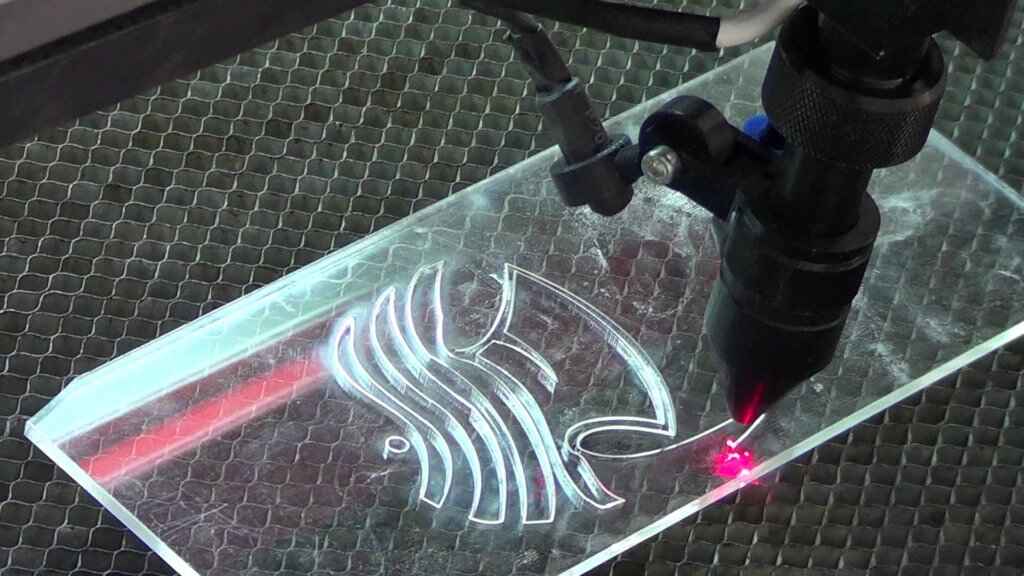
Как станки лазерной резки CO2 разрезают акриловые листы
Прямое, цеховое объяснение того, как станки для лазерной резки CO2 режут акриловые листы, какие настройки имеют значение, почему PMMA так хорошо ведет себя под лучом CO2, и где операторы ошибаются с безопасностью, дымом, фокусом и выбором акриловых листов.

Луч - не нож, и это первое, что люди понимают неправильно
Лазерная резка акрила CO2 работает потому, что PMMA поглощает инфракрасную длину волны 10,6 мкм достаточно хорошо, чтобы преобразовать энергию луча в локализованное тепло, испарение и узкий пропил. В рекламном проспекте говорится, что машина “режет”. Реальная версия более жесткая: луч создает контролируемую линию термического разрушения, система перемещения протаскивает эту линию разрушения через лист, а выхлопная система решает, пахнет ли работа производством или халатностью. В руководстве Evonik по полимерам длина волны CO2-лазера составляет 10,6 мкм и объясняется, почему полимеры без добавок обычно обрабатываются в дальнем инфракрасном диапазоне, где работают CO2-лазеры.
Дым говорит правду.
Когда работа по лазерной резке акрила CO2 пахнет сладко, резко и дорого, машина не просто рисует красивые края; она термически разрушает PMMA, выбрасывая пар, частицы и остатки в коробку, которую многие покупатели занижают, потому что линия выхлопа не очень хорошо фотографируется.
Почему же многие обзоры машин зацикливаются на мощности и почти не упоминают о вентиляции?
ПММА не является загадочным пластиком. На сайте NIST Chemistry WebBook В списке указан поли(метилметакрилат) с мономерной формулой C5H8O2 и молекулярным весом 100,1158, что имеет значение, поскольку резка акрила - это химия плюс тепло, а не просто “высокая мощность и прозрачный лист”.”
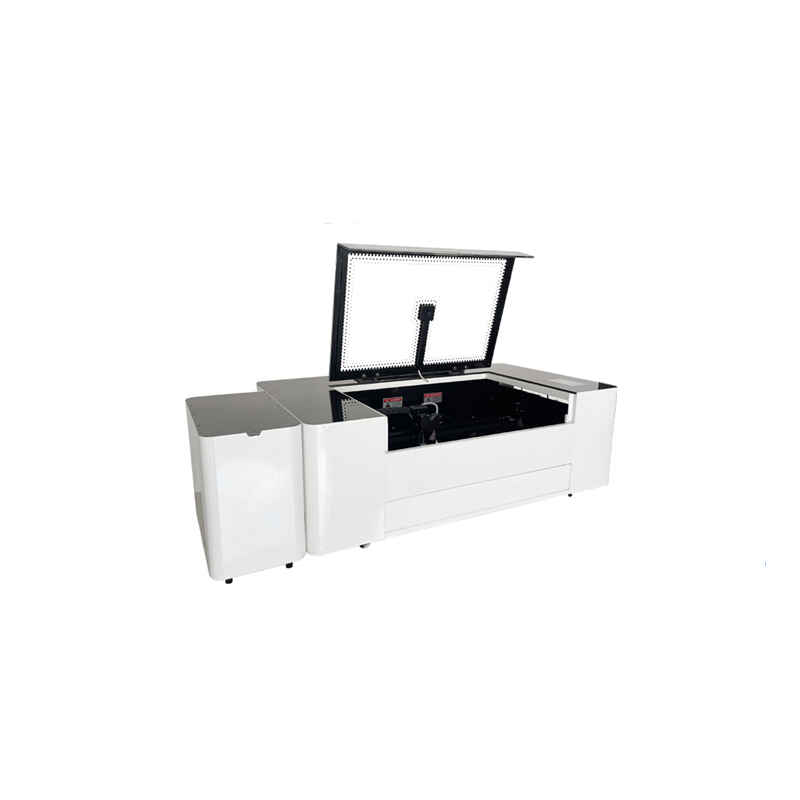
Для покупателей, сравнивающих форматы машин, я бы начал со специально разработанного Машина лазерной резки CO2 Прежде чем притворяться, что фибровая система - это подходящий инструмент для прозрачного акрила. Волоконная система великолепна на металлах. Акрил - это работа с CO2, если только технологическая схема не является странной.
Оглавление
Как станки лазерной резки CO2 на самом деле режут акриловые листы
1. Луч 10,6 мкм поглощается на поверхности
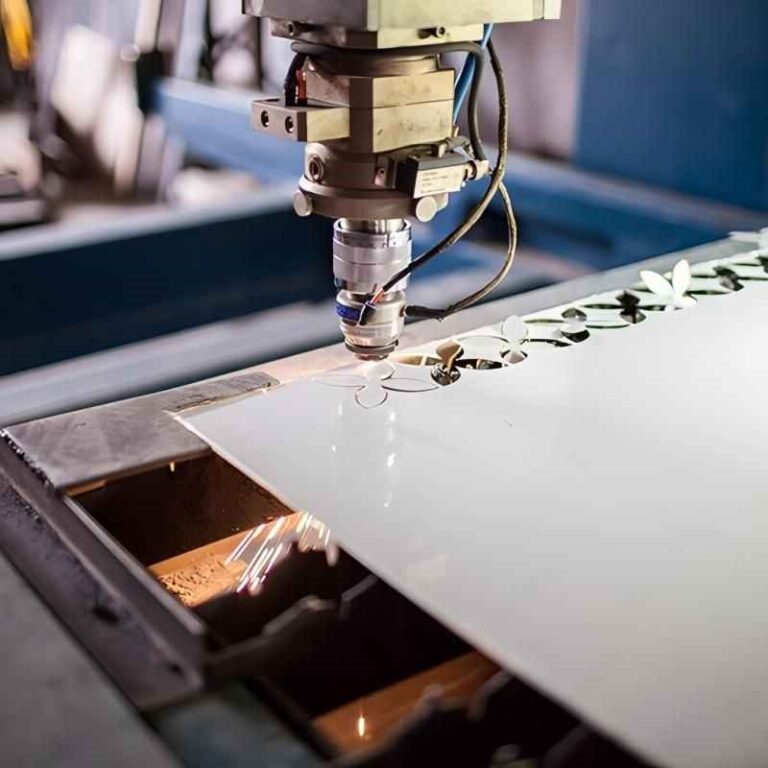
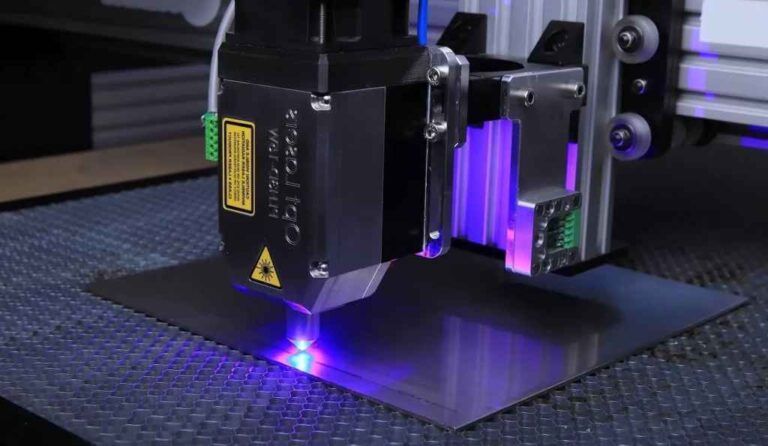
Лазерная трубка CO2 генерирует инфракрасный свет с длиной волны около 10,6 мкм, затем зеркала и фокусирующая линза сжимают этот луч в небольшое пятно. Акрил здесь ведет себя не так, как отражающий алюминий или медь. Он поглощает энергию дальнего инфракрасного диапазона и превращает ее в тепло вблизи зоны реза.
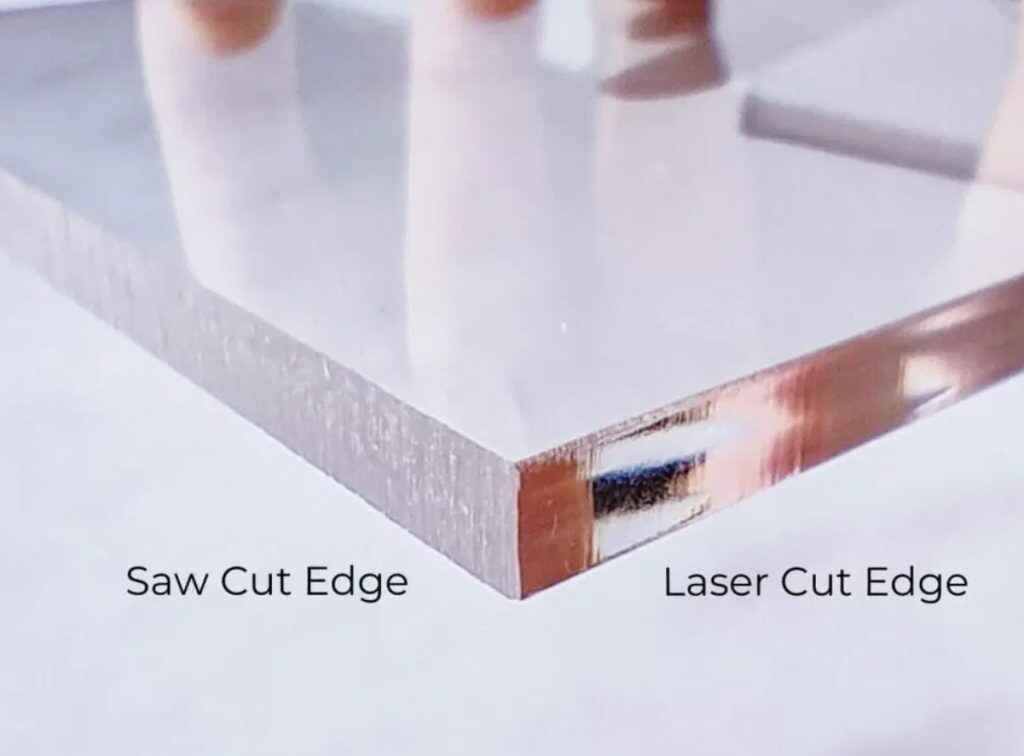
Именно поэтому машина лазерной резки для акрила может оставлять глянцевые, отполированные пламенем края, если оператор правильно выбирает фокус, скорость, тип листа и вытяжку. Но если оператор ленится, тот же процесс дает пузыри, побеление, следы пламени, широкий пропил и остатки, приваренные к поверхности.
2. Тепло размягчает, плавит и испаряет ПММА
Луч поднимает акрил выше области размягчения и разложения в крошечной зоне. Часть материала плавится. Часть испаряется. Часть выбрасывается потоком газа и разницей давлений. Хитрость заключается в том, чтобы двигаться достаточно быстро, чтобы избежать прожженной траншеи, но достаточно медленно, чтобы прорезать весь лист.
Именно в этом балансе и проявляют себя дешевые операторы. Они спрашивают: “Может ли трубка мощностью 60 Вт разрезать 10-миллиметровый акрил?”. Технически - может. С коммерческой точки зрения мне этот вопрос не нравится. Лучше спросить: может ли она резать тот же самый 10-миллиметровый литой ПММА в течение всего дня с чистыми краями, приемлемым временем цикла, стабильной температурой оптики и без присмотра оператора?
3. Прорезь открывается, когда воздушный помощник управляет пламенем
Воздушная помощь - это не только сдувание пыли. На акриле слишком большое количество воздуха может охладить кромку и испортить полировку; слишком малое количество воздуха может привести к появлению пламени, дымовых пятен и загрязнению линз. Оптимальным вариантом является низкая или умеренная подача воздуха, чистая оптика, правильная фокусировка и сильная вытяжка, отводящая пар от среза.
Для заводов, занимающихся резкой смешанных пластмасс, более безопасным планированием является разделение работ с ПММА и неизвестных пластмасс. Широкий машина лазерной резки для пластика Можно обрабатывать многие материалы, но ПВХ, ПТФЭ, поликарбонат, АБС и листы с покрытием требуют более строгой проверки материала, чем акрил.
4. Край самозаполировывается только тогда, когда процесс стабилен
Глянцевый акриловый край - это не волшебство. Это недолговечная расплавленная поверхность, которая выравнивается перед остыванием. Слишком высокая скорость - и срез не получится. Слишком высокая мощность - и кромка закруглится, покроется пузырями или станет коричневой. Запустите грязные зеркала, и вы обвините поставщика листов в проблемах с качеством луча.
Суровая правда: многие “плохие акриловые листы” на самом деле являются плохими журналами технического обслуживания.
Настройки резки акрила лазером CO2: Используйте их как отправную точку, а не как священное писание
Ниже приведена стартовая таблица, которую я бы дал новой производственной команде, прежде чем заставлять ее запускать тестовую сетку. Это не универсальные настройки. Возраст трубки, фокусное расстояние объектива, выравнивание зеркала, литой или экструдированный акрил, подложка из пленки, отражение стола, стабильность охладителя и калибровка контроллера - все это меняет цифры.
| Акриловый лист | Предлагаемый класс мощности CO2-лазера | Диапазон начальных скоростей | Фокусировка / смещение объектива | Air Assist | Что я смотрю в первую очередь |
|---|---|---|---|---|---|
| 2 мм литой ПММА | 60-80 W | 14-22 мм/с | Объектив 1,5-2,0 дюйма, фокусировка на поверхности | Низкий | Краевые заморозки, обгорание верхней пленки |
| 3 мм литой ПММА | 80-100 W | 8-14 мм/с | Объектив 2,0 дюйма, фокусировка на поверхности или чуть ниже | От низкого до умеренного | Глянцевый край, полное выпадение |
| 5 мм литой ПММА | 100-130 W | 3-7 мм/с | Объектив 2,0-2,5 дюйма, стабильная высота Z | Умеренный | Конусность пропила, оплавление нижней кромки |
| 8-10 мм литой ПММА | 130-180 W | 1-3 мм/с | Объектив 2,5 дюйма, возможное смещение фокуса | Умеренный | Пламя, пузырьки, расхождение лучей |
| Тонкий экструдированный акрил | 60-100 W | Быстрее, чем литые тесты | Фокус на поверхности | Низкий | Оплавление, липкие остатки, рябь по краям |
Если вы задаете вопрос “как резать акрил лазером CO2” для платного производства, перед тем как утвердить задание, проведите тест на квадрате 20 мм, круге 50 мм, маленькой букве с засечками и узком внутреннем углу. Прямолинейный образец лжет. Угол говорит правду.
Для планирования на уровне приложений станки для лазерной резки акрила и пластика Страница является полезным внутренним щелчком, потому что она связывает акриловую резку с дисплеями, вывесками, пластиковыми панелями и заводской рентабельностью инвестиций, а не рассматривает машину как игрушку для хобби.
Литой акрил против экструдированного акрила: Тихий спор за хорошие кромки
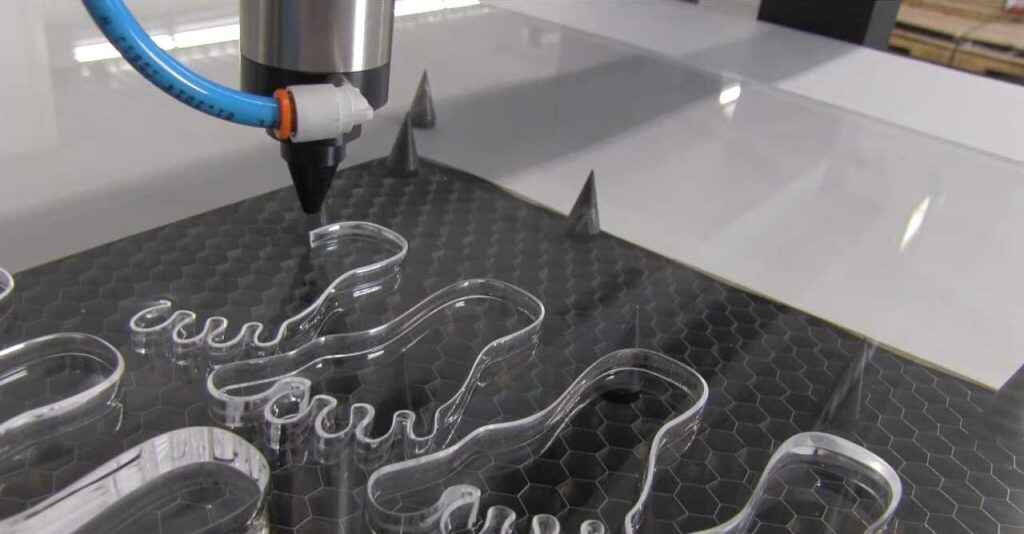
Литой акрил обычно выигрывает при изготовлении вывесок премиум-класса, наград, дисплеев, гравированных панелей и многослойных визуальных деталей. Он гравирует с более чистым матовым эффектом, лучше справляется с деталями и дает операторам больше свободы действий в погоне за полированным краем.
Экструдированный акрил дешевле. Именно поэтому его любят команды закупщиков. Но он может плавиться более агрессивно, гравировать с менее приятным контрастом и вести себя непоследовательно в разных партиях. Я не говорю, что никогда не используйте его. Я говорю о том, что не стоит делать роскошные розничные витрины из самого дешевого экструдированного листа, а потом удивляться, когда край выглядит как разогретая конфета.
Правило покупки акрила: проверяйте конкретный лист, а не “прозрачный акрил 3 мм” как категорию.
Ложь о безопасности, которую никто не хочет видеть на продающей странице
Разговоры о безопасности при лазерной резке акрила обычно слишком вежливы. Люди говорят “используйте вентиляцию”. Эта фраза слабая. Они имеют в виду следующее: удаляйте загрязняющие воздух вещества, генерируемые лазером, достаточно быстро, чтобы операторы не дышали продуктами разложения, дымом, наночастицами и летучими органическими соединениями после каждой работы.
Сайт Руководство OSHA по лазерной опасности говорится, что необходимо установить адекватную вентиляцию, чтобы снизить уровень опасных паров и испарений, образующихся при лазерной резке и соответствующем взаимодействии с мишенью, ниже применимых пределов воздействия. OSHA также предупреждает, что пластиковые корпуса лазеров могут создавать опасность возгорания и токсичных испарений, если они подвергаются сильному облучению.
Сайт 2024 исследование выбросов настольного лазерного резака в исследованиях аэрозолей и качества воздуха сообщается, что при лазерной резке могут образовываться вдыхаемые частицы, летучие органические соединения и другие токсичные вещества, а эффективная вентиляция снижает количество частиц и удаляет газообразные загрязняющие вещества в испытательных условиях. Это не маркетинговая копия. Это счет за инженерные работы.
В руководстве по безопасности лазерных резаков Карнеги-Меллона от 2024 года перечислены выбросы ПММА: ММА, этилакрилат, ацетон, формальдегид, фенол и ПАУ, а также указаны хорошо проветриваемые зоны лазерных резаков при “не менее 15 сменах воздуха в час”. В документе также говорится о том, что лазерные резаки должны обслуживаться, проверять подачу воздуха и никогда не отменять функции безопасности.
А еще есть записи о несчастных случаях. В базе данных OSHA по несчастным случаям указан смертельный случай, произошедший в декабре 2023 года с лазерным резаком Amada модели LC4020F1NT CO2, когда устройство блокировки позволяло работать с открытой дверью, а также смертельный случай, произошедший в июне 2024 года с лазерным резаком с ЧПУ во время настройки/монтажа. Разные материалы, один и тот же страшный урок: лазерный резак - это все еще промышленное оборудование.
Сам акрил тоже может гореть. Королевский колледж Лондона сообщил об инциденте, произошедшем в марте 2023 года, когда студент резал толстый лист акрила в лаборатории инженерного лазера, материал загорелся, и после того, как пожарное одеяло не потушило его полностью, была вызвана пожарная бригада. Это та часть лазерной резки ПММА, которую никто не хочет видеть в ролике Instagram.
Как на самом деле выглядит лучший CO2-лазер для резки акрила
Лучший CO2-лазер для резки акрила - это не станок с самой большой заявленной мощностью. Это станок со стабильным качеством луча, чистой оптикой, повторяющимся движением, правильным контролем Z, закрытой резкой, работающими блокировками, надежным воздушным ассистированием, реальным планированием выхлопа и контроллером, с которым ваши операторы не будут ругаться каждое утро.
Я бы предпочел купить дисциплинированный 100-ваттный станок для резки акрила с хорошим выравниванием и вытяжкой, чем небрежный 180-ваттный станок, который превращает каждую тонкую работу с ПММА в испытание дымом. Высокая мощность скрывает плохой процесс в течение недели. Затем появляется необходимость в обслуживании.
Для покупателей на заводе более полезным способом покупки является подбор формата машины в соответствии с типом работы с акрилом:
| Сценарий покупателя | Лучший машинный приоритет | Почему это важно |
|---|---|---|
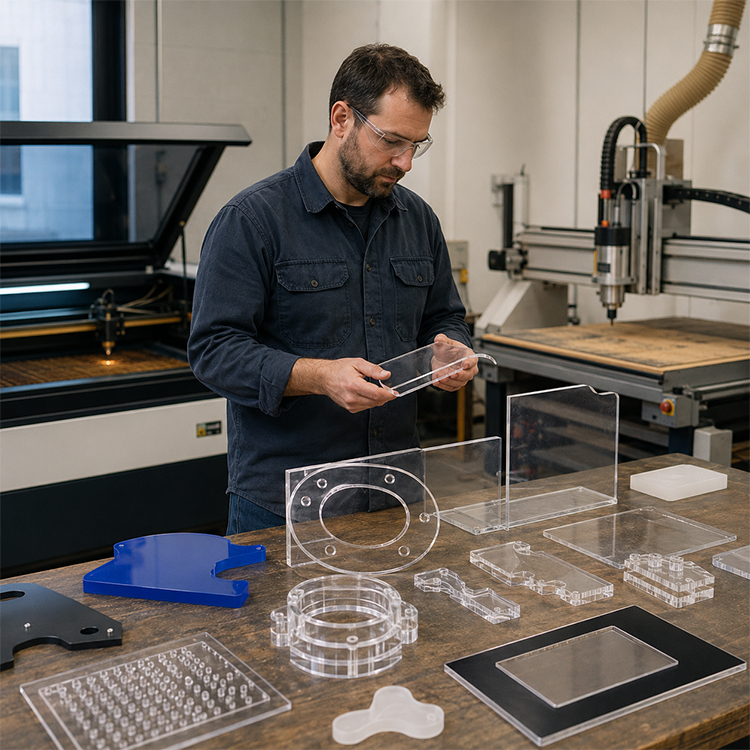
| Магазины вывесок и витрин | 100-150 Вт CO2, большая кровать, сильная вытяжка | Обрабатывает акриловые листы толщиной 3-10 мм с полированными краями |
| Студии наград и гравировки | 60-100 Вт CO2, тонкое движение, чистая оптика | Улучшенная детализация текста, логотипов и декоративных элементов PMMA |
| Промышленная резка пластиковых панелей | 130-180 Вт CO2, стабильная Z, рабочий процесс крепления | Лучше для толстых листов и многократного производства |
| Мастерские из смешанных материалов | Закрытый CO2 со строгой политикой в отношении материалов | Предотвращает небезопасное разрезание таинственного пластика |
| Крупносерийное производство акриловых листов | Конвейер или большой пласт CO2 с планом добычи | Время цикла и контроль дыма имеют большее значение, чем скорость брошюровки |
Богонгс Применение станков лазерной резки Страница является подходящим внутренним мостом для читателей, сравнивающих акрил с деревом, бумагой, кожей, стеклом, пластиком и листовым металлом. Для покупателей, все еще выбирающих между семействами лазеров, более широкая Категория станков лазерной резки дает более чистый путь к созданию волоконных систем для резки металла по сравнению с неметаллическими системами CO2.
Вопросы и ответы
Как станки лазерной резки CO2 режут акриловые листы?
Станки для лазерной резки CO2 режут акриловые листы, фокусируя инфракрасный луч диаметром 10,6 мкм на ПММА, где поглощенная энергия превращается в интенсивное локализованное тепло, которое размягчает, плавит, испаряет и выбрасывает материал вдоль запрограммированной траектории движения инструмента, в то время как воздушная система подачи и отвода воздуха контролирует остатки, пламя и дым. В результате получается узкий пропил и, при правильной настройке, глянцевая полированная кромка.
Каковы лучшие настройки CO2 лазерной резки акрила?
Лучшие настройки CO2-лазера для резки акрила - это не один фиксированный рецепт; это проверенная комбинация мощности, скорости, высоты фокусировки, фокусного расстояния линзы, воздушного ассиста, толщины акрила и типа листа, которая обеспечивает чистый пропил, глянцевый край, низкое пламя и минимальный дым на вашем конкретном станке. Начните с консервативных параметров, проведите тест на сетке и задокументируйте выигрышные параметры.
Может ли CO2-лазер безопасно разрезать акриловые листы?
CO2-лазер может безопасно резать акриловые листы, если станок закрыт, заблокирован, отработан, обслуживается, правильно сфокусирован, оснащен рабочим воздухораспределителем и используется только совместимый с лазером ПММА, а не загадочные пластики, которые могут выделять коррозийные газы, токсичные пары или неконтролируемое пламя. Оператор никогда не должен обходить блокировки, оставлять станок без присмотра или резать неизвестный лом.
Литой акрил или экструдированный акрил лучше для лазерной резки?
Литой акрил обычно лучше подходит для лазерной резки и гравировки премиум-класса, так как на нем получаются более чистые матовые следы, более устойчивые края и меньше липких остатков. Экструдированный акрил дешевле и часто хорошо режется, но может гравировать неравномерно и плавиться более агрессивно. Используйте литой PMMA для деталей визуального качества, а экструдированный лист - только после тестирования.
Какой толщины акрил можно разрезать лазерным резаком CO2?
Лазерный резак CO2 обычно может разрезать акрил от тонкой пленки до листов толщиной примерно 10-20 мм в зависимости от мощности трубки, оптики, фокусировки, качества материала, выхлопа и терпения, но заявления о толщине становятся ненадежными, если поставщик не подтвердит результат на том же сорте акрила, который вы планируете использовать. Толстый ПММА требует меньшей скорости, лучшей вытяжки и более жесткой дисциплины огня.
Почему акрил пахнет при лазерной резке?
Акрил пахнет при лазерной резке, потому что луч CO2 термически разлагает ПММА и выделяет пары, мелкие частицы и летучие соединения из горячего пропила, прежде чем вытяжная система удалит их из шкафа и помещения. Слабый запах после открытия крышки означает, что остаточные испарения все еще присутствуют; сильный запах означает, что система вытяжки слаба.
Ваши следующие шаги: Протестируйте лист, а затем выберите машину
Не покупайте лазерный резак CO2 для акриловых листов только по мощности. Отправьте поставщику реальный материал: 3 мм литой прозрачный ПММА, 5 мм цветной акрил, зеркальный акрил, экструдированный лист, образцы защитной пленки - все, что вы действительно продаете. Попросите прислать фотографии реза, крупные планы кромок, время цикла, предположения о выхлопе, размер линзы, мощность трубки, настройки воздушной поддержки и повторяемость после нескольких запусков.
Выбирайте станок, который подтверждает качество резки, а не тот, который выдает наибольшее число. Для производства акрила начните со станка Bogong Laser Машина лазерной резки CO2 опции и запросить реальный тест на резку акрила перед блокировкой спецификации.


Горячий клик
Свяжитесь с нами
Приложение
©Copyright [bogonglaser.com]. Поставщик лазерного оборудования BOGONG Все права защищены.