
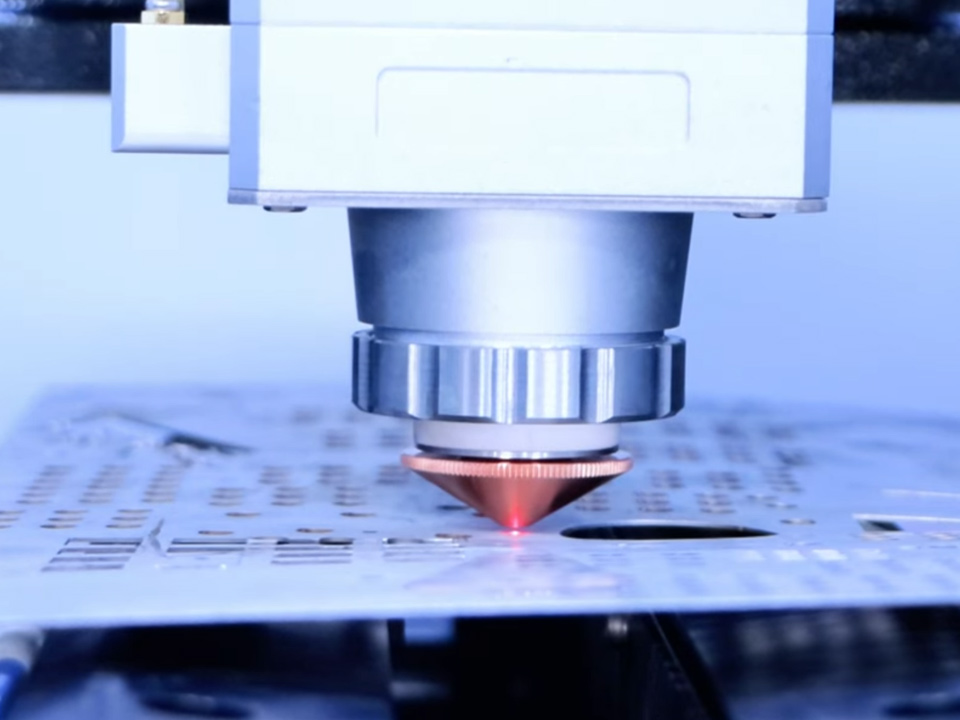
Soluții de tăiere cu laser pentru furnizorii de șasiuri de servere OEM
Inteligența artificială a schimbat afacerea cu cutii de servere. Rapid. Densitatea mai mare a rafturilor, răcirea cu lichid și ciclurile mai scurte ale produselor împing producătorii OEM de șasiuri de servere către tăierea flexibilă cu laser a tablei metalice, în locul fluxurilor de lucru lente, cu multe scule. Iată adevărul dur despre ce funcționează, ce risipește bani și cum să alegeți soluții de tăiere cu laser pentru furnizorii de șasiuri de servere.

Trei lucruri s-au schimbat.
Și nici nu treptat. Cererea a devenit nesigură, proiectarea termică a devenit mai dură, iar ciclurile de revizuire s-au comprimat atât de mult încât o mulțime de furnizori OEM de șasiuri pentru servere își petrec acum mai mult timp reacționând la ECO-uri și la modificările fluxului de aer decât bucurându-se de fantezia unui plan de producție “stabil”. Această fantezie a dispărut. Oricum, pentru majoritatea magazinelor.
Și sincer?
Cred că o mulțime de oameni din acest spațiu încă vorbesc despre serviciile de tăiere cu laser ca și cum am fi în 2019 - ca și cum treaba ar fi doar tăierea dreptunghiurilor, perforarea modelelor de ventilație și expedierea în aval a blanchetelor plate. Nu este așa. Nu mai este. În fabricarea șasiurilor pentru servere, laserul este doar o mică parte a problemei. Cea mai mare problemă este dacă atelierul poate supraviețui schimbărilor repetate de desen, programării mixte-SKU, distorsiunilor de îndoire, alinierii PEM, derapajelor de acoperire și tuturor micilor defecțiuni stupide care ucid marja de profit oră de oră.
Aceasta este adevărata luptă.
Datele macroeconomice fac ca acest lucru să fie greu de ignorat. În decembrie 2024, Departamentul pentru Energie al SUA a declarat că, în ultimul deceniu, sarcina centrelor de date a crescut de trei ori, acestea consumând aproximativ 4,4% din totalul energiei electrice din SUA în 2023 și urmând să ajungă la aproximativ 6,7% până la 12% până în 2028, în parte datorită volumelor de lucru AI și implementării de noi echipamente hardware. Acesta nu este un titlu abstract pe care îl citezi într-un webinar și îl uiți până la prânz. Acestea se regăsesc direct în programele de fabricație a șasiurilor de servere, în cererea de materiale, în reproiectarea carcaselor și în presiunea exercitată de furnizori asupra termenelor de livrare.
O problemă mai mare, totuși.
Atunci când piața calculatoarelor se accelerează, deciziile de închidere încetează să mai fie decizii de achiziție somnoroase și încep să devină decizii de risc operațional. Reuters a raportat în ianuarie 2024 că Super Micro și-a majorat previziunile datorită cererii puternice de servere AI și a nevoii tot mai mari de rafturi răcite cu lichid. De asemenea, Reuters a raportat în iunie 2024 că rezultatele HPE au fost îmbunătățite de creșterea cererii de servere optimizate pentru IA. Apoi, în octombrie 2024, Foxconn a declarat că a construit în Mexic cea mai mare instalație din lume pentru producția de servere Nvidia GB200, deoarece cererea a fost “teribil de mare”. Dacă vă câștigați existența fabricând cutii pentru servere, ar trebui să vă faceți să vă ridicați un pic mai drept.
De ce serviciile de tăiere cu laser câștigă teren în fabricarea șasiurilor pentru servere
Permiteți-mi să o spun în felul următor.
Dacă lumea dvs. de producție este plină de volume stabile, geometrii stabilite, hărți de aerisire fixe, previziuni previzibile ale clienților și nimeni nu solicită brusc o altă trecere a cablului sau o altă schimbare a suportului ventilatorului, atunci metodele care presupun o prelucrare sigură pot părea încă minunate pe hârtie. Frumoase, chiar. Dar aceasta nu este lumea în care o mulțime de echipe de producție de șasiuri de servere OEM trăiesc acum.
Ei trăiesc în agitație.
Din experiența mea, fabricarea de carcase pentru servere personalizate a devenit un joc de instabilitate controlată. Echilibrezi tirajele scurte cu ambițiile de scară, construcțiile pilot cu producția în masă viitoare, reproiectările termice cu bibliotecile de piese vechi și modificările specifice clienților cu speranțele interne că o platformă se va standardiza în cele din urmă. De obicei, nu se întâmplă așa. Sau nu suficient.
Așa că da, mă aplec cu laserul înainte aici.
Nu pentru că sunt romantic în privința mașinilor. Nu sunt. Înclin în această direcție pentru că tăierea cu laser a tablei metalice oferă cumpărătorilor spațiu de respirație atunci când echipa de proiectare nu se poate opri din a atinge produsul. Acest lucru contează atunci când susții noduri 1U, 2U, GPU grele, șasiuri de stocare, variante de margine ciudate și construcții semi-custom rackmount în același trimestru. Contează și mai mult atunci când modificările “mici” nu sunt chiar mici - o revizuire a modelului fluxului de aer, o mutare a suportului, o actualizare a clearance-ului de serviciu, o ajustare a consolidării în jurul unui modul termic mai greu.
Se adună. Rapid.
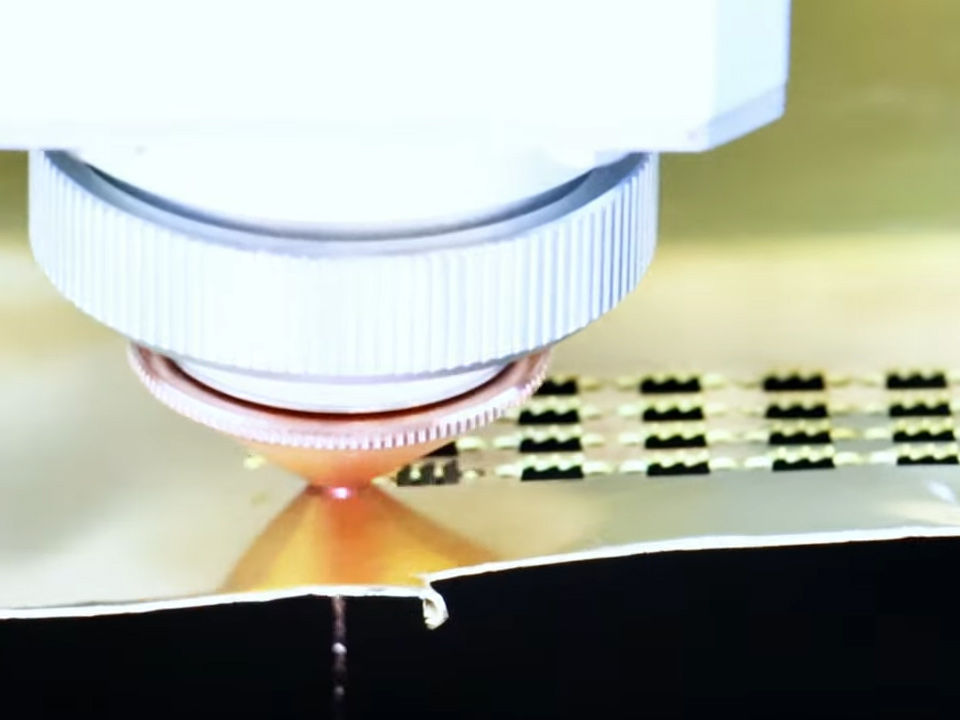
Și mai este și răcirea. Reuters a raportat în decembrie 2024 că modelele de servere legate de Nvidia se îndreaptă către sisteme care consumă până la 132 de kilowați per rack, iar cele mai puternice versiuni necesită răcire cu lichid. Acest singur fapt schimbă modul în care privesc munca la șasiu. Odată ce treci la acest tip de densitate termică, carcasa nu mai este o cutie simplă cu decupaje frumoase. Aceasta devine parte a sistemului termic. Parte a sistemului de service. Parte a durerii de cap structurale.
Acesta este adevărul urât.
Fabricarea șasiurilor pentru servere nu mai este “doar tăierea metalului”
Sincer, cred că acesta este punctul în care furnizorii slabi se expun.
Vă vor arăta o mostră strălucitoare. Vor vorbi despre calitatea marginilor, marca mașinii, poate viteza ciclului, poate un număr de toleranță frumos extras direct din materialul de marketing în condiții ideale. Foarte bine. Dar în fabricarea șasiurilor de servere, acestea sunt lucruri la nivel de suprafață. Adevărata întrebare este ce se întâmplă după tăiere. Rămâne panoul cinstit după îndoire? Se mai aliniază găurile după acoperire? Se potrivește șina fără a fi convinsă în atelier? Incinta se asamblează în mod curat atunci când asamblarea se desfășoară în regim de urgență și nimeni nu are timp să refacă teatrul de operații?
Asta este ceea ce contează.
Ce ar trebui să ceară furnizorii serioși de șasiuri pentru servere OEM
Nu este suficient să întrebați dacă atelierul poate tăia piesa.
Trebuie să știți dacă pot să taie piesa, să o țină, să o identifice corect, să o îndoaie fără să vă distrugă logica datelor și să o împingă în aval fără să creeze un coșmar de toleranță care apare doar atunci când întregul șasiu este aproape construit. Aici dispar profiturile - în liniște, în mod stupid, în mod repetat.
| Zona de evaluare | Ce ar trebui să întrebe cumpărătorii serioși | De ce este important pentru fabricarea șasiurilor pentru servere OEM |
|---|---|---|
| Precizia pozițională | Care este toleranța reală în funcție de material și grosime, nu toleranța din broșură? | Suporturile ventilatoarelor, șinele, PSU-urile, ferestrele I/O și spațiile libere ale plăcilor pedepsesc derapajele rapide |
| Controlul aportului de căldură | Cum gestionați starea marginilor și distorsiunea pe panourile subțiri din SGCC, inox sau aluminiu? | Panourile deformate creează probleme de potrivire, zgomote ale ușilor, goluri EMI și timp de asamblare urât |
| Gestionarea revizuirii | Cât de repede puteți trece de la Rev A la Rev B fără confuzie în producție? | Programele de servere AI se modifică mai rapid decât programele vechi de hardware pentru întreprinderi |
| Densitatea caracteristicilor găurii | Poate furnizorul să taie curat la scară largă matricele de aerisire, caracteristicile de pregătire a PEM și detaliile de rutare a cablurilor? | Designul fluxului de aer vinde acum cutia la fel de mult ca estetica |
| Compatibilitate în aval | Cum se comportă piesele tăiate la îndoire, sudare, filetare, acoperire și asamblare? | O tăietură frumoasă care cedează după acoperirea cu pulbere este tot o piesă proastă |
| Trasabilitate | Poate atelierul să separe clar materialele, revizuirile și loturile? | Loturile mixte ucid depanarea și ard orele de inginerie |
Ultimul rând contează mai mult decât recunosc oamenii.
Pentru că, odată ce volumul crește, problema nu este, de obicei, “Pot să producă piesa?” Problema este “Pot să împiedice ca Rev C să se amestece cu Rev D la ora 16:40 într-o vineri, când planificatorul deja improvizează, iar linia strigă pentru o umplere deficitară?” Aceasta este producția reală. Nu versiunea din broșură.
Obsesia vitezei stupide
Văd acest lucru în mod constant.
Cumpărătorii sunt hipnotizați de discuțiile despre productivitate. Viteză de tăiere mai mare. Timp de perforare mai bun. Putere mai mare. Minunat. Dar dacă reduceți cu câteva secunde tăierea și apoi pierdeți minute în corectarea îndoirii, curățarea găurilor, montarea suportului sau problemele de asamblare după vopsire, ce anume ați câștigat? Nimic bun.
De obicei, nimic.
Din punctul meu de vedere, tăierea de precizie a șasiurilor metalice este mai puțin legată de viteza brută decât de sănătatea procesului. Carcasele pentru servere pedepsesc scurtăturile pentru că sunt sisteme suprapuse. O caracteristică derivă. Apoi alta. Apoi un panou capătă o mică deformare. Apoi șina nu se așează cum trebuie. Apoi, cineva de la asamblare “îl face să funcționeze”. Numai această frază ar trebui să îngrozească cumpărătorii.
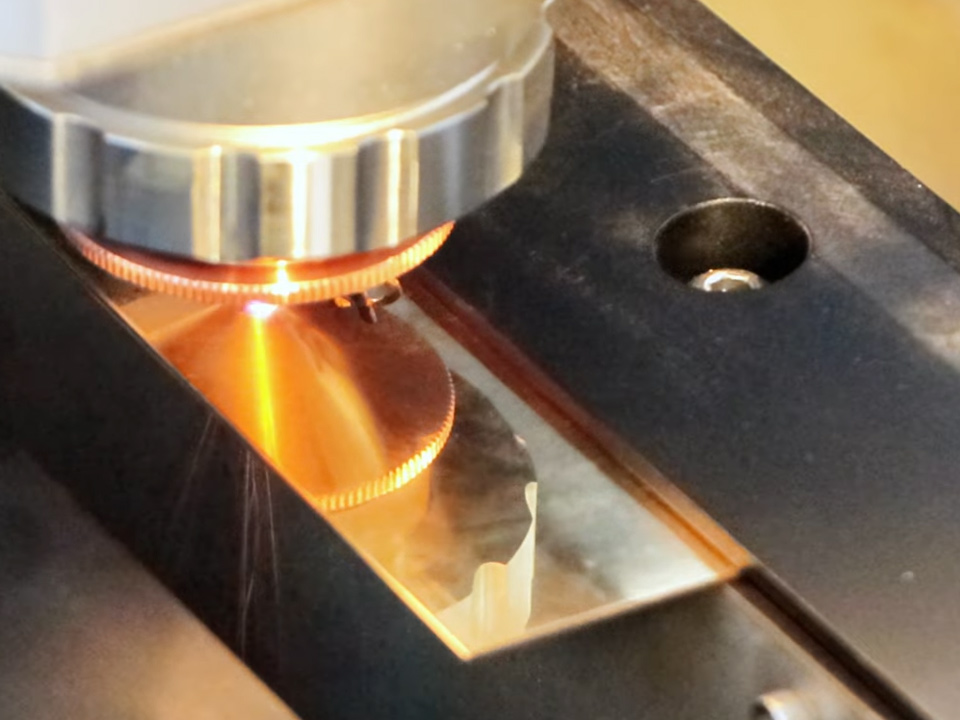
Cererea de servere AI a schimbat aspectele economice ale producției de carcase pentru servere personalizate
Această parte nu este subtilă.
Atunci când Reuters spune că Super Micro a înregistrat o cerere puternică de servere AI și o creștere a nevoii de rafturi răcite cu lichid, iar Reuters spune, de asemenea, că HPE a beneficiat de cererea în creștere de servere optimizate pentru AI, mesajul este destul de clar: piața cumpără urgențe, densitate și presiune de reproiectare, toate în același timp. Nu cumpără doar mai mult din lucrurile vechi.
Asta schimbă logica cumpărătorului.
O mulțime de echipe de aprovizionare încă evaluează serviciile de tăiere cu laser ca și cum ar cumpăra tablă subcontractată. Cred că este o gândire învechită. În acest segment, de multe ori cumpărați flexibilitate sub stres. Cumpărați mai puține întârzieri la scule. Cumpărați o șansă mai mare de a supraviețui schimbărilor de proiectare fără a detona calendarul programului.
Acesta este motivul pentru care, dacă aș evalua platforme pentru mașini de tăiat cu laser pentru prelucrarea tablelor metalice, nu aș începe cu specificațiile principale. Aș începe cu fluxul de lucru. Gama de materiale. Disciplina schimbării. Strategia de anidare. Controlul reviziei. Competența operatorului. Comportamentul la rebuturi. Aceste lucruri par mai puțin strălucitoare într-o prezentare de vânzări, dar ele reprezintă adevărul.
Iar dacă familia de produse include suporturi sudate, cadre termice sau subansambluri structurale - ceea ce se întâmplă în multe cazuri - nu puteți izola tăierea de îmbinare. Discuția se extinde în mod natural asupra sisteme de sudare cu laser de tip podea pentru asamblarea șasiului, deoarece un blank frumos nu te salvează de o geometrie proastă în aval.
Asta nu e teorie.
Aceasta este viața de fabrică.
Nivelul de conformitate despre care majoritatea oamenilor pretind că este “departamentul altcuiva”
O idee proastă.
Biroul american pentru industrie și securitate afirmă că actualizările sale din 17 octombrie 2023 au menținut cerințele de acordare a licențelor pentru China, Hong Kong și Macao în ceea ce privește articolele de calcul avansat, extinzând în același timp măsurile de combatere a eludării, adăugând noi cerințe de diligență și extinzând controalele la alte țări cu risc de deturnare. Aceasta nu este o notă secundară pentru lanțurile de aprovizionare cu servere legate de calculul avansat. Aceasta face acum parte din calificarea furnizorilor.
Și iată partea neplăcută.
Dacă furnizorul dvs. de servicii de tăiere cu laser nu poate vorbi coerent despre trasabilitate, segregarea clienților, disciplina în materie de documentație sau unde se află construcțiile sensibile în cadrul fluxului de lucru al fabricii, mi-aș face griji. Poate nu panică. Dar îngrijorat? Categoric.
Cum să alegeți soluții de tăiere cu laser pentru furnizorii de șasiuri de servere fără a vă vinde o fantezie
Am auzit discursul.
Toată lumea spune că o poate face. Toată lumea are o “experiență bogată”. Toată lumea spune “nicio problemă” înainte chiar de a se uita la setul complet de imprimări, la notele de îndoire, la specificațiile de acoperire, la cerințele de inserție a hardware-ului sau la constrângerile legate de serviciile termice. Asta ar trebui să-i facă pe cumpărători suspicioși, nu liniștiți.
Pentru că magazinele adevărate pun întrebări enervante.
Vă întreabă ce tipuri de materiale folosiți de fapt. Ei întreabă dacă câmpul de aerisire este cosmetic sau dacă performanța este critică. Se întreabă dacă acele PEM vin înainte sau după acoperire. Întreabă ce dimensiuni contează la asamblare și care doar par importante la imprimare. Iată cum sună competența.
Steaguri verzi pe care le iau în serios
Un furnizor puternic pentru fabricarea șasiului serverului face de obicei câteva lucruri imediat. Nu perfect. Dar în mod clar.
Oferă prețuri în funcție de material, grosime, toleranță și succesiunea procesului, în loc să ofere un preț mediu fals. Vorbesc despre rezultatele îndoirii, nu doar despre calitatea tăierii. Întreabă despre potrivirea șinei, caracteristicile de împământare și interfețele termice. Separă logica prototipului de logica producției repetate. Și - acesta este un aspect important - recunosc atunci când laserul nu este răspunsul final corect.
Asta câștigă încredere.
Pentru că da, uneori, programele mature, cu volume mari de carcase pentru servere ar trebui să migreze către ștanțare sau fluxuri de lucru hibride. Producătorii serioși știu asta. Cei slabi o ascund pentru că urmăresc PO.
Steaguri roșii care aproape întotdeauna înseamnă durere mai târziu
Iată lista mea scurtă.
Dacă un furnizor spune “aceeași toleranță pentru toate”, mă retrag. Dacă spun “șasiul răcit cu lichid este practic normal”, mă retrag mai repede. Dacă vorbesc doar despre marca mașinii și nu despre lanțul de procese, presupun că aud mai degrabă un discurs de vânzări decât un răspuns privind producția.
Și dacă ei promit totul?
Acesta este de obicei cel mai rău semn dintre toate.
Odată ce densitatea de putere a rack-urilor crește, totul devine mai important: rigiditatea structurală, distanța de serviciu, logica de etanșare, consecvența modelelor de găuri, poziționarea suporturilor, planeitatea panoului după acoperire, toate acestea. Raportul Reuters din decembrie 2024 privind modelele de rack orientate către Nvidia, care ajung până la 132 kilowați per rack, ar fi trebuit să pună capăt vechii mentalități ’este doar o altă carcasă“. Chiar ar fi trebuit.
Stiva de procese din spatele unei bune producții de șasiuri rackmount
Software-ul contează.
De fapt, nu, lasă-mă să spun mai bine. Disciplina fluxului de lucru contează, iar software-ul este doar o parte a acesteia. Un atelier poate deține un hardware decent și, cu toate acestea, să eșueze în producția de șasiuri rackmount pentru că așezarea este neglijentă, lansarea reviziei este dezordonată, notele operatorului sunt neclare sau identificarea pieselor se întrerupe la jumătatea unui lot mixt.
Asta se întâmplă. Mai mult decât ar trebui.
Acesta este și motivul pentru care nu separ “tăierea” de tot ceea ce o înconjoară. În cazul în care construcția are nevoie de identificări permanente, de marcaje de urmărire a lotului sau de marcaje ale pieselor ușor de citit, atunci Opțiuni de marcare cu laser UV pentru componente metalice trasabile devin parte a conversației. În cazul în care furnizorul are nevoie de ajutoare de configurare rapidă, etichete de fixare sau lucrări flexibile de identificare în atelier, chiar și un Gravură laser portabilă pentru sarcini de marcare în atelier poate susține fluxul. Iar dacă construiesc machete vizuale, mostre pentru clienți sau piese de expoziție în jurul programului, o Mașină de gravură cu laser cu cristale 3D pentru piese de afișaj de inginerie poate avea și el un loc, chiar dacă nu are nimic de-a face cu șasiul de producție în sine.
Cel mai bun serviciu de tăiere cu laser pentru șasiul serverului OEM nu este doar o mașină. Este un lanț de procese care nu se destramă atunci când apare realitatea.
Ce le spun cu adevărat datele de pe piață furnizorilor de șasiuri pentru servere
Cererea nu este calmă.
Răcirea nu este simplă.
Iar cumpărătorii care încă mai cred că această categorie este o metalurgie cu dramă redusă nu citesc bine camera.
| 2024 semnal | Ce s-a întâmplat | Ce înseamnă pentru furnizorii de șasiuri pentru servere |
|---|---|---|
| Utilizarea energiei electrice în centrele de date din SUA | DOE a declarat că centrele de date au utilizat aproximativ 176 TWh în 2023, sau 4,4% din energia electrică din SUA, și ar putea crește la 325-580 TWh până în 2028 | Mai multă implementare a calculatoarelor înseamnă mai mult volum de incinte, mai multă presiune de reproiectare și mai multe cerințe de viteză pentru fabricație |
| Creștere a cererii de Super Micro | Reuters a raportat o cerere puternică de servere AI și o creștere a nevoii de rafturi răcite cu lichid în ianuarie 2024 | Complexitatea șasiului se îndreaptă către modele cu o temperatură ridicată și predispuse la revizii |
| Rezultatele HPE | Reuters a raportat o creștere a cererii de servere optimizate pentru IA în iunie 2024 | Cererea nu este limitată la un singur furnizor; presiunea asupra ofertei de îngrădiri are o bază largă |
| Fabrica Foxconn Mexico GB200 | Reuters a raportat că Foxconn construiește cea mai mare unitate de producție GB200 din lume în octombrie 2024 | Capacitatea de producție a serverelor se reorganizează geografic în jurul platformelor AI |
| Schimbarea răcirii rack-urilor legate de Nvidia | Reuters a raportat până la 132 kW per rack și cerințe de răcire cu lichid pentru cele mai puternice sisteme | Proiectarea șasiului se află acum mai aproape de infrastructura termică decât sunt pregătiți mulți furnizori tradiționali |
Lectura mea?
Dacă achiziționați servicii de tăiere cu laser pentru fabricarea șasiului serverului în același mod în care ați achiziționa tablă subcontractată generică, probabil că subestimați riscul de inginerie și supraestimați cât de mult vă poate salva o “mașină bună”.
Întrebări frecvente
Care sunt soluțiile de tăiere cu laser pentru furnizorii de șasiuri pentru servere OEM?
Soluțiile de tăiere cu laser pentru furnizorii OEM de șasiuri de servere sunt mașinile, setările de proces și controalele fluxului de lucru utilizate pentru a tăia piese din tablă pentru carcasele de servere cu viteza, repetabilitatea și flexibilitatea de revizuire necesare pentru programele moderne de servere rackmount, de stocare și AI. În termeni simpli, ne referim la mai mult decât tăierea în sine. Aceasta include nesting-ul, manipularea materialelor, controlul toleranței, compatibilitatea formării în aval și urmărirea revizuirilor. Dacă aceste elemente nu sunt conectate, “soluția” nu este o soluție prea bună.
De ce este preferată tăierea cu laser a tablei metalice pentru fabricarea șasiului serverului?
Tăierea cu laser a tablelor metalice este preferată pentru fabricarea șasiurilor de servere atunci când modelele se schimbă des, numărul de SKU este dezordonat, iar echipele trebuie să evite întârzierile la scule, menținând în același timp precizia caracteristicilor la orificii, șine, ferestre I/O și puncte de montare. Sincer, cred că acesta este motivul pentru care laserul continuă să câștige în programele de servere semi-chaotice. Nu pentru că este perfect, ci pentru că este adaptabil. Iar în acest sector, adaptabilul bate de obicei idealul teoretic.
Cum aleg cel mai bun serviciu de tăiere cu laser pentru șasiul serverului OEM?
Cel mai bun serviciu de tăiere cu laser pentru șasiurile de servere OEM este furnizorul care poate dovedi stabilitatea procesului de tăiere, îndoire, sudare, acoperire și asamblare, gestionând în același timp controlul reviziei în mod curat și oferind oferte bazate pe condițiile reale de material și toleranță. Nu întrebați doar ce mașină folosesc. Cereți date de inspecție, exemple de potrivire în aval, fluxul de lucru al reviziei, disciplina de control al loturilor și dovezi că înțeleg proiectarea carcaselor cu temperaturi ridicate. Dacă vând doar viteză, aș continua să merg mai departe.
Pașii următori
Iată ce aș face de fapt.
Cartografiază programele tale actuale de șasiu în funcție de frecvența revizuirilor, grosimea materialului, densitatea ventilației, punctele slabe din aval și istoricul defecțiunilor de asamblare înainte de a începe să discuți cu furnizorii. Nu după. Înainte. Pentru că, dacă nu înțelegeți unde vă afectează procesul actual, fiecare ofertă a furnizorului va părea mai inteligentă decât este în realitate.
Apoi puneți întrebări mai dificile.
Nu “Ce putere are aparatul dumneavoastră?” Întrebați: “Cum opriți Rev C să se scurgă în Rev D?” Întrebați cum gestionează loturile mixte. Întrebați ce se întâmplă atunci când panourile subțiri încep să se miște după tăiere. Întrebați cum își echipamente de tăiere cu laser pentru lucrări de carcasă cu foi subțiri se integrează într-o celulă de producție reală. Întrebați unde suport de sudare cu laser pentru ansambluri de șasiu intră în secvență. Întrebați cum sisteme de marcare trasabile pentru producția controlată susținerea controlului lotului.
Acolo iese adevărul la iveală.
Iar dacă un furnizor poate răspunde la aceste întrebări în mod clar - fără obișnuitele prostii, fără reflexul “nicio problemă”, fără a evita părțile urâte ale fabricării șasiului serverului - este posibil să fi găsit pe cineva care merită luat în serios.


Click fierbinte
Contactați-ne
Aplicație
©Copyright [bogonglaser.com]. BOGONG Laser Machine Supplier Toate drepturile rezervate.