
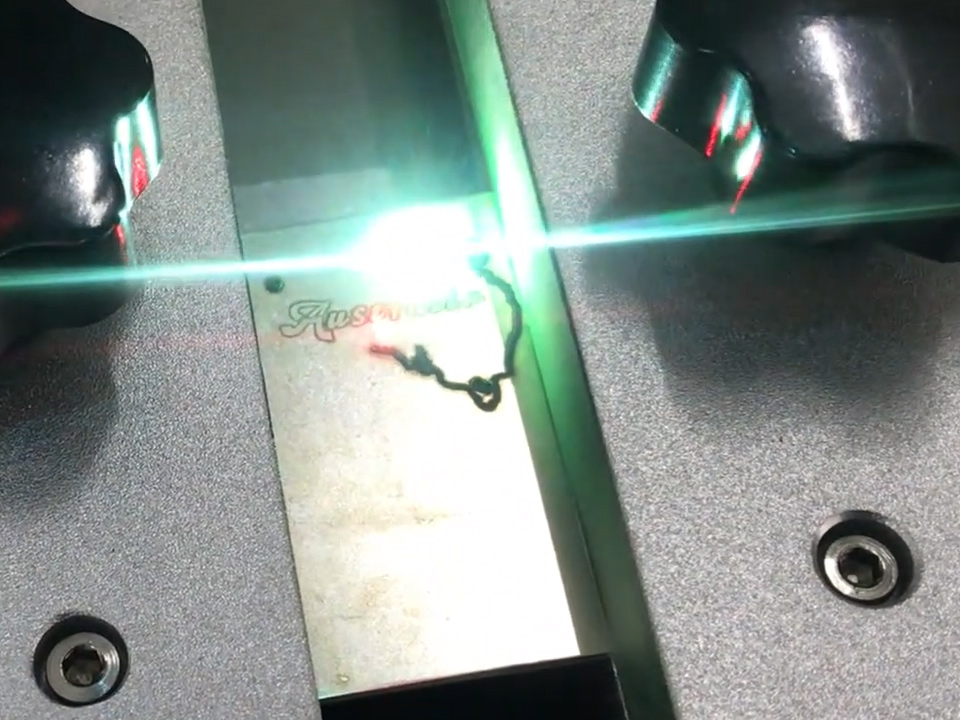
Linii automatizate de tăiere cu laser pentru producția de componente hardware pentru servere
Cererea de servere pentru IA nu se limitează doar la promovarea mărcilor de servere. Ea schimbă radical economia producției de carcase metalice. Acest articol analizează modul în care liniile automatizate de tăiere cu laser influențează randamentul, deșeurile, trasabilitatea, complexitatea sistemelor de răcire și deciziile privind cheltuielile de capital în producția de hardware pentru servere.

Trei cuvinte sunt esențiale: volumul s-a modificat rapid.
Mulți oameni din acest domeniu încă vorbesc de parcă șasiurile de server ar fi doar niște cutii îndoite cu găuri în ele, dar aceasta este o mentalitate de modă veche și, sincer, se destramă în momentul în care cererea din domeniul IA se ciocnește cu cicluri de validare mai scurte, cerințe de flux de aer mai complicate, toleranțe mai stricte și cumpărători care doresc viteză, repetabilitate și un nivel mai scăzut de produse defecte, toate în același timp. Această fantezie a murit.
Și acum ce facem?
Cererea de IA nu a crescut treptat. A luat cu asalt hala de producție.
Pe vremuri, când programele de server funcționau într-un ritm mai previzibil, te descurcai cu un laser decent, câțiva operatori experimentați, predări haotice și mult know-how „tribal”. Acum nu mai e așa. Reuters a raportat în ianuarie 2024 că Super Micro și-a revizuit în creștere previziunile privind cererea de servere pentru IA, iar în august 2024, Reuters a raportat că divizia de infrastructură a Dell a atins un record $11,65 miliarde în ceea ce privește veniturile trimestriale, creșterea fiind determinată de dinamica serverelor cu IA. Acest lucru nu este doar o veste bună pentru investitori. Înseamnă mai multe carcase, mai multe suporturi, mai multe elemente de fixare interne, mai multe panouri de ventilare și mai mult metal care trebuie tăiat în termene tot mai strânse.
Și apoi mai este și problema energiei. Departamentul Energiei al SUA a declarat în decembrie 2024 că centrele de date au consumat aproximativ 176 TWh în 2023, sau 4,41 TP3T din producția totală de energie electrică a Statelor Unite, și a prevăzut o creștere până la 6.7% până la 12% până în 2028. Nu menționez acest lucru pentru că sună impresionant. Îl menționez pentru că cererea crescută de putere de calcul nu se limitează la o foaie de calcul — ci se reflectă direct în cererea de carcase, de rack-uri, în reproiectarea sistemelor de răcire și într-o mulțime de piese din tablă refăcute.
Asta schimbă totul.
Din experiența mea, firmele care încă gestionează activitatea de server ca pe niște proiecte generice de asamblare nu eșuează, de obicei, în mod dramatic. Eșuează treptat. Marjele de profit se reduc. Termenele de livrare se depășesc. Controlul versiunilor devine confuz. Apoi, cineva dă vina pe forța de muncă, pe costul materialelor sau pe “condițiile pieței”, când adevărata problemă a fost o structură slabă a proceselor încă din prima zi.
De ce tăierea cu laser a carcaselor de server nu mai este opțională
Metalul a devenit mai inteligent și mai agresiv
Dacă te uiți la carcasa unui server modern, vei observa imediat problema: zone de ventilație mai dense, geometrie de tăiere mai precisă, orificii pentru ventilatoare mai bine definite, puncte de fixare mai specifice și o logică termică mai bine integrată în dispunerea propriu-zisă a panourilor. Nu mai e vorba de vechile dulapuri. Nu mai e doar “taie drept, îndoaie drept, livrează drept”.”
Și de aceea tăierea cu laser a șasiului serverului este mai importantă acum decât era chiar și acum câțiva ani. Geometria a devenit mai complexă. Toleranțele au o importanță mai mare. Rata de revizuire este mai ridicată. Așadar, vechiul mod de lucru — în special configurările semi-manuale, cu programare separată și sortarea greoaie a pieselor — începe să pară nesigur destul de repede.
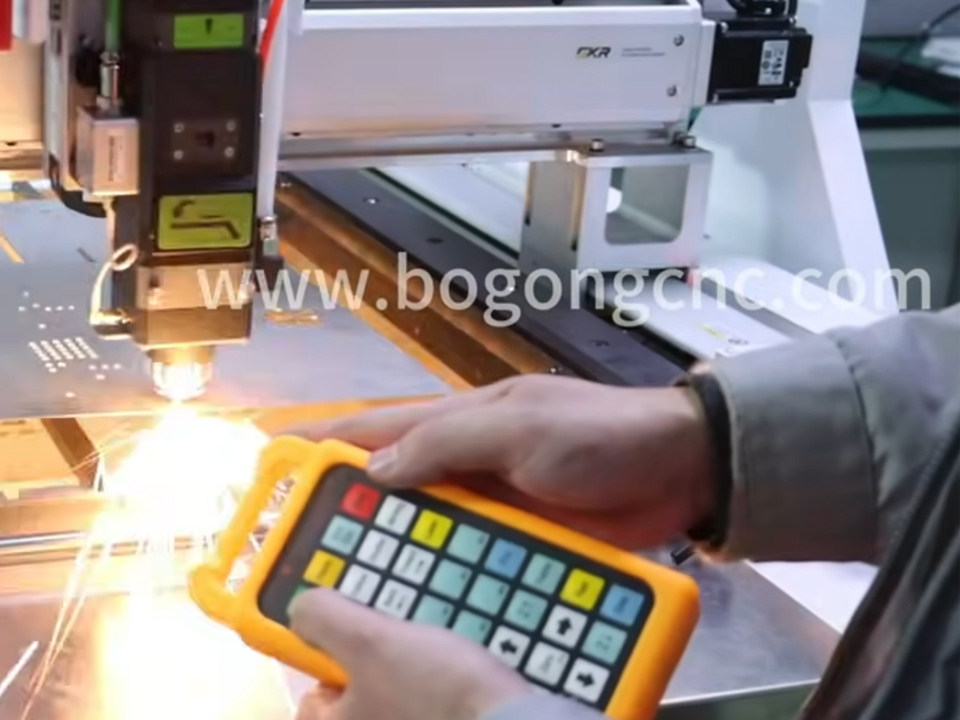
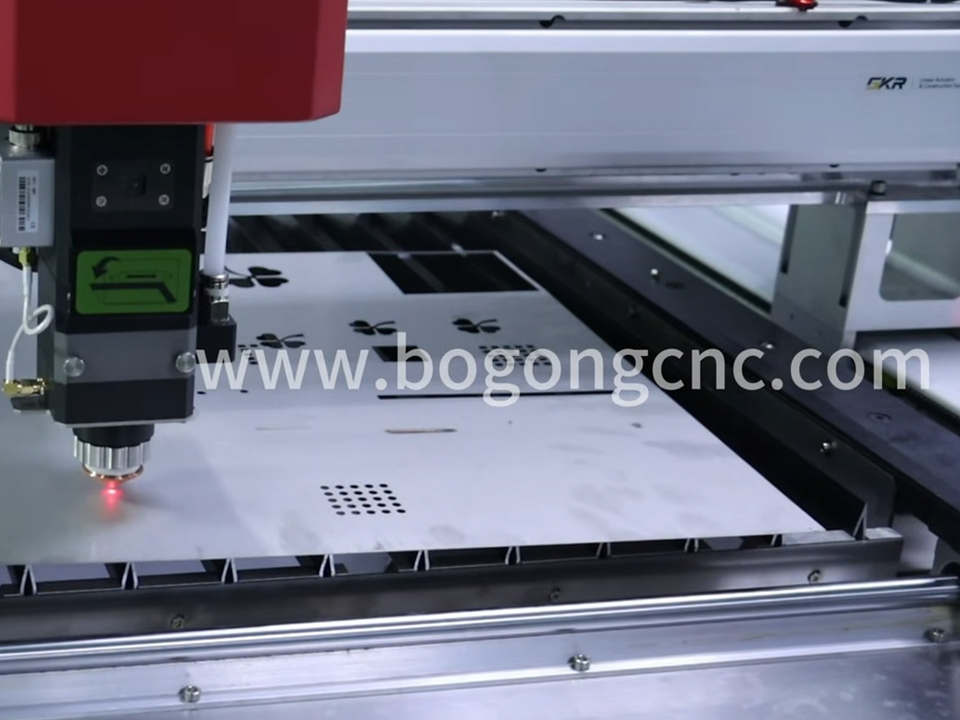
Iată adevărul crud: achiziționarea unui laser cu fibră optică nu înseamnă că ai realizat automatizarea. Nici pe departe. O adevărată linie automatizată de tăiere cu laser încărcarea, dispunerea în matriță, strategia de tăiere, logica de descărcare, sortarea pieselor, identificarea, inspecția și disciplina software funcționează toate împreună fără a se împiedica reciproc la fiecare a doua tură. Activitatea NIST din 2024 privind foaia de parcurs pentru „cybermanufacturing” subliniază destul de clar acest aspect mai amplu: o producție rezilientă depinde de o integrare mai strânsă între IA, datele mașinilor, metrologie și controlul proceselor.
Asta e diferența. O integrare adevărată.
Tăierea cu laser cu fibră optică a carcaselor de servere dă cele mai bune rezultate atunci când desenele tehnice nu rămân neschimbate
Mulți cumpărători pun întrebarea greșită. Ei întreabă care mașină este mai rapidă. Eu aș pune o întrebare mai dură: cât de costisitoare este a treia revizie?
Pentru că în tăierea cu laser cu fibră optică pentru carcasele serverelor, de obicei de acolo începe problema. Sistemul de răcire suferă modificări. Dispunerea porturilor se schimbă. Elementele de fixare se modifică în urma testărilor. Dintr-odată, proiectul pe care l-ai prevăzut nu mai este același cu cel pe care îl realizezi. Dacă procesul tău se bazează prea mult pe o logică fixă a sculelor, pierzi bani fără să-ți dai seama la început.
Și, sincer, cred că tocmai de aceea tehnologia laser continuă să aibă succes în acest segment. Nu pentru că sună modern, ci pentru că se adaptează mai bine la schimbările de design.
Totuși, o linie de înaltă tensiune prost întreținută poate totuși să prezinte pierderi. Acest aspect contează. A 12 kW un sistem cu o logică de organizare deficitară, obiceiuri de întreținere necorespunzătoare și o programare haotică poate eroda marja de profit mai repede decât unul mai bine organizat 6 kW un sistem gestionat de oameni care înțeleg cu adevărat familiile de piese, comportamentul la tăiere și procesele ulterioare. O putere mai mare ajută. Uneori. Dar nu compensează o gândire greșită.
Unde liniile automatizate de tăiere cu laser aduc cu adevărat profit
Nu acolo unde scrie în broșură
Prezentările de vânzări adoră să vorbească despre durata ciclului. Bine. Durata ciclului contează. Dar în tăierea cu laser a tablelor pentru componente hardware de servere, banii se câștigă sau se pierd, de obicei, în locuri care nu ies bine în fotografii — întârzieri la revizie, pierderi de randament, zgârieturi, confuzii între piese, logica cozilor de așteptare și capacitatea echipelor din aval de a distinge un lot de altul fără a fi nevoite să joace rolul de detectivi.
Aceasta este versiunea realității așa cum o percep muncitorii din fabrică.
Dacă linia de producție funcționează rapid, dar descărcarea se face defectuos, sau dacă piesele se stivuiesc într-un mod care deteriorează suprafețele acoperite cu un strat protector, sau dacă logica de sortare este atât de imprecisă încât panourile ventilatoarelor și suporturile pentru șine încep să se amestece în același raft de flux, mașina nu este “eficientă”. Pur și simplu generează rapid probleme viitoare.
Iată comparația pe care mi-aș dori ca mai mulți oameni să o ceară înainte de a semna un ordin de achiziție.
| Factor | Celulă manuală / semi-automată | Linie laser complet automatizată | Ce contează în producția de hardware pentru servere |
|---|---|---|---|
| Sarcina de comutare | Înaltă | Se reduce odată ce bibliotecile sunt compilate | Modificările frecvente ale codurilor SKU și ale versiunilor îngreunează configurările manuale |
| Riscul de rupere la tablele subțiri suprapuse | De la mediu la ridicat | Scade atunci când software-ul și încărcarea sunt stabile | Panourile subțiri pentru servere scot foarte bine în evidență imbricarea necorespunzătoare |
| Dependența de forța de muncă | Se pune accentul pe operatorii calificați | S-a orientat către programatori, întreținere și controlul calității | Munca nu dispare; își schimbă forma |
| Trasabilitate | Adesea fragmentat | Mai eficient dacă este integrat cu MES și cu fluxul de lucru de marcare | Informații importante privind garanția, service-ul și conformitatea |
| Stabilitatea debitului | Depinde de operator | Mai consecvent | Cererea de servere AI afectează fluctuațiile producției |
| Dificultățile legate de cheltuielile de capital | Cost inițial mai mic | Plată inițială mai mare | Merită doar dacă gradul de utilizare rămâne ridicat |
Tabelul acela spune o poveste pe care majoritatea furnizorilor o prezintă într-o lumină mai blândă. Forța de muncă nu dispare. Se transformă. În continuare ai nevoie de oameni competenți — doar că în alte roluri. Mai mulți programatori. Mai mulți ingineri de proces. O întreținere mai bună. Un control al calității mai riguros. NIST subliniază acest aspect de ani de zile: precizia, metrologia și disciplina proceselor reduc refacerea și deșeurile într-un mod mai fiabil decât o va face vreodată publicitatea exagerată.
Situația materială și politică au un impact mai puternic decât recunosc oamenii
Dar mai există un aspect de care broșurile producătorilor nu vă vor scuti: expunerea la riscurile legate de politici și aprovizionare. Cadrul privind oțelul prevăzut în Secțiunea 232 a Departamentului Comerțului al SUA continuă să determine condițiile de import, iar Reuters a raportat în mai 2024 că SUA au prelungit cu încă un an suspendarea tarifelor la oțelul ucrainean din cauza perturbărilor legate de război. Așadar, da, eficiența liniei dumneavoastră de producție contează — dar costurile totale ale oțelului pot fi în continuare afectate de decizii luate cu mult în afara fabricii.
Automatizarea ajută la atenuarea șocurilor. Nu le elimină însă.
Ce diferențiază automatizarea inteligentă de un spectacol costisitor
Magazinele bune privesc dincolo de tăietură
Nu am încredere în fabricile care vorbesc doar despre calitatea fasciculului și viteză. Ăsta e limbajul de prezentare. Limbajul real al producției începe abia după tăiere.
Dacă construiești carcase pentru rack-uri de servere tăiate cu laser sau în cazul unor structuri de servere AI mai dense, ar trebui să știți deja cum se comportă acele margini în timpul acoperirii cu strat protector, cum reacționează proeminențele în timpul îndoirii, unde manipularea scheletului devine dificilă, dacă micro-îmbinările sunt de ajutor sau doar încetinesc operatorii și cum intenționați să serializați piesele înainte ca acestea să dispară în următoarea celulă de lucru.
Tocmai în acest context sistemele de sprijin își dovedesc cu adevărat importanța. O firmă care dorește să-și creeze un flux integrat s-ar putea baza pe marcarea cu laser a carcaselor pentru panourile de server cu numere de serie, folosiți gravarea cu laser cu fibră optică pentru identificarea componentelor metalice, asigură trasabilitatea cu ajutorul gravare cu laser cu fibră divizată pentru marcaje industriale durabile, și pregătiți suprafețele dificile prin curățarea cu laser cu impulsuri în finisarea tablelor. În cazul suprafețelor delicate sau finisate, înțeleg și eu de ce unele plante ar arăta Marcare 3D cu laser UV pe articole de feronerie acoperite cu un strat de protecție.
Asta nu e o prostie. Ăsta e fluxul de lucru.
Planificarea duce la eșecul mai multor proiecte de automatizare decât o va face vreodată reducerea personalului
Această parte este adesea trecută cu vederea pentru că nu este atât de atractivă. Mașina poate fi excelentă, dar coada de așteptare poate fi totuși un dezastru.
Am văzut departamente care combină lucrări de telecomunicații, lucrări la dulapuri și lucrări la carcasele serverelor pe aceeași linie de producție și apoi se arată surprinși când programele urgente încep să se suprapună. Apoi, cineva spune că mașina nu funcționează la capacitate maximă. Nu — programul este cel care nu funcționează. Logica din amonte este defectuoasă. Modelul de stabilire a priorităților este defectuos.
Reportajele Reuters din 2024 despre Dell și Super Micro scot în evidență acest lucru în mod dureros de evident, dacă citești între rânduri. Cererea a crescut vertiginos. Portofoliul de comenzi s-a umflat. Comenzile restante au crescut. Când se întâmplă asta, orice punct slab din lanțul de producție al unei fabrici iese la iveală. Nu în cele din urmă. Ci imediat.
Acesta este adevăratul test de rezistență.
Cum să automatizezi producția de carcase pentru servere fără să te amăgești
Începeți cu familia de piese. Întotdeauna.
Dacă mă întreabă cineva Cum se poate automatiza producția de carcase pentru servere, Nu încep cu modelul mașinii. Încep cu compoziția metalului, familia de piese, frecvența revizuirilor și cea mai complicată predare către etapele următoare.
Asta pentru că toate magazinele spun că își doresc automatizarea. Puține știu însă ce fel de automatizare. Și și mai puține știu de ce.
Ce interval de calibru determină volumul real de lucru?
Foaile subțiri, suporturile interne, piesele de susținere mai grele — toate se comportă diferit. Opțiunile privind gazul de asistență se schimbă. Eficiența dispunerii pieselor se schimbă. Așteptările privind planeitatea se schimbă. Iar dacă le includeți pe toate în aceeași ofertă ca “piese din tablă” generice, practic invitați la refaceri.
Cât de des determină testele termice modificarea proiectului?
Acest aspect contează mult mai mult decât ar vrea unii cumpărători să recunoască. Inteligența artificială și platformele de servere de înaltă densitate continuă adesea să evolueze după validarea sistemului de răcire. Dispunerea orificiilor se modifică. Carcasele se schimbă. Punctele de montare sunt modificate ușor. Dacă procesul dumneavoastră nu poate face față acestor schimbări fără consecințe financiare grave, nu dispuneți de fapt de o automatizare modernă. Aveți o configurație fragilă, însoțită de o broșură frumoasă.
Poți urmări fiecare piesă tăiată până la etapa următoare?
Dacă răspunsul este „nu”, pierzi unul dintre cele mai mari avantaje ale automatizării. Poate că ești mai rapid. Dar tot nu vezi ce se întâmplă.
Care indicator de performanță (KPI) reflectă realitatea?
Nu mă interesează prea mult timpul de funcționare al mașinii în sine. E o cifră frumoasă, dar adesea înșelătoare.
Mă interesează randamentul la prima trecere. Deșeurile pe tip de material. Timpul de reacție la modificările tehnice. Timpul de la coadă la livrare pe familie de șasiuri. Aici se află adevărata poveste.
Situația marjelor de profit în domeniul fabricării de piese din tablă pentru carcase de servere personalizate este mai gravă decât se spune
O piață în plină expansiune îi induce în eroare pe oameni. Se întâmplă tot timpul.
Doar pentru că fabricarea de piese din tablă pentru carcase de servere personalizate Faptul că este legat de cererea pentru servere AI nu înseamnă că sunt bani câștigați ușor. De fapt, de multe ori înseamnă exact opusul. Toată lumea vrea să intre în afacere. Se lansează tot mai multe oferte. În stabilirea prețurilor se includ tot mai multe ipoteze optimiste. Tot mai multe firme se comportă de parcă ar putea “să-și dea seama mai târziu”.”
Asta ajunge să coste mult mai târziu.
Reuters a relatat că divizia de cloud și rețele a companiei Foxconn a beneficiat de o cerere puternică de servere pentru IA, iar către sfârșitul anului 2024, Foxconn a declarat că serverele pentru IA se îndreptau spre 50% din veniturile totale din servere în anul următor. Când companii de o asemenea amploare se orientează atât de puternic către producția de servere bazate pe IA, producătorii contractuali mai mici și furnizorii de șasiuri încep cu toții să se lupte pentru aceleași comenzi. Concurență mai mare. Presiune mai mare asupra prețurilor. Mai multe oferte de preț nefavorabile.
Deci, în ce domenii își mențin marja de profit fabricile mai inteligente?
Nu prin a fi cel mai ieftin. Nu prin a cumpăra cea mai zgomotoasă mașină. Nu prin a te ruga ca reviziile să înceteze.
Acestea asigură o marjă de siguranță prin faptul că sunt mai rezistente. Un control mai bun al reviziilor. O utilizare mai eficientă a materialelor. Marcaje mai clare. Biblioteci de procese îmbunătățite. Mai puține surprize neplăcute între etapa de tăiere și cea de asamblare.
Asta e tot.
Cooling reface acum fișierul de tăiere
Expoziția face parte din „Performance Now”
Aceasta este partea pe care, după părerea mea, mulți dintre cei care se ocupă de carcase de tip „old-school” încă o subestimează. Strategia de răcire are acum un impact mai mare asupra geometriei decât a avut vreodată stilul specific al mărcii.
Agenția Reuters a relatat în octombrie 2024 că Super Micro livra peste 100.000 de GPU-uri pe trimestru și orientându-se către produsele de răcire cu lichid, în timp ce Reuters a raportat, de asemenea, că Nidec se așteaptă la o expansiune rapidă în domeniul modulelor de răcire legate de inteligența artificială (AI), corelată cu creșterea centrelor de date. Acest lucru ar trebui să trezească îngrijorarea oricui mai tratează încă carcasele de servere ca pe niște dulapuri generice. Deoarece următoarea generație de structuri metalice va reflecta mai direct arhitectura termică – mai multă logică de perforare, mai multe caracteristici de susținere, mai multe dispuneri orientate către fluxul de aer și mai multe bătăi de cap legate de stiva de toleranțe odată ce vor fi implicate caracteristici legate de răcirea cu lichid.
Acesta este motivul pentru care producția de echipamente hardware pentru centrele de date, tăierea cu laser devine din ce în ce mai specializată. Nu din punct de vedere estetic, ci din punct de vedere structural.
Și da, asta înseamnă că atelierele vor avea nevoie de o planificare mai bună a tăierilor, de o gestionare mai eficientă a reviziilor și de legături mai clare între modificările din CAD și rezultatele obținute în atelier. În caz contrar, așa-numita linie de automatizare se transformă într-o modalitate foarte costisitoare de a produce confuzie în serie.
Întrebări frecvente
Ce este tăierea cu laser a carcaselor de server?
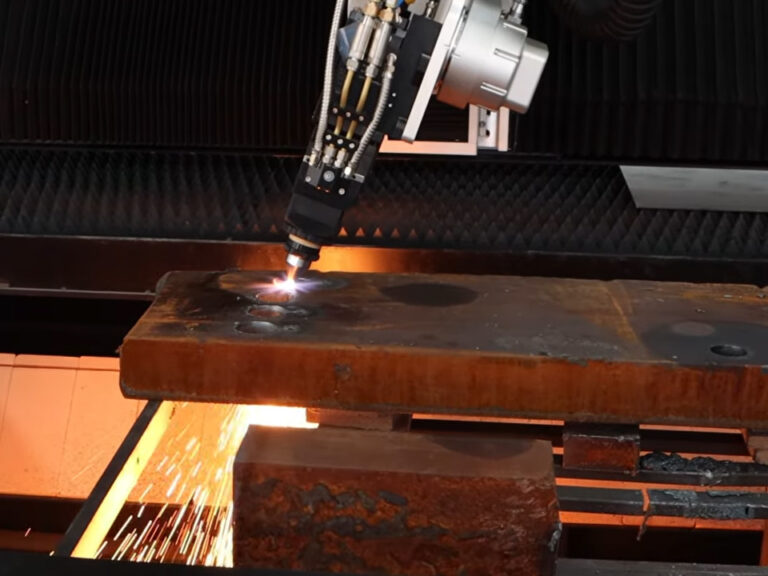
Tăierea cu laser a carcaselor de servere presupune utilizarea unor sisteme laser controlate prin CNC, de obicei lasere cu fibră optică, pentru tăierea pieselor din oțel sau aluminiu destinate carcaselor de servere, suporturilor, șinelor, plăcilor pentru ventilatoare și componentelor de rack, cu o repetabilitate ridicată, costuri reduse de revizuire și schimbări rapide ale configurației, adaptate procesului modern de fabricație a echipamentelor hardware. Această tehnologie este cea mai potrivită pentru mediile în care geometria se modifică frecvent și în care consecvența este esențială.
Însă adevărata valoare depășește calitatea muchiilor. Este vorba despre cât de repede poate un producător să treacă de la desenele revizuite la piese gata de utilizare, fără a afecta rata deșeurilor, potrivirea pieselor sau termenul de livrare. De aceea, încărcarea, dispunerea, marcarea și trasabilitatea sunt la fel de importante ca și sursa de fascicul în sine.
Ce sunt liniile automatizate de tăiere cu laser utilizate în producția de echipamente pentru servere?
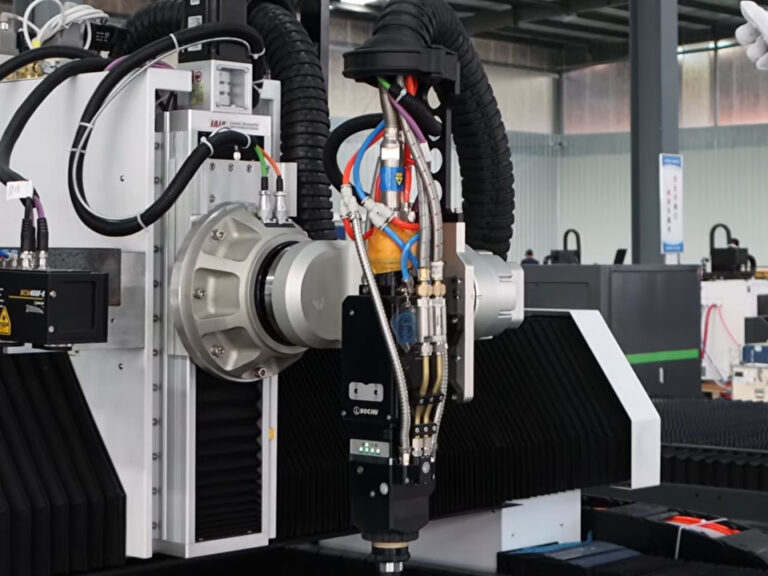
Liniile automatizate de tăiere cu laser utilizate în producția de componente hardware pentru servere sunt sisteme integrate care combină încărcarea tablelor, tăierea CNC, software-ul de optimizare a dispunerii pieselor, descărcarea, sortarea pieselor și, adesea, marcarea sau inspecția, astfel încât piesele carcasei să parcurgă procesul de fabricație cu o manipulare manuală redusă și un randament mai stabil. Acestea sunt concepute pentru a reduce blocajele generate de diversitatea mare a produselor și de ciclurile rapide de revizuire.
În magazinele fizice, rezultatele se văd atunci când această integrare rezistă presiunii de zi cu zi. Dacă coada se mișcă repede, dar programarea, logica de sortare sau urmărirea articolelor sunt dezorganizate, sistemul nu își îndeplinește așteptările, indiferent cât de modern ar părea într-un videoclip de promovare.
Următorul tău pas, dacă iei lucrurile în serios
Iată părerea mea: majoritatea fabricilor nu au nevoie de “mai multe mașini”. Au nevoie de mai puțină autoamăgire.
Dacă evaluați linii automatizate de tăiere cu laser În ceea ce privește activitatea de la server, verificați mai întâi trei aspecte: timpul de tranziție de la versiunea de revizie la cea de producție, rata de rebut pe familie de șasiu și trasabilitatea de la foaia de tăiere până la asamblarea finală. Apoi, verificați dacă fluxul actual poate permite o identificare mai bună, o marcare mai bună și o pregătire mai riguroasă prin intermediul unor instrumente precum marcarea cu laser a carcaselor pentru panourile de server cu numere de serie, gravarea cu laser cu fibră optică pentru identificarea componentelor metalice, gravare cu laser cu fibră divizată pentru marcaje industriale durabile, Marcare 3D cu laser UV pe articole de feronerie acoperite cu un strat de protecție, și curățarea cu laser cu impulsuri în finisarea tablelor.
Acesta este adevăratul test.
Nu broșura. Nu puterea în wați. Nu discursul de la târgul comercial.
Întrebarea reală este și mai dură decât atât: poate linia voastră de producție să facă față volatilității serverelor din era IA fără ca reviziile, deșeurile și haosul din programare să se transforme într-o scurgere permanentă a marjei de profit? Dacă nu, remediați mai întâi procesul — înainte ca cererea să crească din nou și să scoată la iveală fiecare punct slab pe care sperați că nimeni nu-l va observa.


Click fierbinte
Contactați-ne
Aplicație
©Copyright [bogonglaser.com]. BOGONG Laser Machine Supplier Toate drepturile rezervate.