-
Shunhua Road, Jinan City, Shandong

How Laser Cutting Reduces Waste in Metal Processing
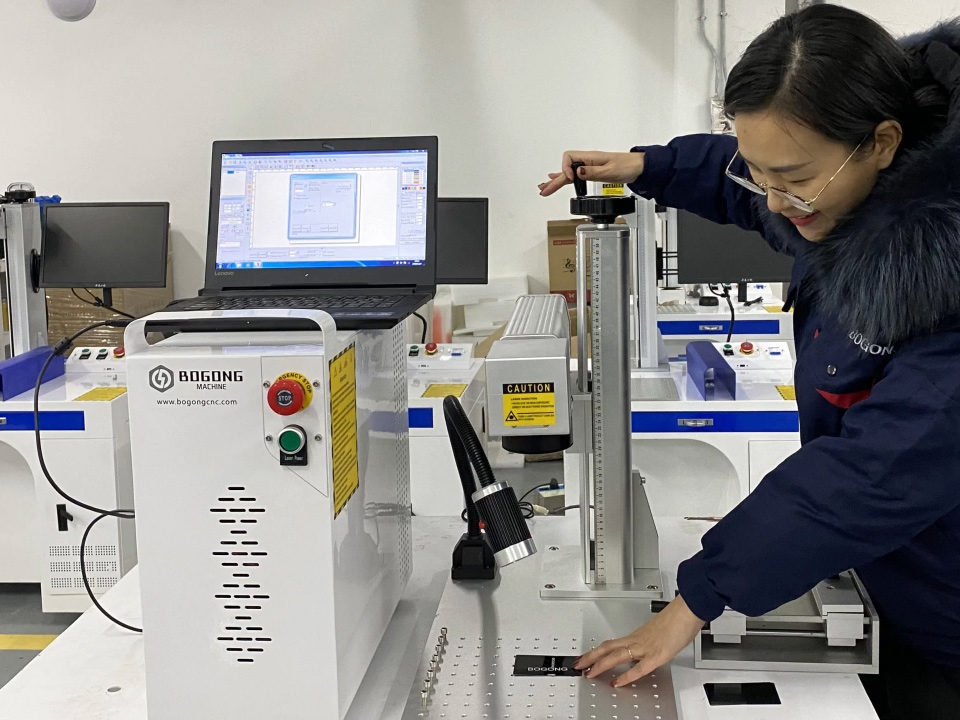
Laser cutting does reduce waste in metal processing, but not by magic. It does it through tighter nesting, narrower kerf widths, fewer tooling constraints, and better repeatability. The real savings show up when shops stop treating the laser as a fast knife and start running it as a data-driven yield system.

The waste story most factories tell themselves
Waste hides well.
But here’s the ugly truth: I’ve sat through enough factory-floor conversations, vendor demos, and production meetings to know that a lot of shops still talk about scrap like it’s weather—unfortunate, expensive, and somehow outside human control—when in reality a shocking amount of metal waste starts with lazy nesting, sloppy cut planning, and people blaming the material instead of the process.
That’s the real problem.
And no, I don’t buy the usual excuse that “steel prices are the issue.” Steel prices matter, obviously. But when a shop keeps burning through usable sheet because parts are nested badly, remnants aren’t tracked, and operators keep rerunning jobs that should’ve been right the first time, the machine isn’t the only thing cutting metal. The company is cutting its own margin.
So what changes with laser cutting?
Not everything. Not automatically.
A laser system doesn’t wave a magic wand over your scrap bin. What it does do—when the programming isn’t a mess—is give you tighter kerf control, more freedom with geometry, fewer tooling restrictions, and better repeatability, which means you can place parts closer, cut nastier contours, and stop wasting half the sheet just because the old process couldn’t handle a smarter layout.
That’s where the money sits.
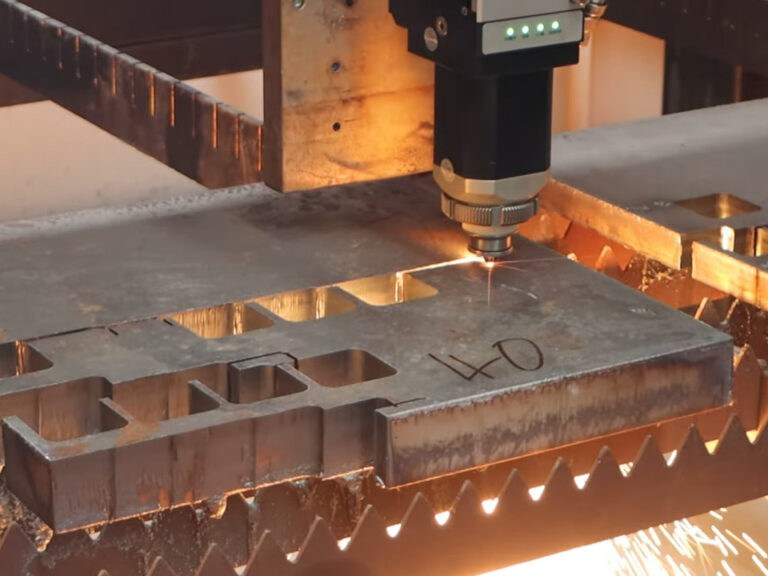
It’s also why a shop running a capable fiber laser cutting machine usually sees the strongest yield gains on awkward jobs, mixed-shape production, and low-to-mid batch work where part rotation, spacing, and contour density actually move the numbers.
Where laser cutting really saves material
Tighter nesting beats brute-force cutting
Let me say this plainly.
Most of the waste reduction doesn’t come from “laser” as a shiny word. It comes from what laser cutting lets you do on the nest. People outside the trade miss that. They imagine the beam itself is the genius. It isn’t. The nesting logic is where smart shops quietly win.
And when I say quietly, I mean it—because the best yield improvements don’t look dramatic on a sales brochure. They show up in boring, beautiful metrics: more parts per sheet, fewer skeleton leftovers, better remnant recovery, fewer odd scraps nobody can reuse, less panic buying of stock sizes that should’ve lasted longer in the first place.
A 2023 MIT study on sheet metal throughput focused directly on optimized nesting as a way to improve sheet utilization, while a 2024 University of Twente thesis on plate nesting highlighted material utilization as a core performance variable in nesting software decisions.
That lines up with what I’ve seen. Shops don’t usually bleed margin because the laser is inaccurate. They bleed it because the nest is dumb.
And if the production mix includes both sheet and tube, the waste problem gets even uglier—more handling, more setups, more offcut confusion, more “temporary” workarounds that never go away. That’s where an all-in-one fiber laser metal cutting machine for tube and sheet starts to make practical sense. Not because all-in-one sounds impressive. Because fragmentation is expensive.
Less tooling waste, fewer setup compromises
Now, punching still has its place. I’m not going to pretend otherwise.
But let’s be honest about the trade-off. Hard-tool processes can box a shop into weird decisions—parts spaced wider than they should be, geometry simplified for tooling convenience, short runs delayed because no one wants to set up for them, and revisions handled like a minor crisis because one little design tweak suddenly ripples through the whole setup.
That’s not efficient. That’s inertia.
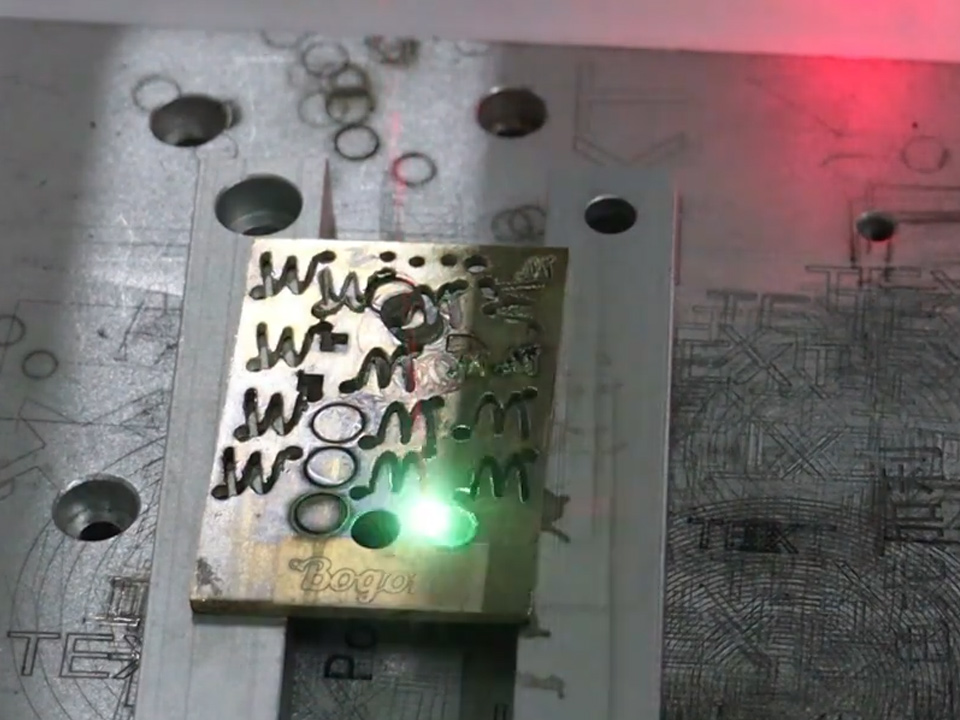
Laser cutting strips a lot of that baggage away. No dedicated die for every profile. No trying to force a new shape through an old tooling mindset. No acting like a compromised part layout is “close enough.” If the CAD is right, the cut file is right, and the nest is built by someone who actually cares, the sheet works harder.
And when bevel work is part of the job, the waste story gets even more practical. A bevel fiber laser cutting machine can handle weld-prep geometry in-line, which cuts down on secondary ops, extra clamping, manual grinding, and those annoying little avoidable defects that somehow keep eating good parts late in the process.
That stuff adds up.
Better accuracy means fewer remakes
Remakes are scrap with paperwork.
I frankly believe too many articles soften this point because “precision” sounds cleaner than “you’re throwing money in the bin.” But a bad part isn’t just a bad part. It has already consumed sheet stock, operator time, assist gas, power, scheduling space, machine hours, and usually someone’s patience.
Then it gets remade.
The U.S. EPA’s latest manufacturing waste trend data show a broad push toward pollution prevention and process modifications, with 1,660 manufacturing facilities initiating more than 3,400 pollution prevention activities in 2023. That is not a niche sustainability hobby. It is evidence that manufacturers are under pressure to reduce waste creation at the source, not just recycle the mess later.
That’s the point people miss.
The real win isn’t “we recycle our scrap.” The real win is “we didn’t create the extra scrap in the first place.”
The hard numbers behind scrap, cost, and pressure
The economics are not subtle.
According to the U.S. Geological Survey, U.S. apparent consumption of iron and steel scrap reached an estimated 63 million tons in 2024, and the total value of domestic purchases of iron and steel scrap was about $24 billion. USGS also notes that recycled scrap consisted of about 24% new scrap from manufacturing plants and 18% home scrap from current operations. In plain English, manufacturers are still generating a huge stream of valuable leftovers before the product even reaches the customer.
That should sting.
Because when “new scrap” is still such a large part of the flow, it tells me the sector still has a process-discipline problem, not just a commodity problem. People love to romanticize recycling, and yes, scrap has value, but selling back material you already paid to buy, move, store, load, cut, and sort is not some brilliant recovery strategy. It’s damage control.
And the pricing side backs that up. USGS reported the average delivered No. 1 heavy melting steel scrap price at about $325 per metric ton in 2024, with monthly prices dropping from $362.51 in January to $305.11 through parts of midyear. Scrap has value, yes. But selling scrap is a consolation prize. The smarter move is not producing so much of it in the first place.
That’s the hard truth.
A second data point—different manufacturing segment, same ugly lesson—comes from NREL. In a 2024 advanced manufacturing report, NREL noted that conventional lamination fabrication can generate material waste that may exceed 50% because of scrap from cutting and punching processes. Different product class, same manufacturing lesson: if your geometry and cutting route are wrong, your material bill gets ugly fast.
Which it does. Fast.
A quick comparison
| Cutting approach | Waste profile | Where it wins | Where it loses |
|---|---|---|---|
| Laser cutting | Lower direct scrap when nesting is optimized; fewer remakes from tight tolerance control | Mixed geometries, short-to-medium runs, design changes, complex contours | Poor batching, weak nesting logic, excessive idle time |
| Mechanical punching | Strong for repeat, simple parts with stable tooling | High-volume repeated forms | Tooling limits can force wider spacing, extra setups, and design compromise |
| Plasma/oxy-fuel | Useful for thicker plate and rougher work | Heavy sections, lower precision needs | Wider kerf, more cleanup, more secondary work, more material loss on intricate parts |
And that table is the simplified version.
On the floor, the answer is messier. Material thickness, assist gas, nozzle condition, edge quality targets, cut sequence, remnant policy, lot size, and how disciplined the programmers are with common-line cutting or chain cutting—all of that changes the outcome. But if we’re being blunt, laser cutting usually wins the waste argument when the work mix is varied and the shop actually knows how to run the nest instead of just pushing jobs through CAM and hoping for the best.
The hidden traps that keep scrap high
Shops overbuy machine power and underinvest in nesting
This happens constantly.
I’ve seen buyers obsess over source power, acceleration, and brochure speed charts while barely asking how the software handles remnant management, mixed-order nesting, lead-in strategy, or cut-path optimization. That’s backwards. Kilowatts are easy to sell. Yield discipline is harder. But the second one is usually where the money is.
So yes, power matters. Sure. But if the nest is sloppy, the cut order is inefficient, and the offcut tracking is basically a guy with a marker pen and fading memory, a bigger source just helps you make scrap faster.
That’s not progress.
And while we’re at it, I wouldn’t casually drag a CO2 laser engraver cutter into a serious conversation about metal-processing waste unless the actual application fits it. This is one of those spots where sloppy content writing misleads buyers. Different machine classes solve different jobs. Pretending otherwise just muddies procurement and creates bad expectations.
Recycling is not the same as prevention
This one annoys me.
Manufacturing people love saying scrap is recyclable—as if that settles the argument. It doesn’t. Recyclable waste is still waste. It still tied up cash. It still took labor. It still burned time and energy before becoming a downgraded output that now has to be sold back into another chain at a lower value than the sheet had before you touched it.
USGS says overall steel scrap recycling rates in the United States have averaged between 80% and 90% in the past decade, and recycling 1 ton of steel conserves 1.1 tons of iron ore, 0.6 ton of coking coal, and 0.05 ton of limestone. That is real. It matters.
But it’s still the second-best outcome.
The first-best outcome is better yield.
Batch logic decides whether the laser is efficient or embarrassing
Now we get to the part people like to skip.
A 2024 industrial case study on a live UK laser cutting cell found that the processing state accounted for 55% of overall energy performance for single sheets and 71% when work was batch processed, which tells you something important: batching is not a side issue, it is the job. Run one-offs badly and your laser becomes an expensive light show. Run nests intelligently and the machine starts paying rent.
That should reframe the conversation.
Because laser cutting doesn’t reduce waste for sloppy shops. It doesn’t rescue bad scheduling. It doesn’t fix lazy quoting logic. And it definitely doesn’t help much when jobs are loaded in a chaotic sequence, remnants aren’t cataloged by usable geometry, and everyone acts surprised that sheet utilization still looks average.
Average is expensive.
What smart fabricators do differently
They treat yield as a design problem, not a scrap-bin problem
From my experience, the smartest fabricators don’t wait until the scrap cart is full to ask questions. They think upstream. They standardize part families where they can. They look at radii, tab choices, lead-ins, common cuts, material thickness groupings, and sheet sizes before the job even hits the floor.
That matters more than people think.
Because once the job is already being cut, most of the important waste decisions have already been made. The CAM operator can clean up some things. The machine can rescue some things. But the biggest gains usually come earlier—quote stage, design review, nesting rules, and production batching.
And if the shop has both sheet and tube demand bouncing around the schedule, a well-matched all-in-one fiber laser metal cutting machine for tube and sheet can help reduce the friction between workstreams. Not magically. Operationally.
They measure three numbers relentlessly
I’d watch these first:
- Material utilization per nest
- Remake rate per job family
- Usable remnant recovery rate
That’s the scoreboard.
Miss those three, and you can tell yourself all kinds of nice stories about efficiency while the margin quietly leaks out of the back door. Shops do it all the time.
And if I were auditing a line, I’d also want to know how often remnants are actually reused within 30 days, what percentage of jobs are rerun because of cut-quality or dimension issues, and whether the shop is matching the machine to the work instead of forcing everything through one setup because “that’s how we’ve always done it.”
That phrase kills money.
FAQs
How does laser cutting reduce waste in metal processing?
Laser cutting reduces waste in metal processing by using a narrow kerf, supporting tighter part nesting, lowering remake rates through high repeatability, and removing many of the tooling constraints that force inefficient layouts in older cutting methods. In practice, the biggest savings usually come from better sheet utilization and fewer rejected parts, not from the beam alone.
After that, the details matter. Good laser cutting lets shops squeeze more usable parts from each sheet, reduce dead zones between contours, and avoid waste created by tooling-driven design compromises. But if the nesting is poor, the gain shrinks fast.
Is laser cutting better than traditional cutting methods for reducing scrap?
Laser cutting is often better than traditional cutting methods for reducing scrap because it gives programmers more layout freedom, handles complex contours without dedicated hard tooling, and cuts accurately enough to lower rework and reject rates. But that advantage shrinks fast when nesting software, batching, and remnant tracking are weak.
So yes—usually. Not always. A badly run laser cell can still waste plenty of metal. The difference is that the process gives you more ways to prevent waste, assuming the shop actually uses them.
What causes scrap to stay high even after buying a laser cutter?
Scrap stays high after a laser purchase when the shop improves hardware but not process control, especially in nesting, scheduling, operator discipline, and part-family batching. I’ve seen shops buy faster machines, then keep old quoting habits, poor sheet planning, and loose remnant control, which means the waste simply gets produced faster.
That’s the ugly part. People expect the machine upgrade to solve a management problem. It won’t. If the nest logic, job sequencing, and offcut policy are weak, scrap stays stubbornly high.
Your next steps
If you’re serious about sheet metal waste reduction, don’t start with the sales brochure.
Start with your numbers.
Look at how much of each sheet becomes shipped value. Look at remake rates by part family. Look at whether remnants are tracked by real usable geometry or just stacked in a corner and forgotten. Then ask whether your current process is actually set up to get the most out of a fiber laser cutting machine, an all-in-one sheet and tube laser system, or a bevel fiber laser cutter for integrated edge prep.
That’s the smarter move.
Because in metal processing, the cheapest scrap isn’t the scrap you recycle. It’s the scrap you never create.



Hot Click
Contact Us
Application
©Copyright [bogonglaser.com]. BOGONG Laser Machine Supplier All Rights Reserved.