-
Shunhua Road, Jinan City, Shandong

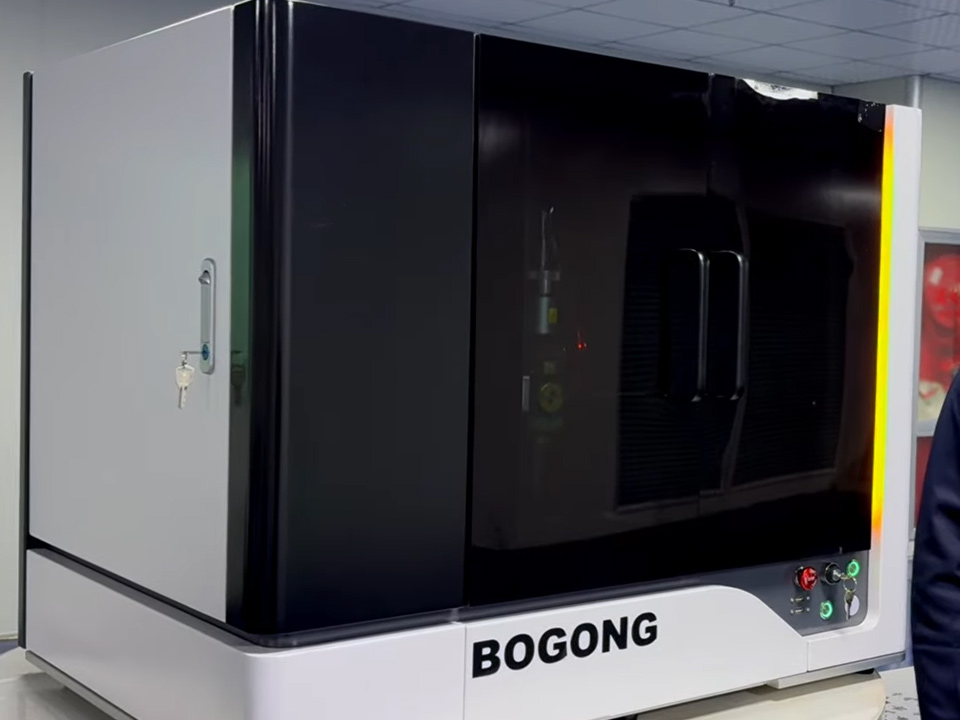
Fiber Laser vs Plasma Cutting for Metal Fabrication
Fiber laser and plasma cutting do not compete evenly across the same jobs. One wins on thin-to-mid gauge precision, automation, and edge quality. The other still matters for thick plate, lower entry cost, and rough structural work. Here is the shop-floor truth.

The argument most shops still butcher
Three words first.
I’ve sat through enough machine demos, supplier pitches, and factory-floor debates to know how this usually goes: somebody throws out “speed,” somebody else throws out “cost,” and then the whole conversation falls apart because nobody wants to talk about edge wash, dross, taper, rework, hole quality, heat tint, extraction load, or the lovely surprise waiting at the deburr bench after the salesman has already gone home.
So, what’s the real answer?
Here’s the ugly truth: fiber laser and plasma aren’t fighting on equal ground. They’re not even playing the same sport half the time. One is built for clean geometry, tighter nests, more stable automation, and less downstream mess. The other still earns its keep when you’re chewing through thicker plate and the customer frankly doesn’t care if the edge looks a little rough as long as the job ships on time.
And that split matters more now than a lot of people want to admit. According to the 2024 World Robotics release from the International Federation of Robotics, factories worldwide were running 4,281,585 industrial robots, up 10%, which tells me capital is still moving toward repeatable, software-friendly production instead of operator-dependent heroics.
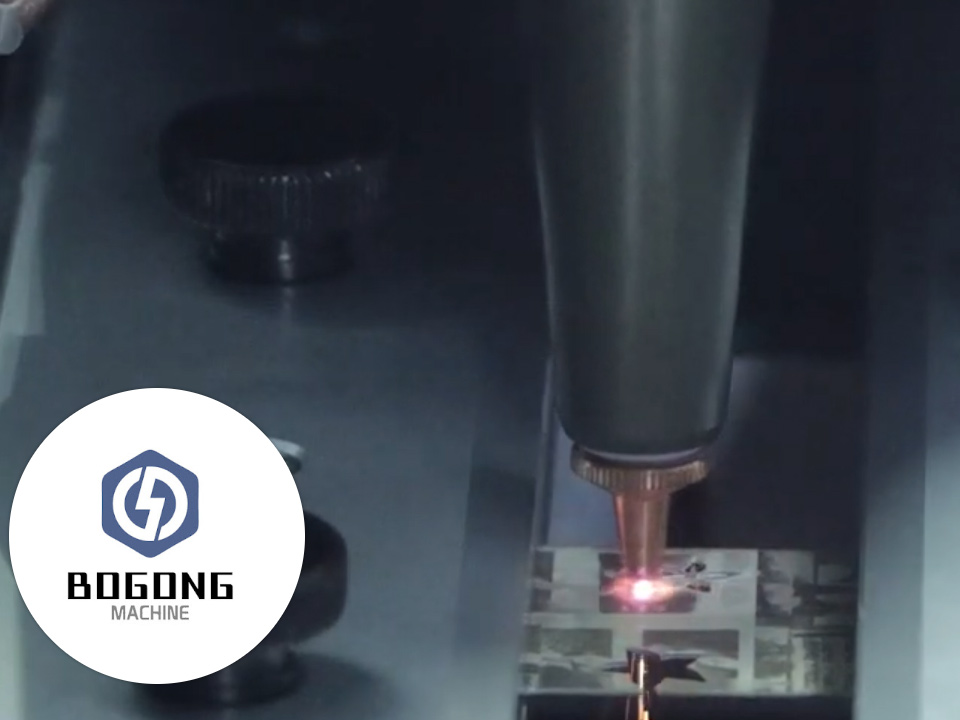
Precision pays. Cleanup doesn’t.
But let’s stop pretending.
A lot of shops compare fiber laser vs plasma cutting in the laziest possible way—they compare cut time, maybe consumables, maybe power, and then quietly ignore the grunt work after the cut: grinding, flap-wheel cleanup, hole correction, bad fit-up, coating prep, weld prep, rejected assemblies, and that weird extra labor line nobody wants to call rework because then accounting gets uncomfortable.
That’s where fiber laser usually starts printing money.
From my experience, once the part mix leans toward brackets, cabinets, covers, enclosures, control panels, appliance panels, or anything with small holes and visible edges, plasma starts losing the argument fast. Not because plasma is useless. It isn’t. Because the mess shows up later. And later is expensive.
There’s also the metallurgy angle, which too many “comparison” posts skip because it makes the story less neat. A 2024 paper in The International Journal of Advanced Manufacturing Technology looked at cut-edge hardness and thermal effects in structural steels and found that both laser and plasma cutting leave measurable edge changes depending on parameters and material. That’s normal—but it also means your cut process doesn’t end at the cut. It follows the part downstream.
It follows everything.
And if you’re trying to tighten up production on smaller sheet work, something like a small fiber laser cutting machine for sheet metal work fits that kind of job flow a lot better than an older rough-cut mindset. That isn’t hype. That’s just what happens when tolerance and finish actually matter.
Speed is a fake metric when people use it badly
Faster than what?
That’s the question people should ask, but usually don’t, because “faster” sounds clean in a brochure and messy in real life. Faster on 2 mm mild steel with fine contours? Faster on 20 mm plate? Faster if you count pierce quality? Faster if the operator has to babysit the path? Faster if the next department is stuck dressing edges for an hour?
See the problem?
My bias is pretty obvious here: on thin and medium-gauge fabrication, fiber laser usually wins the business case because the whole job moves cleaner—tighter kerf, better detail, less edge junk, better hole behavior, easier automation, nicer parts coming off the nest. Plasma still has teeth in thicker plate and rougher structural work. That’s the split. Not a moral lesson. Just process fit.
And no, plasma isn’t dead. The Federal Highway Administration-backed transportation research review on plasma arc cut holes in steel bridge applications makes that pretty plain: plasma is still being taken seriously in structural contexts because it can improve production speed and efficiency, even while researchers say more large-scale validation is needed before broader acceptance. That sounds about right to me—useful, proven in some cases, but not a free pass everywhere.
Fiber laser vs plasma cutting at a glance
| Factor | Fiber Laser | Plasma Cutting |
|---|---|---|
| Best thickness zone | Thin to medium-gauge metals, especially where tolerance matters | Medium to thick plate, especially rough structural work |
| Edge quality | Cleaner edge, narrower kerf, less cleanup in many jobs | Rougher edge, wider kerf, more cleanup likely |
| Hole quality | Better for small holes and detailed geometry | Acceptable for larger, less demanding features |
| Heat-affected zone | Usually tighter and easier to control on suitable thicknesses | More thermal impact and edge variation common |
| Entry cost | Higher capital cost | Lower capital cost |
| Operating workflow | Better suited to automated nesting and repeatable digital production | More forgiving for heavy fabrication and lower-budget shops |
| Thick plate economics | Can weaken as thickness rises | Often still attractive |
That table is the polite version.
The less polite version is this: if you’re quoting appearance-sensitive or tolerance-heavy sheet metal parts with plasma just because the machine cost less upfront, you may be buying yourself a permanent tax in cleanup and excuses.
Safety math belongs in the machine quote
And it gets ignored because it’s annoying. Buyers want a clean capex story. Vendors want a clean ROI story. Nobody wants to explain to the owner that “cheap cutting” can get very expensive once the air system, compliance load, maintenance burden, and operator exposure controls show up on the same spreadsheet.
But they do show up.
OSHA is very clear that welding, cutting, and similar hot-work operations create harmful metal fumes and gases, and it also points people to its hexavalent chromium guidance because chromium-containing materials can create serious exposure risks during hot work. If you’re cutting stainless or chromium-bearing materials, this isn’t a side note—it’s part of the process economics whether you like it or not.
That’s why I frankly believe a lot of plasma-vs-laser ROI spreadsheets are fiction. Not total fiction. Just incomplete. They’ll count nozzle wear. They’ll count machine price. They won’t count the ugly stuff—air handling, health risk controls, cleanup time, operator fatigue, or the hidden friction of dirty edges feeding downstream welding or finishing.
Which is also why process chains matter more than single machines. If your cut parts go straight into welding, a floor-type laser welding machine isn’t some unrelated add-on sitting in a different universe. It’s part of the same labor equation. Cleaner cuts change weld prep. Weld prep changes man-hours. Man-hours change whether the job was actually profitable.
That’s the part people leave out.
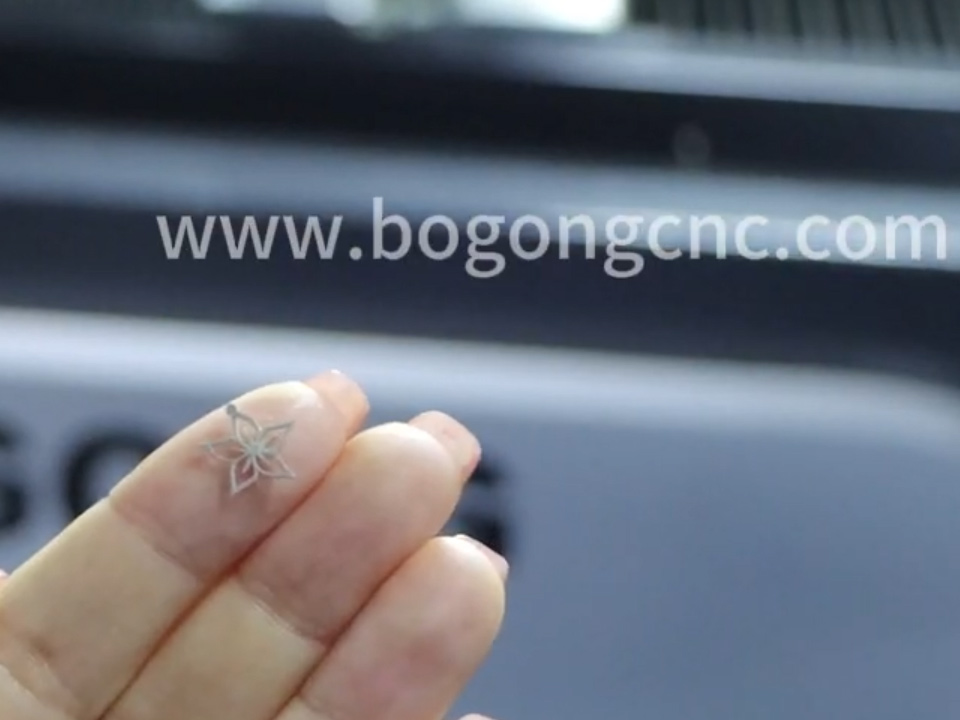
Where fiber laser wins hard—and where plasma still makes sense
Yet plasma hangs on.
For good reason, honestly. A lot of fabrication work is not sexy, not delicate, not tolerance-obsessed, and not trying to impress anyone with edge cosmetics. It’s thick steel. It’s structural steel. It’s time-sensitive. It’s price-sensitive. It’s “just get the blank out the door so the next guy can do his part.”
That’s plasma territory.
But once you move into high-mix production, repeat jobs, detailed sheet parts, smaller holes, visible edges, traceable workflows, and tighter nesting, fiber laser usually starts pulling away. Not by a little. By a lot. The automation piece matters too. The International Federation of Robotics reported 4,281,585 robots in factories worldwide in 2024, and another 2024 IFR release put global robot density at 162 units per 10,000 employees in 2023—more than double the level from seven years earlier. That tells you where industrial production is heading: cleaner, more repeatable, less operator-dependent process chains.
That trend helps fiber laser.
And after cutting, plenty of shops now care about traceability, compliance marks, part IDs, QR codes, and permanent serial marking. That’s where a UV laser marking machine for metal component traceability starts fitting naturally into the same workflow instead of feeling like some separate gadget purchase the sales team invented at the end of the quarter.
The cost model that separates smart shops from confused shops
Let me say this plainly.
The wrong number to obsess over is machine price. The right number is cost per shipped good part. Those are not the same thing. Not even close.
If a plasma system costs less to buy, but your shop burns time on cleanup, edge dressing, fit-up correction, repaint prep, smoke control headaches, scrap risk, and all the little stop-start annoyances that never show up in the machine brochure, then the “cheap” system wasn’t actually cheap. It was just cheaper to sign for.
On the other hand—because this does cut both ways—if you buy fiber laser for rough, thick-plate work where customers don’t value cut appearance, hole detail, or tighter tolerances, and your utilization never gets high enough to recover the extra capital, then congratulations, you bought a beautiful machine for the wrong job mix.
It happens. Usually.
So here’s my rough rule: fiber laser is usually the profit machine for precision-led fabrication, while plasma is usually the practical machine for heavier, rougher, more price-sensitive cutting. Not always. But often enough that pretending otherwise wastes time.
And yes, sometimes shops expand around the core production cell in weird directions too—marking, welding, specialty engraving, even low-volume personalization. That’s where systems like a portable laser engraver or a 3D crystal laser engraving machine may sit in the broader commercial mix, though they’re obviously not substitutes for fabrication cutting. Different lane. Still worth saying so nobody confuses “laser” with one universal category.
FAQs
Which is cheaper to run, fiber laser or plasma cutting?
The cheaper process depends on whether you are measuring only machine ownership cost or the total cost of producing a sellable part, including consumables, cleanup, ventilation, rejection, labor, fit-up correction, and downstream finishing; in precision work, fiber laser often wins total part cost even when plasma wins initial purchase price.
That’s the catch. Plasma can look cheaper on day one and more expensive by month six if the part mix punishes poor edge quality or extra rework. But if the work is thick, rough, and tolerant of cleanup, plasma can still be the cheaper route. The job mix decides. Not wishful thinking.
Does plasma cutting create more safety and air-quality issues?
Plasma cutting can create serious air-quality and exposure concerns because thermal cutting generates metal fumes and gases, and chromium-containing materials can produce hexavalent chromium during hot work, which means ventilation, extraction, monitoring, and worker protection should be treated as core operating costs rather than optional extras.
OSHA doesn’t treat this casually, and neither should shops. If somebody tells you plasma is obviously cheaper, ask whether they included the ventilation burden and exposure control costs in the quote. A surprising number of people still don’t.
Your next move
Don’t buy the story. Audit the work.
Pull your last 200 quoted parts. Sort them by thickness band, hole size, tolerance demand, visible-edge requirement, deburr time, reject rate, and downstream welding pain. Then ask a question most shops weirdly avoid: where are we actually bleeding labor after the cut?
That answer usually tells the truth faster than any brochure.
If most of your revenue comes from thin and medium-gauge fabricated parts with detail, repeatability, and finish expectations, fiber laser probably deserves serious attention. If your book is dominated by thick steel and buyers who care about price before polish, plasma may still be the more practical call. But make the choice with full-process math, not just sticker price.
That’s the difference.


Hot Click
Contact Us
Application
©Copyright [bogonglaser.com]. BOGONG Laser Machine Supplier All Rights Reserved.