-
Шуньхуа Роуд, город Цзинань, Шаньдун

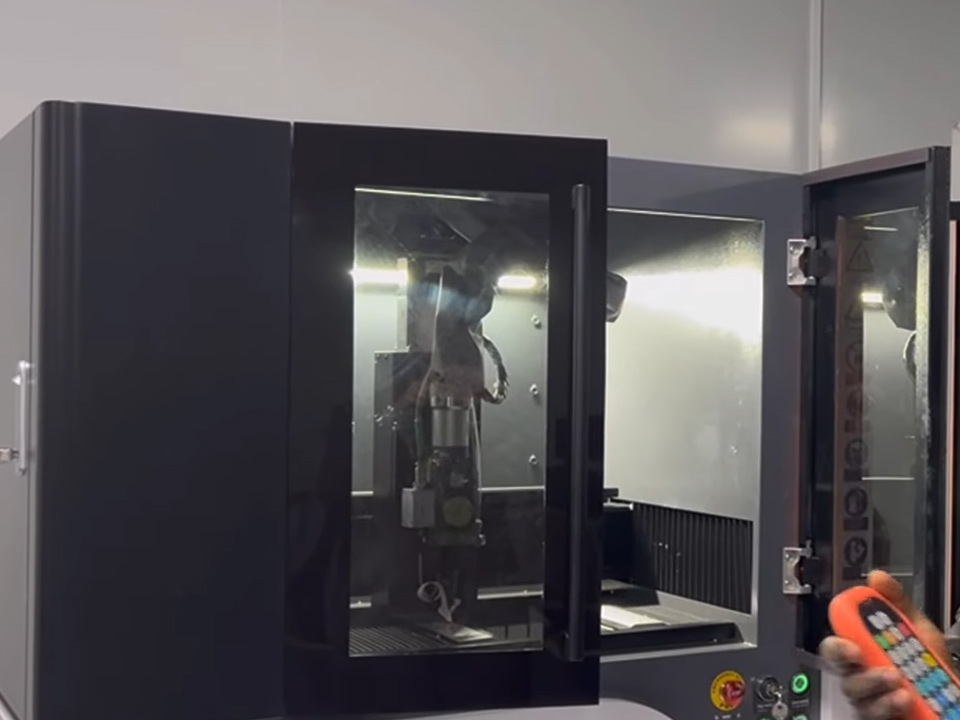
Is Starting a Laser Cutting Business Profitable for Manufacturers?
Most manufacturers do not fail in laser cutting because the machine is bad. They fail because they buy capacity before they build demand, price jobs too loosely, and ignore downtime, gas, labor, and scrap. This piece breaks down what actually makes a laser cutting business profitable, where margins get crushed, and when the model still works.

But that answer is useless unless we say the quiet part out loud: a laser cutting business is only attractive when the owner already understands quoting, nesting, material flow, and customer concentration, because the machine itself does not create profit, it only amplifies whatever operating discipline already exists. And if that discipline is weak, the loss comes faster. Why pretend otherwise?
I’ve seen this pattern too many times. A factory buys a fiber laser, posts photos online, cuts a few nice stainless samples, and mistakes machine capability for business viability. Six months later, cash is tight, the operator is idle, assist gas bills are ugly, and every local buyer is pushing price down like sheet metal is a commodity. That is the real market.
For most manufacturers, laser cutting business profitability comes down to five numbers: machine payment, utilization, gross margin per cutting hour, scrap rate, and how quickly receivables turn into cash. Miss one of those, and your “high-tech expansion” becomes a very expensive metal table.
The first hard truth is demand. Reuters reported in July 2024 that U.S. manufacturing was still under pressure from high interest rates and soft goods demand, with manufacturers showing reluctance to invest in capital and inventory. That matters because a laser shop lives or dies on throughput, and weak order flow kills throughput fast.
The second hard truth is financing. The U.S. Small Business Administration says startup cost planning is the foundation for estimating when a business will turn profitable, and its break-even guidance is blunt: break-even only happens when total revenue equals total cost. That sounds obvious. In practice, many laser startups never calculate the fully loaded hourly cost with gas, nozzle wear, consumables, software, maintenance, labor, rent, rework, and unbilled setup time.
The third hard truth is safety and compliance. OSHA’s laser guidance states that Class IIIB and Class IV laser installations require personnel training in laser safety, and OSHA’s investigation records include a June 6, 2024 fatal event involving an energized laser cutting machine. That is not just a compliance footnote. It is an operating cost, a management duty, and a reputational risk.
That’s why I do not ask, “Is starting a laser cutting business profitable?” I ask, “Profitable for whom, with what order mix, under what utilization, and financed how?”
A manufacturer with existing metal demand has a very different path than a brand-new job shop. If you already make enclosures, brackets, cabinets, HVAC parts, machine frames, or custom components, then adding cutting capacity can keep margin in-house, shorten lead times, and reduce supplier dependency. In that case, profit does not come only from selling cut parts. It also comes from margin retention, scheduling control, fewer outsourcing errors, and faster engineering changes.
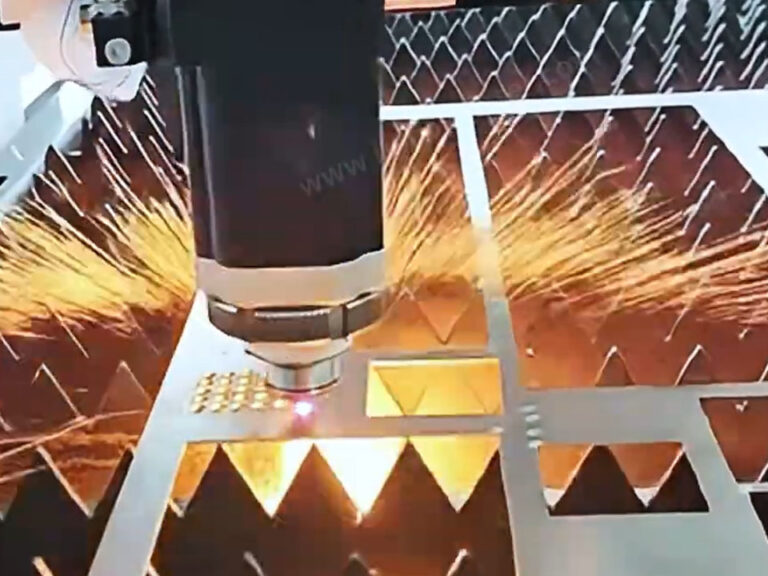
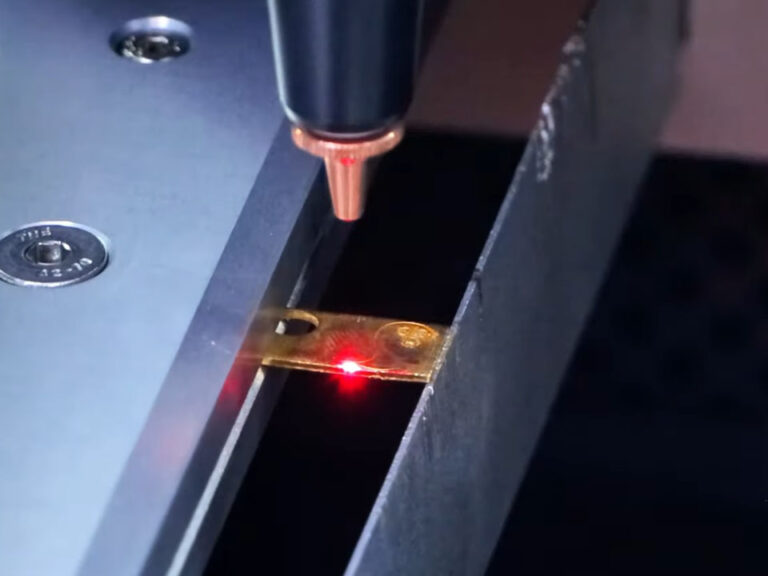
That is where compact or entry setups start to make sense. A shop exploring prototyping, jewelry, brass, silver, or small-format precision work may study a small-format fiber laser cutting machine before jumping into a full production platform. A broader fabrication shop, by contrast, should think more seriously about a fiber laser cutting machine for sheet production or even an integrated sheet-and-tube laser cutting system if part variety justifies the extra capital.
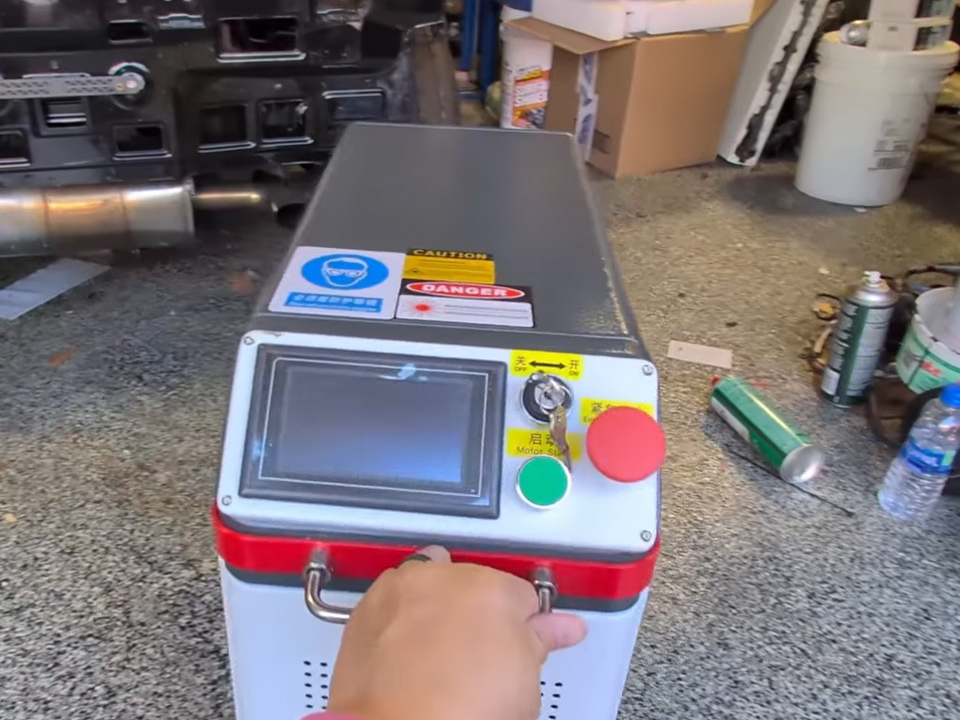
This is where people get fooled. They compare machine price. They should compare revenue density.
A cheap machine with weak uptime, poor service response, unstable cut quality, or slow piercing is often less profitable than a more expensive system that runs cleanly for longer shifts with fewer rejected parts. The spreadsheet loves capex savings. The shop floor often hates them.
Here’s the framework I use.
| Сценарий | Typical Setup Logic | Profit Potential | Main Risk | Best Fit |
|---|---|---|---|---|
| Existing manufacturer adding in-house laser | Replace outsourcing, shorten lead times, capture margin | Высокий | Underestimating labor, gas, and scheduling bottlenecks | OEMs, fabricators, cabinet makers |
| New standalone laser job shop | Win local subcontract work on price and speed | Medium to low | Price wars, idle machine time, slow receivables | Owners with strong sales pipeline |
| Niche precision laser business | Focus on high-mix, low-volume, urgent, or specialty metals | Medium to high | Small market size, technical skill dependence | Jewelry, prototypes, custom metal parts |
| High-power production laser model | Chase thicker metals and larger batch contracts | High if loaded | Heavy debt, unstable demand, operator skill gap | Mature shops with anchor customers |
| Mixed-service model | Add welding, cleaning, marking, engraving | Higher resilience | Operational complexity | Shops building a broader metal service stack |
That last row matters more than most people admit.
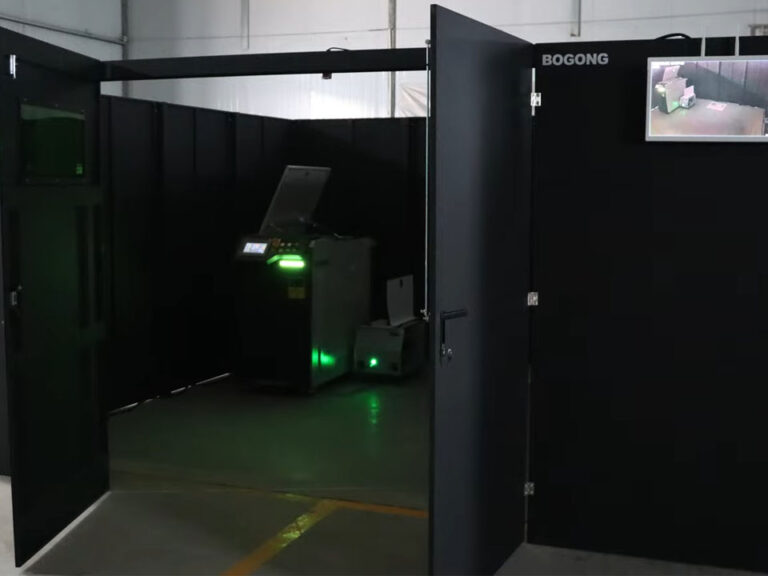
A pure cutting shop is exposed. A mixed-service shop is harder to squeeze because it can bundle work. If the same customer also needs weld prep, handheld repair work, surface cleaning, product marking, or protective enclosures, your pricing power improves. That is why I usually prefer a service stack over a single-machine bet. A manufacturer evaluating expansion should think beyond cutting and look at things like handheld laser welding systems, industrial laser cleaning equipment, or even a laser protective fence solution if the shop is building a safer, more complete cell.
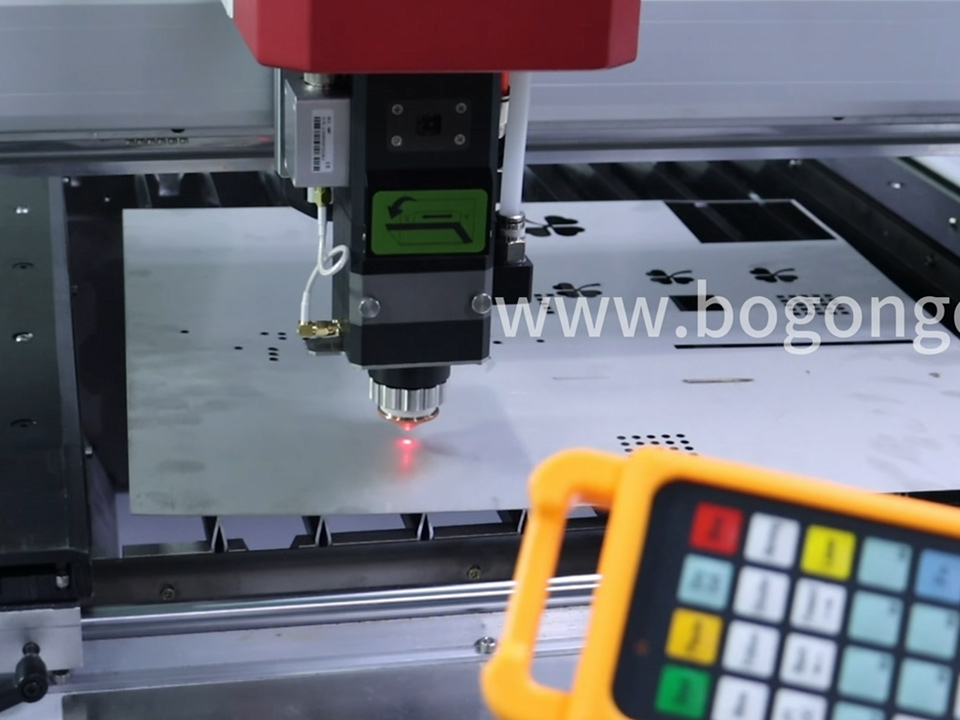
If a manufacturer buys a mid-range fiber laser and finances it over 36 to 60 months, the machine payment is only the visible part. Hidden below that are nitrogen or oxygen usage, power draw, extraction, software licenses, operator training, downtime during commissioning, replacement lenses and nozzles, fixture design, scrap on first articles, and the money trapped in slow-paying customers. The IRS noted that the maximum Section 179 expense deduction for 2024 was $1,220,000, which can help some buyers with tax treatment, but tax efficiency is not the same thing as operating profitability. Too many owners confuse those two.
And here’s another point nobody likes to say out loud: laser fabrication business profit margin is usually not won at the beam. It is won in quoting discipline.
If you quote by “market feel,” you will bleed. If you quote by actual machine time, setup, pierce count, material handling, finishing, yield loss, and delivery friction, you at least have a chance. The best shops I know protect margin with minimum order values, setup fees for low-volume work, strict remnant handling, and different pricing for rush jobs, repeat jobs, and engineered parts. They do not apologize for it.
So, is laser cutting business profitable for manufacturers? Yes, when one of these conditions is true:
You already outsource enough cutting that internalizing it saves real money.
You already have customers buying related fabricated parts and can upsell cutting without acquiring every order from scratch.
You can keep the machine busy with stable weekly work, not occasional excitement.
You have enough process discipline to measure machine utilization, operator efficiency, scrap, and margin by job.
You are prepared to build a safer operation, not just buy a shinier machine.
If those are not true, the answer gets much colder.
A new entrant asking how to start a laser cutting business should not begin with the machine catalog. I would begin with a 90-day customer map. Who buys locally? What thickness range? Mild steel, stainless, aluminum, brass? What tolerance expectations? What file quality do they send? How fast do they pay? How many already have incumbent shops? How often do they need repeat parts instead of one-off prototypes? Those questions matter more than wattage during the first year.
And I’ll be blunt here. For many first-time founders, the better move is not “buy bigger.” It is “buy narrower.” A compact production cell with a defined niche often outperforms a broad promise with weak sales execution. The owner who says, “We specialize in urgent stainless brackets, enclosure panels, and prototype runs under 48 hours,” usually has a sharper path than the owner who says, “We cut everything for everyone.”
That is why best laser cutting business ideas for manufacturers are usually boring. Enclosures. Brackets. Panels. Frames. Covers. Mounting plates. Small-batch OEM parts. Repeatable industrial work. Not decorative scraps for social media. Not random Etsy-style hopes dressed up as industrial strategy.
Even labor-market data points in that direction. The BLS projects about 34,200 openings per year on average for machinists and tool and die makers over the decade despite a flat-to-declining employment picture, which tells me replacement demand and skilled labor constraints remain real. In plain English, the shops that pair good equipment with reliable process talent still have room to win, but weak operators will not be saved by the machine alone.
So, is starting a laser cutting business worth it?
Worth it for a manufacturer with captive demand, quoting discipline, and a realistic ramp plan? Often yes.
Worth it for someone chasing “high margins” because laser sounds premium? Usually not.
That sounds harsh. It is still kinder than a bad capex decision.
If you are still evaluating the move, study your production path first, then compare equipment classes through a broader laser products portfolio, review real-world laser cutting machine applications, and map the service mix you can actually sell in year one. Strategy before steel. Always.
Вопросы и ответы
Is laser cutting business profitable for manufacturers? Laser cutting business profitability is the ability of a manufacturer to earn consistent net profit from cutting operations after paying for equipment, labor, gas, maintenance, software, rent, scrap, finance costs, and compliance, while keeping enough machine utilization and pricing discipline to maintain positive cash flow over time. Yes, it can be profitable, but only when the machine stays loaded with the right work. Manufacturers with existing outsourced cutting demand, repeat industrial customers, and tight quoting systems usually reach profit faster than brand-new job shops that must buy traffic, win work on price, and absorb idle time.
What affects laser cutting machine ROI the most? Laser cutting machine ROI is the speed at which a machine returns its purchase cost through gross profit generated from productive hours, reduced outsourcing, lower lead times, and retained customer margin, after operating costs and financing are fully counted across the life of the asset. The biggest drivers are utilization, order mix, gross margin per hour, and downtime. Wattage matters, but not as much as owners think. A machine running 25 booked hours a week at disciplined pricing can outperform a more powerful machine sitting half-idle while chasing low-margin jobs.
Is a standalone laser cutting shop better than adding laser cutting inside an existing factory? A standalone laser cutting shop is an independent subcontract business that must win outside orders to fill capacity, while an in-house laser expansion is a manufacturing support model that improves control, lead time, and retained margin for the parent operation. In most cases, adding laser cutting inside an existing factory is the safer economic move. You begin with known demand, known quality requirements, and internal scheduling benefits. A standalone shop has more upside only if the owner already has strong sales access and enough local market knowledge to avoid commodity pricing.
What are the most profitable laser cutting business ideas for manufacturers? The most profitable laser cutting business ideas for manufacturers are repeatable industrial niches that create steady order flow, low sales friction, and defensible margins, such as enclosure parts, mounting brackets, cabinet panels, prototype runs for OEMs, and bundled fabrication services tied to welding or marking. The common thread is repeatability. Urgent replacement parts, controlled-batch industrial components, and bundled metal services usually beat random custom jobs. Stable boring work pays better than exciting unpredictable work. I would choose recurring part families over flashy one-offs every time.


Горячий клик
Свяжитесь с нами
Приложение
©Copyright [bogonglaser.com]. Поставщик лазерного оборудования BOGONG Все права защищены.