

Blog
Cómo mejorar la calidad de los cantos al cortar metal por láser
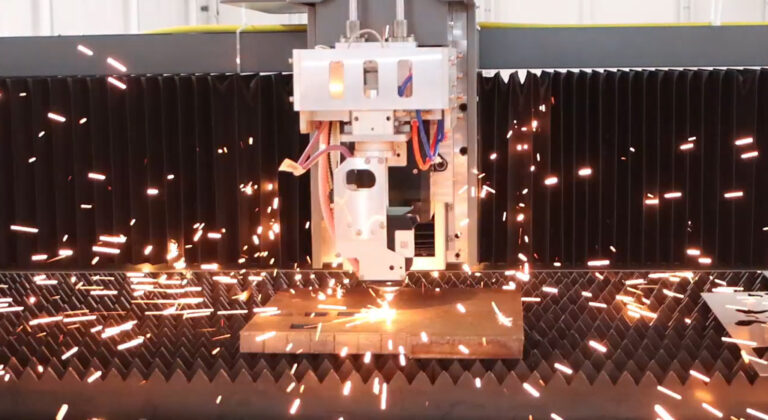
Los bordes malos se extienden. Se extienden a la chatarra, a la preparación de soldaduras, a los defectos de revestimiento, al amolado nocturno, a esas embarazosas fotos de clientes en las que la pieza parece “acabada” a un metro de distancia y es terrible en cuanto alguien le da la vuelta y comprueba...
Corte por láser frente al corte por chorro de agua en la fabricación de metales
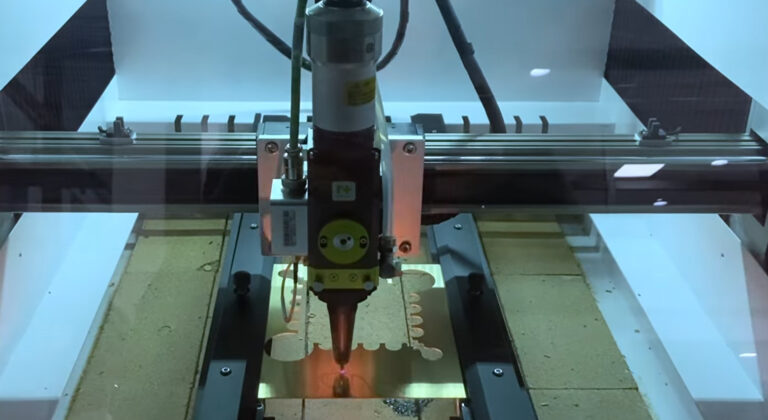
He visto demasiados talleres que pretenden que el láser y el chorro de agua son intercambiables. No lo son. Uno suele ser la impresora de dinero. El otro es la herramienta de rescate cuando el calor, el grosor o la metalurgia empiezan a defenderse. Esta es la versión sin rodeos.
Máquinas industriales de corte por láser para el procesamiento de chapa metálica
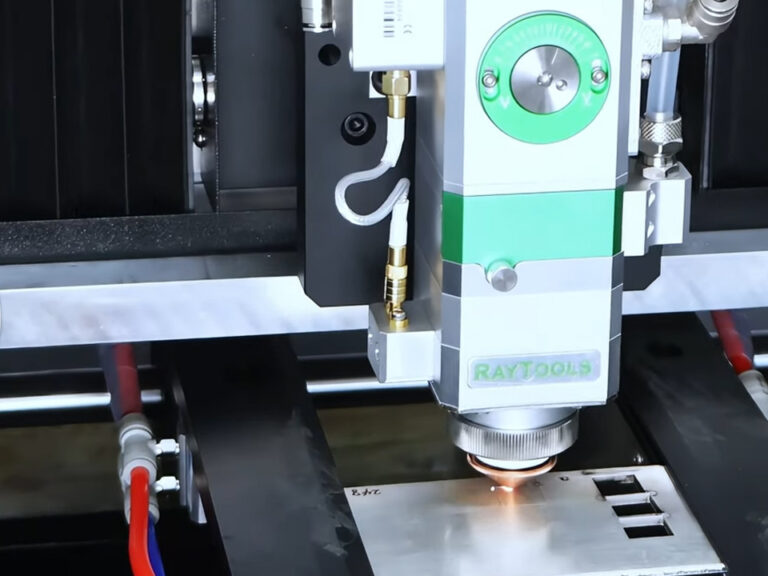
La mayoría de los compradores compran primero por potencia y luego se arrepienten. Esta guía desglosa lo que realmente importa en una máquina de corte por láser de chapa metálica: mezcla de materiales, coste del gas auxiliar, gama de espesores, automatización, preparación para biselado, riesgo para el operario y mano de obra posterior.
Corte de aluminio con láser de fibra óptica: Retos y soluciones
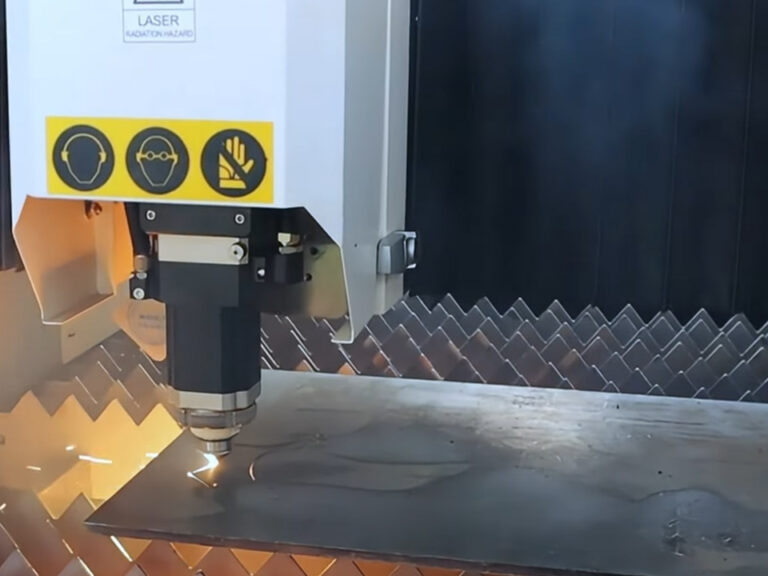
El aluminio castiga las configuraciones láser perezosas. He visto talleres que culpan al metal cuando el verdadero problema era el estado de la boquilla, la lógica del gas, la posición focal o una máquina comprada sólo por su potencia. Aquí está la dura verdad sobre el corte de aluminio con láser de fibra, con datos, razonamientos respaldados por casos y soluciones prácticas.
Qué industrias utilizan más las máquinas de corte por láser de metales
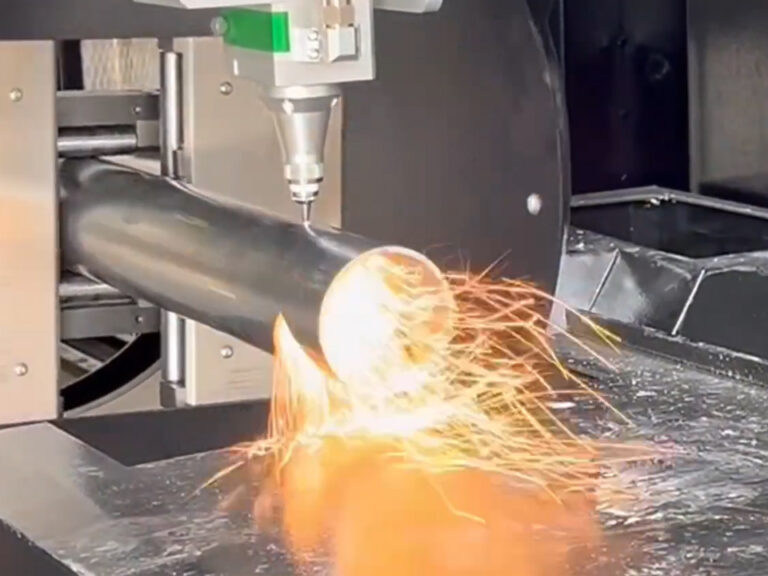
Si se quita el lenguaje de los folletos, la respuesta es sencilla: las máquinas de corte por láser de metales se rigen por el volumen, la presión de las tolerancias y el margen. Las industrias que más las utilizan son las que se pasan el día cortando chapas y tubos, odian las repeticiones y no pueden permitirse bordes feos ni cambios lentos.
Corte por láser de metal fino frente a metal grueso: lo que deben saber los compradores
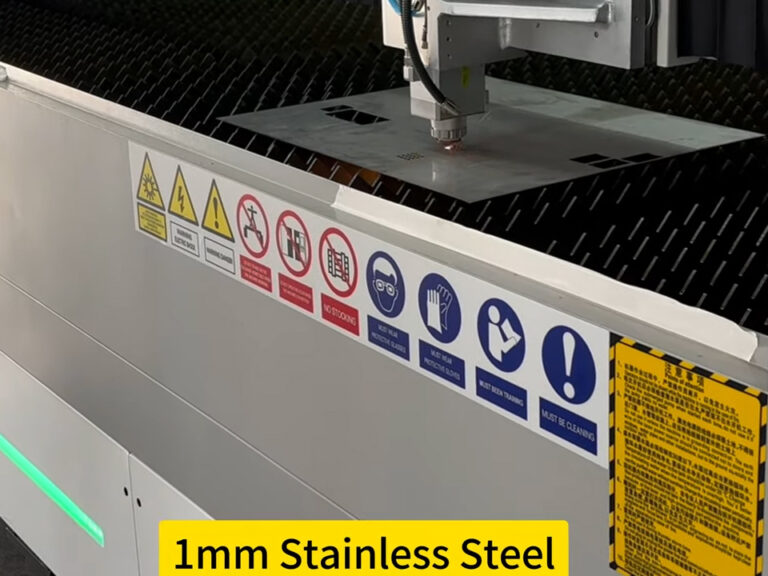
El metal fino y el grueso no se comportan como dos puntos en la misma curva. Se comportan como dos trabajos distintos con dos perfiles de riesgo diferentes. Este artículo detalla las preguntas que los compradores deberían plantearse antes de invertir en un sistema de corte por láser de fibra.
Cómo elegir la máquina láser adecuada para el corte de metales
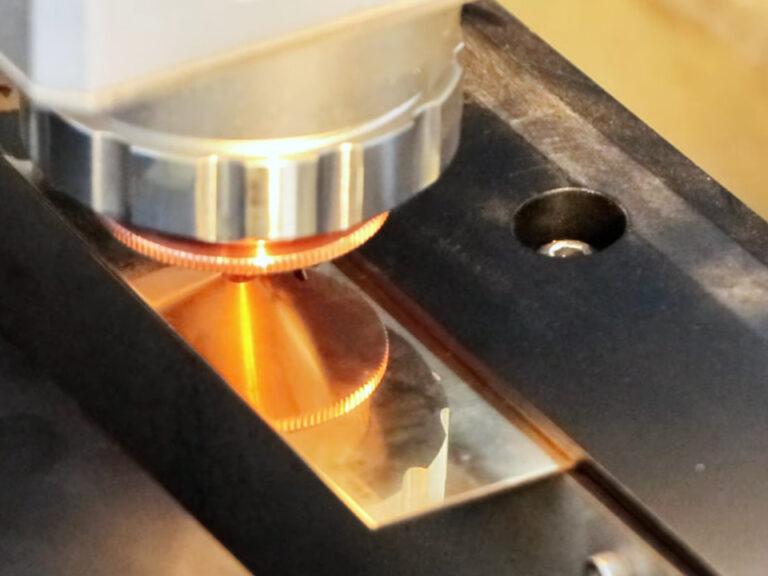
A la hora de elegir la máquina de corte por láser adecuada para metal, lo importante no es tanto la potencia que figura en los folletos como el rango de espesores, la variedad de materiales, el riesgo de interrupciones en el tiempo de funcionamiento, los humos, la cualificación del operario y el coste por pieza acabada. Voy a analizar qué es lo que realmente importa, en qué aspectos se confunden los compradores y cómo evitar adquirir una máquina inadecuada.
Corte láser de precisión para piezas de cuadros de bicicleta
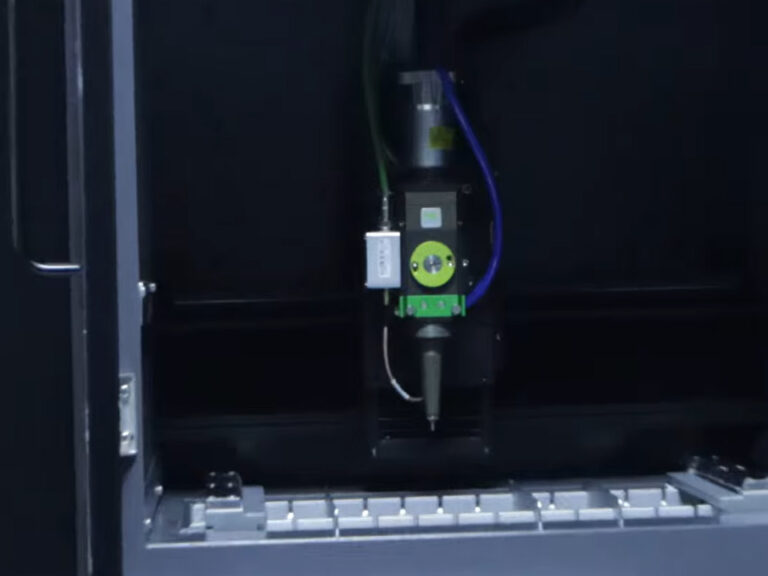
He visto demasiados programas de componentes de bicicletas disfrazados de “fabricación premium” cuando los números decían lo contrario. La cruda realidad es simple: si su proceso láser no puede controlar las rebabas, la distorsión, el rendimiento del anidado y la preparación de la soldadura posterior, su bonito archivo CAD no es más que un caro boceto. Esto es lo que debería importar a los fabricantes serios.
Corte por láser de componentes metálicos para aparatos de gimnasia
Los compradores de aparatos de gimnasia hablan de marca. Los ingenieros hablan de tolerancias. Los propietarios de fábricas hablan de rendimiento. A mí me importa el punto de colisión entre los tres. En este artículo se explica cómo funciona realmente el corte por láser de componentes metálicos de aparatos de gimnasia, dónde pierden dinero las fábricas, por qué las juntas débiles se convierten en retiradas de productos y qué deben exigir los compradores serios antes de aprobar la producción.
Láser de fibra frente al corte por plasma para la fabricación de metales
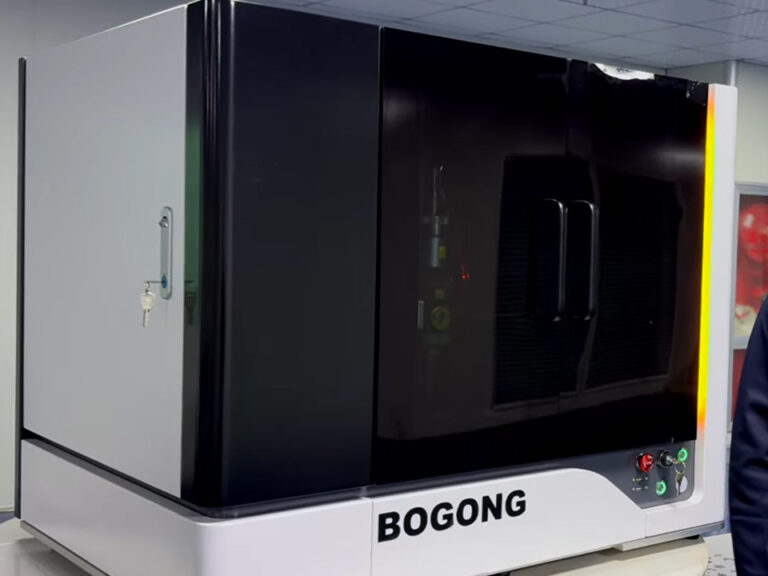
El corte por láser de fibra y el corte por plasma no compiten en igualdad de condiciones en los mismos trabajos. Uno destaca en precisión con espesores finos y medios, automatización y calidad de los bordes. El otro sigue siendo importante para chapas gruesas, un coste inicial más bajo y trabajos estructurales en bruto. Esta es la realidad en el taller.

Hot Click
Contacte con nosotros
Aplicación
©Copyright [bogonglaser.com]. BOGONG Laser Machine Supplier Todos los derechos reservados.