

Blog
Come migliorare la qualità dei bordi nel taglio laser del metallo
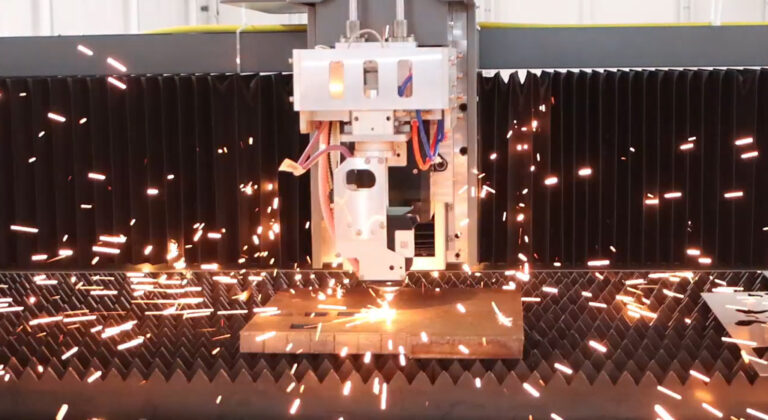
I bordi mal rifiniti si ripercuotono su tutto. Si ripercuotono sugli scarti, sulla preparazione della saldatura, sui difetti di rivestimento, sulla levigatura a tarda notte, su quelle imbarazzanti foto scattate dai clienti in cui il pezzo sembra “finito” da tre piedi di distanza e risulta orribile non appena qualcuno lo capovolge e lo controlla…
Taglio laser e taglio a getto d'acqua per la produzione di metalli
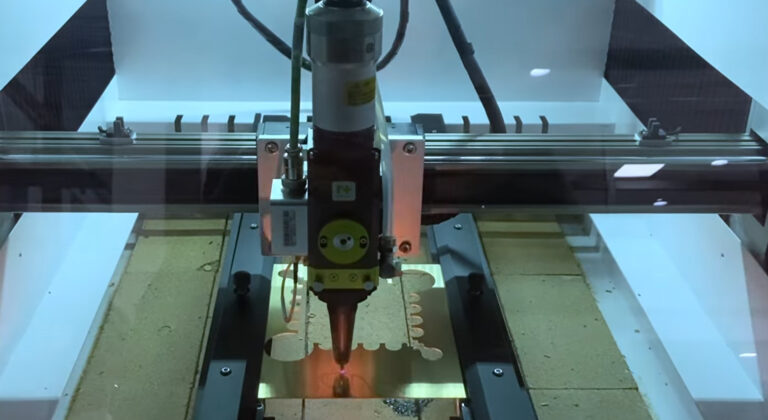
Ho visto troppe officine fingere che il laser e il getto d'acqua siano intercambiabili. Non lo sono. Di solito uno dei due è la stampante dei soldi. L'altro è lo strumento di salvataggio quando il calore, lo spessore o la metallurgia iniziano a opporsi. Ecco la versione spicciola.
Macchine da taglio laser industriali per la lavorazione della lamiera
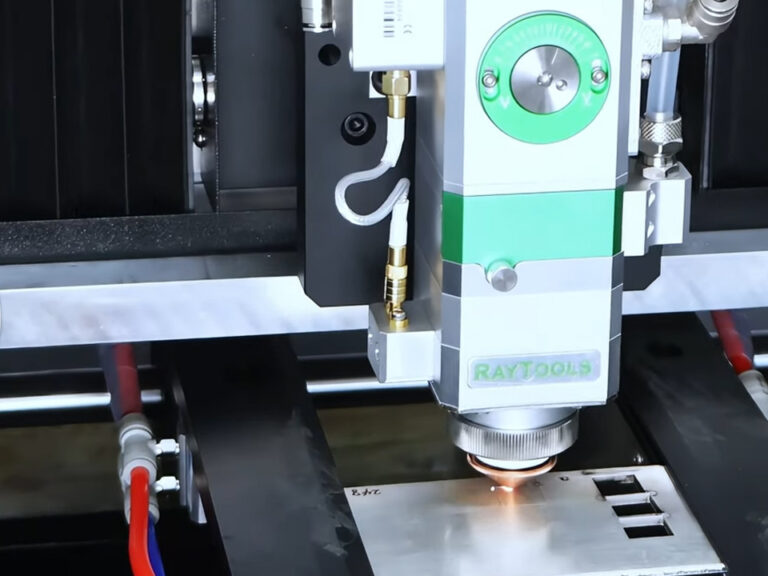
La maggior parte degli acquirenti acquista prima in base al wattaggio e poi se ne pente. Questa guida analizza ciò che conta davvero in una macchina per il taglio laser della lamiera: mix di materiali, costo del gas di assistenza, gamma di spessori, automazione, predisposizione allo smusso, rischio per l'operatore e manodopera a valle.
Taglio dell'alluminio con il laser a fibra: Sfide e soluzioni
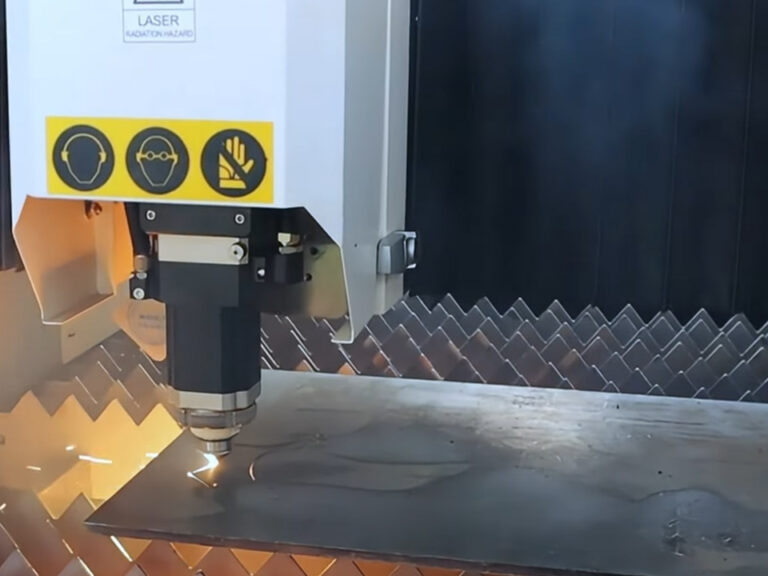
L'alluminio punisce le configurazioni laser pigre. Ho visto negozi dare la colpa al metallo quando il vero problema era la condizione dell'ugello, la logica del gas, la posizione della focale o una macchina acquistata solo in base al wattaggio della testata. Ecco la dura verità sul taglio laser in fibra dell'alluminio, con dati, ragionamenti fondati su casi concreti e soluzioni pratiche.
Quali industrie utilizzano maggiormente le macchine per il taglio laser dei metalli
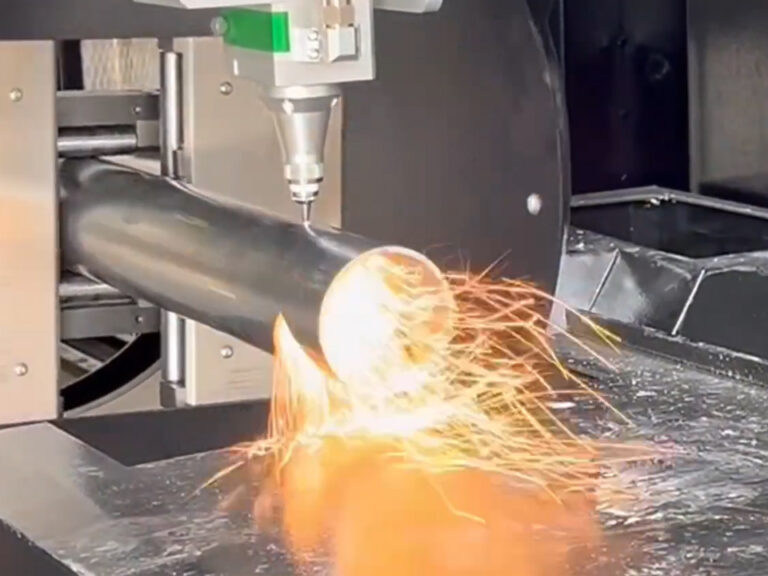
Se si elimina il linguaggio delle brochure, la risposta è semplice: le macchine per il taglio laser dei metalli seguono il volume, la pressione della tolleranza e il margine. Le industrie che le utilizzano maggiormente sono quelle che tagliano lamiere e tubi tutto il giorno, che odiano le rilavorazioni e che non possono permettersi bordi brutti o cambi lenti.
Taglio laser di metalli sottili e spessi: cosa devono sapere gli acquirenti
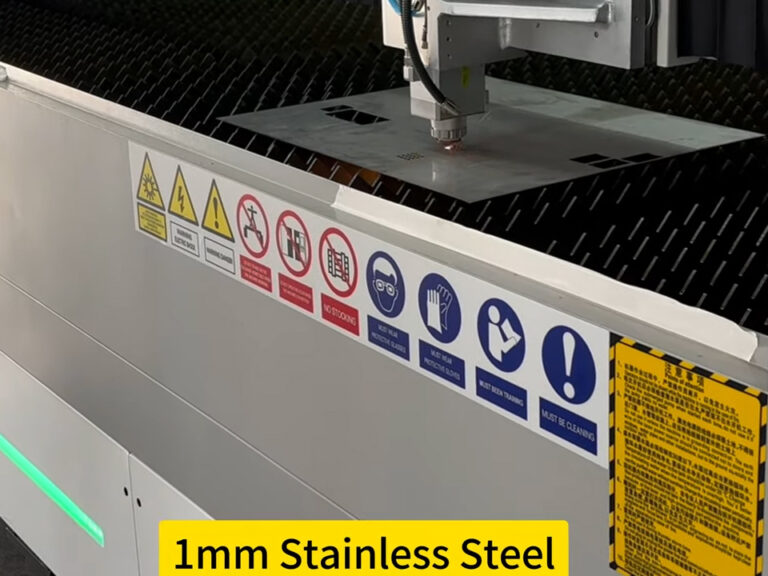
Il metallo sottile e quello spesso non si comportano come due punti sulla stessa curva. Si comportano piuttosto come due lavori distinti con due profili di rischio diversi. Questo articolo illustra in dettaglio quali domande gli acquirenti dovrebbero porsi prima di investire in un sistema di taglio laser a fibra.
Come scegliere la macchina laser giusta per il taglio dei metalli
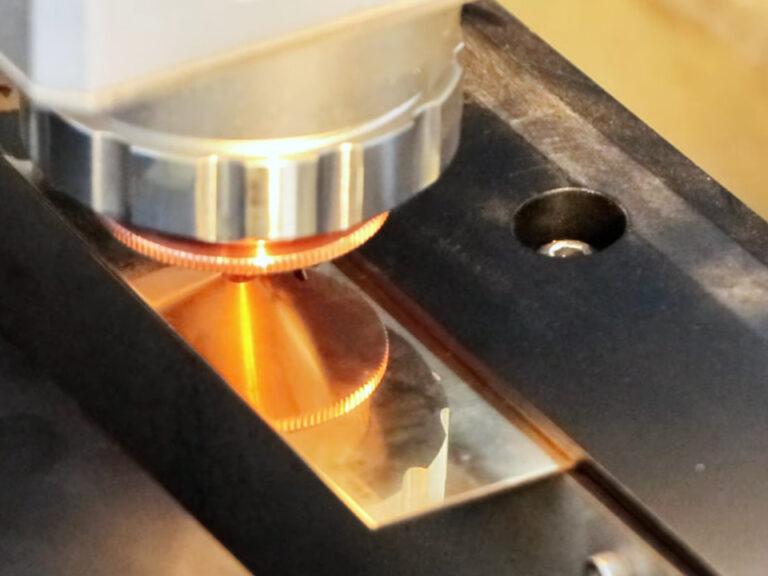
La scelta della giusta macchina per il taglio laser del metallo non è tanto legata al wattaggio della brochure, quanto piuttosto alla gamma di spessori, alla miscela di materiali, al rischio di operatività, ai fumi, all'abilità dell'operatore e al costo per pezzo finito. Vi spiegherò cosa conta davvero, dove gli acquirenti vengono tratti in inganno e come evitare di acquistare la macchina sbagliata.
Taglio laser di precisione per parti di telaio di biciclette
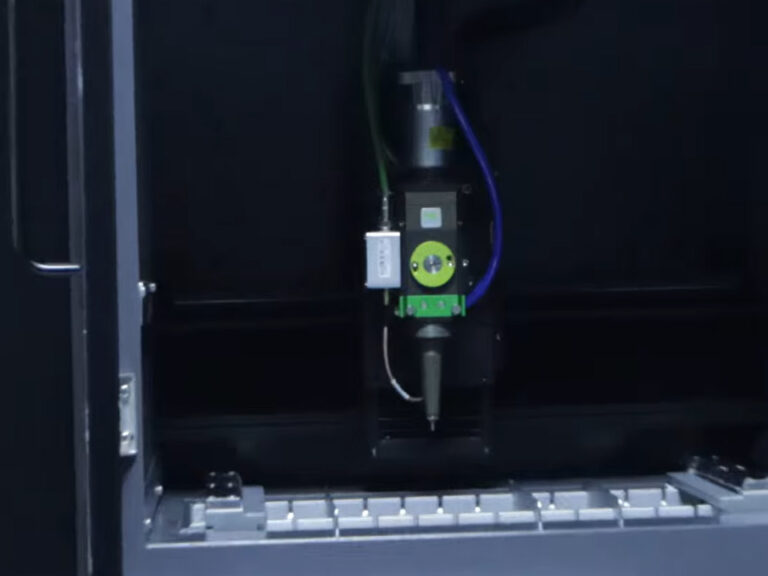
Ho visto troppi programmi di produzione di componenti per biciclette che si presentavano come “produzione di qualità superiore” quando i numeri dicevano il contrario. La dura verità è semplice: se il processo laser non è in grado di controllare le bave, la distorsione, la resa del nesting e la preparazione della saldatura a valle, il vostro bel file CAD è solo un costoso schizzo. Ecco cosa dovrebbe interessare ai produttori seri.
Taglio laser di componenti metallici per attrezzature da palestra
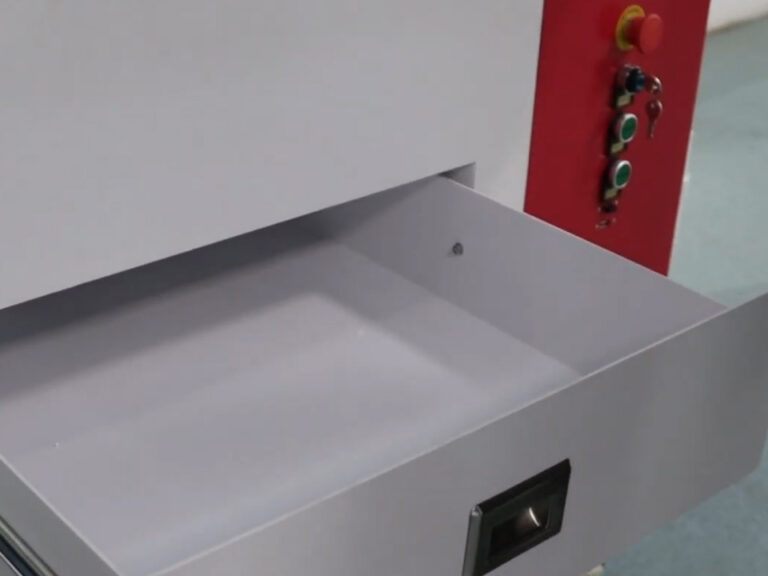
Chi acquista attrezzature da palestra parla di marchio. Gli ingegneri parlano di tolleranze. I proprietari delle fabbriche parlano di resa. A me interessa il punto di incontro tra questi tre aspetti. Questo articolo spiega in dettaglio come funziona effettivamente il taglio laser dei componenti metallici delle attrezzature da palestra, dove le fabbriche subiscono perdite economiche, perché i giunti difettosi portano a richiami di prodotto e cosa dovrebbero esigere gli acquirenti seri prima di approvare la produzione.
Taglio laser in fibra e taglio al plasma per la lavorazione dei metalli
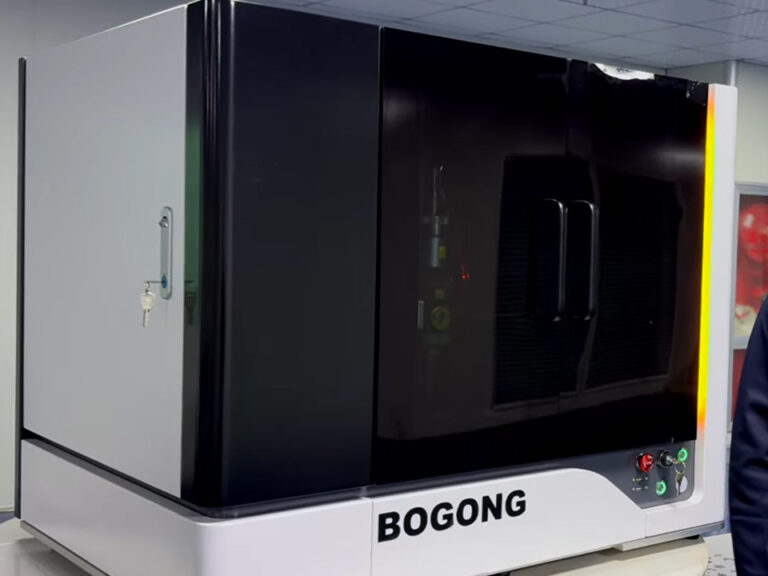
Il taglio a laser a fibra e quello al plasma non sono in diretta concorrenza per gli stessi tipi di lavorazioni. Il primo eccelle nella precisione su spessori da sottili a medi, nell’automazione e nella qualità dei bordi. Il secondo rimane invece fondamentale per le lamiere spesse, per i costi iniziali più contenuti e per le lavorazioni strutturali di prima fase. Ecco come stanno realmente le cose in officina.

Click a caldo
Contatto
Applicazione
©Copyright [bogonglaser.com]. BOGONG Laser Machine Supplier Tutti i diritti riservati.