

Categorie: Mașină de tăiat cu laser pentru aplicații Blog
Tendințe viitoare în tehnologia tăierii cu laser pentru industrie
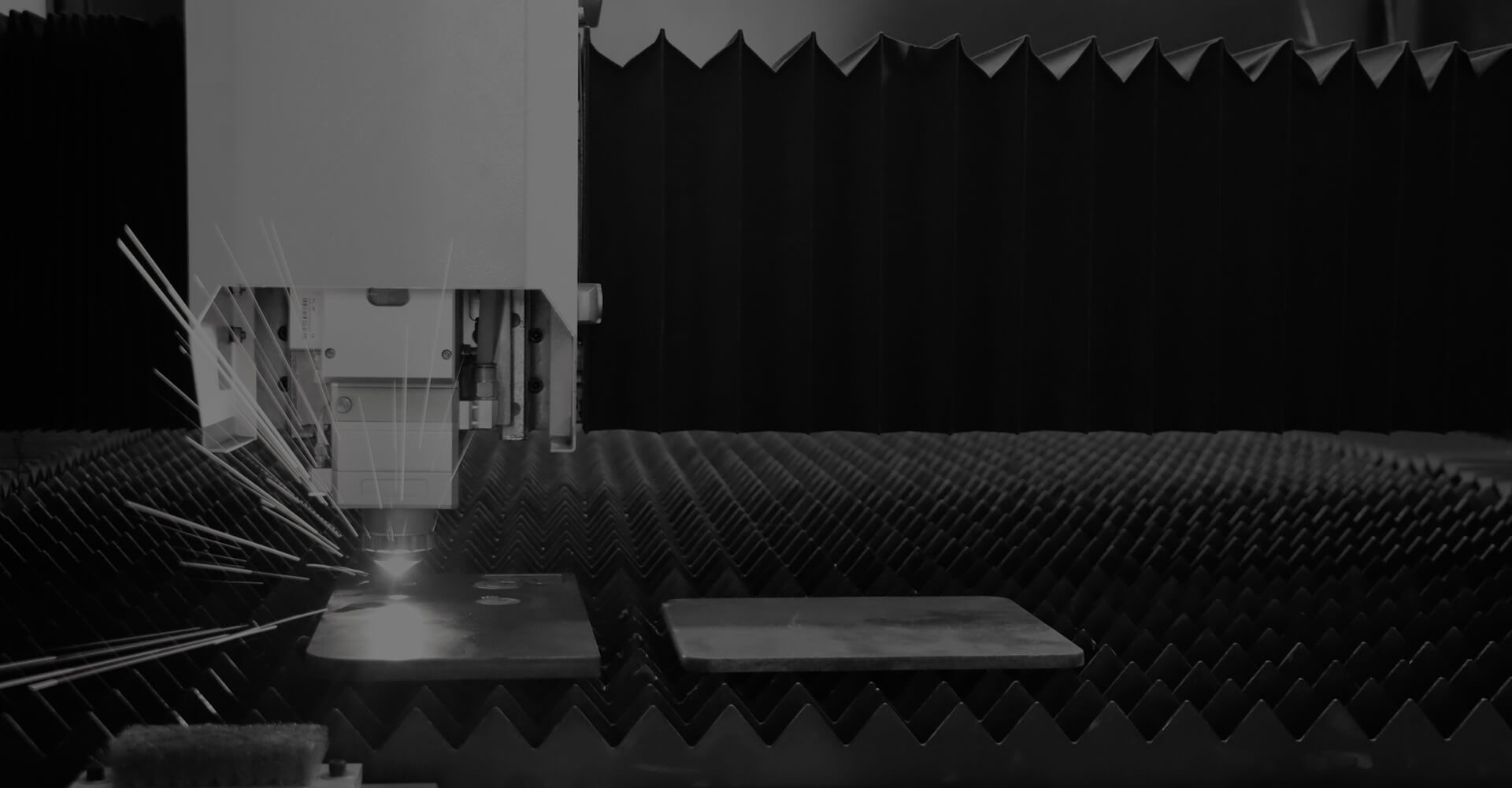
Viitorul tăierii cu laser nu va fi determinat doar de puterea nominală. Acesta va fi determinat de software, de disciplina procesului de producție în serie, de datele de inspecție, de intensitatea energetică, de controalele la export și de modul în care o fabrică tratează laserul: ca pe o mașină sau ca pe o componentă a unui sistem de producție.
Tăierea cu laser în producția de piese auto
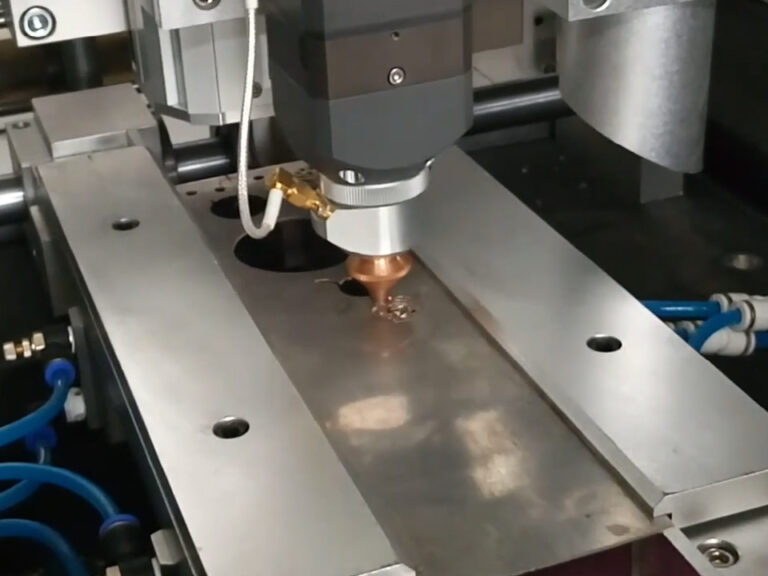
Tăierea cu laser în producția de piese auto nu este o soluție magică. Este o armă a vitezei, flexibilității și calității atunci când uzina știe unde să o folosească, ce material taie și cum să controleze bavurile, aportul de căldură, calitatea marginilor și riscul de formare în aval.
Aplicații de tăiere cu laser în fabricarea echipamentelor industriale
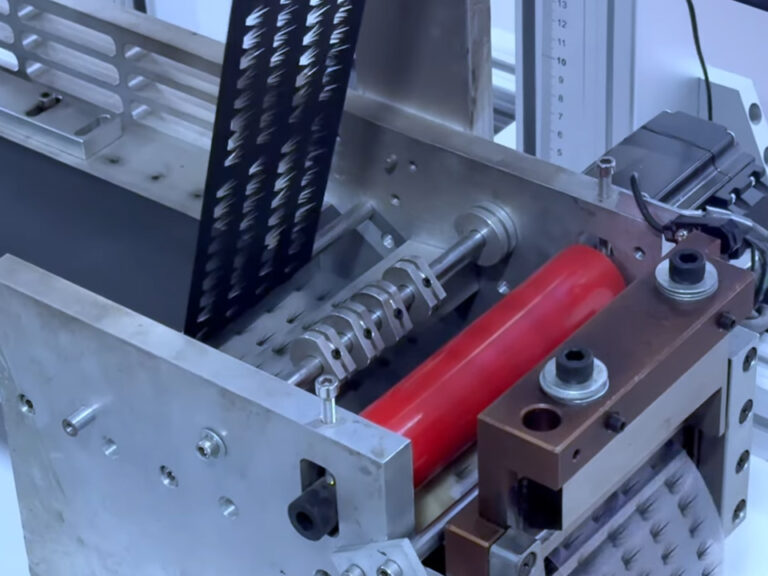
Tăierea industrială cu laser nu mai este doar o modalitate mai rapidă de a tăia metalul. În fabricarea echipamentelor industriale, aceasta a devenit un instrument de marjă, un instrument de toleranță și, din ce în ce mai mult, o problemă de conformitate.
Producție la comandă cu ajutorul mașinilor industriale de tăiere cu laser
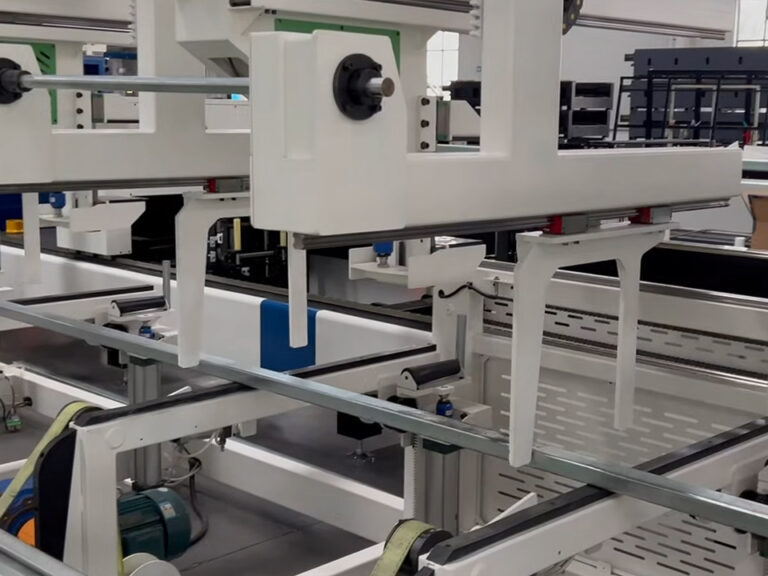
Majoritatea articolelor despre mașinile industriale de tăiere cu laser par a fi texte de promovare. Acesta nu este cazul. Analizez în detaliu avantajele producției personalizate prin tăierea cu laser, limitele acesteia, ce arată datele din 2024 cu privire la randament, consumul de energie, forța de muncă și calitate, precum și modul în care cumpărătorii avizați fac distincția între specificațiile tehnice ale mașinii și valoarea reală a producției.
Soluții de tăiere cu laser pentru întreprinderile din domeniul prelucrării tablelor
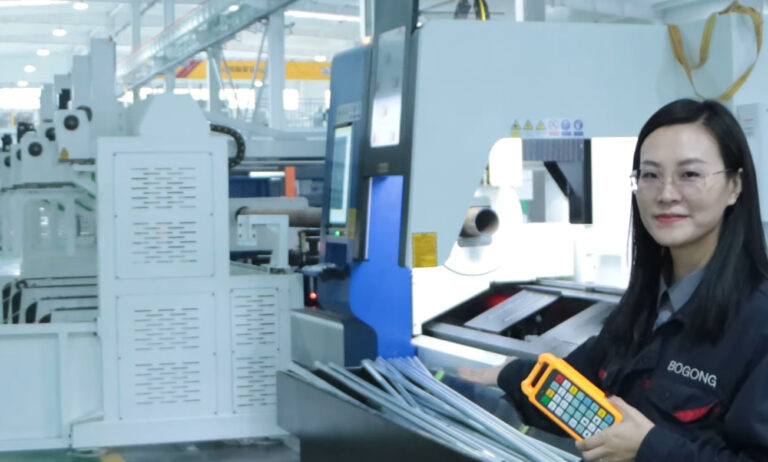
Majoritatea atelierelor de prelucrare a tablei nu înregistrează pierderi financiare din cauza vitezei reduse de tăiere. Pierderile sunt cauzate de inconsistența procesului de tăiere. Acest articol analizează în detaliu în ce situații tăierea cu laser este cu adevărat rentabilă, în ce situații nu se ridică la înălțimea așteptărilor și ce trasee de tăiere sunt recomandate pentru producătorii care pun accent pe randament, controlul toleranțelor și marja operațională reală.
Tăiere cu laser vs. perforare CNC: care este mai bună pentru producția în masă?
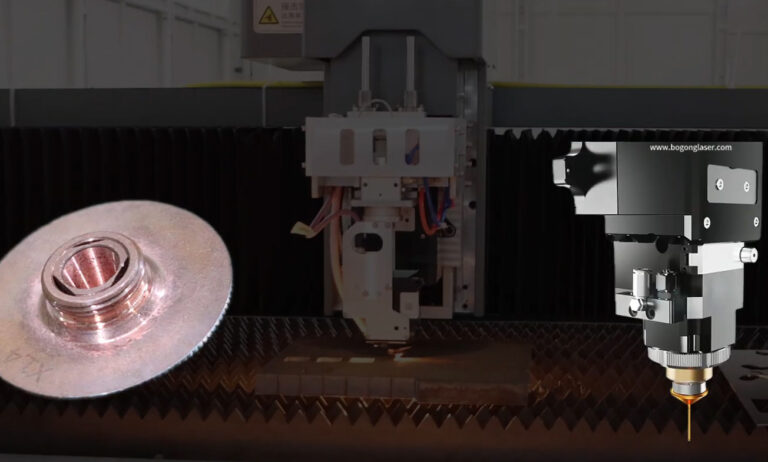
Majoritatea cumpărătorilor pun întrebarea greșită. Ei întreabă care mașină este mai rapidă. Eu întreb care proces mai aduce bani după schimbări de scule, vârfuri de rebuturi, comenzi urgente și lipsă de operatori. Iată care este răspunsul real.
Cum îmbunătățește tăierea cu laser uniformitatea produselor în procesul de fabricație
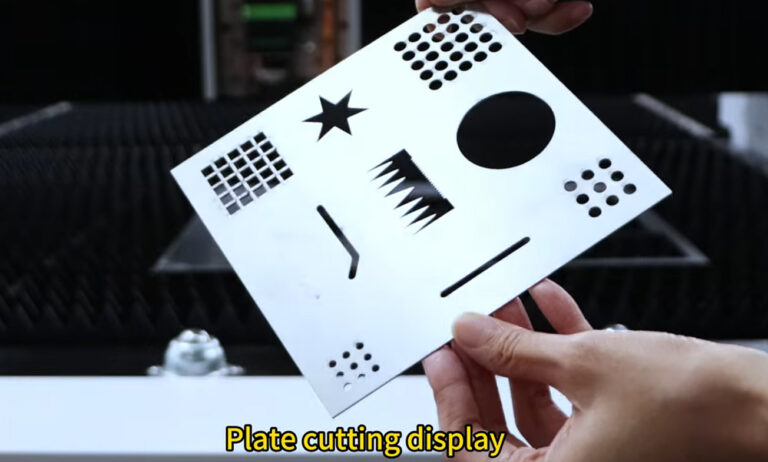
Majoritatea fabricilor nu își pierd consecvența din cauza puterii reduse a laserului. O pierd din cauza unei ferestre de proces neclare. Iată adevărul dur: tăierea cu laser poate asigura o producție repetabilă, dar numai atunci când puterea, viteza, presiunea gazului și disciplina de inspecție sunt stabilite ferm ca variabile de producție, nu tratate ca niște credințe populare ale operatorilor.
Tăierea laser automatizată în producția de volum mare
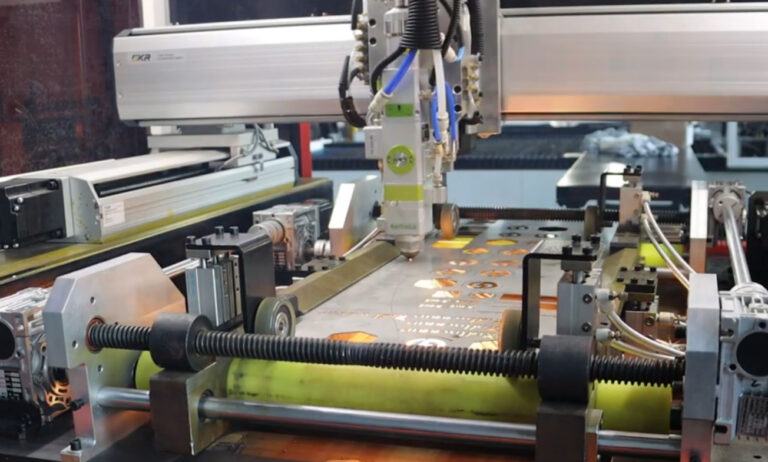
Tăierea automatizată cu laser vinde viteză. În fabricile reale, viteza este partea ușoară. Partea dificilă este să menții foile în mișcare, operatorii instruiți, piesele sortate, iar sudarea sau curățarea din aval să nu se transforme în adevăratul blocaj.
Cum utilizează producătorii OEM tăierea cu laser pentru a reduce costurile de producție
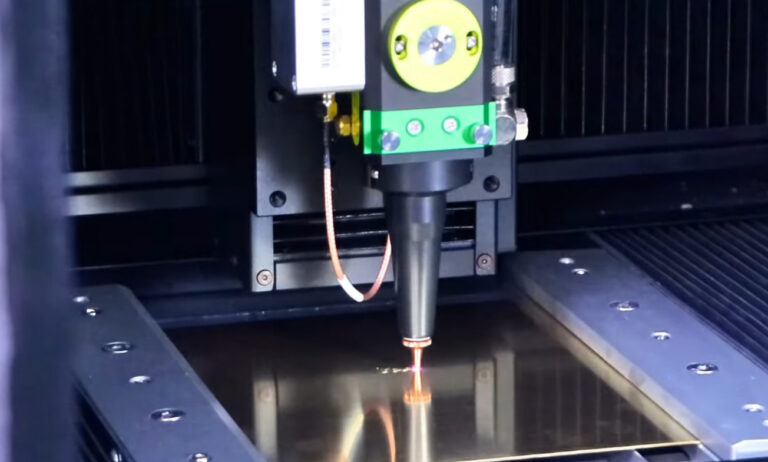
Majoritatea producătorilor OEM nu înregistrează pierderi financiare doar din cauza vitezei de tăiere. Pierderile provin din deșeuri, schimbările de serie, refacerea pieselor, timpul de așteptare și logica de rutare supraîncărcată. Am văzut ateliere care dădeau vina pe costurile forței de muncă, când adevărata pierdere se datora unei organizări defectuoase a pieselor, a procesului de ofertare lent și a unor ipoteze de proces învechite. Tăierea cu laser rezolvă rapid o parte din aceste probleme. Totuși, creează și noi greșeli atunci când cumpărătorii pun accentul pe puterea în wați în loc de randament.
Industriile care beneficiază cel mai mult de tehnologia de tăiere cu laser cu fibră optică
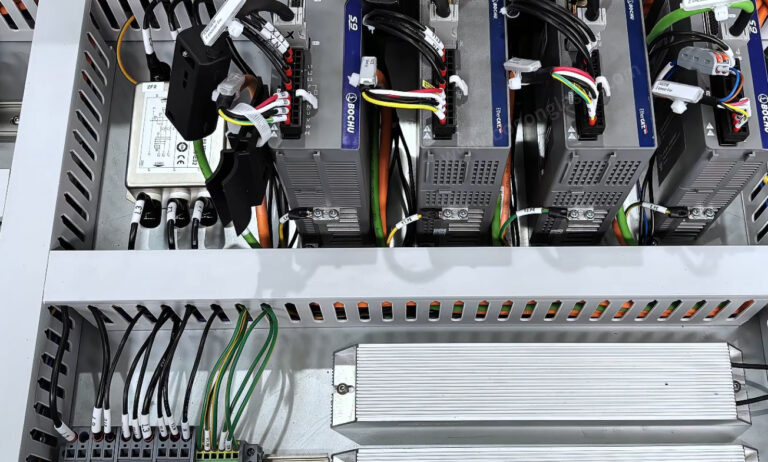
Nu toate fabricile au nevoie de un laser cu fibră optică. Dar magazinele care urmăresc marje mai mici, toleranțe mai strânse și schimbări mai rapide au de obicei nevoie. Iată unde este rentabilă tehnologia de tăiere cu laser cu fibră optică, unde dezamăgește și de ce cele mai puternice afirmații de vânzări nu țin cont de calculele din atelier.

Click fierbinte
Contactați-ne
Aplicație
©Copyright [bogonglaser.com]. BOGONG Laser Machine Supplier Toate drepturile rezervate.