
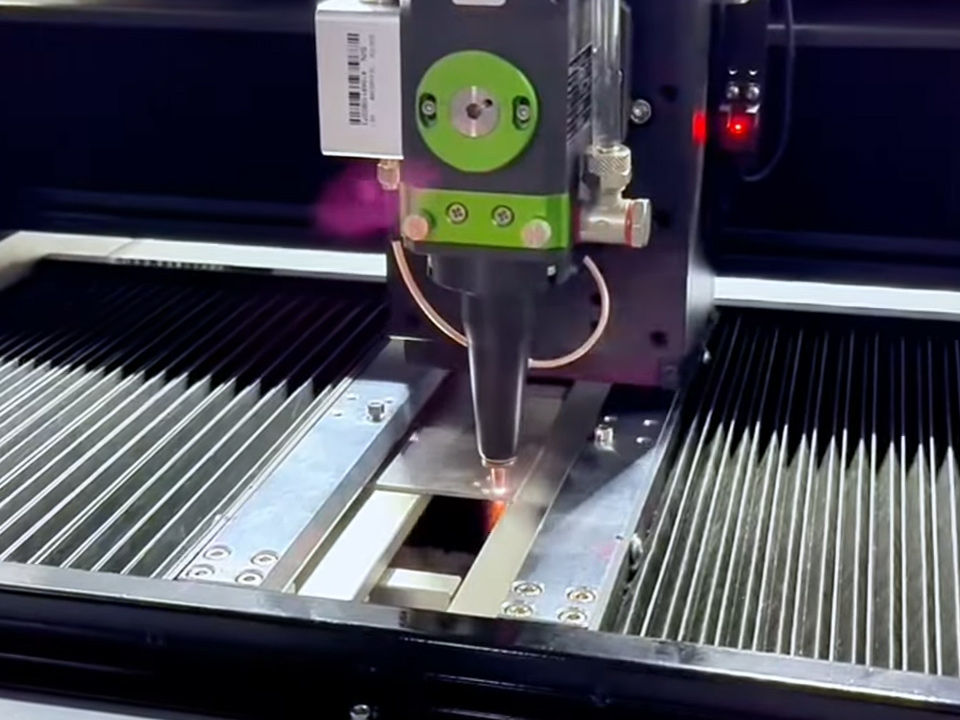
Corte a laser de chapas finas de metal para gabinetes de servidores
O corte a laser de chapas finas de metal para gabinetes de servidores parece simples no papel. Mas não é. Este artigo detalha as feias compensações entre velocidade, qualidade da borda, controle de deformação, escolha de material e operações secundárias, com dados atuais vinculados ao boom de servidores de IA.

Três fatos são importantes.
Já observei compradores olharem para um desenho CAD impecável, acenarem com a cabeça como se tudo estivesse resolvido e, em seguida, ficarem surpresos quando o primeiro painel de servidor de bitola fina sai da linha de produção com uma leve deformação de batata, uma rebarba desagradável ao redor do campo de ventilação e um desvio dimensional suficiente para transformar a montagem final em uma discussão em câmera lenta entre a produção, o controle de qualidade e as compras. Isso acontece. Muito.
E não, eu não acredito na desculpa usual de que “folha fina é fácil”. Fácil para quê? Fácil de citar? Claro. Fácil de estragar? Também com certeza.
De acordo com a perspectiva da Foxconn de março de 2024, a empresa esperava que as vendas de servidores com IA aumentassem 40% em 2024, enquanto o relatório da Reuters de maio de 2024 sobre a Dell dizia que o custo de construção de servidores com capacidade de IA já estava afetando as margens. Essa combinação diz algo feio e útil ao mesmo tempo: a demanda por gabinetes está aumentando, mas a tolerância ao desperdício não. As lojas precisam se mover mais rapidamente. Os compradores ainda querem que os preços sejam reduzidos. É nesse ponto que corte a laser de chapas metálicas ou parece brilhante ou começa a expor todos os atalhos idiotas que as pessoas esperavam que ninguém notasse.
Os painéis finos de servidor são um animal diferente
Aqui está a dura verdade.
Um espaço em branco plano para uma caixa promocional, uma tampa de equipamento aleatória e um painel de gabinete de servidor real não pertencem à mesma conversa, embora as pessoas desse setor continuem fingindo que sim, porque isso simplifica as cotações e torna os decks de vendas mais bonitos. Hábito ruim. E caro.
As peças do servidor carregam bagagem. Matrizes de ventilação. Aberturas de ventiladores. Zonas de PEM. Curvas apertadas. Faces cosméticas. Expectativas de EMI. Recortes para gerenciamento de cabos. Às vezes, rastreabilidade serial. Às vezes, requisitos de revestimento que expõem cada pequena falha térmica depois que a peça deixa o laser. Um ninho descuidado. Uma ordem de corte preguiçosa. Uma escolha ruim de gás. E o painel começa a se mover apenas o suficiente para tornar a próxima estação miserável.
É por isso que corte a laser de chapas finas de metal Para mim, o trabalho em um recinto nunca foi apenas “entrar e sair”. É uma cadeia. A qualidade do corte afeta a rebarbação. A rebarbação afeta o acabamento. O acabamento afeta a montagem. A montagem afeta os retornos. As pessoas adoram isolar a etapa de corte porque ela parece mensurável. As fábricas de verdade sabem disso.
E sim, a pressão do mercado é real. A análise Electricity 2024 da AIE diz que os data centers, a IA e as criptomoedas consumiram cerca de 460 TWh em 2022 e, em seu caso básico, a demanda global de eletricidade desses segmentos aumenta para pouco mais de 800 TWh em 2026, com uma faixa mais ampla de até 1.050 TWh. O mesmo relatório observa que há mais de 8.000 data centers em todo o mundo. Mais racks. Mais caixas. Mais painéis. Mais dores de cabeça térmicas. Isso não é uma teoria. É carga de trabalho.
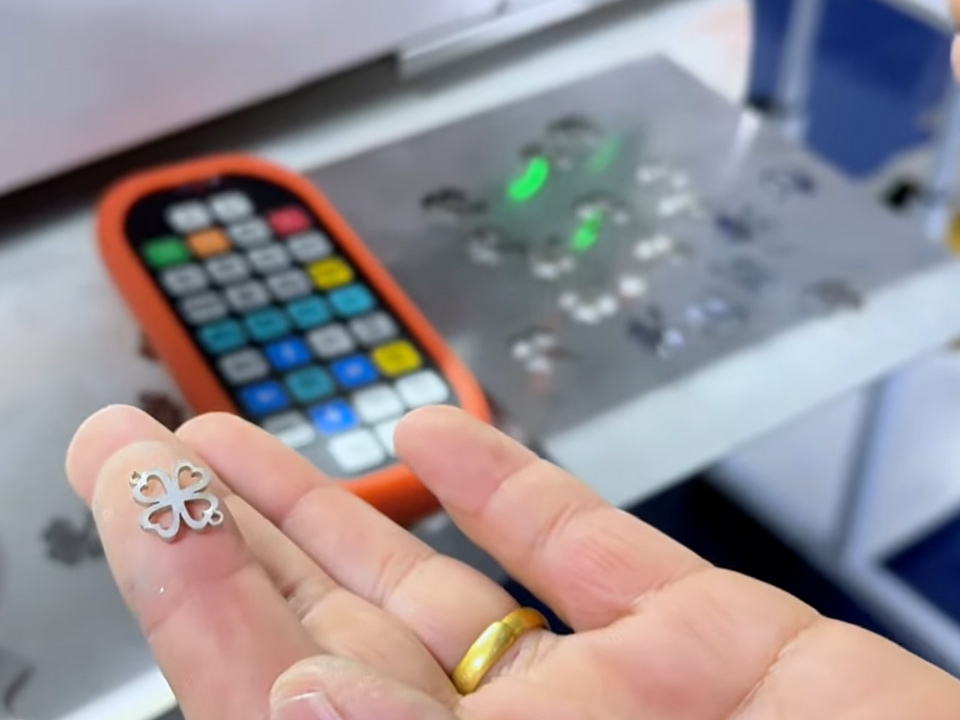
O que realmente faz com que a chapa fina dê errado
A rapidez não é suficiente.
Pela minha experiência, as lojas que mais se gabam da velocidade geralmente são as mesmas que lixam as bordas em silêncio, refazem o achatamento dos painéis e fingem que o tempo da equipe de montagem está livre porque a planilha de orçamentos termina na mesa do laser. Esse pequeno truque contábil nunca morre.
Então, o que quebra primeiro?
Geralmente não é a viga. Normalmente, é o julgamento.
As variáveis reais que ninguém deve ignorar
Para corte a laser para gabinetes de servidores, Em um ambiente de trabalho com baixa densidade de furos, os pontos problemáticos são dolorosamente comuns: espessura da chapa, comportamento da liga, gás de assistência, sequenciamento do corte, densidade do furo, carga térmica, entradas, microtabs, estratégia de fixação e se o programador entende que o material fino não perdoa ninhos quentes e desajeitados. Essa última parte é mais importante do que as pessoas admitem.
O aço laminado a frio se comporta de uma maneira. O aço inoxidável tem sua própria atitude. O alumínio - especialmente o alumínio fino - pode se contrair rapidamente se sua configuração for descuidada. E quando você começa a cortar grades de ventilação densas perto de linhas de dobra, você não está mais apenas “processando peças”. Você está negociando com o calor.
Um exemplo rápido. Um painel lateral fino com um campo de ventilação decorativo pode parecer inofensivo no CAD, mas quando o ninho empacota as peças com muita força, o acúmulo de calor local se acumula, a teia se contrai e a peça acabada sai com aquela sensação ligeiramente instável que os operadores conhecem imediatamente, mas que os vendedores quase nunca mencionam na ligação. Essa é a verdade do chão de fábrica.
| Fator | Por que isso é importante em painéis de thin server | O que geralmente dá errado |
|---|---|---|
| Espessura da folha | A baixa rigidez significa que pequenos erros térmicos aparecem rapidamente | Deformação, vibração, descoloração das bordas |
| Densidade de buracos | Os padrões de ventilação retêm o calor em zonas locais | Rebarbas, conicidade, campos de perfuração distorcidos |
| Auxiliar na escolha do gás | O nitrogênio ajuda a preservar as bordas cosméticas limpas | Bordas oxidadas, inconsistência pós-acabamento |
| Layout do ninho | O espaçamento inadequado amplifica a concentração de calor | Cortes finais instáveis e com óleo |
| Proximidade da curva | As bordas cortadas próximas às zonas de dobra afetam a qualidade da forma | Rachaduras, desvios dimensionais após a flexão |
| Expectativa de superfície | Os painéis externos precisam de faces mais limpas do que os suportes internos | Retrabalho, lixamento, rejeição visual |
Essa mesa parece chata. É bom. Deveria. As coisas chatas são onde o dinheiro vaza.
E aqui está a parte que, sinceramente, acredito que a maioria dos compradores ainda subestima: para corte a laser do chassi do servidor, O produto não é a peça bruta. O produto é uma peça cortada que ainda se comporta após a inserção, a dobra, o revestimento, o manuseio e o aparafusamento em um chassi sem que alguém na linha murmure: “Você consegue fazer esta funcionar?”
A fibra geralmente vence. Geralmente.
Não vou ficar brincando com isso.
Para a maioria dos modernos fabricação de chapas metálicas para gabinetes, A fibra é o ponto de partida óbvio. Não porque pareça avançado. Não porque o folheto tenha luzes azuis e renderizações limpas. Porque para trabalhos com aço fino, aço inoxidável e muito alumínio, a história da economia e da produtividade é difícil de ignorar agora.
Mas - é aqui que as pessoas ficam preguiçosas - a categoria de máquina não é a mesma coisa que competência de processo.
Uma loja pode ter um equipamento de fibra sólida e ainda assim produzir peças de gabinete bagunçadas se o aninhamento for burro, se a estratégia de gás for barata nos lugares errados ou se o programador não respeitar o acúmulo térmico em painéis finos. Eu já vi esse filme. Mais de uma vez. Máquina cara. Produção média.
É também por isso que gosto de ver as fábricas separando as funções, em vez de forçar tudo em uma única configuração "faça tudo". Se você precisar de rastreabilidade de peças de gabinetes, seriais, códigos QR, números de peças, IDs de lote - coisas reais de fabricação, não coisas de folhetos -, uma empresa dedicada a rastrear o produto. Máquina de marcação a laser para mini gabinetes ou um Máquina de marcação a laser de fibra tudo-em-um faz muito mais sentido do que entupir o processo de corte com trabalhos que não deveriam pertencer a ele. A mesma lógica se aplica se você estiver comparando tipos de fontes e cargas de trabalho: a Máquina de gravação e corte a laser de fibra para metal pode ser útil em sua faixa, mas o rendimento do gabinete tem demandas diferentes - manuseio de folhas, eficiência de agrupamento, tamanho do painel, estabilidade, tudo isso.
E se a preparação ou o pós-processamento forem importantes, geralmente são. A máquina de limpeza a laser de pulso pode fazer muito mais sentido antes de operações selecionadas de soldagem ou revestimento do que fingir que todo problema de superfície suja ou oxidada deve ser “resolvido mais tarde”. Essa frase - resolvido depois - é onde as margens de produção morrem.
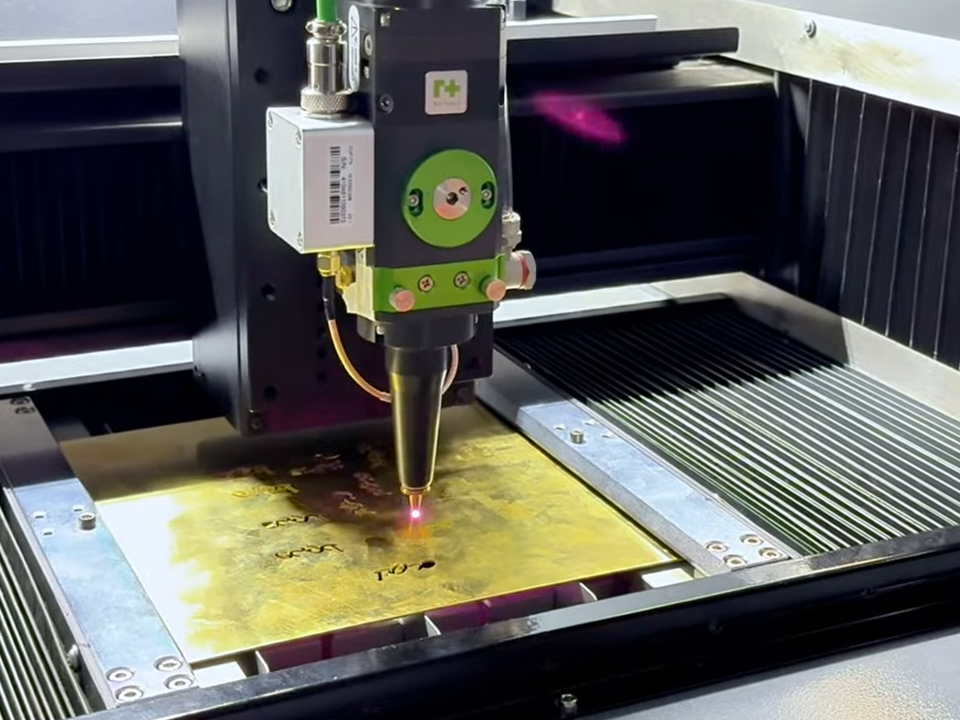
O processo ainda falha de maneiras previsíveis
Entradas ruins. Pressão incorreta. Ninhos superaquecidos. Fixação fraca. Oxidação da borda onde a qualidade cosmética é importante. Pessoas que chamam um painel de “aceitável” porque estão olhando para ele plano em uma mesa em vez de depois da formação.
Esse é o material.
Portanto, quando alguém me pergunta: “Qual é a Melhor método de corte a laser para painéis de gabinetes de servidores?” Não respondo primeiro com uma especificação de máquina. Respondo com uma pergunta de processo: qual fluxo de trabalho lhe proporciona o menor custo combinado de defeitos em corte, rebarbação, conformação, marcação, acabamento e montagem? Porque esse é o verdadeiro placar. Não uma única captura de tela de tempo de ciclo.
A demanda está aumentando, mas a tolerância ao desperdício não
Essa parte é importante.
A Reuters informou, em março de 2024, que a Foxconn esperava que as vendas de servidores de IA aumentassem 40% em 2024. Em seguida, a Reuters informou, em maio de 2024, que a Dell disse que o custo mais alto da construção de servidores de IA estava reduzindo as margens, mesmo com o aumento da demanda. Coloque esses dois dados lado a lado e você terá o tipo de sinal com o qual os fabricantes devem realmente se preocupar: mais demanda de hardware de servidor, sim, mas uma pressão comercial mais rígida sobre como esse hardware é construído. Isso significa que os fornecedores de gabinetes não precisam apenas de capacidade. Eles precisam de repetibilidade, menos retrabalho, bordas mais limpas, resultados de dobras mais apertados e menos momentos de “vamos consertar isso na montagem”.
E o lado da infraestrutura corrobora isso. A AIE disse em 2024 que a demanda global de eletricidade dos data centers, da IA e das criptomoedas poderia variar de 620 TWh a 1.050 TWh até 2026, com um caso base de pouco mais de 800 TWh, acima dos 460 TWh em 2022. Isso não torna automaticamente todos os fornecedores de recintos inteligentes, disciplinados ou lucrativos. Significa, sim, que a categoria não é mais um negócio secundário e sonolento. Muita capacidade está sendo construída a montante para que essa história se mantenha.
O ângulo de segurança que as pessoas evitam por parecer inconveniente
Não vamos adoçar isso.
Uma loja que corta aço inoxidável regularmente e trata a extração como um detalhe de limpeza está lhe dizendo algo - não com palavras, mas com comportamento. Em geral, é o seguinte: cortamos custos em lugares que os clientes não podem ver e esperamos que ninguém faça perguntas incômodas.
O programa de ênfase em cromo hexavalente da OSHA afirma que o cromo hexavalente pode se formar durante o “trabalho a quente”, incluindo o corte de aço inoxidável e outros metais que contêm cromo, porque as altas temperaturas podem oxidar o cromo para o estado hexavalente. Isso é importante. E muito. Não só por causa da conformidade, mas também porque o manuseio e a extração disciplinados do ar são frequentemente sinais de uma fábrica que leva a sério o controle de processos em todas as áreas. Desleixo com a fumaça. Desleixado em outros lugares. Esse padrão aparece com mais frequência do que as pessoas imaginam. Orientação da OSHA sobre cromo hexavalente deve ser leitura básica se o trabalho com gabinetes de aço inoxidável fizer parte do programa.
E já que estamos falando de disciplina de processo, as fábricas que entendem a identificação e o acabamento como habilidades separadas tendem a tomar decisões melhores em geral. Se uma peça precisar de codificação permanente, um Máquina de gravação a laser de fibra dividida de 50 W podem atender a necessidades de marcação muito diferentes das de uma plataforma de corte amplo. Se a marcação não metálica ou os fluxos de trabalho especiais entrarem na mistura, mesmo algo como uma Máquina de marcação a laser CO2 ou um Máquina de marcação a laser UV 3D pertence a uma conversa operacional diferente. Trabalhos diferentes. Lógica diferente. A mesma realidade de fábrica: a especialização geralmente é melhor do que fingir que uma ferramenta deve fazer tudo.
O que os compradores devem perguntar antes de aprovar um fornecedor
Não faça perguntas superficiais.
Não pergunte se a loja tem um “controle de qualidade rigoroso”. Todas dizem isso. Não pergunte se eles podem fazer trabalhos de precisão. Todos dizem isso também. Faça as perguntas que fazem as pessoas pararem por meio segundo - essa pausa diz mais do que a frase que se segue.
Perguntas melhores
Para como cortar chapas finas de metal a laser Em um programa de gabinetes de servidor, eu gostaria de obter respostas claras sobre a faixa de bitola real, a mistura real de materiais, o uso de nitrogênio versus oxigênio por tipo de peça, o controle de planicidade em painéis com muita ventilação, o método de rebarbação e como a rastreabilidade é tratada após o corte. Se a resposta soar como se tivesse vindo de uma apresentação de vendas, eu continuaria investigando.
Eu também perguntaria:
- Qual é o desvio normal da tolerância após a dobra em peças com ventilação fina?
- Qual é a distância que você costuma cortar em relação às linhas de dobra?
- Qual é a sua taxa de retrabalho nas faces visíveis do gabinete?
- Como você separa a marcação do corte sem diminuir a velocidade da linha?
- O que acontece quando um padrão de ventilação denso começa a puxar a folha durante o caminho de corte final?
Essas perguntas não são “pegadinhas”. São perguntas de adultos. Compradores sérios as fazem. Os fornecedores sérios as respondem sem se esconder atrás de chavões.
Perguntas frequentes
Qual é o melhor processo a laser para painéis finos de gabinetes de servidor?
O corte a laser de fibra é geralmente o melhor processo para painéis finos de gabinetes de servidor, pois oferece velocidades de corte rápidas, controle rígido de bordas, boa repetibilidade e grande compatibilidade com materiais comuns de gabinetes, como aço laminado a frio, aço inoxidável e alumínio, quando a programação, a escolha do gás e a formação a jusante são tratadas corretamente.
Essa é a resposta limpa. Minha resposta mais grosseira? A fibra geralmente vence porque a matemática funciona. Mas eu ainda não confiaria em nenhuma configuração só porque a especificação da máquina parece sofisticada. Para valer corte a laser de precisão de metais finos, Em um processo de pesquisa, a disciplina do processo sempre supera o glamour da brochura.
Por que as chapas finas de metal se deformam durante o corte a laser?
Chapas finas de metal empenam durante o corte a laser porque o material tem baixa rigidez e reage rapidamente a cargas térmicas irregulares, especialmente quando padrões de ventilação densos, sequenciamento de corte ruim, espaçamento de ninho ruim, aquecimento local excessivo ou condições de fixação fracas permitem que a tensão se acumule e seja liberada de forma irregular no painel.
Essa é toda a dor de cabeça em uma frase. O feixe nem sempre é o vilão. O mapa de calor geralmente é. E quando esse painel começa a se mover - mesmo que um pouco -, começa a dor de cabeça: as curvas se desviam, os revestimentos expõem as falhas, o encaixe fica estranho e alguém tem que arcar com o trabalho.
O nitrogênio realmente vale o custo extra para o corte do gabinete do servidor?
Muitas vezes, o nitrogênio vale o custo extra para o corte de gabinetes de servidores, pois ajuda a criar bordas mais limpas e menos oxidadas em peças finas de aço e aço inoxidável, o que melhora a aparência estética, a compatibilidade do acabamento e a qualidade da montagem em painéis visíveis ou peças com requisitos de ajuste mais rígidos.
Eu não queimaria nitrogênio em cada suporte oculto só para me sentir sofisticado. Isso é bobagem. Mas em faces de gabinetes visíveis, painéis de fluxo de ar ou trabalhos de alta qualidade, cortar custos na escolha do gás é uma daquelas decisões do tipo “economizou centavos, comprou problemas”.
Suas próximas etapas
Se estiver comprando corte a laser de chapas metálicas para gabinetes de servidor, pare de olhar para a citação como se ela contasse toda a história. Não conta. Peça uma amostra bagunçada. Pergunte como eles mantêm os painéis finos planos. Pergunte como eles marcam, rebarbam, limpam, dobram e inspecionam a peça após o corte. Pergunte o que acontece quando o campo de ventilação fica denso e o material começa a ficar mole. Essas respostas são mais importantes do que um preço unitário bonito.
E se você estiver criando seu próprio fluxo de produção, divida o trabalho com intenção. Use a plataforma de corte para cortar. Use o equipamento de marcação para rastreabilidade. Use a limpeza quando o preparo da superfície realmente afetar o desempenho da solda ou do acabamento. É assim que um gabinete de servidor de chapa metálica personalizado O programa se mantém são quando os volumes aumentam, as tolerâncias se tornam mais rígidas e ninguém no mercado upstream quer pagar por seus erros.


Clique quente
Entre em contato conosco
Aplicativo
©Direitos autorais [bogonglaser.com]. Fornecedor de máquinas a laser da BOGONG Todos os direitos reservados.