
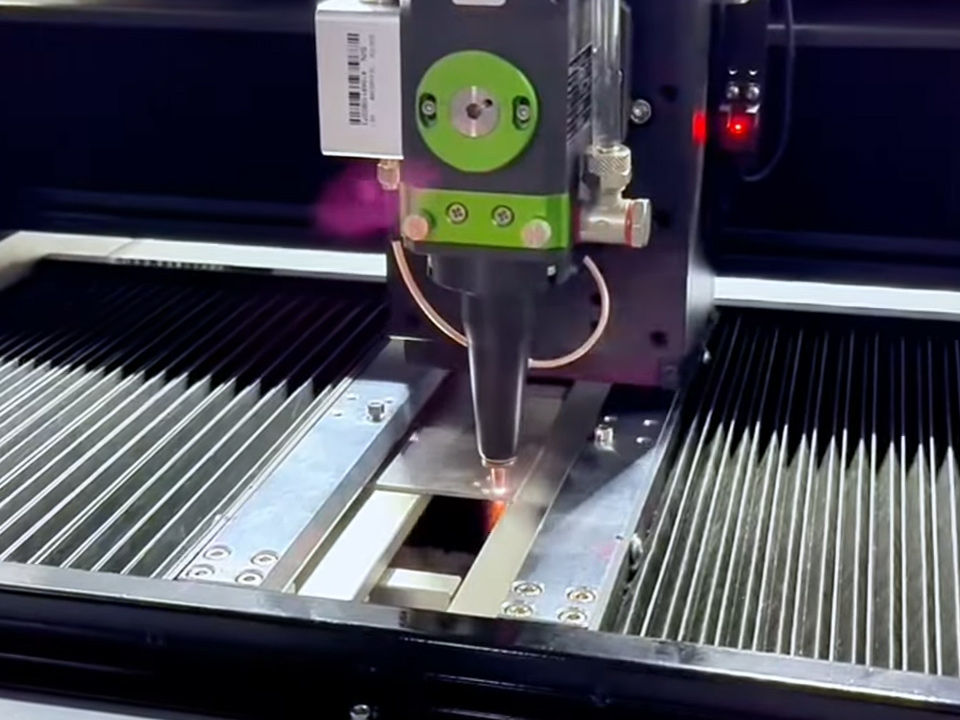
Laserové řezání tenkých plechů pro serverové skříně
Laserové řezání tenkých plechů pro skříně serverů vypadá na papíře jednoduše. Není. Tento článek rozebírá nepěkné kompromisy mezi rychlostí, kvalitou hran, kontrolou deformace, výběrem materiálu a sekundárními operacemi, přičemž aktuální data jsou spojena s rozmachem AI serverů.

Důležité jsou tři skutečnosti.
Viděl jsem, jak kupující zírají na bezchybný CAD výkres, přikyvují, jako by bylo vše vyřešeno, a pak předstírají překvapení, když z linky sjede první tenkostěnný panel pro server s nepatrným prohnutím připomínajícím bramborový čips, ošklivým otřepem kolem ventilačního pole a právě takovou odchylkou rozměrů, která promění finální montáž v pomalou hádku mezi výrobou, kontrolou kvality a nákupem. Stává se to. A často.
A ne, neberu tu obvyklou výmluvu, že “tenký plech je snadný”. Snadný v jakém smyslu? Snadný na kalkulaci? Jistě. Snadný na zničení? To také jistě.
Podle prognózy společnosti Foxconn z března 2024 společnost očekávala, že prodej serverů pro umělou inteligenci v roce 2024 vzroste o 40%, zatímco zpráva agentury Reuters z května 2024 o společnosti Dell uváděla, že náklady na výrobu serverů s podporou umělé inteligence již nyní výrazně snižují marže. Tato kombinace naznačuje něco nepříjemného a zároveň užitečného: poptávka po skříních roste, ale tolerance k plýtvání nikoli. Výrobci musí jednat rychleji. Odběratelé stále požadují nižší ceny. A právě v tom spočívá řezání plechů laserem buď to vypadá skvěle, nebo se začnou odhalovat všechny ty hloupé zkratky, u kterých lidé doufali, že si jich nikdo nevšimne.
Tenké serverové panely jsou úplně jiná liga
Tady je ta ošklivá pravda.
Plochý polotovar pro reklamní krabičku, náhodný kryt zařízení a skutečný panel skříně serveru do jedné diskuse nepatří, i když lidé v tomto oboru stále předstírají, že ano, protože to zjednodušuje tvorbu nabídek a vylepšuje vzhled prodejních prezentací. Špatný zvyk. A navíc drahý.
Součásti serverů s sebou nesou řadu omezení. Ventilační mřížky. Otvory pro ventilátory. Zóny PEM. Ostré ohyby. Estetické povrchy. Požadavky na elektromagnetickou kompatibilitu (EMI). Výřezy pro vedení kabelů. Někdy i sériová sledovatelnost. Někdy požadavky na povrchovou úpravu, které odhalí každý sebemenší tepelný prohřešek poté, co součást opustí laser. Jedno nedbalé uspořádání. Jeden nedbalý řez. Jedna špatná volba plynu. A panel se začne posouvat právě natolik, aby způsobil problémy na další stanici.
Proto laserové řezání tenkých plechů Pro mě práce s plechovými kryty nikdy nebyla jen otázkou “nařezat a vyjmout díl”. Je to celý řetězec. Kvalita řezu ovlivňuje odjehlování. Odjehlování ovlivňuje povrchovou úpravu. Povrchová úprava ovlivňuje montáž. Montáž ovlivňuje počet reklamací. Lidé rádi izolují fázi řezání, protože se to zdá být měřitelné. Skutečné továrny to však vědí lépe.
A ano, tlak trhu je reálný. Analýza IEA „Electricity 2024“ uvádí, že datová centra, umělá inteligence a kryptoměny spotřebovaly v roce 2022 přibližně 460 TWh, a v základním scénáři se celosvětová poptávka po elektřině z těchto segmentů do roku 2026 zvýší na něco přes 800 TWh, přičemž širší rozmezí dosahuje až 1 050 TWh. Stejná zpráva uvádí, že na celém světě existuje více než 8 000 datových center. Více racků. Více skříní. Více panelů. Více problémů s přehříváním. To není žádná teorie. To je pracovní zátěž.
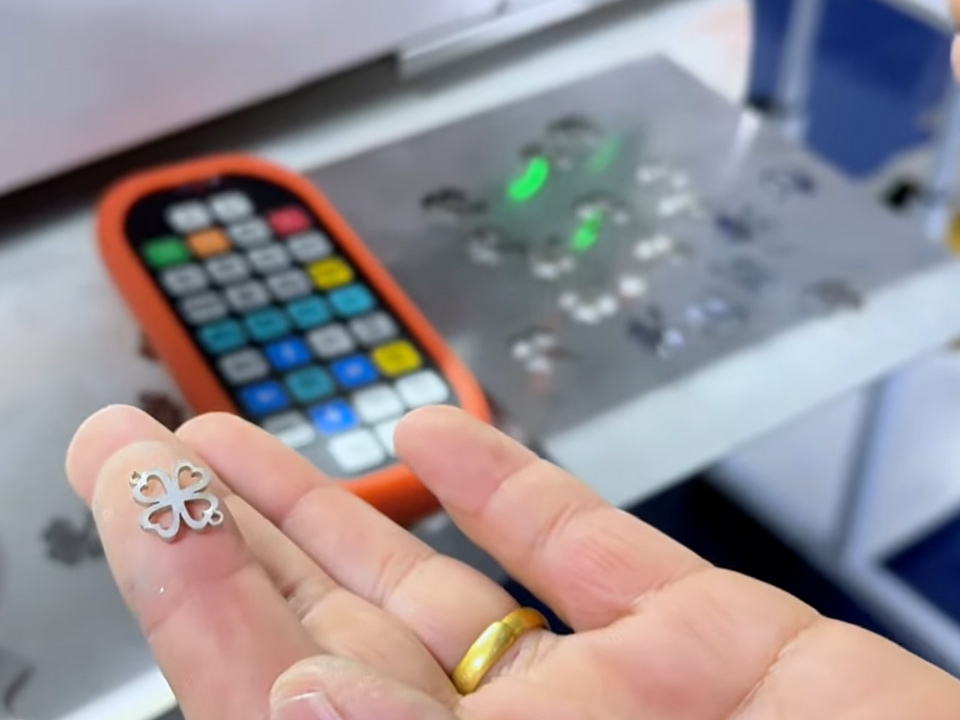
Co vlastně způsobuje, že se tenký plech poškodí?
Rychlost nestačí.
Z vlastní zkušenosti vím, že obchody, které se nejhlasitěji chlubí rychlostí, jsou často ty samé, které potichu brousí hrany, znovu vyrovnávají desky a předstírají, že montážní tým má volno, protože tabulka s nabídkou končí u laserového stolu. Tenhle malý účetní trik nikdy nevymizí.
Co se tedy pokazí jako první?
Obvykle to není ten paprsek. Obvykle jde o úsudek.
Reálné proměnné, které by nikdo neměl podceňovat
Pro řezání laserem pro serverové skříně, problémové body jsou až bolestivě běžné: tloušťka plechu, chování slitiny, pomocný plyn, pořadí řezů, hustota otvorů, tepelné zatížení, vstupní dráhy, mikrovýstupky, strategie upínání a také to, zda programátor chápe, že tenký materiál neodpouští horká a nešikovně sestavená hnízda. Ta poslední část má větší význam, než si lidé připouštějí.
Ocel válcovaná za studena se chová určitým způsobem. Nerezová ocel má své vlastní vlastnosti. Hliník – zejména tenký hliník – se může rychle začít chovat nevyzpytatelně, pokud není vaše příprava důkladná. A jakmile začnete řezat husté ventilační mřížky v blízkosti ohybových čar, už nejde jen o “zpracování dílů”. Jednáte s teplem.
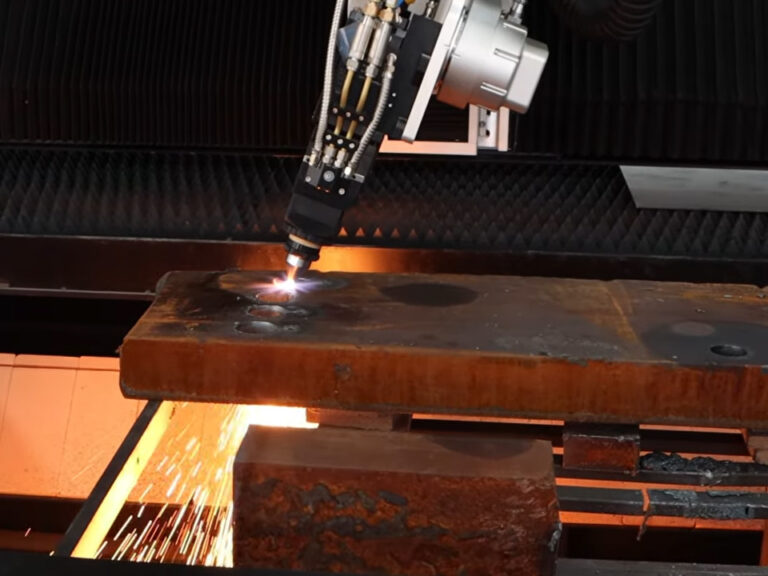
Rychlý příklad. Tenký boční panel s dekorativním větracím polem může v CADu vypadat neškodně, ale když se díly při uspořádání v hnízdě naskládají příliš těsně, dochází k lokálnímu hromadění tepla, výztuž se začne chovat nestabilně a hotový polotovar vyjde s tím mírně nestabilním pocitem, který operátoři okamžitě poznají, ale prodejci o něm při hovoru téměř nikdy nemluví. To je realita z výrobní haly.
| Faktor | Proč je to důležité u tenkých serverových panelů | Co se obvykle pokazí |
|---|---|---|
| Tloušťka plechu | Nízká tuhost znamená, že se malé teplotní chyby projeví rychle | Zkroucení, chvění, změna barvy okrajů |
| Hustota otvorů | Vzory větracích otvorů zadržují teplo v jednotlivých zónách | Otřepy, zúžení, zdeformovaná perforační pole |
| Asistenční volba plynu | Dusík pomáhá zachovat čisté okraje kosmetických výrobků | Oxidované hrany, nerovnoměrnost povrchové úpravy |
| Uspořádání hnízda | Nedostatečné rozestupy zvyšují koncentraci tepla | Vlnění, nestabilní konečné řezy |
| Blízkost ohybu | Ořezané hrany v blízkosti ohybových zón ovlivňují kvalitu tvaru | Praskání, rozměrová odchylka po ohybu |
| Očekávaná hodnota povrchu | Vnější panely vyžadují čistší povrchy než vnitřní konzoly | Opravné úpravy, broušení, vizuální vyřazení |
Ta tabulka vypadá nudně. Dobře. Tak to má být. Právě z těch nudných věcí totiž unikají peníze.
A tady je ta část, kterou, upřímně řečeno, podle mého názoru většina kupujících stále podceňuje: pro laserové řezání šasi serveru, výrobek není jen polotovar. Výrobek je vyříznutý díl, který i po zasunutí, ohnutí, povrchové úpravě, manipulaci a přišroubování do podvozku stále funguje, aniž by si někdo na výrobní lince mumlal: “Dá se s tímhle vůbec něco dělat?”
Vlákno většinou zvítězí. Většinou.
Nebudu se kolem toho vykrucovat.
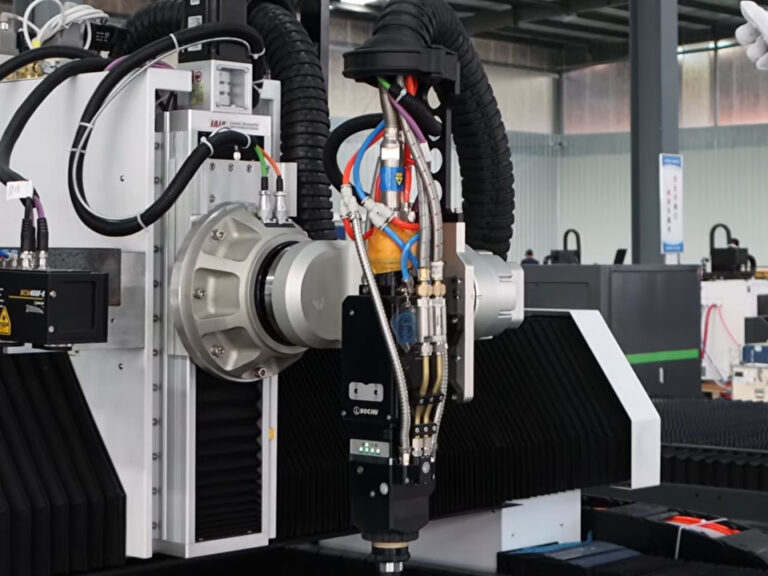
U většiny moderních výroba plechových dílů pro skříně, vlákno je zřejmým výchozím bodem. Ne proto, že to zní sofistikovaně. Ne proto, že brožura obsahuje modrá světla a elegantní vizualizace. Ale proto, že u tenké oceli, nerezové oceli a mnoha hliníkových dílů jsou dnes ekonomické aspekty a výkonnost prostě těžko přehlédnutelné.
Ale – a právě v tomto bodě lidé začnou být líní – kategorie strojů není totéž jako procesní kompetence.
I když má dílna špičkové zařízení pro zpracování kompozitů, může přesto vyrábět nedokonalé díly skříní, pokud je rozvržení nevhodné, strategie použití plynu je laciná na nesprávných místech nebo pokud programátor nebere v úvahu tepelné nahromadění na tenkých panelech. To už jsem zažil. A to více než jednou. Drahé stroje. Průměrný výkon.
Právě proto se mi líbí, když továrny rozlišují jednotlivé role, místo aby se snažily vše řešit jedním univerzálním systémem. Pokud potřebujete sledovatelnost dílů skříní, sériových čísel, QR kódů, čísel dílů, identifikátorů šarží – tedy skutečné výrobní údaje, ne jen reklamní fráze z prospektů – specializovaný mini skříňový laserový značkovací stroj nebo laserový značkovací stroj "vše v jednom to dává mnohem větší smysl než zahlcovat proces zpracování úlohami, které by neměly spadat do jeho působnosti. Stejná logika platí i při porovnávání typů zdrojů a pracovních zátěží: a vláknový laserový gravírovací a řezací stroj na kov může být užitečné ve svém oboru, ale průchodnost v uzavřeném prostoru klade jiné požadavky – manipulace s plechy, efektivita seskupování, velikost panelů, stabilita, prostě všechno.
A pokud záleží na přípravě nebo následném zpracování, což obvykle platí. A pulzní laserový čisticí stroj Může být mnohem rozumnější provést příslušné svařovací nebo povrchové úpravy předem, než předstírat, že každý problém se znečištěným nebo zoxidovaným povrchem by se měl “vyřešit později”. Právě tato fráze – „vyřešit později“ – je příčinou úbytku výrobních marží.
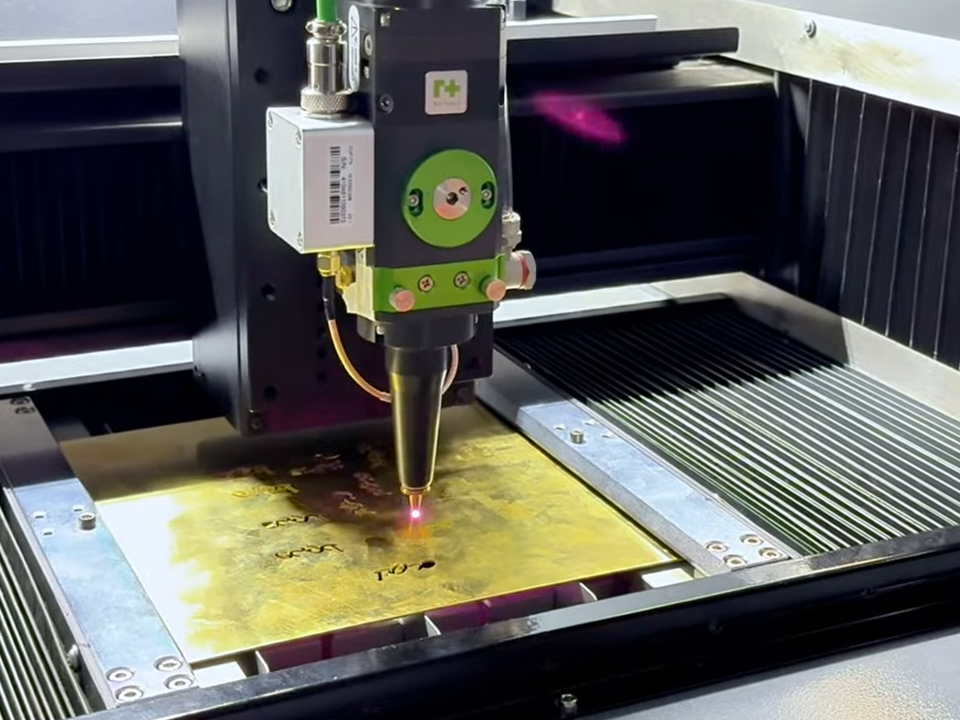
Proces stále selhává předvídatelným způsobem
Špatné vstupy. Nesprávný tlak. Přehřátá hnízda. Slabé upnutí. Oxidace hran v místech, kde záleží na vzhledové kvalitě. Lidé označují panel za “přijatelný”, protože se na něj dívají v rovném stavu na stole, a ne po tvarování.
To je ono.
Takže když se mě někdo zeptá: “Co je to nejvhodnější metoda laserového řezání pro panely skříní serverů?” Nezačínám hned s technickými parametry stroje. Odpovídám otázkou týkající se procesu: jaký pracovní postup vám zajistí nejnižší celkové náklady na vady v rámci řezání, odjehlování, tváření, značení, povrchové úpravy a montáže? Protože to je skutečný ukazatel úspěchu. Ne nějaký snímek obrazovky s dobou jednoho cyklu.
Poptávka roste, ale tolerance k plýtvání nikoli
Tato část je důležitá.
Agentura Reuters v březnu 2024 informovala, že společnost Foxconn očekává v roce 2024 nárůst prodeje serverů pro umělou inteligenci o 40%. Agentura Reuters poté v květnu 2024 informovala, že společnost Dell uvedla, že vyšší náklady na výrobu serverů pro umělou inteligenci snižují marže, a to i přes rostoucí poptávku. Pokud tyto dvě zprávy porovnáme, dostaneme signál, který by výrobce měl skutečně zajímat: ano, poptávka po serverovém hardwaru roste, ale zároveň se zvyšuje komerční tlak na to, jak se tento hardware vyrábí. To znamená, že dodavatelé skříní nepotřebují jen kapacitu. Potřebují opakovatelnost, méně oprav, čistší hrany, přesnější ohyby a méně situací typu “to opravíme při montáži”.
A infrastruktura to potvrzuje. Mezinárodní energetická agentura (IEA) v roce 2024 uvedla, že celosvětová spotřeba elektřiny datovými centry, umělé inteligence a kryptoměn by se do roku 2026 mohl pohybovat v rozmezí 620 TWh až 1 050 TWh, přičemž základní scénář počítá s hodnotou těsně nad 800 TWh, což představuje nárůst oproti 460 TWh v roce 2022. To však automaticky neznamená, že každý dodavatel skříní je chytrý, disciplinovaný nebo ziskový. Znamená to však, že tato kategorie již není nějakým ospalým vedlejším podnikáním. V předcházejících fázích řetězce se buduje příliš velká kapacita na to, aby tento scénář obstál.
Aspekt bezpečnosti, kterému se lidé vyhýbají, protože se jim zdá nepohodlný
Nebudeme si to zkrášlovat.
Obchod, který pravidelně řeže nerezovou ocel a odvod par považuje za pouhou drobnost v rámci úklidu, vám tím něco sděluje – ne slovy, ale svým chováním. Obvykle to znamená: šetříme na místech, která zákazníci nevidí, a doufáme, že se nikdo nebude ptát na nepříjemné otázky.
Program OSHA zaměřený na šestimocný chrom uvádí, že šestimocný chrom může vznikat při “prácích s otevřeným ohněm”, včetně řezání nerezové oceli a jiných kovů obsahujících chrom, protože vysoké teploty mohou oxidovat chrom do šestimocného stavu. To je důležité. A to hodně. Nejen z důvodu dodržování předpisů, ale také proto, že důsledné řízení a odsávání vzduchu jsou často známkou toho, že daný závod bere kontrolu procesů vážně ve všech oblastech. Nedbalost při zacházení s výpary. Nedbalost i jinde. Tento vzorec se objevuje častěji, než si lidé myslí. Pokyny OSHA týkající se šestimocného chromu Mělo by to být povinná četba, pokud je součástí programu práce s kryty s vysokým podílem nerezové oceli.
A když už jsme u té procesní disciplíny, továrny, které chápou identifikaci a povrchovou úpravu jako samostatné dovednosti, obvykle činí celkově lepší rozhodnutí. Pokud díl vyžaduje trvalé označení, a 50W dělený vláknový laserový gravírovací stroj může splňovat zcela odlišné požadavky na značení než platforma určená pro široké řezání. Pokud do procesu vstoupí značení nekovových materiálů nebo speciální pracovní postupy, dokonce i něco jako Laserový značkovací stroj CO2 nebo 3D UV laserový značkovací stroj To patří do jiné provozní diskuze. Jiné úkoly. Jiná logika. Stejná realita ve výrobě: specializace obvykle vítězí nad představou, že jeden nástroj by měl zvládnout všechno.
Na co by se měli kupující zeptat před schválením dodavatele
Nekládejte povrchní otázky.
Neptejte se, jestli má daný obchod “přísnou kontrolu kvality”. To tvrdí všichni. Neptejte se, jestli dokážou pracovat s přesností. To také tvrdí všichni. Ptejte se na otázky, které lidi donutí na půl vteřiny zaváhat – právě to zaváhání vám prozradí víc než samotná věta, která následuje.
Lepší otázky
Pro jak řezat tenký plech laserem Pokud by šlo o řádné zařazení do programu pro výrobu serverových skříní, chtěl bych jasné odpovědi ohledně skutečného rozsahu tloušťek plechu, skutečného složení materiálu, poměru použití dusíku a kyslíku podle typu dílu, kontroly rovinnosti u panelů s velkým počtem odvětrávacích otvorů, způsobu odstraňování otřepů a toho, jak se po řezání řeší sledovatelnost. Pokud by odpověď zněla, jako by pocházela z prodejní prezentace, ptal bych se dál.
Také bych se zeptal:
- Jaký je u vás obvyklý posun tolerance po ohýbání tenkých odvětrávaných dílů?
- Jak blízko k ohybovým čarám obvykle provádíte řez?
- Jaká je vaše míra oprav na viditelných plochách krytu?
- Jak oddělit značení od řezání, aniž by došlo ke zpomalení linky?
- Co se stane, když hustá síť výstupních otvorů začne tahat plech během závěrečné dráhy řezu?
To nejsou žádné “záludné” otázky. Jsou to otázky pro dospělé. Kladou je seriózní kupující. Seriózní dodavatelé na ně odpovídají, aniž by se schovávali za módní výrazy.
Nejčastější dotazy
Jaký je nejvhodnější laserový proces pro tenké panely skříní serverů?
Řezání vláknovým laserem je obvykle nejvhodnějším postupem pro tenké panely skříní serverů, protože nabízí vysoké řezací rychlosti, přesnou kontrolu hran, dobrou opakovatelnost a vysokou kompatibilitu s běžnými materiály skříní, jako je ocel válcovaná za studena, nerezová ocel a hliník – za předpokladu, že jsou správně nastaveny parametry programování, volba plynu a následné tváření.
To je ta jednoznačná odpověď. A moje méně uhlazená odpověď? Vláknová optika obvykle vyhrává, protože to matematicky sedí. Ale stejně bych se nespoléhal na žádné řešení jen proto, že technické parametry zařízení vypadají působivě. Vážně. přesné laserové řezání tenkého kovu, procesní disciplína vždycky zvítězí nad leskem propagačních materiálů.
Proč se tenký plech při řezání laserem deformuje?
Tenký plech se při laserovém řezání deformuje, protože materiál má nízkou tuhost a rychle reaguje na nerovnoměrné tepelné zatížení, zejména pokud hustá síť výřezů, nevhodné pořadí řezů, špatné rozestupy při rozvržení, nadměrné lokální zahřívání nebo nedostatečné upnutí způsobují nerovnoměrné nahromadění a uvolňování napětí v celém plechu.
To je celý ten problém v jedné větě. Nosník není vždycky ten špatný. Většinou je to teplotní mapa. A jakmile se ten panel začne hýbat – byť jen trochu –, začínají potíže v dalších fázích výroby: ohyby se posouvají, nátěry odhalují vady, sestavování se zkomplikuje a někdo to musí zaplatit z vlastní kapsy.
Opravdu se vyplatí připlatit si za řezání skříně serveru kvůli dusíku?
Při řezání skříní pro servery se často vyplatí investovat do dusíku, protože pomáhá vytvářet čistší a méně zoxidované hrany u tenkých ocelových a nerezových dílů, což zlepšuje vzhled, kompatibilitu povrchové úpravy a kvalitu montáže u viditelných panelů nebo dílů s přísnějšími požadavky na přesnost lícování.
Nespotřebovával bych dusík na každém skrytém držáku jen proto, abych působil sofistikovaně. To je hloupost. Ale u viditelných ploch krytu, panelů pro proudění vzduchu nebo u prémiových prací je šetření na výběru plynu jedním z těch rozhodnutí, kdy “ušetřené haléře přinesou problémy”.
Vaše další kroky
Pokud si něco kupujete řezání plechů laserem Pokud jde o skříně pro servery, nepřistupujte k cenové nabídce tak, jako by vám řekla všechno. To totiž neříká. Požádejte o vzorek s nedokonalostmi. Zeptejte se, jak udržují tenké panely rovné. Zeptejte se, jak po řezání označují, odjehlují, čistí, ohýbají a kontrolují díly. Zeptejte se, co se stane, když se ventilační pole zahustí a materiál začne měknout. Tyto odpovědi jsou důležitější než hezká jednotková cena.
A pokud si budujete vlastní výrobní proces, rozdělte si práci promyšleně. Řezací platformu využijte k řezání. Zařízení pro značení použijte k zajištění sledovatelnosti. Čištění využijte tam, kde příprava povrchu skutečně ovlivňuje kvalitu svaru nebo povrchovou úpravu. Takto se skříň pro server z plechu vyrobená na míru Program funguje bez problémů i v situacích, kdy objemy rostou, tolerance se zpřísňují a nikdo z dodavatelů není ochoten platit za vaše chyby.


Horké kliknutí
Kontaktujte nás
Aplikace
©Copyright [bogonglaser.com]. BOGONG Laser Machine Supplier Všechna práva vyhrazena.