
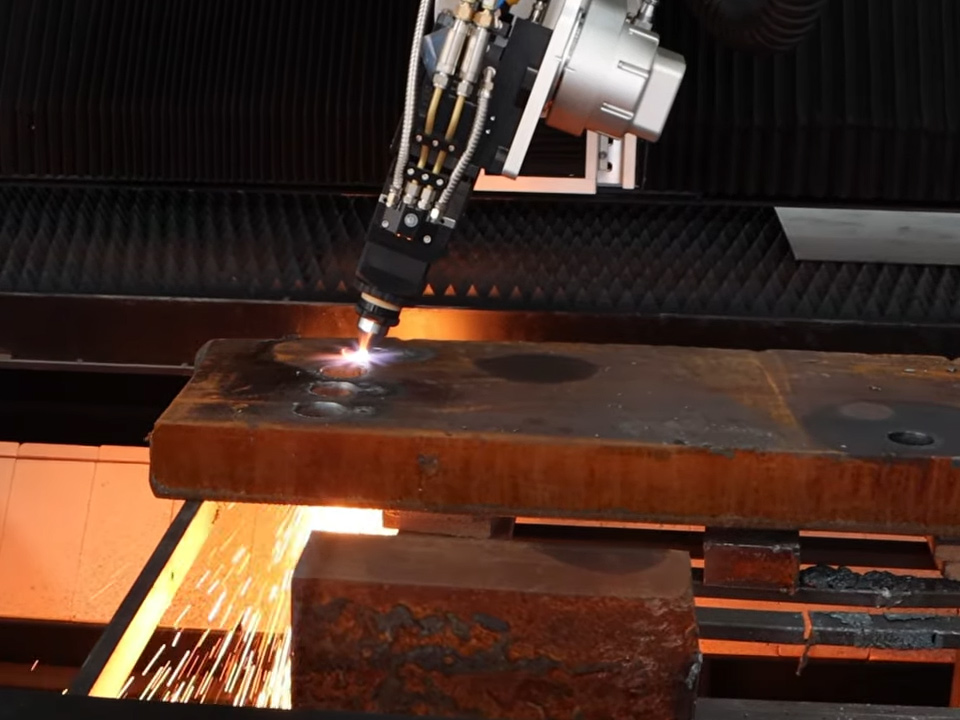
Considérations relatives à la conception des pièces de châssis de serveur découpées au laser
J'ai vu de nombreux projets de châssis de serveurs qui semblaient parfaits à l'écran et qui se sont effondrés dans l'atelier. Le modèle est ennuyeux. Mauvaise logique de tolérance. Géométrie d'aération paresseuse. Acier choisi par habitude. Revêtement ignoré jusqu'à la fin. Cet article aborde le sujet sous l'angle des éléments essentiels qui influent sur le rendement, l'ajustement, les propriétés thermiques et le coût.

Les petites erreurs s'accumulent.
J’ai vu des équipes se focaliser sur les caractéristiques techniques des lasers, les délais de devis et le prix des tôles, tout en ignorant la géométrie “ ennuyeuse ” qui détermine en réalité si un châssis de serveur s’assemble sans problème, se refroidit correctement et passe le cap de la fabrication pilote sans que trois opérateurs ne se retrouvent là, armés de limes, de cales et de ce regard sombre que les gens prennent quand un « simple boîtier » commence à grignoter les marges. Et ensuite, tout le monde fait semblant d’être surpris.
Pourquoi ?
Car voici la triste réalité : une grande partie des châssis de serveurs est encore conçue comme du matériel de bureau d’il y a dix ans, alors même que le marché a évolué rapidement, que la consommation électrique des racks a augmenté, que la demande en serveurs d’IA a bouleversé les délais de livraison et les attentes, et que les conséquences d’un schéma de perçage bâclé ou d’une spécification de pliage négligée se font désormais sentir bien plus tôt dans le cycle de développement. Selon Reuters, Foxconn a déclaré en mai 2024 que la forte demande en serveurs d’IA stimulait les prévisions de chiffre d’affaires, et les prévisions de Supermicro pour janvier 2024 faisaient état d’une croissance séquentielle de 71% liée à la dynamique des serveurs d’IA. Cela ne décrit pas un environnement clément. Cela décrit une cocotte-minute.
Et oui, l’aspect thermique est désormais indissociable de l’aspect mécanique. L'enquête 2024 de l'Uptime Institute indique que les densités moyennes par rack sont en hausse, mais restent en moyenne inférieures à 8 kW, et que près d'un tiers des opérateurs font état d'une croissance rapide de la puissance par rack pour leurs déploiements récents. Donc, si quelqu'un continue de considérer le châssis comme “ une simple boîte ”, je m'inquiéterais franchement aussi pour le reste du programme.
La tôlerie pour serveurs cesse d'être “ simple ” dès qu'on la met à grande échelle
Trois éléments sont importants.
Répétabilité. Performances thermiques. Tolérance d'assemblage.
C’est ça… et en même temps non, car chacun de ces catégories cache dix modes de défaillance. J’ai vu des schémas de circuit imprimé paraître magnifiques lors des réunions de validation, puis se révéler catastrophiques en production, simplement parce que personne n’avait vraiment posé les questions évidentes : qu’est-ce qui bouge, qu’est-ce qui s’emboîte, qu’est-ce qui flotte, qu’est-ce qui est revêtu, qu’est-ce qui subit un couple, qu’est-ce qui doit être retravaillé lorsque la révision de la carte arrive avec deux semaines de retard et que, soudain, l’ouverture E/S arrière est décalée juste assez pour vous gâcher l’après-midi ?
Mais le secteur a déjà montré où cela mène. Les travaux DC-MHS 2024 d’Open Compute ont publié une conception de châssis commune permettant de gérer différentes épaisseurs de modules de processeur hôte et différents décalages de connecteurs, avec une discussion explicite sur les espaces dans le châssis, les guides de rails, l’utilisation d’entretoises et les différentes ouvertures arrière pour les E/S. Relisez bien cela. Les personnes qui s’investissent sérieusement dans le matériel libre conçoivent littéralement leurs solutions en tenant compte de la variation comme un enjeu primordial. Elles ne prétendent pas qu’un simple fichier DXF bien ficelé résout tous les problèmes. (opencompute.org)
C'est important.
Car un boîtier de serveur n’est pas une simple coque décorative. Il s’agit d’un système mécanique dont les répercussions se font sentir partout : résistance à l’écoulement d’air, comportement électromagnétique, continuité de la mise à la terre, rayon de courbure des câbles, facilité d’entretien, rigidité de la paroi du ventilateur, engagement des rails, force de verrouillage, accumulation de dépôts et logique de remplacement sur site. Les gens l'oublient. Ou pire encore, ils le savent et précipitent quand même les choses.
Si la carte peut encore bouger, c'est que le châssis n'est probablement pas encore prêt.
Je sais que cela peut paraître un peu brutal, mais je ne vais pas y aller par quatre chemins. D’après mon expérience, l’un des moyens les plus rapides de compromettre un bon calendrier de lancement de nouveau produit (NPI) consiste à verrouiller la géométrie du châssis avant que le contour de la carte, l’empilement des connecteurs et les dégagements de maintenance ne soient réellement fixés. La CAO est peut-être “ validée ”, mais la conception, elle, ne l’est pas.
Les travaux menés par Open Compute en avril 2024 sur les châssis n’ont pas non plus été vagues. Ils faisaient référence à des hypothèses concernant des châssis 1U d’une hauteur totale d’environ 42,8 mm, ainsi qu’à des stratégies d’espacement visant à compenser les variations liées aux différentes configurations de montage. Voilà à quoi ressemble une véritable réflexion mécanique. Pas une impression. Pas un espoir. Une adaptation maîtrisée.
Et dès que vous commencez à raisonner ainsi, c'est tout naturel Workflows de marquage permettant d'assurer la traçabilité des châssis de serveurs Ces étapes ne sont plus considérées comme facultatives. Elles font désormais partie intégrante de la logique de fabrication : contrôle en série, suivi des révisions, marquage d'identification des services, identification interne des supports… toutes ces tâches peu glamour qui vous sauvent la mise lorsque cinq pièces similaires se retrouvent à circuler dans les bacs d’assemblage.
C'est au niveau des tolérances que la plupart des programmes de châssis perdent discrètement de l'argent
La plupart des dessins mentent.
Ce n’est pas parce que la CAO est erronée. C’est parce que les spécifications de tolérance sont floues, trop générales ou simplement copiées du projet précédent. J’ai vu des notes globales collées sur des plans comme des pansements : tout semblait parfait jusqu’à l’arrivée des pièces moulées, puis soudain, les orifices arrière ne s’alignaient plus, le plateau subissait des contraintes, l’emplacement du PEM posait problème, et quelqu’un affirmait que le fournisseur manquait de “ cohérence ”. Peut-être. Mais peut-être aussi que le plan avait été réalisé à la va-vite.
Les recommandations du NIST concernant la tôle restent une règle que tout le monde devrait se graver sur le mur : les tolérances de fabrication de la tôle sont bilatérales, et se contenter d’indiquer le calibre sans préciser l’épaisseur décimale correspondante est une mauvaise pratique, car les dimensions des lames varient et les hypothèses unilatérales s’écartent souvent des pratiques courantes. Cela semble élémentaire. Pourtant, cette règle est encore constamment ignorée.
Voici donc mon point de vue. Je me méfie d’un plan de châssis de serveur qui se contente d’indiquer “ 18 ga ” et laisse le reste à l’interprétation. Indiquez l’épaisseur en millimètres. Distinguez les dimensions esthétiques des dimensions fonctionnelles. Justifiez les tolérances des ports d’E/S arrière, des repères de rails, des gabarits de montage des cartes et des interfaces de verrouillage. Ne vous contentez pas d’appliquer la même valeur générique à tout simplement parce que cela rend le cartouche plus soigné.
Ce raccourci finit par coûter cher.
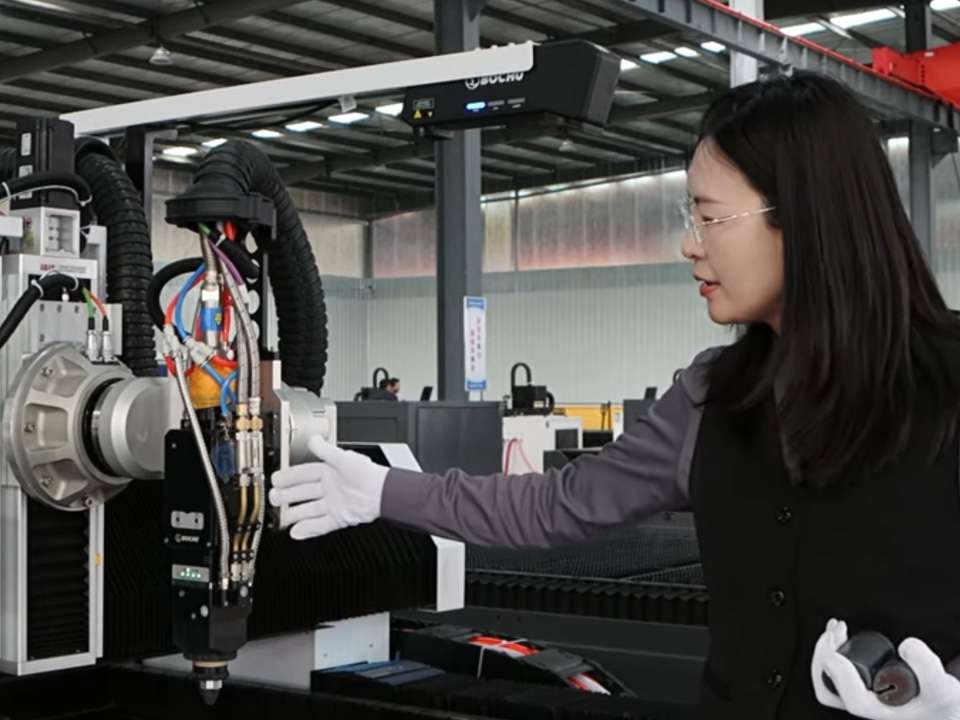
Les ébauches plates ne sont pas expédiées. Les pièces moulées, oui.
C’est là que les gens se font avoir. Ils inspectent la pièce brute découpée au laser, se félicitent de la précision du profil, puis oublient que le produit que le client voit — et avec lequel l’équipe d’assemblage se débat — est la version pliée, emboîtée, revêtue et empilée. Les relations entre les trous et les plis. Retour élastique. Déplacement des rebords. Géométrie de dégagement. Accumulation de matière de finition. Voilà la pièce telle qu’elle est réellement.
Et si la cote de votre carte mère dépend d'une bride que personne ne vérifie après le formage, vous mesurez en fait un fantôme.
| Domaine de conception | Raccourci classique | Quelles en sont les conséquences sur la production ? | On ferait mieux de partir |
|---|---|---|---|
| Épaisseur du matériau | Préciser uniquement le calibre | Variations inattendues de l'ajustement d'un fournisseur à l'autre | Indiquer l'épaisseur décimale et la plage admissible |
| Découpe pour les ports d'entrée/sortie arrière | La tolérance comme ouverture cosmétique | Désalignement des ports, contraintes sur les vis, problèmes d'interférences électromagnétiques | Alignement de l'ouverture sur les repères de la carte et du connecteur |
| Mur de ventilateurs / champ de ventilation | Optimiser la surface libre sans discernement | Bruit, panneaux peu performants, écoulement turbulent | Trouver le juste équilibre entre rigidité, circulation de l'air et facilité d'entretien |
| Trou près du coude | N'utilisez que l'espacement standard | Déformation du trou ou conflit d'outils | Définir le dégagement de courbure et les cotes minimales entre le trou et la courbure |
| Surfaces revêtues | Ignorer l'accumulation de résidus de finition | Loquets difficiles à ouvrir, mise à la terre défectueuse, traces de frottement | Intégrer la structure de revêtement dans la logique d'appariement |
| Références mixtes | Un châssis unique pour chaque carte | Excès de stocks, retards dans le lancement de nouveaux produits | Recourir, dans la mesure du possible, à une stratégie de châssis commun modulaire |
Je pense également que trop d'équipes repoussent les questions relatives aux processus qui devraient être abordées dès le début, notamment en ce qui concerne préparation de la surface avant l'application d'un revêtement ou le ponçage. Cela se termine généralement de la même manière : une discussion de dernière minute sur la qualité de finition, la conductivité, l'adhérence ou la contamination, qui aurait dû être réglée bien avant l'envoi de l'appel d'offres.
Le choix des matériaux est généralement moins prestigieux qu'on ne le voudrait
L'acier l'emporte souvent.
Ce n’est pas très glamour. Mais c’est la réalité. L’acier laminé à froid continue de s’imposer dans la fabrication des baies de serveurs grand public, car il offre un compromis idéal entre rigidité, régularité de formage, maîtrise des coûts, comportement en matière de mise à la terre et compatibilité des finitions. L’aluminium a certes sa place, mais il n’apporte pas seulement un gain de poids. Il modifie les hypothèses de rigidité, les choix de fixation, la stratégie de filetage, le comportement face aux chocs et la tolérance de la structure lorsque les techniciens s’y prennent un peu trop vigoureusement.
De l'inox ? Parfois. Mais honnêtement, je trouve que les équipes en abusent pour donner une image “ haut de gamme ” avant même d'avoir résolu les véritables problèmes liés au boîtier. C'est peut-être un peu dur, mais c'est mon avis.
Et le débat sur la configuration des évents… parlons-en un instant. Un plus grand nombre de trous ne signifie pas automatiquement un meilleur refroidissement. C’est une réflexion simpliste. Le flux d’air dépend du tracé de la pression, de la courbe du ventilateur, des obstructions, de l’agencement interne et de la façon dont l’ensemble du châssis « respire » sous charge. Les données 2024 d’Uptime illustrent clairement cette réalité : la puissance des racks ne stagne pas, et les déploiements à haute densité se généralisent. Cela signifie que la géométrie de vos ouvertures d’aération n’est plus un simple détail esthétique enfoui dans le plan d’assemblage. Que cela vous plaise ou non, elle fait partie intégrante de la stratégie thermique.
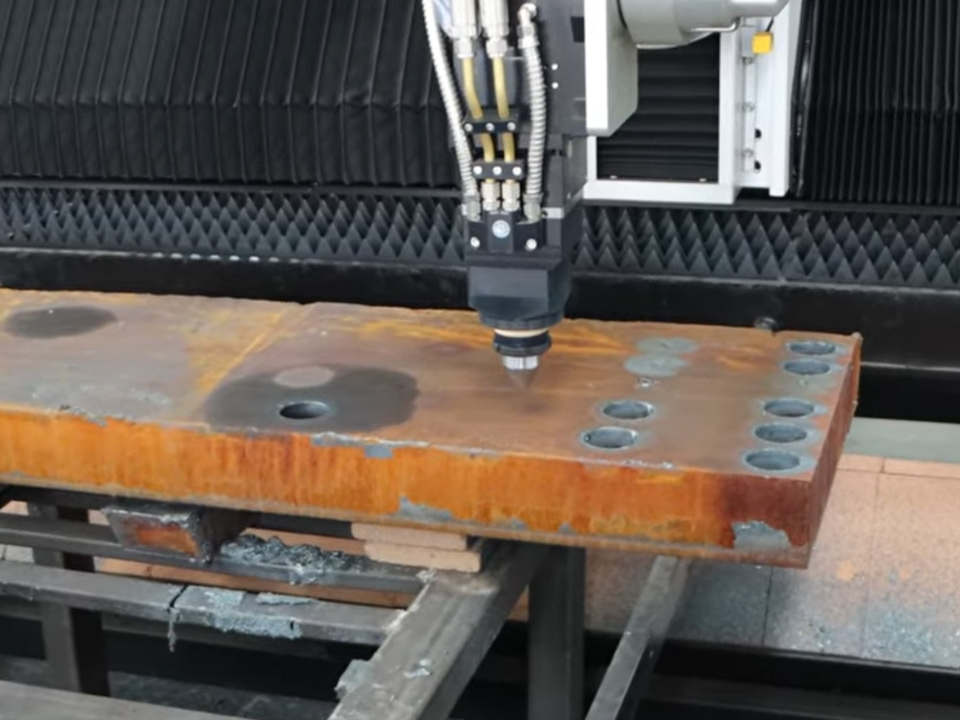
Mon point de vue, peu partagé, sur les champs de ventilation
Ce n'est pas parce qu'on est plus grand qu'on est plus intelligent.
J’ai vu d’immenses zones de perforation décoratives qui semblaient fantastiques sur les rendus, mais qui, une fois réalisées, donnaient lieu à des panneaux fragiles, à des bruits d’écoulement d’air, à un comportement étrange du revêtement et à des problèmes supplémentaires liés aux interférences électromagnétiques et à la manipulation. Ce qui compte, ce n’est pas la surface ouverte maximale sur le papier. Ce qui compte, c’est un écoulement d’air contrôlé, avec une intégrité du panneau suffisante pour résister à la fabrication et à l’entretien.
C’est pourquoi les boutiques qui tiennent compte des processus sont importantes. Même une page comme savoir-faire en matière de gravure et de découpe au laser du métal On peut tout de même souligner ici certains aspects utiles : la qualité des finitions, le comportement au niveau des arêtes, la précision du marquage, et ce qui se passe lorsque les détails fins cessent d’être purement décoratifs pour commencer à influencer le fonctionnement.
Les serveurs d'IA ont bouleversé le débat sur les châssis, que les gens veuillent bien l'admettre ou non
Regardez les signaux de volume.
En janvier 2024, Reuters a rapporté que les prévisions de Supermicro reflétaient une croissance séquentielle du modèle 71%, les analystes attribuant cette hausse à la demande en serveurs dédiés à l’IA générative. En mai 2024, Reuters a indiqué que Foxconn restait confiant quant au fait que la forte demande en serveurs d’IA stimulerait son chiffre d’affaires cette année-là. Et en septembre 2024, Reuters a indiqué que Lenovo prévoyait une production annuelle en Inde de 50 000 serveurs rack IA et de 2 400 serveurs GPU. Si l'on met ces trois informations bout à bout, le message est assez clair : le matériel serveur évolue plus rapidement, se régionalise plus vite et se développe à une échelle plus importante.
Alors, qu'advient-il de la conception du châssis sous ce genre de pression ?
Ce n’est plus seulement un problème de révision. Il faut désormais une logique globale. Des rails partagés. Des découpes adaptables. Des zones de marquage claires. Des chaînes de tolérance contrôlées. Un accès à la maintenance qui fonctionne encore lorsque la gamme de produits évolue six mois plus tard. Si vous concevez chaque nouvelle carte autour d’un boîtier unique, vous intégrez d’emblée des difficultés futures dans votre modèle économique.
C'est justement ce que beaucoup d'équipes ne veulent pas entendre.
Concevez-le en famille, pas comme une aventure d'un soir
Oui, je l'ai dit.
Des supports standardisés dans la mesure du possible. Des éléments de rail qui ne nécessitent pas d’être repensés à chaque référence. Des emplacements de raccordement conçus pour s’adapter, plutôt que pour des modifications de dernière minute. Un véritable espace libre pour les coudes de câbles. Des zones dédiées à la sérialisation, aux marquages de conformité et aux étiquettes de maintenance. Et si vous avez affaire à des sous-ensembles revêtus ou composés de matériaux mixtes, une approche rigoureuse Marquage UV pour les éléments de petite taille et de haute précision, ainsi que pour les codes commence à paraître plus logique qu’on ne le pense.
Car dès que le programme prend de l'ampleur, les petits détails ne sont plus si insignifiants.
La liste de contrôle de conception à laquelle je fais davantage confiance qu'à un rendu sur papier glacé
Je le laisse tel quel.
C'est-à-dire d'un point de vue pratique. Autrement dit, je m'intéresse davantage à la première version pilote qu'à la plus belle capture d'écran de la présentation.
Ce que je voudrais voir figurer dans le cahier des charges avant l'appel d'offres
- Contours définitifs du circuit imprimé et zones d'exclusion des connecteurs
- Données réelles concernant les ventilateurs et les blocs d'alimentation
- Hypothèses relatives à la structure des couches de revêtement
- Exigences relatives aux circuits de mise à la terre
- Planéité et zones esthétiques
- Cotes de référence essentielles pour les E/S arrière, les rails et les points de fixation
- Logique de référence pour les pièces communes et les pièces uniques
Ce que je demanderais au fournisseur avant de me fier à son devis
- Comment sont contrôlées les pièces moulées, et pas seulement les pièces plates ?
- Quelle est la capacité réelle de perçage à courbure ?
- Quelle norme relative aux bavures et aux arêtes est appliquée ?
- Comment gère-t-on l'accumulation de revêtement dans les zones où l'ajustement est crucial ?
- Le dossier du premier article comprendra-t-il des photos des pièces correspondantes ?
- Que se passe-t-il après la phase pilote si l'équipe de montage identifie des points sensibles ?
Ce que je ne laisserais jamais dans le flou
- Épaisseur décimale
- Tolérances fonctionnelles
- Références de données
- Terminer les légendes
- Méthode d'insertion du matériel
- Zones de marquage et de traçabilité
Si un magasin reste vague sur ces points, peu m'importe que le prix unitaire soit très attractif. Les devis bon marché ont déjà causé la perte de nombreux programmes de qualité.
FAQ
Qu'est-ce qu'une pièce de châssis de serveur découpée au laser ?
Les pièces de châssis de serveur découpées au laser sont des composants en tôle de précision utilisés pour constituer la structure porteuse et fonctionnelle d’un boîtier de serveur. Elles comprennent notamment les plateaux, les supports, les couvercles, les parois de ventilation, les cages de disques, les supports de bloc d’alimentation et les panneaux d’E/S arrière, tous conçus pour garantir un ajustement parfait, une circulation d’air optimale, une mise à la terre adéquate, une maintenance aisée et un assemblage reproductible. En termes concrets d’usine, ce sont ces pièces qui déterminent si un serveur s’assemble sans problème ou s’il devient un véritable cauchemar en termes de retouches. Le laser a certes son importance, mais le résultat final dépend de l’épaisseur du matériau, du contrôle du pliage, de la composition des revêtements et du respect des repères de référence.
Comment les ingénieurs doivent-ils définir les tolérances des pièces des châssis de serveurs ?
Une stratégie de tolérance pour les pièces de châssis de serveur doit distinguer les cotes esthétiques des caractéristiques d'assemblage critiques pour le fonctionnement, définir des repères clairs, préciser l'épaisseur du matériau au centième près et tenir compte des effets de pliage et de revêtement, au lieu de considérer l'ébauche plate comme le produit fini. Je partirais de ce qui doit s’emboîter parfaitement — zones d’E/S arrière, interfaces de rails, supports de cartes, éléments de verrouillage, parois de ventilateurs — plutôt que de m’appuyer sur des habitudes de conception génériques. Si chaque élément se voit attribuer la même note de tolérance, le dessin aura l’air soigné, mais le produit ne fonctionnera pas correctement. C’est pour cette raison que les recommandations bilatérales du NIST concernant les surépaisseurs méritent toujours d’être consultées.
Quel est le meilleur matériau pour les pièces de châssis de serveur découpées au laser ?
Pour la production en série de serveurs grand public, le meilleur matériau pour les pièces de châssis découpées au laser est généralement l’acier laminé à froid, car il offre un meilleur équilibre entre rigidité, stabilité de formage, coût, comportement électromagnétique et compatibilité de finition que la plupart des alternatives dans le cadre d’une production en volume. Mais il n’y a pas de réponse miracle. L’aluminium peut s’avérer judicieux lorsque le poids ou la corrosion font pencher la balance. L’inox convient dans des cas plus restreints, même si je pense qu’il est souvent choisi à la légère. Le choix du matériau doit découler des objectifs structurels, de la stratégie de mise à la terre, des exigences de finition et des conditions d’utilisation — et non d’une simple habitude.
Votre prochaine étape
Voici ce que je te conseille.
Prenez votre dossier de dessin actuel et classez chaque cote dans l’une des trois catégories suivantes : essentielle au fonctionnement, utile à l’assemblage ou purement esthétique. Faites-le en collaboration avec votre ingénieur en mécanique, votre responsable de la fabrication et une personne ayant déjà travaillé sur la ligne pilote. Si cette réunion tourne au chaos, tant mieux. C’est normal.
Parce que ce bazar, c'est bien réel.
Ensuite, associez chaque caractéristique critique à une méthode d’inspection et à une condition d’assemblage. Pas de la théorie. Pas un simple “ ça devrait aller ”. Mais bien la logique d’assemblage concrète. Et si vous créez un ensemble de contenus autour de ce sujet, je vous conseille de relier naturellement cet article à Identification et numérotation séquentielle des composants du serveur, préparation de la surface avant la finition ou le collageet Comportement du laser de précision sur les éléments métalliques.
Car c'est là que réside la véritable fracture dans ce secteur.
Ce n’est pas celui qui parle le mieux. C’est celui qui livre du métal de qualité — en grande quantité — sans transformer chaque essai pilote en mission de sauvetage.


Hot Click
Nous contacter
Application
©Copyright [bogonglaser.com]. BOGONG Laser Machine Supplier Tous droits réservés.