
Application de la machine de nettoyage au laser
Application de la machine de nettoyage au laser
BOGONG LASER fournit des machines de nettoyage laser de pointe conçues pour éliminer efficacement et précisément les contaminants, la rouille, la peinture et les oxydes de diverses surfaces sans endommager le matériau de base. Avec plus de 14 ans d'expérience et des partenariats mondiaux, nous offrons des solutions de nettoyage laser personnalisées pour des industries telles que l'automobile, l'aérospatiale, l'électronique, la construction navale, la fabrication de moules et la conservation du patrimoine.
Depuis 2009, nos machines de nettoyage au laser ont été exportées dans plus de 180 pays, au service de plus de 9 000 clients. Nos équipements sont certifiés CE, FDA, ISO9001 et SGS, ce qui garantit une qualité et une sécurité optimales. La technologie de nettoyage de Bogong Laser permet un nettoyage écologique, sans contact, sans produits chimiques et avec un minimum de déchets, ce qui aide les industries à améliorer leur efficacité et la qualité de la préparation des surfaces.
Depuis 2009, nos machines de nettoyage au laser ont été exportées dans plus de 180 pays, au service de plus de 9 000 clients. Nos équipements sont certifiés CE, FDA, ISO9001 et SGS, ce qui garantit une qualité et une sécurité optimales. La technologie de nettoyage de Bogong Laser permet un nettoyage écologique, sans contact, sans produits chimiques et avec un minimum de déchets, ce qui aide les industries à améliorer leur efficacité et la qualité de la préparation des surfaces.
Aperçu des catégories d'application des machines de nettoyage laser
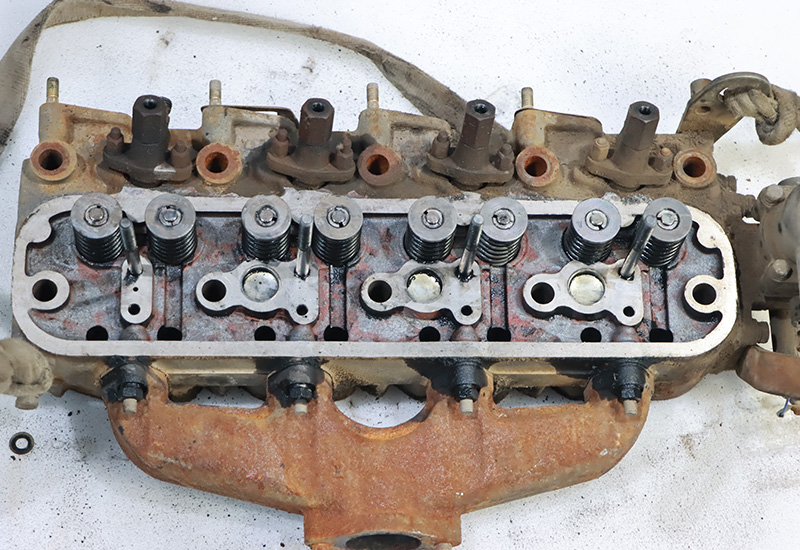
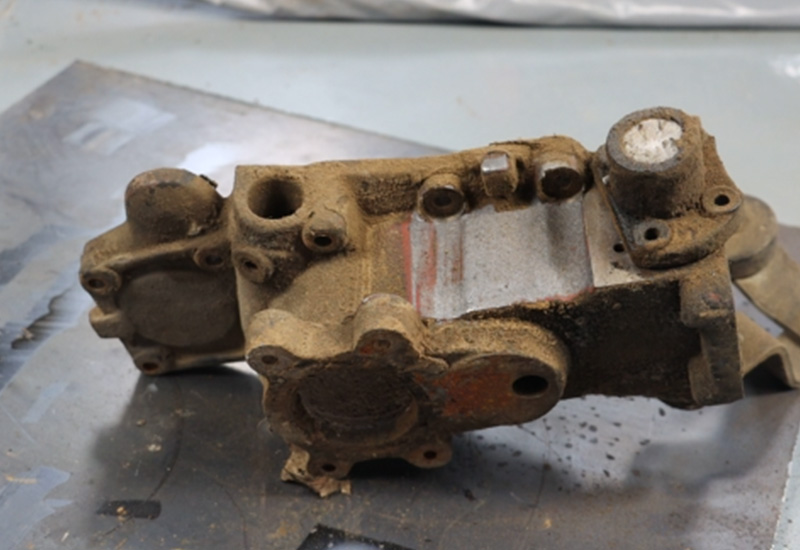
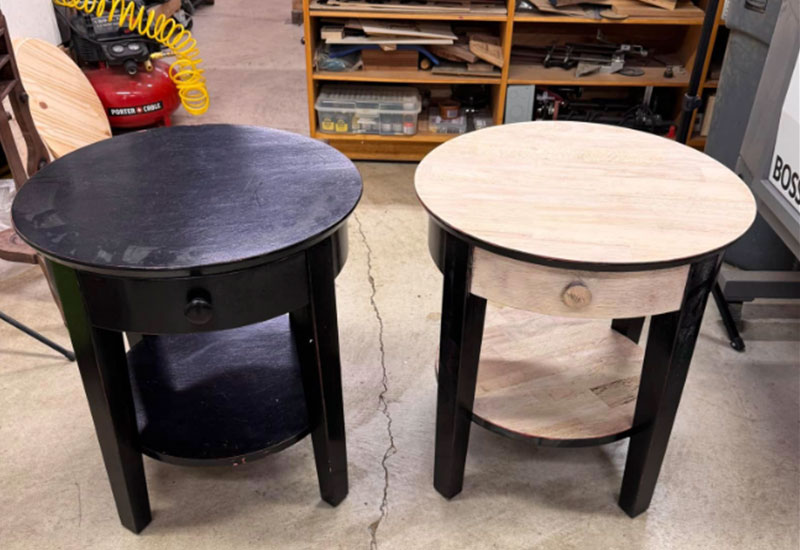
La technologie de nettoyage au laser offre une alternative polyvalente et écologique aux méthodes de nettoyage traditionnelles. Nos machines de nettoyage laser nettoient efficacement les métaux, les plastiques, les céramiques, le verre et la pierre, ce qui les rend idéales pour le dérouillage, le décapage de peinture, l'élimination des huiles et des graisses et la préparation des surfaces dans des secteurs tels que la fabrication, la restauration et l'entretien.


Machine de nettoyage laser Recommandation de produits
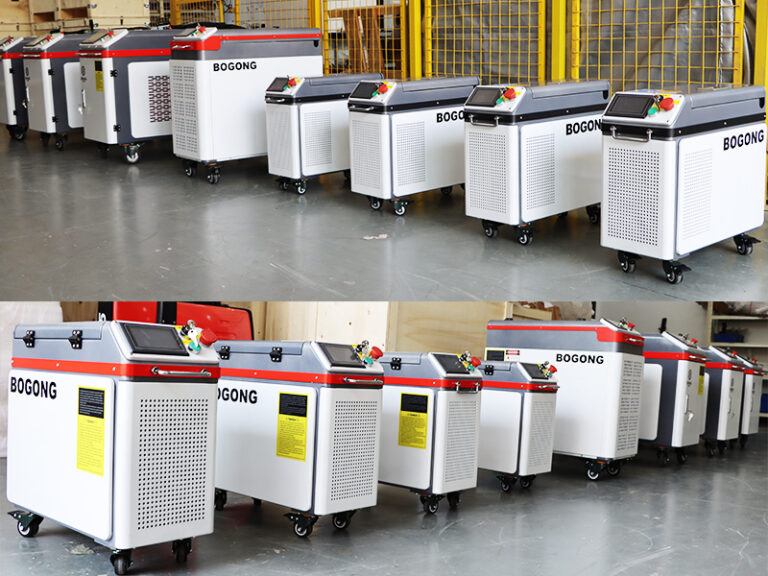
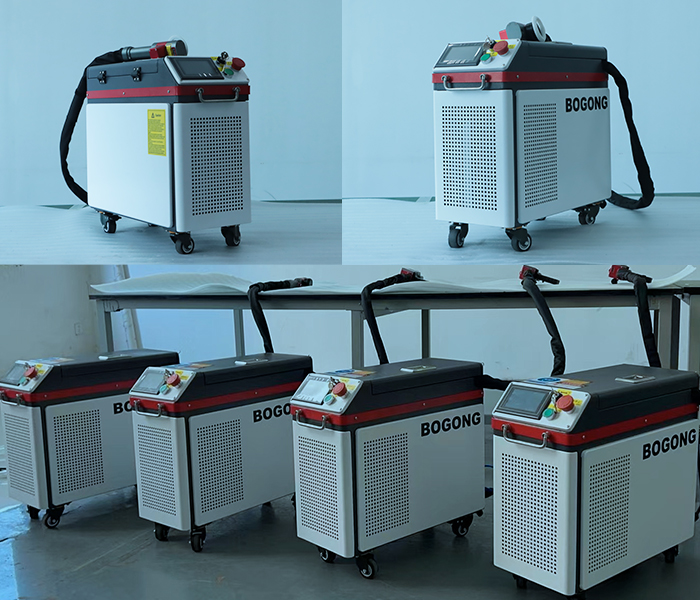
Bogong Laser propose différentes machines de nettoyage laser adaptées à vos besoins spécifiques :
Machines de nettoyage par laser pulsé : Impulsions à haute énergie pour les travaux de nettoyage intensifs tels que l'élimination de la rouille et de la peinture.
Machines de nettoyage au laser à ondes continues (CW) : Idéal pour le nettoyage des surfaces délicates et l'élimination des résidus fins.
Tous les modèles offrent un contrôle précis, de faibles coûts d'exploitation et un nettoyage respectueux de l'environnement sans déchets secondaires.
Machines de nettoyage par laser pulsé : Impulsions à haute énergie pour les travaux de nettoyage intensifs tels que l'élimination de la rouille et de la peinture.
Machines de nettoyage au laser à ondes continues (CW) : Idéal pour le nettoyage des surfaces délicates et l'élimination des résidus fins.
Tous les modèles offrent un contrôle précis, de faibles coûts d'exploitation et un nettoyage respectueux de l'environnement sans déchets secondaires.

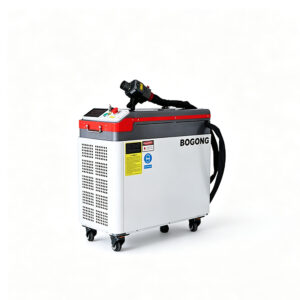
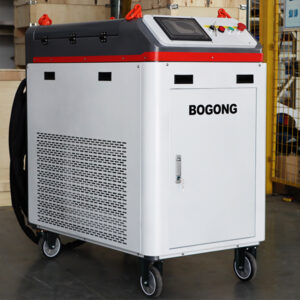
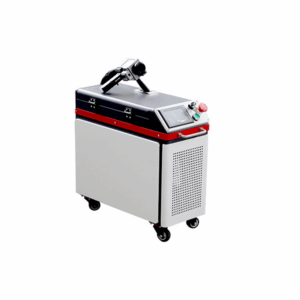
Machine de nettoyage par laser à impulsion avec Raycus Max JPT Laser

Machine de nettoyage au laser à impulsions 500W

2000W Pulsed Laser Cleaning Machine

Machine de nettoyage par laser à impulsion 1000W

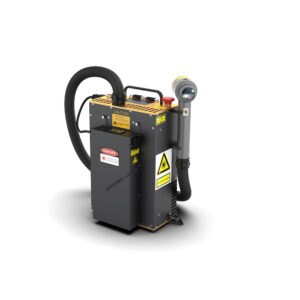
Machine de nettoyage au laser à porter sur le dos

Meilleure machine de nettoyage au laser à impulsions 200W
Machine de nettoyage par laser à impulsion 300W

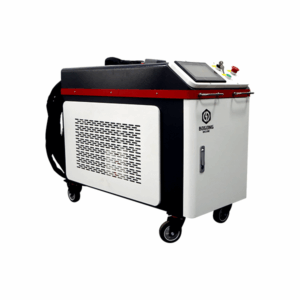
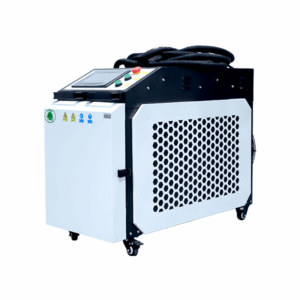
Machine de nettoyage laser CW

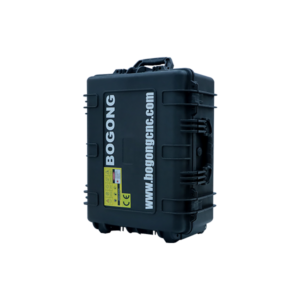
Machine de nettoyage laser de type valise à roulettes
Machine de nettoyage par laser pulsé de 500 W – Refroidissement par eau

FAQ sur les machines de nettoyage au laser
Contactez-nous pour vous aider à choisir la machine de nettoyage laser qui vous convient :
Pour plus d'informations ou pour demander un devis pour nos machines de nettoyage au laser, veuillez contacter.
BOGONG LASER® Blog - Informations sur les applications et l'industrie des machines de nettoyage au laser
Découvrez les applications innovantes, les meilleures pratiques et les conseils de maintenance pour maximiser l'efficacité de votre équipement de nettoyage laser.
Quels sont les principaux types de machines de nettoyage au laser et à quoi servent-elles ?
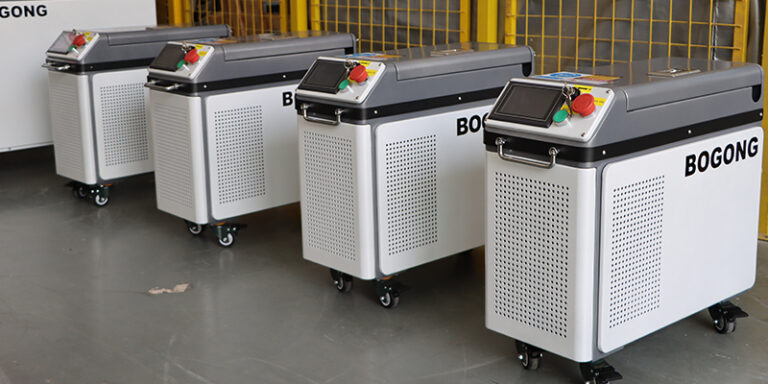
Découvrez les principaux types de machines de nettoyage au laser et leurs applications. Découvrez comment ces outils innovants permettent d'éliminer la rouille, les revêtements et divers contaminants dans les environnements industriels, tout en optimisant l'efficacité et la précision.
Élimination de la rouille au laser : guide des coûts pour 2026, principe de fonctionnement et types de machines
Découvrez le coût du décapage de la rouille au laser, une méthode précise et respectueuse de l'environnement pour le décapage industriel de la rouille. Découvrez les facteurs qui influencent les tarifs et les différents types de machines.
Avantages des machines de nettoyage au laser : précision et solutions respectueuses de l'environnement
Découvrez les avantages de l'utilisation d'une machine de nettoyage au laser pour une préparation de surface écologique, précise et non destructive. Découvrez le décapage de la rouille au laser et trouvez les meilleurs fabricants de machines de nettoyage au laser à fibre optique en Chine.
Les meilleurs fournisseurs de machines de nettoyage au laser portables en Chine
Comparaison des technologies : ondes pulsées ou ondes continues — Entretien à long terme et considérations relatives à l’importation — Entretien à long terme et considérations relatives à l’importation
Découpe laser pour la fabrication en grande série de baies de centres de données
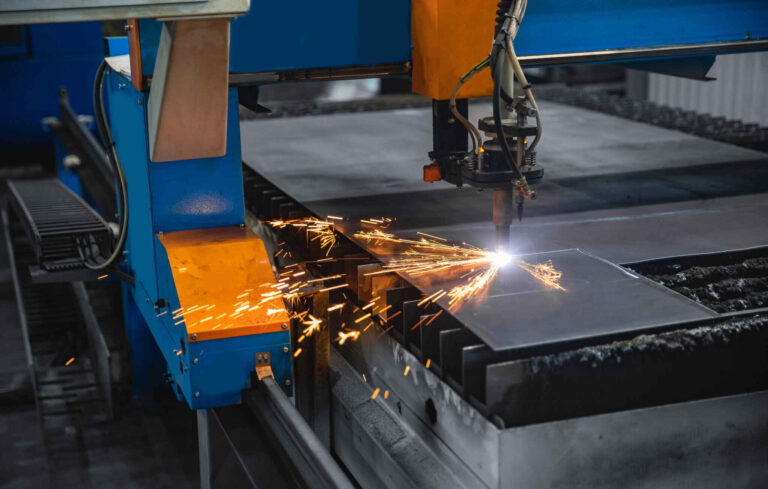
La demande en IA exige une construction plus rapide des centres d'information, mais la chaîne d'approvisionnement des étagères ne travaille toujours pas sur le travail fondamental du métal : ouvertures, coudes, distorsion des soudures, couches et répétabilité. Cet article explique pourquoi la réduction laser est actuellement au cœur de la fabrication des étagères des centres de données.
Machines de découpe laser CO2 pour panneaux décoratifs en bois
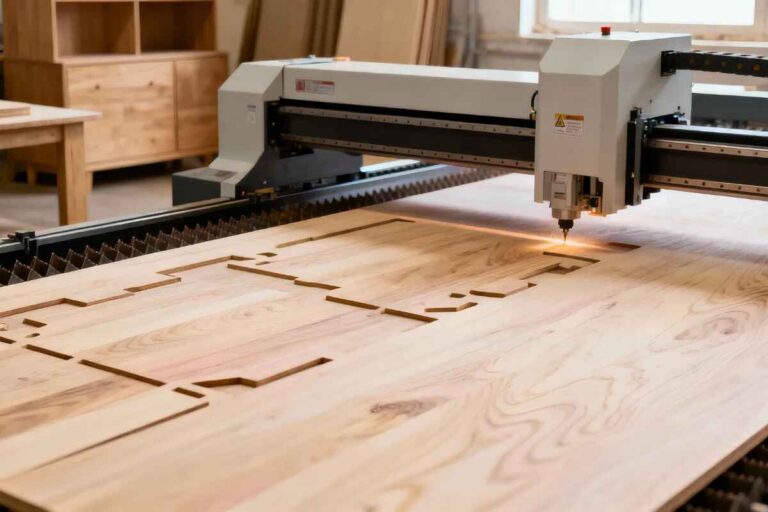
Les panneaux décoratifs en bois paraissent faciles à réaliser lorsqu'ils quittent la machine propres, reproductibles et vendables. Ce n'est pas le cas. Cet article explique comment une machine de découpe laser CO2 se comporte réellement sur le contreplaqué, le MDF, le placage, le bois dur et les panneaux acoustiques, en tenant compte de la sécurité, de la conformité et de l'économie de production comme faisant partie intégrante de la découpe, et non comme une réflexion a posteriori.

Hot Click
Nous contacter
Application
©Copyright [bogonglaser.com]. BOGONG Laser Machine Supplier Tous droits réservés.