
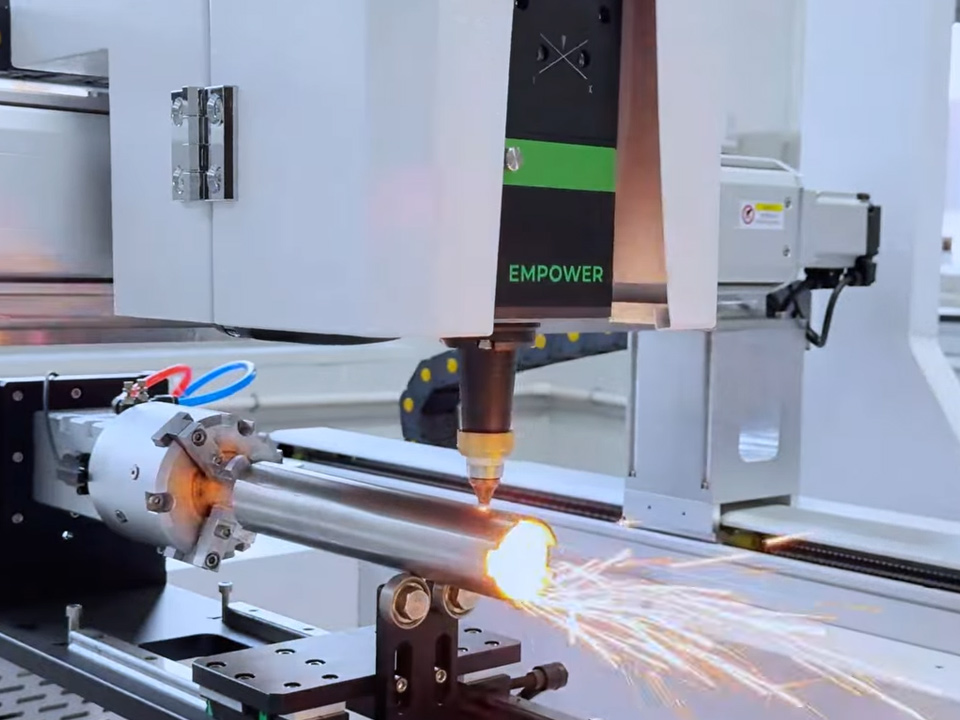
Coste operativo real de una máquina de corte por láser de fibra por hora
Explicación del coste operativo por hora de una máquina de corte por láser de fibra, con cifras reales relativas a la electricidad, el gas, la mano de obra, los consumibles y el mantenimiento.

He asistido a suficientes presentaciones de máquinas como para saberme el guion de memoria: muestran unas cifras de consumo eléctrico muy atractivas, quizá añaden alguna afirmación sobre el “bajo mantenimiento” y, de repente, el comprador empieza a imaginarse un coste por hora bien redondeado que parece casi inofensivo, aunque el gasto real en la planta de producción sea más caótico, más ruidoso, y mucho más cara una vez que el nitrógeno, las boquillas, las cubiertas de las lentes, la resistencia del operador, los desechos, el tiempo de inactividad del husillo —sí, los del láser siguen tomando prestada esa expresión del mundo del CNC— y el aumento progresivo de los costes de mantenimiento empiezan a aparecer en el libro de cuentas. Así es como funciona.
Tres números mienten.
La primera mentira es “solo cuesta la electricidad”. La segunda es “la potencia nominal equivale al gasto real”. La tercera es mi favorita: “nuestra máquina solo cuesta unos pocos dólares por hora de funcionamiento”. Claro. Quizá en un taller de fantasía con gasolina gratis, mano de obra gratis, nidos perfectos y un operario que nunca estornuda.
Esta es la cruda realidad: cuando la gente busca coste de funcionamiento por hora de una máquina de corte por láser de fibra, la mayoría de ellos solo buscan una cifra. Lo entiendo. Todo el mundo quiere el atajo. Pero, según mi experiencia, ese atajo es precisamente lo que lleva a tomar malas decisiones en cuanto al retorno de la inversión, sobre todo en el caso de los propietarios que compran su primera máquina o de los distribuidores que intentan comparar una plataforma de 3 kW con una configuración de 6 kW o 12 kW sin preguntarse qué ocurre realmente tras la instalación.
Y ahí está la trampa.
Dado que el coste real de funcionamiento de una cortadora láser de fibra No es una sola cifra. Es un conjunto de factores. La electricidad, sí. Pero también el gas auxiliar, la mano de obra, los consumibles, el mantenimiento rutinario, los gastos financieros, el tiempo perdido durante la configuración, los reintentos por cortes defectuosos, las ópticas sucias, la carga de extracción, la carga del enfriador y esos pequeños contratiempos del proceso que no parecen dramáticos en un vídeo de demostración, pero que se comen por completo el margen a lo largo de un mes.
¿Quieres que te lo diga sin rodeos?
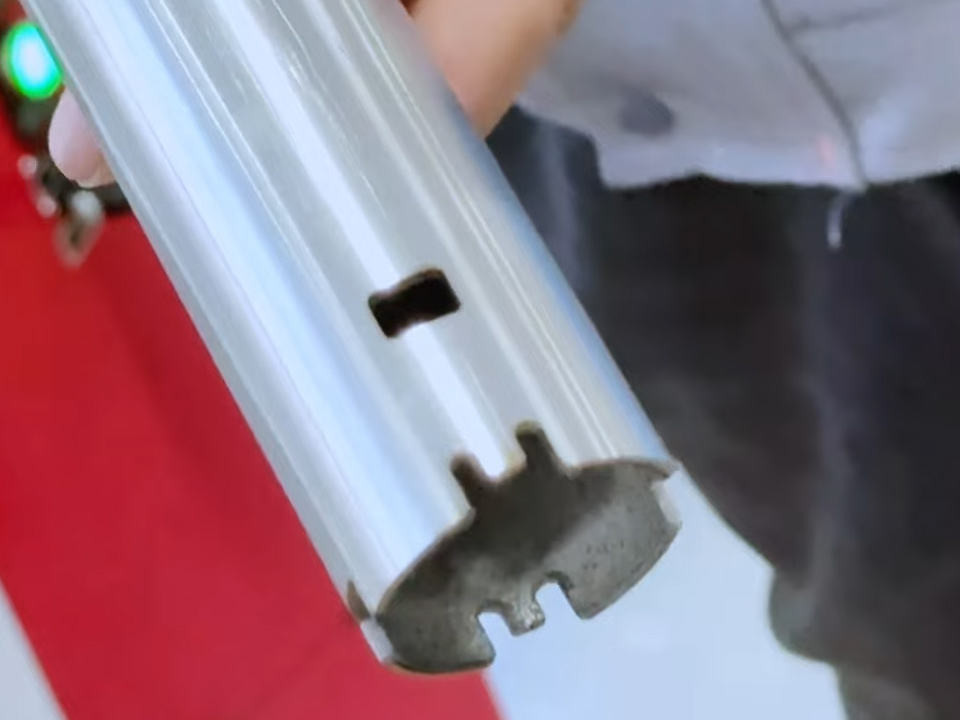
Si alguien te da un precio por hora y no menciona el combustible, o bien está simplificando las cosas por motivos de marketing, o bien te está ocultando algo.
A los defensores de la energía «pura» les encanta parecer científicos. Señalan las tarifas eléctricas industriales y dicen: «Mirad, la máquina no cuesta nada». Y no están del todo equivocados, que es precisamente lo que hace que esa verdad a medias resulte peligrosa. El precio medio de la electricidad industrial para 2024, según la EIA de EE. UU., era de 8,13 céntimos por kWh, lo que significa que el coste puro de la energía puede parecer engañosamente bajo sobre el papel, especialmente para los sistemas de potencia pequeña y media. Sin embargo, los precios de la electricidad industrial varían según la región, y la presión energética sigue siendo un tema candente a nivel mundial: la AIE señala que la demanda de electricidad industrial de la UE se mantuvo débil tras la crisis energética, y Reuters informa de que los elevados costes energéticos industriales siguieron afectando a las decisiones de inversión en el sector manufacturero en Europa.
Esa parte es importante. ¿Pero solo esa parte? Ni mucho menos.
Sinceramente, creo que la electricidad es la partida que parece más limpia y, al mismo tiempo, la menos honesta cuando se aísla del resto de la célula de la máquina. Un láser de fibra no es solo la fuente. Es la fuente más el enfriador, el extractor, los controles, los accionamientos, el sistema de gas, el tiempo del operario y el hecho de que no todas las horas pagadas son horas de haz activo. Los talleres se olvidan de eso. O fingen olvidarlo.
Así que cuando alguien me pregunta:, ¿Cuánto cuesta el funcionamiento de una máquina de corte por láser de fibra?, suelo responder con otra pregunta: ¿qué estás cortando, con qué gas, a qué grosor, con qué estructura operativa y cuántas horas realmente productivas consigues cada semana?
Se hace el silencio.
Ese silencio es útil.
Porque una unidad compacta y una máquina de producción a gran escala no se mueven en el mismo ámbito de costes. Un taller que utilice una pequeña máquina de corte por láser de fibra En el caso de trabajos más ligeros, tiradas cortas o piezas más pequeñas, no se alcanzará la misma carga horaria que en un taller que utilice un máquina de corte de metales por láser de fibra de alta potencia es más complicado con materiales más gruesos, que requieren un mayor consumo de gas y con unos gastos generales más elevados. Parece obvio, ¿verdad? Sin embargo, los compradores siguen comparándolos como si estuvieran eligiendo entre dos modelos de ordenador portátil.
No lo son.
Están eligiendo entre diferentes estructuras de costes.
Y si aún te encuentras en la fase inicial de comparación, una visión más amplia de la máquina de corte por láser de fibra Esta categoría resulta útil porque la potencia de la fuente, por sí sola, no dice mucho sobre el coste real por hora. Al menos, no lo suficiente.
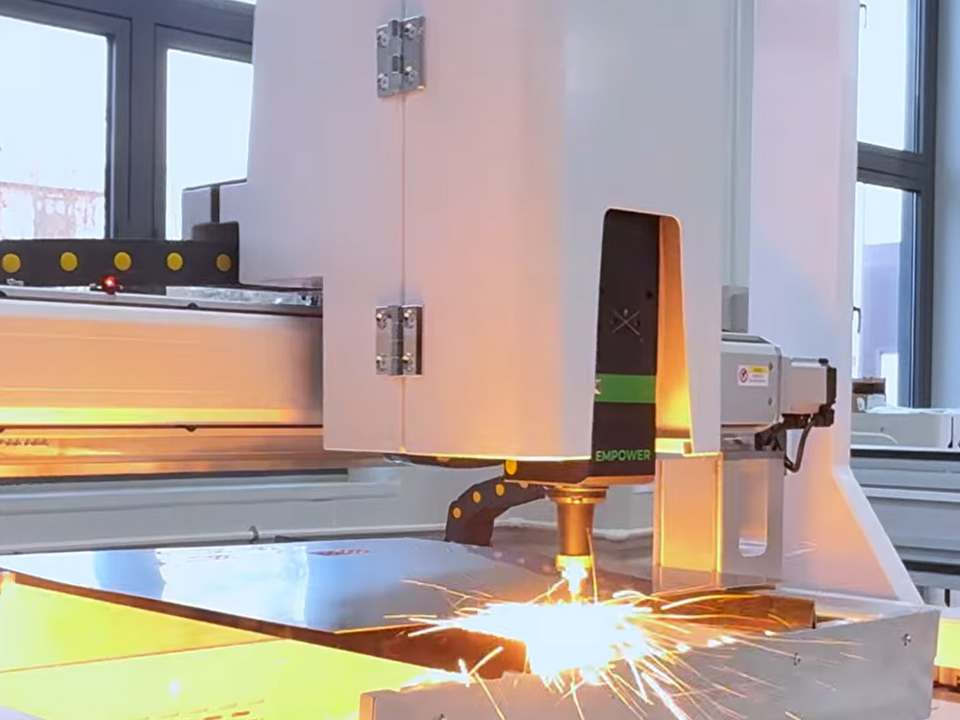
Ahora hablemos de la partida que más se suele descuidar: la gasolina.
La gente se obsesiona con los vatios. Entiendo por qué. Los vatios quedan muy bien en una ficha comercial. La gasolina, no. La gasolina es ese gasto aburrido que echa por tierra tu disciplina a la hora de hacer presupuestos cuando lo ignoras. Y en muchos trabajos de corte del mundo real —especialmente con acero inoxidable, aluminio, trabajos con bordes brillantes o requisitos de bordes más limpios—, el nitrógeno es donde se produce la sangría silenciosa. Lenta, cara e implacable.
Eso no es un drama. Es la facturación.
El aire comprimido también es objeto de un uso indebido en estas conversaciones. A menudo se trata como si fuera “aire gratuito del taller”, lo cual resulta casi cómico si alguna vez has tenido que pagar por compresores, secadores, filtros, fugas, pérdidas de presión y mantenimiento. El Departamento de Energía de EE. UU. lleva mucho tiempo advirtiendo de que el aire comprimido es uno de los servicios más caros de una planta, y que una baja eficiencia del sistema puede tener consecuencias devastadoras. Estimaciones más recientes del sector también muestran que el coste real del aire comprimido suele superar el coste eléctrico directo de generarlo, una vez que se incluyen las pérdidas por secado, filtración, mantenimiento y distribución.
Ahí no hay nada gratis.
¿Y el nitrógeno? Eso puede complicarse rápidamente. No porque el nitrógeno sea “malo”, sino porque la gente no lo tiene debidamente en cuenta en sus modelos. Alta pureza, alta presión, tiempos de corte prolongados, secciones más gruesas, un ajuste descuidado del proceso, elección de boquillas demasiado grandes… Si se suman todos estos factores, de repente tu cuidada estimación del coste por hora parece haber sido elaborada por alguien que nunca ha tenido que firmar un contrato de suministro de gas.
Esta es la estructura en la que realmente confío cuando pienso en Cálculo del coste de una cortadora láser de fibra. No porque sea bonito, sino porque resiste el contacto con la realidad.
| Componente de coste | Rango salarial por hora habitual | ¿Qué es lo que más cambia? |
|---|---|---|
| Electricidad | $1,50–$8,00 | Potencia de la máquina, ciclo de trabajo, tarifa local por kWh, carga de refrigeración/extracción |
| Gas assist | $2,00–$35,00+ | Nitrógeno frente a oxígeno frente a aire comprimido, presión, espesor, tamaño de la boquilla |
| Mano de obra de los operarios | $6,00–$25,00 | Región, nivel de habilidad, si un operador gestiona varias células |
| Consumibles | $0,50–$5,00 | Boquillas, piezas de cerámica, lentes protectoras, filtros |
| Mantenimiento periódico | $1,00–$6,00 | Calendario de mantenimiento preventivo, contaminación, acceso al servicio |
| Amortización / finanzas | $4,00–$30,00+ | Precio de la máquina, grado de utilización, condiciones de arrendamiento, vida útil prevista |
| Tiempo de inactividad / reserva para material de desecho | $1,00–$10,00 | Calidad del anidamiento, formación, combinación de materiales, control de procesos |
Esa mesa es donde empieza la conversación de adultos.
No se acaba aquí.
Porque dos talleres pueden tener máquinas similares y, aun así, presentar diferencias enormes en cuanto a coste de funcionamiento por hora de una máquina láser de fibra dependiendo de cómo gestionen la planta. Un taller cuenta con un buen anidamiento, una configuración disciplinada, un suministro de gas limpio, operarios estables, una planificación sensata y un rendimiento suficiente para mantener bajo control el tiempo no dedicado al corte. Otro taller tiene una producción intermitente, cambios caóticos entre trabajos, una higiene deficiente de las lentes y un propietario que sigue pensando que el tiempo de inactividad “no cuenta” porque no se está cortando. Ese segundo taller jurará que la máquina es cara. El primer taller jurará que es una máquina de hacer dinero. La misma tecnología. Un comportamiento diferente.
Esa es la parte que se pierden los de fuera.
Aquí tienes un modelo de trabajo más concreto. Una vez más: no son cálculos de folleto, sino cálculos de taller.
| Escenario | Electricidad | Gas | Trabajo | Consumibles + Mantenimiento | Amortización/Finanzas | Coste real estimado por hora |
|---|---|---|---|---|---|---|
| Acero al carbono de espesor reducido con asistencia neumática | $2.50 | $2.00 | $10.00 | $2.00 | $8.00 | $ 24,50/hora |
| Corte con oxígeno en acero al carbono de mayor espesor | $3.50 | $4.50 | $10.00 | $2.50 | $8.00 | $ 28,50/hora |
| Corte con nitrógeno de acero inoxidable y aluminio | $4.00 | $18.00 | $10.00 | $3.00 | $8.00 | $43,00/hora |
| Instalación de alta potencia para producción a gran escala | $6.00 | $25.00 | $14.00 | $4.00 | $18.00 | $67,00/hora |
¿Cambian esas cifras? Por supuesto que sí.
Pero la forma es la correcta. Eso es lo que importa. Hay electricidad, sí. Pero en cuanto entra en escena el nitrógeno —o en cuanto los costes financieros y de mano de obra se hacen realidad—, el coste total se dispara rápidamente. Por eso pongo un poco los ojos en blanco cuando alguien dice que un láser de producción “solo cuesta unos pocos dólares la hora”. Quizá el haz sí. El negocio, no.
Permíteme ser más concreto sobre coste eléctrico por hora de una máquina de corte por láser de fibra, porque esa frase se busca mucho y, con toda la razón, merece una respuesta clara. Según la tarifa media industrial de EE. UU. para 2024, de 8,13 céntimos por kWh, un sistema que consuma efectivamente 25 kWh entre la fuente láser, el enfriador, los controles y los equipos auxiliares supone cerca de $2,03 por hora; a 60 kWh, el consumo es de aproximadamente $4,88 por hora; a 100 kWh, de aproximadamente $8,13 por hora. Por eso la electricidad puede parecer una opción asequible en comparación con el gas y la mano de obra cualificada, aunque sigue siendo una variable de planificación importante en instalaciones de mayor potencia o en mercados con tarifas más elevadas.
Es bastante sencillo.
Pero aquí es donde los compradores se desvían del camino: confunden la potencia conectada con el consumo real, luego confunden el consumo real con el coste de producción real, y a continuación presupuestan los trabajos utilizando esa cifra distorsionada, como si la máquina nunca se detuviera, nunca realizara perforaciones defectuosas, nunca necesitara cambiar de lente, nunca tuviera que esperar a una carretilla elevadora y nunca perdiera tiempo en la gestión de los restos de material.
Eso no es un cálculo de costes. Es una estimación basada en ilusiones.
La utilización lo cambia todo. Imagina que tienes una máquina financiada con una cuota mensual asequible, pero que solo acumula 1.200 horas realmente productivas al año porque tus encargos son irregulares, las puestas a punto se alargan y tu equipo de ventas no deja de aceptar trabajos puntuales de bajo margen. Tu coste por hora te parecerá elevado, porque lo es. ¿La misma máquina con 4.000 horas productivas? Es algo totalmente distinto. El mismo metal. La misma fuente de haz. Cálculos diferentes.
Por eso sigo volviendo a Fit.
A muchos compradores les vendría mejor una máquina más pequeña y precisa con la que puedan mantenerse ocupados, en lugar de una mesa gigante que apenas pueden aprovechar. Si tu flujo de trabajo se centra en piezas metálicas compactas, componentes de joyería o series pequeñas de precisión, entonces algo como la cortadora láser de fibra más pequeña para latón, oro y plata puede ajustarse mejor a la realidad que un bastidor de producción de grandes dimensiones adquirido principalmente por una cuestión de ego. Y si tu taller alterna entre perfiles, trabajos con tubos y chapistería, un Máquina «todo en uno» de corte por láser para tubos y chapas metálicas puede influir en la rentabilidad de la gestión de formas que una simple comparación de potencia en vatios nunca revela.
Un flujo de trabajo diferente. Problemas diferentes.
Otra cosa que creo que el sector no destaca lo suficiente: los láseres rara vez se vuelven “caros” de golpe. Normalmente, la pérdida de margen empieza de forma imperceptible. Una lente protectora sucia por aquí. Un choque de boquilla por allá. La calidad del perforado se vuelve un poco menos tolerante. Los operarios reducen la velocidad de los ajustes para ir sobre seguro. El material de desecho va aumentando poco a poco. Una máquina que, técnicamente, sigue “en funcionamiento”, empieza a costar más cada hora sin que nadie lo admita abiertamente.
Así es como las tiendas se ven sorprendidas por sorpresa.
No por culpa de una catástrofe. Por la deriva.
Y la deriva es engañosa porque se esconde tras la normalidad. La máquina sigue encendiéndose. Las piezas siguen saliendo de la bancada. Pero la consistencia de la calidad del corte disminuye, aparecen retocados en lotes aleatorios y el operario empieza a compensarlo con ajustes basados en «conocimientos tradicionales» que nunca llegan a figurar en ninguna hoja de procedimientos estándar. De repente, tu Costes de funcionamiento de una máquina de corte por láser de fibra CNC es superior al que figura en tu hoja de cálculo, pero esta no se ha actualizado desde el mes de la instalación.
Eso es un problema de gestión, no un problema del láser.
Según mi experiencia, los talleres que realmente conocen sus costes no se limitan a “hacer una estimación única”. Realizan un seguimiento mensual. A veces, semanal. Horas de funcionamiento del haz, horas de producción, consumo de gas, vida útil de las boquillas, sustitución de las cubiertas de las lentes, frecuencia de mantenimiento, porcentaje de desechos, rendimiento real del anidamiento y eficiencia de los operarios. Se fijan en los aspectos menos agradables. Por eso sus presupuestos se mantienen firmes ante la presión.
La mayoría de la gente no quiere esa respuesta. Quieren una cifra clara y universal. Lo siento. No existe.
Lo que sí existe es un rango creíble. En operaciones reales, consideraría que un rango de entre aproximadamente $20 y $70+ por hora es un margen de trabajo realista, dependiendo de la potencia de la máquina, la estrategia de gas auxiliar, el coste de mano de obra, la utilización y la estructura financiera. Los pequeños trabajos asistidos por aire pueden situarse por debajo de ese rango. La producción de acero inoxidable con alto contenido de nitrógeno o los sistemas de mayor potencia pueden superarlo con creces. No se trata de alarmismo. Es simplemente lo que ocurre cuando el cálculo incluye los elementos que la gente prefiere no mencionar.
Y sí, la infraestructura es más importante de lo que la gente cree. Un dimensionamiento incorrecto de la extracción, una refrigeración inestable, un control deficiente de la pureza del gas, una disposición descuidada de las celdas, una formación inadecuada de los operarios o una calidad de la alimentación eléctrica deficiente pueden convertir silenciosamente una máquina decente en una máquina cara. La fuente de haz no funciona en el vacío. La celda es importante. El sistema de apoyo es importante. Las personas son importantes.
Siempre ha sido así.
Si todavía estás valorando qué piezas y perfiles de producción son los más adecuados para una inversión en láser, merece la pena echar un vistazo a aplicaciones de la máquina de corte por láser y el más amplio catálogo de productos láser. No porque esas páginas respondan por arte de magia a tu pregunta sobre el coste por hora, sino porque los cálculos económicos de las máquinas solo tienen sentido cuando se relacionan con la composición real de los trabajos, la geometría de las piezas, el rango de espesores y cómo funciona realmente tu planta un martes por la tarde, cuando nadie está en “modo demostración”.”
Esa es la verdadera prueba.
Entonces, ¿cuál es la respuesta sincera a ¿Cuál es el coste de funcionamiento por hora de una máquina de corte por láser de fibra??
Depende. Sé que es una respuesta molesta. Pero la versión sincera es mejor: la mayoría de los talleres reales deberían presupuestar el coste por hora de un «full-stack», no un cuento de hadas basado solo en la potencia, y esa cifra del «full-stack» suele situarse muy por encima de la estimación de consumo eléctrico que aparece en los textos de marketing. Si estás calculando el precio de las piezas, planificando el retorno de la inversión o eligiendo entre distintos formatos de máquinas, esa distinción lo es todo.
Preguntas frecuentes
¿Cuál es el coste operativo real de una máquina de corte por láser de fibra por hora?
El coste operativo real de una máquina de corte por láser de fibra por hora es el gasto total por hora de producción de piezas vendibles, incluida la electricidad, el gas de asistencia, la mano de obra, los consumibles, el mantenimiento, la depreciación o la financiación, y un margen para tiempos de inactividad o desechos, no sólo el consumo de energía de la máquina. En la práctica, muchos talleres se mueven entre $20 y $70+ por hora en función del tamaño de la máquina, la elección del gas, el grosor del material, la estructura del operario y la utilización. Los trabajos más pequeños asistidos por aire pueden ser más bajos. Los trabajos inoxidables con mucho nitrógeno suelen ser mucho más costosos.
¿Cuánto cuesta por hora el corte por láser de fibra sólo con electricidad?
La electricidad por sí sola es el gasto energético directo por hora de la fuente láser, el enfriador, los controles, la extracción y los sistemas de apoyo, calculado a partir del consumo operativo real y las tarifas eléctricas industriales locales en lugar de la potencia nominal por sí sola. En muchos casos, la electricidad parece modesta en comparación con el gas y la mano de obra. Una instalación de potencia media puede gastar sólo unos pocos dólares por hora en electricidad, mientras que los sistemas más grandes o que requieren más trabajo gastan más. Una métrica útil, sí. Métrica completa, no.
¿Por qué el nitrógeno suele ser el mayor coste oculto del corte por láser?
El nitrógeno suele ser el mayor coste oculto, ya que el corte sin óxido puede consumir grandes volúmenes de forma continua, y el gasto por hora en gas aumenta rápidamente con materiales más gruesos, presiones más altas, tiempos de funcionamiento prolongados, boquillas más grandes y una disciplina de proceso deficiente. Los talleres tienden a subestimar el nitrógeno porque se fijan primero en la potencia. Pero una vez que el acero inoxidable o el aluminio se convierten en parte habitual de la mezcla de producción, el coste del gas puede llegar a ser el factor dominante en el modelo por hora. Ahí es donde las estimaciones descuidadas se pagan muy caras.
¿Un láser de fibra de mayor potencia siempre resulta más barato por pieza?
Un láser de fibra de mayor potencia no siempre resulta más barato por pieza, ya que una mayor velocidad de corte no compensa automáticamente el mayor consumo de gas auxiliar, la mayor carga financiera, los riesgos de mantenimiento y el riesgo de infrautilización, especialmente si la variedad de trabajos es escasa, irregular o poco adecuada para la máquina. A veces, la unidad más grande gana sin lugar a dudas en rendimiento. Otras veces se convierte en un gasto excesivo con unas especificaciones excelentes y un retorno de la inversión mediocre en la práctica. El ajuste es más importante que la apariencia.
¿Qué deben tener en cuenta los compradores a la hora de calcular el coste de una cortadora láser de fibra?
Un cálculo adecuado del coste de una cortadora láser de fibra debe incluir la electricidad, el gas auxiliar, la mano de obra del operario, los consumibles, el mantenimiento rutinario, la amortización o el coste del arrendamiento, el tiempo de puesta a punto, los residuos previstos y el impacto financiero de las horas de inactividad o infrautilización. Yo también incluiría el control de la pureza del gas, la sustitución de filtros y una reserva realista para tiempos de inactividad, ya que esos “pequeños” detalles nunca se quedan en «pequeños» por mucho tiempo. Si tu modelo los omite, es probable que el precio unitario que te han presupuestado no sea realista.
Si quieres una máquina que se adapte a tu realidad de producción en lugar de a las cifras de los folletos, empieza por el trabajo que realmente realizas, no por la potencia que suena impresionante en una llamada comercial. Descubre toda la gama de máquinas de corte por láser de fibra o ponte en contacto con nosotros a través de ponte en contacto con nosotros para comparar la plataforma, la estrategia de combustible y la estructura de costes más adecuadas para tu taller.


Hot Click
Contacte con nosotros
Aplicación
©Copyright [bogonglaser.com]. BOGONG Laser Machine Supplier Todos los derechos reservados.