
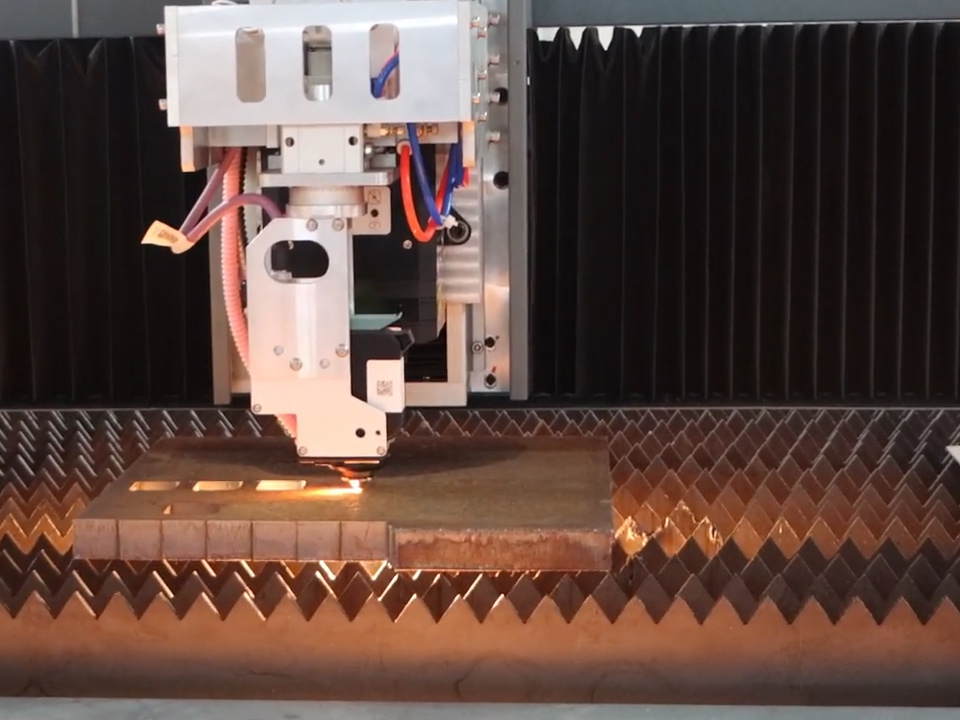
Wie Laserschneidmaschinen in der Sportgeräteherstellung eingesetzt werden
Die meisten Sportgerätehersteller nutzen das Laserschneiden nicht, um sich zu profilieren. Sie setzen es ein, um Toleranzen einzuhalten, Nacharbeiten zu reduzieren, die Fertigstellung von Teilen zu beschleunigen und zu verhindern, dass hässliche Fehler bei der Montage, der Beschichtung oder in der Warteschlange für die Garantie auftauchen. Hier sehen Sie, wo sich das Laserschneiden lohnt, und wo nicht.

Die Fabrikwahrheit, die niemand in die Broschüre schreibt
Das meiste ist aus Metall.
Das ist der Teil, den die Leute außerhalb der Branche übersehen, denn wenn sie “Sportgerätebau” hören, stellen sie sich schnittige Karbonfahrräder, Profi-Schläger und vielleicht ein paar futuristische olympiareife Teile vor, während die wirkliche Arbeit in der Fabrik in der Regel in Stahlrohren, gebogenen Halterungen, Zwickeln, Sitzstützen, Kabelstationen, geschweißten Rahmen, Schutzblechen und anderen Teilen steckt, die niemand auf LinkedIn postet. Dort fließt das Geld - oder bleibt. Das kommt auf den Prozess an.
Und ganz ehrlich?
Ich bin ehrlich gesagt der Meinung, dass zu viele Leute über diesen Sektor schreiben, als ob es eine Designgeschichte wäre. Das ist es aber nicht. Es ist eine Geschichte der Toleranz. Es ist eine Anpassungsgeschichte. Es ist eine Geschichte der Verschrottung. Und wenn etwas schief geht, wird es zu einer Geschichte über Rückrufe.
Der Branchenüberblick des U.S. Census Bureau macht dies deutlich: Herstellung von Sportgeräten und Sportartikeln generiert mehr als $12,4 Milliarden Umsatz, Wert der Sendungen oder Einnahmen im Jahr 2021, mit 1.673 Betriebe und 40.574 Mitarbeiter im Jahr 2022. Das ist Industriemaßstab. Nicht im Boutique-Maßstab.
Wo also Laserschneidmaschinen tatsächlich zu sehen? Nicht im Hochglanz-Rendering. Sondern in der schmutzigen Mitte. Rohrnester, vorrichtungsfertige Teile, Platinenrohlinge, Geometrien für die Schweißvorbereitung und die Art von Wiederholaufträgen, bei denen ein schlechter Schnitt im Vorfeld zu einem echten Problem beim Schweißen, Beschichten oder der Endmontage wird.
Das ist das wahre Spiel.
Wo das Laserschneiden wirklich ins Gewicht fällt
Laserschneiden von Rohren für Rahmen, Stützen und geschweißte Baugruppen
Wenn Sie Laufbänder, Kraftgeräte, Reha-Geräte, Kabelgeräte, Rudergeräte oder Heimtrainer bauen, ist es gut möglich, dass ein Rohr die Show leitet, und ein Rohrlaserschneidmaschine für Sportgeräte übernimmt mehr als die Hälfte der schweren Arbeit, bevor das Schweißen überhaupt beginnt.
Es funktioniert. Normalerweise.
Rundes Rohr. Vierkantrohr. Rechteckige Profile. Fischmündungen, Sattelschnitte, Schlitze, Löcher, Laschen, Gehrungen, ID-Markierungen. Mit einer einzigen Einrichtung können Aufträge erledigt werden, die früher zwischen Sägen, Bohrmaschinen, Stanzmaschinen und Handmarkierungen hin- und hergeschoben wurden. Das ist wichtig, denn jeder zusätzliche Arbeitsschritt bedeutet einen zusätzlichen Stapelfehler, und bei geschweißten Sportgeräten ist der Stapelfehler der Punkt, an dem der Schmerz beginnt.
Hier ist die hässliche Wahrheit: Geschweißte Fitnessgeräte versagen nicht in Würde. Sie versagen in der Öffentlichkeit.
Der Rückruf von 2,2 Millionen Peloton-Fahrrädern durch die US-amerikanische CPSC sollte in jedem Konferenzraum einer Fabrik an der Wand hängen. Die Agentur sagte, die die Sattelstützenbaugruppe könnte während der Benutzung brechen, und Peloton hatte eine 35 Berichte von Brüchen, einschließlich 13 Verletzungsberichte. Das ist kein “Qualitätsproblem”. Das ist ein Systemfehler mit einer angehängten Pressemitteilung.
Und wenn diese Rohrteile geschnitten sind, ist der nächste Knackpunkt das Fügen. Deshalb verbinden manche Geschäfte die geschnittenen Zellen mit 3-in-1-Handlaser-Schweißgeräte-Einrichtungen oder Optionen für tragbare Handlaserschweißgeräte wenn sie Prototypen, Kleinserien oder reparaturintensive Arbeiten ausführen. In engeren Zellen - wo der Platz auf dem Boden knapp ist und der Kabelwiderstand zu einem eigenen Problem wird - kann ein luftgekühlte Handlaser-Schweißmaschine kann sehr sinnvoll sein.
Flaches Faserlaserschneiden für Platten, Halterungen, Schutzvorrichtungen und Markenmetallteile
Aber die Röhre ist nicht die ganze Geschichte.
Einige der lästigsten und zeitraubendsten Stellen in Sportartikelherstellung sind flache Teile: Bodenplatten, Riemenscheibenhalterungen, Monitorhalterungen, Seitenabdeckungen, Verstärkungslaschen, Gehäusewände, Kabelführungsplatten, Pedalhalterungen und diese dekorativen Blechteile, die das Marketing unbedingt “hochwertig” aussehen lassen will, ohne zusätzliche Kosten zu verursachen. Viel Glück dabei.
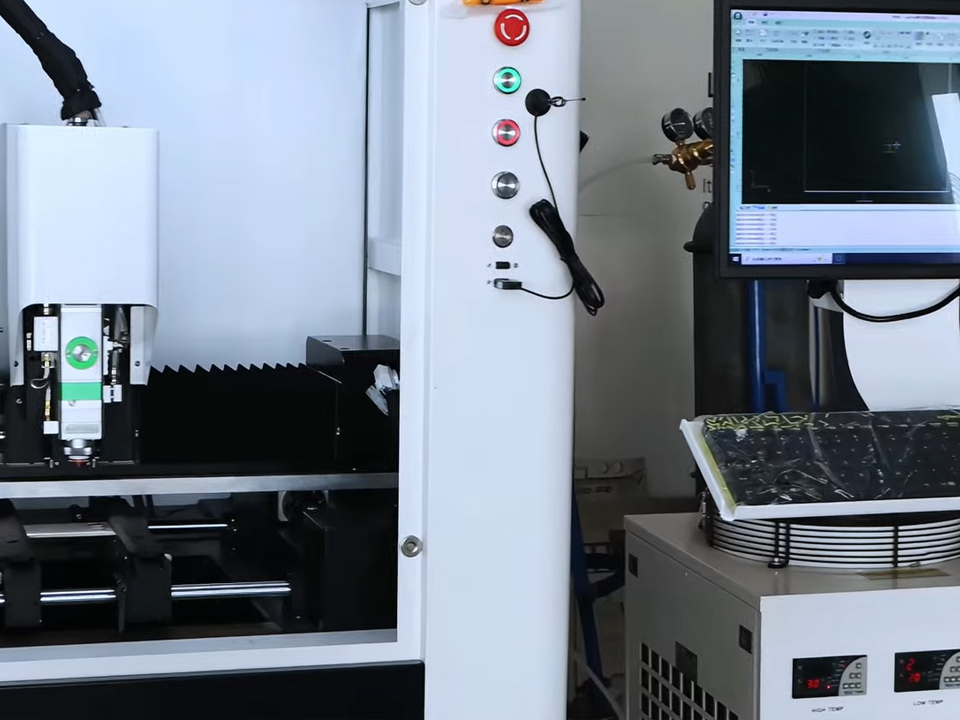
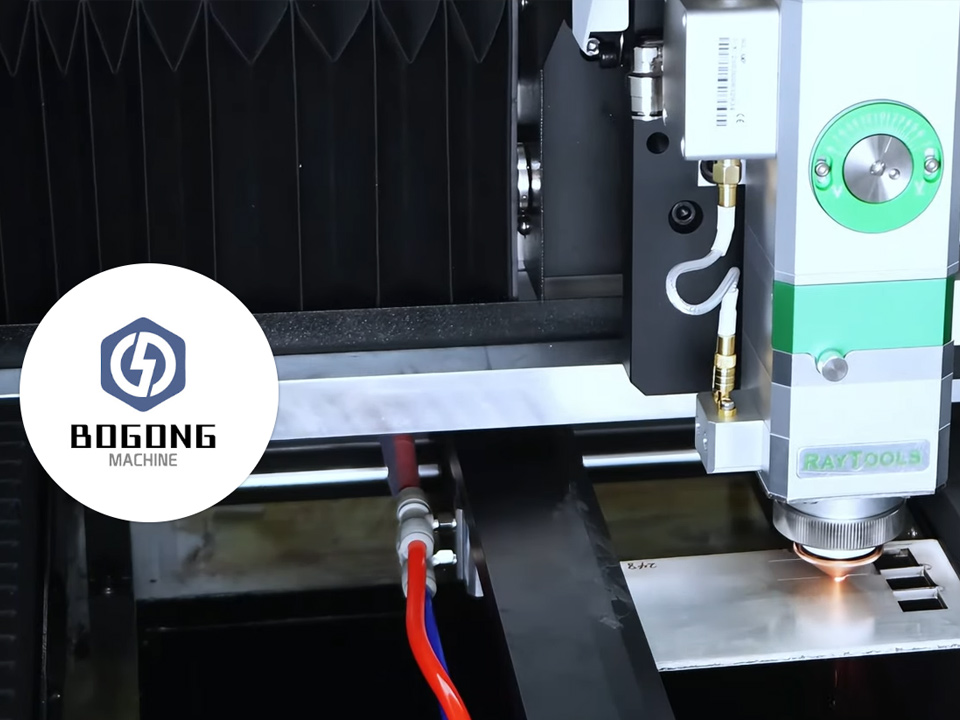
A Faserlaserschneidmaschine für Fitnessgeräte hat sich seinen Platz hier verdient, weil es einer Fabrik ermöglicht, direkt vom CAD zur verschachtelten Produktion überzugehen, ohne zu früh auf harte Werkzeuge zu setzen. Und das ist wichtig, wenn sich die SKUs immer wieder verschieben, wenn Exportvarianten geringfügige Geometrieänderungen benötigen oder wenn die Technik eine “kleine Revision” einstreut, die drei nachgelagerte Arbeitsgänge zerstört.
Das kommt ständig vor.
Meiner Erfahrung nach machen sich die Fabriken hier etwas vor. Sie sagen, der Laser spart Geld. Manchmal tut er das auch. Aber oft ist das nicht der erste Gewinn. Der erste Gewinn ist Flexibilität. Der zweite ist eine sauberere Kantenqualität. Der dritte ist, dass man den Werkzeuglieferanten nicht um eine weitere Änderung bitten muss, weil das Produktmanagement seine Meinung zu einer Kabelabdeckungsöffnung oder einer Schalttafelhalterung wieder geändert hat.
Und wenn Ihre Verschachtelungslogik unzureichend ist, Ihre Schnittpläne das tatsächliche Verhalten der Schnittfuge ignorieren oder Ihre Biegezugaben Fantasiezahlen aus einer alten Kalkulationstabelle sind - nun, dann produziert der Laser mit Freude maßstabsgetreuen Schrott. Schneller Schrott. Sehr effizienter Schrott.
Laserschneiden von Verbundwerkstoffen für leichte Sportausrüstung
Jetzt der ruhigere Teil.
Nicht jedes Sportprodukt ist ein Rohr-und-Platten-Problem. Hochwertige Sportgeräte - und einige spezielle Sportstrukturen - sind stark auf Verbundwerkstoffe angewiesen. Kohlenstoff. Glas. Technische Gewebe. Mehrschichtige Vorformlinge. Die Produktionsstätte für Fasern und Verbundwerkstoffe der University of Tennessee listet ausdrücklich auf Laserschneiden von Verbundwerkstoffen mit zwei Köpfen für Glas, Kohlenstoff und technische Gewebe, mit einer in den Prozess integrierten Schachtel- und Stanzsoftware. Das ist keine Messephantasie. Das ist eine echte Prozessinfrastruktur.
Warum ist das wichtig?
Denn in der Kompositarbeit bleiben kleine, vorgelagerte Variationen nicht klein. Sie hallen nach. Eine schlechte Vorformlingskonsistenz zeigt sich später im Legeverhalten, im Harzfluss, im Beschnitt, im Steifigkeitsgefühl und manchmal sogar in der Leistung auf dem Feld. Und Athleten - besonders ernsthafte - bemerken das Gefühl, bevor es Ihr Verkaufsteam tut.
Ich habe schon erlebt, dass Leute das unterschätzt haben. Ein großer Fehler.
Die Wirtschaftlichkeit ist weniger sexy, als die Broschüren suggerieren
Die Nachfrage ist da.
Reuters berichtet, dass Der Umsatz von Technogym stieg im ersten Halbjahr 2024 um 8,7% auf 402,1 Millionen Euro, während der Kerngewinn stieg 12.4%, Das Unternehmen profitierte von der Vorbereitung der Olympischen Spiele in Paris, wo es Trainingszentren für Sportler bereitstellte. Lesen Sie den Reuters-Bericht über die Ergebnisse von Technogym im Jahr 2024. Das beweist natürlich nicht, dass jeder Sportgerätehersteller floriert - aber es zeigt, dass Fabriken, wenn sich die Nachfrage nach Premium-Fitnessgeräten bewegt, eine wiederholbare Produktion benötigen und nicht Handarbeit, die als Handwerkskunst getarnt ist.
Und dann ist da noch die Energie. Der langweilige Killer.
Laut dem Strategieplan 2024 des NIST für das Manufacturing USA Program ist die US-Fertigung für etwa 30% der gesamten Emissionen und des Energieverbrauchs in den USA, Kalkulation $125-$150 Milliarden jährlich, und Bundesprogramme zur Förderung der Produktion drängen auf Energie- und Materialeffizienz und Produktivität. Dieser größere Hintergrund ist wichtiger, als viele Laserhersteller zugeben. Denn der Geschäftsnutzen des Laserschneidens liegt nicht nur in der Geschwindigkeit. Es geht auch um reduzierte Nacharbeit, geringeren Materialverbrauch, weniger Handling und weniger hässliche Prozessumwege.
Also ja, die Vorteile des Laserschneidens bei der Herstellung von Fitnessgeräten sind real.
Sauberere Rohlinge. Schnelleres Umrüsten. Bessere Lochposition. Weniger Bohrungen. Leichtere Roboterintegration. Weniger schmutzige Ausweicharbeiten.
Aber man sollte es nicht romantisieren. Wenn die Produktarchitektur schwach ist, macht der Laser diese Schwäche nur noch beständiger.
Was Sportgerätehersteller tatsächlich mit Lasern schneiden
| Produktkategorie | Gewöhnliche Materialien | Verwendetes Laserverfahren | Was die Fabrik gewinnt | Wo es schief gehen kann |
|---|---|---|---|---|
| Laufbänder und Heimtrainer | Rohre aus Baustahl, Stahlblech, Aluminiumplatten | Rohrlaser + Flachfaserlaser | Schnellere Schweißvorbereitung, Lochgenauigkeit, weniger Bohrschritte | Schlechte Spannvorrichtungen verursachen immer noch Schweißverzug |
| Kraftmaschinen und Gestelle | Konstruktionsrohr, Stahlblech, Schutzvorrichtungen | Rohrlaser + Flachfaserlaser | Bessere Wiederholbarkeit der Teile, einfachere Reihenfolge der Montage | Überdimensionierte Teile erhöhen die Schnittzeit und den Ausschuss |
| Komponenten für Fahrräder | Stahl, Aluminium, einige Verbundwerkstoff-Vorformlinge | Faserlaser, Rohrlaser, Laserschneiden von Verbundwerkstoffen | Präzisionsverbindungen, leichtere Halterungen, wiederholbare Muster | Hitzeeinwirkung, Beschichtungsfehler, Dünnwandverzug |
| Leistungsfähiges Verbundgetriebe | Kohlenstoff, Glas, technische Gewebe | Laserschneiden von Verbundwerkstoffen | Saubere Vorformen, effiziente Verschachtelung, geringere Legeabweichungen | Verbrennungsrisiko, Probleme mit der Kantenqualität, Unstimmigkeiten zwischen Harz und Prozess |
| Prototypen und Sonderanfertigungen | Gemischte Metalle, kleine Präzisionsteile | Kleinformatiger Faserlaser + Schweißzelle | Schnelle Design-Iteration, keine Verzögerung bei der Werkzeugherstellung | Ingenieure verwechseln Prototypenwirtschaft mit Massenproduktion |
Präzision ist nicht gleichbedeutend mit Produktqualität
Dies ist der Punkt, an dem Marketingtexte in der Regel aus dem Ruder laufen.
Ein Laser kann ein Profil halten. Er kann eine programmierte Bahn treffen. Er kann ein schön aussehendes Rohteil herstellen. Aber er kann keine dummen Toleranzen, trägen Bezugspunktstrategien, verzogenen Vorrichtungen, schlechten Schweißreihenfolgen oder Beschichtungssystemen, die jeden kleinen Kantenfehler nach der Vorbehandlung offenlegen, beheben. Das sind andere Probleme. Verbundene Probleme, ja. Dasselbe Problem? Nein.
Und diese Unterscheidung ist sehr wichtig.
Ich habe Fabriken beobachtet, die sich mit ihren hochpräzisen Zuschnittfähigkeiten brüsten, während die eigentlichen Baugruppen noch klapperten, wackelten oder nach dem Zuschnitt Heldentaten erforderten, weil die Übergabe zwischen Konstruktion, Zuschnitt, Biegen, Schweißen und Prüfung ein Chaos war. Echte Geschäfte wissen das. Außenstehende wissen das nicht.
Wenn die Leute also über Laserschneiden in der Sportgeräteherstellung, Ich stelle immer eine unhöfliche Frage: Was ist nach dem Schnitt passiert? Ist das Teil in ein stabiles Biegeprogramm gefallen? Wurde es sauber aufgespannt? Hat das Schweißen es aus der Spezifikation herausgezogen? Hat die Pulverbeschichtung die Kantenbeschaffenheit vergrößert? Ist die Endmontage reibungslos verlaufen, oder haben die Mitarbeiter zum Hammer gegriffen?
Das ist die Kette.
Und für kleinere Präzisionsarbeiten überbrücken einige Teams von geschnittenen Teilen in kompakte CCD-Laserschweißmaschine wenn sie eine genauere visuelle Ausrichtung oder Validierung auf Musterebene benötigen. Es ist nicht die Hauptproduktionsmaschine für die meisten Fitnessstudios, nein. Aber für Prototypen, spezielle Unterbaugruppen oder präzise kleine Metallarbeiten ist sie durchaus geeignet.
Die beste Laserschneidmaschine für die Herstellung von Sportgeräten? Falsche Frage, manchmal
Die Leute fragen nach der besten Maschine.
Ich verstehe warum. Es klingt entschlossen. Es klingt nach Beschaffung. Aber meiner Erfahrung nach ist “am besten” oft nur ein Kürzel für “wir haben den Prozess nicht richtig abgebildet”.”
Wenn in Ihrer Branche vor allem Konstruktionsrahmen gefertigt werden, ist die Frage nicht abstrakt. Sie müssen über Rohrhandhabung, automatische Beladung, Teilefamilien, Futterstabilität, Fasenbedarf, Entladefluss, Schweißzellenkompatibilität und die Häufigkeit des Profilwechsels nachdenken. Wenn Ihre Anlage eher auf blechbasierte Halterungen, Abdeckungen und Befestigungen ausgerichtet ist, spielen der Blechdurchsatz, die Verschachtelungssoftware, die Qualität der Dünnblechkanten, die Kosten für Hilfsgas und die Entladelogik eine größere Rolle.
Ein anderes Tier.
Und wenn Sie Vorformlinge aus Verbundwerkstoffen schneiden, hilft Ihnen die Wattzahl allein nicht weiter. Das Materialverhalten, das Kantenverhalten, die Verschachtelung und die Kompatibilität mit nachgelagerten Formen oder Layups sind wichtiger als die Leistung der Broschüre.
Hier ist wieder die hässliche Wahrheit: Viele Fabriken kaufen zu viel Quellenleistung und nicht genug Prozessreife. Sie überspezifizieren den Laser, unterspezifizieren den Arbeitsablauf und tun dann überrascht, wenn sich der Engpass vom Schneiden zum Sortieren, Biegen oder Einschweißen verlagert. Ich habe schon millionenschwere Anlagen gesehen, die mit einer Qualitätskontrolle auf Klemmbrettniveau gepaart waren. Das ist keine Modernisierung. Das ist teure Verwirrung.
Die Beste Laserschneidmaschine für die Herstellung von Sportgeräten ist in der Regel diejenige, die dem Materialmix, der Losgröße, der Personalausstattung, der Wartungsdisziplin und dem nachgelagerten Prozess entspricht - und nicht diejenige mit dem auffälligsten Demo-Video.
FAQs
Wozu werden Laserschneidmaschinen in der Sportgeräteherstellung eingesetzt?
Laserschneidmaschinen in der Sportgeräteherstellung werden zur Herstellung von hochpräzisen Metall- und Verbundwerkstoffteilen für Rahmen, Stützen, Halterungen, Schutzvorrichtungen, Vorformen und anderen strukturellen oder kosmetischen Komponenten verwendet. Sie helfen den Fabriken, sekundäre Arbeitsgänge zu reduzieren, die Passform für das Schweißen oder die Montage zu verbessern und schneller auf Designänderungen in den Bereichen Fitness, Radsport und Leistungsausrüstung zu reagieren.
Das ist die saubere Antwort. Die chaotischere Antwort ist, dass sie dort am wertvollsten sind, wo die Teilekonsistenz den nächsten Schritt schützt - Schweißen, Biegen, Beschichten oder Montage. Wenn ein geschnittenes Teil noch geschliffen, geschlitzt oder manuell korrigiert werden muss, schrumpft der Gewinn schnell.
Warum bevorzugen die Hersteller von Fitnessgeräten Faserlaserschneidmaschinen?
Faserlaserschneidmaschinen werden bei der Herstellung von Fitnessgeräten bevorzugt, weil sie gängige Metalle wie Stahl und Aluminium schnell bearbeiten, saubere Kanten erzeugen, flexible Designänderungen ohne neue Werkzeuge ermöglichen und sich gut in automatisierte Fertigungslinien einfügen, bei denen Durchsatz, Wiederholbarkeit und geringe Nacharbeit wichtiger sind als Marketingaussagen über “fortschrittliche Technologie”.”
Der praktische Grund ist noch einfacher: Fabriken tauschen Teile aus. Und zwar viele. Neue Halterung, neuer Schalttafelausschnitt, neue Kabelführung, neue Anforderungen für den Exportmarkt. Faserlasersysteme kommen damit besser zurecht, als wenn man sich zu früh auf ein Werkzeug festlegt.
Was ist eine Rohrlaserschneidmaschine für Sportgeräte?
Eine Rohrlaserschneidmaschine für Sportgeräte ist ein CNC-Lasersystem zum Schneiden von runden, quadratischen, rechteckigen oder geformten Rohren in rahmenfertige Teile mit Merkmalen wie Schlitzen, Gehrungen, Löchern, Laschen und Konturschnitten, die sonst mehrere Säge-, Bohr- und Befestigungsvorgänge erfordern würden.
In der realen Fabrik ist es die Maschine, die einen Haufen lästiger vorgelagerter Arbeit von Fahrradrahmen, Strukturen für Fitnessgeräte, Tragarmen, Gestellen und Reha-Produktbaugruppen entfernt. Wenn Ihr Produkt in der Röhre lebt, ist das nicht lange eine Option.
Ihr nächster Schritt, wenn Sie das Zeug tatsächlich bauen
Was sollte ein echter Hersteller also tun?
Fangen Sie nicht mit Maschinenneid an. Beginnen Sie mit der Erfassung von Problemen. Schauen Sie sich die Teile an, die immer noch Nacharbeit, Probleme mit der Schweißnahtpassung, Linienstillstände, Ausschuss bei der Beschichtung oder eine langsame ECO-Reaktion verursachen. Das sind die Teile, die es wert sind, dass man sich zuerst um sie kümmert. Nicht die auffälligen Demo-Teile. Die schmerzhaften Teile.
Dann richten Sie den Prozess ehrlich aus. Rohrlaser für Rahmen und Strukturteile. Flachfaserlaser für Halterungen, Schutzvorrichtungen und Verkleidungsarbeiten. Laserschneiden von Verbundwerkstoffen, wo sich die Konsistenz der Vorform wirklich auszahlt. Und wenn die geschnittenen Teile zum Fügen gebracht werden, betrachten Sie das nicht als das Problem eines anderen - bauen Sie die Übergabe richtig auf, egal ob das bedeutet Optionen für tragbare Handlaserschweißgeräte oder 3-in-1-Handlaser-Schweißgeräte-Einrichtungen im richtigen Zellkontext.
Das ist meine Meinung.
Kein Hype. Keine Verkäufer-Poesie. Nur weniger fehlerhafte Teile, weniger Improvisation durch den Bediener und eine Produktionslinie, die sich so verhält, als hätte jemand die gesamte Kette wirklich durchdacht.


Heißer Klick
Kontakt
Anmeldung
©Copyright [bogonglaser.com]. BOGONG Laser Maschine Lieferant Alle Rechte vorbehalten.