
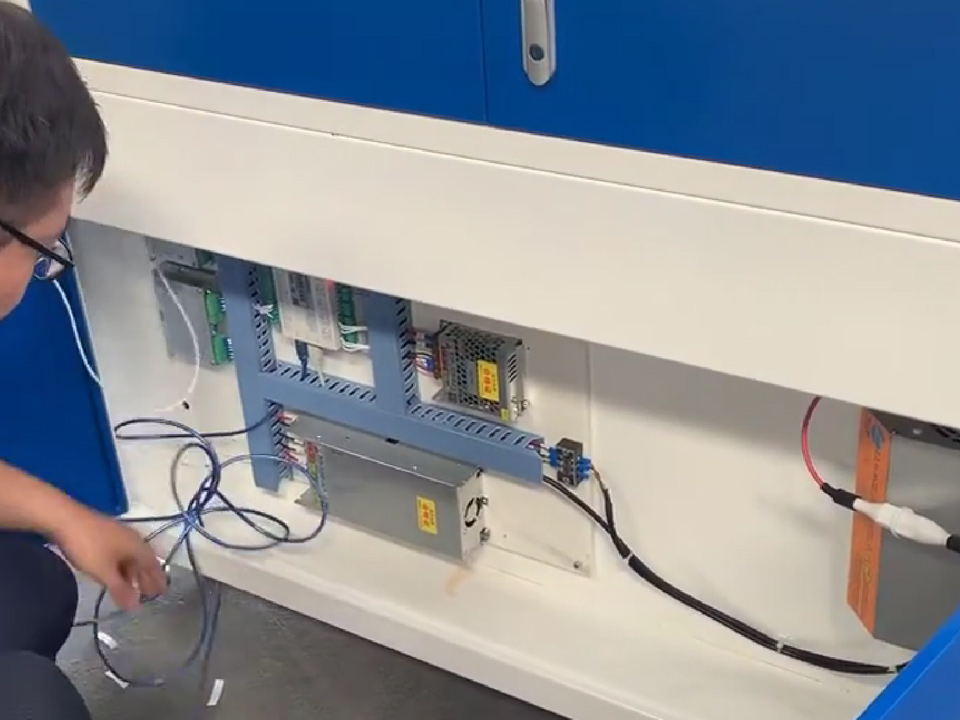
Přesné řezání plechů pro rámy posilovacích strojů
Důkladný pohled na řezání plechů, CNC řezání plechů, laserové řezání plechů a zakázkovou kovovýrobu rámů pro tělocvičné nářadí - kde několik desetin milimetru může rozhodnout o tom, zda se pevnostní stroj bude cítit prémiově, nebo bude tiše odmítnut.

Rám začíná ležet dříve, než ho někdo svaří
Jednou jsem viděl, jak kabelovou stanici obvinili instalatéra.
Špatně.
Montér bojoval s rámem, který se již před třemi operacemi dostal na bok: nedbalé řezání plechu, líná drážka, otočná deska, která vypadala dobře, dokud se vozík s kladkou nezačal pod zatížením pohybovat, a svářeč, který “to udělal na míru”, protože výroba nestíhala a nikdo nechtěl další schůzku.
Takto mimochodem toto odvětví funguje. Tiché opravy. Prach z brusky. Natřete ho.
Tady je ošklivá pravda: přesné řezání plechů pro rámy posilovacích strojů není o tom, aby kov vypadal čistě na fotografii na webu. Jde o kontrolu všech nepříjemných drobných proměnných, které se později projeví jako tření kabelů, přetahování čepů, křivé kryty, vrzání ložisek, odštěpky práškového laku, posunutí otvorů pro šrouby a duté chrastění, kterého si uživatelé všimnou dříve než váš obchodní zástupce.
Drobné chyby cestují.
A necestují zdvořile; z půlmilimetrového řezu na držáku se může stát problém se svárem, pak problém s čistotou nátěru, pak problém s montáží a pak rozhovor o záruce s někým, kdo přísahá, že se stroj “od prvního dne necítil dobře”.”
Proč je to důležité právě teď? Protože na dodavatelském řetězci kovů stále záleží. Agentura Reuters uvedla, že v roce 2024 se očekává nárůst celosvětové poptávky po oceli o 1,7% na 1,793 miliardy metrických tun, přičemž další růst se očekává v roce 2025. To zasáhne do dodacích lhůt, cen plechů a plánování obchodů dříve, než kdokoli na straně nákupu pocítí bolest.
Tolerance není sexy. Platí účty.
Ale buďme konkrétní.
Rám tělocvičného nářadí není jen “vyrobený kov”. Je to nosná dráha s pohyblivými částmi, které jsou k ní přišroubovány. Máte tu vodicí tyče, držáky kladek, kryty kabelů, podpěry voličů, nastavovací desky, kryty, záložky, klíny a možná i nějaké kosmetické panely, které ještě musí přistát mrtvě rovně, protože majitelé tělocvičen si rychle všimnou levně vypadajícího vybavení.
Podle mých zkušeností nejsou nejdražší závady ty dramatické. Jsou to podružné závady: deska, kterou je třeba přemlouvat paličkou, drážka, která se po práškovém lakování chytá, kladka, která jede 2 mm mimo střed, kryt, který bzučí, protože rám není v reálných montážních podmínkách dostatečně hranatý.
To se sčítá.
U laserového řezání plechů lidé rádi uvádějí hodnoty ±0,1 mm, ±0,2 mm, ±0,3 mm. Jemné. Uveďte to v cenové nabídce. Ale lepší otázka je ošklivější: přežije tato tolerance hnízdění, přívod tepla, kolísání materiálu, manipulaci s vysokozdvižným vozíkem, smršťování svarů, tryskání, práškové lakování a konečnou montáž?
Obvykle? Ne, pokud to někoho nezajímá.
Řezná hrana řídí svar
Dobré CNC řezání plechů dává svářeči šanci na úspěch. Špatné řezání dělá ze svářeče kouzelníka. A ve výrobě je slovo “kouzelník” obvykle jen jiným výrazem pro “nekontrolovatelnou veličinu”.”
| Faktor výroby | Proč je to důležité pro rámy posilovacích strojů | Co sleduji |
|---|---|---|
| Poloha otvoru | Seřízení řemenice, ložisek a vodicích tyčí | Unášení otvorů pro šrouby po zahřátí |
| Hranatost okrajů | Svařování a symetrie rámu | Kužel na řezu tlustého plechu |
| Úroveň otřepů | Kvalita povlaku a bezpečnost montáže | Skryté otřepy v blízkosti drážek a rukojetí |
| Zóna zasažená teplem | Únavové chování a příprava povrchové úpravy | Oxidový povlak na oceli řezané kyslíkem |
| Přesnost hnízdění | Opakovatelnost napříč šaržemi | Zrcadlové díly, smíšené revize |
| Značky sledovatelnosti | Záruka, kontrola šarží, stahování z trhu | Označení QR, sériové označení a kód dílu |
Podívejte se na poslední řádek. Značky sledovatelnosti. Nudné? Ano. Užitečné? Rozhodně.
Pokud se vrátí série rámů posilovacích strojů s reklamacemi na seřízení kladek, musíte vědět, která revize desek byla do kterého rámu vložena. Ne “pravděpodobně v březnu”. Ne “stejný jako minule”. Skutečná sledovatelnost.
To je místo, kam značení zařízení v rozhovoru patří. A 3D vláknová laserová gravírka na kov nebo 30W vláknový laserový značkovací stroj může pomoci s kódy dílů, ID šarží, QR značkami, sériovými štítky a všemi těmi nudnými malými identifikátory, které se náhle stanou neocenitelnými, když zákazník zavolá naštvaně.
Laser, plazma, vodní paprsek, děrování: přestaňte předstírat, že jeden nástroj řeší vše
Upřímně se domnívám, že příliš mnoho kupujících se ptá špatně.
Ptají se: “Můžete to rozříznout?”
Měli by se zeptat: “Můžete vyříznout tento díl z tohoto materiálu, v této tloušťce, s touto referenční strategií, v této velikosti dávky, aniž by vznikl odpad?”
Jiná otázka. Lepší otázka.
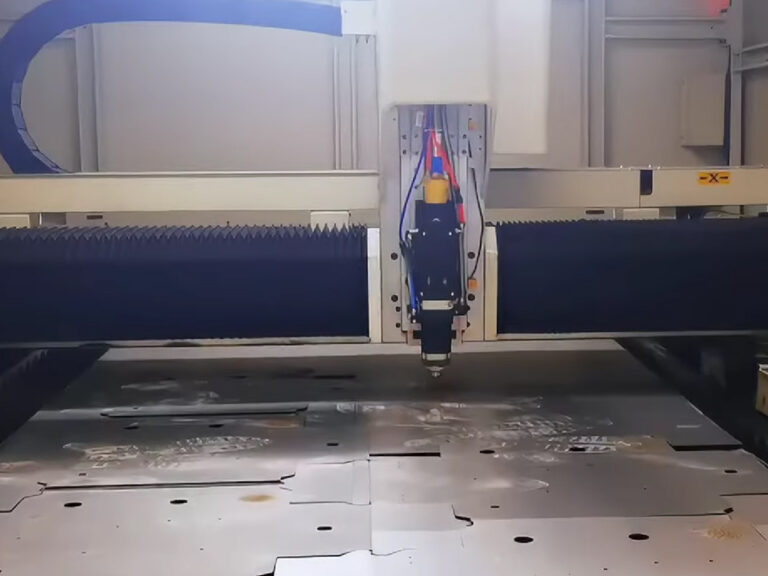
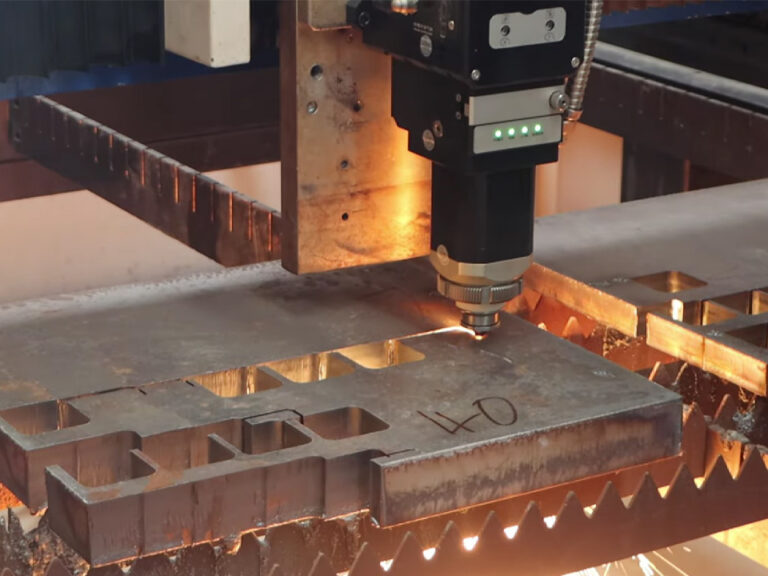
Laserové řezání plechů je obvykle mou první volbou pro konzoly, montážní desky, kryty kabelů, tvarované panely, klíny, drážkované záložky a díly, u kterých záleží na přesnosti od otvoru k otvoru. Vláknový laser je rychlý, čistý, opakovatelný a brutálně efektivní, pokud dílna ví, co dělá.
Ale není to kouzlo.
Silná deska? Reflexní materiál? Těsná geometrie rohů? Dlouhé hubené díly, které chtějí banán z tepla? Teď mluvíme o procesu, ne o brožuře.
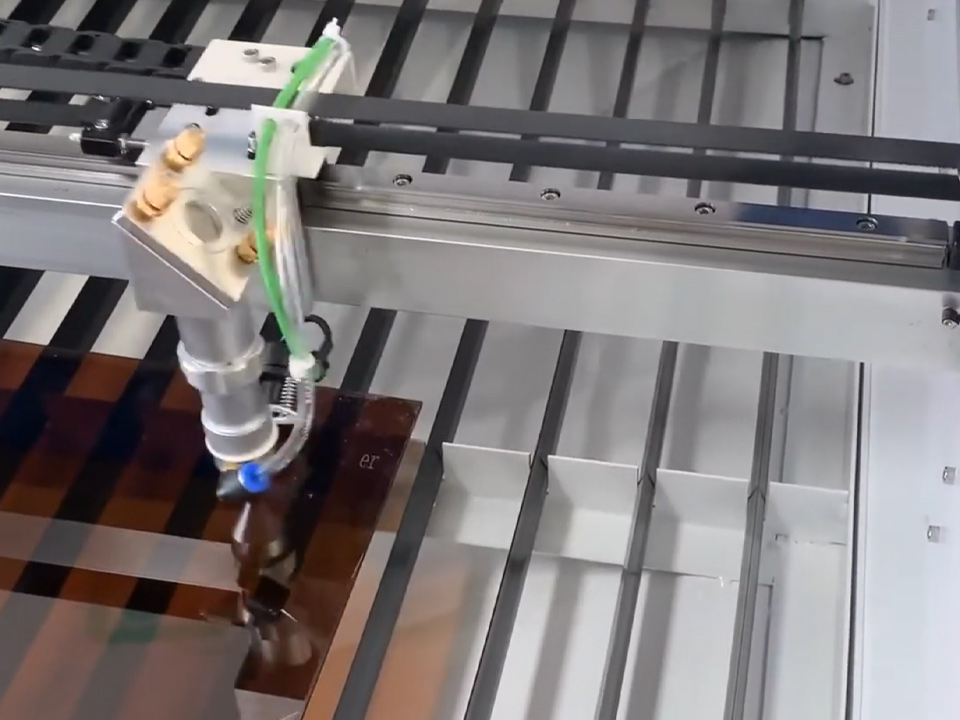
Srovnání metod řezání pro výrobu rámů pro fitness zařízení
| Metoda řezání | Nejlepší použití v rámech posilovacích strojů | Slabé místo | Můj názor |
|---|---|---|---|
| Řezání vláknovým laserem | Konzoly, klíny, desky, nastavovací otvory, záložky, kryty | Reflexní kovy a silné profily vyžadují kontrolu procesu | Nejlepší výchozí nastavení pro přesnost a rychlost |
| Řezání laserem CO₂ | Nekovové nebo starší pracovní postupy se smíšeným materiálem | Méně obvyklé pro moderní kovovýrobu | Stále užitečné, ale ne moje první volba |
| Plazmové řezání | Silná konstrukční deska, hrubší součásti rámu | Širší řez, více nečistot, nižší přesnost | Dobré pro hrubou práci, ne pro jemné zarovnání |
| Řezání vodním paprskem | Materiály citlivé na teplo, silný hliník, speciální slitiny | Pomalejší, nákladnější, abrazivní čištění | Vynikající, když je tepelné zkreslení nepřijatelné. |
| CNC děrování | Opakované otvory, drážky, tenké plechové panely | Geometrie a povrchová úprava hran je omezena nástroji | Rychle, když jsou návrhy standardizované |
| Řezání + obrábění | Trubkové pruty, těžké šrouby, přesné konce | Více manipulace, více práce | Nezbytné pro konstrukce hybridních rámů |
Zmínku si zaslouží také maloformátové systémy s vlákny, ne proto, že by každá dílna s rámem v tělocvičně potřebovala řezání v měřítku šperků, ale proto, že kompaktní přesnost se stále více prosazuje v kovovýrobě. Stroj jako např. nejmenší vláknový laserový řezací stroj na mosaz, zlato a stříbro jistě se nachází v jiném výrobním pásmu, ale logika je stejná: kontrolovaný paprsek, kontrolovaný prořez, kontrolovaná opakovatelnost.
A co se týče gravírování, i zařízení určená pro užší segmenty, jako je např. 2024 nejlépe hodnocená vláknová laserová gravírovací pistole na prodej-ukazuje na stejnou výrobní realitu: trvalé označení kovů již není volitelné, když se díly, šarže, reklamace a záznamy o shodě musí sladit.
Bezpečnost vám řekne víc než prodejní karta
Zde je zkratka, kterou používám.
Pokud dílna nedbá na ochranu, blokování, odsávání, odstraňování otřepů a manipulaci s materiálem, nevěřím jejím tvrzením o toleranci. Ne zcela. Ne, když se jedná o rámy tělocvičného nářadí.
Zní to drsně.
Dobré.
Americký úřad pro statistiku práce uvádí, že celková míra registrovatelných úrazů a nemocí v roce 2023 činí 3,2 případu na 100 pracovníků na plný úvazek ve výrobě kovových výrobků a 3,9 případu ve výrobě ostatních kovových výrobků. To není nějaké abstraktní číslo z bezpečnostního plakátu; je to varování před prostředím, které se skrývá za levnými nabídkami zakázkové kovovýroby.
Aktuální žebříček 10 nejčastěji citovaných norem OSHA zahrnuje také uzamčení/označení a ochranu strojů, přičemž ochrana strojů je spojena s 29 CFR 1910.212.
To je důležité, protože laserové stoly, lisy, nůžky, brusky, vysokozdvižné vozíky, odjehlovací stanice a přípravky nejsou neškodnou kulisou. Pravidlo OSHA o ochraně strojů říká, že místa obsluhy, která vystavují zaměstnance nebezpečí úrazu, musí být chráněna, a OSHA výslovně uvádí gilotinové řezačky a nůžky mezi stroji, které obvykle vyžadují ochranu míst obsluhy.
Pokud tedy dodavatel nabídne podezřele nízké číslo, neptejte se jen na cenu.
Zeptejte se, co zmizelo.
Inspekce? Zaoblení hran? Kontrolované revize? Pomocný plynný dusík? Údržba přípravků? Školení obsluhy? Preventivní údržba? Postupy blokování? Předpis OSHA o blokování a odpojení se vztahuje na servis a údržbu, při nichž by mohlo dojít k neočekávanému zapnutí, spuštění stroje nebo uvolnění nahromaděné energie, což by mohlo vést ke zranění pracovníků.
Já vím, já vím - kupující chtějí přehledné jednotkové ceny. Ale výrobcům je jedno, co chce tabulka.
Příklad odvolání, při kterém by se měli návrháři rámů zapotit
Oznámení o stažení výrobku z trhu není nikdy pouhým oznámením o stažení výrobku z trhu. Je to posmrtná zpráva napsaná veřejně.
V prosinci 2024 oznámila americká Komise pro bezpečnost spotřebitelských výrobků stažení vícestaničního cvičebního zařízení Precor Resolute Cable, model RMS905, prodávaného do posiloven. Agentura uvedla, že vyskakovací kolík se mohl neúplně zasunout do svislé lišty, což umožnilo neočekávaný pád vozíku kladky; postiženo bylo přibližně 834 kusů, přičemž bylo hlášeno devět případů pádu kladky a dvě lehká zranění hlavy.
Bylo to způsobeno špatným řezáním plechu?
To neříkám.
Říkám však toto: jakýkoli stroj se selektivním nebo kabelovým pohonem závisí na seřízení, geometrii záběru, opakovatelnosti a trvanlivosti v terénu. Čep se nezapojuje ve vakuu. Kolejnice není jen kolejnice. Vzor otvoru není jen “dostatečně blízko”. Každá deska, drážka, ohyb, svar a vrstva povlaku je součástí mechanismu, ať už tomu tým zadavatelů rozumí, nebo ne.
Pokud se na hromadu nedostanete, stroj začne vyjednávat s fyzikou.
Fyzika vítězí.
Pro trvalé výstražné štítky, identifikaci dílů a značení šarží se používá 3D UV laserový značkovací stroj může mít smysl, když štítky potřebují přežít pot, čisticí chemikálie, oděr a neopatrný personál tělocvičny se škrabkou. Pro hlubší identifikaci kovů 3D vláknová laserová gravírka na kov se hodí pro tvrdší průmyslovou stránku práce.
Jak řezat plechy pro rámy posilovacích strojů bez přikládání do koše na šrot
Začněte dříve než s řezáním.
To je odpověď, která se nikomu nelíbí.
Většina šrotu se do práce zapracovává před vypálením laseru. DXF má nedbalé pojmenování vrstev. Přídavek na ohyb je odhadnut. Vůle práškového laku je fantazie. V třídě materiálu je uvedeno “ekvivalentní”, protože někdo chtěl levnější ocel. Drážka je nakreslena ve jmenovité velikosti, i když každý ví, že povlak ukradne místo. Pak se obviňuje dílna.
Jistě. Pohodlné.
Pokud vytvářím proces pro výrobu rámů pro fitness zařízení, chci mít nejprve uzamčenou třídu materiálu: Q235, Q345, trubky ASTM A36, ASTM A500, nerez 304, hliník 6061, cokoli, co rám skutečně potřebuje. Ne vibrace. Ne “standardní ocel”. Skutečné specifikace.
Pak chci, aby byl záměr návrhu vyznačen přímo ve výrobní logice. Ložiskové otvory nejsou dekorace. Drážky pro kladky nejsou flexibilní výtvarné dílo. Spoje s jazýčky a drážkami by měly řídit montáž, nikoliv vytvářet falešnou důvěru. S čímkoli, co lokalizuje pohyblivou součást, se zachází jinak než s krycím panelem. Cokoli, co je přivařeno v blízkosti přesného prvku, se přezkoumá z hlediska deformace.
A ano, chci mít kontrolu revizí tak zřejmou, aby ji unavený operátor na noční směně nemohl pokazit.
Rozumný postup obvykle vypadá takto: vláknový laser pro přesné řezání plechů, vodní paprsek pro tepelně citlivé nebo tlusté neforemné díly, plazma pouze v případě, že hrana nepůsobí jako referenční bod, CNC děrování pro tenké plechy s vysokým opakováním, řezání a obrábění pro konce trubek, nástavce a hybridní prvky rámu.
Jednoduše? Ne.
Stojí to za to? Obvykle.
Na co bych se zeptal dodavatele, než mu zadám práci
Ale tady mě to začíná štvát.
Nechci dodavatele, který říká: “My to zvládneme.” To říká každý. Chci dodavatele, který dokáže vysvětlit, kde se práce může pokazit, ještě než se zeptám.
Požádejte je o toleranci podle tloušťky materiálu. Zeptejte se, jak kontrolují první výrobky. Zeptejte se, zda měří vzdálenost mezi otvory, nebo jen vnější profil. Zeptejte se, jak zabraňují smíšeným revizím. Zeptejte se, zda je zahrnuto i odstraňování otřepů, nebo je tiše vyloučeno. Zeptejte se, jak řeší dlouhé hubené desky, které se chtějí deformovat. Zeptejte se, co se stane, když si DXF a PDF odporují.
Pak sledujte jejich tvář.
Dobré obchody odpovídají bez dramatu. Ty špatné začnou vystupovat sebejistě.
U rámů pro tělocvičné nářadí je tato odpověď důležitá, protože poruchy jsou často měkké: špatné vedení kabelů, nepříjemné bzučení rámu, kryty, které nesedí v jedné rovině, seřizovací kolíky, které se zdají být zrnité, vodicí tyče, které se nerovnoměrně zatěžují, práškový lak, který se odlupuje kolem nuceně nasazených dílů.
Žádný výbuch. Jen poškození pověsti.
A to je možná ještě horší.
Nejčastější dotazy
Co je to řezání plechů pro rámy posilovacích strojů?
Řezání plechů pro rámy posilovacích strojů je řízené řezání ocelových, nerezových nebo hliníkových plechů, držáků, klínů, ochranných krytů a montážních prvků tak, aby svařované konstrukce posilovacích strojů byly správně vyrovnané, unesly opakované zatížení uživatelem a aby se montovaly bez nadměrného broušení, nucení, chrastění nebo dodatečných úprav.
Řečeno jazykem skutečného obchodu, je to místo, kde stroj buď začíná čistý, nebo začíná ležet. Sebelepší svařovací přípravek na světě nedokáže zcela zachránit držák s ujíždějícími otvory, kuželovou hranou nebo drážkou, která se po nanesení práškové barvy uzavře.
Je laserové řezání lepší než řezání plazmou pro rámy tělocvičného nářadí?
Řezání laserem je obvykle lepší než řezání plazmou pro rámy tělocvičného nářadí, pokud díl potřebuje těsné otvory, čisté hrany, přesné drážky, kosmetickou kvalitu povrchové úpravy nebo opakovatelné prvky pro umístění svaru, zatímco řezání plazmou se hodí pro těžší konstrukční díly, kde řezná hrana neovlivňuje zarovnání nebo geometrii pohyblivých dílů.
Plazmu bych ještě použil pro hrubší tlusté plechy, pokud se hrana obrábí, zahlubuje nebo svařuje, aniž by sloužila jako referenční bod. Ale pro držáky řemenic, kování voliče, seřizovací otvory, kryty a viditelné desky rámu? Téměř vždy vláknový laser.
Jak přesné by mělo být CNC řezání plechů pro výrobu rámů fitness zařízení?
CNC řezání plechů pro výrobu rámů fitness zařízení by mělo být dostatečně přesné, aby se zachovalo zarovnání otvorů, uložení svarů, vůle povlaku a montážní skladba, přičemž mnoho přesných laserem řezaných prvků se často zaměřuje na zhruba ±0,1 mm až ±0,3 mm, pokud to tloušťka materiálu, stav stroje a řízení procesu umožňují.
Nepřijímejte jednu obecnou toleranci pro celý rámový balíček. Třímilimetrový plášť, osmimilimetrový klínek a šestnáctimilimetrová otočná deska se nechovají stejně. Dodavatel by to měl vědět, aniž by potřeboval přednášku.
Vaše další kroky: Nekupujte střih, prověřte proces
Pokud sháníte přesné řezání plechů pro rámy posilovacích strojů, neposílejte DXF a doufejte.
Odeslání balíčku s výkresy. Požádejte o trasu řezání. Požádejte o materiálové certifikáty. Zeptejte se, jak kontrolují první výrobky. Zeptejte se, jak označují revize. Zeptejte se, jakou toleranci skutečně dodrží po první sérii - nejen na vzorovém dílu, který projde výrobou.
Pak je donuťte, aby to dokázali.
Jakmile je totiž rám svařen, otryskán, natřen, zabalen, přepraven, nainstalován a naložen skutečnými uživateli, “dostatečně blízko” se velmi rychle prodraží.


Horké kliknutí
Kontaktujte nás
Aplikace
©Copyright [bogonglaser.com]. BOGONG Laser Machine Supplier Všechna práva vyhrazena.