
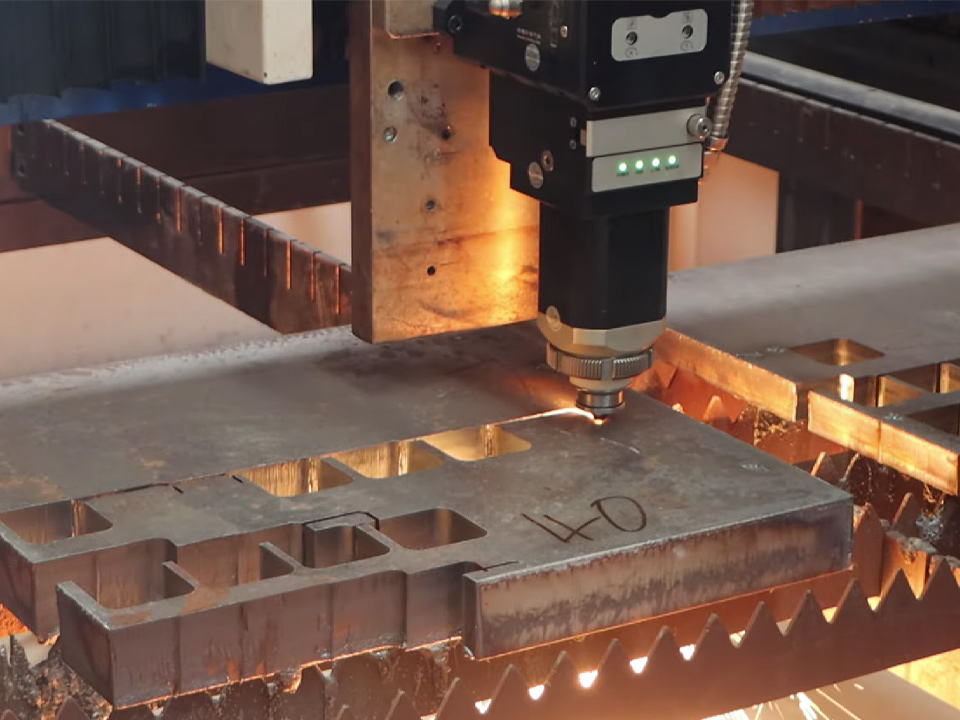
Aplikace laserového řezání v outdoorových sportech
Výrobci outdoorového vybavení nepřejímají lasery proto, že paprsek vypadá futuristicky. Používají je proto, že nylon se třepí, potahované látky se mění, kovový hardware potřebuje odolné identifikační prvky a pomalé obrábění je trestáno změnou SKU. Tady je ta méně vybroušená tovární pravda.

Boom outdoorového vybavení má zázemí, které voní roztaveným nylonem
Stála jsem dost blízko řezacích stolů, abych poznala ten zápach. Horký polyester. TPU opar. Trochu spálené hrany, když obsluha příliš tlačí na rychlost, protože výroba už má dva dny zpoždění.
Pěkné? Ne.
Ale taková je realita Aplikace laserového řezání v oblasti outdoorových sportovních výrobků: není to žádná fantazie z výstavních síní, ani veletržní kotouč se zpomalenými jiskrami, ale chaotická směs krátkých výrobních sérií, potahovaných látek, které se chovají špatně, kovového kování, které potřebuje trvalé identifikační znaky, a manažerů značky, kteří chtějí do pátku nový vzor ventilačních otvorů, protože “zpětná vazba od sportovců přišla divná”.”
Podle zprávy 2024 Outdoor Participation Trends Report se v roce 2023 rekreace v přírodě účastnilo 175,8 milionu Američanů, což znamená, že 57,31 %3T Američanů starších šesti let se nějakým způsobem účastnilo rekreace v přírodě - pěší turistiky, cyklistiky, kempování, rybaření, pádlování, lyžování, běhu po stezce, vyberte si. Podle satelitního účtu Outdoor Recreation Satellite Account, U.S. and States, 2023 (Satelitní účet rekreace v přírodě, USA a státy, 2023) představuje přidaná hodnota rekreace v přírodě $639,5 miliardy, přičemž výroba se na této hodnotě podílí $86,7 miliardy, tedy 13,6%.
To není statistika životního stylu. To je statistika tlaku v továrně.
Protože když se účast zvyšuje, počty SKU se stávají divokými. Z řady batohů se stane šest velikostí, čtyři látky, tři barevné varianty, dvě sezónní úpravy a nějaká “limitovaná štěrková edice”, o kterou nikdo v provozu nestál. Pak začne staré nastavení vysekávání vypadat pomalu, ztuha a draze.
Ano, laserové řezání outdoorových sportovních výrobků má smysl. Někdy.
Ne vždy.
Kde lasery skutečně pracují - ne jako prodejní brožura
Ale přestaňme předstírat, že jeden laser zvládne všechno. Takhle lidé končí s drahým strojem zaparkovaným v koutě, napůl používaným, napůl nenáviděným a obviňovaným z problémů, které začaly při nákupu.
Laser nerozumí “outdoorovému vybavení”. Rozumí vlnové délce, absorpci, hustotě výkonu, době zdržení, chování pulzu, kvalitě paprsku, asistenčnímu vzduchu, výfukovým plynům, opakovatelnosti přípravku a tomu, zda vám hromada materiálu nelže.
Stoh vždy lže.
Laserové řezání látek pro venkovní produkty
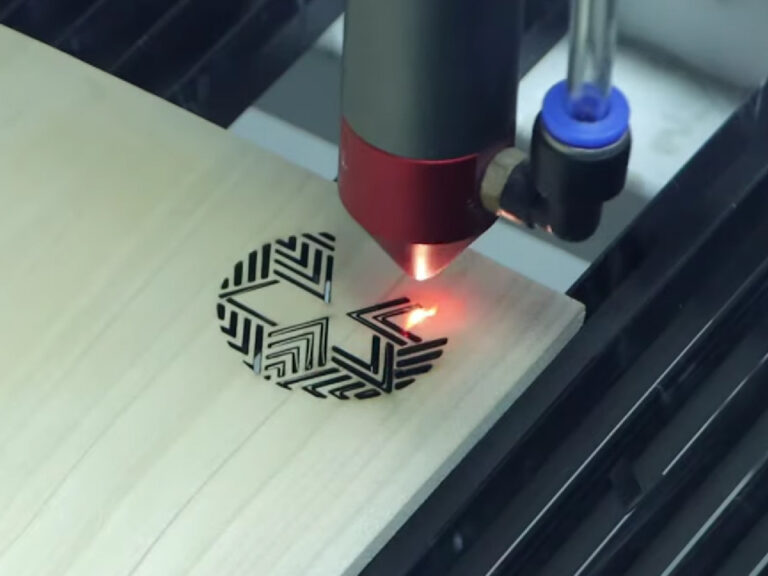
Zde si CO2 vydělává na svůj oběd: nylonové panely, polyesterové popruhy, ripstop, softshell, fleece, distanční síťovina, pěna EVA, neopren, výztužné záplaty, garáže na zipy, odtokové otvory, otvory ve stylu MOLLE, ventilační vzory, lepené švy a ty malé vnitřní panely organizéru, kterých si nikdo nevšimne, dokud nejsou křivé.
Laserové řezání tkanin pro venkovní výrobky je užitečné, protože čepele táhnou. Matrice se opotřebovávají. Děrování deformuje pružný materiál. A potahovaná látka - zejména tenký TPU nebo PU laminát - se může pohybovat natolik, že zničí krásný soubor CAD.
Studie ScienceDirect z roku 2023 o řezání vícevrstvých směsových tkanin CW CO2 laserem popisuje známé výhody: bezkontaktní řezání, utěsněné okraje, nižší roztřepení, snížená drsnost. Jemné. Dostatečně pravdivé.
Ale tady je ta ošklivá pravda: zapečetěné okraje mohou znamenat také ztvrdlé okraje. Tvrdé hrany mohou drhnout. Odřené hrany se stávají předmětem reklamace. Ze záručních reklamací se stává ta nepříjemná schůzka, kde se někdo ptá, proč vzorek “prošel”, když nikdo netestoval oděr po vyprání.
Upřímně řečeno, jsem přesvědčen, že každá předváděcí akce s laserem na tkaniny by měla obsahovat tři věci: zkoušku pevnosti v tahu, zkoušku zápachu a jednoho brutálně upřímného operátora, který smí říct: “Tenhle povlak je odpad.”
Pro práci s textilem je vhodný Laserový značkovací stroj CO2 patří ke konverzaci o syntetických panelech, tkaných štítcích, potahovaných látkách, nášivkách a značkách pro měkké zboží. Není to odpověď na každý střih, ale je to seriózní nástroj, pokud se skladba výrobků přiklání k látce a polymerům.
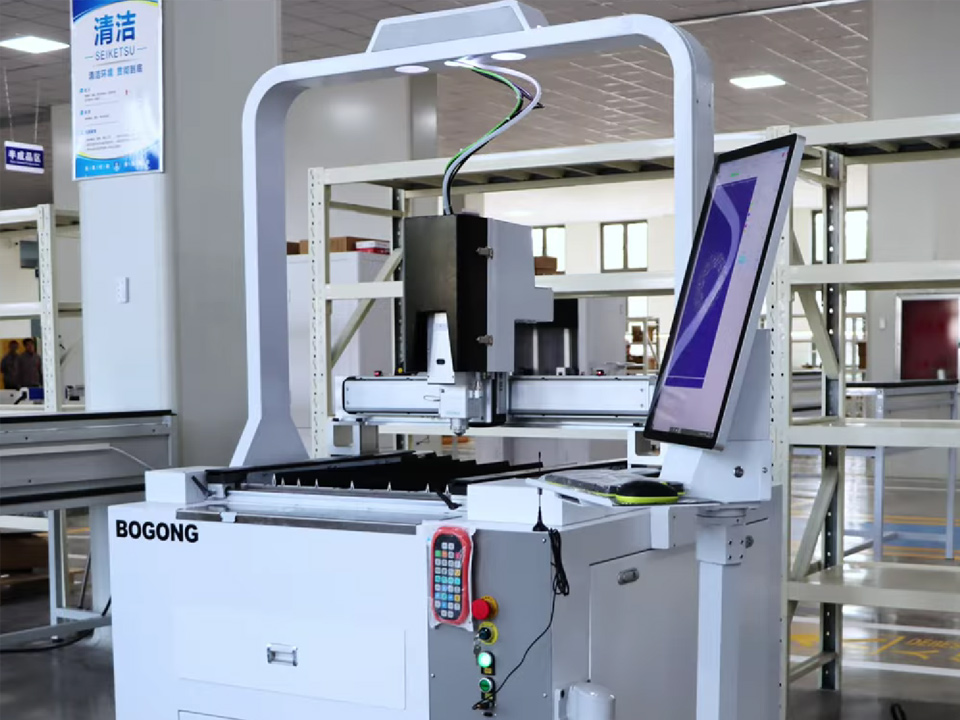
Vláknové lasery: Přezky, štítky, stahováky a kovové kousky, na které značky zapomínají
Outdoorové výrobky nejsou jen textilie. Jsou plné kovových šperků, které se tváří jako robustní technika.
D-kroužky. Vačkové přezky. Kování na stanové tyče. Nerezové štítky. Taháčky zipů z eloxovaného hliníku. Držáky příslušenství pro jízdní kola. Desky na lyžařská vázání. Rukojeti rybářských kleští. Drobné součástky, vysoká viditelnost, vysoké podráždění, když se logo po šesti měsících odře.
To je oblast vláknových laserů.
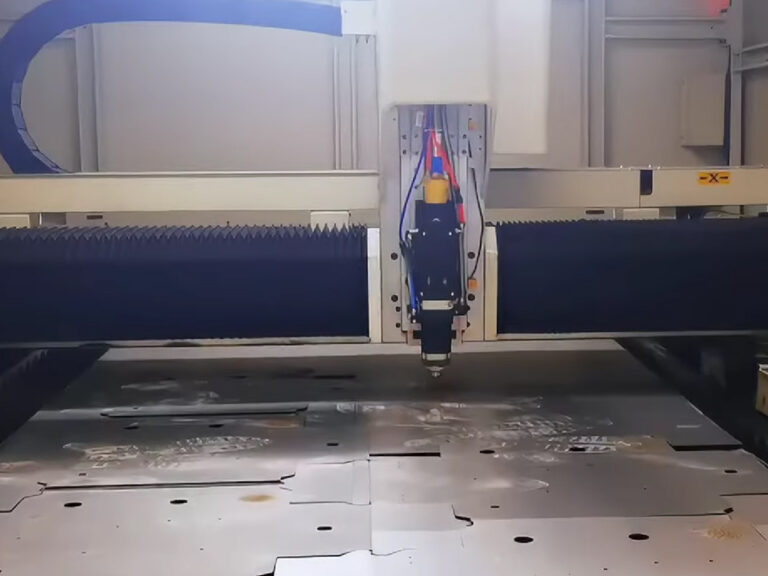
A 50W dělený vláknový laserový gravírovací stroj se hodí pro značení a gravírování nerezové oceli, eloxovaného hliníku, oceli s povrchovou úpravou a drobného kovového kování. Pokud je cílem hlubší řezání nebo agresivnější zpracování kovového příslušenství, je vhodné použít nástroj vláknový laserový gravírovací stroj na řezání kovových doplňků je poctivějším pruhem.
A ne, nelíbí se mi výraz “celoplošný laser”. Obvykle to znamená “celomateriálové zklamání” s pěkným dotykovým displejem.
Vlákna jsou na správném podkladu skvělá. Na látce? Nebuď roztomilý.
UV značení pro plastové díly, které nesnášejí teplo
Nejzajímavější posun, alespoň podle mých zkušeností, je však v oblasti značení plastů. Ne řezání. Značení.
Pouzdra GPS, skořepiny přileb, rámy brýlí, přezky z PA66, klipy z ABS, příslušenství z TPU, těla vodních filtrů, polykarbonátové čočky, vstřikované ozdoby - tyto díly potřebují kódy, bezpečnostní údaje, sériové značky, značky a někdy i značky proti padělání, které jsou tak malé, že by z nich inspektor kvality mohl zamhouřit oči.
UV systémy, často s vlnovou délkou kolem 355 nm, mohou značit s menším příkonem tepla než hrubší tepelné metody. To má význam, pokud je povrch zakřivený, lesklý, tenký, naplněný přísadami nebo nepříjemně citlivý.
A 3D UV laserový značkovací stroj má smysl, když se geometrie stává nepohodlnou. Zakřivené skříně. Zvýšené detaily. Tvarovaná žebra. Podivné malé klipy, které nikdy nesedí naplocho. Miniaturní skříňový laserový značkovací stroj se hodí také pro práci s malými dávkami, kde nechcete, aby se po stole šířily výpary, odlesky nebo improvizace obsluhy.
Jednoduché vysvětlení NASA o laserech říká užitečnou část dostatečně jasně: laserové světlo lze soustředit do úzkého paprsku. To je základ. Tovární verze je méně poetická: úzce soustředit energii, rychle ji přemístit, kontrolovat škody.
Funguje to. Obvykle.
Datová tabulka: Aplikace laserového řezání podle materiálu outdoorového sportovního výrobku
| Venkovní plocha výrobku | Běžné materiály | Lepší přizpůsobení laseru | Praktické využití | Rizika v dílně |
|---|---|---|---|---|
| Batohy, hydratační batohy, panely MOLLE | 500D/1000D nylon, tkanina typu Cordura, polyesterové popruhy, TPU lamináty | CO2 | Řezání panelů, drážkování, výztužné záplaty, gravírování loga | Výpary z nátěru, změna barvy okrajů, deformované tenké vrstvy |
| Výkonné oblečení | Polyester, nylon, směsi elastanu, softshell, fleece | CO2 | Větrací perforace, řezání vzoru, příprava lepeného švu | Hrany ovlivněné teplem, deformace v důsledku protažení, zápach |
| Stany, plachty, suché vaky | Ripstop nylon, polyester, tkanina potažená TPU/PU | CO2 | Řezání vzorů, otvorů pro ventily, otvorů pro těsnění | Chlorované nátěry, kouř z lepidla, ztráta pevnosti švů |
| Přezky, visačky, taháčky na zip, spony | eloxovaný hliník, nerezová ocel, ocel s povrchovou úpravou | Vlákna | Gravírování, seriály, značení logem, řezání tenkých profilů | Odrazivost, otřepy, tepelný odstín, opakovatelnost přípravku |
| Přilby, kryty elektroniky, brýle | ABS, PC, PA66, TPU, povrstvené plasty | UV záření nebo vlákno v závislosti na podkladu | Jemné značení, QR kódy, identifikace šarží, značení zakřivených povrchů | Praskání materiálu, špatný kontrast, aditivní reakce |
| Údržba nástrojů a přípravků | Ocelové formy, svařovací přípravky, oxidované přípravky | Pulzní čištění vláken | Odstraňování rzi/oxidů, čištění svařenců, údržba | Špatné nastavení pulzů může změnit strukturu povrchu |
Podívejte se na ten stůl dostatečně dlouho a uvidíte past. “Nejlepší laserový řezací stroj pro sportovní vybavení” není jedna otázka. Je to pět otázek v jednom kabátě.
Co stříháte? Co značíte? Co čistíte? Co odmítáte? Jaký materiál se za poslední měsíc změnil, aniž by o tom někdo informoval strojírenský průmysl?
To poslední lidi pálí.
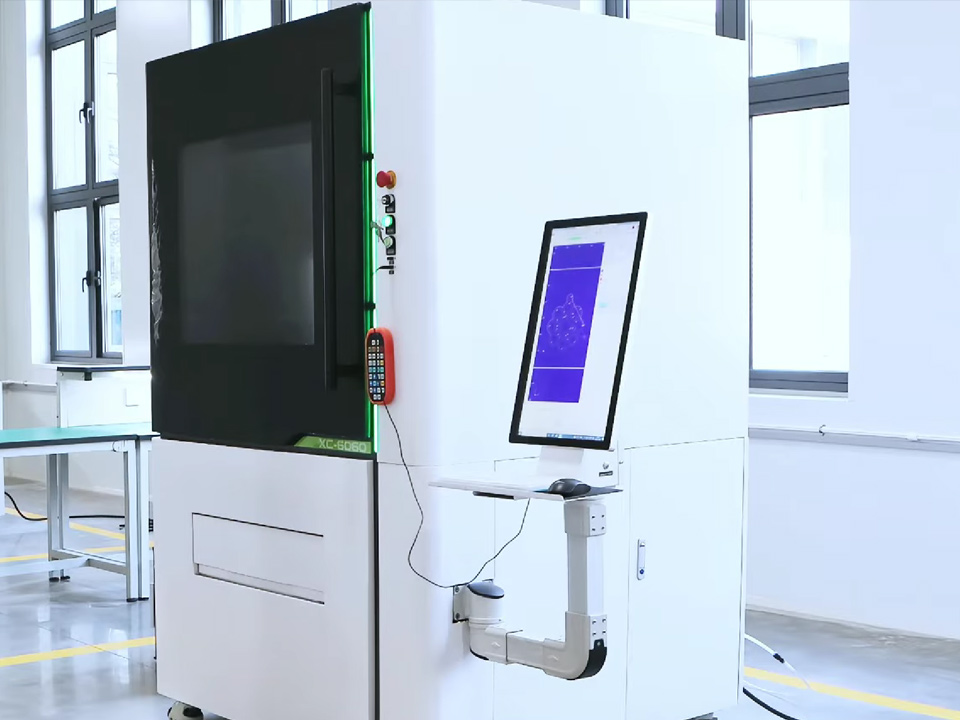
Problém s kouřem: nikdo o něm nechce mluvit, dokud obchod nezapáchá
Stejnou větu jsem slyšel už příliš mnohokrát: “Je to jen látka.”
Ne. Nikdy nejde jen o látku.
Je to nylon plus potah plus barvivo plus vodoodpudivá chemie plus lepidlo plus podklad plus cokoli, co dodavatel v tichosti nahradil, protože původní role nebyla k dispozici. Když do té hromady vložíte paprsek, nedostanete jen tak nějaký řez. Dostanete výpary, částice, zápach, zbytky, někdy kyselinotvorný sajrajt, někdy černý okraj, který vypadá dobře, dokud se páska se švem neodmítne spojit.
Podle pokynů OSHA k laserům by ventilace měla snížit množství nebezpečných výparů a par vznikajících při svařování, řezání a dalších interakcích s laserem pod platné expoziční limity. To je slušná vládní formulace. Verze pro dílnu: Pokud je váš výfuk slabý, vaše laserová buňka je plicní experiment s připojenou objednávkou.
Staré hodnocení laserového značení NIOSH stále stojí za přečtení, i když některým prodejcům strojů dělá potíže. Při zkouškách s použitím 80wattového CO2 laseru identifikoval NIOSH více než 250 sloučenin ze vzorků vzduchu; největší počet potenciálně nebezpečných sloučenin produkovaly plasty a místní odsávací ventilace pomohla kontrolovat expozici.
To není důvod k panice. Je to důvod přestat být nedbalý.
PVC? Nepoužívejte ho náhodně laserem. Neznámý laminát? Nepoužívejte laser. Záhadná pěna bez SDS? Nepoužívejte ji náhodně. Pokud vám dodavatel nedokáže říct, zda je ve stohu chlor, brom, fluorovaná úprava nebo podivná chemie zpomalující hoření, neměl by váš vedoucí výroby hádat podle zápachu.
V továrnách, které se potýkají s rezavými přípravky, zoxidovanými nástroji, znečištěním při přípravě svarů nebo znečištěnými formami, je k dispozici pulzní laserový čisticí stroj mohou být součástí stejného výrobního ekosystému. Ne však stejná práce. Ne stejný slib. Úklid je úklid. Řezání je řezání. Značení je značení.
Toto rozlišení šetří peníze.
Můj seznam kontrol, než si někdo koupí laser
Nezačínejte s příkonem
Prodejci mají rádi výkon, protože se dá snadno porovnávat. 30 W versus 50 W. 80W versus 100W. Velké číslo působí seriózně.
Výroba outdoorových produktů však neselhává proto, že by byl diagram výkonu příliš malý. Selhává proto, že zásobník materiálu byl špatně pochopen, přípravky byly líné, výfuk byl nedostatečně sestaven nebo se obsluha naučila postup z desetiminutové ukázky a PDF, které nikdo nečetl.
Podle mých zkušeností by první audit měl být nudný a nepříjemný:
Jaká je přesná textilie? Jaký povlak? Jaké lepidlo? Jaký GSM? Jaká je tolerance tloušťky? Jaké barvivo? Jaký podklad? Jaká vodoodpudivá úprava? Co se stane po praní, ohýbání, mrznutí, pocení a vystavení UV záření?
Vidíte? Nuda.
Také ziskové.
Testování kupónů překonává brožurkové myšlení
Snižte kupony dříve, než snížíte zásoby. Vždy.
Provedl bych alespoň dvacet testovacích kuponů pro každou skupinu materiálů: rovné řezy, vnitřní rohy, úzké poloměry, perforační mřížky, značky QR, drobný text, dlouhé křivky, hrany přiléhající ke švu, vícevrstvé stohy a jednu záměrně ošklivou geometrii, která odhaluje slabiny řízení pohybu. Pak bych je zneužíval: ohýbal, myl, třel, skenoval, loupal, sešíval, zmrazoval, zahříval, ohýbal.
Pokud se laserová značka první den dokonale naskenuje a po otěru zmizí, neprošla. Provedla.
To jsou různé věci.
U laserového řezání venkovních ozubených kol by měla být v zásobníku kontroly kvality zahrnuta šířka prořezu, pocit z ruky na hraně, změna barvy, zápach, smrštění, interakce švů, chování lepidla po řezání a opakovatelnost obsluhy mezi směnami. Na posledním jmenovaném záleží více, než si lidé připouštějí. Dokonalý vzorek vyrobený aplikačním inženýrem není důkazem výroby.
Sledovatelnost není kosmetika
Tady je další moje předsudek: Myslím si, že sledovatelnost je podhodnocená.
Malý QR kód na přezce může spojit mnoho věcí: šarži dodavatele, šarži nátěru, datum výroby, záruční reklamaci, vyšetřování padělků, hranici stažení z trhu a to, zda závada pochází z jedné linky nebo jedné role materiálu. Outdoorové značky prodávající prostřednictvím maloobchodníků, distributorů, Amazonu, kanálů OEM a programů privátních značek tyto důkazy potřebují.
Neoznačování. Důkazy.
Stanfordský profil výzkumu a vývoje oděvů Nike, Forward fashion: absolventka pomáhá definovat budoucnost oděvů Nike, ukazuje, jakou materiálovou posedlostí žijí výkonné značky. Menší outdoorové společnosti nepotřebují rozpočet Nike. Potřebují ale způsob myšlení: testovat důkladněji, lépe dokumentovat a přestat schvalovat materiály jen proto, že vzorek vypadal dobře pod světlem v kanceláři.
Kde laserové řezací aplikace vydělávají peníze - a kde jimi plýtvají
Řekněme si to na rovinu.
Laserové řezací aplikace vydělávají peníze, když odstraní úzké místo. Třepení. Pomalé lisování. Drahé výměny nástrojů. Špatné seřízení razníku. Zpoždění při odběru vzorků malých sérií. Nekonzistentní odvzdušňovací otvory. Vystavení padělkům. Špatná trvanlivost série. Nepořádek v označování hardwaru. Nedokonalé ruční ořezávání.
Když továrna nejprve koupí nosník a teprve později vytvoří proces, plýtvají penězi.
Viděl jsem týmy, které se těšily z čistého okraje vyříznutého laserem a přitom ignorovaly, že okraj ztuhl, šicí jehla se zahřála, páska se zvedla a obsluha musela každých patnáct minut hlídat pilník. To není automatizace. To je nové úzké místo s lepším osvětlením.
Pokud je však aplikace správná, jsou zisky skutečné. Revize batohového panelu může přejít z CAD do vzorku bez čekání na ocelové nástroje. Ventilační vzor na horní části boty se může změnit po testování sportovců. Otevření ventilu stanu může zůstat konzistentní napříč směnami. Kovová přezka může nést kód šarže, který přežije bláto, pot a zneužívání v maloobchodě.
To je skutečné hřiště.
Ne “pokročilá výroba”. Jen méně hloupých problémů.
Nejčastější dotazy
Jaké jsou hlavní aplikace laserového řezání v outdoorových sportovních produktech?
Laserové řezání v outdoorových sportovních produktech zahrnuje řezání textilních panelů, perforaci ventilace, drážkování popruhů, tvarování pěny, gravírování hardwaru, značení plastových dílů, sledování QR kódů a vzorkování prototypů batohů, stanů, obuvi, přileb, hydratačních batohů, výkonného oblečení, lyžařských doplňků, cyklistických komponentů a rybářského vybavení.
Praktické rozdělení je poměrně jednoduché. Většinu práce s textilem a pěnou odvede CO2. Vlákna zpracovávají kovový hardware. UV pomáhá s citlivým značením plastů. Nepříjemnou částí není výběr rodiny laserů; je to prokázání chování zásobníku materiálů po řezání, mytí, ohýbání, tření a skutečném venkovním týrání.
Jak se laserové řezání používá v outdoorových sportovních produktech?
Laserové řezání se používá v outdoorových sportovních produktech tím, že se geometrie CAD přeměňuje na řízené dráhy paprsků, které řežou, perforují, gravírují nebo značí materiály bez fyzického kontaktu s ostřím, čímž továrny získávají opakovatelné panely, čistší geometrii drážek, trvanlivé sériové značky, lehčí ventilační struktury a rychlejší prototypové smyčky pro vývoj sezónního vybavení.
V praxi to znamená méně zápustek, méně ručních úprav, méně křivých otvorů a rychlejší změny designu. Ale neromantizujte to. Špatný přípravek, slabý výfuk, špinavá čočka, špatné nastavení pomocného vzduchu nebo záhadný nátěr mohou zničit celý slib ještě před obědem.
Je řezání laserem CO2 lepší než řezání vláknovým laserem pro outdoorové vybavení?
Řezání laserem CO2 je obvykle vhodnější pro outdoorové vybavení z textilu, materiálů podobných kůži, pěny EVA, neoprenu, kartonových vzorů a mnoha potahovaných tkanin, zatímco systémy vláknového laseru jsou obvykle vhodnější pro nerezovou ocel, eloxovaný hliník, titanové visačky, táhla zipů, přezky a další kovový hardware.
Odpověď tedy závisí na tom, co leží na posteli. Nylonové obalové panely? CO2. Značkové nerezové desky? Vlákno. Označení ABS nebo polykarbonát? Možná UV. Každý, kdo prodává jeden stroj jako univerzální odpověď, buď příliš zjednodušuje, nebo doufá, že se nezeptáte na skutečné vzorové testy.
Váš další krok: Nekupujte ukázku, vyzkoušejte šrot
Než stroj nabídnete, sestavte zkušební balíček. Tři látky. Dva lamináty s povrchovou úpravou. Jedna pěna. Jeden plastový kryt. Jeden eloxovaný hliníkový díl. Jedna položka nerezového kování. Jeden neúspěšně vrácený vzorek ze záručního koše - ten trapný.
Poté otestujte pracovní postupy s CO2, vlákny, UV zářením a čištěním na skutečném laserovém řezání při výrobě sportovního vybavení. Zkontrolujte kvalitu hran, dobu cyklu, zápach, čitelnost skenů, zatížení výfukových plynů, náklady na přípravek, opakovatelnost obsluhy, míru zmetkovitosti a to, zda se díl chová i po zneužití.
Pokud je vaše bolest měkkým zbožím, začněte tím, že zkontrolujete Laserový značkovací stroj CO2. Pokud vás bolí hlava kvůli sledovatelnosti kovů, podívejte se na 50W dělený vláknový laserový gravírovací stroj. Pokud je problémem plast, zakřivené povrchy a jemné stopy, zkontrolujte. 3D UV laserový značkovací stroj. U špinavého nářadí a údržbářských prací udržujte pulzní laserový čisticí stroj v diskusi.
Přineste špatné vzorky. Přineste skutečné vady. Přineste materiál, který nikdo nerad stříhá.
Právě tam se objevují užitečné odpovědi.


Horké kliknutí
Kontaktujte nás
Aplikace
©Copyright [bogonglaser.com]. BOGONG Laser Machine Supplier Všechna práva vyhrazena.