
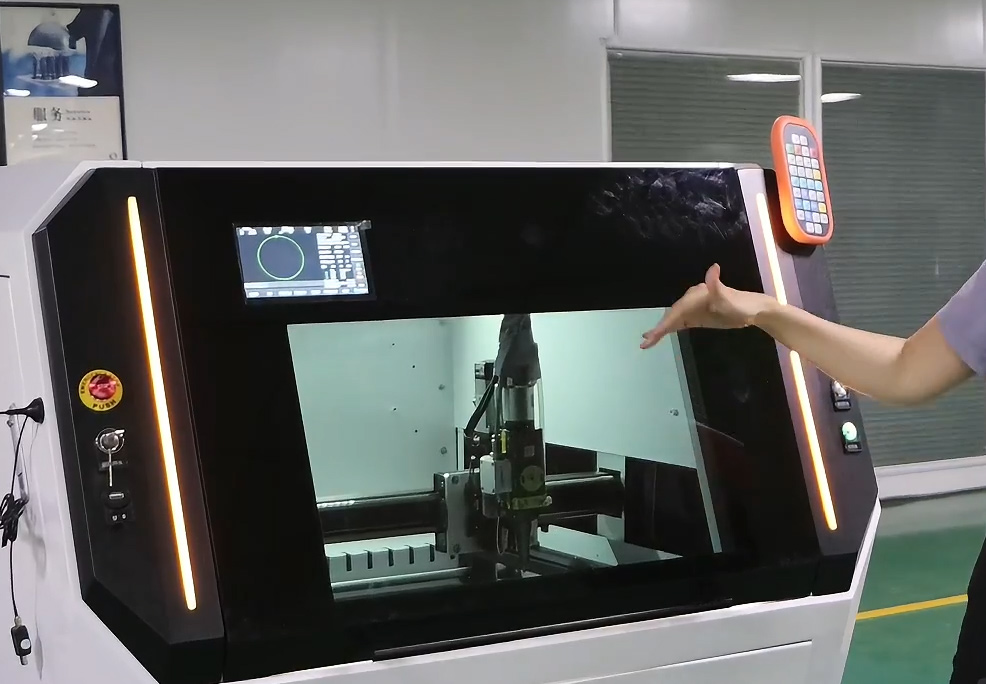
حلول القطع بالليزر لمصنعي معدات اللياقة البدنية التصنيعية
تصنيع معدات اللياقة البدنية لا يتعلق فقط بقطع الفولاذ بشكل أسرع. بل يتعلق الأمر بدقة الأنابيب، وملاءمة اللحام، واتساق طلاء المسحوق، ومخاطر المخزون، وجودة الإنتاج القابلة للتكرار عندما يتحول السوق دون سابق إنذار.

مشكلة مصنع معدات اللياقة البدنية التي لا يحب أحد التحدث عنها بصراحة
تتفاقم الأوضاع.
لقد تجولت في عدد كافٍ من ورش المعادن لأتعرف على تلك الرائحة المألوفة: زيت القطع، والفولاذ الساخن، وغبار الطلاء المسحوق، والكرتون المتناثر من صناديق التصدير نصف المفتوحة، ومدير إنتاج واحد يتظاهر بهدوء بأن الطلب العاجل الأخير لن يخل بالجدول الزمني. تبدو معدات اللياقة البدنية نظيفة على الموقع الإلكتروني. أما داخل المصنع، فالأمر أشبه بمعركة.
وعادةً ما تبدأ المعركة بالموسيقى الميتال.
إن هيكل جهاز المشي، أو العمود الرأسي لحامل القرفصاء، أو دعامة برج الكابلات، أو دعامة المقعد لا تتعطل لأن الكتيب الترويجي كان ضعيفًا. بل تتعطل لأن فتحات الأنابيب غير متوازية، أو لأن فجوة اللحام واسعة جدًّا، أو لأن القالب يحتاج إلى الكثير من “التعديل اليدوي”، أو لأن الطلاء المسحوق يكشف كل النتوءات الناتجة عن الإهمال التي لم يرغب أحد في الحديث عنها.
إليكم الحقيقة القبيحة: قطع معدات اللياقة البدنية بالليزر لا يقتصر الأمر على شراء آلة أسرع فحسب. بل يتعلق بالسيطرة على الفوضى قبل أن تصل إلى مراحل اللحام والتجميع والطلاء والشحن.
لننظر إلى شركة “بو فليكس”. في مارس 2024، أفادت وكالة رويترز أن الشركة تقدمت بطلب للحماية بموجب الفصل 11 من قانون الإفلاس، مع عرض شراء بقيمة $37.5 مليون، بعد أن تلاشى الطلب الذي تسبب فيه الوباء، وتراجع تجار التجزئة، وأصبح المخزون عبئًا ثقيلًا. لم تكن هذه مجرد مسألة تتعلق بالميزانية العمومية. بل كان تحذيرًا يتعلق بالإنتاج. فإذا لم تتمكن شركة تصنيع معدات اللياقة البدنية من تغيير وحدات التخزين (SKUs) بسرعة، فإن المخزون «الآمن» سرعان ما يتحول إلى عبء ثقيل.
لذا، نعم، التقليل مهم. لكن المرونة أهم.
تتألف معدات اللياقة البدنية في الغالب من أنابيب وثقوب وفتحات ومفاجآت غير سارة
قد تبدو آلة التمرين التجارية بسيطة عند النظر إليها من مسافة عشرة أمتار. هيكل أسود. لحامات متقنة. أقدام مطاطية. وسادة إسفنجية. وربما لوحة تحكم.
لكن اقترب أكثر.
هناك أنابيب مربعة ذات فتحات ضبط متكررة. وأنابيب دائرية ذات شقوق على شكل سرج. وإطارات منحنية تتطلب هندسة شقوق دقيقة. ووصلات تقوية. حاملات المقاعد. حوامل البكرات. لوحات القدمين. موجهات الكابلات. أجزاء مجموعة الأوزان. أعمدة ذات أنماط ثقوب يجب أن تتطابق من دفعة إلى أخرى، لأن المُركِّبين لا يهتمون بأسباب انحراف التفاوت المسموح به. كل ما يعرفونه هو أن المسمار لن يدخل في مكانه.
لهذا السبب ماكينات قطع الأنابيب الليزرية ذات التحميل الأوتوماتيكي إنها فكرة منطقية للغاية بالنسبة لإنتاج معدات الصالات الرياضية على نطاق واسع. فصناعة الأنابيب ليست مجرد عمل ثانوي في هذه الصناعة، بل هي العمود الفقري لها.
ولكن لا، بصراحة لا أقتنع بحجة “يمكننا ببساطة قصها وحفرها” بمجرد أن يتجاوز المصنع مرحلة المنتجات الأساسية. قد ينجح القص والحفر. لفترة من الوقت. ثم تضيف المزيد من وحدات التخزين (SKU)، ومواعيد تسليم أقصر، وأشكال أنابيب متنوعة، وثقوب مخصصة، وعملاء في الخارج يطلبون اتساقًا أكثر دقة — وفجأة تبدأ عمليتك القديمة في إهدار ساعات العمل في كل مكان.
بهدوء. وبتكلفة باهظة.
أين تتسبب العملية القديمة في خسارة الأموال
غالبًا ما تبدو العملية التقليدية على النحو التالي: قص الأنبوب، نقل الأنبوب، وضع علامات على الأنبوب، حفر الأنبوب، إزالة الحواف الخشنة من الأنبوب، فحص الأنبوب، إعادة معالجة الأنبوب، إرسال الأنبوب إلى قسم اللحام، اكتشاف أن إحدى الثقوب غير صحيحة، الشتم بصوت خافت، إصلاحها يدويًّا.
هذا ليس تميزًا في التصنيع. بل هو جهود منظمة للحد من الأضرار.
يمكن لليزر المخصص للأنابيب قطع الأنابيب حسب الطول المطلوب، وحفر فتحات البراغي، والشقوق، والوصلات على شكل «فم السمكة»، وفتحات التصريف، والقطع الزاوي، وتفاصيل الوسم، كل ذلك ضمن مسار عمل رقمي واحد. ولا تكمن الميزة الكبرى في وقت الدورة فحسب، بل في تقليل احتمالات ارتكاب العاملين لأخطاء بسيطة تتفاقم لاحقًا.
| منطقة التصنيع | مشكلة قديمة | مزايا القطع بالليزر | لماذا يهتم مصنعو معدات اللياقة البدنية بهذا الأمر |
|---|---|---|---|
| قطع الأنابيب | القطع بالمنشار، والحفر، والتثقيب، وإزالة الحواف الخشنة عبر عدة محطات | يمكن لآلة واحدة قطع الأطوال، وحفر الثقوب، وعمل الشقوق، والشقوق الطولية، والزوايا | تقليل عمليات التسليم وتحسين عملية التحضير لللحام |
| أجزاء الألواح | القطع المُعهد إلى جهة خارجية أم القطع بالبلازما الأبطأ | قطع أسرع وأكثر دقة في الفولاذ الكربوني والفولاذ المقاوم للصدأ | أقواس وأغطية وألواح تثبيت أفضل |
| تصميم النماذج الأولية | المعدات الجديدة تؤدي إلى إبطاء عمليات التشغيل التجريبي | تتيح الملفات الرقمية إجراء تغييرات أسرع على التصميم | اختبار أسرع للمنتجات الجديدة |
| تركيب قطع اللحام | الثغرات الناتجة عن عدم اتساق عملية تحضير الأنابيب | وصلات أكثر دقة وشقوق قابلة للتكرار | تقليل عمليات تصحيح اللحام والتجليخ |
| مخاطر المخزون | تبدو الدفعات الكبيرة “أكثر أمانًا”، لكنها قد تتحول إلى مخزون راكد | أصبحت عمليات الإنتاج بكميات أصغر أكثر عملية | استجابة أفضل لتقلبات الطلب |
تلك الجملة الأخيرة لها أهمية أكبر مما يعتقده الناس.
أفادت وكالة رويترز أن مبيعات شركة «تيكنوجيم» في النصف الأول من عام 2024 ارتفعت بنسبة 8.7% لتصل إلى 402.1 مليون يورو، في حين ارتفعت الأرباح قبل الفوائد والضرائب والاستهلاك والإطفاء (EBITDA) المعدلة بعد خصم تكاليف الإيجار بنسبة 12.4%، مدعومةً بالتغطية الإعلامية لأولمبياد باريس 2024 ووجود 29 مركزًا لتدريب الرياضيين. لذا، لم يختفِ الطلب، بل انتقل. وحافظت العلامات التجارية الفاخرة ذات المكانة القوية على زخمها، في حين عانت الشركات التي تعاني من ضعف التوقعات وبطء أنظمة الإنتاج من عواقب سلبية.
هذا هو الانقسام.
مصنع ما يقوم بالتعديل. أما مصنع آخر فيقدم خصومات على المخزون القديم ويصف ذلك بـ“ضغوط السوق”.”
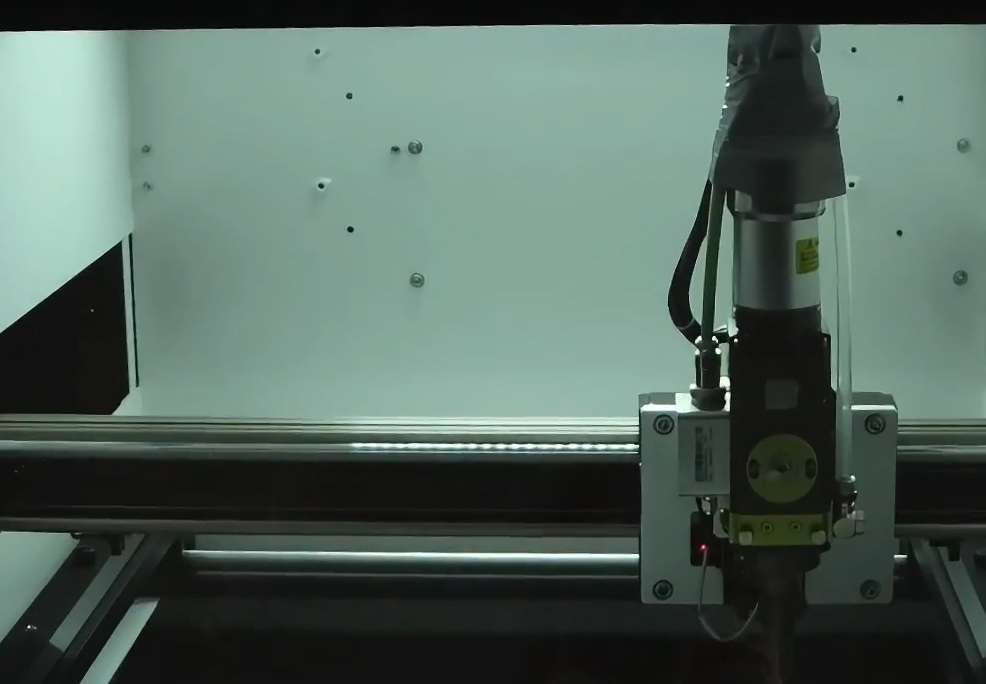
القطع بالليزر الليفي لمعدات اللياقة البدنية: المجال الذي تظهر فيه العائدات أولاً
ليست كل مصانع معدات الصالات الرياضية بحاجة إلى نفس الآلة. ومن يقول عكس ذلك، فربما يكون يبيعها.
لا يحتاج صانع الملحقات الصغيرة الذي يقوم بقطع حوامل المصابيح إلى نفس التجهيزات التي يحتاجها مصنع ينتج حوامل القرفصاء، وآلات سميث، وأبراج الكابلات، والمقاعد، وآلات ضغط الساقين، وإطارات التمارين الهوائية الملحومة. التحديات مختلفة. ومنطق الآلات مختلف أيضًا.
ولكن في الإنتاج الذي يعتمد بشكل كبير على المعادن،, القطع بالليزر الليفي لمعدات اللياقة البدنية وعادةً ما تظهر فوائد ذلك في ثلاثة جوانب: هياكل الأنابيب، ودعامات الألواح، وسرعة تصنيع النماذج الأولية.
الهياكل الأنبوبية: المنطقة التي تدر أرباحًا حقيقية
تستهلك كل من حوامل الأثقال، ونصف الحوامل، ورفوف التخزين، وأجهزة التمرين المتعددة، وأجهزة الكابلات المتقاطعة، وهياكل آلات التجديف، وهياكل المقاعد، كميات كبيرة من الأنابيب.
أنبوب مربع. أنبوب مستطيل. أنبوب دائري. وأحيانًا أنبوب بيضاوي، إذا أراد المصمم أن يعاني العاملون في قسم الإنتاج قليلاً.
باستخدام الليزر الأنبوبي، يمكن للمصنع قطع الأطوال، وحفر الثقوب، وشق الشقوق، وعمل الشقوق، وإنشاء الوصلات الزاوية في عملية واحدة متصلة. وهذا يعني عددًا أقل من قوالب الحفر، وأخطاء أقل في التخطيط، وعمليات ثانوية أقل، وإعدادًا أفضل لللحام. فيحصل عامل اللحام على قطعة مناسبة بدلاً من لغز.
بالنسبة للمصنعين الذين يقارنون بين أنواع الآلات، فإن أفضل آلة قطع المعادن بالليزر يتناسب هذا الدليل بشكل طبيعي مع عملية الشراء. والسؤال الحقيقي ليس “هل تستطيع الآلة قطع المعدن؟” فهذا سؤال أساسي للغاية. بل السؤال الأفضل هو: هل تستطيع الآلة قطع مجموعة منتجاتك، بالكميات التي تحتاجها، وبسماكة المواد التي تستخدمها، دون التسبب في عقبات جديدة؟
حاملات الألواح الثقيلة: قطع مملة، عواقب وخيمة
تحتوي معدات الصالة الرياضية على حوامل في كل مكان.
حاملات البكرات. أدوات ضبط المقاعد. لوحات القاعدة. حاملات المقابض. دعامات القدمين. لوحات المحرك. واقيات الكابلات. مزلاج الأمان. لوحات مجموعة الأوزان. كل تلك الأجزاء “الصغيرة” التي تعطل عملية التجميع إذا انحرفت عن المقاس بمقدار 1.5 ملم.
بالنسبة للفولاذ الكربوني الأثقل، فإن آلة قطع المعادن بالليزر الليفي عالي الطاقة بقدرة تتراوح بين 6000 واط و40 كيلوواط قد يكون هذا منطقيًا. لكن «عبادة» القوة الكهربائية هي فخ. فقد رأيت مشترين يسعون وراء القوة الكهربائية كما لو كانت «قوة الحصان» في سيارة رياضية، ثم يتجاهلون برامج التداخل، وتكلفة الغاز، وتدريب المشغلين، وإمكانية الوصول إلى خدمات الصيانة، وعمر الفوهات، وتركيبة الأجزاء الفعلية.
هكذا تتحول الآلة إلى قطعة أثاث باهظة الثمن.
ليزر بقوة 40 كيلوواط يبدو قويًا. رائع. لكن إذا كانت قطعك تتكون في الغالب من دعامات متوسطة السماكة، وكان العائق الرئيسي لديك هو التحميل أو التفريغ أو سوء البرمجة، فإن زيادة القوة الكهربائية لن تنفعك.
الأجزاء الصغيرة وأخذ العينات: الميزة الخفية
بعض المصانع لا تحتاج إلى منضدة ضخمة لكل مهمة.
غالبًا ما يمكن معالجة الملحقات، وألواح التثبيت الصغيرة، ولوحات الشعار، والأغطية الرقيقة، وألسنة الضبط، والنماذج الأولية في المراحل المبكرة باستخدام آلة مدمجة. شيء مثل 5050 آلة قطع ألياف الليزر الصغيرة 5050 يمكن أن يساعد ذلك عندما ترغب الشركة المصنعة في الحصول على عينات بشكل أسرع دون الحاجة إلى الانتظار حتى تنتهي ورشة القطع الخارجية من العمل.
وهذا أمر لا يحظى بالتقدير الكافي.
يؤدي تأخير النموذج الأولي إلى تغيير المسار. فيتوقف فريق التصميم عن إجراء الاختبارات. ويبدأ قسم المبيعات في تقديم وعود. ويقول قسم الإنتاج: “هذا كافٍ تقريبًا”. ثم تُرسل العينة إلى العميل، ويتظاهر الجميع بالدهشة عندما تأتي ردود الفعل قاسية.
التقاط العينات الداخلية السريع يمنع حدوث بعض تلك المشاكل. ليس كلها. بل بعضها.
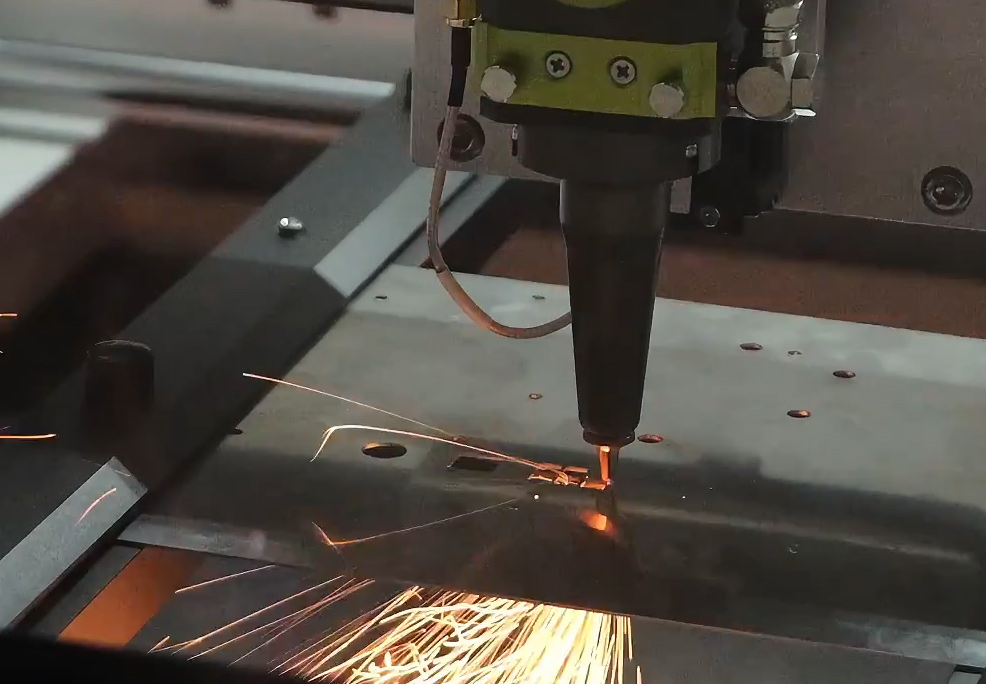
السلامة، والأبخرة، والأمور التي تتجاهلها كتيبات المبيعات
لكن دعونا لا نتظاهر بأن القطع بالليزر لا يقتصر إلا على الشرارات اللامعة والحواف النظيفة.
تشير إدارة السلامة والصحة المهنية (OSHA) إلى أن مخاطر الليزر تندرج ضمن المعايير الصناعية العامة، بما في ذلك متطلبات معدات الحماية الشخصية وحماية العينين والوجه. قد يبدو هذا أمرًا بديهيًا إلى أن ترى ورشة عمل حقيقية حيث تكون إجراءات التحكم في الدخول متساهلة، والنظارات الواقية غير مناسبة، ونظام الشفط ضعيفًا، و“برنامج التدريب” يقتصر في الأساس على عامل متعب يشرح لعامل جديد أي زر يجب ألا يضغط عليه.
أعتقد بصراحة أن هذا هو المجال الذي ينبغي للمشترين أن يقيّموا فيه الموردين بمزيد من الصرامة.
إذا تحدث بائع آلة لمدة 40 دقيقة عن سرعة القطع دون أن يذكر شيئًا يذكر عن وسائل الحماية، أو شفط الأبخرة، أو التعامل مع الغازات المساعدة، أو الصيانة، أو حماية العدسات، أو سلامة المشغل، أو الاستجابة للإنذارات، فإن هذا المورد يبيع مجرد أجهزة. وليس نظامًا إنتاجيًا.
ولا يمكن لمصانع معدات اللياقة البدنية تجاهل هذا الأمر. فمعظم الهياكل تُصنع من الفولاذ الكربوني المطلي بالمسحوق. وقد يؤدي القطع غير الدقيق إلى حدوث عيوب في الطلاء. كما أن الحواف غير المستوية قد تؤدي إلى تمزيق مواد التغليف أو جرح الأيدي أثناء التجميع. وتؤثر الأكسدة على جودة اللحام والتشطيب. كما أن إزالة الخبث تستغرق وقتًا طويلاً. ويؤدي سوء التحكم في الأبخرة إلى جعل بيئة العمل غير مريحة وغير آمنة.
المشاكل الصغيرة تنتقل إلى المراحل اللاحقة.
ثم تعود هذه المنتجات في شكل مطالبات ضمان.
بدأت البيانات في التمييز بين المتاجر الجيدة والمتاجر العادية
هناك أمر ألاحظه دائمًا: أصبحت المصانع الجيدة أقل اعتمادًا على مقولة “السيد ليو يتعرف على الآلة من صوتها”.”
الخبرة لا تزال مهمة. بالطبع هي كذلك. لكن أصبح من الصعب تجاهل بيانات العمليات.
يصف عمل المعهد الوطني للمعايير والتقنية (NIST) في مجال التحكم المتقدم بالليزر طرقًا تسمح بتغيير قوة الليزر وسرعته، مع ربط أوامر الآلة ببيانات مراقبة العملية. نعم، يركز هذا المشروع على التصنيع الإضافي، وليس على قطع أنابيب معدات الصالات الرياضية. لكن الرسالة واضحة بما فيه الكفاية: تتجه المعالجة بالليزر نحو ردود فعل أكثر دقة، وقياسات أكثر، وتقليل الاعتماد على التخمين.
بالنسبة لـ تصنيع معدات اللياقة البدنية, ، وهذا أمر مهم لأن الأجزاء ليست دائمًا غريبة. بل إنها متكررة.
يُعتبر عمود الرف مملًا إلى أن تقوم بقطع 5,000 قطعة منه. عندها تصبح هناك 5,000 فرصة لحدوث أخطاء في محاذاة الثقوب، وحالة النتوءات، واتجاه السطح الأمامي، ووضع العلامات على الدُفعات، وملاءمة الطلاء، والتجميع النهائي.
الملل يصبح مكلفًا.
وأشار تقرير الاقتصاد الصناعي لعام 2024 الصادر عن المعهد الوطني للمعايير والتقنية (NIST) أيضًا إلى أن إنتاجية العمالة في القطاع الصناعي الأمريكي ارتفعت بنسبة 0.4% فقط بين الربع الثاني من عام 2023 والربع الثاني من عام 2024، بمعدل نمو سنوي مركب على مدى خمس سنوات بلغ 0.4%. وهذا معدل ضئيل. ضئيل بشكل مؤلم. وهذا يعني أنه لا ينبغي للمصنعين توقع تحقيق مكاسب سهلة في الإنتاجية من خلال “العمل بجد أكبر”. بل يجب أن تأتي هذه المكاسب من التحكم في العمليات، والأتمتة، والتصميمات الأكثر ذكاءً، وتقليل اللمسات غير الضرورية.
هذه ليست مجرد نظرية. إنها مسألة بقاء في أرض الواقع.
ما الذي ينبغي أن يظل داخل المؤسسة — وما الذي ربما لا ينبغي أن يظل فيها
هل ينبغي على كل شركة مصنعة لمعدات اللياقة البدنية أن تعتمد تقنية القطع بالليزر داخل مصانعها؟
لا يوجد.
هاك. لقد قلتها.
إذا كنت تقوم بقص بعض الألواح الزخرفية من حين لآخر، فقد يكون الاستعانة بمصادر خارجية خيارًا مناسبًا. أما إذا كانت المشكلة الرئيسية التي تواجهك هي إدارة التجميع أو التنجيد، فإن آلة الليزر لن تحل مشاكل عملك بطريقة سحرية. ولكن إذا كنت تقوم بقطع إطارات أنبوبية كل أسبوع، وتقوم بتعديل النماذج بشكل متكرر، وتضيع الوقت في عمليات الحفر، وتواجه صعوبات في سد فجوات اللحام، وتنتظر وقتًا طويلاً حتى يتسلم الموردون الخارجيون الطلبات، فإن قطع الليزر الداخلي يستحق أن تنظر فيه بجدية.
استخدم هذا كمرشح تقريبي:
| حالة الإنتاج | الخيار الأفضل | السبب |
|---|---|---|
| أنابيب حامل ذات سعة كبيرة مع أنماط ثقوب متكررة | جهاز ليزر داخلي لقطع الأنابيب | يقلل من العمالة، والتركيبات، وعمليات الحفر الثانوية |
| لوحات زخرفية تُستخدم من حين لآخر | ليزر خارجي أم مدمج | قد لا يكون النظام الكامل الحجم مجديًا من الناحية الاقتصادية |
| دعامات الألواح السميكة في دفعات متكررة | ليزر ألياف عالي الطاقة | قطع أسرع وتحكم أفضل في الدُفعات |
| إكسسوارات النماذج الأولية والأطباق الصغيرة | ليزر ليفي صغير | أسرع في أخذ العينات وضغط أقل فيما يتعلق بالحد الأدنى للطلب |
| إطارات ملحومة تحتوي على العديد من الوصلات الزاوية | التحكم في الليزر الأنبوبي بالإضافة إلى التثبيتات | تركيب أفضل وتقليل الحاجة إلى الصقل |
| التركيبات الجاهزة التي تحتاج إلى إصلاح الإطار أو ربطه | إضافة تقييم اللحام بالليزر | قد يقلل الربط الأنظف من الحاجة إلى المعالجة اللاحقة |
وإذا كان اللحام يمثل أيضًا عقبة، فإن آلة اللحام بالليزر من النوع الأرضي قد يستحق الأمر بعض الاهتمام. لكن لا تخلط بين هذين القرارين بسهولة مفرطة. فالقطع يعالج شكل القطعة الهندسية، أما اللحام فيعالج جودة التوصيل. هل هناك صلة بينهما؟ نعم. هل هما نفس المشكلة؟ ليس تمامًا.
سأقوم بفصل التحليل.
كيف يسهم القطع بالليزر في تحسين إنتاج معدات اللياقة البدنية
الجواب البسيط: إنه يزيل اللمسات غير الضرورية.
يعزز القطع بالليزر من كفاءة إنتاج معدات اللياقة البدنية من خلال دمج عمليات قطع الأنابيب، وحفر الثقوب، وقطع الشقوق، وعمل الشقوق، وتشكيل الألواح في سير عمل رقمي أكثر انسيابية. ويساعد ذلك المصنعين على تقليل الأعمال اليدوية المتعلقة بالتخطيط، وتحسين ملاءمة اللحامات، وتسريع تغييرات التصميم، وإنتاج دفعات أصغر حجمًا دون أن يتحول المصنع إلى فوضى في الجدولة.
لكن إليكم الجزء المزعج: آلة الليزر تكشف أيضًا عن نقاط الضعف في الأنظمة.
ملفات DXF معيبة؟ الآلة لن تتسامح معها. ترتيب قطع غير جيد؟ ستهدر الألواح. صيانة غير كافية؟ ستتدهور جودة القطع. إعدادات غاز المساعدة غير صحيحة؟ ستتأثر جودة الحواف. يقوم المشغلون بالتخمين بدلاً من تسجيل المعلمات؟ استمتع بإعادة العمل.
هذه الآلة ليست سحرية. إنها صادقة.
وأحيانًا تكون هذه الصراحة مؤلمة.
ومع ذلك، في مصنع يتسم بالانضباط،, القطع بالليزر للمعادن لمصنعي معدات اللياقة البدنية يمكن أن تصبح واحدة من أكثر عمليات التحسين فائدة في سلسلة الإنتاج بأكملها. فهي تؤثر على دقة الإطار، وسرعة اللحام، وجودة الطلاء بالمسحوق، ومدى ملاءمة التجميع، ومرونة وحدات التخزين (SKU)، وسرعة أخذ العينات، وحتى كفاءة التعبئة والتغليف؛ لأن الأجزاء الأكثر نظافة يمكن تكديسها وحمايتها بشكل أفضل.
قرار واحد تتخذه الآلة. عواقب عديدة.
قائمة مراجعة للمشتري قبل إنفاق أموال حقيقية
قبل اختيار حل للقطع بالليزر، سأطرح هذه الأسئلة — وأريد إجابات صريحة، لا كلامًا ترويجيًّا.
- ما هي النسبة المئوية للمكونات المصنوعة من الأنابيب أو الألواح أو المعادن المختلطة ضمن قطع غياركم؟
- هل تقوم في الغالب بقطع الفولاذ الكربوني Q235، أم الفولاذ المقاوم للصدأ 304، أم الألومنيوم، أم الفولاذ المجلفن، أم مواد مختلطة؟
- ما هو نطاق السماكة الذي تقومون بقصه كل أسبوع — وليس مرة واحدة في السنة لعميل معين؟
- ما مقدار الجهد الذي يُستهلك في عمليات الحفر، والتثقيب، والوسم، وإزالة الحواف الخشنة، والتحضير لللحام؟
- هل تحتاج إلى تحميل تلقائي للأنابيب الطويلة؟
- كم مرة تقوم قسم الهندسة بمراجعة الرسومات بعد أخذ العينات؟
- ما هي نسبة المخلفات لديكم بعد عمليات القطع واللحام والطلاء بالمسحوق والتجميع؟
- هل يستطيع فريقكم صيانة العدسات، والفوهات، والمبردات، وضغط الغاز، وملفات البرامج، والمعايرة؟
- هل يطلب عملاء التصدير شهادات CE أو FDA أو ISO أو وثائق السلامة؟
- هل سيقوم المورد باختبار قطع الغيار الفعلية الخاصة بك قبل تقديم عرض أسعار للنظام “المثالي”؟
هذا الأمر الأخير مهم.
لا تدع أحدًا يقتصر في العرض التوضيحي على الأجزاء السهلة فقط. أحضر الأنبوب الصعب. أحضر الحامل الذي يكرهه عمال اللحام لديك. أحضر الجزء المشقوق الذي يحتاج دائمًا إلى الصقل اليدوي. أحضر الغطاء الرقيق الذي يتشوه. أحضر الفوضى الحقيقية.
هناك تتجلى حقيقة الآلة.
الأسئلة الشائعة
ما هي معدات اللياقة البدنية المصنوعة بتقنية القطع بالليزر؟
القطع بالليزر لمعدات اللياقة البدنية هو استخدام آلات الليزر لقطع الأنابيب المعدنية والألواح والدعامات وعمل الثقوب والشقوق ومكونات الهياكل الخاصة بأجهزة الصالات الرياضية والرفوف والمقاعد ومعدات التمارين الهوائية وأنظمة تمارين القوة. ويساعد ذلك المصنعين على تحسين الدقة وتقليل عمليات المعالجة الثانوية وتسريع عملية إنشاء النماذج الأولية، فضلاً عن إنتاج قطع أكثر دقة وجاهزة للحام من أجل إنتاج قابل للتكرار.
وبلغة المصانع البسيطة، يعني ذلك تقليل عدد عمليات التسليم بين مراحل القطع والحفر وإزالة الحواف الخشنة، وزيادة عدد الأشكال الهندسية النهائية التي تخرج مباشرة من وحدة القطع. وعادةً ما تظهر القيمة الأكبر في معدات القوة التي تعتمد بشكل كبير على الأنابيب، حيث يحدد محاذاة الثقوب وإعداد الوصلات ما إذا كان عملية اللحام ستسير بسلاسة أم ستكون صعبة.
لماذا يستخدم مصنعو معدات اللياقة البدنية تقنية القطع بالليزر الليفي؟
يستخدم مصنعو معدات اللياقة البدنية تقنية القطع بالليزر الليفي لأنها تتيح معالجة الفولاذ الكربوني والفولاذ المقاوم للصدأ والعديد من المكونات الأنبوبية أو الصفائحية بسرعة عالية ودقة قابلة للتكرار. كما أنها تقلل من الحاجة إلى أعمال الحفر والتثقيب والنشر والتخطيط اليدوي، مما يساعد المصانع على إنتاج هياكل معدات الصالات الرياضية والدعامات وأجزاء الضبط بأخطاء إنتاج أقل.
الفائدة الحقيقية لا تكمن في السرعة فحسب، بل في إمكانية تكرار العملية عبر الدفعات المختلفة. فعندما يحتوي العمود الواحد على 36 فتحة ويحتاج الطلب إلى آلاف الأعمدة، فإن عبارة “تقريبًا صحيح” تصبح عبارة مكلفة.
هل يعتبر القطع بالليزر للأنابيب مفيدًا في إنتاج معدات الصالات الرياضية؟
يُعد القطع بالليزر للأنابيب مفيدًا في إنتاج معدات الصالات الرياضية، لأن العديد من أجهزة تمارين القوة، وحوامل القرفصاء، والمقاعد، ومحطات الكابلات تعتمد على أنابيب معدنية مربعة ومستطيلة ودائرية. ويمكن لآلة القطع بالليزر للأنابيب قطع أطوال، وحفر ثقوب، وشقوق، وشقوق صغيرة، ووصلات بزوايا في عملية واحدة، مما يقلل من الحاجة إلى استخدام أدوات التثبيت ويحسن اتساق عملية التجميع.
من واقع خبرتي، فإن القطع بالليزر الأنبوبي هو المجال الذي تلاحظ فيه العديد من مصانع معدات اللياقة البدنية العائد على الاستثمار أولاً. يحصل عامل اللحام على وصلات أنظف. ويحصل فريق التجميع على محاذاة أفضل. وتحتاج الورشة إلى عدد أقل من أدوات التثبيت الثانوية. وتقل شكاوى الجميع قليلاً.
خلاصة القول: لا تشترِ جهاز ليزر. بل قم ببناء نظام قطع.
الأفضل حلول القطع بالليزر لمصنعي معدات اللياقة البدنية لا يتم اختيارها بناءً على القوة الكهربائية، أو صور الكتيبات، أو عينة قطع واحدة مثالية.
يتم اختيارها بناءً على تشكيلة المنتجات، وهندسة الأنابيب، وسماكة الألواح، وحجم الدفعة، وتقلب الطلبات، ومهارة المشغلين، وتخطيط السلامة، ودعم الخدمات، واحتياجات اللحام أو الطلاء بالمسحوق في المراحل اللاحقة. عوامل مملة. عوامل حقيقية.
لذا، قبل الشراء، أرسل الرسومات الفعلية وقائمة المواد والمخاوف المتعلقة بالتفاوتات، بالإضافة إلى أكبر التحديات التي تواجهك في عملية الإنتاج، إلى مورد على دراية بتصنيع معدات اللياقة البدنية المعدنية. اطلب إجراء عمليات قطع تجريبية. استفسر عن الأتمتة. استفسر عن الصيانة. استفسر عن أنظمة شفط الأبخرة ووسائل الحماية. اسأل عن المجالات التي توفر فيها الآلة العمالة بعد الشهر الأول — وليس فقط خلال اجتماع المبيعات.
لأن الإعداد الصحيح لنظام الليزر لن يجعل مصنعًا ضعيفًا قويًا بين عشية وضحاها.
لكن ذلك سيجعل التغلب على مصنع يتمتع بالانضباط أمراً أصعب بكثير.


نقرة ساخنة
اتصل بنا
التطبيق
©حقوق النشر [bogonglaser.com]. جميع الحقوق محفوظة لمزود ماكينات الليزر بوغونغ ليزر.