
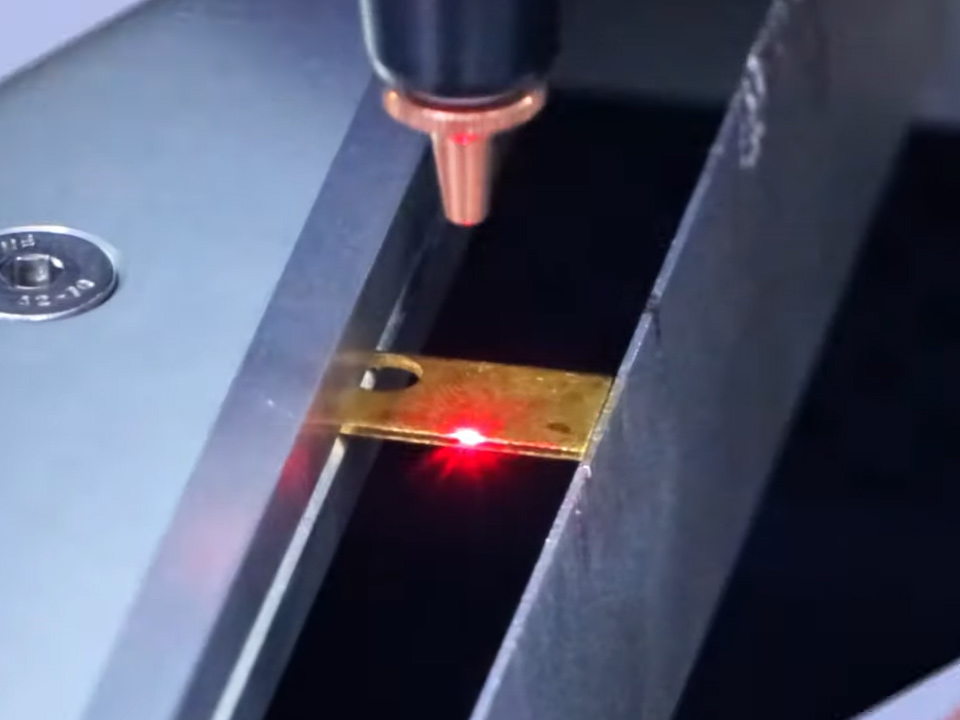
BT Altyapı Donanımı için Hassas Sac Kesimi
BT altyapı donanımı için hassas sac metal kesimi güzel kenarlarla ilgili değildir. Raf yerleşimi, hava akışı, topraklama, tekrarlanabilirlik ve her sunucu kasası programını bir yeniden işleme sorununa dönüştürmeden yapay zeka dönemi hacim dalgalanmalarından kurtulmakla ilgilidir.

Bu iş pahalıya mal oluyor.
Üstelik bu, tedarikçilerin hayal etmeyi sevdiği gibi düzenli ve elektronik tablo dostu bir şekilde de olmaz; tam tersine, bir şasi panelinin hafifçe yerinden kaymasıyla başlayan, ardından rayların sıkışmasına, çirkin hava akışı sorunlarına, kaplamaların çizilmesine, topraklama sorunlarına, üretim hattında elle düzeltme işlemlerine ve bir sürü insanın birdenbire asıl sorunun metal olmadığını iddia etmeye başlamasına yol açan karmaşık bir süreçtir.
Olur böyle şeyler.
Hassasiyet, yalnızca kesim kenarıyla ilgili değildir
Açıkça söyleyeceğim.
Çoğu insan lazer kafasına, watt değerine, satış sunumuna ve her tarafa kıvılcımlar saçan o çekici makine görüntüsüne takılıp kalır; oysa programları gerçekten mahveden şeyi gözden kaçırırlar: kesme, çapak alma, bükme, yerleştirme, kaplama ve son montaj aşamaları arasındaki o çirkin geçiş sürecidir; bu süreçte toleranslar sessizce birikir ve sonra da yüzünüze bir yumruk gibi çarpar.
Tuzak bu.
Deneyimlerime göre, hassas sac metal kesme BT donanımı söz konusu olduğunda iş hiçbir zaman sadece kesim çizgisiyle sınırlı olmamıştır. Bu, broşür mantığıdır. Gerçek üretim sahasındaki mantık ise daha çirkin. Düz bir ham parçayı ne kadar güzel keserseniz kesin, bükme sırası yanlışsa, havalandırma alanı kayarsa, delik-kenar ilişkisi saparsa ya da kaplama, bütçelendirmediğiniz yerlerde boşluktan çalmaya başlarsa, sonuçta elinizde berbat bir sunucu kasası kalır.
Ve bu, rafa yerleştirilmeden önceki durumdur.
Açıkçası, pek çok alıcının hâlâ şu şekilde davrandığına inanıyorum: sunucu kasaları için sac kesimi Sanki bir emtia gibi. Öyle değil. Bir şasi, kart yuvalarını, ray geometrisini, hava akışı deliklerini, güç kaynağı braketlerini, arka I/O pencerelerini, kablo yönlendirme alanlarını, servis boşluklarını ve iletken temas noktalarını aynı anda taşımak zorunda olduğunda durum böyle değildir. Tek bir parça. Çok fazla görev.
Standartlar bu durumu açıkça ortaya koyuyor. Open Compute Project’in Open Rack Base Specification V3 belgesi, pazarlama amaçlı abartılı ifadelerden ibaret değil; bu belge, birlikte çalışabilirlik, 48 mm’lik OpenU aralığı, isteğe bağlı 44,45 mm’lik EIA-310 raf birimi desteği ve hatta ASTM B117 tarzı testlere bağlı iletken topraklama yolları için tuz püskürtme test beklentilerinden bahsediyor. Bu, “yeterince yakın” bir uydurma değil. Bu, disiplinli ve tekrarlanabilir bir üretim kontrolüdür.
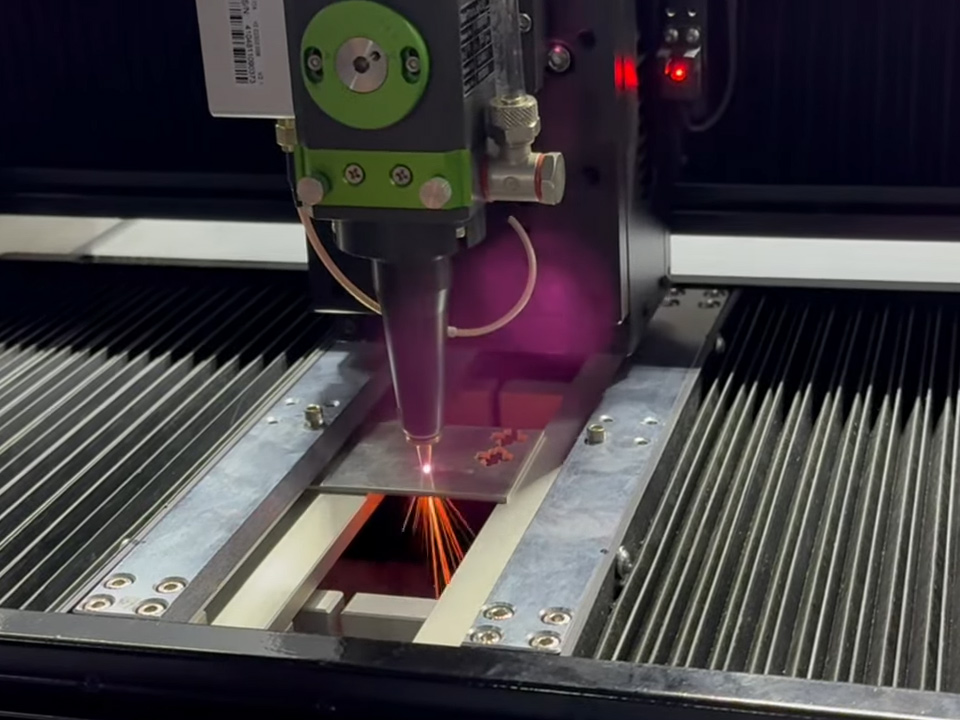
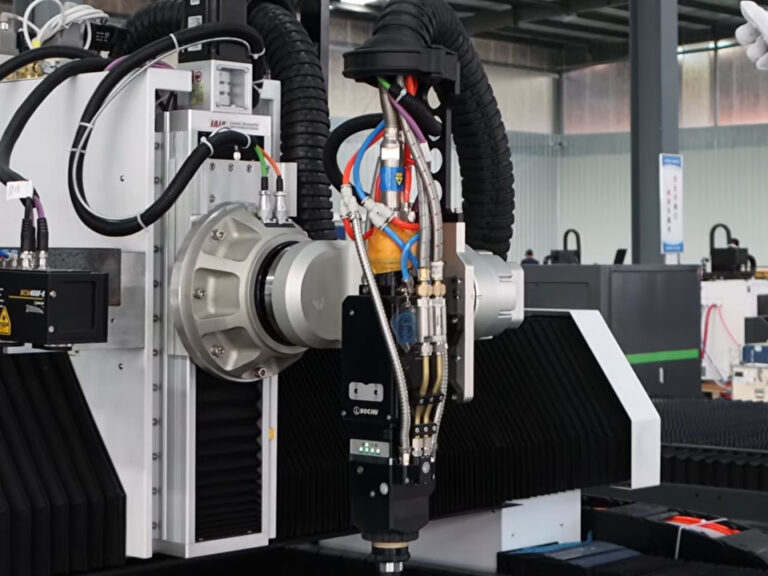
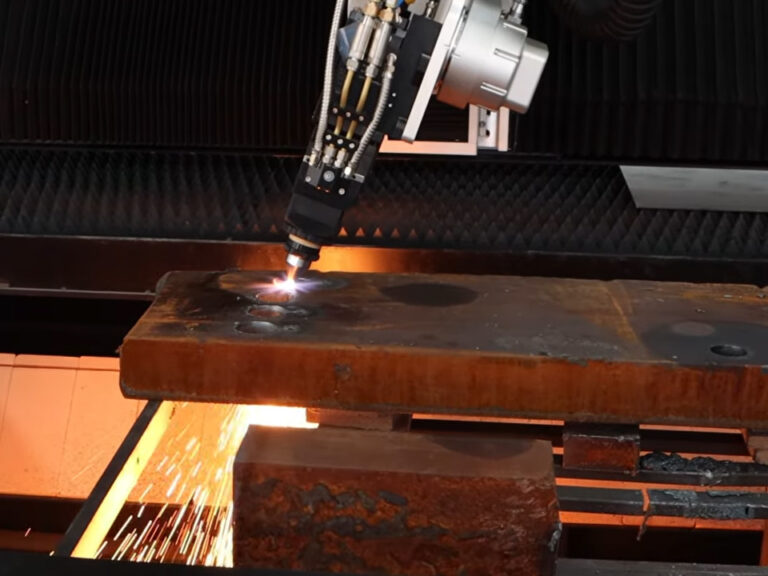
Ve evet, makine seçimi hâlâ önemlidir. Ancak bu, bağlama bağlıdır. Daha kalın gövde parçaları, destek elemanları veya yapısal braketlerle çalışıyorsanız, o zaman yüksek güçlü metal kesimi için fiber lazer sistemleri bu tartışmanın bir parçasıdır. Eğer iş daha sıkı, daha küçük, prototip ağırlıklıysa ya da sadece kompakt parçalarda daha iyi işleme gerektiriyorsa, o zaman daha küçük parçalar ve prototipler için kompakt fiber lazer kesim sistemleri daha mantıklı gelir.
Farklı iş. Farklı cevap.
Yapay zeka sunucularındaki patlama, hoşgörü konusundaki tartışmayı değiştirdi
Bu kısım önemlidir.
Çünkü piyasa ilk olarak, hızlı bir şekilde değişti ve pek çok üretim ekibi hâlâ, SKU değişimlerinin, termal yeniden tasarımların, ECO'lar ve zaman çizelgesinin sıkıştırılmasının hepsinin aynı anda gerçekleştiği 2024 yapay zeka altyapı programları yerine 2019 genel sunucu donanımını teklif ediyormuş gibi davranıyor ve kimse israf, sapma veya “bunu elle ayarlayacağız” gibi yaklaşımlara tahammül göstermiyor.”
O eski taktik kitabı artık geçerliliğini yitirdi.
Talep sinyallerine bir göz atın. Mart 2024’te Foxconn, yıl boyunca yapay zeka sunucu gelirlerinde %’nin üzerinde bir büyüme beklediğini açıklamıştı. Ocak 2024'te Super Micro, yapay zeka sunucu talebinin tahmin edilenden daha güçlü olması nedeniyle beklentilerini keskin bir şekilde yükseltti ve çeyreklik gelir tahminini $2,7 milyar ile $2,9 milyar arasından $3,6 milyar ile $3,65 milyar aralığına çıkardı. Ardından Dell, Ağustos 2024’te, Altyapı Çözümleri Grubu gelirinin % artarak rekor seviye olan $11,65 milyara ulaştığını, yapay zekaya optimize edilmiş sunucu talebinin bir önceki çeyreğe göre % artarak $3,2 milyara yükseldiğini ve sipariş birikiminin $3,8 milyar olduğunu bildirdi. Bunlar önemsiz ayrıntılar değil. İşte baskı kaynağı bu.
Peki, talep aniden arttığında ne olur?
İşte acı gerçek: Zayıf atölyeler hız satmaya başlar. Güçlü atölyeler ise kontrol satar. Arada büyük bir fark var. Üretim hacmi arttıkça ve tasarımlar sürekli değiştiğinde, zayıf tedarikçiler, yerleştirme kısayolları, çapak tutarsızlığı, zayıf süreç disiplini, dengesiz çapak alma, malzeme farklılıkları ve tek bir CAM programcısının kafasında sıkışıp kalmış aşırı miktarda "kabile bilgisi" nedeniyle sorunlar yaşamaya başlar.
Ben de gördüm.
İçinde BT donanımı için sac işleme, uzun vadede başarılı olan fabrika genellikle lazer gücünü övüp duran fabrika değildir. Asıl başarılı olan, revizyon karmaşasından, rev B’yi üretim hattı kenarında bir ayırma işine dönüştürmeden kurtulabilen fabrikadır. Asıl sınav budur.
Ve hayır, her lazer türü aynı cümlede anılmamalıdır. Sunucu panellerinde ve muhafaza çalışmalarında kullanılan iletken levhalar için, endüstriyel sac işleme için en iyi metal kesim lazer makinesi seçenekleri genel amaçlı ekipman iddialarından çok daha anlamlı bir referans noktasıdır. Öte yandan, CO₂ lazer kesici platformları Bunlar, yaygın olarak kullanılan iletken sunucu kasası üretimine başlamak için tercih edeceğim seçenekler değil.
Yanlış alet. Genellikle.
Özel imalat sac metal muhafazalarda asıl önemli olan nedir?
İnsanlar bu konuyu gereksiz yere karmaşıklaştırıyor.
Sonra da bu konuyu yeterince derinlemesine düşünmüyorlar.
Bir sunucu kasası sadece bir “kutu” değildir. Bu bağlamda bu kelimeden nefret ediyorum. İşi, aslında olmadığı halde basitmiş gibi gösteriyor. Uygun bir kasa veya muhafaza, rayları, kartları, fan duvarlarını, kablo kanallarını, güç kaynağı yapısını, servis erişimini, EMI varsayımlarını, topraklama yüzeylerini ve termal tasarım hedeflerini barındıran bir tolerans yığınıdır — tüm bunlar olurken, tedarik departmanından biri hâlâ parça fiyatından birkaç sent daha düşürmeye çalışmaktadır.
Bu normal.
Yani, şuna baktığımda özel sac metal muhafazalar, Gösterişli sunumlardan çok, tedarikçinin sistemin gerçekte nerede arıza verdiğini anlayıp anlamadığını önemsiyorum. Çünkü genellikle arıza, teklifte belirtildiği yerde meydana gelmez.
| Faktör | Bilişim donanımı alanında bunun önemi nedir? | Zayıf tedarikçilerin genellikle gözden kaçırdıkları şey | Güçlü tedarikçilerin size gösterdiği şeyler |
|---|---|---|---|
| Delik konumunun tekrarlanabilirliği | Anakart montajları, rayların oturması, güç kaynağı braketleri ve arka I/O hizalamasını etkiler | Sadece makinenin doğruluğundan bahsediyorlar | Parça-parça uyumluluğunu ve revizyon kontrolünü gösterirler |
| Termal desen kararlılığı | Havalandırma dizileri, basınç düşüşünü, soğutma tutarlılığını ve fan verimliliğini belirler | Sadece yuvalama verimini optimize ederler | Havalandırma alanlarında bozulma kontrolü ve kenar kalitesini açıklıyorlar |
| Topraklama yüzeyleri | İletken yollar, raf entegrasyonu ve elektriksel performans açısından önemlidir | Görünüşe aşırı önem veriyorlar | Temas bölgelerini korurlar ve son işlem stratejisini belgelendirirler |
| Kesim sonrası şekil davranışı | Bükme işlemleri, kritik özellikleri ve dar toleransları hızlı bir şekilde değiştirebilir | Bitmiş parçalar gibi düz kalıpları referans alırlar | Eğilme sırasını ve istifleme riskini erken aşamada gözden geçirirler |
| Raflar arası uyumluluk | Yanlış geometri, kurulum sırasında sürtünmeye ve sahada yeniden çalışma ihtiyacına yol açar | Standartların bağlamını göz ardı ediyorlar | Tasarımlarını, raf birimi ve OpenU standartlarına göre şekillendiriyorlar |
| Değişiklik talimatlarına karşı dayanıklılık | Yapay zeka donanım programları hızla değişiyor | Tek seferlik kahramanlıklara güveniyorlar | Kontrollü programlama, denetim ve izlenebilirlik süreçlerini yürütürler |
Şu tablo mu? O teori değil. Acının yattığı yer orası.
Programınızda yuvarlak parçalar, kablo düzenleme boruları veya yapısal boru elemanları varsa, bu teklifi düz şasi işleriyle karıştırmayı bırakın. Bu, ayrı bir kategoriye girer — daha çok otomatik yüklemeli lazer tüp kesim sistemleri—çünkü üretim mantığı, işleme süreçleri ve üretim kapasitesi varsayımları farklıdır. Firmalar, fiyat teklifini basit tutmaya çalışırken bu ayrımı bulanıklaştırmayı çok severler.
Buna izin vermeyin.
Enerji, hava akışı ve metal işçiliğindeki kusurların neden eskisinden daha fazla sorun yarattığı
Güç yoğunluğu ortamın havasını değiştirdi.
Bu muhtemelen en kısa ve dürüst açıklamadır.
ABD Enerji Bakanlığı, Aralık 2024’te yaptığı açıklamada, veri merkezlerinin 2023 yılında ABD’nin toplam elektrik tüketiminin yaklaşık 4,4%’sini tükettiğini ve bu rakamın 2028 yılına kadar kabaca 6,7% ile 12% arasına çıkabileceğini belirtti; Tüketim, 2014'teki 58 TWh'den 2023'te 176 TWh'ye sıçradı ve 2028'e kadar 325 ila 580 TWh'ye ulaşması öngörülüyor. Bu rakamlar sadece enerji politikasıyla ilgili önemsiz bilgiler değildir. Bunlar, aptalca üretim hatalarına karşı termal toleransın giderek azaldığını göstermektedir.
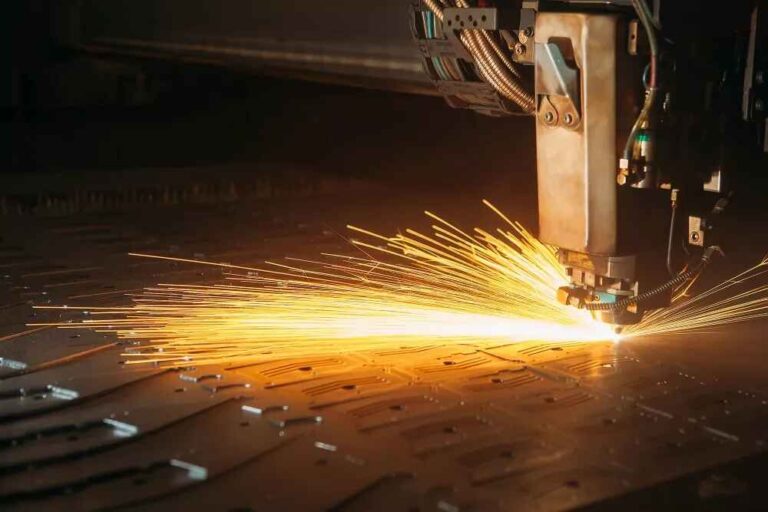
Bu, benim bakış açımı değiştiriyor sunucu kasaları için lazer kesim.
Çünkü raflar yoğunlaştıkça, hava akışı bütçeleri daraldıkça ve termal mühendisler sınırların daha da yakınında çalışmaya başladıkça, kötü bir havalandırma alanı ya da eğrilmiş bir flanş artık sadece estetik bir sorun olmaktan çıkıp performans kaybına yol açar. Belki de çok dramatik bir kayıp değildir. Bazen sadece fan verimsizliğine, sıcak noktalara, akustik sorunlara ya da kimsenin kaynağını kolayca tespit edemediği ayarlama sorunlarına yol açacak kadar olabilir.
İşte tam da bu yüzden gözden kaçıyor.
Ama yine de bu bir gerçek. Buradaki ufak bir geometri sapması, şuradaki ufak bir çapak paraziti, belki de delikli bir bölgede bir miktar şekil bozulması… Ve birdenbire, “teknik olarak uygun” sayılan ancak test tezgahında olması gerekenden daha kötü performans gösteren bir şasiyle uğraşmaya başlıyorsunuz. Bu tür yarı başarısızlıklar sıkça görülür. Can sıkıcı derecede sık.
BT donanımı için hassas sac kesim yöntemi nasıl seçilir?
Daha iyi sorular sorun.
Kibarlık amaçlı sorular değil. Daha iyi sorular.
Fabrikanın slayt gösterisinin ne kadar güzel göründüğü umurumda değil. Benim için önemli olan, tedarikçinin sorunları pilot üretime ulaşmadan nasıl önlediğini sade bir dille açıklayabilmesi. İşte bu noktada ciddi satıcılar, birkaç moda terim öğrenmiş makine sahiplerinden ayrılırlar.
1. Makine resimlerini değil, süreç akışını isteyin
Cidden. İşin CAM aşamasından kesme, çapak alma, şekillendirme, yerleştirme, kaplama ve denetim aşamalarına nasıl ilerlediğini sorun. Eğer bu süreci net bir şekilde açıklayamazlarsa, muhtemelen süreç net değildir.
2. İletken arayüzleri nasıl ele aldıklarını sorun
Cevap yine yüzeysel güzelliğe ya da “birinci sınıf kaplama”ya dönerse, endişelenirim. Raf donanımı parfüm ambalajı değildir. Temas noktaları önemlidir.
3. Çizim işin ortasında değişirse ne olacağını sorun
Çünkü öyle olacak. Yapay zeka donanım programları değişir. Revizyon güncellemeleri yapılır. Braket geometrisi değişir. Havalandırma bölgeleri yer değiştirir. Tedarikçi, ECO’ları nadir görülen bir rahatsızlık olarak görüyorsa, hazır değildir.
4. Birbiriyle çalışabilirlik konusunda farkındalık talep edin
İşte bu noktada pek çok firma blöf yapıyor. Birbiriyle uyumluluk, aralıklar ve raf koşulları ile ilgili OCP şartnamesi, sistem uyumluluğunun isteğe bağlı bir unsur olmaması nedeniyle mevcuttur. Bir tedarikçinin raf montajlı kasalar için sac metal imalatı Sadece düz desenler ve levha veriminden bahsetmek yerine, sistem açısından konuşmalıyız.
5. Pencerelerin hangi kalınlıkta ve hangi malzemeden olmaları durumunda gerçekten iyi çalıştığını sorun
Bir kez kesmiş oldukları şey değil. Makul hurda oranları ve istikrarlı kaliteyle, hatasız bir şekilde defalarca ürettikleri şey.
Bu ayrım, satış ekiplerinin kabul etmek istediğinden çok daha önemlidir.
Ve evet, bazen kenar hazırlığı o kadar önemlidir ki farklı bir yöntem izlemeniz gerekebilir. Oluklar, eğimler veya birbirine tam oturması gereken montajlar söz konusu olduğunda, oluk ve pah açma uygulamaları için eğimli fiber lazer kesim kesinlikle doğru seçim olabilir. Ancak bu, yalnızca geometri gerçekten bunu gerektirdiğinde geçerlidir. Aksi takdirde, bu sadece pahalı bir aşırı işleme olur.
Veri merkezi bileşenleri için en iyi sac kesme yöntemi genellikle tek bir yöntem değildir
Bu, insanları rahatsız ediyor.
Ama bu doğru.
Veri merkezi kurulumundaki her bir muhafaza, braket, kapak, yan duvar, ray bileşeni veya destek elemanı için evrensel olarak geçerli tek bir en iyi süreç yoktur. İnsanların net bir cevap beklediğini biliyorum. Tek bir cümle, tek bir teknoloji, tek bir kazanan istiyorlar. Gerçek üretim işleri böyle yürümüyor.
Bu veri merkezi bileşenleri için en uygun sac kesme yöntemi Bu, iletkenliğe, kalınlığa, havalandırma deliklerinin yoğunluğuna, izin verilen ısı girişine, bükülme hassasiyetine, sonraki aşamadaki son işlemlere, tolerans birikimine ve revizyon döngüsünün ne kadar yoğun olacağına bağlıdır. Bu, dikkate alınması gereken pek çok faktör. Tek bir basit cevapla halledilebilecek kadar az değil.
Kendi önyargım mı? Fiber lazer kesim, sunucu ve raf projelerinde modern iletken levhalar için genellikle pratik bir varsayılan seçenektir; çünkü çeşitlilik ve sık revizyonlarla başa çıkma konusunda birçok eski iş akışından daha iyidir. Ancak yine de — sadece kesim kalitesine bakarak “en iyi” işlemi seçmiyorum. Tüm üretim zinciri tamamlandığında ve bitmiş donanımın gerçekten kurulması, topraklanması, soğutulması ve üretim hacmini sorunsuz bir şekilde atlatması gerektiğinde bile hâlâ düzgün çalışan yöntemi seçiyorum.
Gerçek test bu.
Üstelik piyasadaki baskı da azalmıyor. Dell’in 2024 rakamları bunu yeterince açık bir şekilde ortaya koydu; yapay zekaya optimize edilmiş sunucu talebi hâlâ artıyor ve sipariş birikimi yüksek seviyede seyrediyor.
Yani hayır, bu konuda basit cevaplara güvenmiyorum. Siz de güvenmemelisiniz.
SSS
BT altyapısı donanımı için hassas sac kesimi nedir?
BT altyapısı donanımı için hassas sac kesimi, sunucularda, raflarda, muhafazalarda, braketlerde ve ilgili veri merkezi ekipmanlarında kullanılan iletken sac parçaların kontrollü bir şekilde imalatıdır; bu süreçte, kesim geometrisinin şekillendirme, son işlem ve montaj aşamaları boyunca tutarlı kalması gerekir; böylece nihai donanım doğru şekilde yerine oturur, soğutulur, topraklanır ve kurulur. Bu, işin sadece kesim kenarının görünüşüyle değil, sistem düzeyindeki performansla değerlendirildiği anlamına gelir. Uygulamada, parçanın bükme, kaplama, donanım yerleştirme ve rafa entegrasyon işlemlerini, tüm montajın beklediği işlevsel aralığın dışına çıkmadan başarıyla geçmesi gerekir.
Sunucu kasası imalatı neden genel sac işlerine kıyasla daha sıkı bir süreç kontrolü gerektirir?
Sunucu kasası üretimi, daha sıkı bir süreç kontrolü gerektirir; zira metal parçalar, üretim baskısı altında hava akış yollarını, servis erişimini ve iletken arayüzleri korurken kartlar, raylar, fanlar, güç kaynakları, arka I/O ve raf yapılarıyla hizalanmalıdır. Basitçe ifade etmek gerekirse, sunucu donanımı daha küçük bir mekanik gövdeye daha fazla işlevsel bağımlılık sığdırır; bu nedenle en ufak hatalar hızla yayılır ve montaj, soğutma, servis kolaylığı veya topraklama sorunları olarak ortaya çıkar. İşte bu nedenle, genel sac işleme deneyimi tek başına genellikle yeterli olmaz.
Alıcılar, veri merkezi ekipmanları için doğru sac tedarikçisini nasıl seçmelidir?
Alıcılar, veri merkezi ekipmanları için doğru sac tedarikçisini seçerken, yalnızca makine güç değerlerini karşılaştırmakla yetinmemeli; fabrikanın kesme, çapak alma, şekillendirme, kaplama, denetim ve mühendislik değişiklikleri süreçleri boyunca sistem düzeyinde tutarlılığı sağlayıp sağlayamadığını kontrol etmelidir. Bu da iletken arayüzler, havalandırma istikrarı, rafa uyum gereksinimleri ve ECO işlemleriyle ilgili rahatsız edici sorular sormak anlamına gelir. Eğer bir tedarikçi sadece makine teknik özellikleri ve güzel örnek fotoğraflarla cevap verebiliyorsa, bunu bir uyarı işareti olarak değerlendirirdim.
Sonraki adımlarınız
Önce buradan başlayın.
Tedarikçiye çizim paketinizi gönderin ve aynı anda üç şeyi isteyin: süreç akışını, kritik özelliklere yönelik denetim planını ve tüm üretim zinciri boyunca raf uyumunu, hava akışı geometrisini ve iletken temas alanlarını nasıl koruyacaklarına dair yazılı bir açıklamayı. Soruları tek tek sormayın. Aksi takdirde, belirsiz kalmaları çok kolaylaşır.
Ve bir şey daha var.
Bir tedarikçiyi, numune ofis ışıkları altında temiz göründüğü için onaylamayın. Onu, parça bükme, kaplama, montaj ve rafa kurulum işlemlerinden sonra da hâlâ olması gerektiği gibi çalıştığı için onaylayın — sunucu devreye girdiğinde tolerans yığını gerçek hale gelir ve kimse üretim hattında kahramanca hamleler yapacak zaman bulamaz.


Sıcak Tıklama
Bize Ulaşın
Uygulama
©Telif Hakkı [bogonglaser.com]. BOGONG Lazer Makine Tedarikçisi Tüm Hakları Saklıdır.