
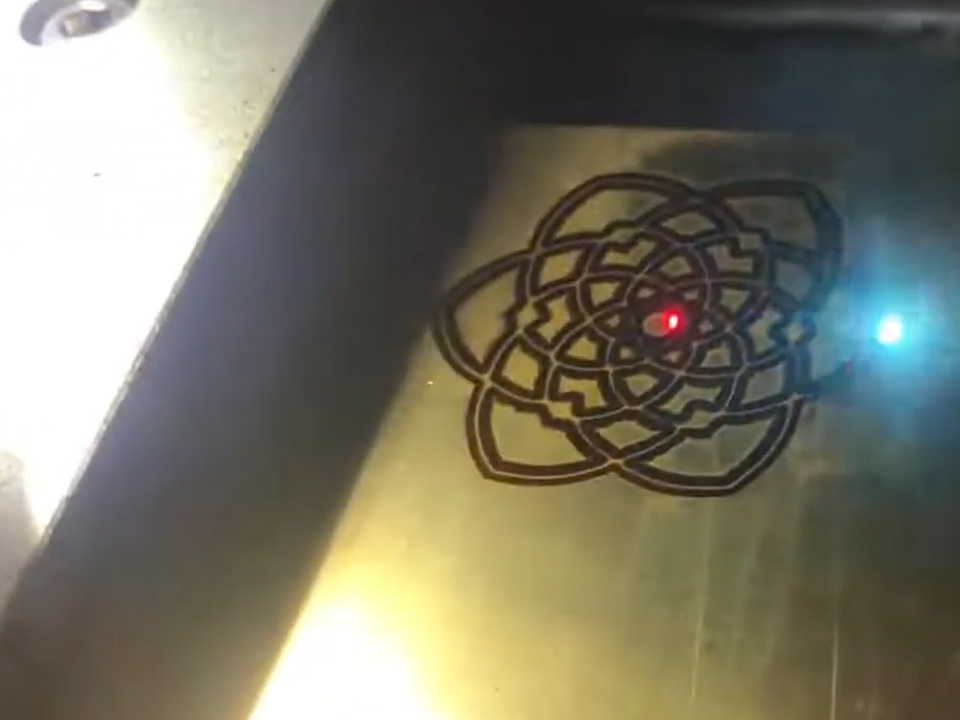
Corte a laser versus estampagem para fabricação de chassis de servidores

A dura verdade que ninguém no setor de chapas metálicas gosta de admitir publicamente
Na verdade, a maioria dos compradores não sabe qual processo se encaixa melhor em seu programa de chassis de servidores quando começa a comparar cotações; por isso, acabam se agarrando ao número que parece mais atraente, usam termos como “escalabilidade” e “economia por unidade” e fingem que a previsão é mais estável do que realmente é. É assim que as coisas funcionam.
Então, a realidade bate à porta.
Já vi isso acontecer mais de uma vez: o fluxo de ar é reajustado, as posições dos ventiladores mudam, o layout da placa é alterado, alguém da equipe de termodinâmica quer mais espaço para ventilação e, de repente, o plano de ferramentas “barato” começa a gerar prejuízo, porque o produto cujo preço todos haviam definido há três semanas já não é mais exatamente o mesmo produto.
Então, sim, vou dizer sem rodeios. Corte a laser x estampagem Não se trata de um debate abstrato sobre produção. É uma decisão que envolve risco. Uma decisão de compromisso. Às vezes, para ser sincero, um teste de ego.
E o cenário também não é tranquilo. De acordo com a AIE, o investimento global em centros de dados quase dobrou desde 2022 e atingiu $500 bilhões em 2024, enquanto os centros de dados consumiram cerca de 415 TWh de eletricidade em 2024 e devem atingir aproximadamente 945 TWh até 2030. Isso é importante porque a demanda por chassis de servidor não ocorre isoladamente. Ela acompanha a mesma tendência de gastos com capital.
A Reuters apresentou a pressão sob outra perspectiva: a HPE afirmou, em junho de 2024, que a demanda por servidores otimizados para IA estava tão intensa que os prazos de entrega dos chips de IA da Nvidia chegaram a seis a doze semanas, enquanto a receita da HPE com servidores de IA mais que dobrou em relação ao trimestre anterior, chegando a $900 milhões e atingiu a carteira de pedidos $3,1 bilhões. Isso não é ruído de fundo. É a pressão da fábrica.
Por que essa escolha prejudica programas inteiros de chassis
Mas eis a dura realidade: muitas equipes comparam o corte a laser e a estampagem como se estivessem comprando apenas peças metálicas. Não é isso. Elas estão comprando flexibilidade ou comprometimento, e essas são duas coisas muito diferentes quando um gabinete de servidor começa a sofrer ajustes de engenharia relacionados ao controle térmico, correções de EMI, reclamações sobre acesso para manutenção e todas as outras pequenas alterações complicadas que surgem após o primeiro desenho “aprovado”.
Essa é a parte que as pessoas pulam.
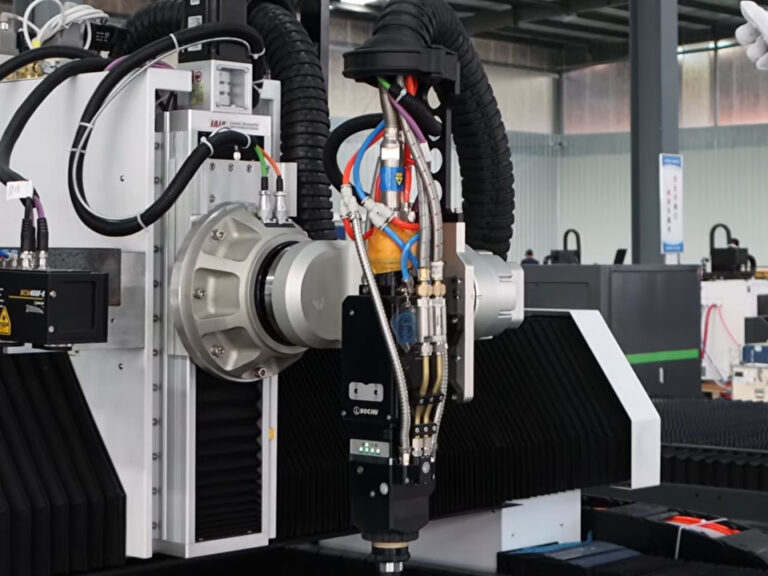
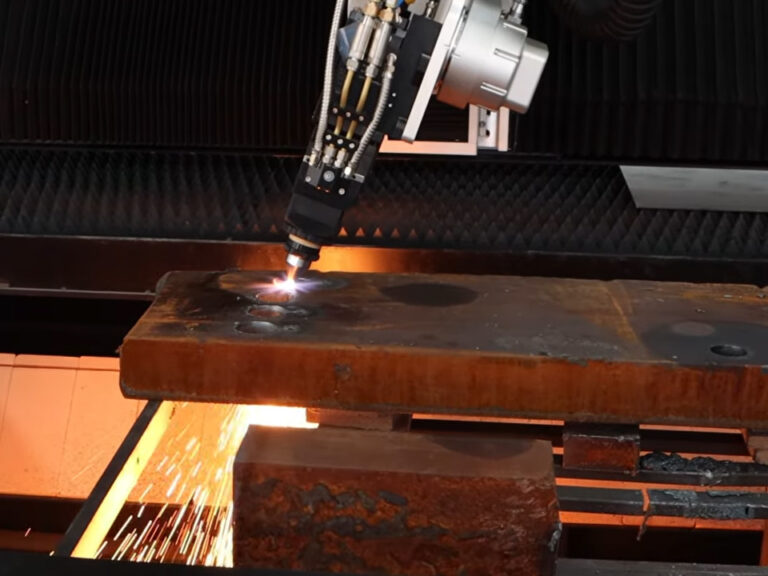
O material sobre “projeto para fabricação” da Universidade de Illinois explica isso de forma clara — provavelmente com mais clareza do que a maioria dos fornecedores faria. Chapa metálica corte a laser faz parte da categoria de “ferramentas flexíveis”, o que significa equipamentos programáveis e custos mais baixos com ferramentas descartáveis, enquanto estampagem isso se enquadra na categoria de “ferramentas fixas”, ou seja, matrizes personalizadas de alto custo, fabricadas para a produção em série. A mesma fonte, a mesma verdade incontestável: as matrizes progressivas se destacam em condições de alto volume.
Essa distinção é mais importante do que o argumento de venda. Muito mais.
Aqui vai a versão sem rodeios:
| Fator de decisão | Corte a laser | Estamparia |
|---|---|---|
| Despesas iniciais com ferramentas | Baixa | Alta |
| O impacto das mudanças de engenharia | Baixo a médio | Alta |
| Ideal para protótipos / EVT / DVT | Sim | Normalmente, não |
| Ideal para produção em massa estável | Às vezes | Sim |
| Alterações na complexidade das peças | Fácil de absorver | Custo elevado de absorção |
| Pagamento por peça em volumes muito elevados | Normalmente pior | Geralmente melhor |
| Velocidade de lançamento | Mais rápido | Mais lento na parte dianteira |
| Programas de servidor com SKUs mistos | Ajuste forte | Frequentemente incômodos |
Sinceramente, acredito que a maioria das decisões erradas na aquisição de peças ocorre porque as pessoas ficam olhando apenas para o número de cada peça e ignoram o restante da tabela. O que é incrível, porque é justamente no restante que estão os problemas.
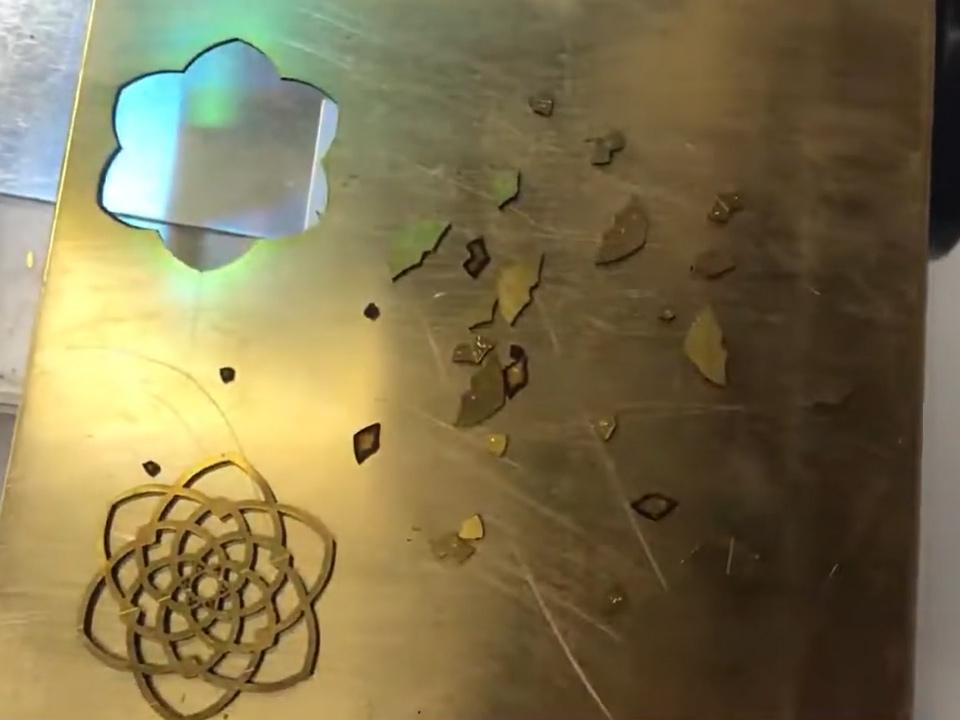
O corte a laser leva vantagem logo de cara, e não por pouco
E em fabricação de chassis para servidores, eles sofrem alterações por motivos dolorosamente comuns: os mapas de ventilação são ajustados, os layouts dos suportes PCIe mudam, os pontos de fixação se deslocam, as saídas dos cabos precisam ser reorganizadas, a estrutura da fonte de alimentação sofre alterações e, às vezes, um gerente de produto decide que a “facilidade de manutenção” é importante logo depois que as discussões sobre o molde já estão muito avançadas. Que timing perfeito.
É por isso que o corte a laser continua levando vantagem logo no início. Não porque pareça algo avançado. Mas porque lida melhor com o caos.
A TrendForce estimou, em fevereiro de 2024, que as remessas globais de servidores atingiriam cerca de 13,654 milhões de unidades em 2024, um aumento de 2.05% em relação ao mesmo período do ano anterior, com Servidores de IA que representam cerca de 12,11 TP3T de remessas. Leia isso com calma. Isso não significa apenas “mais servidores”. Significa um mercado com uma diversidade real, plataformas mais especializadas e menos espaço para suposições rígidas.
Pela minha experiência, quando um programa ainda apresenta alvos em movimento, prefiro contar com uma célula de laser confiável, uma equipe de prensa dobradeira que realmente entenda a margem de dobra — em vez de ficar adivinhando com base em tradições — e um fornecedor capaz de reagir rapidamente, sem transformar cada revisão de desenho em um evento financeiro. É melhor estar nessa situação.
É também por isso que, naturalmente, prestaria atenção às ferramentas de chão de fábrica relacionadas à rastreabilidade e ao controle de peças, como um Máquina de gravação a laser de fibra dividida de 50 W para IDs serializados, ou um Máquina de marcação a laser para mini gabinetes se a linha precisar de um recurso de marcação compacto para códigos de painéis, dados de QR ou rastreamento de subpeças de gabinetes. Nada chamativo. Mas útil.
Isso faz diferença.
Porque o chassi não é apenas um painel cortado em branco. Trata-se da qualidade do corte, da repetibilidade dos furos, do desempenho na remoção de rebarbas, do encaixe das peças dobradas, da marcação, da preparação para revestimento e da capacidade da oficina de garantir que todos esses pequenos detalhes não saiam das especificações quando o mix de pedidos fica confuso.
A validação é excelente mais tarde, mas somente se sua previsão não for ficção
No entanto, a estampagem definitivamente tem seu momento. Não sou contra a estampagem. Nem de longe. Quando a geometria do chassi se estabiliza, a família de SKUs se consolida e o volume anual se torna real — não o “otimismo da equipe de vendas”, mas real —, a estampagem começa a parecer muito, muito atraente.
Os tempos de ciclo ficam mais curtos. O custo unitário diminui. A produção fica mais limpa em grande escala.
E sim, essa parte é verdadeira.
Mas o problema é grave: você só obtém esse benefício quando o programa está maduro o suficiente para merecê-lo. A fonte de Illinois deixa a lógica bem clara — as configurações de matrizes progressivas estão ligadas a pequenas peças estampadas em grande volume e dependem de ferramentas personalizadas, projetadas para garantir rapidez.
Então, quando é que eu me inclino a estampagem para a produção de chassis de servidores?
Normalmente, quando as respostas a essas perguntas deixam de ser incertas:
- O padrão de ventilação está bloqueado?
- O mapa de E/S está congelado?
- A família de chassis já está definida?
- A demanda anual é alta o suficiente para cobrir o custo do molde sem precisar recorrer a suposições exageradas em planilhas?
- Será que o cliente vai parar de pedir “uma última alteração bem pequena”?
Se a resposta for “provavelmente” em vez de “sim”, fico desconfiado rapidinho.
E há um aspecto secundário do processo que as pessoas adoram esquecer: a preparação da superfície. Óxido, resíduos, interfaces de revestimento, limpeza da zona de solda — todas essas etapas desagradáveis do final do processo que ninguém coloca no slide principal. Em um ambiente sério de fabricação de metais, ferramentas como limpeza a laser de pulso para superfícies metálicas pode realmente fazer diferença, especialmente quando a qualidade do acabamento ou a consistência da colagem nas etapas posteriores começam a se tornar um problema real, em vez de apenas uma promessa de catálogo.
Mais uma vez, não é nada glamoroso. Mas continua sendo importante.
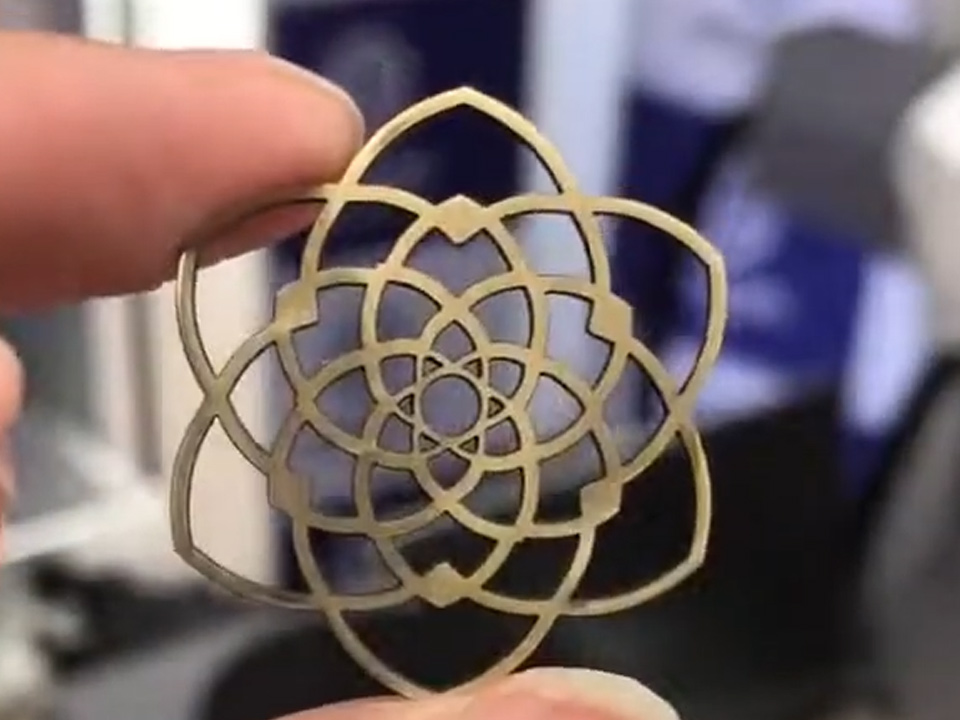
O argumento do custo que a maioria dos fornecedores transforma em um disparate
É aí que eu fico irritado.
Uma cotação de corte a laser e uma cotação de estampagem não descrevem a mesma exposição; portanto, compará-las linha por linha como se fossem equivalentes é um raciocínio descuidado disfarçado de disciplina de compras. Um caminho oferece margem de manobra. O outro limita suas opções e valoriza a estabilidade. Se você calcular o preço de ambos sem levar em conta o risco relacionado às alterações no projeto, não está fazendo uma análise. Você está apenas embelezando um palpite.
Essa é a parte difícil.
Se você ainda estiver ajustando os arranjos de ventiladores, os mapas de espaçadores, as passagens de cabos, os detalhes de blindagem ou as aberturas de manutenção, então Estampagem de metal x corte a laser Não se trata principalmente de economizar alguns centavos. Trata-se de decidir se você quer pagar pela flexibilidade agora ou pagar por retrabalho mais tarde. São contas diferentes. O mesmo projeto, contas diferentes.
E o mercado não está facilitando as coisas. A Reuters mostrou que a demanda por servidores de IA impulsionará a receita e a carteira de pedidos em 2024. A IEA destacou os gastos com infraestrutura por trás dessa expansão. A TrendForce mostrou que os servidores de IA estavam se tornando uma parte significativa do mix de remessas, sem transformar todo o mercado em um jogo de commodities de volume único. Junte tudo isso e você terá exatamente o tipo de ambiente em que a flexibilidade tem valor real — demanda mista, crescimentos irregulares, mais pressão e maior rotatividade de variantes.
É por isso que, se eu estivesse aconselhando um comprador sobre fabricação de chapas metálicas para chassis de servidores, eu consideraria o corte a laser como a opção padrão no lançamento e só passaria a utilizar a estampagem para geometrias selecionadas depois que a frequência de revisões diminuísse e o padrão de volume deixasse de mudar sempre que surgisse uma nova configuração do cliente.
E se o fluxo de trabalho também envolver superfícies revestidas, plásticos ou marcação de alta precisão em peças irregulares, há espaço para algo como Marcação a laser UV 3D para componentes revestidos. Não porque todas as fábricas precisem disso. Mas porque as fábricas mais bem administradas pensam nas operações secundárias antes que elas se tornem gargalos.
Essa costuma ser a diferença.
Então, o que é melhor: corte a laser ou estampagem?
O corte a laser é mais adequado para projetos de chassi de servidor com volume baixo a médio, grande variedade de modelos e muitas revisões, pois evita custos com matrizes personalizadas, reduz o tempo de lançamento e absorve alterações de engenharia com menor impacto financeiro; a estampagem é mais adequada para programas maduros, de alto volume e com projeto estável, nos quais a amortização das matrizes e os tempos de ciclo muito rápidos superam a perda de flexibilidade.
Essa é a resposta.
Não é o educado.
Perguntas frequentes
O que é melhor para a fabricação de chassis de servidores: o corte a laser ou a estampagem?
O corte a laser é mais adequado para programas de chassis de servidores em fase inicial ou com variações, pois utiliza ferramentas programáveis, permite alterações mais rápidas no projeto e evita o alto investimento inicial em matrizes exigido pela estampagem; a estampagem se torna a melhor opção quando o projeto do chassis está estável, o volume anual é alto e o custo das ferramentas pode ser amortizado ao longo de longas séries de produção.
Em condições reais de produção, eu escolheria o laser para protótipos, lotes-piloto, SKUs mistos e famílias de caixas que ainda estão sofrendo alterações relacionadas à gestão térmica ou ao acesso para manutenção. Eu passaria para a estampagem mais tarde — somente mais tarde —, assim que o programa parasse de apresentar instabilidades.
Por que a estampagem parece mais barata no papel, mas mais arriscada na prática?
A estampagem costuma parecer mais barata no papel, pois o custo por peça pode cair drasticamente com o aumento da escala de produção; no entanto, esse valor esconde as despesas com matrizes personalizadas, o risco de revisões e as dificuldades de lançamento associadas ao uso de ferramentas fixas, especialmente quando o projeto do produto ainda está em fase de alteração.
Aqui está a dura realidade: as equipes adoram um orçamento com preço unitário baixo porque ele se encaixa perfeitamente em uma planilha de comparação. Mas quando a geometria da ventilação muda, a localização dos suportes é alterada ou um painel de serviço precisa ser reformulado, essa opção “barata” pode sair cara rapidamente.
Qual é o melhor método de fabricação para gabinetes de servidor que passam por revisões frequentes?
O melhor método de fabricação para gabinetes de servidor que passam por revisões frequentes é, geralmente, o corte a laser combinado com operações disciplinadas de dobra e operações secundárias, pois reduz a dependência de ferramentas específicas, encurta os ciclos de iteração e permite que os fabricantes ajustem os padrões de furos, os esquemas de ventilação e a geometria dos painéis sem precisar reconstruir matrizes caras.
Essa é, na verdade, toda a história. Um gabinete de servidor não é uma caixa pronta até uma fase bem avançada do processo, e fingir o contrário é o que faz com que as pessoas acabem pagando duas vezes pela mesma lição.
O que você deve fazer a seguir, caso esteja realmente buscando esse trabalho
Se você estiver comparando fornecedores para corte a laser para gabinetes de servidores ou se você está pensando seriamente em seguir um caminho já traçado, comece com uma pergunta: quantas revisões significativas essa família de chassis passou nos últimos seis a doze meses?
Não é a caixa de amostras. Não é a apresentação bem elaborada. É o histórico de revisões.
Se o projeto ainda estiver em evolução, mantenha-se flexível. Dê ênfase à precisão do corte, à eficiência do agrupamento, à repetibilidade da dobra, à marcação, ao acabamento da superfície e à rigorosa inspeção. Se o projeto estiver definido e o volume anual for realmente garantido, então tudo bem — comece a calcular o custo de uma peça estampada e faça com que a viabilidade econômica da matriz se comprove.
É assim que eu faria.
Escolha o modo de falha com o qual você consegue conviver.


Clique quente
Entre em contato conosco
Aplicativo
©Direitos autorais [bogonglaser.com]. Fornecedor de máquinas a laser da BOGONG Todos os direitos reservados.