
Como o corte a laser reduz a distorção em gabinetes metálicos finos
Não acredito na linha de vendas preguiçosa de que o corte a laser resolve automaticamente o empenamento da chapa metálica. Ele resolve o problema somente quando a janela do processo é estreita. Este artigo explica como o corte a laser reduz a distorção em gabinetes de metal fino, onde as lojas ainda erram e quais configurações são importantes quando as tolerâncias são reais.

Pequena zona de aquecimento.
Essa é a versão de vendas e, sim, há uma verdade nisso: o corte a laser de chapas finas de metal geralmente reduz a distorção porque o feixe despeja energia em um corte apertado em vez de esmagar a chapa com ferramentas, o que significa menos estresse mecânico, menos aquecimento amplo e uma chance muito mais limpa de manter os gabinetes de metal finos planos. Geralmente.
Mas essa não é a história completa.
Observei lojas se gabarem da “precisão” enquanto painéis de 0,8 mm saíam da mesa parecendo batatas fritas, e aqui está a verdade: o laser não foi o milagre, a janela do processo foi. Muita permanência em um canto, aninhamento ruim, configuração de gás preguiçosa, foco errado, tensão da chapa que ninguém se preocupou em verificar - é assim que peças supostamente de alta qualidade ficam feias rapidamente.
E então as pessoas culpam o material.
Conveniente, não é?
A peça não se deforma por um motivo
De acordo com a minha experiência, a distorção em gabinetes de metal fino quase nunca é causada por um único erro grave; geralmente é a morte por acúmulo - acúmulo de calor local, tensão residual de laminação, suporte instável de lâminas, microjuntas ruins, ordem de corte burra e operadores que ainda pensam que “se a borda parece boa, a peça está boa”, que é como as peças ruins continuam entrando sorrateiramente na formação e no revestimento. Essa é a armadilha.
A pesquisa confirma isso, honestamente. Um artigo de 2024 em Máquinas apontou que as chapas metálicas de paredes finas sofrem distorção e derretimento excessivo quando o calor se acumula nos lugares errados, e é exatamente por isso que os autores promoveram a otimização de parâmetros segmentados com base nos pontos de perfuração e na lógica do caminho de usinagem, em vez de configurações de tamanho único. E um artigo de 2024 na revista Journal of Laser Applications disse praticamente o que as pessoas experientes no ramo já sabem: quando a energia do laser local fica muito concentrada, a distorção térmica aparece rapidamente, portanto, qualquer correção real deve ser projetada no processo - e não desejada nele.
Esse é o verdadeiro problema.
Não é “laser versus métodos antigos”. Não é uma linha de folheto sobre mágica em nível de mícron. Trata-se de entrada térmica controlada versus histórico de calor descontrolado. Essa é a luta, especialmente quando se trata de gabinetes de servidores, caixas elétricas, gabinetes de telecomunicações, gabinetes de baterias ou qualquer outra peça de chapa fina em que o nivelamento deixa de ser “bom de se ter” e começa a se tornar a diferença entre montagem e sucata.
Por que o corte a laser geralmente vence em chapas finas
Sem impacto da ferramenta, sem deformação extra
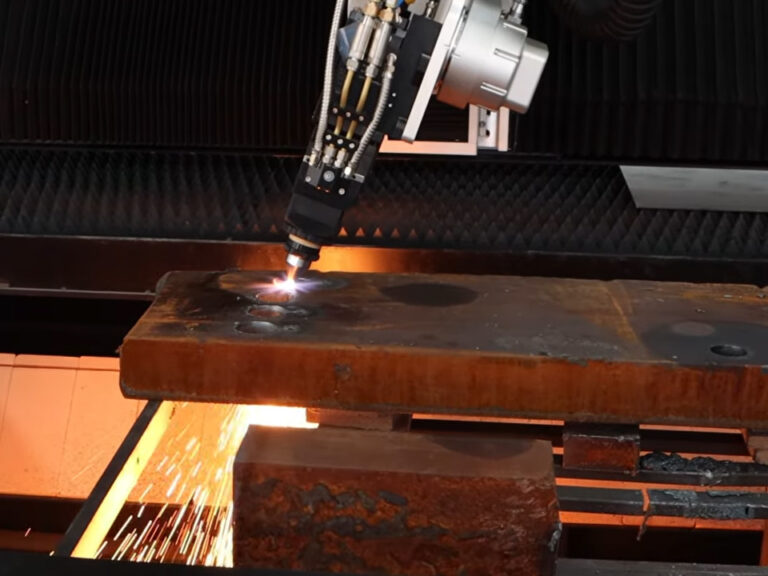
Vamos começar com a coisa óbvia que as pessoas estranhamente subestimam. Um laser não perfura, empurra, corta ou arrasta uma ferramenta pela chapa. Isso é mais importante do que alguns compradores imaginam. Os métodos mecânicos não apenas removem o material - eles podem pré-carregar a peça com tensão antes mesmo de começar a dobrar ou soldar. O laser evita todo esse drama.
Menos abuso. Melhores chances.
Isso, por si só, não garante um painel plano, mas elimina uma variável desagradável da pilha.
A zona afetada pelo calor pode ficar apertada - se o operador merecer a máquina
É nesse ponto que o marketing se torna escorregadio. As lojas adoram dizer “baixa HAZ” como se isso fosse automático, como se a máquina viesse da fábrica com prevenção de distorção embutida na caixa. Isso não acontece. A HAZ permanece estreita somente quando a receita é ajustada - densidade de potência, alimentação, posição focal, condição do bico, fluxo de gás, distância, tudo isso. Se você for desleixado, o processo que deveria proteger a planicidade começa a cozinhar a peça. Uma análise de 2024 na revista Revista Internacional de Tecnologia de Manufatura Avançada descobriu que os parâmetros do laser influenciam fortemente o comportamento do corte e a qualidade do corte no processamento de metais, o que não deveria surpreender ninguém no chão de fábrica, mas aparentemente ainda surpreende as pessoas que escrevem anúncios de máquinas.
As configurações são importantes. E muito.
O planejamento de caminhos não é “apenas coisas da CAM”
Sinceramente, acredito que é nesse ponto que muitas distorções são incorporadas. Não no ressonador. Não no bocal. Na programação. Alguém permite que o software busque o caminho mais curto, cozinhe uma zona repetidamente, abaixe o perfil externo muito cedo e depois fique confuso quando o esqueleto relaxa e a peça começa a andar. Isso não é má sorte. É uma coreografia térmica ruim.
O 2024 Máquinas O estudo é útil aqui porque se concentra no caminho da usinagem e no controle de parâmetros segmentados sob influência térmica, o que se alinha quase perfeitamente com o que as pessoas experientes em fabricação dizem quando estão sendo honestas. A ordem de corte não é um detalhe administrativo. É um gerenciamento de calor disfarçado.
O trabalho com invólucros finos muda muito rápido para uma lógica de ferramentas rígida
Essa parte é ignorada pelos artigos puramente técnicos, e acho que isso é um erro. Nos programas reais de gabinetes, os projetos mudam. Os padrões de ventilação mudam. Os locais dos fixadores mudam. Os detalhes de EMI são revisados. Os layouts de fluxo de ar são ajustados após testes térmicos. Você não recebe mais um conjunto de desenhos congelados e seis meses de tranquilidade.
O mercado está se movimentando.
A Reuters informou que o grupo de soluções de infraestrutura da Dell atingiu um recorde $11,65 bilhões em receita trimestral em agosto de 2024, impulsionada pela demanda de servidores de IA, e a Reuters também informou em abril de 2024 que nove das dez maiores concessionárias de energia elétrica dos EUA disseram que os data centers eram uma fonte importante de crescimento de clientes. Essa demanda não afeta apenas os fabricantes de chips. Ela também atinge a cadeia de suprimentos de gabinetes - com força e rapidez.
Portanto, sim, o laser ganha aqui. Não porque esteja na moda, mas porque se adapta sem a necessidade de novas ferramentas sempre que a engenharia tem outra ideia brilhante.
Onde a distorção realmente começa
O acúmulo de calor supera o pico de potência como o verdadeiro vilão
Todos olham para a potência. Cérebro de folheto. Eu me preocupo muito mais com a forma como o calor se acumula ao longo da rota de corte, porque uma configuração de potência “razoável” ainda pode deformar uma peça se o feixe continuar revisitando a mesma zona, especialmente em trabalhos de bitola fina com ventilação densa ou agrupamentos de características apertadas.
É aí que as coisas desandam.
A chapa pode já estar carregando tensão antes que a viga a toque
Isso é esquecido o tempo todo. O corte a laser não inventou todos os problemas de distorção. As chapas laminadas podem apresentar tensão residual devido ao nivelamento, ao manuseio, ao histórico da bobina ou à inconsistência do fornecedor. Então, o feixe a libera e, de repente, todos na sala fingem que a máquina causou tudo isso.
Não foi. Nem tudo.
Duas chapas com a mesma liga nominal e espessura podem se comportar de maneira muito diferente. Qualquer pessoa que já tenha cortado bastante aço inoxidável 304 ou 5052-H32 sabe disso.
A configuração do gás é mais importante do que as pessoas de fora pensam
O gás auxiliar não é um acessório qualquer. Ele altera todo o comportamento do corte. Para peças finas de invólucro inoxidável, o nitrogênio costuma ser o caminho mais seguro quando você se preocupa com o controle da oxidação e a condição da borda. Mas a pressão ruim, os bicos sujos, o fluxo instável ou a manutenção preguiçosa podem destruir rapidamente uma receita estável.
Então, você obtém uma escória.
Em seguida, retrabalhe.
Então, a distorção entra sorrateiramente pela porta lateral, não porque a viga falhou, mas porque toda a pilha do processo ficou desleixada.
Microarticulações: muito poucas, muitas, lugares errados
Essa parece ser uma questão menor até que não seja. As abas podem manter a geometria e impedir que peças pequenas se inclinem ou se desloquem, mas se forem muito leves, a peça se moverá durante o corte; se forem muito pesadas, você criará problemas de limpeza a jusante, além de concentração de tensão local onde você não queria. Não há vitória moral aqui. Apenas geometria e consequências.
O que realmente reduz a distorção do corte a laser
Não é teoria. Prática.
Se eu estivesse fazendo uma auditoria em uma loja de gabinetes de metal fino, não começaria perguntando qual fonte de laser eles compraram. Eu perguntaria como eles sequenciam os cortes, como separam as zonas térmicas em ninhos densos, como qualificam as receitas por espessura e liga e com que frequência observam problemas de achatamento pós-corte ou de ajuste antes da dobra. Essas respostas me dizem mais do que os decalques da máquina jamais dirão.
| Ponto de controle | O que as lojas disciplinadas fazem | O que as lojas fracas fazem | Resultado em folha fina |
|---|---|---|---|
| Sequência de corte | Corte os componentes internos primeiro e o perfil externo depois, para distribuir a carga de calor | Executar cegamente o caminho CAM mais curto | Menor movimentação de peças |
| Estratégia de parâmetros | Ajuste a potência, a velocidade, o foco e o gás por zona de recurso | Use uma receita para toda a peça | Menor distorção de corte a laser |
| Design de ninho | Deixe o espaçamento térmico ao redor da geometria com densidade de calor | Embale as peças com muita força para obter rendimento | Menos deformação da chapa metálica |
| Fixação/suporte | Suporte a pequenos recursos e sites instáveis | Suponha que o vácuo ou as ripas sejam suficientes | Melhor nivelamento após o corte |
| Controle de materiais | Rastrear a origem da folha, a planicidade e a variação do lote | Misture o caldo e espere | Menos distorções surpreendentes |
| Fluxo pós-corte | Mova-se rapidamente para rebarbar/formar sem manuseio brusco | Deixe peças quentes e frágeis mal empilhadas | Melhor estabilidade dimensional |
O segredo sujo por trás do “corte de precisão para gabinetes de metal”
A precisão é conquistada.
Essa é a versão direta, e eu a mantenho. Já vi muitos compradores ficarem hipnotizados pela potência da fonte - 3 kW, 6 kW, 12 kW, qualquer número que pareça caro o suficiente para se sentirem seguros - quando o trabalho com gabinetes de chapa fina geralmente recompensa mais a contenção do que a força bruta. Mais potência não significa automaticamente mais controle. Às vezes, é apenas uma maneira mais rápida de cozinhar demais uma geometria frágil.
Para o corte a laser de chapas finas de metal, as melhores configurações costumam ser quase enfadonhas. Feixe estável. Velocidade sensata. Fornecimento de gás limpo. Foco correto. Trajetória inteligente. Bom suporte de chapa. Hábitos rígidos do operador. Nada sexy. Tudo importante.
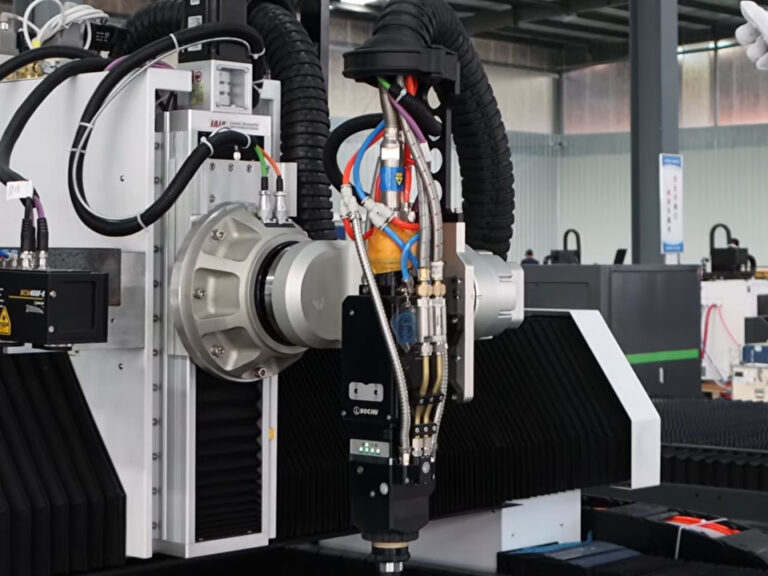
É por isso que eu prefiro trabalhar com uma fábrica que realmente entenda a geometria do gabinete do que com uma que só saiba recitar as especificações da máquina. Uma fábrica bem gerenciada máquina de corte a laser de fibra A configuração com receitas estáveis geralmente supera um sistema mais agressivo que trata a chapa de 0,8 mm ou 1,0 mm como uma placa grossa. E se a fábrica estiver fazendo malabarismos com trabalhos mistos - estruturas, tubos, painéis planos, suportes - um sistema de Máquina de corte de metal a laser de fibra tudo-em-um para tubos e chapas pode facilitar o fluxo de produção, mas somente se a equipe de programação não ficar preguiçosa.
Esse é o problema.
As máquinas são importantes, com certeza. A disciplina do processo é mais importante.
Por que o boom do data center está tornando o corte descuidado mais caro
Aqui está a parte que as pessoas de fora do setor não percebem: o aumento da infraestrutura de IA não é apenas uma história de semicondutores. É também uma história de chapas metálicas. Uma história de fabricação. Uma história de gerenciamento térmico, alojamento e painéis. Alguém tem que construir os gabinetes, as tampas de acesso, os painéis de fluxo de ar, os suportes e os componentes do lado do rack por trás de todo esse hardware.
E a demanda está aumentando rapidamente.
O Departamento de Energia dos EUA informou em dezembro de 2024 que os data centers dos EUA consumiram cerca de 176 TWh em 2023, ou 4.4% do total de eletricidade dos EUA, e projetou uma faixa de 325 a 580 TWh até 2028. O Lawrence Berkeley National Laboratory vinculou esse salto ao crescimento do servidor relacionado à IA. Isso significa mais hardware, mais pressão sobre a infraestrutura, mais ciclos de reprojeto - e menos tolerância para peças de gabinete que se torcem, se curvam ou saem da tolerância porque uma loja ainda programa chapas finas como se fosse 2016.
Essa não é uma questão secundária.
Esse é o mercado.
E acho que é nesse ponto que a seleção de fornecedores começa a separar os operadores reais dos comerciantes de folhetos. Uma equipe que conhece máquina de corte a laser de fibra O fluxo de trabalho para a fabricação séria de metais ainda pode ter dificuldades quando os trabalhos mudam para painéis de gabinetes com alta densidade de recursos. Uma plataforma compacta como a A menor máquina de corte a laser de fibra para latão, ouro e prata tem seu lugar em trabalhos especializados, mas isso não se traduz automaticamente em desempenho robusto de gabinetes de chapa fina em escala. E não, eu não indicaria um comprador para um Cortador de gravador a laser CO2 se o requisito real for o corte repetível e com baixa distorção para gabinetes metálicos modernos.
Ferramenta errada. Pista errada.
As configurações que fazem ou desfazem o nivelamento
Densidade de potência
Muita potência em chapas finas e você aumenta rapidamente a penalidade térmica. Se for muito pouca, o corte fica instável, a escória aumenta, a qualidade da borda se degrada e agora você está consertando problemas que nunca deveriam ter começado. É por isso que “diminua a velocidade” ou “aumente o volume” é um conselho de principiante.
Taxa de alimentação
Mais rápido não é automaticamente mais legal na prática - não quando a instabilidade força novas tentativas, limpeza de bordas ou definição ruim de recursos. Há um ponto ideal, e as lojas que não o procuram cuidadosamente geralmente pagam por ele em outro lugar.
Posição de foco
Esse aqui destrói trabalhos silenciosamente. O foco afeta a forma do corte, a distribuição de energia, a condição da borda e a ejeção da fusão. Em peças de gabinetes finos, pequenos erros de foco podem criar problemas que não aparecem até que o painel chegue à formação ou à montagem final.
Irritante, mas verdadeiro.
Pressão e química do gás de assistência
O nitrogênio costuma ser a opção para o aço inoxidável quando a aparência da borda e o controle da oxidação são importantes. O oxigênio pode ajudar em alguns casos de aço carbono. Mas não existe um “melhor” gás universal. Apenas a estratégia de gás correta para a liga, a espessura, a expectativa de acabamento e a meta de velocidade.
Sequência de corte e espaçamento térmico
Estou repetindo isso de propósito porque continua custando dinheiro de verdade: a ordem de corte é uma estratégia térmica. Se o seu programador não pensar dessa forma, os recursos da sua máquina não o salvarão.
O que os compradores devem perguntar antes de confiar em um fornecedor
Eu não faria perguntas chamativas.
Eu perguntaria a pessoas rudes.
O que acontece quando eles cortam aço inoxidável de 0,8 mm com alto teor de ventilação e agrupamentos de características densas? Eles alteram os parâmetros por zona de característica ou executam uma receita geral? Como eles suportam teias estreitas? Que porcentagem de peças precisa ser achatada após o corte? Eles monitoram a distorção por lote de liga? Eles podem mostrar painéis inacabados antes que o revestimento em pó oculte pequenos desvios de forma?
Essas respostas são importantes.
Um bom fornecedor responde de forma clara. Um fornecedor fraco começa a mencionar nomes de marcas de laser e a fazer danças em torno da taxa de sucata.
Perguntas frequentes
O corte a laser sempre reduz a distorção em chapas metálicas finas?
O corte a laser reduz a distorção em chapas finas de metal, concentrando a energia térmica em um corte estreito, removendo a carga mecânica de punções ou lâminas e proporcionando aos fabricantes um controle mais rígido sobre a velocidade, o foco, o gás e a sequência de corte do que muitos métodos de corte convencionais. Isso ajuda muito, mas não garante peças planas por si só.
Essa é a resposta honesta. Melhor processo, melhores chances - mas não mágica.
O que causa o empenamento da chapa metálica durante o corte a laser?
O empenamento de chapas metálicas durante o corte a laser geralmente é causado por aquecimento e resfriamento irregulares, liberação de tensão residual na chapa de base, planejamento de caminho inadequado, acúmulo de calor local, suporte fraco para recursos delicados e condições instáveis de gás ou foco durante o corte. A maioria das peças empenadas é resultado da combinação de erros de processo, e não de uma única falha.
Portanto, quando um fornecedor encolhe os ombros e diz “problema de material”, eu analisaria melhor.
Por que o corte a laser é preferível para gabinetes de metal fino usados em data centers?
O corte a laser é o preferido para gabinetes de metal fino usados em data centers porque permite alterações mais rápidas no projeto, layouts de recursos densos, geometria repetível e menor atrito com ferramentas durante um período em que a demanda por infraestrutura de IA está aumentando a frequência de reprojeto do gabinete e a pressão de produção em toda a cadeia de suprimentos. A flexibilidade é uma grande parte do valor.
Em outras palavras: o mercado de gabinetes está se movendo rápido demais para uma lógica de ferramentas desajeitada.
Sua próxima etapa
Se você estiver comprando máquinas, qualificando fornecedores ou cotando programas de gabinetes de metal fino, pare de perguntar apenas qual marca de laser ou potência a fábrica possui. Pergunte como eles gerenciam a distorção. Pergunte como eles programam a distribuição de calor. Pergunte como eles lidam com aço inoxidável 304 versus alumínio. Pergunte o que acontece em layouts com muita ventilação. Pergunte como são as taxas de achatamento e sucata.
É aí que mora a verdade.
E se você estiver comparando rotas de produção agora, comece com as opções práticas que já selecionou: um Máquina de corte a laser de fibra para fabricação de metais, um sistema flexível Máquina de corte de metal a laser de fibra tudo-em-um para tubos e chapas, ou uma plataforma especializada menor se o seu fluxo de trabalho ainda for restrito e experimental. Mas não se limite à máquina. Faça um teste de pressão nas receitas. Faça um teste de pressão nos hábitos do operador. Faça um teste de pressão do resultado real.
Porque as peças planas não acontecem por acaso.
Eles são gerenciados.


Clique quente
Entre em contato conosco
Aplicativo
©Direitos autorais [bogonglaser.com]. Fornecedor de máquinas a laser da BOGONG Todos os direitos reservados.