
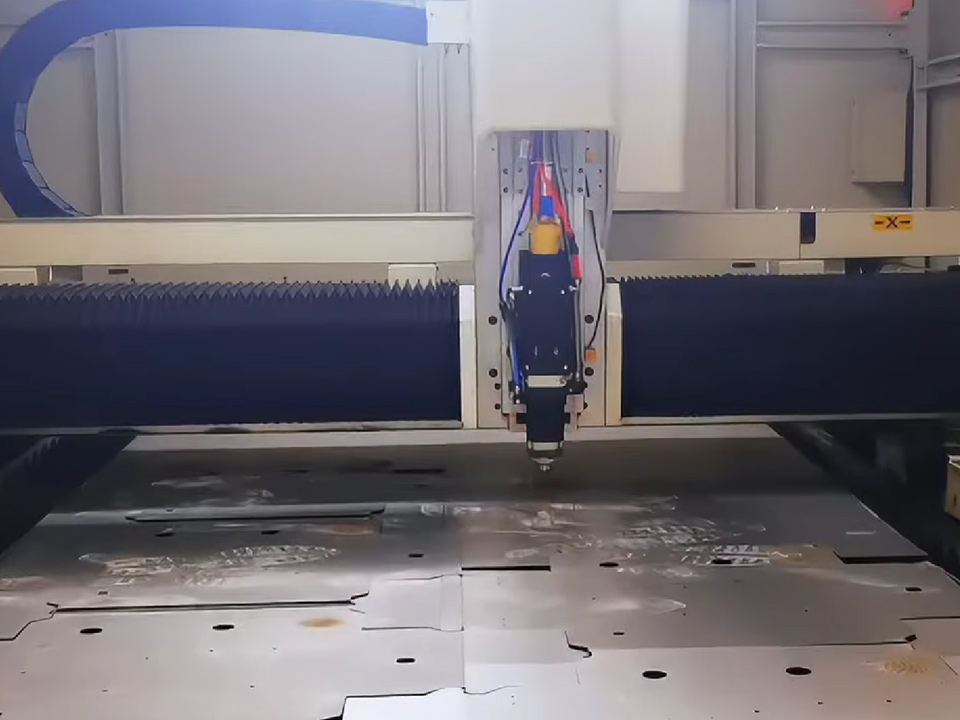
Como os fabricantes usam o corte a laser para componentes de bicicletas
Uma análise direta e sem rodeios sobre como os fabricantes utilizam o corte a laser na fabricação de quadros de bicicleta, dropouts, suportes, fixações para bicicletas elétricas, reforços, compartimentos para baterias e peças personalizadas para bicicletas — e onde o processo acaba dando errado, sem que ninguém perceba.

A primeira coisa que ninguém diz em voz alta: os lasers têm a ver com evitar a dor
As margens ficaram péssimas.
Lembro-me de ter passado pela área de corte de um fornecedor de estruturas há anos — cheiro de metal quente, mangueira de ar quase sem ar, uma pilha de suportes cortados incorretamente dentro de uma caixa de papelão da qual ninguém queria falar — e a lição ficou clara antes mesmo de alguém dizer: o laser não foi comprado por uma questão de “inovação”. Foi comprado porque a correção manual havia se tornado um fardo.
Um imposto idiota.
Quando as marcas de bicicletas falam sobre fabricação, adoram mostrar coisas bonitas: camadas de carbono, tubos hidroformados, cabines de pintura, um soldador fazendo aquela dança lenta do arco azul para a câmera. Tudo bem. Parece ótimo. Mas na fábrica, corte a laser de componentes de bicicleta geralmente envolve coisas menos glamorosas — cálculos de corte, repetibilidade das abas, geometria dos encaixes, rendimento do aninhamento, disciplina no uso de gabaritos, controle de revisões e se o soldador precisa lutar com a peça antes do almoço.
É assim que funciona.
E os negócios foram afetados. O Giant Group divulgou um faturamento consolidado de NT$71,28 bilhões em 2024, uma queda de 7,4% em relação ao ano anterior, com perdas por provisão de estoque de NT$1,9 bilhões e lucro operacional reduzido em 60%, de acordo com seu Relatório financeiro do Giant Group de 2024.
Então, sim, sinceramente acredito que muitas fábricas de bicicletas passaram a adotar peças cortadas a laser porque o antigo ciclo — investir em matrizes, torcer para que o modelo vendesse bem e arcar com o estoque se isso não acontecesse — começou a parecer arriscado.
Não é elegante. É necessário.
Mas eis a dura verdade: um laser de fibra pode produzir lixo mais rápido do que uma serra manual jamais conseguiria. Se a oficina não controlar o gás auxiliar, a zona afetada pelo calor (HAZ), as rebarbas, os certificados das chapas, a tração do dispositivo de fixação, a preparação da solda e a inspeção, então o “corte a laser CNC de peças de bicicleta” se torna uma maneira engenhosa de repetir o mesmo erro 2.000 vezes.
Parabéns, acho...
É nos pequenos detalhes que estão os segredos
Você já observou de perto o encaixe da roda de um quadro?
A maioria dos ciclistas não faz isso. Eles prestam atenção na pintura, no espaço livre para os pneus, no grupo de componentes, no formato da bateria e, talvez, nas soldas, se forem mais detalhistas. Mas a verdadeira prova de uma boa fabricação de componentes de bicicleta geralmente está escondida nas peças menos atraentes: dropouts, garfos, reforços, placas de torque, abas de freio, placas de suporte da bateria, inserções para passagem de cabos, suportes do motor, pontes da escora, abas de sensores, saliências para bagageiro e peças em bruto da articulação da suspensão.
Um pedaço minúsculo de metal. Um grande risco.
Um erro de 2 mm em um suporte pode parecer inofensivo na bancada, especialmente se a peça for plana, estiver sem rebarbas e sob boa iluminação; em seguida, ela é fixada, soldada provisoriamente, puxada pela contração da solda, revestida, montada, carregada por um motociclista, sacudida por buracos na estrada e, de repente, esse “pequeno” desalinhamento está exatamente onde a fadiga costuma começar.
Pergunte ao pessoal do recall.
O Recall de quadros da CPSC Cannondale Em 2024, foi informado que a solda entre o tubo de direção e o tubo inferior em algumas bicicletas da marca Dave poderia se danificar e se separar do quadro, afetando cerca de 660 unidades nos Estados Unidos e cerca de 113 no Canadá.
Não, não estou dizendo que o corte a laser tenha causado isso.
Não seja preguiçoso.
O que estou dizendo é que as juntas do quadro não se importam com o texto de marketing. Seja qual for a origem do problema — corte, encaixe, soldagem, tratamento térmico, projeto ou inspeção —, a bicicleta só vê a montagem final. E se a junta estiver errada, o cliente acaba servindo de banco de testes.
Componentes comuns de bicicletas cortados a laser
| Componente | Material comum | Por que os fabricantes optam pelo corte a laser? | O que pode dar errado |
|---|---|---|---|
| Desistentes | Aço 4130, aço inoxidável, alumínio 6061/7005 | Geometria precisa do encaixe do eixo e alinhamento repetível do suporte | Borda afetada pelo calor, rebarbas, distorção próxima às abas finas |
| Suportes para motores | Alumínio 6061-T6, aço macio | Padrões de furos estreitos para conjuntos de acionamento central ou acionamento no cubo | Desalinhamento sob carga de torque, preparação inadequada da solda |
| Reforços | Aço cromolado 4130, chapa de alumínio | Aninhamento rápido e controle de repetição de formas | Pontos de concentração de tensão em cantos internos agudos |
| Suportes de freio | Aço inoxidável, alumínio | Espaçamento preciso para o alinhamento do compasso | Afilamento da borda, empenamento pós-corte |
| Compartimentos para baterias | Chapa de alumínio, aço revestido | Mudanças rápidas de padrões entre os modelos de bicicletas elétricas | Camada de óxido, vapores do revestimento, comportamento inconsistente na curvatura |
| Guias de protótipo | Aço, titânio, alumínio | Ciclos de revisão de baixo custo antes da fabricação das ferramentas | A geometria do protótipo foi copiada para a produção sem validação |
Ranhura, marcas de perfuração, rebarbas, zona afetada pelo calor (HAZ) — aquelas coisas chatas que salvam a moto
Mas o arquivo DXF parecia estar correto.
Já ouvi essa frase muitas vezes, geralmente logo antes de alguém abrir a caixa de sucata e começar a apontar para peças com um paquímetro. O CAD é limpo. O metal, não. O metal apresenta variações de espessura, refletividade, direção do grão, óxido, tensão, revestimento, memória térmica e um péssimo hábito de expor suposições frágeis.
O corte a laser começa antes de o feixe ser disparado.
A compensação do corte deve ser incorporada ao arquivo. Os pontos de perfuração devem ficar afastados das arestas funcionais. Os cantos internos precisam de raio, não do ego do projetista. As micro-saliências não podem ficar onde o cordão de solda deve ser aplicado. A eficiência do aninhamento não deve se sobrepor à integridade da peça. E se o desenho não definir a estrutura de referência adequadamente, a inspeção se transforma em uma farsa.
Péssimo espetáculo.
O Análise dos parâmetros de corte a laser de 2024 explicou detalhadamente o que os operadores experientes já sabem de cor e de memória: potência, velocidade, pressão do gás auxiliar, diâmetro do bico, configurações de pulso, distância de trabalho, espessura do material e uso de nitrogênio afetam a largura do corte, a rugosidade, o afilamento e o comportamento da zona afetada pelo calor.
Essa é a versão acadêmica mais sucinta.
A versão comercial? O alumínio fica reflexivo e instável. O titânio não tolera a presença de oxigênio. O aço inoxidável fica manchado e se deforma se as configurações se desviarem. O cromo-molibdênio 4130 corta lindamente, o que é quase perigoso, porque uma borda bonita pode levar as pessoas a ignorarem a questão da fadiga do material.
Já vi isso acontecer.
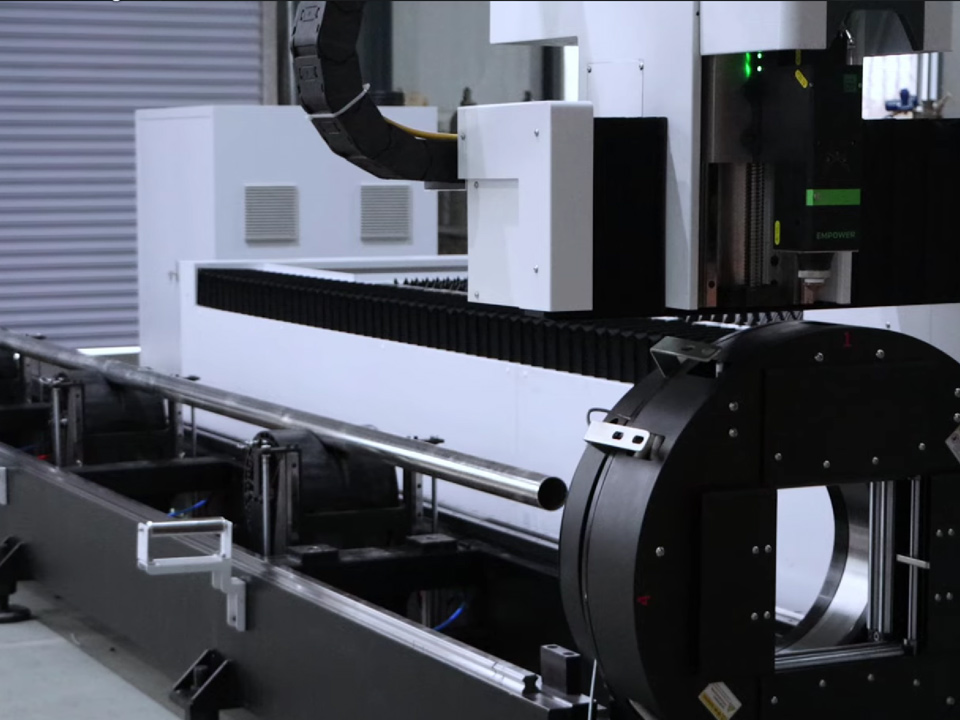
A limpeza não é apenas “algo bom de se ter”. É o que faz a diferença entre o processo e a atmosfera.
Uma borda cortada a laser pode ter um aspecto bem acabado.
Isso não significa quase nada.
Ainda pode haver óxido, fuligem, película de óleo, resíduos de adesivo, detritos de revestimento, umidade do ar comprimido ou qualquer impressão digital misteriosa deixada pela última pessoa que manuseou a chapa sem luvas. Se essa borda for ser submetida a soldagem TIG, MIG, brasagem, soldagem robótica ou soldagem a laser, “parecer limpa” não é uma especificação.
É um desejo.
No caso de preparação de solda sensível a óxidos, prefiro que a limpeza seja controlada pela oficina como parte do fluxo de trabalho, e não como um hábito de última hora na bancada. Uma limpeza controlada limpeza a laser de pulso antes da soldagem Esse fluxo de trabalho faz sentido quando o objetivo é realizar uma preparação de superfície repetível em suportes, abas, placas de reforço e pequenas estruturas de bicicletas elétricas.
Se as peças forem maiores ou se os acessórios estiverem cobertos por anos de sujeira, respingos e resíduos acumulados na oficina, então um Máquina de limpeza a laser de pulso de 500 W é mais crível do que fingir que um disco de arame é um sistema de qualidade.
E sim, a limpeza portátil também é importante. Para áreas de reparo, bancadas de retrabalho e gabaritos de estrutura difíceis de manusear que ninguém quer mover, um máquina de limpeza a laser do tipo maleta com rodízios pode se adequar melhor à realidade da loja do que um layout perfeito de folheto.
Mas e se for preciso fazer uma limpeza profunda todas as vezes?
Então faça a pergunta incômoda: o sistema de limpeza está resolvendo o problema da contaminação ou apenas disfarçando um manuseio inadequado do material? A Máquina de limpeza a laser CW tem seu lugar, mas não deve servir como um remendo para um armazenamento desorganizado, chapas molhadas, prateleiras sujas ou peças pintadas que chegam com revestimentos de origem desconhecida.
Isso não é controle de processos. É só uma encenação para dar uma aparência de que tudo está em ordem.
Soldagem: quando as peças cortadas a laser ou se comportam bem ou delatam
Os soldadores são os primeiros a saber.
Eles sabem antes mesmo de a equipe de compras saber. Antes mesmo de o engenheiro atualizar o desenho. Antes mesmo de o gerente de produção admitir que o dispositivo de fixação está gasto. Uma peça ou se encaixa perfeitamente no molde e se comporta como deve — ou balança, fica com folgas, puxa e faz com que o soldador comece a cometer pequenos “crimes” com a haste de adição.
Os pequenos crimes vão se acumulando.
Peças de bicicleta cortadas a laser são úteis porque facilitam a preparação para a soldagem. As abas se encaixam sozinhas. As ranhuras servem de guia. Os furos servem de referência para os pinos do gabarito. Os reforços ficam exatamente onde devem ficar. Os dropouts não precisam de “ajuda” de um martelo de borracha.
De qualquer forma, esse é o sonho.
Para pequenos suportes, abas finas, caixas de sensores ou subconjuntos compactos, um Mini-máquina de soldagem a laser assistida por CCD pode ajudar no alinhamento visual e no posicionamento repetitivo. Em trabalhos de precisão mais pequenos — abas finas, pontos de fixação delicados, acessórios minúsculos —, a lógica se assemelha à de equipamentos como um Máquina de solda a laser para joias de 150 W, embora a produção de bicicletas, obviamente, tenha exigências diferentes em termos de carga e geometria.
Mesmo assim, não dou muita importância aos chavões sobre processos de soldagem.
Confio nas seções de corte e gravação. Confio nos testes de tração. Confio nos equipamentos de teste de fadiga. Confio na ficha de controle de qualidade que ninguém quer ler. Uma foto perfeita de um cordão me diz mais sobre a iluminação do que sobre a durabilidade.
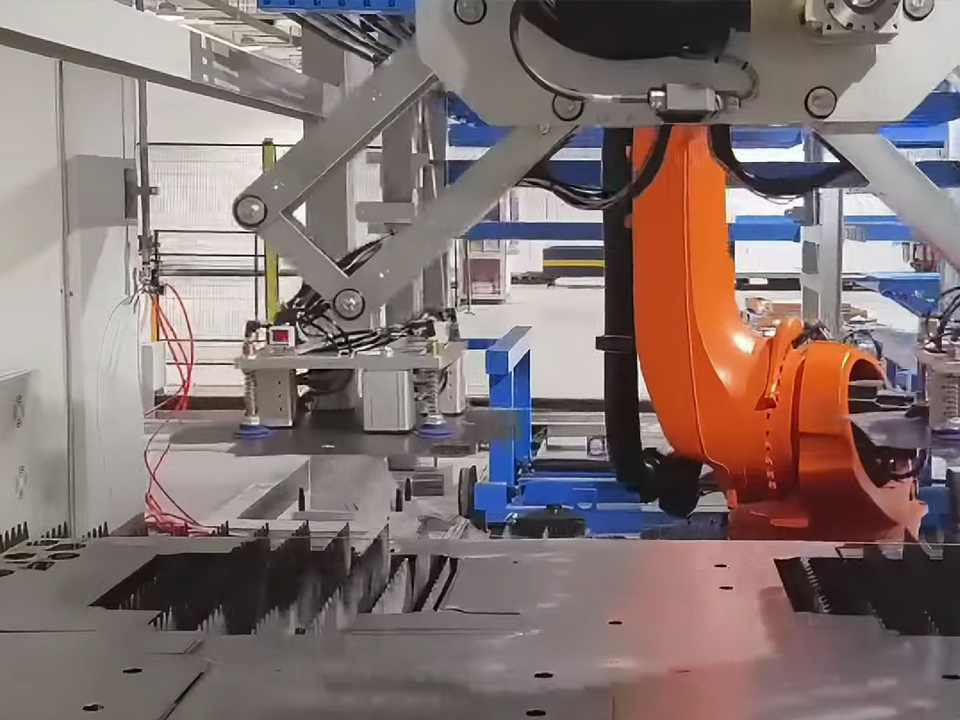
As bicicletas elétricas tornaram tudo muito mais acirrado
No entanto, a velha mentalidade em relação às bicicletas ainda persiste.
Isso é um problema.
Um suporte para motor de acionamento central não é um encaixe para porta-garrafas. Uma bandeja de bateria não é uma placa decorativa. Um braço de torque de uma bicicleta de carga não é uma abasinha bonitinha que tem uma vida fácil. Essas peças enfrentam o torque do motor, vibrações, o peso da bateria, batidas contra o meio-fio, sal de inverno, alforjes sobrecarregados, cadeirinhas infantis, estradas em mau estado e ciclistas que tratam a carga máxima como um desafio.
É verdade.
O Documento regulamentar da CPSC sobre riscos mecânicos em bicicletas elétricas estimou 53.100 casos de lesões atendidos em pronto-socorros entre 2017 e 2022 associados a bicicletas elétricas e discutiu as preocupações com riscos mecânicos relacionados às bicicletas elétricas de baixa velocidade.
Esse número não é um problema de marketing. É um problema de pressão no projeto.
O corte a laser ajuda os fabricantes a trabalharem com mais rapidez nessa etapa. Revise uma placa do motor. Adicione um reforço. Abra um orifício de drenagem no compartimento da bateria. Desloque uma ranhura do chicote elétrico em 1,5 mm. Corte dez peças. Solde cinco. Quebre duas. Corte novamente.
Ciclo rápido. Ótimo.
Mas os ciclos rápidos não substituem a validação. Já vi peças de protótipo sobreviverem a uma demonstração, a um vídeo de lançamento e a um teste no estacionamento, mas depois parecerem completamente ridículas quando expostas a clientes reais. Sal, vibração, ciclos térmicos, impacto, racks sobrecarregados — esses não são casos extremos. São o dia a dia.
A papelada de segurança é enfadonha até que algo pegue fogo
A OSHA não produz um conteúdo muito bom para o Instagram.
Chocante.
Mas o corte a laser traz consigo fumos, bordas quentes, riscos relacionados ao feixe de luz, reflexos, problemas com o gás auxiliar, riscos de incêndio, filtros, manutenção do sistema de extração e questões relacionadas à exposição do operador. Se um fornecedor de bicicletas trata isso como algo sem importância, começo a me perguntar o que mais eles consideram opcional.
As orientações da OSHA sobre Ventilação e riscos no corte a laser afirma que a ventilação deve manter os gases e vapores provenientes da soldagem a laser, do corte a laser e de outras interações entre o laser e o alvo abaixo dos limites de exposição aplicáveis.
Essa sugestão não foi feita por brincadeira.
E o requisitos para bicicletas: orientações para empresas As normas da CPSC abrangem montagem, sistema de freios, saliências, integridade estrutural, refletores e outros requisitos, ao mesmo tempo em que destacam que as bicicletas que não estiverem em conformidade são proibidas nos termos da Lei Federal sobre Substâncias Perigosas.
Esse é o piso.
Não é isso aí.
Portanto, quando um fornecedor apresenta uma cotação para corte a laser de precisão de quadros de bicicleta, mas não consegue falar sobre extração, travas de segurança, limpeza de lentes, gás auxiliar, rastreabilidade de peças, EPI do operador, verificações dos dispositivos de fixação e frequência de inspeção, eu entendo uma coisa: “Compramos a máquina antes de montarmos o sistema.”
Pedido incorreto.
Corte a laser x Usinagem CNC x Estampagem
Eis outra coisa que os fornecedores detestam ouvir: o corte a laser nem sempre é a solução certa.
Às vezes, a usinagem leva a melhor. Às vezes, a estampagem leva a melhor. Às vezes, o jato de água dá a volta por cima. Às vezes, o corte a laser de tubos é a escolha mais madura. Quem diz que um único processo resolve tudo ou é novato, está tentando vender a todo custo ou está ignorando os aspectos menos agradáveis da produção.
Talvez as três coisas.
| Método | Melhor caso de uso | Força | Ponto fraco | Minha opinião |
|---|---|---|---|---|
| Corte a laser de fibra | Lâminas planas, placas, reforços, suportes, protótipos | Configuração rápida, geometria simples, baixo custo de ferramentas | Calor nas arestas, rebarbas, conicidade, refletividade do material | Ideal para produção flexível e peças que exigem muitas revisões |
| Usinagem CNC | Encaixes, assentos de rolamentos, superfícies de contato de precisão | Tolerâncias 3D rigorosas e controle de superfície | Lento e caro para perfis planos simples | Use quando a interface for mais importante do que o aninhamento de `yield` |
| Estamparia | Peças repetitivas de grande volume | Custo unitário mais baixo em grande escala | Custo de ferramentas e lentidão nas alterações de projeto | É bom para peças estáveis destinadas ao mercado de massa, mas ruim para a rápida renovação de modelos |
| Corte por jato de água | Materiais sensíveis ao calor e perfis espessos | Sem borda térmica | Limpeza mais lenta e abrasiva, risco de afilamento | Útil quando o HAZ não pode ser tolerado |
| Corte a laser de tubos | Tubos da estrutura, encaixes em ângulo, ranhuras, aberturas | Excelente para o encaixe entre tubos | Custo da máquina e disciplina na programação | Excelente opção para fluxos de trabalho de imagens de alta qualidade |
O que os fabricantes realmente fazem com o corte a laser CNC de peças de bicicleta
Eles criam protótipos antes mesmo de começar a discussão sobre o molde
É possível testar três perfis de dropout, quatro reforços da placa do motor, dois deslocamentos da aba do freio e um padrão de drenagem do compartimento da bateria antes mesmo que se comece a discutir o uso de uma matriz de estampagem. Isso é importante quando a bicicleta ainda está em fase de desenvolvimento e todos na reunião fingem que a geometria está “praticamente finalizada”.”
Nunca é assim.
É por isso que o corte a laser se tornou tão útil para quadros de gravel, bicicletas de carga, bicicletas adaptativas, quadros dobráveis e plataformas de e-bikes. Esses projetos costumam apresentar desafios de espaço. Espaços livres incomuns. Espaço necessário para o motor. Saídas de cabos. Compartimentos para bateria. Cargas nos bagageiros. Suportes para para-lamas. Problemas de espaço por toda parte.
O laser não resolve tudo isso.
Isso simplesmente permite que você faça revisões sem estourar o orçamento de ferramentas.
Eles fabricam dispositivos de fixação para soldagem menos rudimentares
Uma peça bem cortada a laser pode incorporar sua própria lógica de montagem: abas, ranhuras, orifícios para pinos, pequenos pontos de referência, recursos antirrotação e alívios de dobra. Esses detalhes economizam tempo quando o dispositivo de soldagem está em ação.
E quando não é assim?
A peça delata.
Você percebe isso na folga. Você percebe quando a braçadeira exige muita força. Você percebe quando um lado puxa depois da fixação provisória. Você percebe quando o medidor de alinhamento do dropout começa a dar a todos notícias desagradáveis.
Eles utilizam peças leves — às vezes com sensatez, outras vezes como amadores
Os furos de alívio ficam legais.
Isso representa metade do perigo.
Um projetista pode encher um suporte de recortes e chamá-lo de otimizado, mas, sem a observância dos raios de curvatura, o conhecimento do sentido das fibras, a análise das linhas de carga e os testes de fadiga, esses orifícios são apenas elementos decorativos que dão início a trincas. Já vi peças que pareciam engenhosas no CAD e se revelaram lamentáveis após serem submetidas a cargas reais.
Telas finas. Cantos afiados. Ideia idiota.
O corte a laser facilita a remoção do metal. Isso não torna o metal restante mais inteligente.
Eles recorrem à rastreabilidade quando levam as coisas a sério
Códigos de lote, marcas de revisão, certificados de material, relatórios de inspeção, registros de máquinas — é aqui que se distingue quem é profissional de quem está apenas atrás de cotações.
Se a Rev A e a Rev B forem misturadas no mesmo recipiente, não há produção. O que você tem é uma caça ao tesouro. Se o operador alterar a pressão do nitrogênio e ninguém registrar isso, não há repetibilidade. O que você tem é sorte.
A sorte acaba.
As perguntas que eu faria ao fornecedor antes de assinar qualquer coisa
Não pergunte: “Quanto custa cada peça?”
Não é o primeiro.
Pergunte como eles conduzem o processo. Pergunte o que eles medem. Pergunte o que acontece quando o lote de chapas muda. Pergunte qual versão do arquivo está em uso na máquina. Pergunte como eles evitam que um DXF antigo volte a entrar na produção como uma barata.
Perguntas sobre o processo
Eles podem mostrar a compensação de corte por tipo de material e espessura?
Eles registram as configurações dos gases auxiliares N₂, O₂ ou Ar?
Eles separam os parâmetros do protótipo dos parâmetros de produção?
Eles medem a altura da rebarba, o afilamento, a circularidade do furo e a tonalidade causada pelo calor?
Eles controlam o HAZ em tiras finas de 4130 e suportes de alumínio?
Eles documentam as revisões, ou todo mundo fica compartilhando arquivos chamados “final_final_v7.dxf”?
Questões sobre qualidade
Eles podem realizar a inspeção do primeiro artigo?
Eles realizam a inspeção a partir de referências funcionais, em vez de qualquer aresta que seja conveniente?
Eles entendem o que é o acúmulo de espessuras na fixação de soldagem?
Eles testam os conjuntos após o corte e a soldagem?
Será que eles sabem em que momento a norma CPSC 16 CFR Parte 1512 entra em cena quando um componente passa a estar relacionado à segurança?
Questões comerciais
Será que eles conseguem lidar com a fabricação de peças personalizadas para bicicletas em pequenos lotes sem tratar cada revisão como um insulto?
Será que eles conseguem passar de 20 protótipos para 2.000 peças sem alterar a borda?
É possível vincular os certificados de materiais aos lotes?
Eles podem explicar o que acontece quando um lote de chapas sofre alterações?
E mais uma coisa: será que eles conseguem admitir quando o corte a laser não é o processo adequado?
Essa resposta é importante.
Perguntas frequentes
O que é o corte a laser de componentes de bicicleta?
O corte a laser de componentes de bicicleta é um processo de fabricação digital que utiliza um feixe de laser focalizado para cortar peças metálicas relacionadas a bicicletas — dropouts, reforços, suportes de motor, suportes de freio, compartimentos para bateria, placas de torque e reforços de quadro — a partir de chapas ou tubos, com geometria controlada, perfis repetíveis e uso limitado de ferramentas de corte.
Em termos de oficina, ele transforma rapidamente um arquivo CAD em metal. Mas velocidade não é sinônimo de competência. A lâmina ainda precisa resistir à soldagem, ao revestimento, à vibração, à corrosão, à carga de montagem, ao uso abusivo do motociclista e a tudo o que a estrada lhe impuser.
Por que os fabricantes utilizam peças de bicicleta cortadas a laser em vez de estampadas?
Os fabricantes utilizam peças de bicicleta cortadas a laser em vez de estampadas quando mudanças de modelo, volumes de produção mais baixos, ciclos de protótipos, variações no tamanho do quadro e alterações na embalagem das bicicletas elétricas tornam o uso de ferramentas fixas muito caro, muito lento ou muito rígido para a realidade da produção.
A estampagem é ótima quando o projeto está definido e o volume de produção é alto. O corte a laser se destaca naquela fase intermediária complicada — em que os gerentes de produto ficam mudando os suportes, os engenheiros ficam alterando a posição dos furos e ninguém quer comprar uma matriz para uma peça que pode ser revisada no mês que vem.
Seu próximo passo: não compre o laser. Compre a disciplina.
Não pergunte tanto sobre a potência.
Pergunte sobre registros de corte, registros de gás auxiliar, certificados de chapas, limites de rebarbas, inspeção de bordas de corte, etapas de limpeza, estratégia de fixação, validação do encaixe para soldagem, controle de revisões e rastreabilidade de lotes. Pergunte o que acontece quando a Rev. B substitui a Rev. A. Pergunte para onde vai o arquivo antigo. Pergunte quem aprova o primeiro artigo.
Se eles responderem com as especificações do equipamento, continue insistindo.
E se eles se esquivarem?
Caminhe.
O laser é apenas a ferramenta. O processo é o produto.


Clique quente
Entre em contato conosco
Aplicativo
©Direitos autorais [bogonglaser.com]. Fornecedor de máquinas a laser da BOGONG Todos os direitos reservados.