
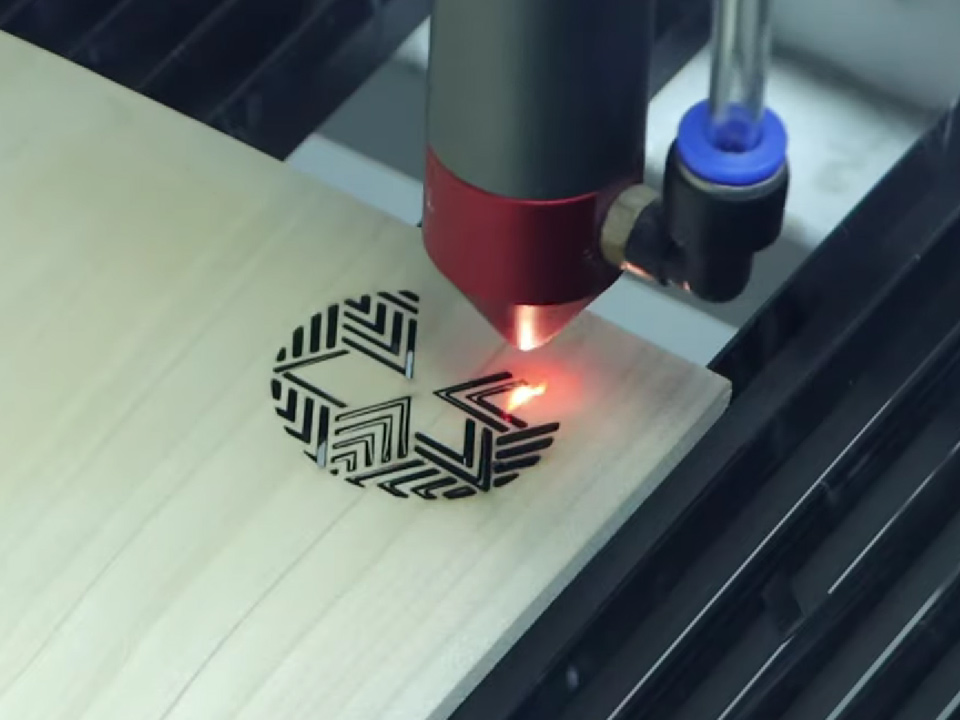
Soluzioni di taglio laser per i fornitori di attrezzature sportive OEM
I fornitori di attrezzature sportive OEM non perdono contratti perché un taglio è brutto. Li perdono perché un lotto non è conforme alle norme di idoneità, fatica, tracciabilità o sicurezza dopo che è già stato trasferito a valle.

Il fornitore non si accorge di nulla finché la parte non si guasta
La tolleranza è politica.
Ho visto acquirenti assistere a un tour di un'officina laser, annuire all'armadietto luminoso della macchina, fare un video sfocato delle scintille e poi saltare l'unica domanda che conta: “Potete dimostrare che questo lotto sarà uguale all'ultimo dopo il rivestimento, la piegatura, l'imballaggio e sei settimane di magazzino?”.”
Questo è il lavoro.
Non lo spettacolo della scintilla. Non la foto della brochure. Non l'operatore che dice: “Sì, possiamo tagliarlo”. Nelle attrezzature sportive OEM, Servizi di taglio laser Siediti proprio dove la teoria del design viene aggredita dalla realtà: sudore, vibrazioni, scadenze per la vendita al dettaglio, moduli di responsabilità, scelte di imballaggio stupide e quella staffa di cui nessuno si preoccupa finché non si rompe vicino alla curva.
Ecco la brutta verità: un taglio economico di solito non è economico. È una fattura differita. E la fattura arriva più tardi, quando il marchio ha già il fiato sul collo e i cartoni sono impilati vicino alla partenza.
Allora, chi paga?
Di solito il fornitore.
Cosa significano realmente i servizi di taglio laser per gli OEM di attrezzature sportive
Prima di tutto lo definirò in modo chiaro, perché le persone amano farlo sembrare più fantasioso di quanto non sia.
I servizi di taglio laser per i fornitori di attrezzature sportive OEM sono servizi di produzione di precisione che tagliano, profilano, forano, marcano o preparano parti metalliche e parti non metalliche selezionate utilizzate in prodotti come componenti di biciclette, macchine per l'allenamento, attrezzi protettivi, telai per il fitness, sistemi di rack, staffe, pagaie, hardware per pattini e articoli sportivi speciali.
Una frase semplice. Un'attività disordinata.
Ma le attrezzature sportive non sono “solo beni di consumo”. Questa è una lettura pigra. Un telaio di una macchina per il canottaggio, un componente di un casco da bici, una chiusura di una rastrelliera, una staffa di un trainer di resistenza, un braccio di supporto di un tapis roulant pieghevole: questi componenti vivono in una strana zona tra il prodotto al dettaglio, l'hardware di sicurezza e il compromesso di produzione a costi contenuti.
E la pressione del mercato non è teorica. La Reuters ha riportato nel febbraio 2024 che i rivenditori statunitensi hanno scontato 44% di scarpe da ginnastica Nike in media nel 2024, rispetto a 19.4% nel periodo comparabile del 2022, utilizzando i dati sui prezzi online di otto catene nazionali. Quando i marchi sportivi vengono schiacciati nella vendita al dettaglio, la pressione sale a monte con stivali dalla punta d'acciaio. In primo luogo sui fornitori OEM.
I margini si riducono. Le date di lancio no.
È allora che l'approvvigionamento inizia a chiedere “stessa qualità, prezzo migliore”, che è il codice del settore per dire “qualcun altro dovrebbe assorbire il dolore”. Forse è il fornitore di tubi. Forse il verniciatore a polvere. Spesso è il fornitore di taglio laser.
Poi c'è la sicurezza. Nel gennaio 2024, il CPSC ha annunciato un richiamo di Retrospec che riguardava circa 72.000 caschi da bici per bambini Scout perché non erano conformi ai requisiti di copertura, stabilità di posizione ed etichettatura. Nello stesso mese, Bell Sports ha richiamato circa 11.000 Caschi Bell Slope per adulti perché un ancoraggio a cinghia potrebbe staccarsi sotto l'effetto della forza. Non si tratta di esempi di staffe metalliche tagliate al laser, certo, ma non è questo il punto. Il punto è più grave: i difetti delle attrezzature sportive non rimangono all'interno della fabbrica. Diventano di dominio pubblico.
Ecco perché Soluzioni di taglio laser OEM non si tratta di “bei tagli”.”
Sono il controllo del rischio.
Il caso della produzione grezza per un taglio migliore
Avete mai visto un bel campione trasformarsi in un brutto esemplare di produzione?
Io l'ho fatto. I primi dieci pezzi sembrano gioielli. Poi l'officina cambia gas di assistenza, fa un nido più stretto, scambia le scorte da un altro lotto di riscaldamento o lascia che un nuovo operatore faccia il turno di notte, e improvvisamente i fori sono un pelo fuori posto, la scoria è più pesante e il saldatore a valle inizia a borbottare cose che non si possono scrivere nel blog aziendale.
Questa è la vita OEM.
La nota storica dell'U.S. Census Bureau per il 2024 sulla produzione di articoli sportivi dà alla categoria un peso reale: Il NAICS 339920, Produzione di articoli sportivi e atletici, ha riportato più di $12,4 miliardi nelle vendite, nel valore delle spedizioni o nelle entrate nel 2021; il County Business Patterns ha trovato 1.673 stabilimenti e 40.574 dipendenti nel 2022. Traduzione: non si tratta di una nicchia carina con regole da officina. Si tratta di una vera e propria categoria industriale, e un cattivo controllo dei processi diventa rapidamente costoso.
E l'industria manifatturiera sta diventando sempre più affamata di dati, che piaccia o meno alle officine della vecchia scuola. Una roadmap del 2024 sui sistemi ciberfisici nella lavorazione meccanica, sostenuta dal NIST, sostiene che l'intelligenza artificiale, l'informatica, i materiali e la metrologia stanno convergendo per migliorare la resilienza della produzione, la produttività e la risposta della catena di fornitura. Inoltre, osserva che la lavorazione meccanica supporta praticamente tutti i settori economici e le famiglie di prodotti, direttamente o attraverso utensili e attrezzature.
Francamente credo che la prossima scossa dei fornitori non riguarderà chi possiede il laser più grande. Si tratterà di chi riuscirà a mostrare i dati senza tossire.
Registri di ispezione. Grafici SPC. Rapporti sul primo articolo. Certificati di materiale. Disciplina delle revisioni. Tracciabilità del lotto. Foto reali dei bordi di taglio, non immagini di repertorio prese da un catalogo di macchine.
Niente dati? Non c'è fiducia.
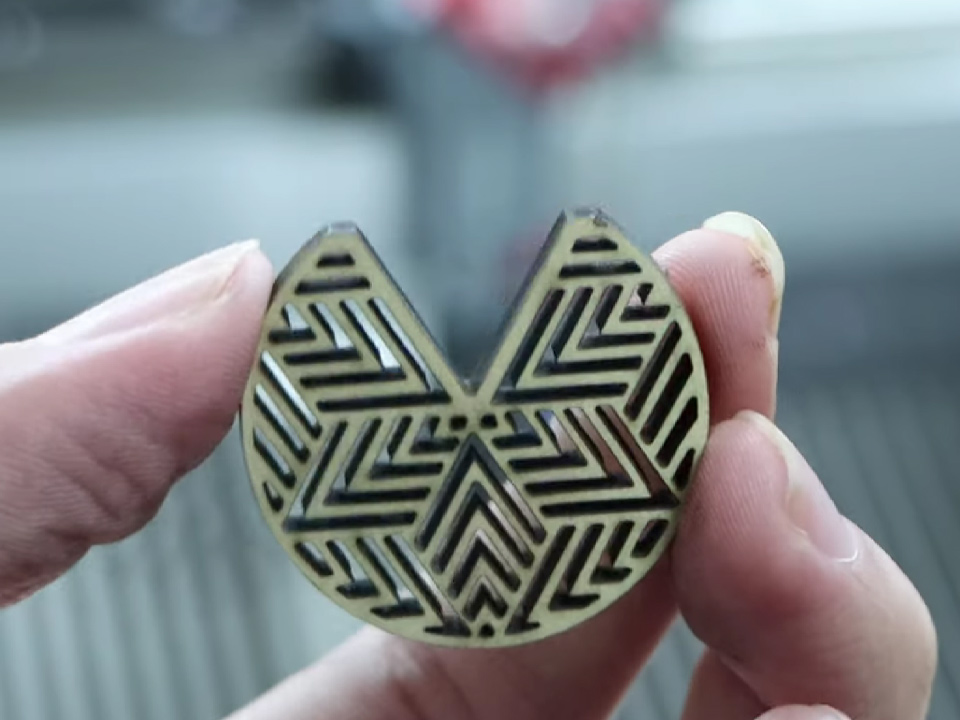
Selezione del processo: Fibra, CO2, tubo, lastra e la parte Nessuno Prezzi Corretti
Le persone fanno prima la domanda sbagliata.
Chiedono: “Quanti watt?”. Poi si comportano come se un laser in fibra da 6 kW fosse una caratteristica della personalità. Ho capito. Il wattaggio è importante. Ma il wattaggio senza la disciplina del processo è solo un modo più rumoroso per produrre scarti.
Per le attrezzature sportive pesanti come il metallo, di solito vince la fibra. Acciaio inossidabile. Acciaio dolce. Lamiera zincata. Leghe di alluminio come 5052-H32 e 6061-T6. Tubo 4130 chromoly. A volte Ti-6Al-4V se il prodotto è sofisticato, costoso o se cerca di sembrare aerospaziale.
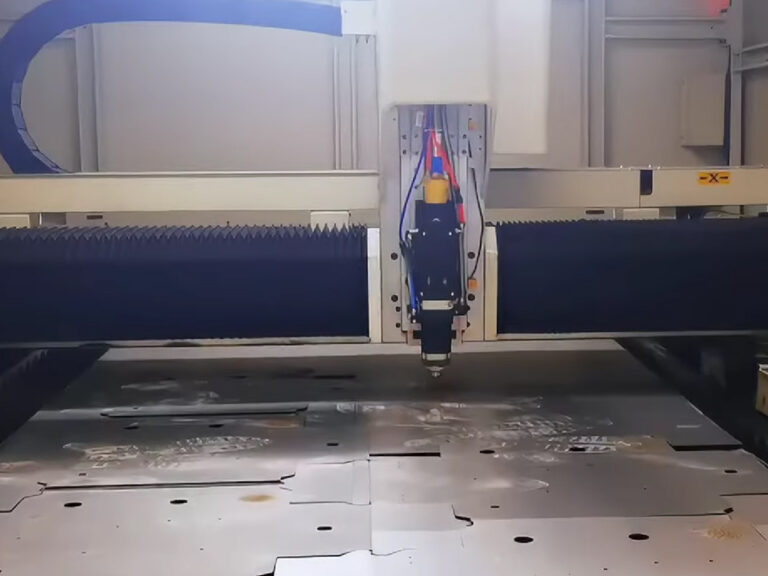
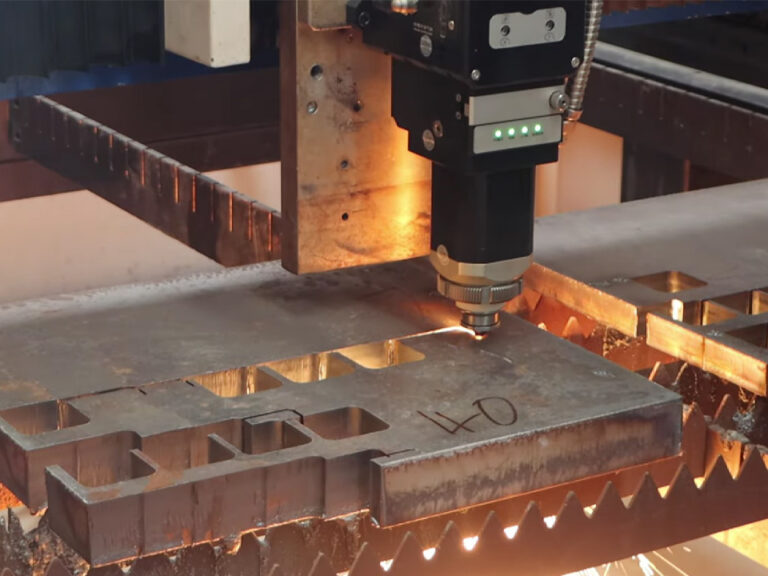
Se i vostri pezzi includono staffe, piastre, protezioni, tasselli, componenti per macchine da allenamento, tacchetti, serrature per cremagliere, piastre perforate o modelli piatti di precisione, iniziate a guardare un sito dedicato a questo scopo. macchina per il taglio laser in fibra.
Ma è qui che gli acquirenti rimangono scottati: gli OEM sportivi raramente tagliano solo lamiere piatte.
Il tubo è ovunque. Telai per il fitness. Strutture per obiettivi. Maniglie. Gabbie di supporto. Attrezzature pieghevoli. Stativi per allenatori. Attrezzature per l'equilibrio. Rastrelliere di stoccaggio. È qui che un Macchina per il taglio dei metalli con laser a fibra tutto in uno per tubi e lamiere inizia ad avere senso dal punto di vista commerciale, soprattutto quando un passaggio sbagliato tra il taglio dei tubi e quello delle lamiere può creare una settimana di inseguimento dell'allineamento dei fori.
La CO2 ha ancora un lavoro. Non lasciate che i fanboy della fibra vi dicano il contrario.
Dime in acrilico, inserti in schiuma EVA, sagome in gomma, prototipi in legno, finiture in pelle, modelli tessili, forme per imballaggi: tutto ciò non appartiene alla stessa conversazione con le staffe inossidabili. Per questi lavori, un Taglierina con incisore laser CO2 può essere lo strumento migliore.
E per i piccoli lavori in metallo ad alto dettaglio - targhette in ottone, parti di medaglie, finiture di pregio, piccoli elementi in oro o argento, accessori sportivi da boutique - una macchina compatta è in grado di offrire un'ampia scelta di prodotti. macchina per il taglio laser in fibra per ottone, oro e argento può avere più senso che vincolare un grande letto di produzione.
Strumento giusto. Il giusto disordine.
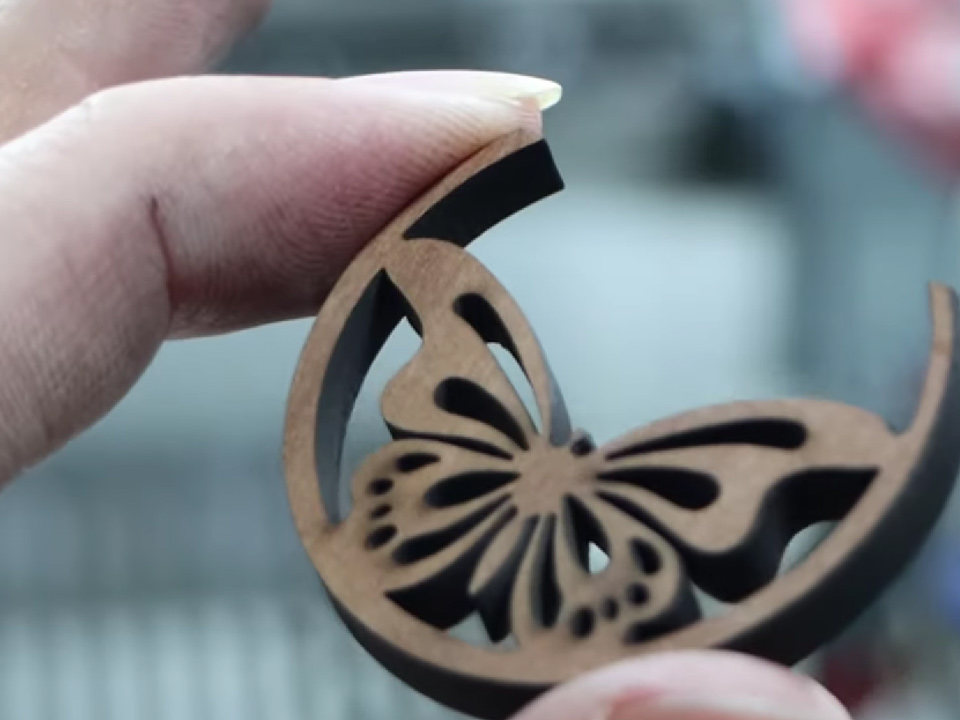
Confronto tra i metodi di taglio per le attrezzature sportive OEM
| Percorso di taglio | Componenti dell'attrezzatura sportiva più adatti | Materiali spesso coinvolti | Attenzione | Il mio verdetto |
|---|---|---|---|---|
| Taglio laser in fibra | Staffe, piastre, protezioni, linguette del telaio, parti della macchina da allenamento, giunti per tubi | Acciaio inox 304/316, acciaio al carbonio, alluminio, lamiera zincata, tubo 4130 | Riflessività dell'alluminio, controllo delle bave, zona termicamente interessata, costo del gas | Il miglior difetto per i lavori OEM in metallo |
| Taglio laser CO2 | Inserti in schiuma, espositori in acrilico, prototipi in legno, sagome in gomma, dettagli in pelle | Acrilico, legno, EVA, gomma, pelle, materie plastiche selezionate | Non è ideale per la maggior parte dei metalli riflettenti; i fumi devono essere controllati. | Utile per le parti di supporto non metalliche |
| Taglio laser dei tubi | Telai per il fitness, strutture per le porte, maniglie, sistemi di scaffalature, supporti per allenatori | Tubo tondo, quadrato, rettangolare in acciaio o alluminio | Precisione del dispositivo, orientamento delle cuciture, allineamento dei fori | Sottoutilizzato dai piccoli OEM |
| Taglio a getto d'acqua | Lastre spesse, compositi, materiali termosensibili | Piastra di alluminio, gomma, materiali compositi, materiali lapidei | Più lento, pulizia abrasiva, conicità | Ottimo quando il calore è nemico |
| Punzonatura CNC | Foglio ad alto volume con fori ripetuti | Acciaio dolce, acciaio inossidabile, lamiera di alluminio | Segni di lavorazione, limiti geometrici | Forte per i volumi ripetuti, più debole per le modifiche rapide al design |
La scheda tecnica nascosta: Kerf, gas, calore, bave e tracciabilità
Il disegno mente per omissione.
Mostra il foro. La fessura. Il profilo esterno. Forse una nota sulla curvatura, se l'ingegnere ha bevuto un caffè quella mattina. Quello che non mostra, a meno che l'acquirente non sia esperto, è l'orribile strato inferiore: la composizione del taglio, la strategia di perforazione, la posizione del piombo, il gas di assistenza, i segni delle lamelle, i limiti delle bave, il posizionamento delle microtacche, la direzione della venatura, la tolleranza del rivestimento e se il pezzo si graffia prima ancora di arrivare alla pressa piegatrice.
Kerf prima di tutto.
Un laser a fibra può produrre un taglio di circa 0,10-0,30 mm a seconda del materiale, dello spessore, dell'obiettivo, della velocità, del gas e della potenza. Sembrano cifre minime finché non si sommano a quelle di linguette, fessure, verniciatura a polvere, trazione della saldatura e tolleranza di assemblaggio. A quel punto il “piccolo” gap diventa una discussione da venerdì pomeriggio.
Succede. Costantemente.
Il gas di assistenza è un altro silenzioso fattore di disturbo. L'azoto, N₂, consente di ottenere bordi più puliti e privi di ossido su acciaio inossidabile e alluminio. L'ossigeno, O₂, taglia più velocemente l'acciaio al carbonio ma lascia ossido che può contrastare la saldatura o il rivestimento. L'assistenza pneumatica consente di risparmiare denaro, e a volte va bene, ma può anche trasformarsi in una falsa economia quando i pezzi cosmetici iniziano a tornare con lamentele sui bordi.
Poi riscaldare.
La zona termicamente alterata non è una frase accademica per chi indossa un camice da laboratorio. È la differenza tra una linguetta che sopravvive al carico ciclico e una che si incrina proprio dove nessuno la vorrebbe. I telai pieghevoli per gli esercizi, la ferramenta per i pedali, i ganci per le rastrelliere, le piastre di regolazione: tutto ciò che viene sottoposto a carichi ripetuti merita più rispetto di un “taglia in fretta”.”
E i fumi? Non fate spallucce. Le linee guida OSHA sui laser affermano che un'adeguata ventilazione deve ridurre i fumi e i vapori pericolosi derivanti dalla saldatura, dal taglio e dalle interazioni con il bersaglio a livelli inferiori ai limiti di esposizione applicabili; inoltre, evidenziano i rischi di esplosione, di radiazioni ottiche non a fascio e di radiazioni collaterali. Se un fornitore tratta l'estrazione come un elemento decorativo opzionale, comincerei a chiedermi cos'altro tratta con disinvoltura.
Aria sporca, abitudini sporche.
Come scegliere i servizi di taglio laser per le attrezzature sportive OEM
Le migliori soluzioni di taglio laser per i fornitori di attrezzature sportive non sono sempre le più veloci o le più economiche; sono i servizi in grado di mantenere tolleranze ripetibili, di documentare i lotti di materiale, di proteggere la finitura superficiale, di scalare dal prototipo alla produzione e di comunicare i problemi di producibilità prima che l'acquirente abbia 5.000 pezzi difettosi nei cartoni.
Questa è la risposta pulita.
La risposta in officina è la seguente: non comprate il tempo macchina. Comprate il controllo del processo.
Quando valuto taglio laser personalizzato per i produttori di attrezzature sportive, Cerco cinque segnali. Non slogan di marca. Segni.
In primo luogo, l'alfabetizzazione al disegno. Sono in grado di leggere le GD&T? Capiscono i blocchi di revisione, gli intenti dei modelli piatti, le tolleranze di piegatura, le origini, le svasature, le note di mascheratura e la costruzione del rivestimento? O si limitano a dire “invia DXF”?
In secondo luogo, la disciplina dei materiali. Devono sapere distinguere il 304 dall'inox 316, il 5052 dall'alluminio 6061, l'acciaio dolce dall'HSLA, il materiale rivestito da quello nudo. “Tagliamo il metallo” non è una risposta. È una bandiera rossa con gli occhiali di sicurezza.
Terzo, controllo dei bordi. Altezza della bava. Scorie. Cicatrici da piombo. Schizzi di perforazione. Segni di contatto delle lamelle. Manipolazione cosmetica della faccia. Micro-tacche. Se il pezzo è visibile su una macchina ad alta resistenza, il bordo non è solo funzionale, ma fa parte del prodotto.
Quarto, l'onestà del processo. Alcune parti necessitano di fibra. Altri hanno bisogno di un laser a tubo. Altri hanno bisogno di CO2. Alcuni dovrebbero passare al getto d'acqua. Alcuni dovrebbero essere riprogettati prima che qualcuno faccia un preventivo. Il fornitore che dice “sì” a tutto può essere utile per un prototipo. Non per un vero programma OEM.
Quinto, le scartoffie. Sì, le scartoffie. So che tutti le odiano.
Ma la tracciabilità dei lotti, l'ispezione del primo pezzo, il certificato di conformità, i rapporti di prova dei materiali, le foto dell'imballaggio e le note di non conformità sono ciò che vi salva quando un cliente vi rispedisce un assemblaggio fallito con foto arrabbiate e senza pazienza.
Dove sbaglia il taglio laser CNC per i fornitori OEM
Ma il pezzo sembrava a posto nella confezione campione.
Questa frase è probabilmente costata milioni all'industria.
Il taglio laser CNC per i fornitori OEM di solito va storto tra l'intento progettuale e l'abitudine produttiva. Nessuno pianifica il fallimento. Il progettista vuole un peso minore. L'approvvigionamento vuole un prezzo più basso. L'officina vuole la produttività. Il marchio vuole i tempi di lancio. L'operatore vuole che il nido funzioni in modo pulito. Ogni motivo è comprensibile.
Insieme, possono creare una parte negativa.
Sovrapposizione di parti visibili
Se le superfici in acciaio inox lucidato o in alluminio anodizzato sono imballate in modo troppo aggressivo, i micrograffi e le ombre di calore diventano scarti estetici.
Ignorare il rivestimento a valle
Lo spessore del rivestimento in polvere può aggiungere 60-120 μm per lato. E-coat, anodizzazione, zincatura e verniciatura cambiano l'adattamento. I componenti di attrezzature sportive tagliati al laser devono essere progettati tenendo conto della finitura.
Trattare i parametri del prototipo come parametri di produzione
Un fornitore può mettere a punto a mano dieci bellissimi campioni, quindi eseguire 2.000 pezzi più velocemente con più bava, più calore o un gas di assistenza diverso.
Tolleranze di miscelazione tra tubi e lastre
Il taglio laser dei tubi introduce variabili di cucitura, torsione, rettilineità e serraggio. La logica della lamiera non si trasferisce automaticamente.
Dimenticare l'imballaggio
Un pezzo perfettamente tagliato può essere rovinato da vibrazioni, sfregamento metallo-metallo, umidità o bordi non protetti. Sì, l'imballaggio fa parte della produzione. Combattetemi.
L'angolo della conformità che la maggior parte delle pagine di vendita evita
Ecco una cosa divertente che nessuno mette in una landing page: se il pezzo non funziona, all'acquirente non interessa quanto fosse bello il laser.
Nel luglio 2024, il CPSC ha avvertito i consumatori di smettere di usare i caschi da bicicletta Camzimo venduti online perché non erano conformi ai requisiti di attenuazione degli impatti, resistenza del sistema di ritenzione, stabilità posizionale, certificazione ed etichettatura. Il CPSC ha inoltre dichiarato di aver emesso un avviso di violazione nei confronti del venditore, il quale non ha accettato di ritirare i caschi o di offrire un rimedio.
Prodotto diverso. Stessa avvertenza.
Una piastra di fibbia tagliata al laser, un perno del portapacchi, una guida per il cavo, una staffa di regolazione, un inserto per il pedale, un tassello del telaio, una piastra per la ferramenta dello sci o un componente della serratura pieghevole possono sembrare noiosi finché non diventano un punto di rottura. Allora diventa una prova.
Questa è la parte che i fornitori odiano sentire.
Il file OEM serio inizia prima dei problemi. Certificati dei materiali. Rapporti di ispezione. Storia delle revisioni. Metodo di imballaggio. Ipotesi di rivestimento. Deviazioni approvate. Registri delle modifiche del fornitore. Niente di eclatante. Tutto utile.
| Documento OEM | Perché è importante | Cosa chiederei al fornitore di taglio laser |
|---|---|---|
| Certificato del materiale | Conferma la lega, il grado e l'origine | MTR/CoC legato al numero di lotto |
| Ispezione del primo articolo | Verifica delle dimensioni prima della produzione in serie | Rapporto PDF con i valori misurati, non con i timbri “OK |
| Parametri di processo | Aiuta a indagare sui difetti ripetuti | Macchina, gas, spessore, revisione, data |
| Standard di superficie | Riduce gli argomenti cosmetici | Foto dei bordi, limite delle bave, campione di accettazione dei graffi |
| Metodo di imballaggio | Previene i danni da trasporto | Test del cartone, separatori, prevenzione della ruggine |
| Registro di controllo delle modifiche | Interrompe le sostituzioni silenziose | Approvazione scritta per modifiche a stock, nesting, gas o fornitori. |
Domande frequenti
Quali sono i servizi di taglio laser per i fornitori di attrezzature sportive OEM?
I servizi di taglio laser per i fornitori di attrezzature sportive OEM sono servizi di taglio di precisione, profilatura, perforazione e marcatura utilizzati per produrre componenti ripetibili di prodotti sportivi, tra cui staffe, tubi, protezioni, linguette del telaio, piastre, hardware di regolazione e parti metalliche cosmetiche che devono soddisfare requisiti dimensionali, di finitura, di sicurezza e di volume di produzione.
Questa è la versione breve. La versione più lunga è meno brillante: il taglio è solo un pezzo. Il vero valore del fornitore risiede nella revisione CAD, nel controllo dei tagli, nella tracciabilità dei materiali, negli standard di sbavatura, nei registri di ispezione e nella capacità dell'officina di ripetere lo stesso risultato una volta esaurito il fascino del primo campione.
In che modo le soluzioni di taglio laser OEM migliorano la produzione di attrezzature sportive?
Le soluzioni di taglio laser OEM migliorano la produzione di attrezzature sportive riducendo i ritardi nell'attrezzaggio, supportando revisioni rapide dei progetti, mantenendo profili complessi, tagliando in modo efficiente parti in lamiera e tubi e aiutando i produttori a passare da campioni prototipo a produzioni ripetute in acciaio inossidabile, alluminio, acciaio al carbonio, cromolinio, ottone e leghe speciali selezionate.
La velocità è importante, ma lo è di più la ripetibilità. Un fornitore può rivedere uno schema di fori in una notte, certo. Ma se il lotto successivo presenta tinte termiche, scorie o deriva dei dispositivi, la velocità ha solo spostato il difetto più velocemente attraverso l'edificio.
Quali sono i materiali migliori per i componenti di attrezzature sportive tagliati al laser?
I materiali migliori per i componenti di attrezzature sportive tagliati al laser dipendono dal carico, dall'esposizione alla corrosione, dal peso, dalla finitura, dal comportamento alla fatica e dal budget, ma le scelte più comuni includono l'acciaio inossidabile 304, l'acciaio inossidabile 316, l'acciaio al carbonio, l'acciaio zincato, l'alluminio 5052, l'alluminio 6061-T6, il tubo cromato 4130, l'ottone e leghe di titanio selezionate.
Per gli attrezzi da fitness indoor, l'acciaio al carbonio verniciato a polvere fa spesso al caso nostro. Per il sudore, la pioggia o la ferramenta esposta, l'acciaio inossidabile e l'alluminio si guadagnano il loro posto. Il titanio sembra sexy, e a volte lo è, ma può anche trasformare un normale lavoro di approvvigionamento in un problema di costi.
I vostri prossimi passi: Smettere di comprare il preventivo più basso e iniziare a comprare il processo
Inviate al fornitore un vero pacchetto RFQ.
Non un DXF semipulito con “urgente” nell'oggetto dell'e-mail. Inviate il file STEP, il disegno 2D, il tipo di materiale, lo spessore, la finitura, il volume annuale, i punti di ispezione, le aspettative di imballaggio e il compito del pezzo all'interno del prodotto.
Chiedete quindi una revisione della produzione prima del prezzo finale.
Una cosa seria Servizi di taglio laser Il fornitore parlerà di kerf, bave, gas di assistenza, strategia di fissaggio, orientamento delle giunture dei tubi, tolleranza del rivestimento, tracciabilità dei lotti, rapporti di ispezione e imballaggio. Un fornitore debole parlerà soprattutto di potenza e tempi di consegna.
Scegliete il primo. Anche se costano di più. Soprattutto in quel caso.


Click a caldo
Contatto
Applicazione
©Copyright [bogonglaser.com]. BOGONG Laser Machine Supplier Tutti i diritti riservati.