

Blog
Wie genau das Faserlaserschneiden die Regalfertigung verbessert
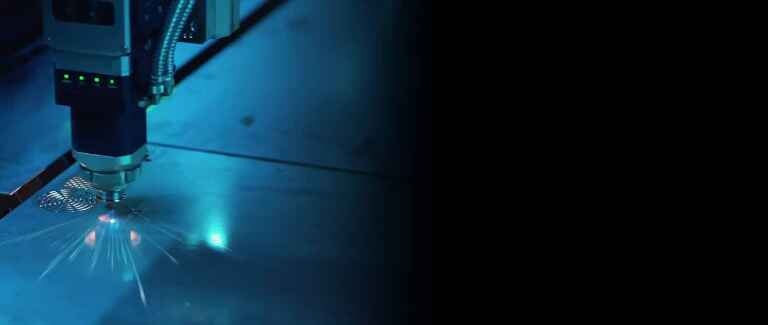
Ein hartnäckiger Blick darauf, warum das Faserlaserschneiden die Regalfertigung erobert, wo es tatsächlich Geld spart und wo unvorsichtige Käufer immer noch auf der Strecke bleiben.
Industrielle Kunststoffverarbeitung mit Laserschneidmaschinen
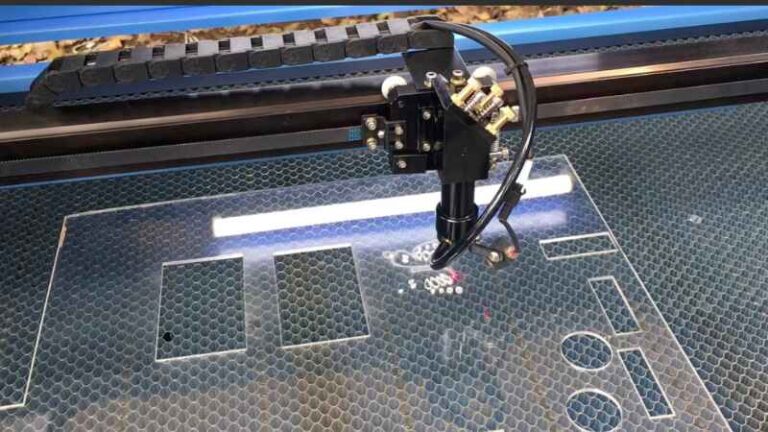
Ein harter, werkstattbezogener Blick auf das kommerzielle Acryl-Laserschneiden: CO2-Laser-Gewohnheiten, PMMA-Chemie, Rauchschutz, Produktionseinstellungen, Geräteauswahl und die unangenehmen Fehler, die Käufer immer wieder machen.
Laserschneiden von Acrylglas für die Schilderherstellung
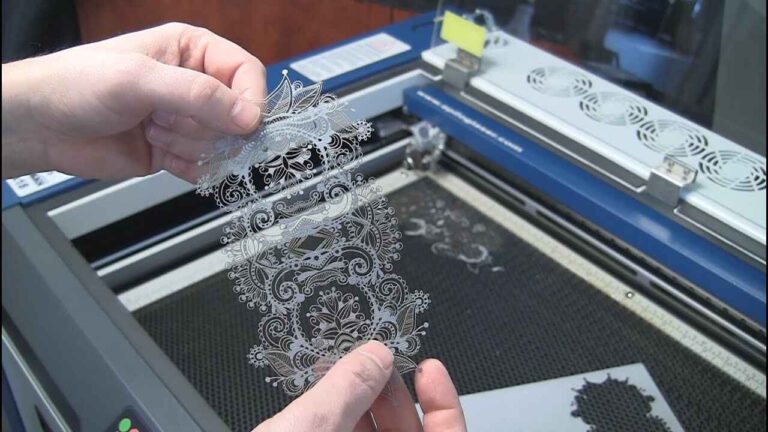
Mit dem Laserschneiden von Acrylglas lassen sich glänzende, präzise Beschilderungsteile mit hoher Gewinnspanne herstellen, aber nur, wenn das Geschäft PMMA als Chemie und nicht als Dekoration behandelt. In diesem Leitfaden werden Acrylglasplatten, CO2-Laser, Dämpfe, Toleranzen, Produktionskosten und Käuferfehler anhand realer Daten und praktischer Fertigungsentscheidungen aufgeschlüsselt.
Laserschneidmaschinen für die Herstellung von Rechenzentrumsschränken
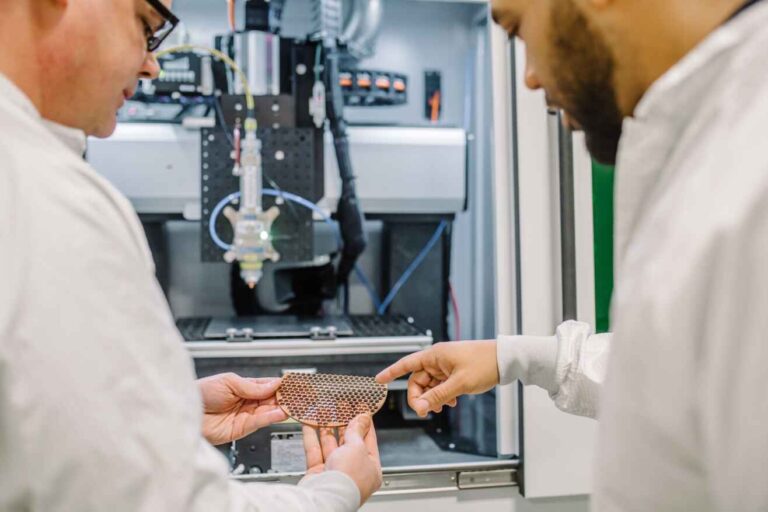
Die Herstellung von Racks für Rechenzentren ist nicht länger eine schläfrige Blecharbeit. KI-Racks, Flüssigkeitskühlung, 72-GPU-Serversysteme, engere Luftstromfenster und schnellere Bauzyklen zwingen die Rack-Fabriken dazu, Laserschneidmaschinen als Produktionssteuerungsanlagen und nicht nur als Metallschneider zu betrachten.
Beste Lasereinstellungen zum Schneiden von Acryl ohne Verbrennungen
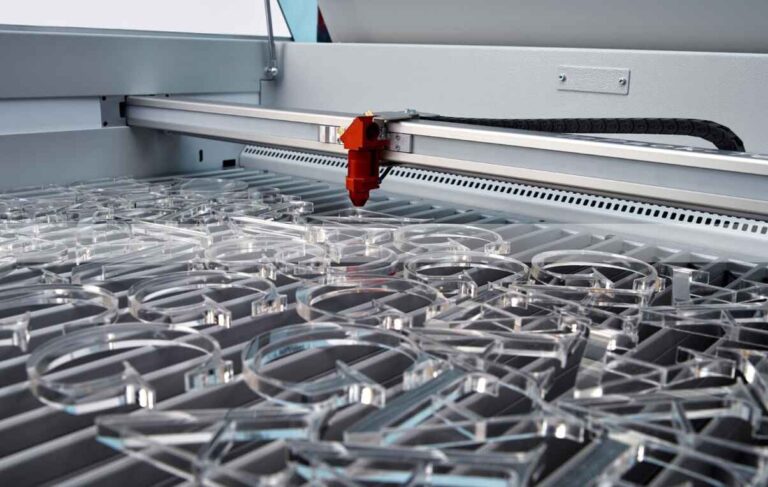
Acryl brennt nicht, weil das Universum Sie hasst. Es brennt, weil Ihre Wärmezufuhr, Rauchentfernung, Fokusposition, Maskierung und Plattenchemie gegeneinander kämpfen. Hier ist der harte, testbare Weg, um die Einstellungen für das Laserschneiden von Acryl zu optimieren, ohne zu raten.
Wie CO2-Laserschneidmaschinen Acrylglasplatten schneiden
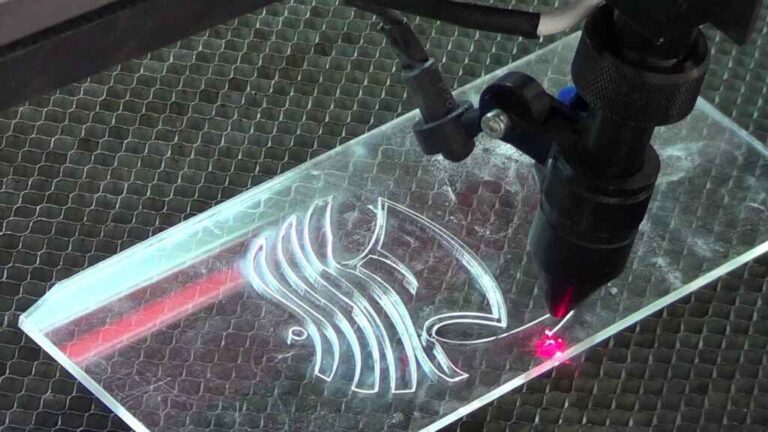
Eine unverblümte Erklärung, wie CO2-Laserschneidmaschinen Acrylplatten schneiden, welche Einstellungen wichtig sind, warum sich PMMA unter einem CO2-Strahl so gut verhält und wo Bediener bei Sicherheit, Rauch, Fokus und Acrylplattenauswahl falsch liegen.
Wie genau das Laser-Reduzieren die Präzision von Holzprodukten verbessert
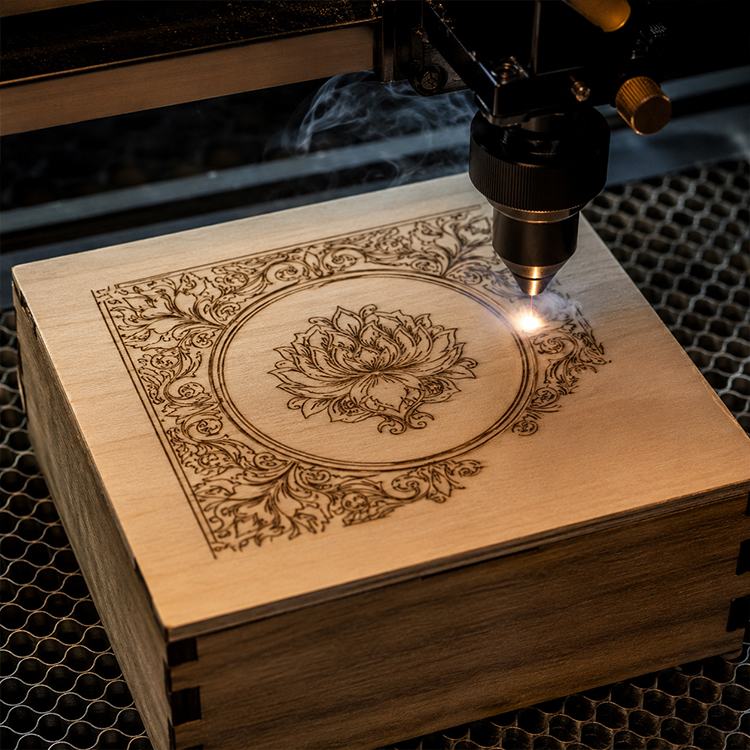
Eine skeptische Werkstatt betrachtet genau, wie das Laserschneiden die Genauigkeit bei Holzprodukten verbessert, wo es Oberfräsen und Sägen besiegt, wo es versagt und warum die klügsten Geschäfte Holz testen, bevor sie auf elektrische Energie vertrauen.
Industrielle Anwendungen des Laserschneidens in der Holzbearbeitung
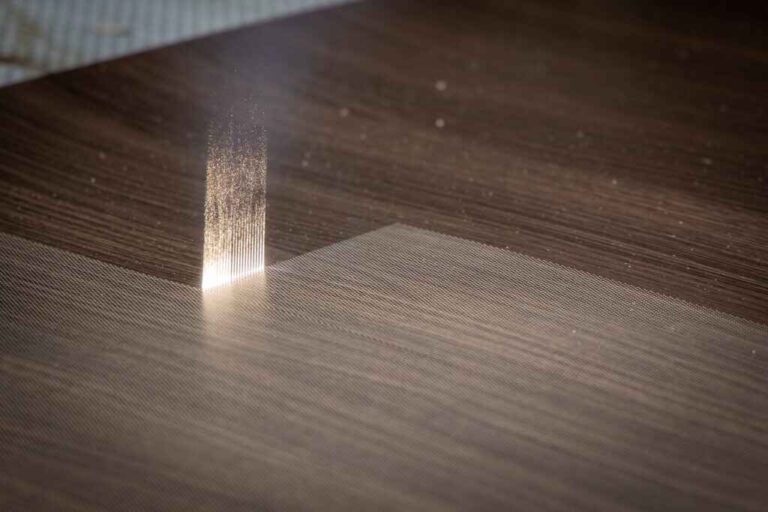
Das Laser-Reduzieren von Holz ist keine handwerkliche Spielerei. In der kommerziellen Holzverarbeitung ist es ein geregeltes thermisches Verfahren, das für dünnes Sperrholz, MDF, Furniere, attraktive Paneele, Einsätze für Produktverpackungen, Beschilderungen, Vorrichtungen, Themen und High-Mix-Fertigung verwendet wird, wo Geräteverschleiß, Konfigurationszeit und Wiederholbarkeit die Gewinnspanne bestimmen.
Laser-Reduzierung vs. CNC-Fräsen für die Holzproduktion
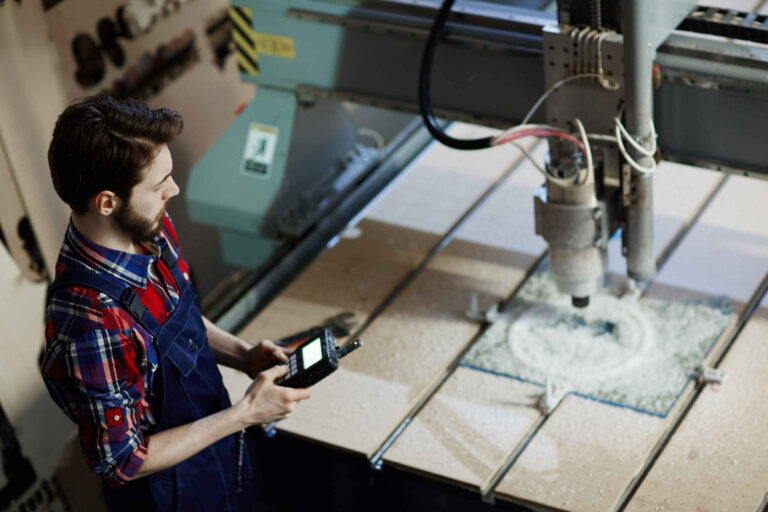
Laserschneider überzeugen durch Informationen, Gravur, Verschachtelung von Dünnblech und berührungsloses Schneiden. CNC-Fräsen gewinnen bei Dicke, Abbund, 3D-Profilierung, Feilen, Hartholzbearbeitung und vorhersehbarem Durchhaltevermögen. Die lukrative Lösung lautet selten "Laser oder Router". Normalerweise lautet sie: "Welches Verfahren besitzt welche SKU?"
Beste Holzsorte für Kohlendioxidlaser-Reduzierer
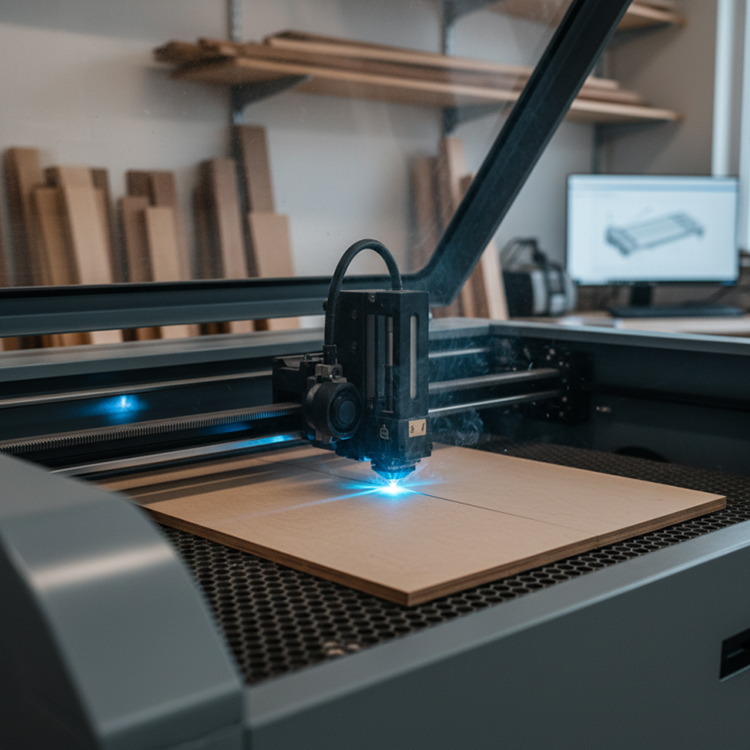
Nicht jedes "Laserholz" verdient es, in die Nähe eines CO2-Laserschneiders zu kommen. Dieser Überblick listet die besten Holzarten für CO2-Laserschneider auf, klärt, warum Linde und Birkensperrholz dominieren, warum MDF-Laserschneiden Ihre Abgasanlage leise bestrafen kann und wie Experten das Material auswählen, bevor sie der elektrischen Energie hinterherjagen.

Heißer Klick
Kontakt
Anmeldung
©Copyright [bogonglaser.com]. BOGONG Laser Maschine Lieferant Alle Rechte vorbehalten.