-
طريق شونهوا، مدينة جينان، شاندونغ

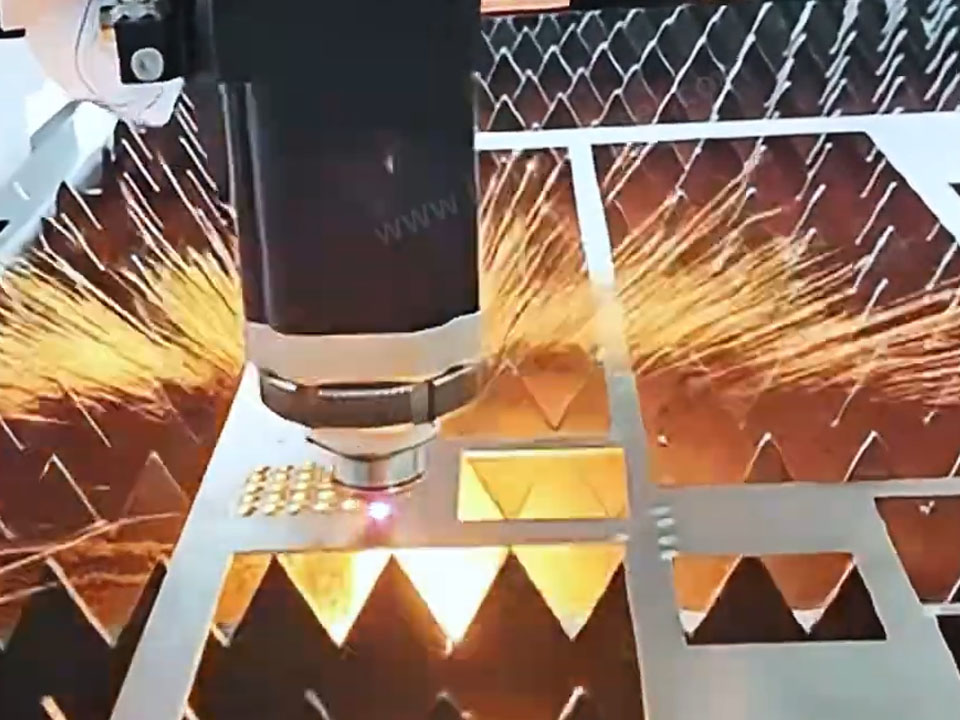
Importing Laser Machines vs Local Distributors: Which Is Better?
Most buyers think this is a price question. I think that is the first mistake.
The real decision sits in downtime exposure, trade risk, warranty friction, training, and who actually shows up when the machine stops cutting.

They pull one quote from a factory, one quote from a domestic rep, circle the cheaper number, and act like they’ve solved procurement—when really they’ve compared two totally different packages of liability, startup pain, freight exposure, compliance risk, commissioning support, and after-sales behavior under pressure. That’s not analysis. That’s wishful math.
A purchasing manager tells me, “The China quote is 28% lower.” Fine. But lower than what, exactly? Lower than a machine-only deal? Lower than a machine plus install plus training plus parts plus somebody who answers the phone when the laser source starts acting strange on a Wednesday morning? Those are not the same thing. Not even close.
This market loves fake comparisons. The sales pitch sounds clean. Importing laser machines sounds lean, aggressive, smart. Local laser machine distributors sound expensive, padded, old-school. But when the machine lands, the paperwork starts, the wiring doesn’t match the shop, the operator needs handholding, and the control system throws a fit after three days of production, all that “we saved money” talk gets real quiet. Fast.
If you know the process, know the machine class, know the source brand, know your voltage, know your gas, know your acceptance criteria, and have people in-house who can absorb startup friction without melting down, importing laser machines can absolutely be the better commercial decision. But if your shop lives and dies by uptime, or you don’t have a technical team that can babysit a new install, or you need local accountability when the machine acts up, local laser machine distributors usually win the real argument.
Because this isn’t just about capex. It’s about operating risk.
I frankly believe too many buyers obsess over invoice price because it’s the easiest number to defend in a meeting. Nobody wants to stand up and say, “I paid more because I was buying less chaos.” But sometimes that’s exactly the right call. Sometimes the premium is not fluff. It’s insurance wearing work boots.
And yes, the trade environment still matters. A lot more than lazy purchasing teams want to admit. The U.S. trade environment still carries tariff uncertainty for many China-origin products under Section 301, and U.S. Customs continues to frame trade remedies and importer compliance as an active enforcement area. At the same time, the U.S. Trade Representative said in 2024 that maintaining or increasing Section 301 tariffs was intended to support supply-chain diversification and resilience. That matters for any buyer thinking about importing laser equipment directly from China.
Then you get logistics. And people still talk about logistics like it’s a solved problem, which is funny—because anyone who has actually had a machine sitting at port, or stuck in customs review, or delayed because one document line was off, knows that “in transit” is often a fancy way of saying “not making you money.” The World Bank’s logistics work keeps pointing to import lead time variability and dwell time as major drivers of supply-chain friction. In plain English: even when freight moves, it does not always move smoothly, and machines do not start making money while they sit in transit, customs, staging, or incomplete installation.
So when somebody asks me whether they should buy from laser machine distributors or buy laser machine from China, I don’t start with price. I start with this question: who eats the pain when something goes sideways?
A direct import deal can be great. I’m not anti-import. Not remotely. If the buyer knows what they’re doing, the upside is obvious: lower acquisition cost, more control over spec, sometimes better access to broader machine configurations, and in many cases a faster path to the exact build they want instead of whatever a local rep happens to stock or push hardest this quarter. For a disciplined buyer looking at a fiber laser cutting machine with 1000W to 6000W options, direct factory sourcing can make excellent sense.
But only if the buyer is disciplined. That part gets skipped.
Here’s where outsiders get burned: they think every “manufacturer” is a real OEM with deep engineering, stable QC, stocked components, documented commissioning routines, and a support bench that can actually solve problems instead of forwarding messages into the void. That assumption is expensive. Some suppliers are solid. Some are traders wearing factory clothes. Some can build a decent frame and still fail miserably at post-sale support. Those are very different animals, even if the brochures look similar.
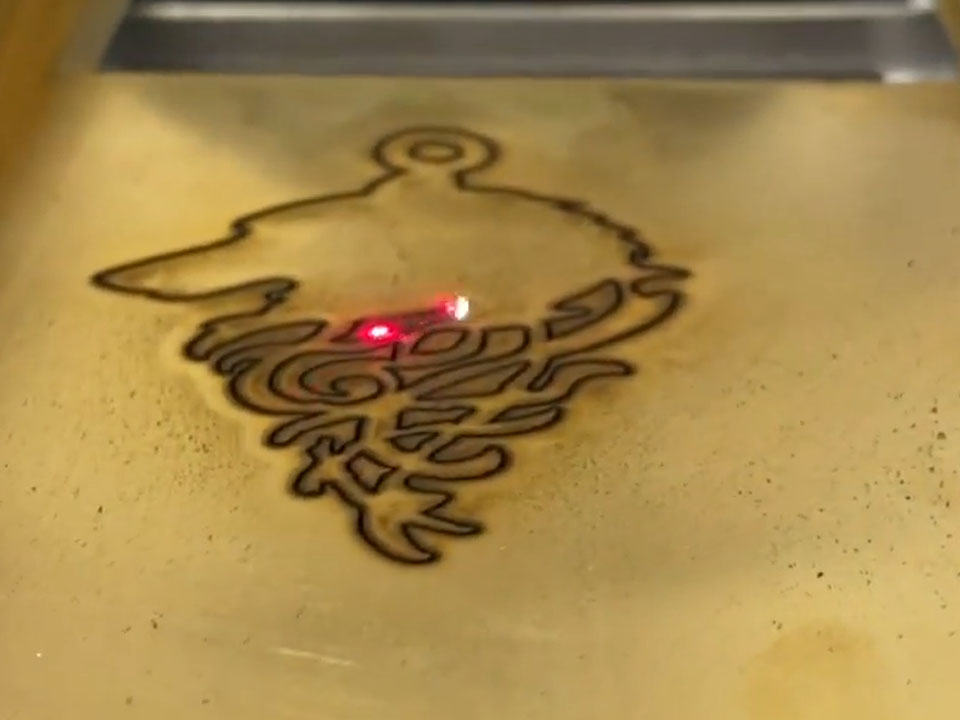
Local laser machine distributors, meanwhile, are often mocked for the markup. I get it. The price gap can sting. But what are they really selling? They’re selling compressed risk. Compressed response time. Compressed confusion. They’re often bundling local install, startup verification, operator training, service dispatch, and a cleaner warranty path. That stuff is boring—until the machine stops. Then it becomes the only thing anybody cares about.
There’s also the safety and compliance layer, which buyers love to treat like some checkbox to worry about later. Bad move. Laser equipment isn’t just an asset; it’s a live industrial system with electrical load, cooling, beam risk, extraction concerns, shielding issues, and operator exposure problems if the setup is sloppy. OSHA makes very clear that employers are responsible for training and for controlling recognized hazards, and OSHA’s recognized testing framework also matters when equipment enters real industrial use. If a local distributor handles more of that practical chain, their markup is not “wasted margin.” It may be the difference between a machine that runs this month and a machine that becomes an internal argument.
And there’s another thing nobody likes to say out loud: a cheap machine with weak support is often worse than an expensive machine with average support. Because at least in the second case, somebody usually picks up the phone. In the first case, you’re stuck juggling time zones, translation issues, WhatsApp screenshots, remote fault guesses, and the slow death of confidence inside your production team.
Not because the hardware was junk, necessarily. Sometimes the core machine is fine. The problem is the handoff. The setup. The debugging. The “we thought that was included” mess. That’s where imported laser machine vs local supplier becomes a serious decision, not a blog headline.
Here’s the comparison most buyers should have started with in the first place:
| Decision Factor | Importing Laser Machines Directly | Local Laser Machine Distributors |
|---|---|---|
| Upfront machine price | Usually lower | Usually higher |
| Freight, customs, tariffs | Buyer carries more exposure | Often bundled or pre-managed |
| Installation risk | Higher unless you have in-house technical staff | Lower if distributor commissions locally |
| Warranty friction | Can become slow and document-heavy | Usually faster and clearer |
| Parts replacement time | Can stretch with cross-border shipping | Often shorter if stocked locally |
| Training quality | Depends on remote support quality | Usually stronger on-site |
| Best fit | Experienced industrial buyers | Uptime-sensitive buyers |
| Hidden cost driver | Delays and rework | Margin premium |
The gap is not “cheap vs expensive.” It’s “buyer-owned risk vs seller-absorbed risk.” Big difference.
And yes, I still think many buyers should source direct—if they earn the right to. That means a real RFQ, real technical validation, real pre-shipment testing, real spare-parts planning, and real written commitments. Not vague promises. Not “don’t worry, friend.” Not screenshots of some other customer’s machine. I mean actual buying discipline.
For that, a supplier’s ecosystem matters. Bogong’s site, for example, doesn’t just throw up one machine and hope for the best; it shows a wider laser products catalog, dedicated laser machine application pages, and category depth across cutting, welding, cleaning, and marking. That’s useful—not because a wide catalog proves excellence, but because it gives a buyer more surface area to test whether the supplier actually understands process fit or is just chasing keywords.
That distinction matters more than people think.
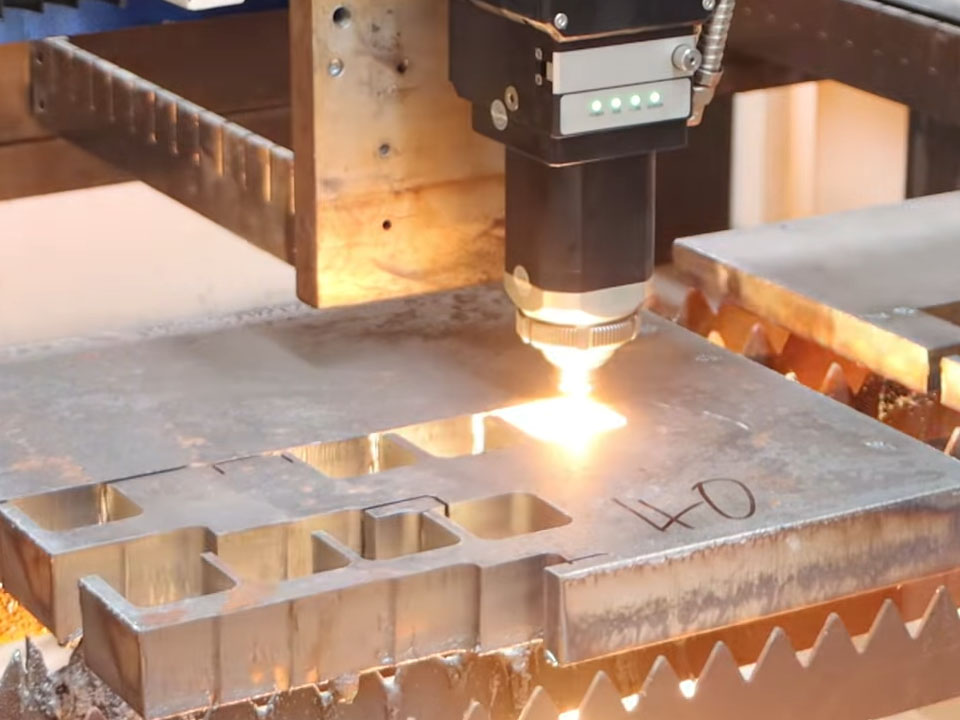
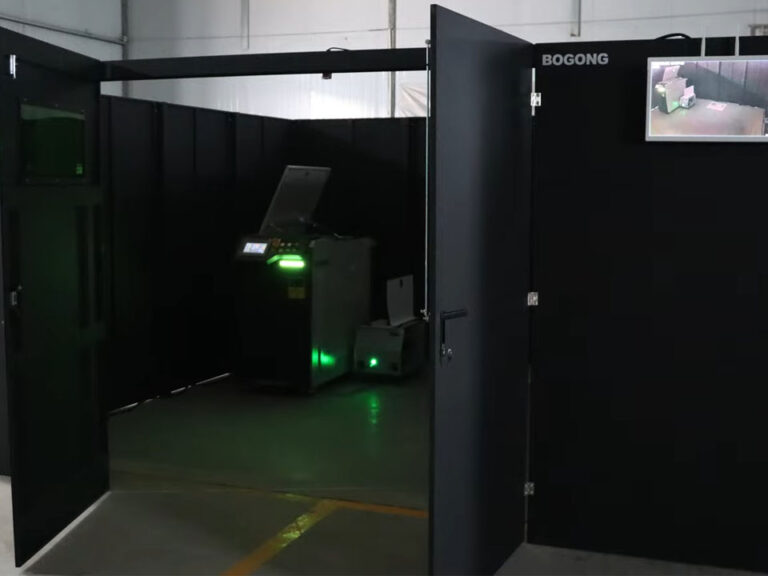
You also can’t ignore the peripherals. Buyers love to price the core machine and then act surprised when the full project cost grows legs. Enclosures, extraction, gas handling, chillers, feeders, shielding, floor prep, training time, electrical work—it all adds up. Even a seemingly basic add-on like a laser protective fence setup is not really an add-on if your process or plant layout requires it. It’s part of the job.
And support should be tested before deposit, not after. I can’t stress that enough. If you’re evaluating the best laser machine supplier, don’t ask only for a quote. Ask how faults are escalated. Ask what spare parts are recommended with the machine. Ask what the typical startup support window looks like. Ask whether commissioning is remote or on-site. Ask whether software is localized. Ask who owns parameter tuning for your materials. Ask ugly questions. The decent suppliers won’t flinch.
Now, if you force me to simplify this—and buyers always do—here’s my blunt view.
If you’re a first-time buyer, local laser machine distributors are usually the safer move.
If you’re a repeat buyer with an electrician, maintenance support, process knowledge, and some tolerance for commissioning pain, importing laser machines can produce better economics.
But even that rule has exceptions. A very capable buyer can still choose local because uptime matters more than saving 15%. A weak buyer can still choose direct because cash is tight and they’re willing to gamble on a messy startup. I’m not here to sell fantasy certainty. I’m here to say the decision should match the buyer’s operational maturity, not their ego.
Because some buyers want the identity of being “smart global sourcers” more than they want a clean install. They like the story of buying direct. They like telling management they cut out the middleman. Fine. But a middleman who owns install and service is not always dead weight. Sometimes that margin is the whole reason the project survives first contact with reality.
Direct importing works best when the process is standard, the machine spec is well understood, the shop can manage utilities and setup, and the supplier has been pressure-tested hard before payment. Local distribution works best when delay is expensive, accountability needs to stay close, and the buyer wants fewer moving parts. That’s really it.
الأسئلة الشائعة
Should I import a laser machine or buy locally? Importing a laser machine is usually better for technically capable buyers who can manage logistics, installation, and support risk, while buying locally is usually better for companies that value uptime, local service, faster problem resolution, and a cleaner chain of responsibility after delivery. From my experience, the wrong buyer can turn a “cheap” import into a very expensive lesson. If your team doesn’t have technical depth—or you can’t tolerate startup delays—buying local is often the safer business call.
What is the biggest difference between importing laser machines and using local laser machine distributors? The biggest difference is not the sticker price but the allocation of risk, because importing places more responsibility on the buyer for logistics, setup, compliance, and post-sale coordination, while local distributors usually absorb more of those operational burdens into their margin. That’s why two quotes that look close on paper can behave wildly differently once the machine actually lands. One deal may be selling hardware. The other may be selling a cleaner startup and faster recovery when things go wrong.
Is buying a laser machine from China always cheaper? Buying a laser machine from China is often cheaper at the invoice level, but it is not always cheaper at the landed-cost or operating-cost level once freight, tariffs, customs handling, installation delays, spare parts, and production interruptions are added into the decision. Here’s the ugly truth: buyers love quoting the machine price and ignoring the mess around it. The machine can be cheaper. Ownership might not be.
Are local laser machine distributors worth the higher price? Local laser machine distributors are worth the higher price when their markup buys faster commissioning, better training, local spare parts, clearer warranty support, financing options, and shorter downtime during failures, especially for shops where every lost production day hits revenue immediately. I frankly believe this is where many procurement teams fool themselves. They think they’re avoiding margin, but sometimes they’re just buying a larger future headache.
How do I evaluate the best laser machine supplier? The best laser machine supplier is the one that can prove application fit, support quality, spare-parts access, performance specs, and response discipline in writing before you pay, rather than the one with the nicest catalog or the lowest first quote. Ask hard questions. Push for machine videos, full specs, source brand confirmation, utilities requirements, spare-parts recommendations, and a real explanation of how support works after delivery. If the answers get vague, that tells you something.
What should be included in a laser machine sourcing checklist? A proper laser machine sourcing checklist should include machine model, source brand, power range, voltage, gas requirements, cooling method, training scope, warranty terms, spare parts, software language, acceptance testing, incoterms, and named responsibility for installation and troubleshooting. Without that checklist, buyers end up comparing polished sales pages instead of comparable operating systems. And that’s usually where the bad decisions start.
If your team is stuck between direct import and laser machine distributors, stop treating it like a simple price war. Price matters, obviously—but so do startup speed, service quality, parts access, training, safety, and who owns the problem after the crate is opened. Review the machine fit, review the application, review the support path, and then ask for the final quote.


نقرة ساخنة
اتصل بنا
التطبيق
©Copyright [bogonglaser.com]. BOGONG Laser Machine Supplier All Rights Reserved.